Kyoto–Part 1

This ancient city was once the capital of Japan ( 794AD-1868). The name literally translates into “Capital City”. FYI–the current capital ( Tokyo) means “East Capital” and has the same letters arranged differently. Kyoto has over 17 UNESCO World Heritage sites and over 2,000 temples or shrines. There’s much to see and do. Part 2 will follow this post in a few days.

I loved exploring this city. It’s a combination of ultra modern to the opposite– ancient and steeped in tradition.

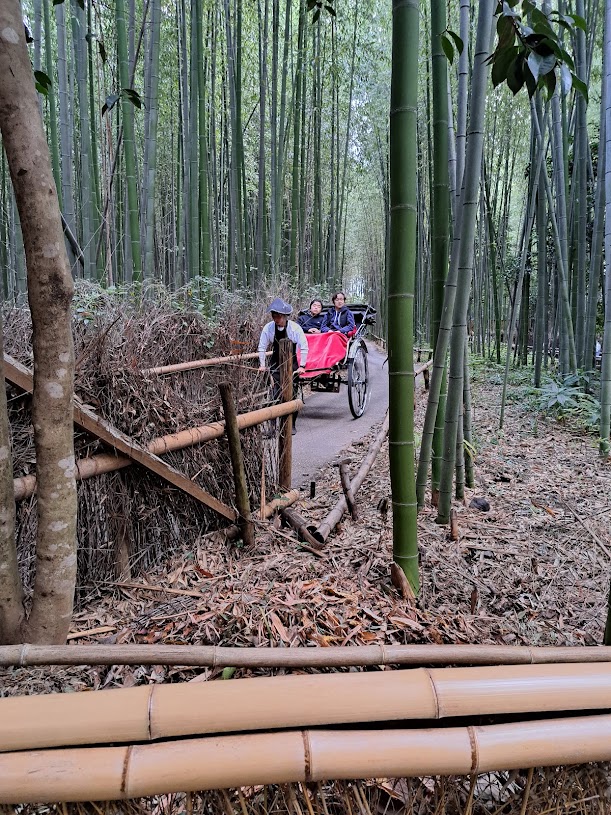
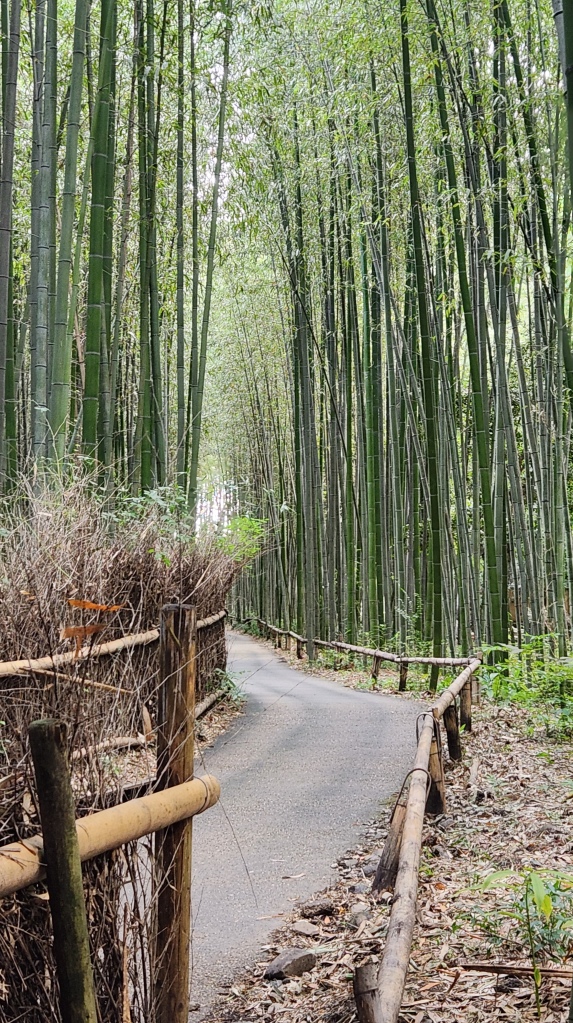
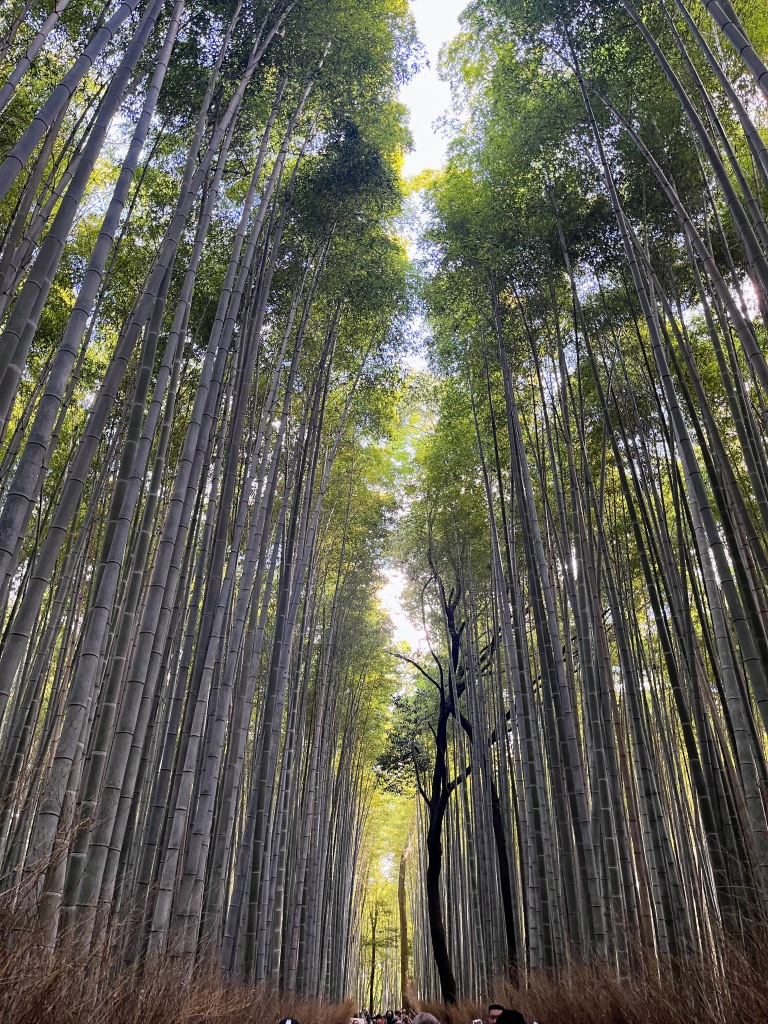
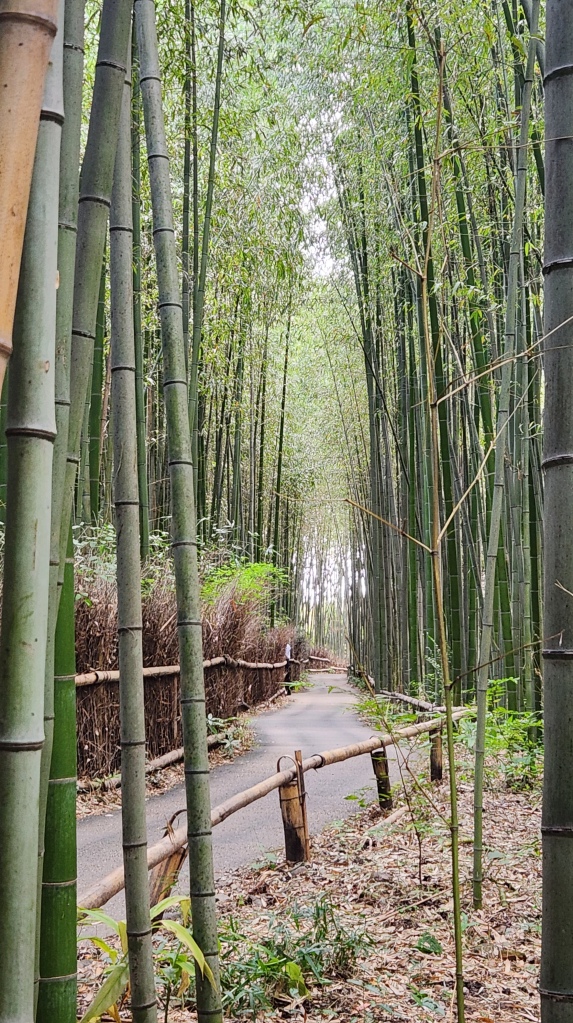
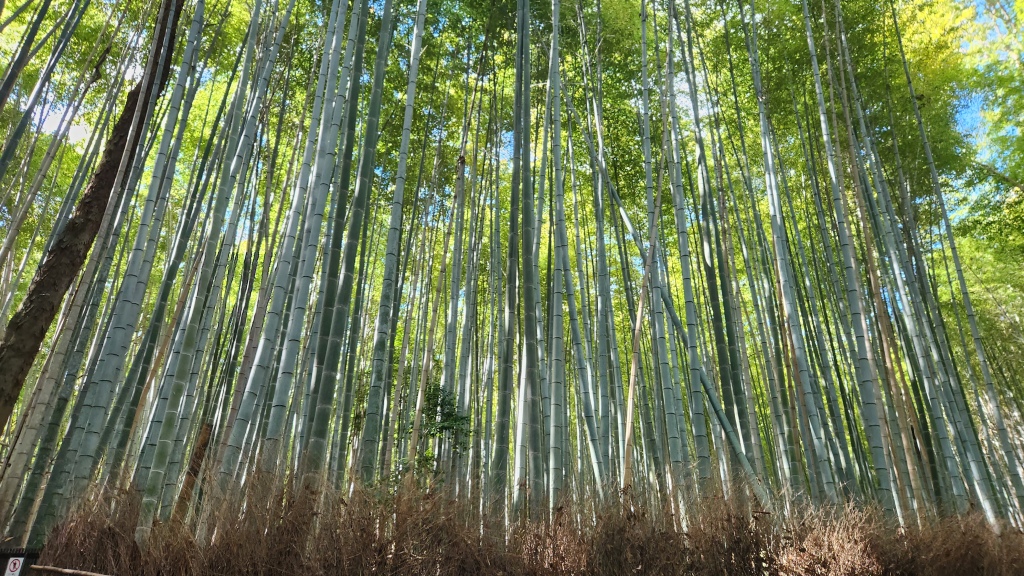
ARASHIYAMA BAMBOO GROVE:

If you want any chance of photography here—go as early as possible! We went in the morning, but it was still crowded and hard to get clear shots. The forest is mezmerizing in it’s repitition. Sunlight somehow looks more golden. There’s an aura of security and protection.
Tenryu-ji Temple

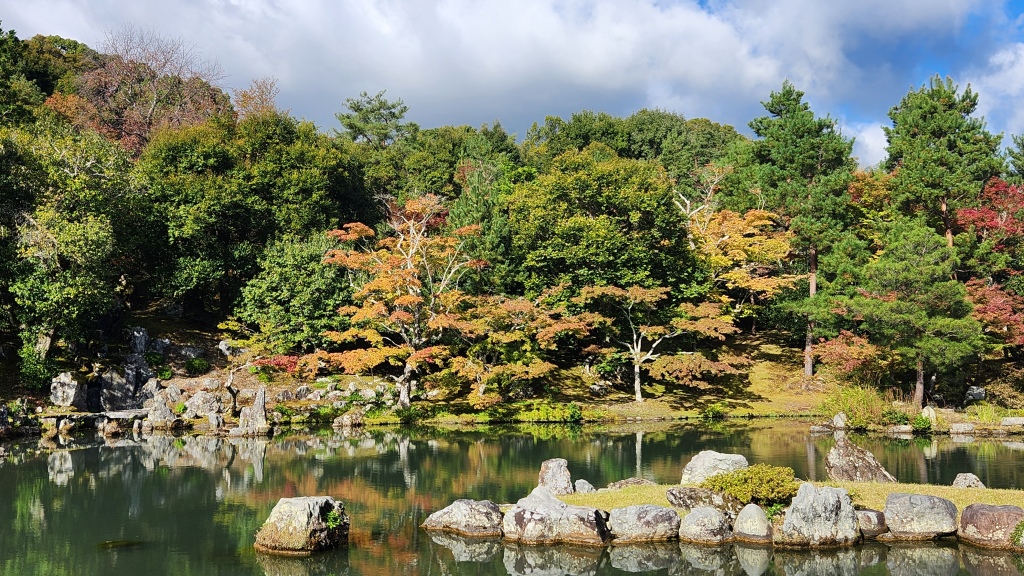
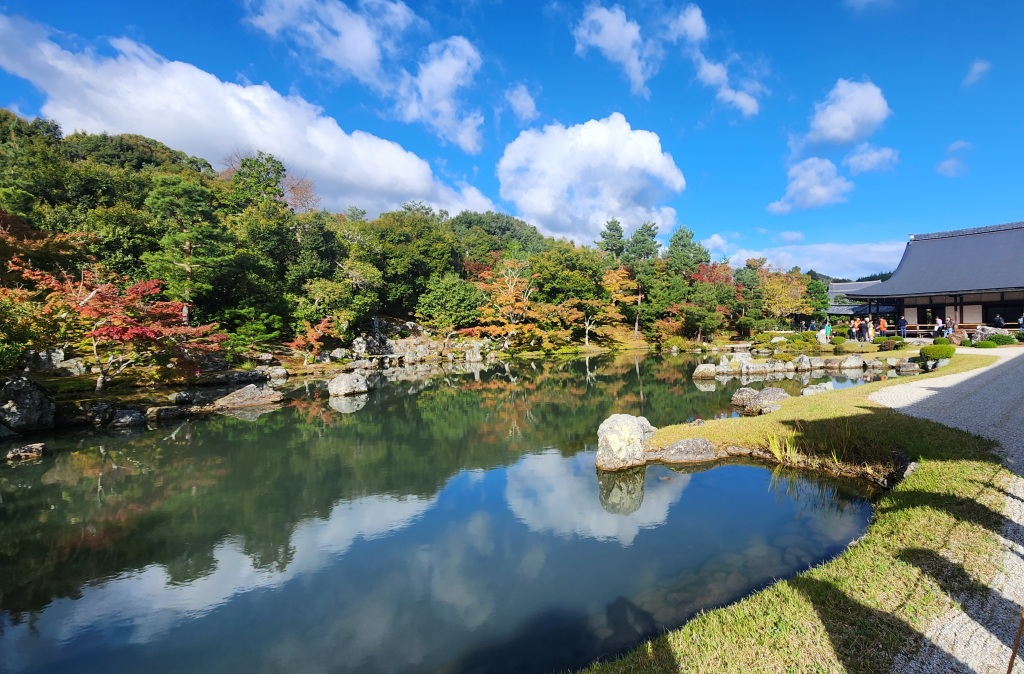
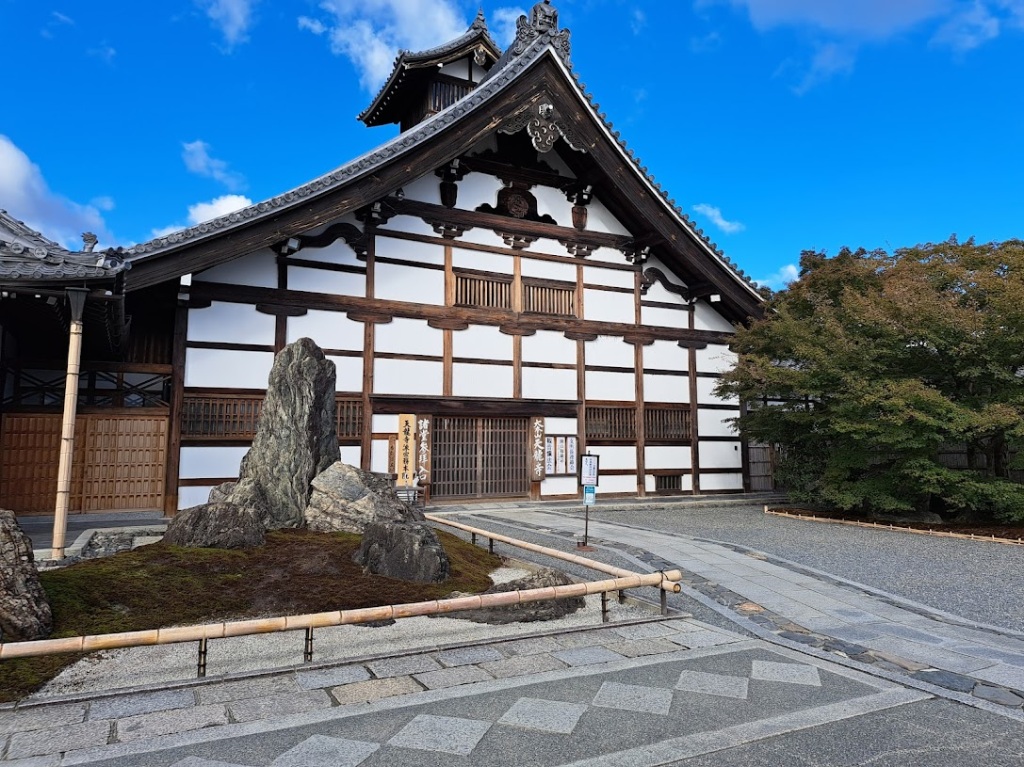
This World Cultural Heritage site is the Zen Buddhist temple of the heavenly dragon. It is the lead temple built in 1339 by Shogun Ashikaga Takauji in Emperor Go-Daigo’s ( 1288-1339) memory. In the 13th century, Emperor Kaeyana built a villa on the property and this is where his grandson, Go-Daigo, was raised and educated. After Go passed away, the villa became a zen temple. A total of 8 fires caused destruction over the centuries, so most of the buildings date to the Meiji period (1868-1912). Note that the landscape garden is one of the oldest in Japan dating to the 14th century! Blows my mind how old these gardens are.
Kinkakuji–The Golden Temple

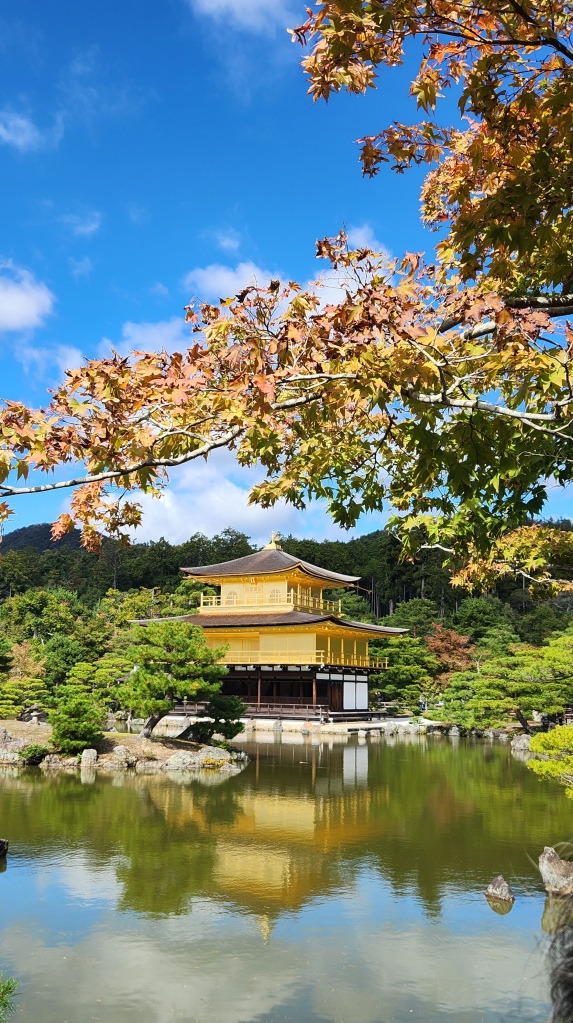
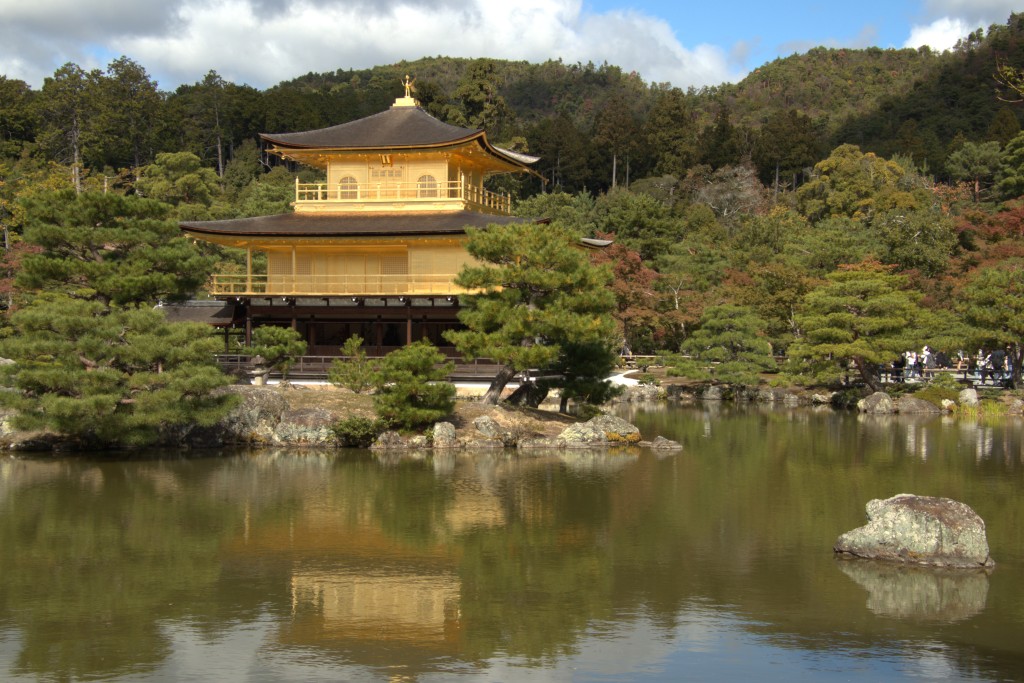
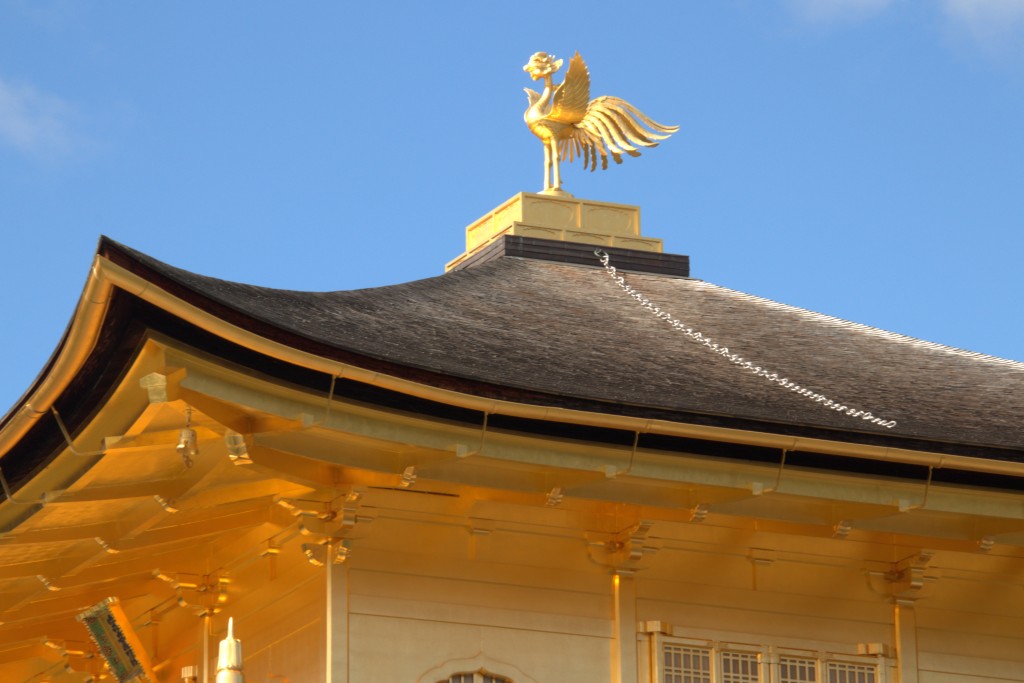
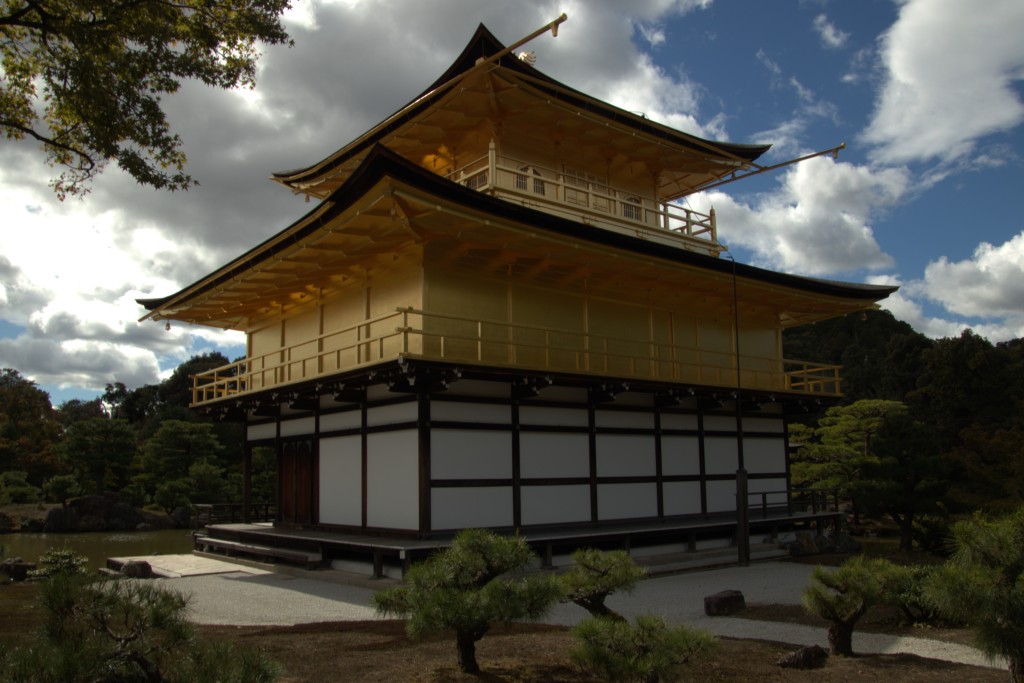
What’s not to love about a shiny gold-leafed Zen Buddhist Temple? As usual in Japan, this didn’t start out as a temple, but once was a retirement villa dating from 1397 for the third Shogun of the Ashikaga Shogunate. In 1950, a mentally unstable monk burned the place down and it was rebuilt in 1955. Renovations were done in 1987 with gold-leaf applied 5 times thicker. On the top is a golden phoenix named Fenghuang– a mythical creature that reigns over other birds. Mezmerized, I turned in circles, surrounded by beauty. Sadly, the building is not open to the public but the gardens, royal teahouse carved into rock and the temple are worth it.
Senkoji Temple

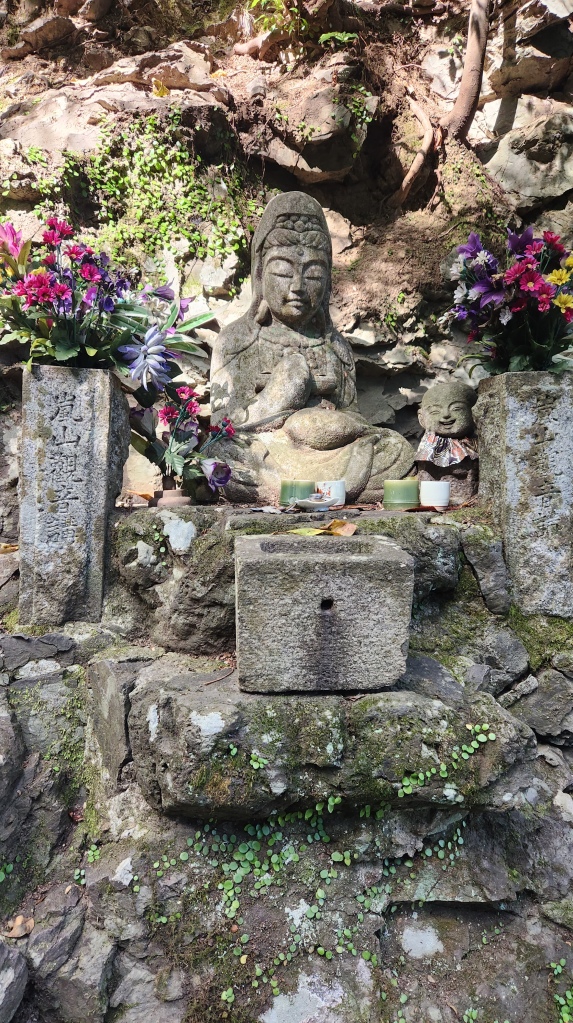
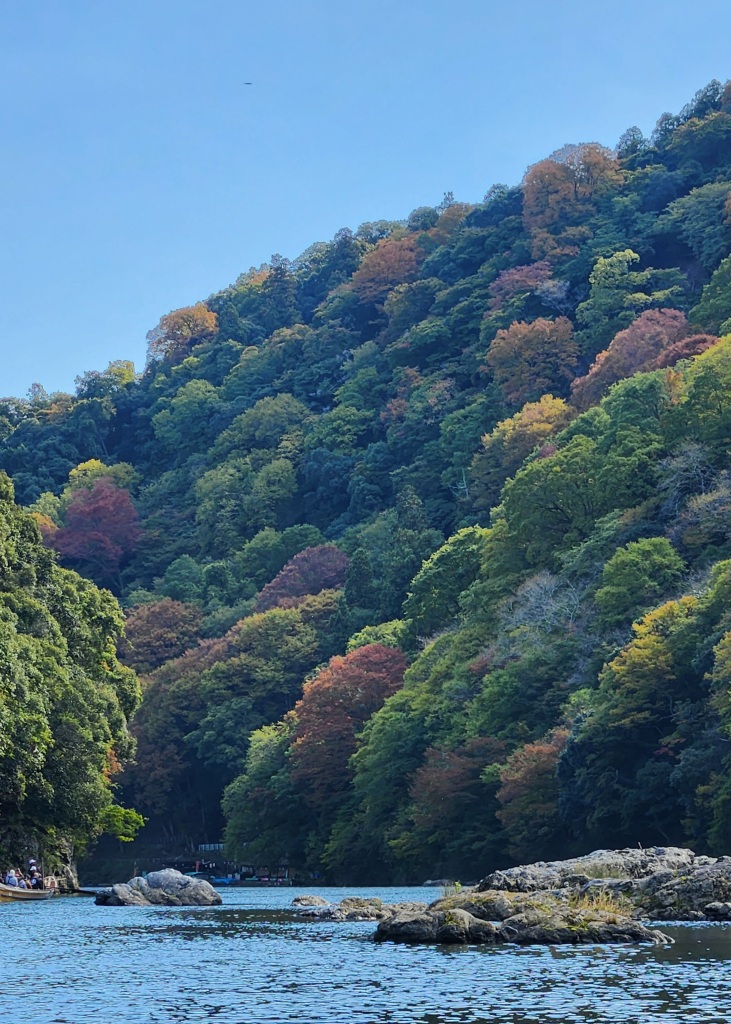
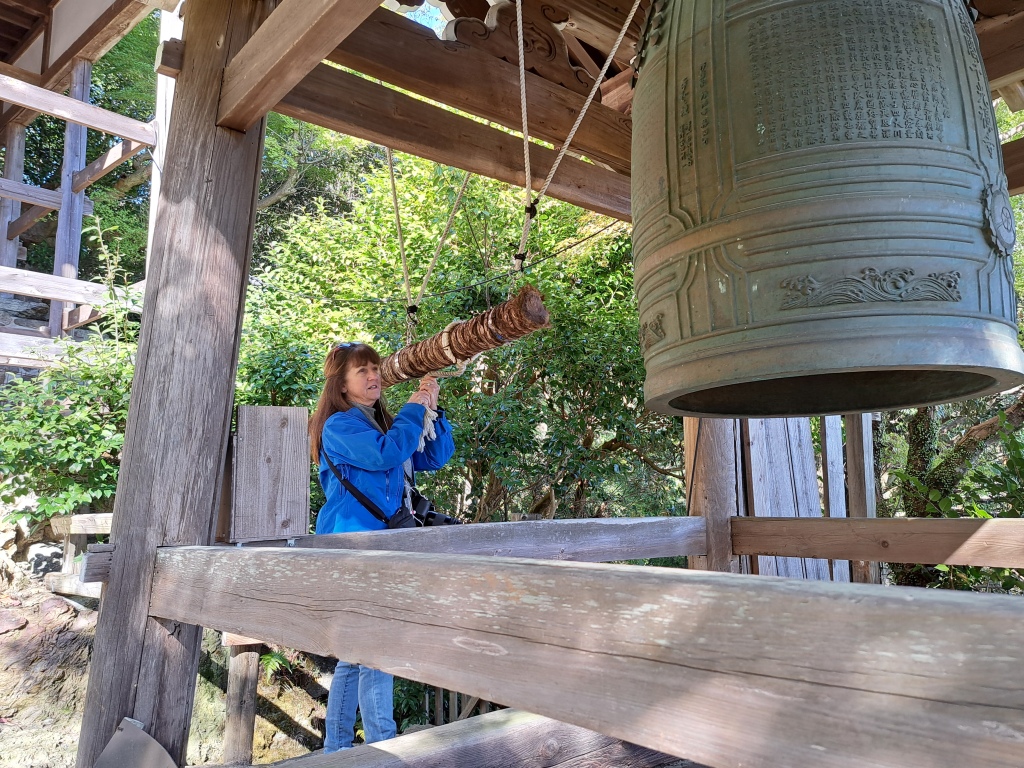
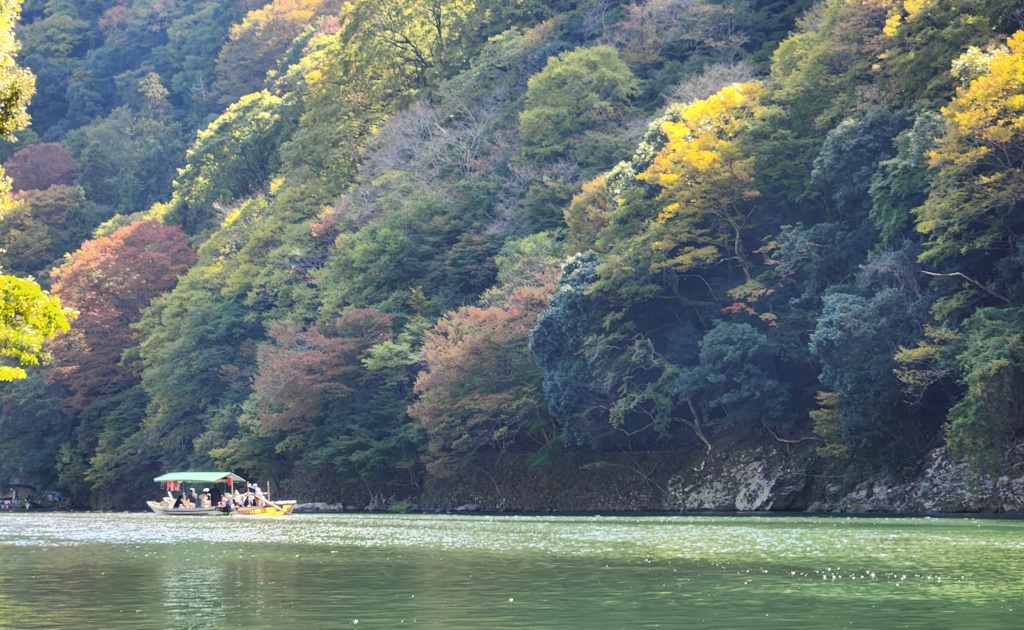
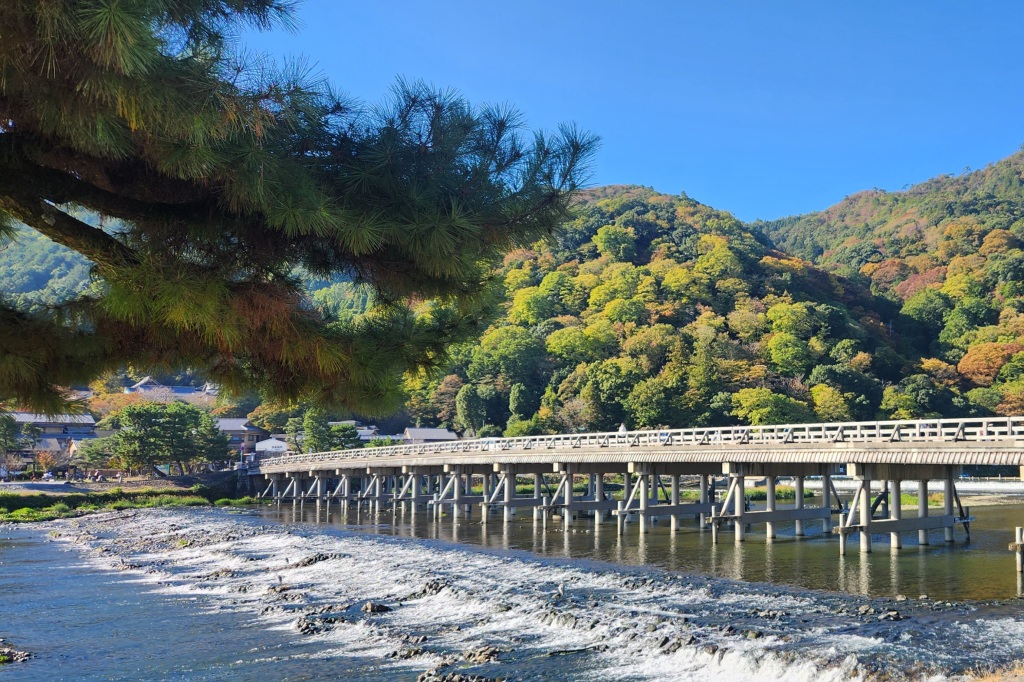
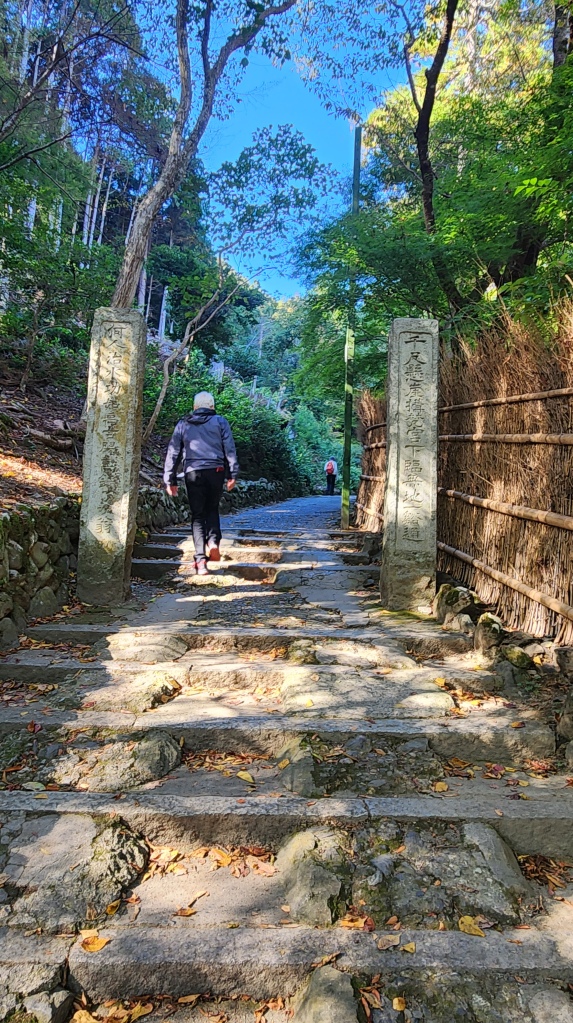
Cross the Togetsu bridge over the Oi River, turn right and hire a hand poled boat to 400 year-old Senkoji Temple that was built as a prayer hall for Emperor Go-Saga. In 1959. a Typhoon damaged the temple, but through hard work, it was repaired. Climb uphill approximately 200 steps for an intimate visit with the charming Zen monk who lives there. Near the top is a large bell that announces your arrival, wind up a few more curves to the small temple and delight in the beautiful view overlooking the valley below. We entered and sat on benches for a class in the history of Zen and the Thousand Arms Kannon, breathing techniques and meditation. Chanting prayers swirled around the room as the drum beat echoed in my chest. Afterwards, we shared in a tea ceremony and enjoyed the views.
Kyoto Train Station Complex

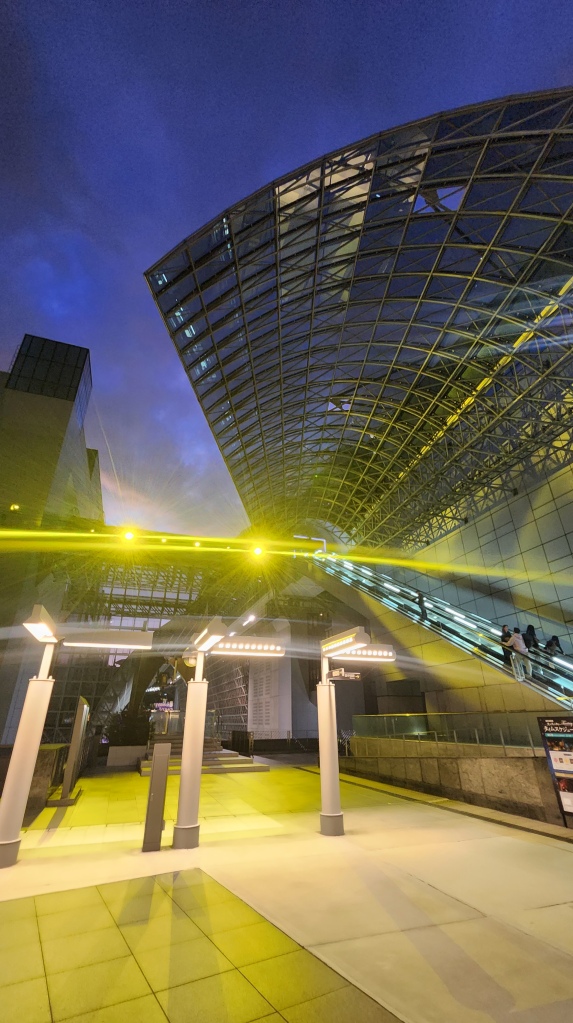
I watched th movie “The Tereminal” a few years back about a refugee who lived in an airport terminal for 18 years. It’s based on a true story but, I would advise Karimi Nasseri to go to the Kyoto train station complex next time. There’s a hotel, an overwhelming amount of restaurants, theater and stages, a museum, sky garden, boutique stores and department stores like my favorite Isetan packed into fifteen floors of ulta-modern glass and steel designed by Hiroshi Hara ( 1936-2007). It’s so modern, that I was surprised that it was built in 1952. (truly! 71 years ago!)
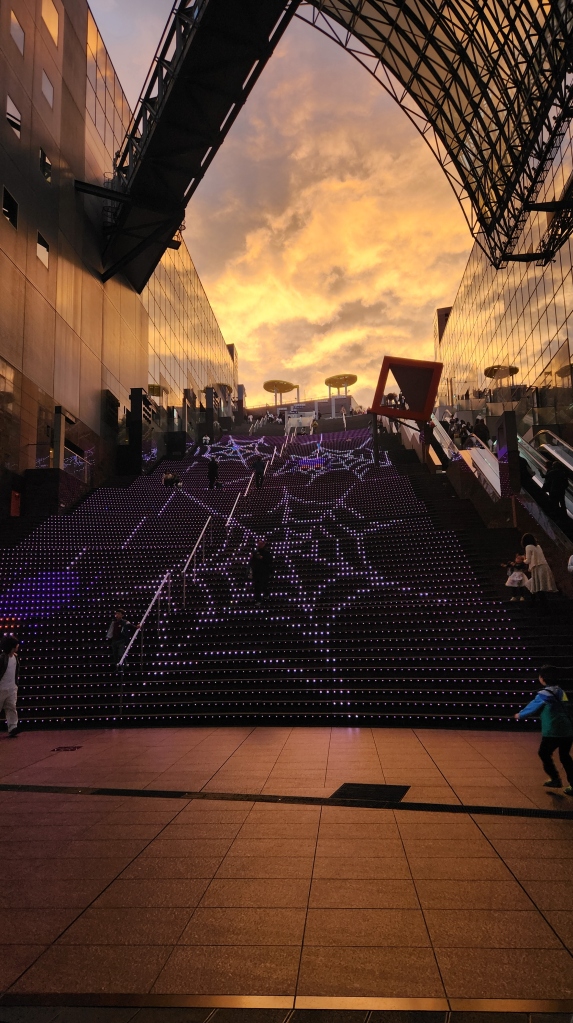
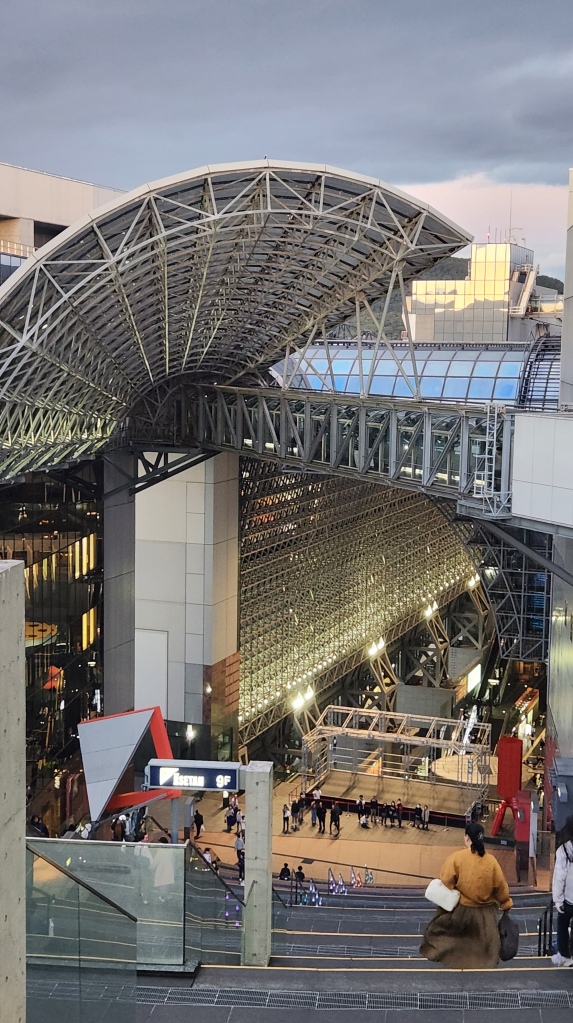
Everything and everyone connects through here from the metra, train or bus stations located in the bottom of the complex. Because it is vast with mega resources, this is a great area to stay in Kyoto.

Bullet Train to Kanazawa

211 miles in an hour! Super smooth and quiet ride–not like Chicago trains where travelers get jerked around like a carnival ride. No clackety-clack so loud that you can’t hear. The numerous obento take-away boxes (lunch) at the station didn’t impress me, but Ramen Noodle soup from 7-11 has taken a huge leap from US to Japanese style. Take Hikari #637 to Express Train: Shirasagi 7

I think I’m in love with Kanazawa. Here’s a few reasons why:

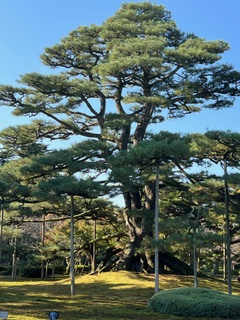
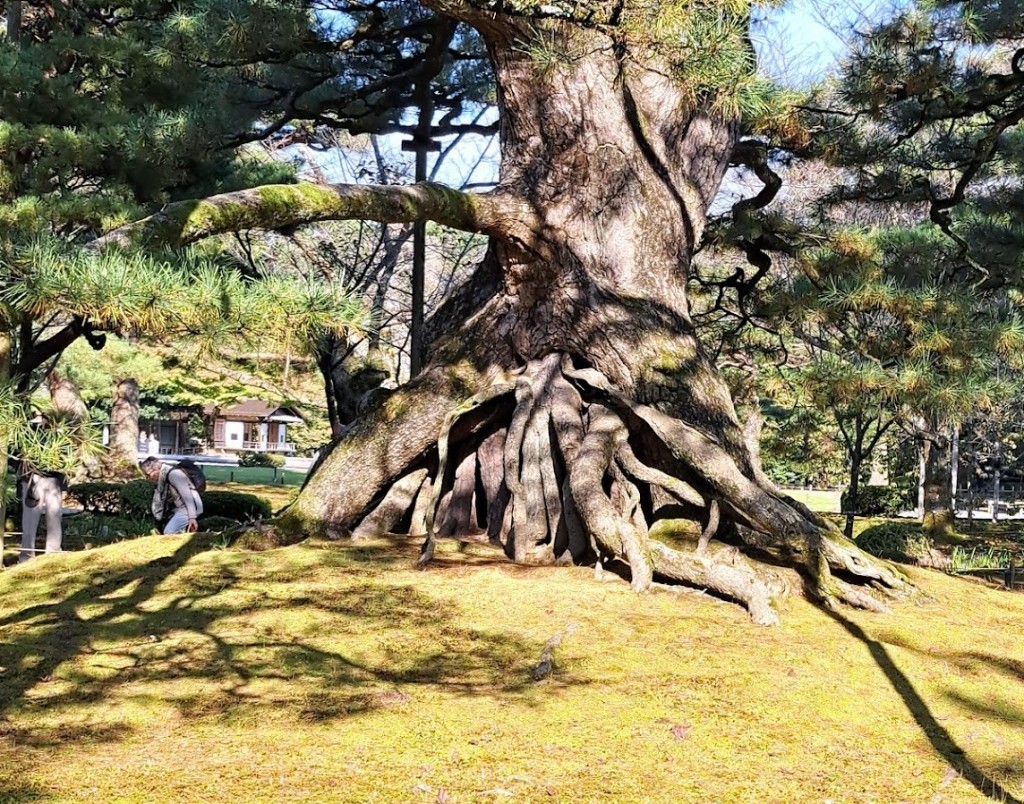
Kenrokuen Garden: Is in the top 3 gardens of Japan and was created by successive feudal lords ( Edo period –1603-1867) in the meiyu-style which must have a pond to resemble the ocean, an island like Japan where immortals live, and the concepts of longevity and prosperity. This is a walking garden with many places such as tea houses to absorb the beauty. Look at the immense tree in the fourth picture. It’s just jaw-dropping! This garden took over 421 years to develop and it continues to grow.

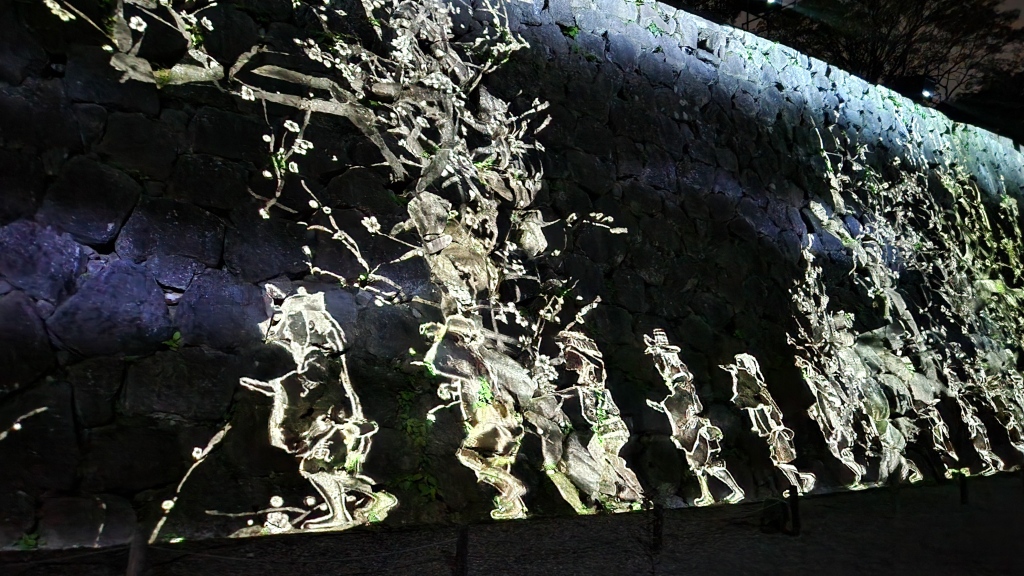
Digital Team Lab at Kanazawa Castle: The partially reconstructed castle is across the street from the garden above. The castle was ruled by the Maeda clan for 14 generations until 1945. The origional castle had been 6-storeys, but burned down in 1602. Maeda built a smaller 3-storey palace which also burned down in 1631 and more fires occured in 1759. The fortification was turned over to the military in 1871. The outter and inner moats, gates and inner walls are formidable. We were lucky that Team Lab had a night display at the castle–catch their art if you can.

projections onto inner moat walls

The Samurai House and Gardens

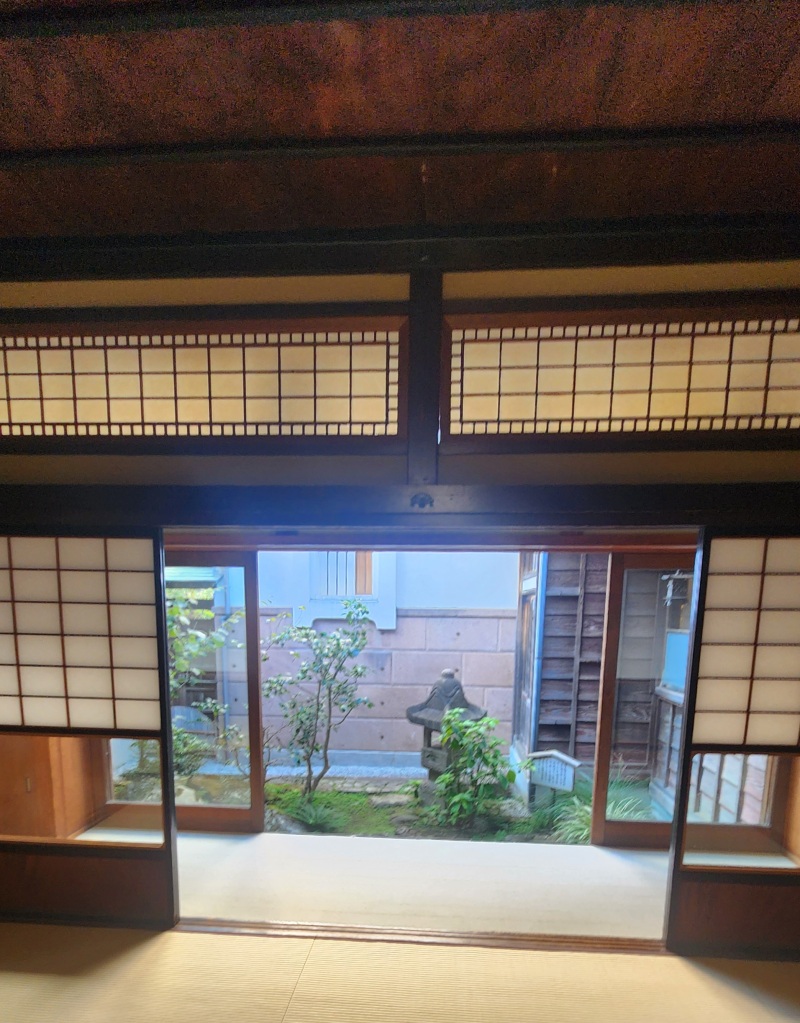
At first, Samurai warriors lived inside the castle walls but eventually they moved to their own walled neighborhood where homes were built for their families. Twelve generations of the Nomura family lived in this home built with cypress, rosewood and ebony. Every sliding door opens to reveal another beautiful garden. From the Chamber and study there is a waterfall, stream, a bridge made from cherry granite, and many stone lanterns. A particular Japanese bayberry was planted 400 years ago.

Higashi Chaya District and Omicho Market :

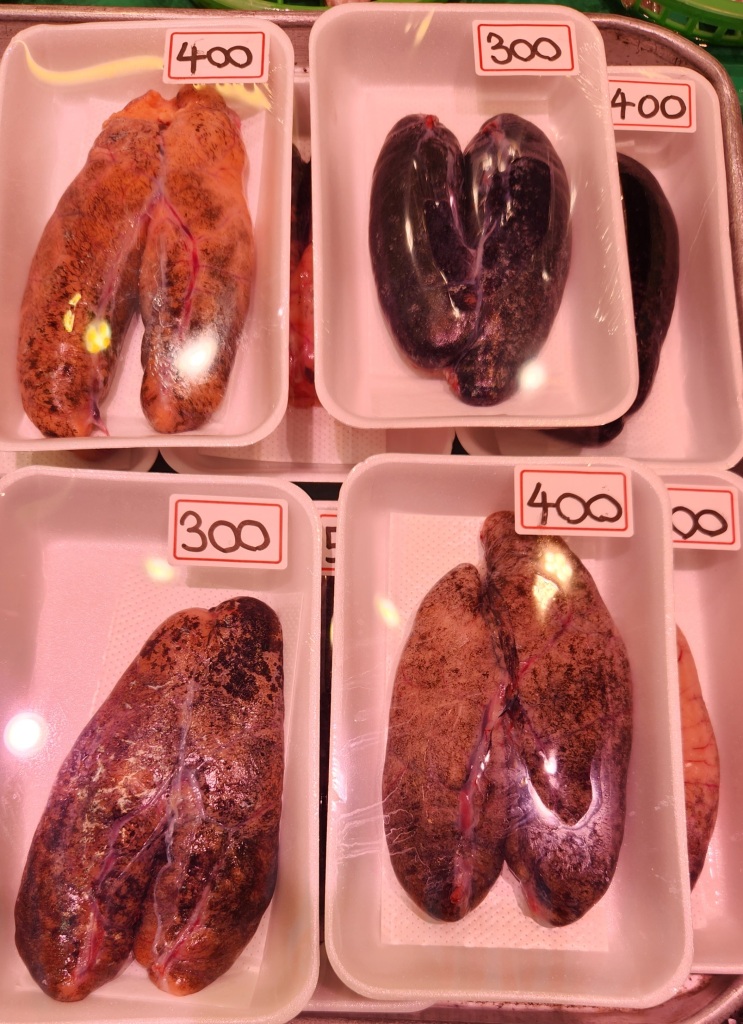
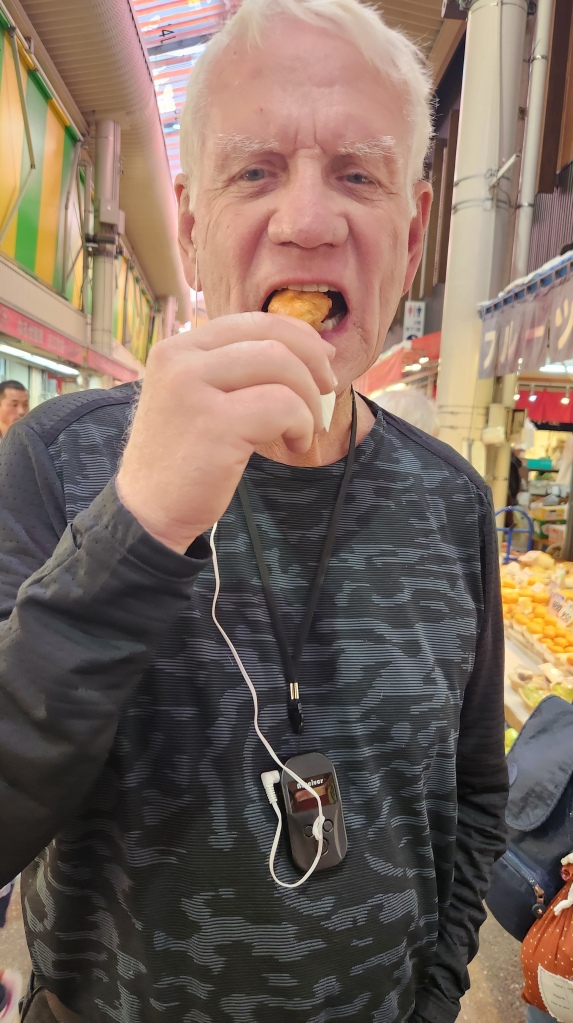
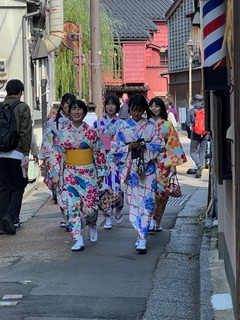
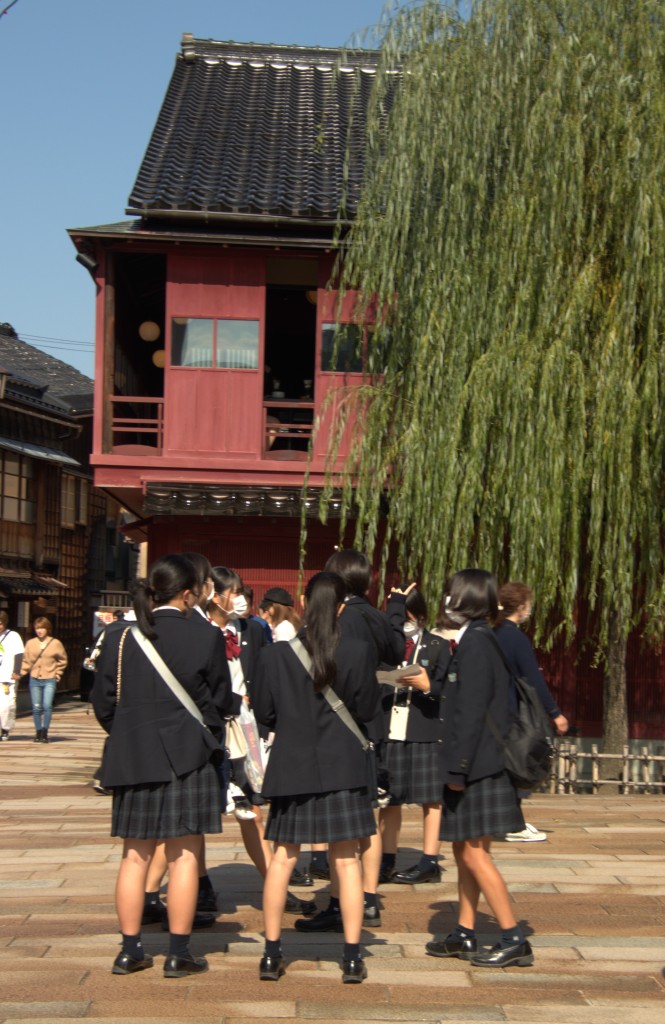
Higashi is a neighborhood known for teahouses and Geisha. There are also restaurants and shops ( check out the gold-leaf jewelry) along narrow walkways. The nearby indoor market sells produce, meat, fish, specialty food dishes, clothing, and jewelry. Bob is eating tempura fried blow fish which he really liked.

Cultural night at the visitor center

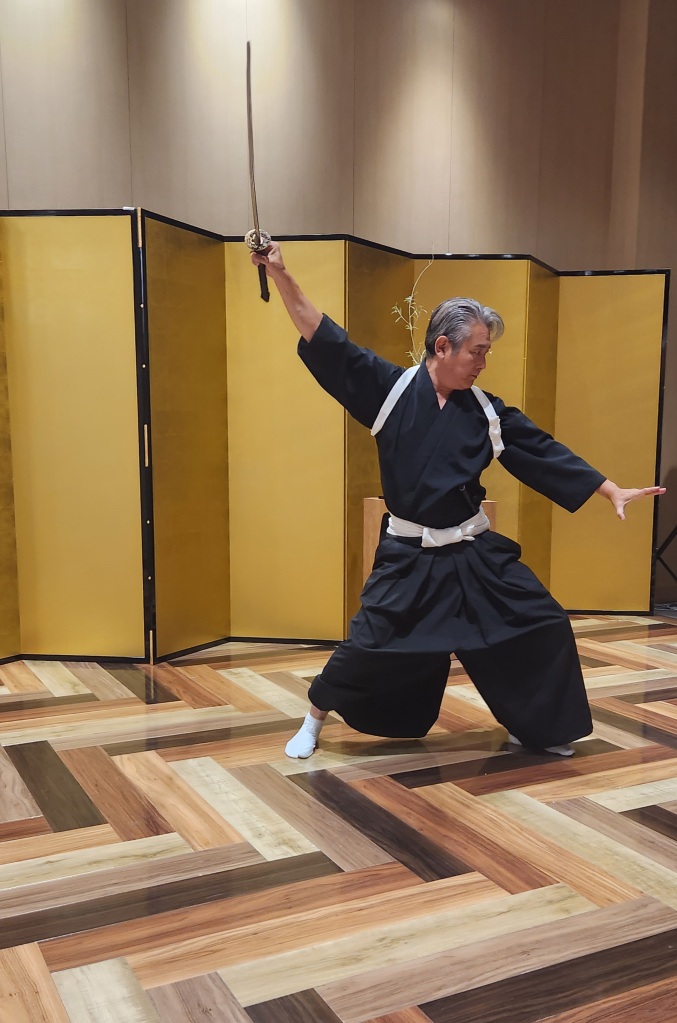
The visitor center hosts different events, so check their schedule. We attended the Japanese culture night theater featuring Ikebana (Japanese floral decorating), sword dancing, a folk and classical music presentation. There was also a fan dance called “shibu”, which is a poetry performance.

Thatched Roof Houses in Japan

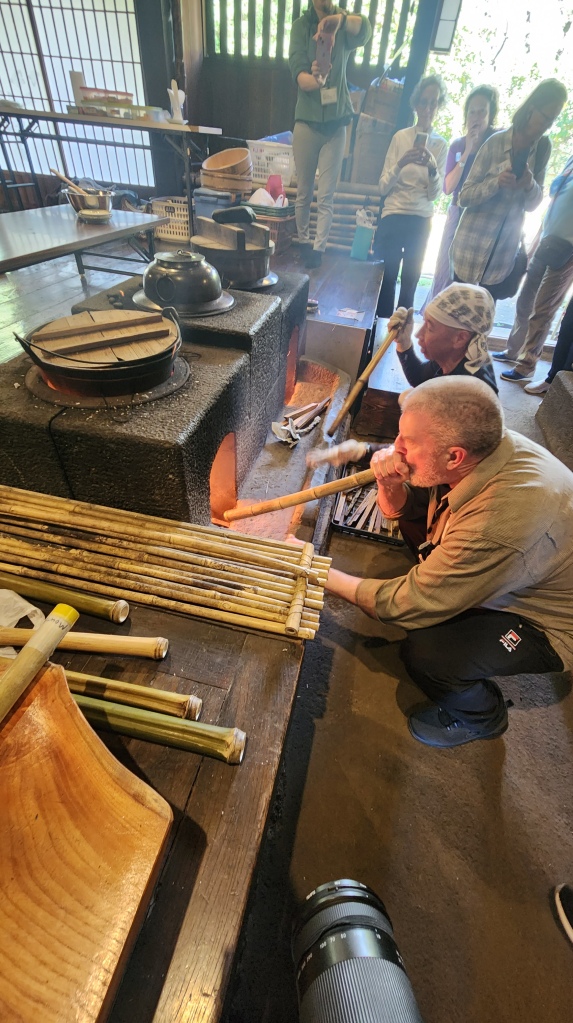
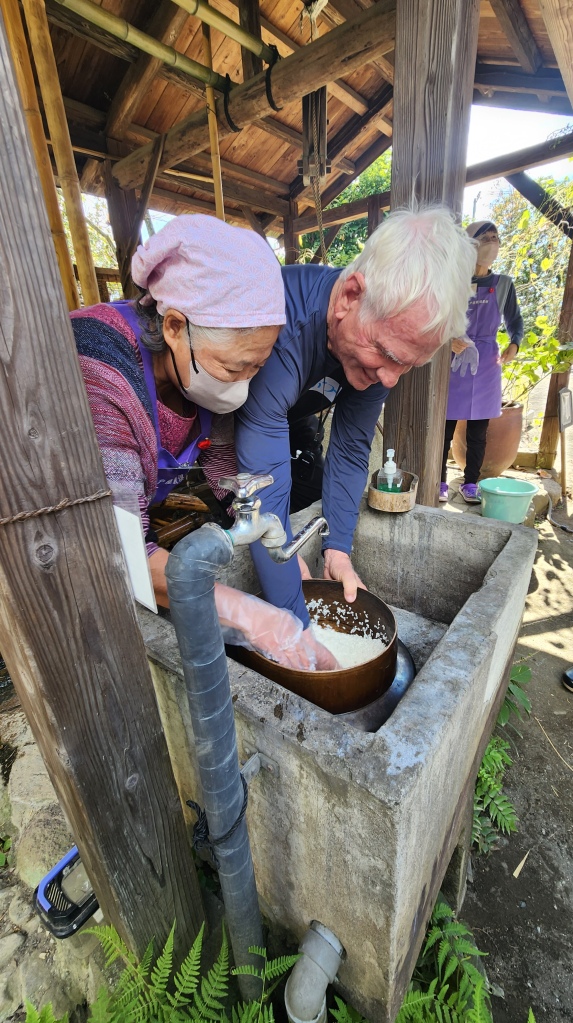
We were fortunate to visit Seto House on the way to Hakone where we helped locals make lunch. This centuries old home once belonged to an important leader and his family. At the entry, there’s a small mill that still works and gardens are in the back. The stove used to cook our rice has been used for over 300 years. This place is now the villages community center.

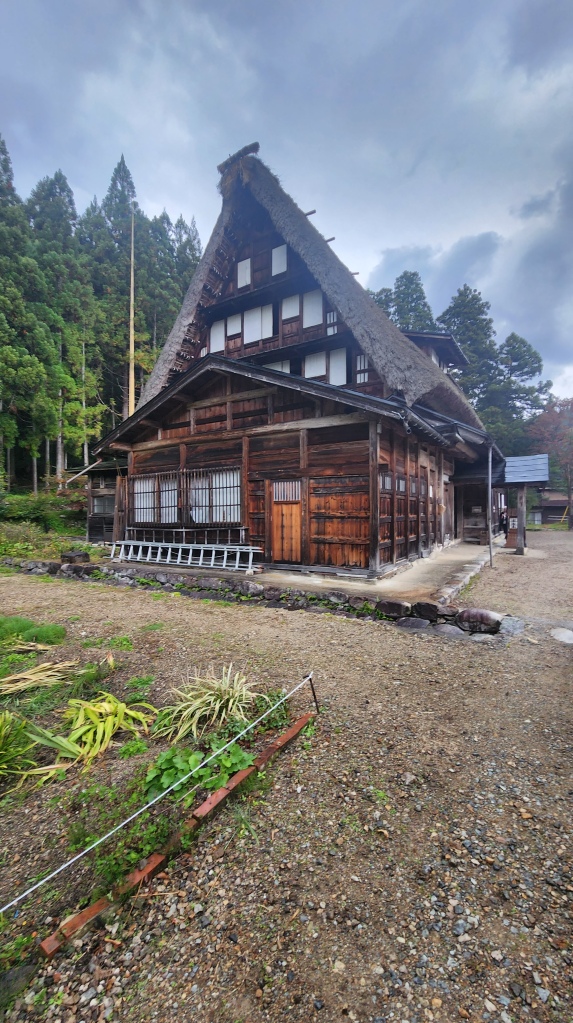
A few days later, we went to Ainokura in the Gokayama Valley , where there are 20 steep thatched roof homes in this World Heritage site. Some of the Gassho-style houses are now B&Bs. The villagers devised their own fire-hydrant system, since the biggest danger to thatch homes is fire. There’s a shinto shrine and Buddhist temples here too. It was a beautiful day with tree colors just starting to change and grass thatch stacked to dry in the fields.

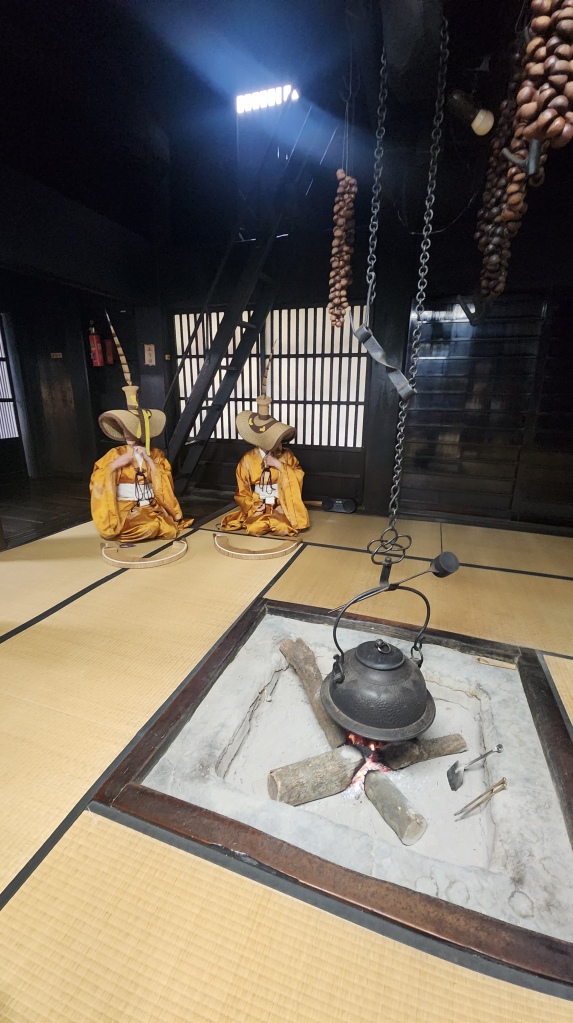
The last place, 5- storey Iwase House, has a 350 year-old heritage in the production of gunpowder and a close connection to the Sammuri and Shoguns. There’s a back entrance for the Sammuri and fake rooms to hide or escape. The upper floors are completely open with the middle floor used for staff sleeping areas but the upper floors were used for silk worm production and other agriculture needs.

Thatched homes ( Kayabuki Minka) have been built in Japan for over 5,000 years, which was a surprise to me. The roof is densely packed and can last 20 years or longer. The rain only penetrates and rots the very top layer, so the roof is never completely stripped. Some communities chip in to help each other, but more often masters who have learned the craft are hired and payment subsidized by the government. Gassho homes are places of invisible energy. The immense roof without interior divisions represents the willingness to have an open mind and resembles praying hands.Traditional dancers at Iwase house use ancient instruments called “Kokoriko” made out of hundreds of wood clappers.

The dance was once upon a time performed by unmarried girls with lyrics about love and for wishes to be granted.

Hakone

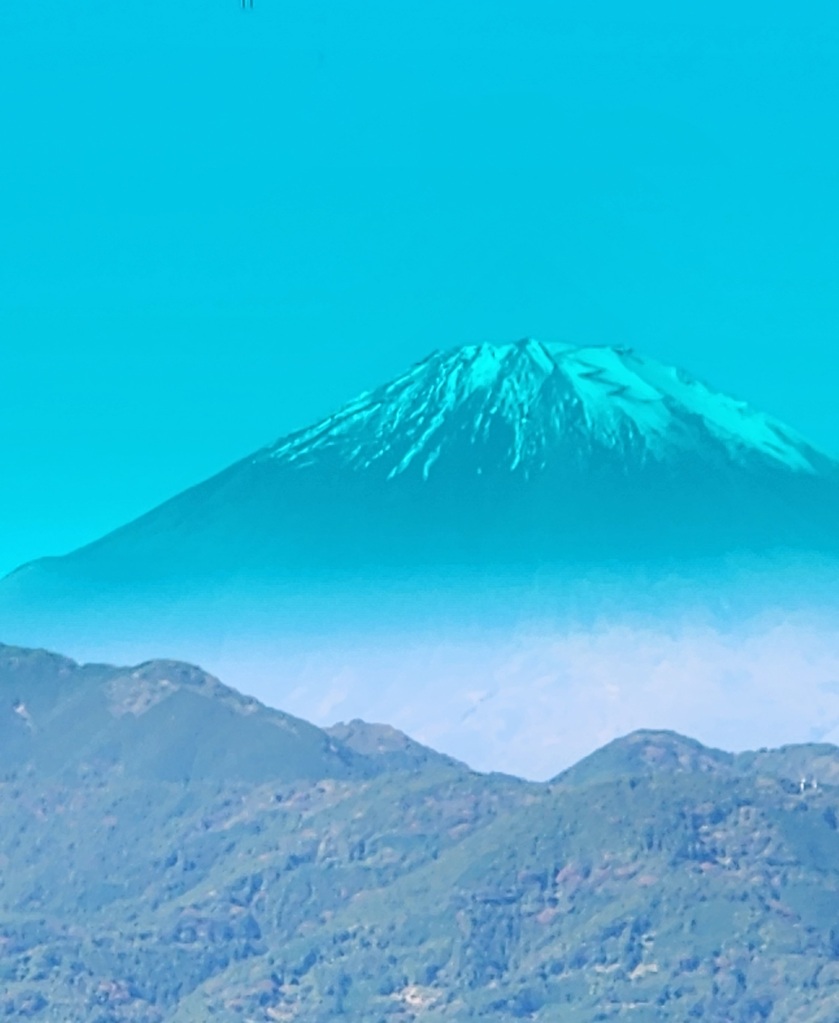
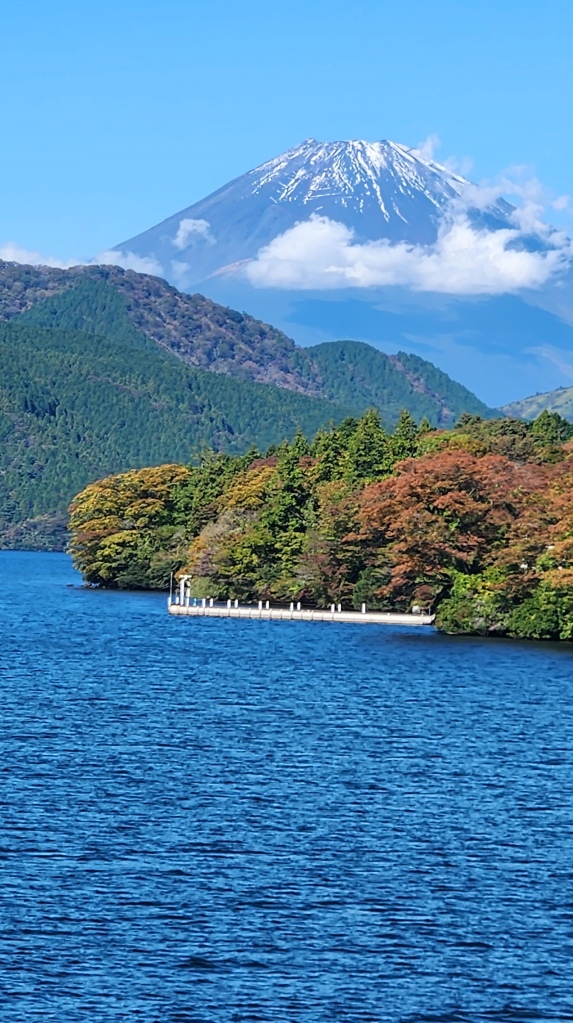
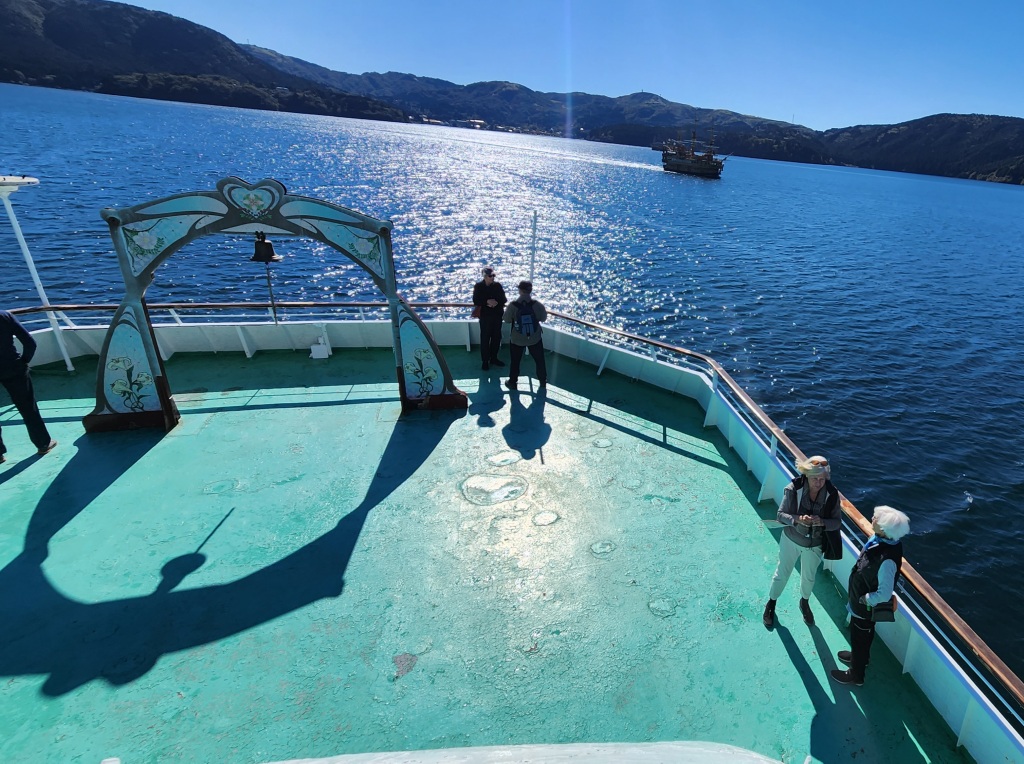
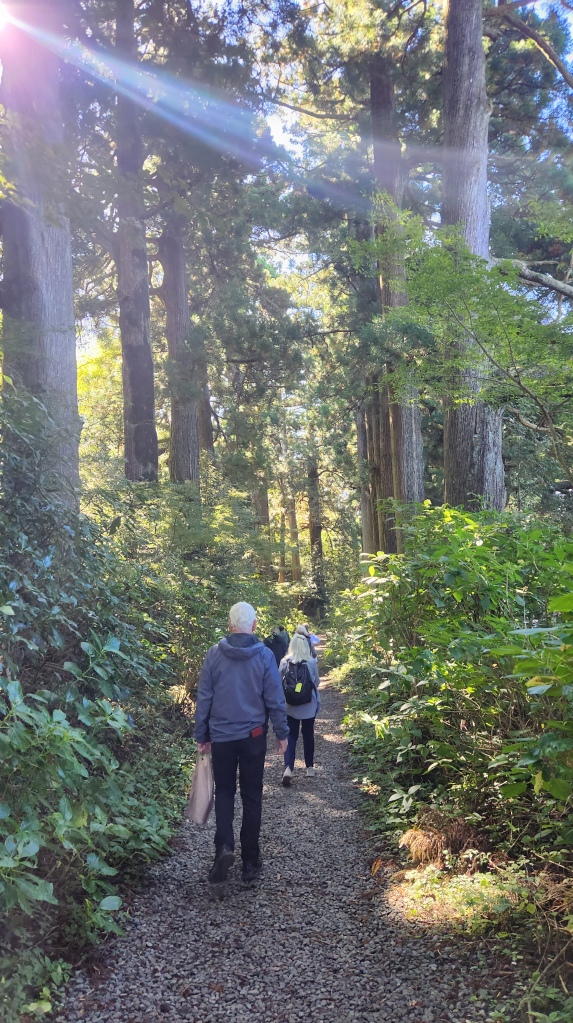
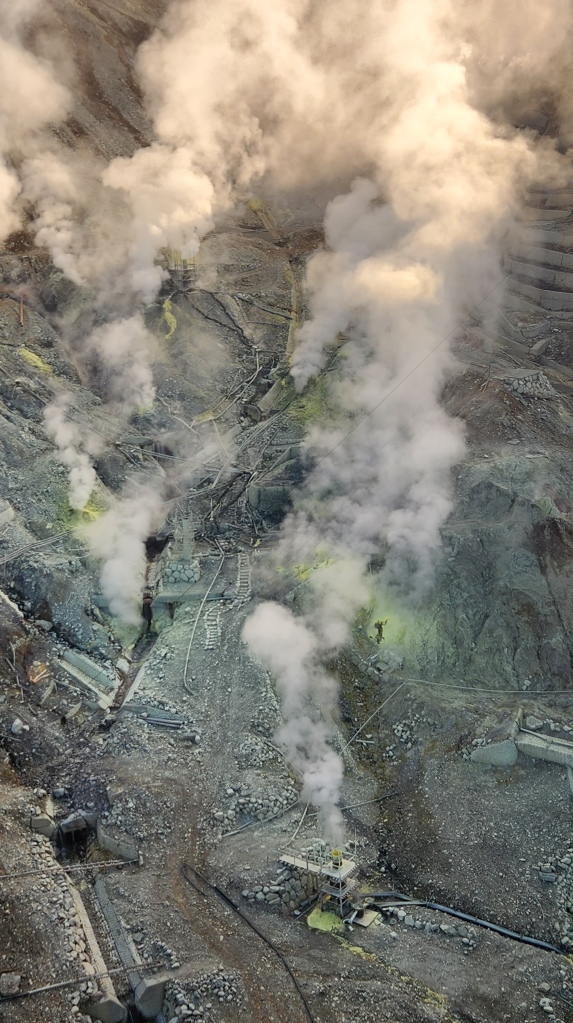
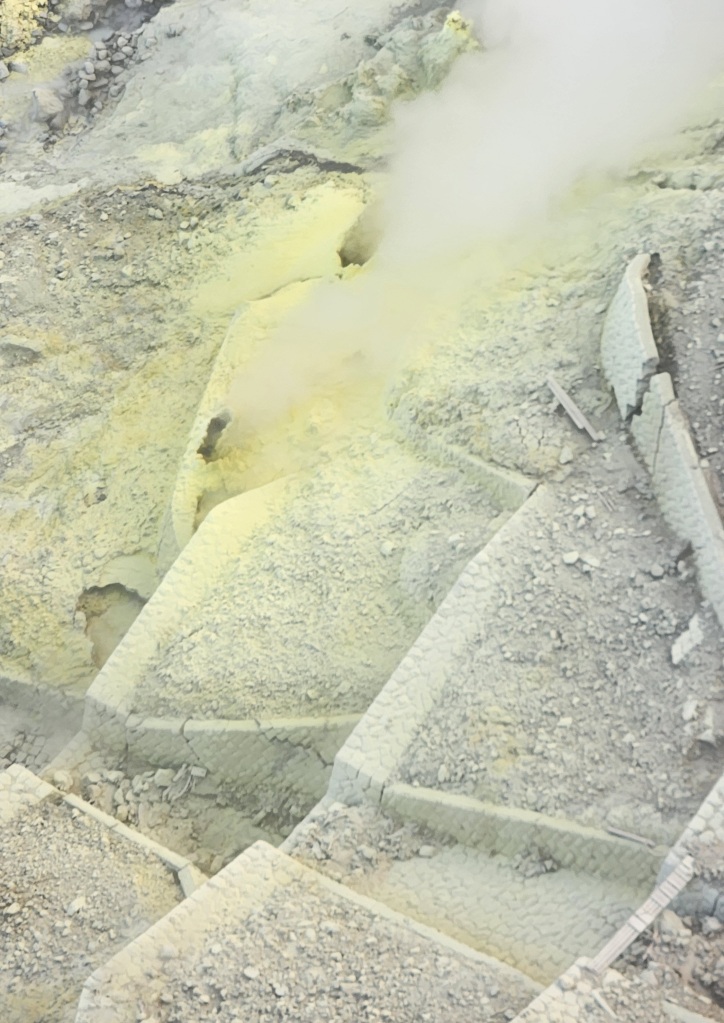
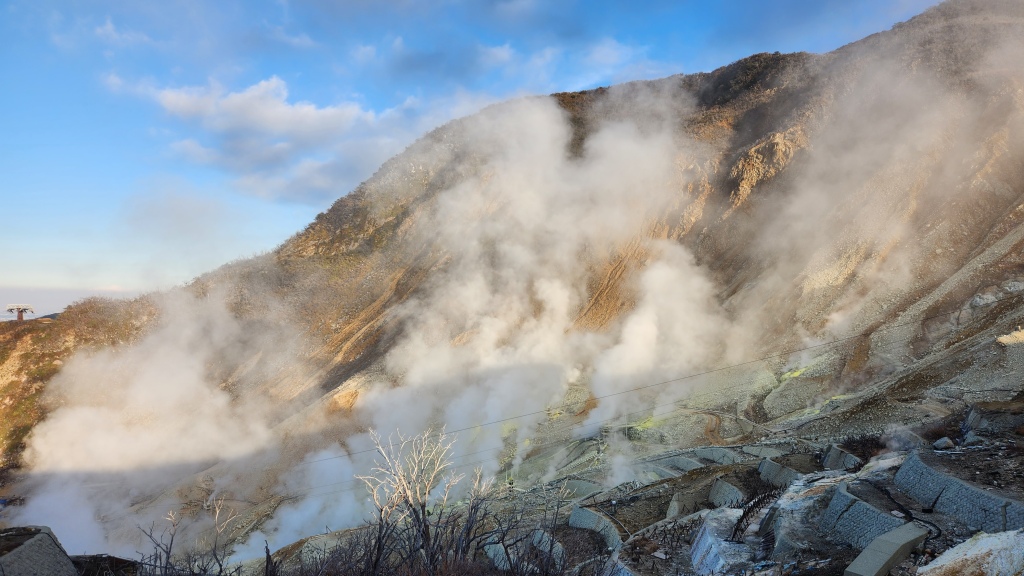
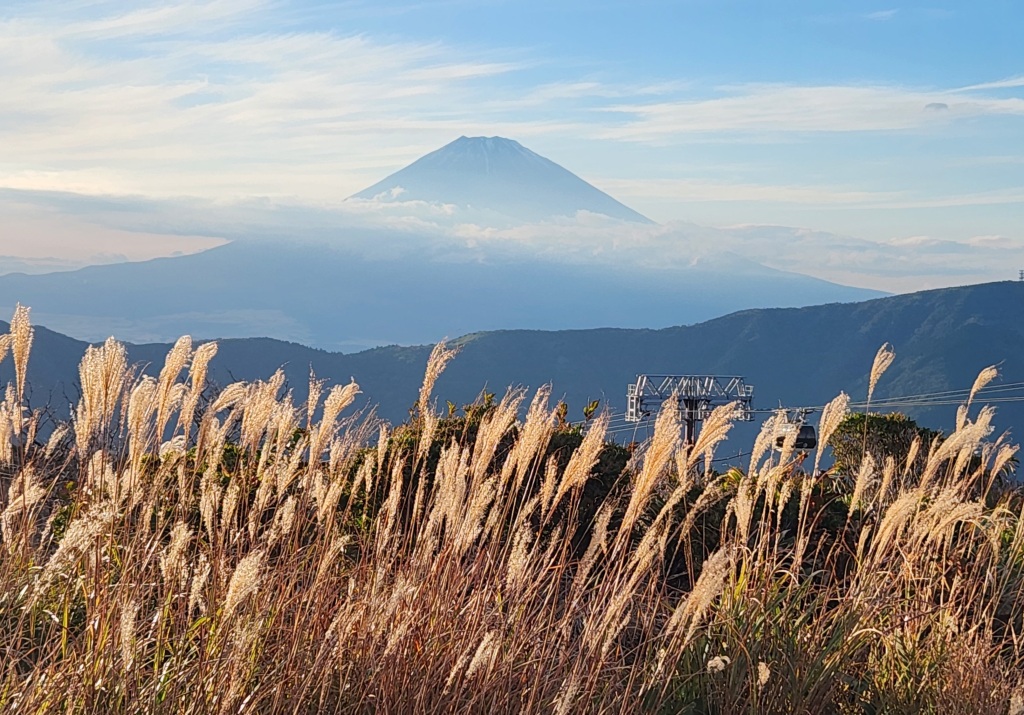
Hakone is located west of Tokyo and is in the Mount Fuji National Park. You’ll find Shinto shrines, beautiful lake Ashi and many spas offering thermal baths. Depending on where you stay–there are women only baths, men only, and limited private pools. FYI- Japanese baths are a naked experience and a family tradition. The ancient royal highway passes through here and you can walk along the tree-lined path that once took nobles and warlords to the capital in Kyoto. It’s super fun to take the cable cars over the boiling sulphur springs of the Owakudani valley. It will make you feel like you’re on another planet. Don’t forget to purchase black eggs hardboiled in sulphur vents. It’s said that you’ll live 7 years longer.