
My friends often ask me this question and it makes me chuckle. It means that I’m not the usual type of traveler. I like living outside of the pack.
Twenty years ago, I read the “Endurance” and vowed that I’d experience wild, untamed Antarctica and follow in Shackleton’s heroic footsteps. It took two decades, but my number one bucket list trip never diminished in my mind.
My planning included picking a ship that would let me follow Shackleton’s late 1914-1915 expedition . I wanted to experience his last miles traversing South Georgia, seeking rescue at the Stromness whaling station. I picked a journey with a historian onboard ( the outstanding David “Woody” Wood) with hopes of landing at Elephant island, even though I’d been warned that only one ship out of nine would ever be able to navigate the rough water there.
I’m searching for answers about the psychological components that doomed Scott but saved Shackleton.Consider that Shackleton failed at most everything in his lifetime, but when his men were in jeopardy, he refused to let them die. He surmounted unbelievable hardships where he should have perished many times over. But he didn’t. He brought all of the men safely home to their wives and mothers. He had a backbone of metal.
Always in love with the ice, he died of a heart attack on his last expedition in 1922 at the Grytviken whaling station on South Georgia. I felt honored, standing by his graveside to toast his life with a wee dram of scotch. I poured some onto his grave, sharing with the “boss”. I think he would have liked that.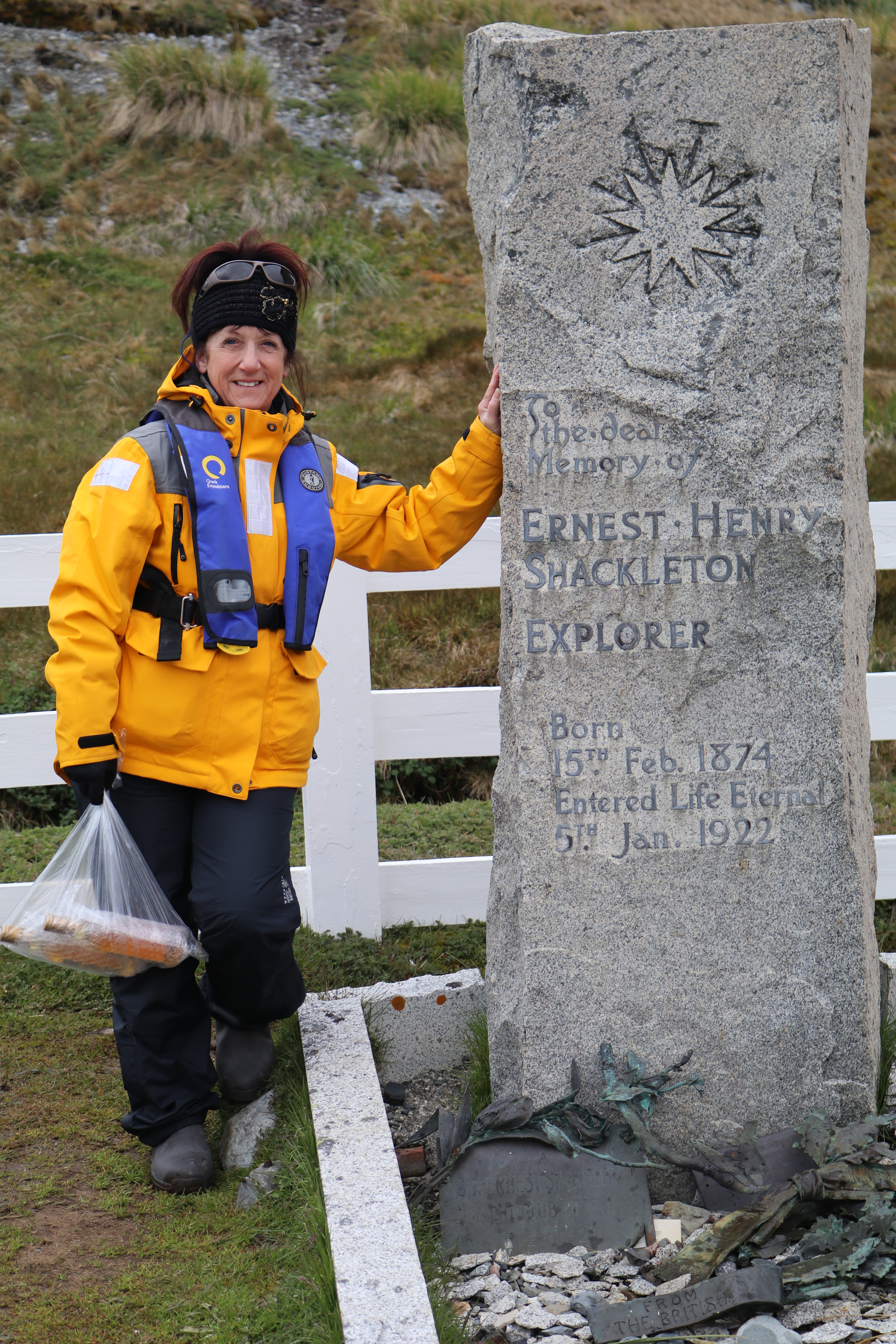
Shackleton isn’t the only reason Antarctica is so hot on my mind. As a kid, I never missed reading National Geographic and still continue to love the magazine that takes me on spectacular journeys from my couch.
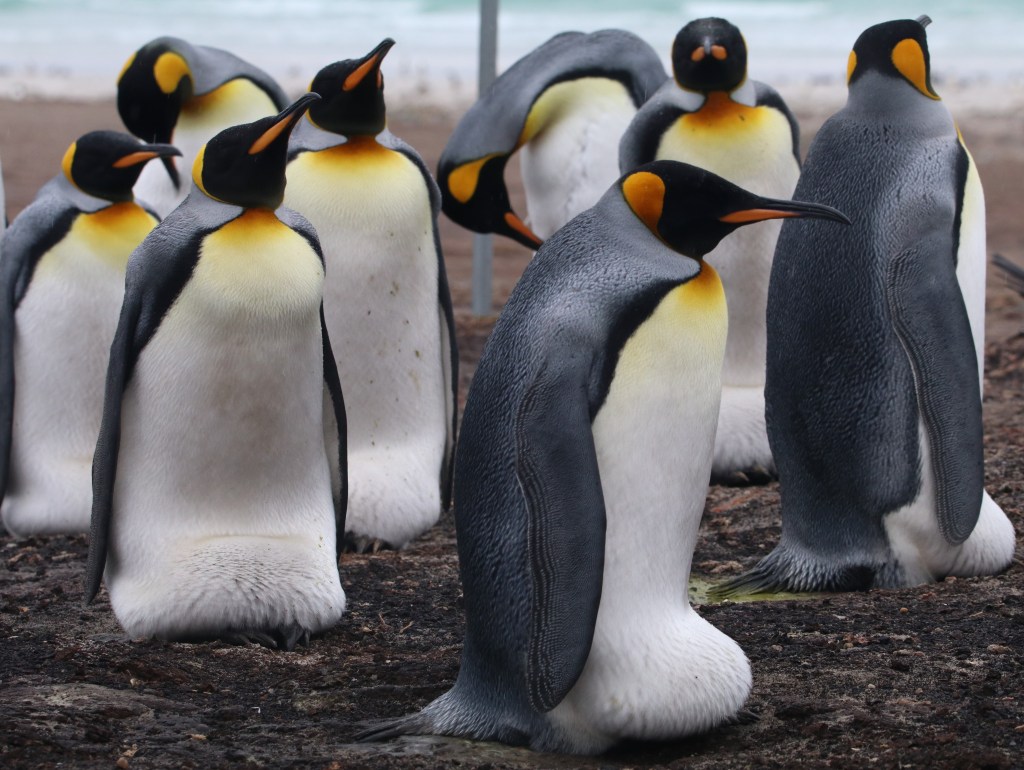
I wanted to walk where few have gone– into the Antarctic wilderness– and walk amongst penguins, seals, and nesting albatross. I dreamed of soaring icebergs rimmed in glowing blue and so many glaciers that many are not named. In my mind, I imagined jumbled packs of sea ice forming endless geometric patterns with the rising or setting sun as a backdrop.
Follow along with me, because Quark and the expedition team led by Shane Evey gave me all of those visions and so many more.


 Adventure Quest