211 miles in an hour! Super smooth and quiet ride–not like Chicago trains where travelers get jerked around like a carnival ride. No clackety-clack so loud that you can’t hear. The numerous obento take-away boxes (lunch) at the station didn’t impress me, but Ramen Noodle soup from 7-11 has taken a huge leap from US to Japanese style. Take Hikari #637 to Express Train: Shirasagi 7
I think I’m in love with Kanazawa. Here’s a few reasons why:
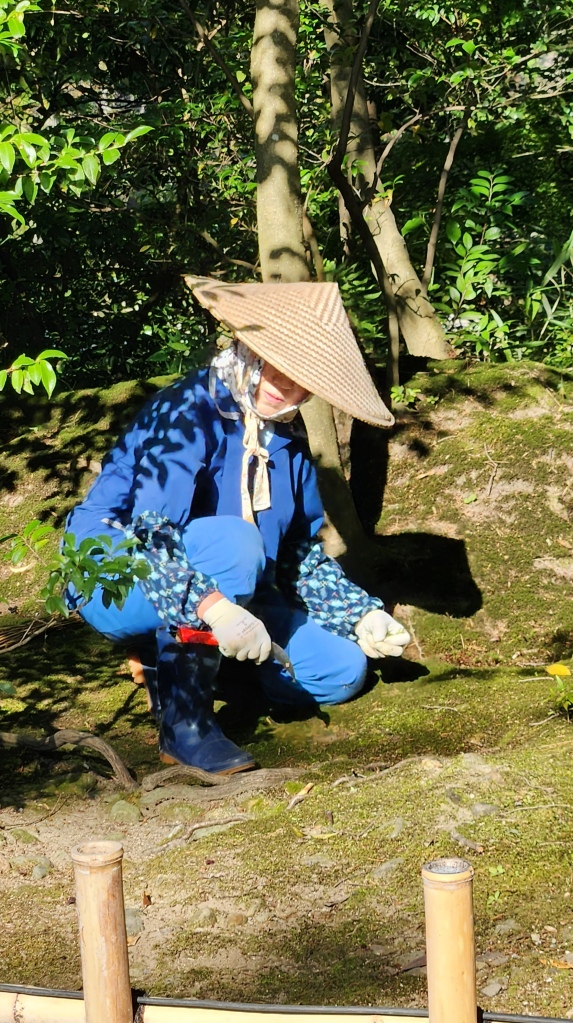
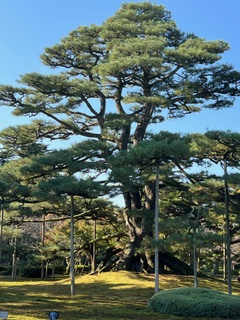
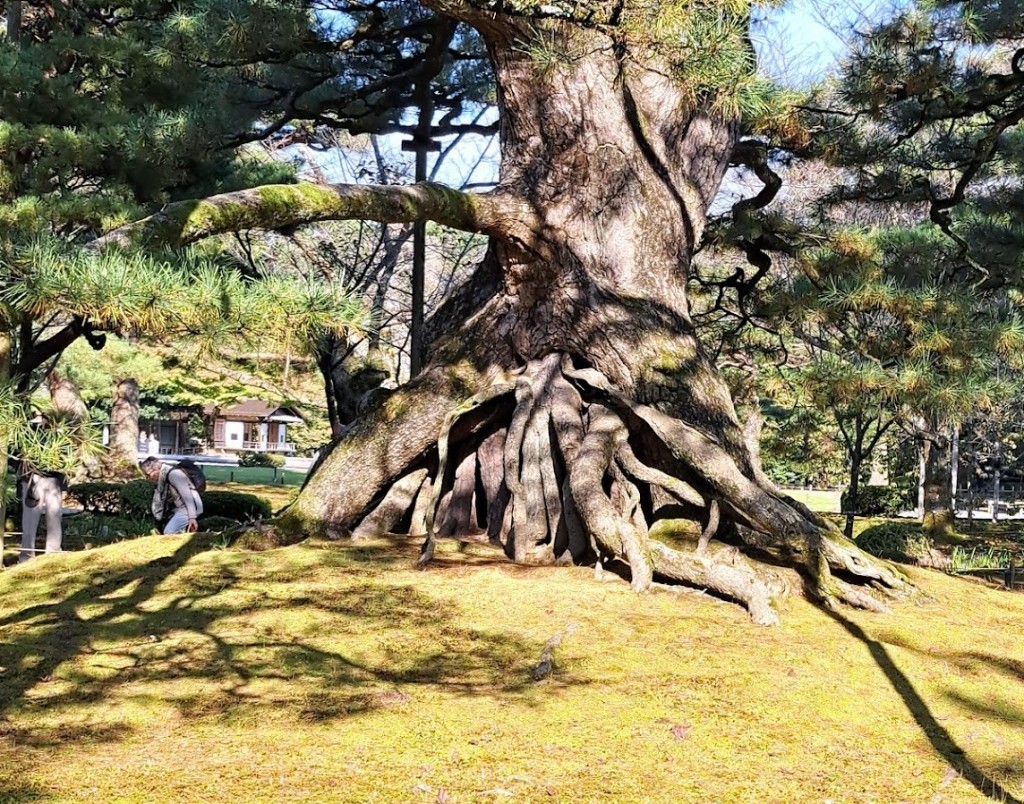
Kenrokuen Garden: Is in the top 3 gardens of Japan and was created by successive feudal lords ( Edo period –1603-1867) in the meiyu-style which must have a pond to resemble the ocean, an island like Japan where immortals live, and the concepts of longevity and prosperity. This is a walking garden with many places such as tea houses to absorb the beauty. Look at the immense tree in the fourth picture. It’s just jaw-dropping! This garden took over 421 years to develop and it continues to grow.




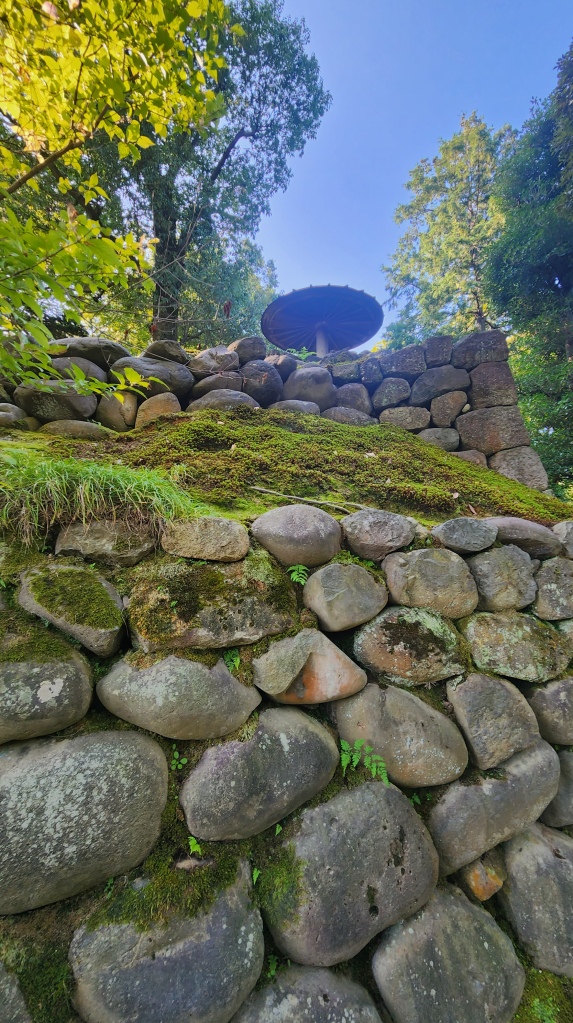
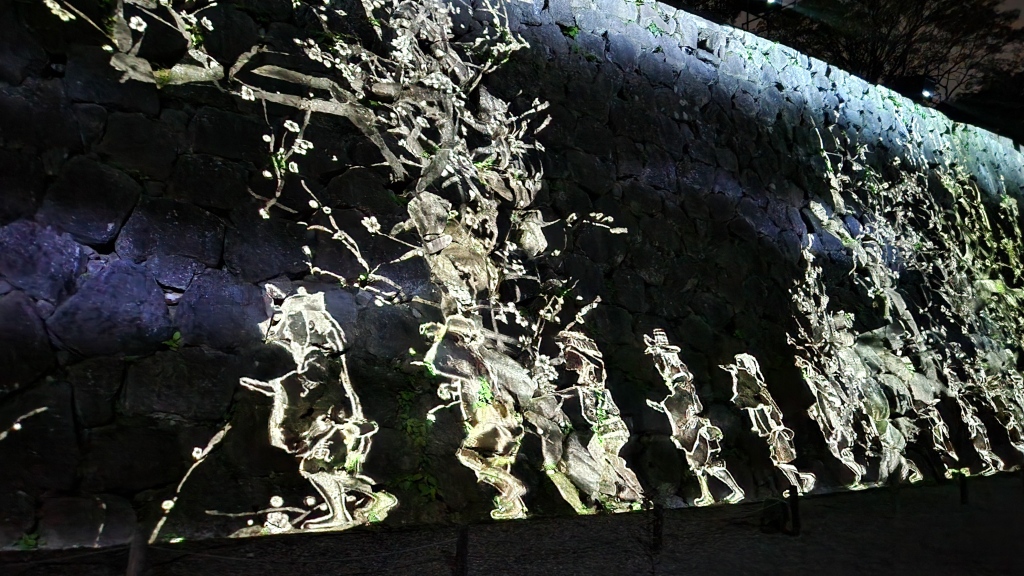
Digital Team Lab at Kanazawa Castle: The partially reconstructed castle is across the street from the garden above. The castle was ruled by the Maeda clan for 14 generations until 1945. The origional castle had been 6-storeys, but burned down in 1602. Maeda built a smaller 3-storey palace which also burned down in 1631 and more fires occured in 1759. The fortification was turned over to the military in 1871. The outter and inner moats, gates and inner walls are formidable. We were lucky that Team Lab had a night display at the castle–catch their art if you can.

The Samurai House and Gardens
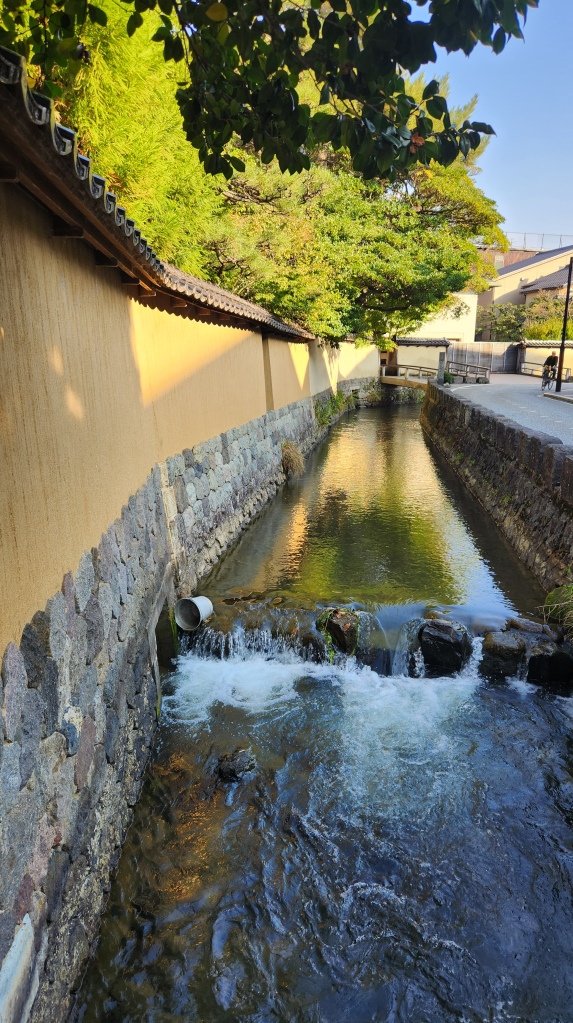
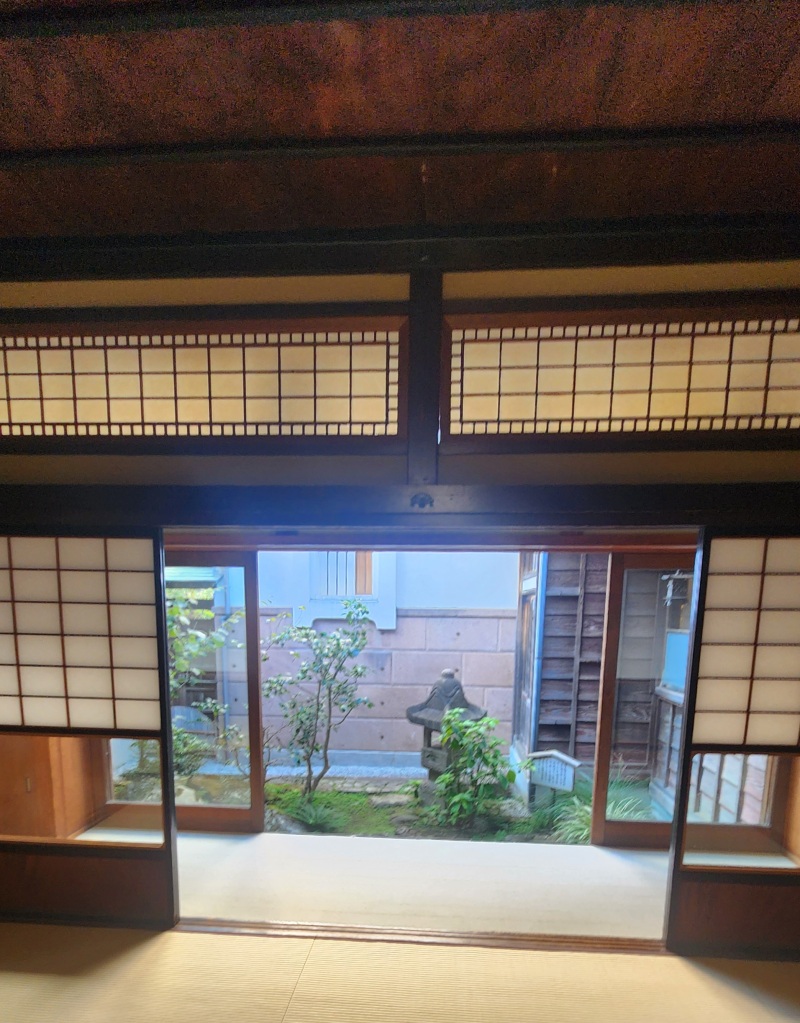
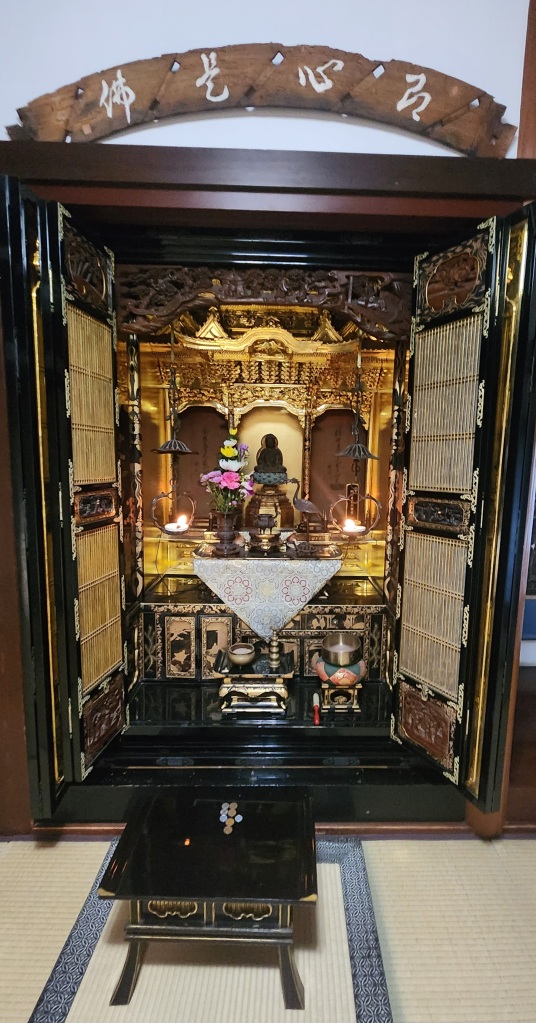
At first, Samurai warriors lived inside the castle walls but eventually they moved to their own walled neighborhood where homes were built for their families. Twelve generations of the Nomura family lived in this home built with cypress, rosewood and ebony. Every sliding door opens to reveal another beautiful garden. From the Chamber and study there is a waterfall, stream, a bridge made from cherry granite, and many stone lanterns. A particular Japanese bayberry was planted 400 years ago.



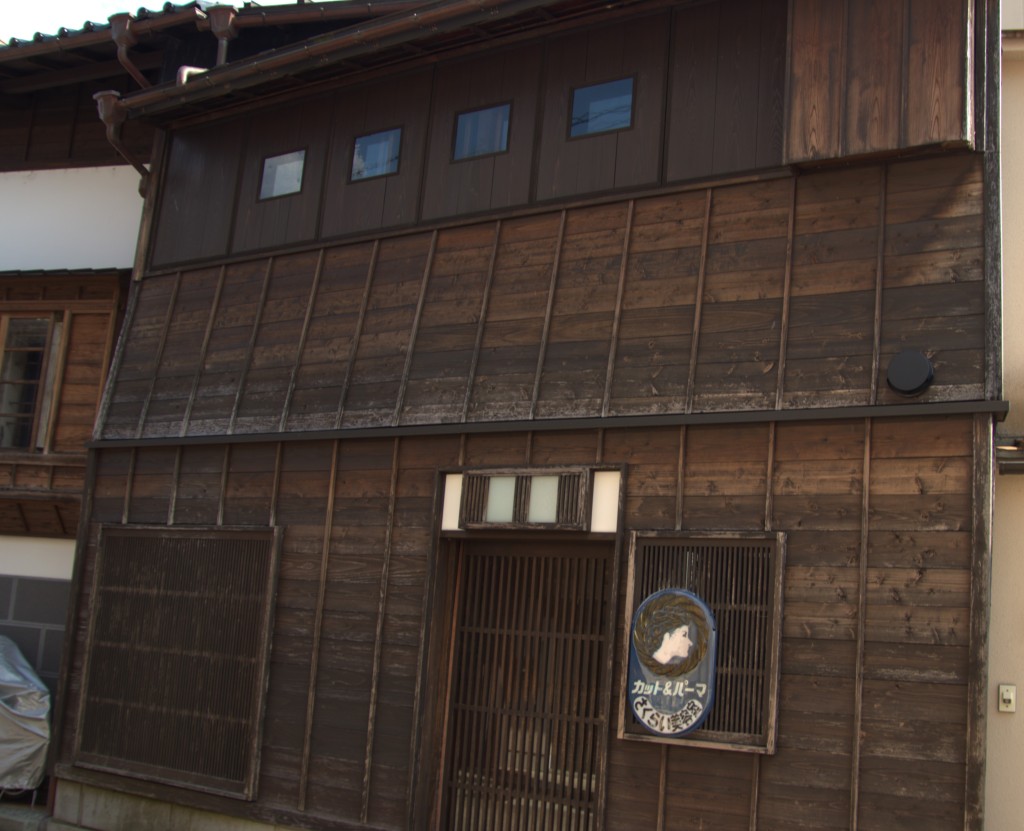
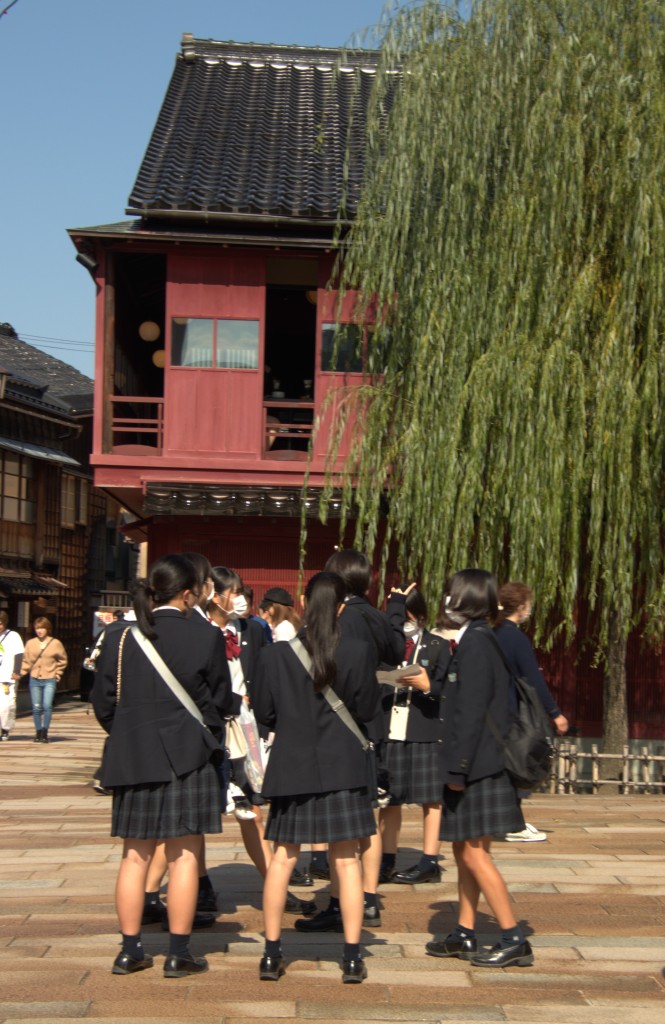
Higashi Chaya District and Omicho Market :
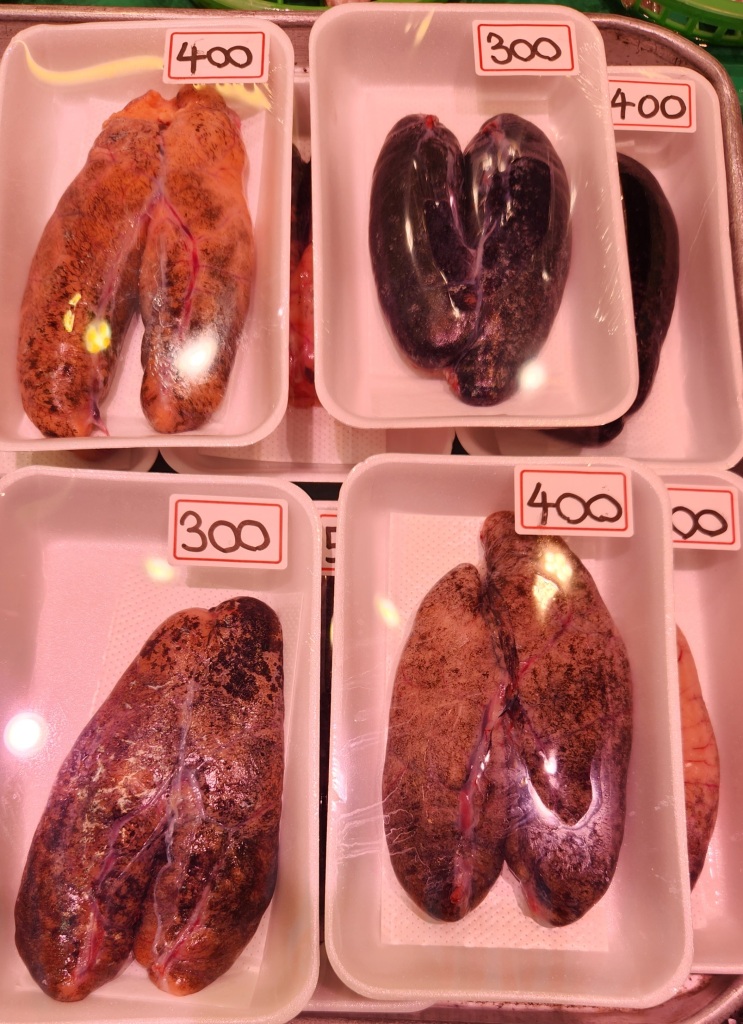
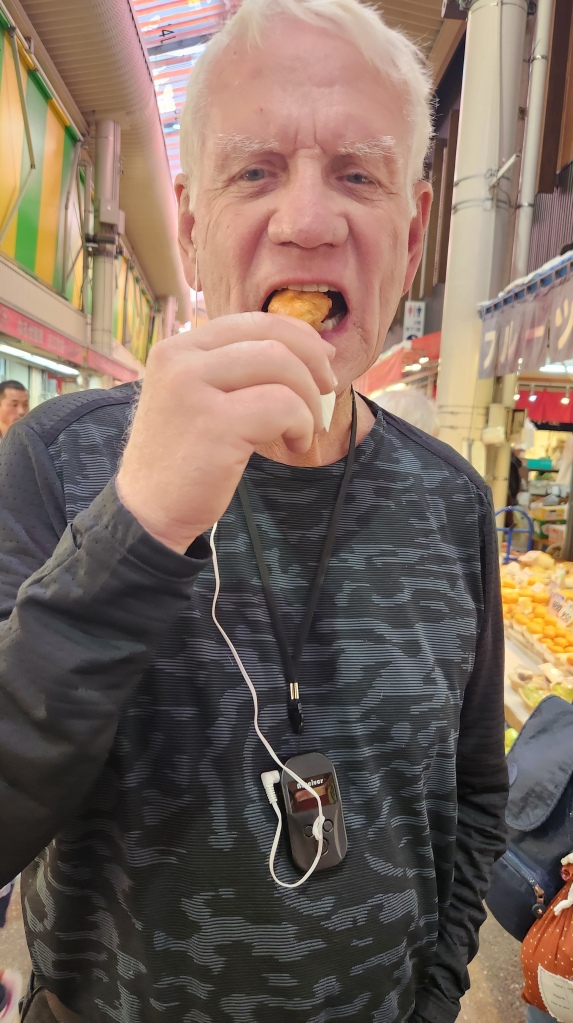
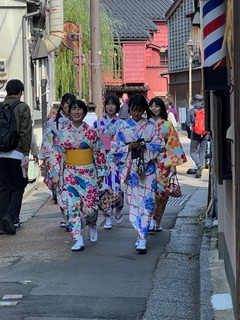
Higashi is a neighborhood known for teahouses and Geisha. There are also restaurants and shops ( check out the gold-leaf jewelry) along narrow walkways. The nearby indoor market sells produce, meat, fish, specialty food dishes, clothing, and jewelry. Bob is eating tempura fried blow fish which he really liked.

Cultural night at the visitor center
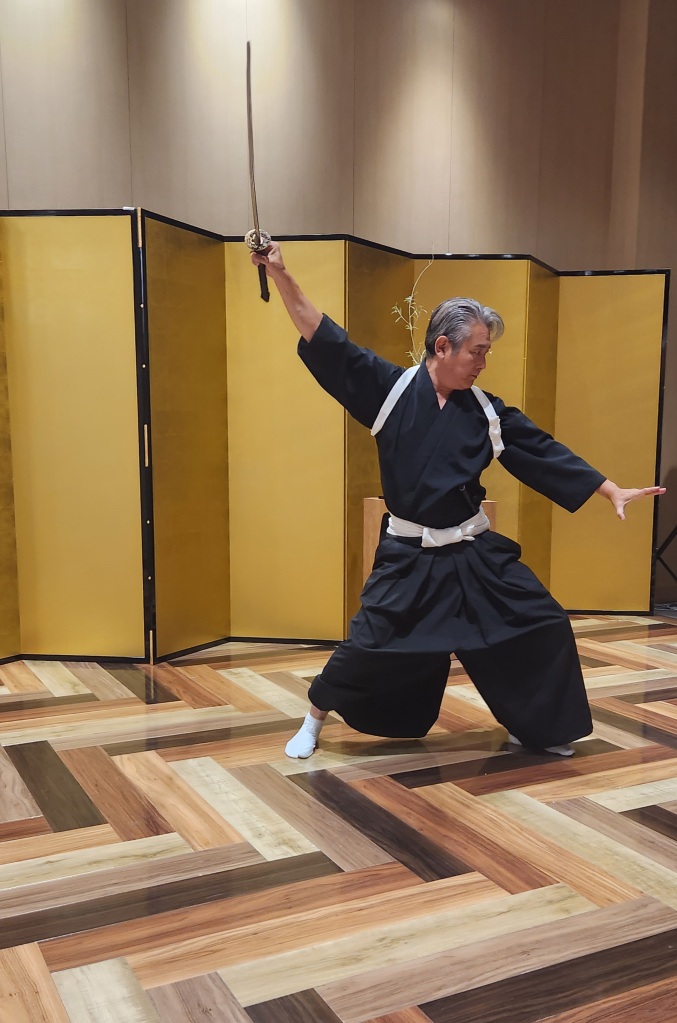
The visitor center hosts different events, so check their schedule. We attended the Japanese culture night theater featuring Ikebana (Japanese floral decorating), sword dancing, a folk and classical music presentation. There was also a fan dance called “shibu”, which is a poetry performance.









 Adventure Quest