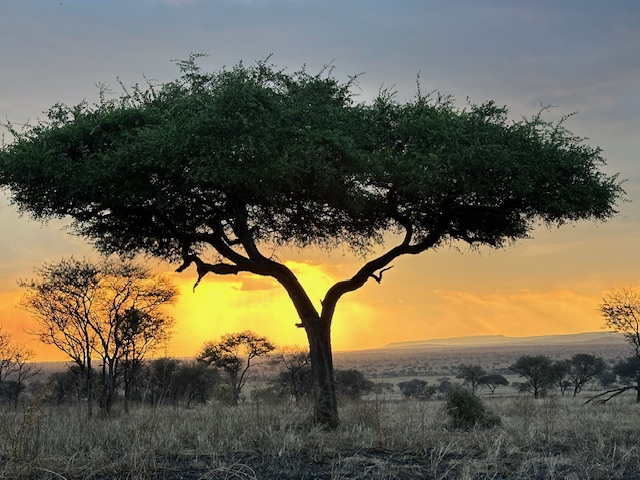
Tanzania, once named Tanganyika, was ruled by Germans until after WW1 and rule changed to Great Britian. By 1964, independence was attained and Tanzania was formed by the unification of Tanganyika with the tiny spice island of Zanzabar. ( TAN is for Tanzania. Za is for Zanzabar and NIA means “unifed”)
Why unify, especially when Zanzabar is in right field from the rest of the country? The answer is that Zanzabar didn’t have an army and they were worried about the warring countries surrounding them. infact, all of Tanzania was surrounded by trouble from the Congo, to Uganda, and by Kenya to the North. Somehow, they are mostly a peaceful country that has accepted war-torn refugees and might be the African equivalent of Switzerland.

The flag of Tanzania is a reflection of the country today.
BLACK represents the majority of the people. There are over 120 tribles and languages but the common language since independence is Swahilli. The majority of rural areas are agriculture based and herding of cattle and goats. Frequent drought affects quality of food for consumption. Everything is sown and harvested by hand. Only 7% of homes in rural areas have electricity and 40% of the population lives in poverty. School is compulsory for ages 5-20, and parents can be fined if kiddos dont attend. I was heartened to be in a Masai family compound and found a chemistry book laying on a bed in a round mudbaked hut. Education will eventually change the rural dynamic as children leave for better jobs and opportunities. Hopefully, some will come back with better ways to make a living. Culture will change when farmers don’t need multiple wives and many children to work.

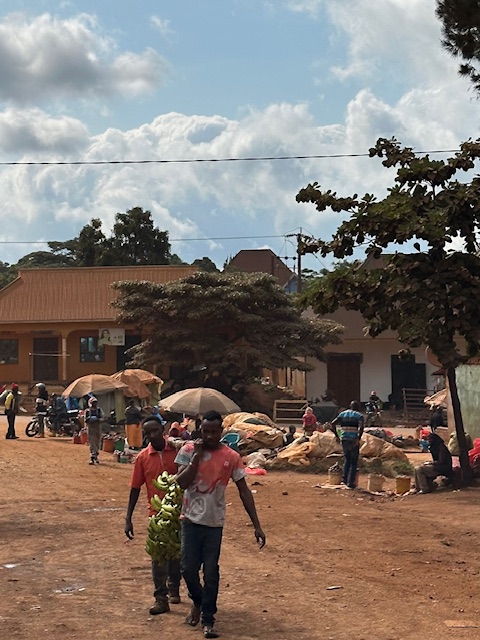
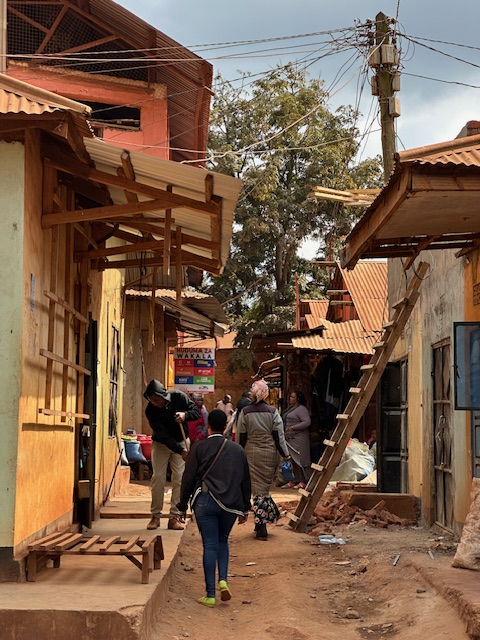
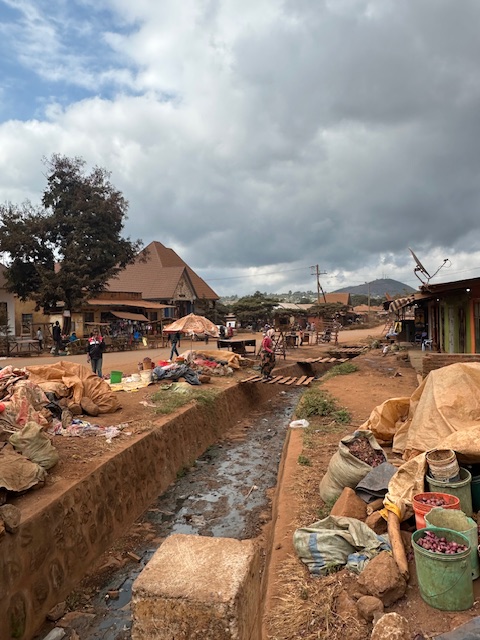
GREEN represents Tanzania’s abundant nature. 40% of the country is protected under wildlife sanctuaries and National Parks. Tarangire National Park leads to Ngorongoro Crater Conservation Area, leading west to Serengeti National Park and Lake Victoria. This forms an immense animal corridor for safe migration. Agriculture is also huge, especially in the rich volcanic soils where 24-29% gdp is produced.
YELLOW represents Tanzania’s mineral deposits. They are third in Gold production and Tanzanite gem stones are only found here. Coal, uranium, natural gas, copper, diamonds, iron ore,cobalt, nickel and graphite are also sourced. Foreign mining companies are held at bay with many restrictions including joint venture with local entities to operate and revenue sharing.
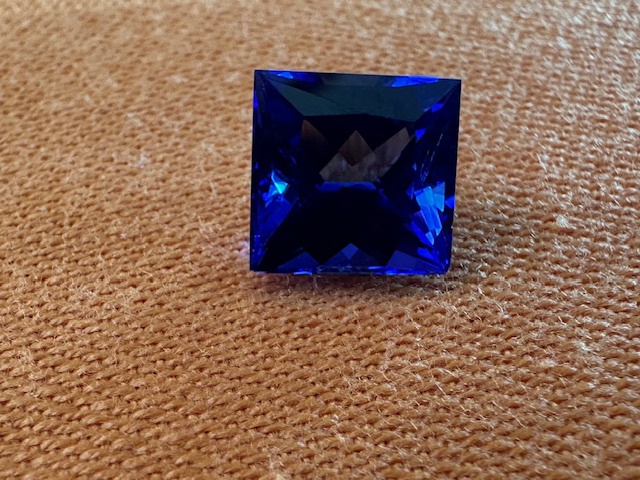
BLUE represents Tanzania’s lakes–3 are the largest in the world. (Lake Victoria is the begining of the Nile, Lake Tanganiyika and Lake Malawi). The potential for irrigation use is significant, but currently only small farmers use flood irrigation methods. This will change in the future as experts from Israel are working with the government. Drought continues to be a proplem for crops that must survive the dry season.
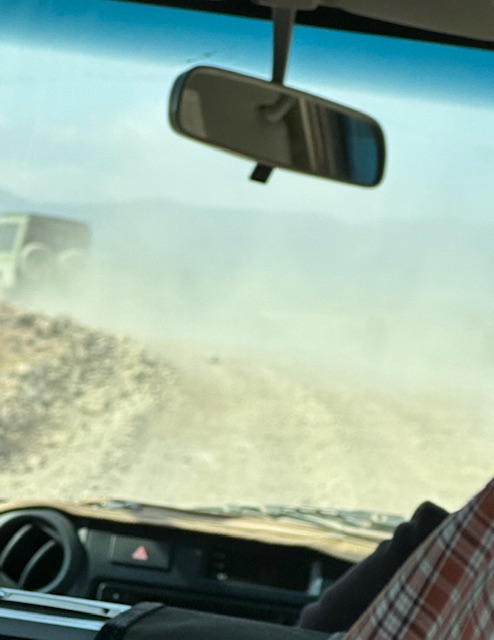
July is the begining of the dry season in the Serengeti. Choking dust and dying grass are reasons for animals.to migrate to fresh water and better grazing lands. Did you know that migration goes on all year long? For some reason, I thought only Wildebeasts moved, but that isn’t true. Add to the list: Elephants Zeebras, Elands, Oryxes, and Gazelles.
 Adventure Quest