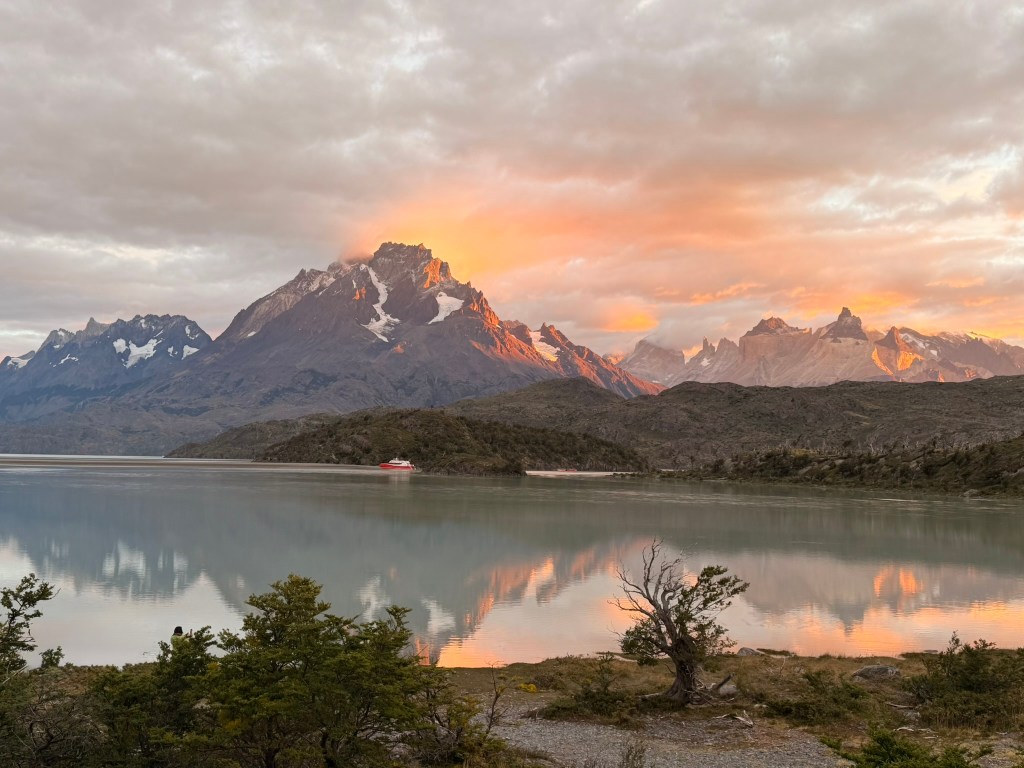
Land of Wild Extremes
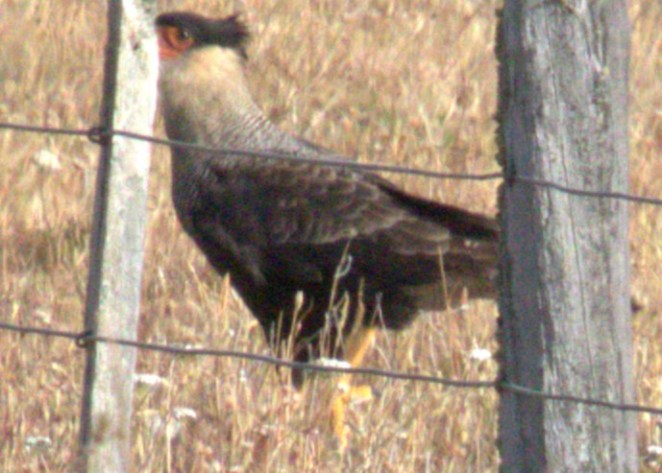
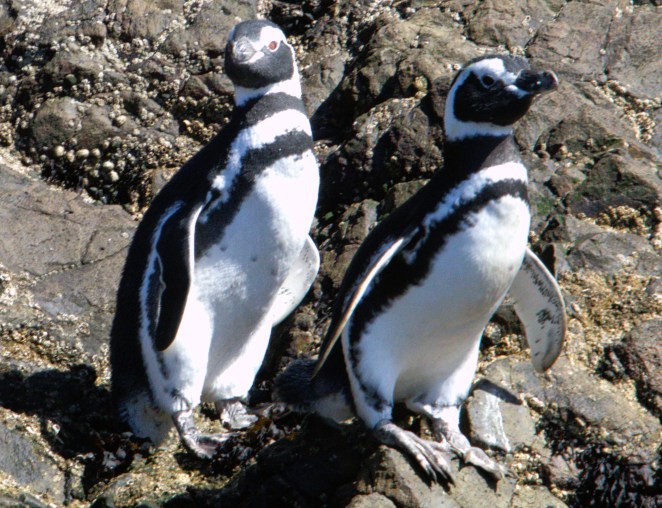
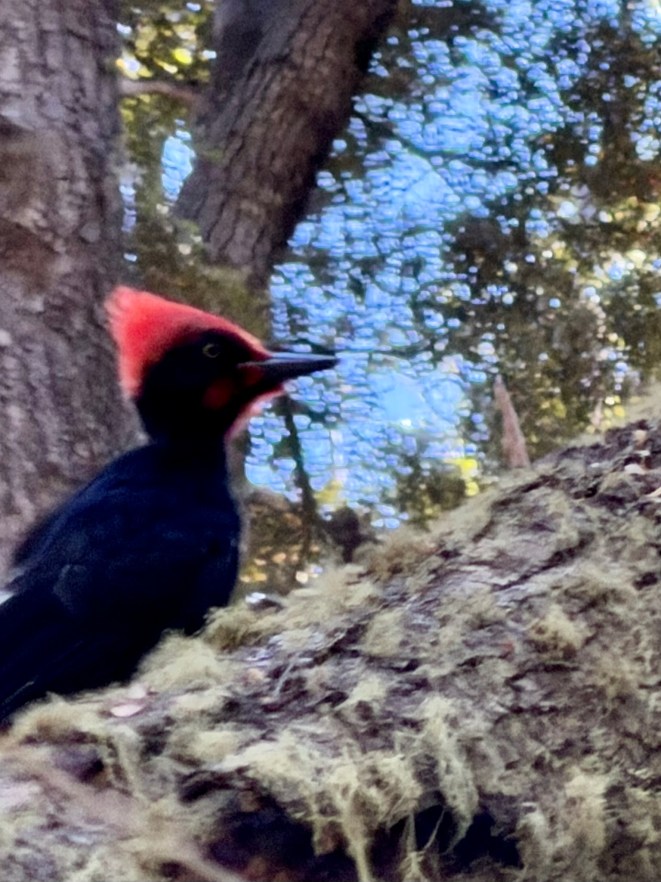
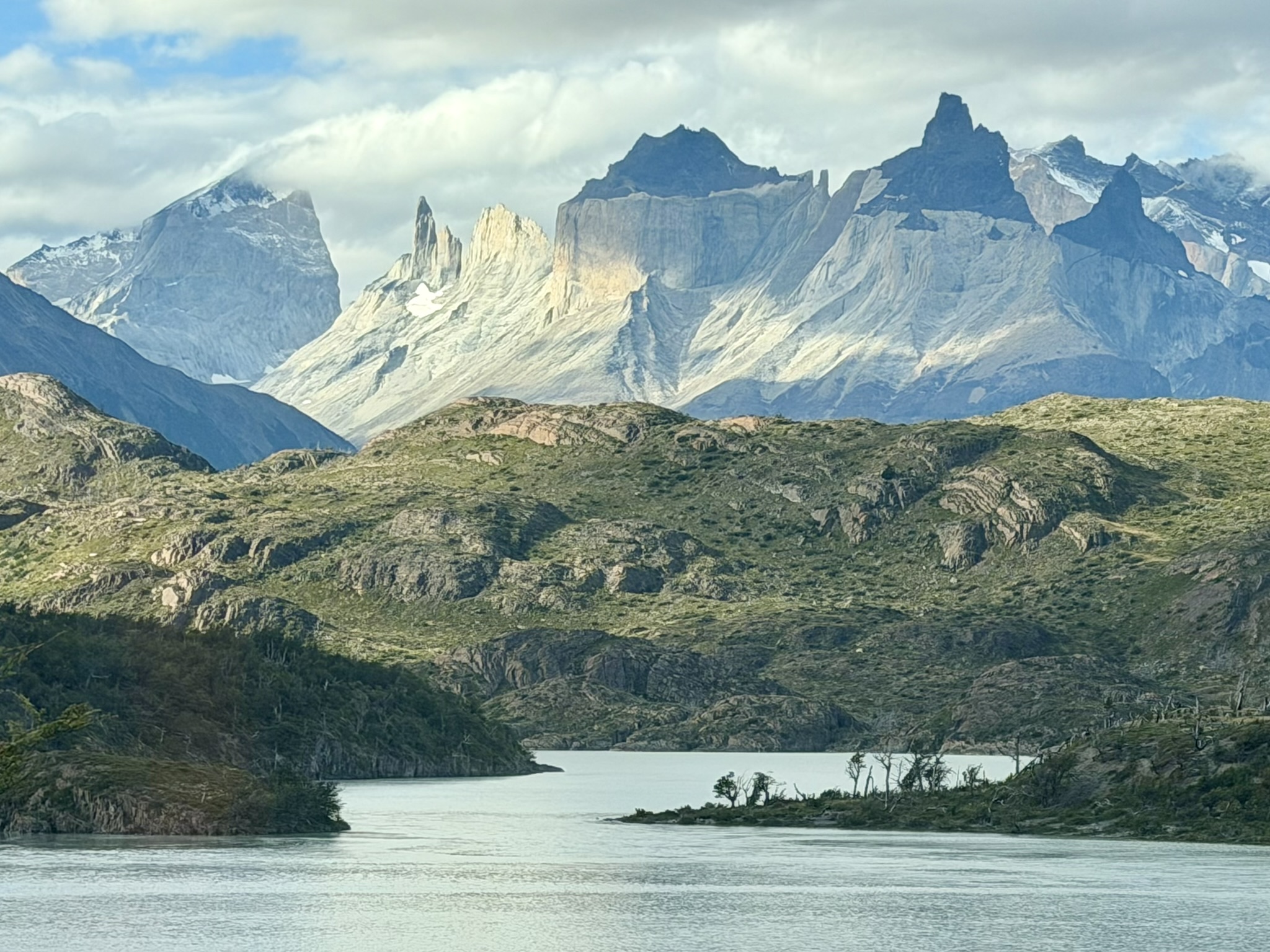
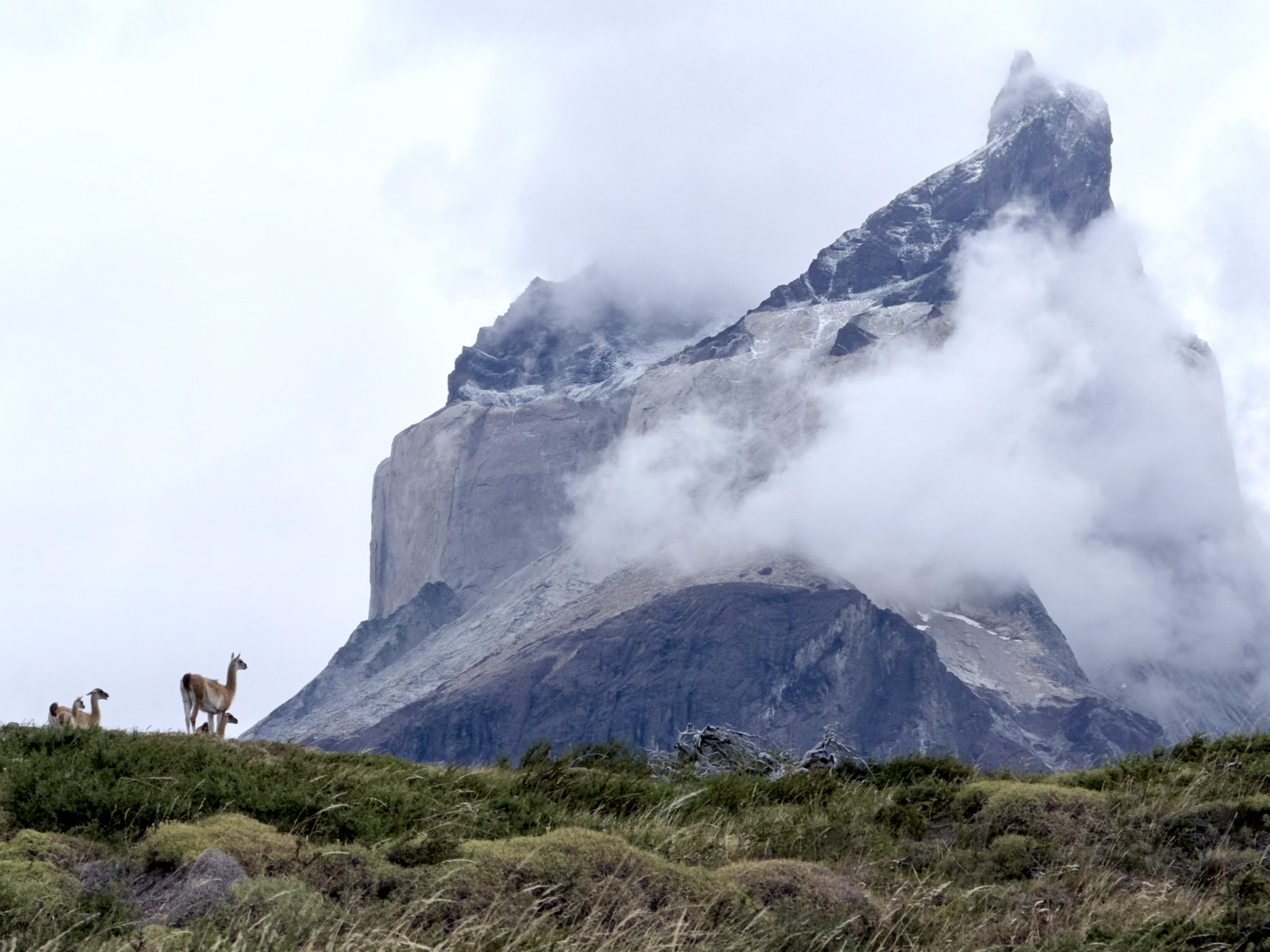
It’s confusing to many travelers that Patagonia is a region, not a country. It encompesses Chile and Argentina from around Bariloche down to the tip of South America. The Andes Mountains are the backbone of this wild place with Mount FitzRoy being the tallest at 11,171 feet.. Immediately, I envision an Alpine landscape, but we aren’t in Europe anymore.The flora and fauna is vastly different as are the animals and birds in the region.
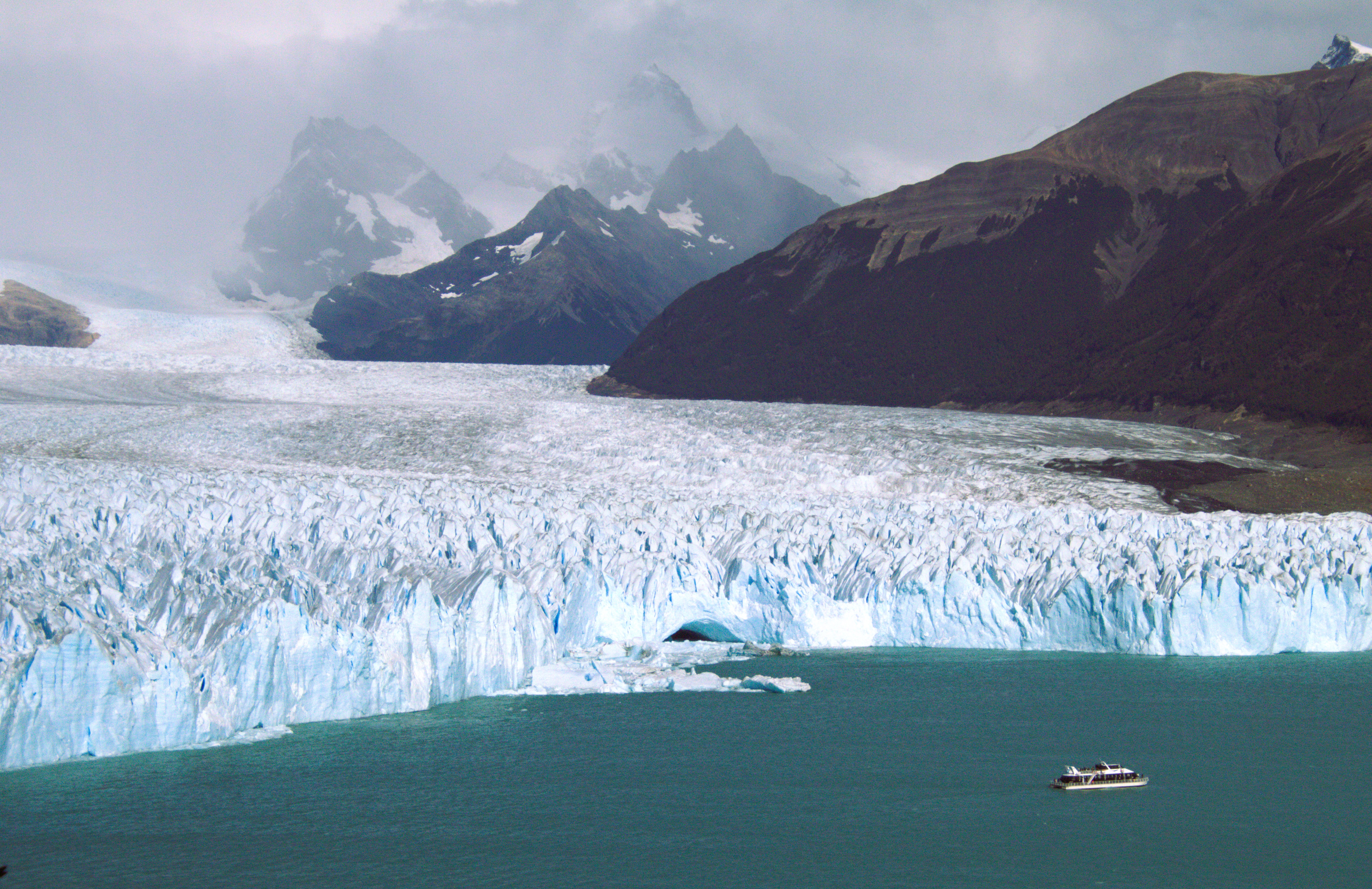
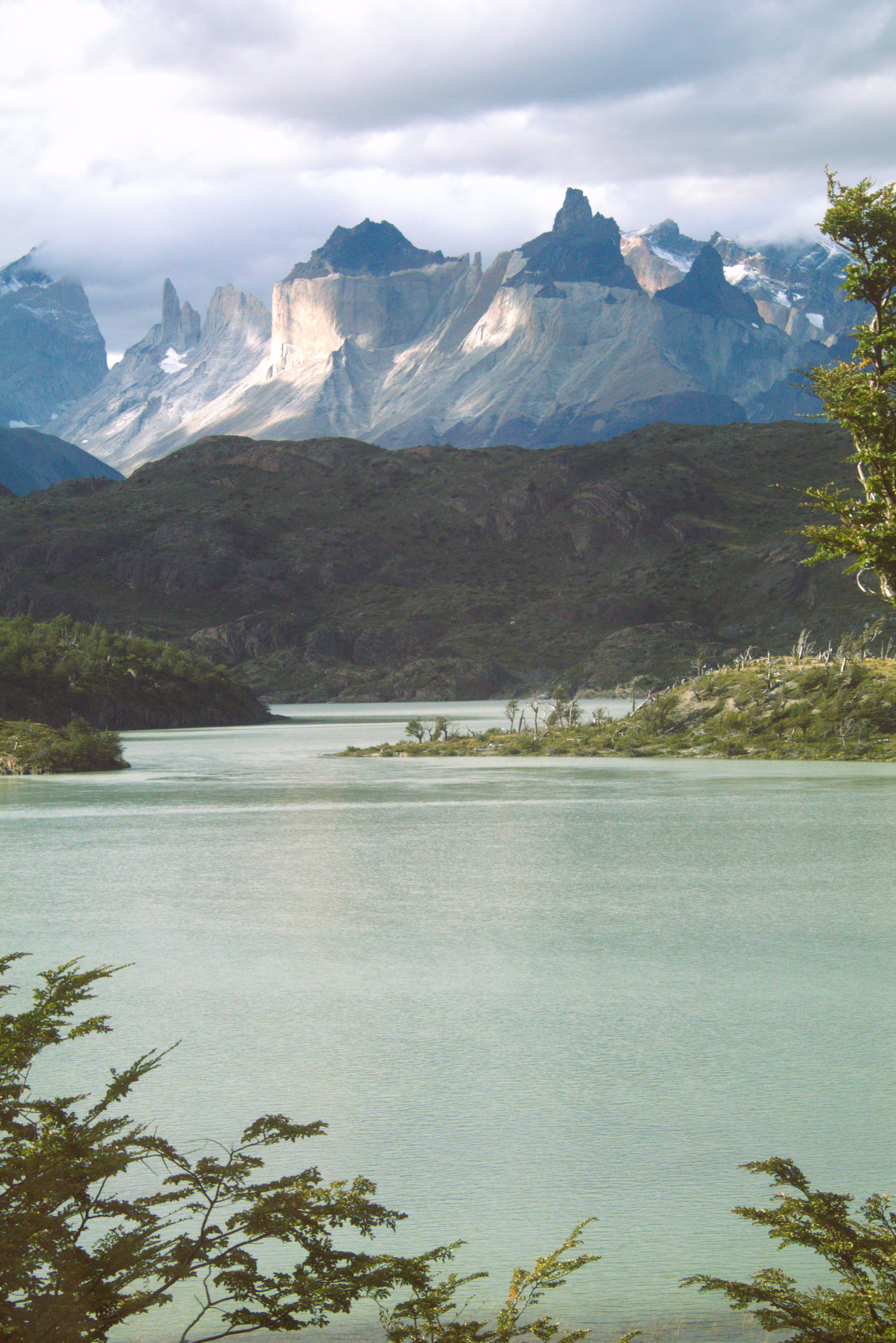
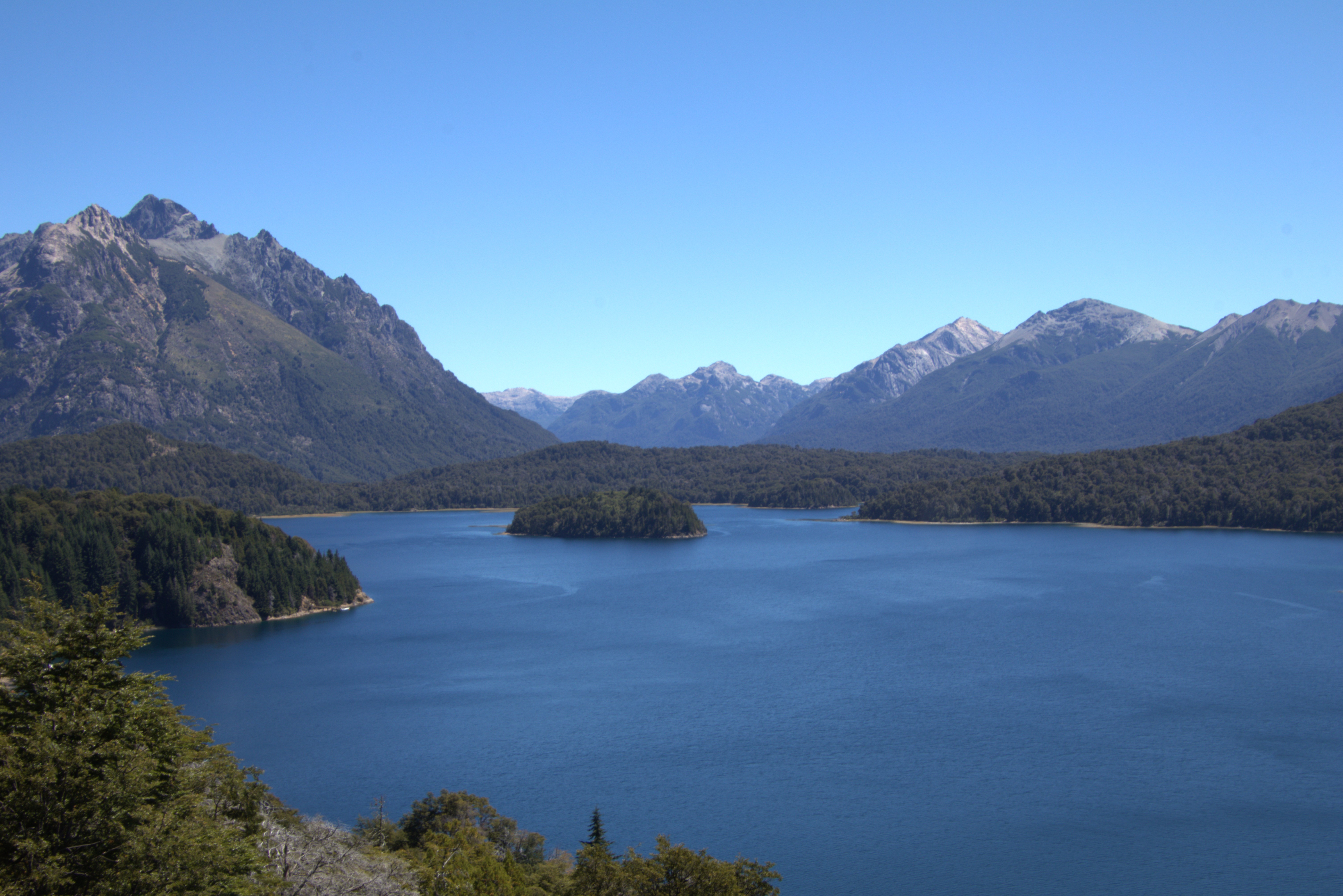
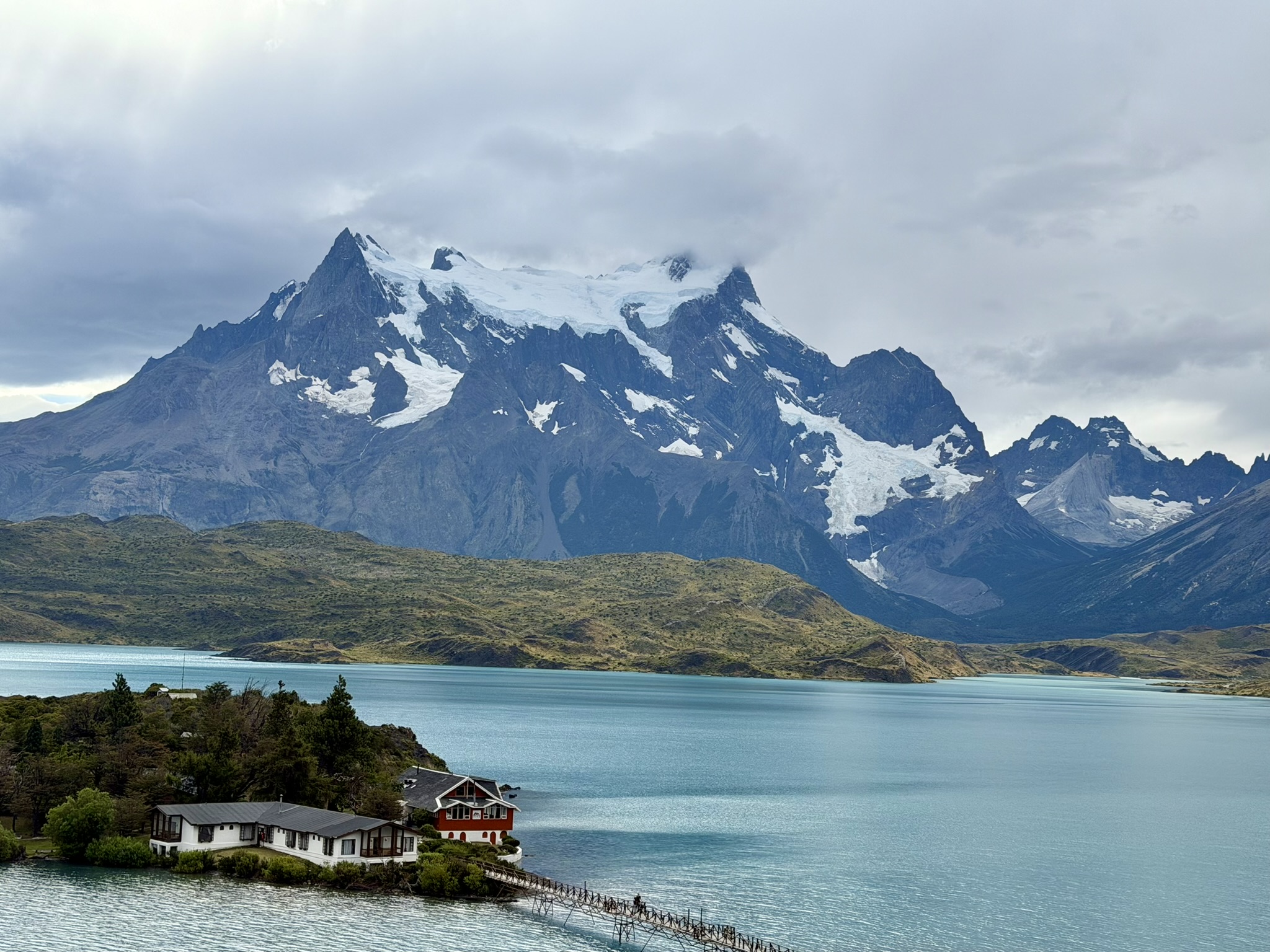
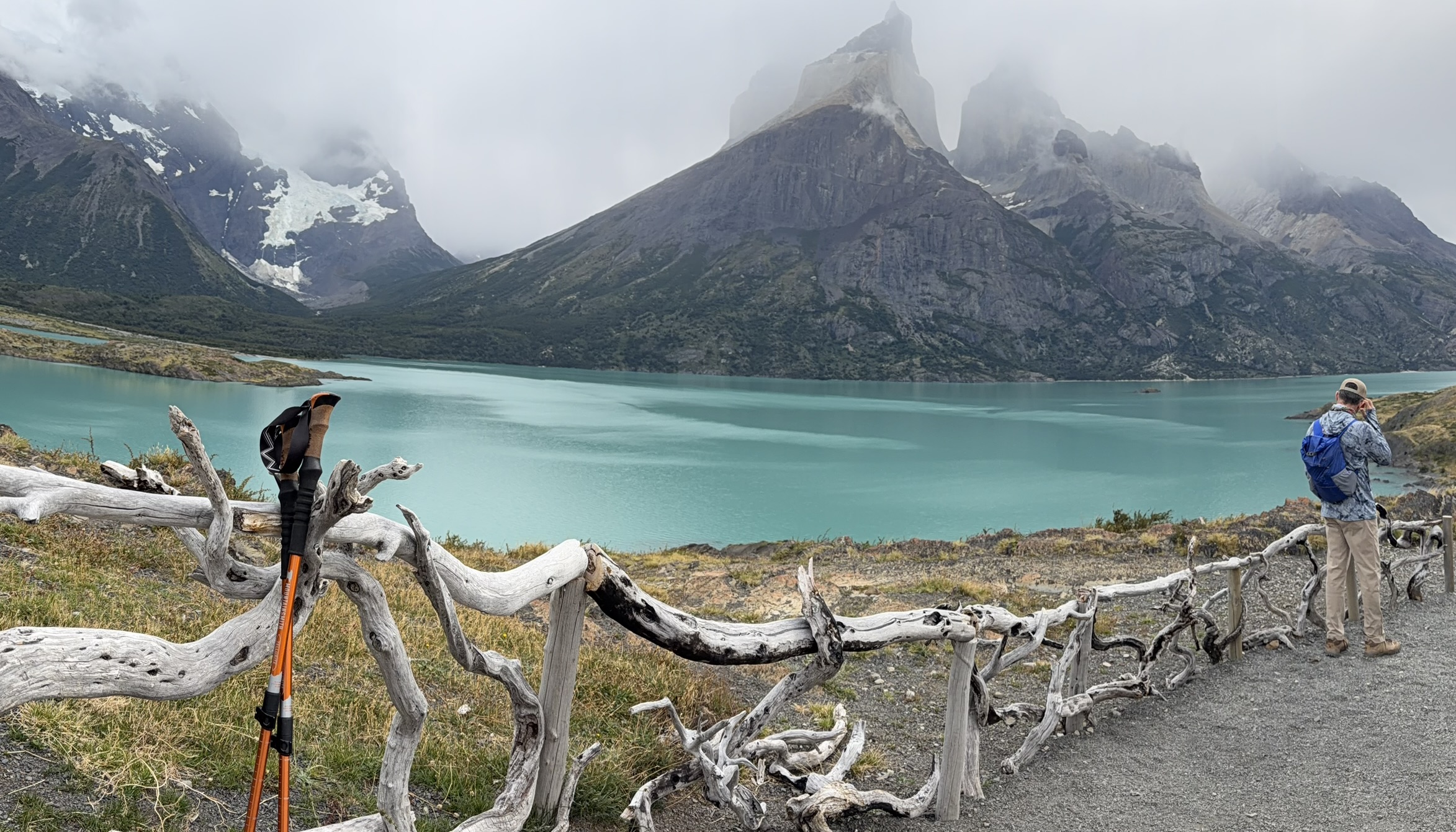
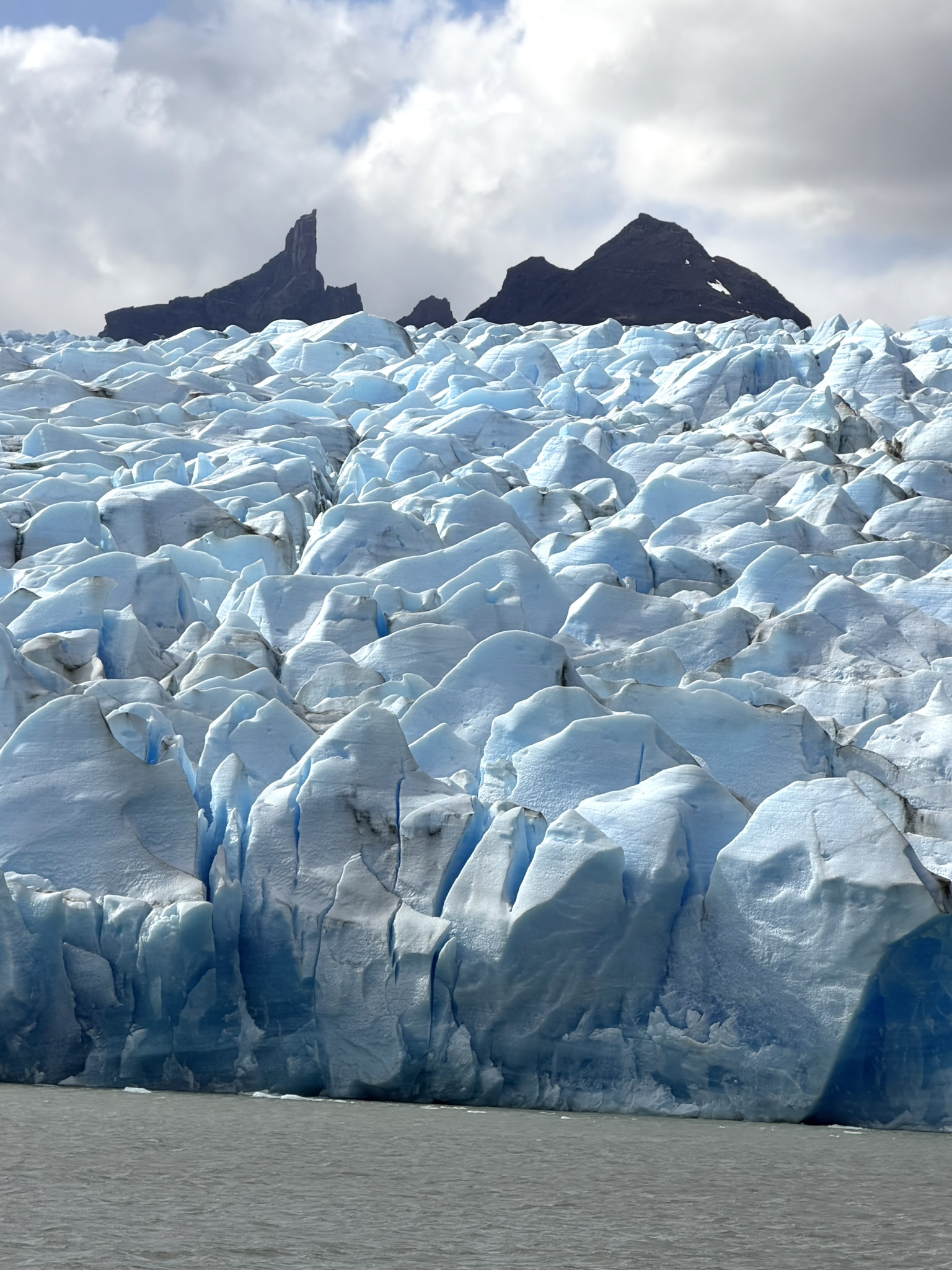
The largest lake in Patagonia is 546 square mile,turquoise blue, Lago Argentino located in the Los Glacieares National Park.(El Calafate, Argentina is the closest jumping off spot to visit), Lake Viedma, also in Los Glacierares, is the deepest lake in Patagonia at 2,953 feet.There’s no shortage of fresh water with hundreds of glacial lakes.
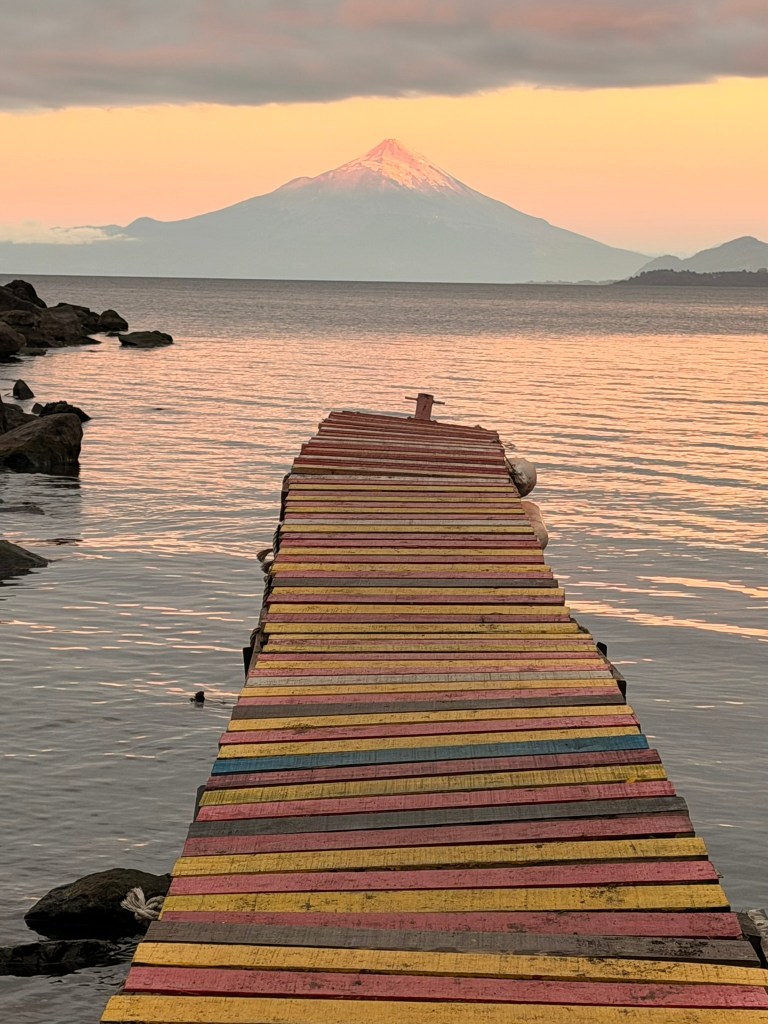
There’s a whole lot of shakin’ going on with 958 fault lines in Chile and hundreds of Quaternary faults causing surface ruptures in Argentina . Things get hot now and then with dozens of volcanoes ( Llaima, Lonquimay,Osorno,Chaiten, Tromen, Payun Matru and Paun Liso to name a few.).The last eruption was in 2011, when Puyehue-Cordon Caulle literrally blew it’s top but Villarrica and Planchon-Peteros are being closely monitored today.
In Western Patagonia (Chile) there are rainforsts that receive 157″inches of rain per year, while other areas in Chile and Argentina receive only 7.87″-15.75″ a year. Imagine trying to raise sheep where only 4 animals survive on almost 2.5 acres of barren, wind-battered land.
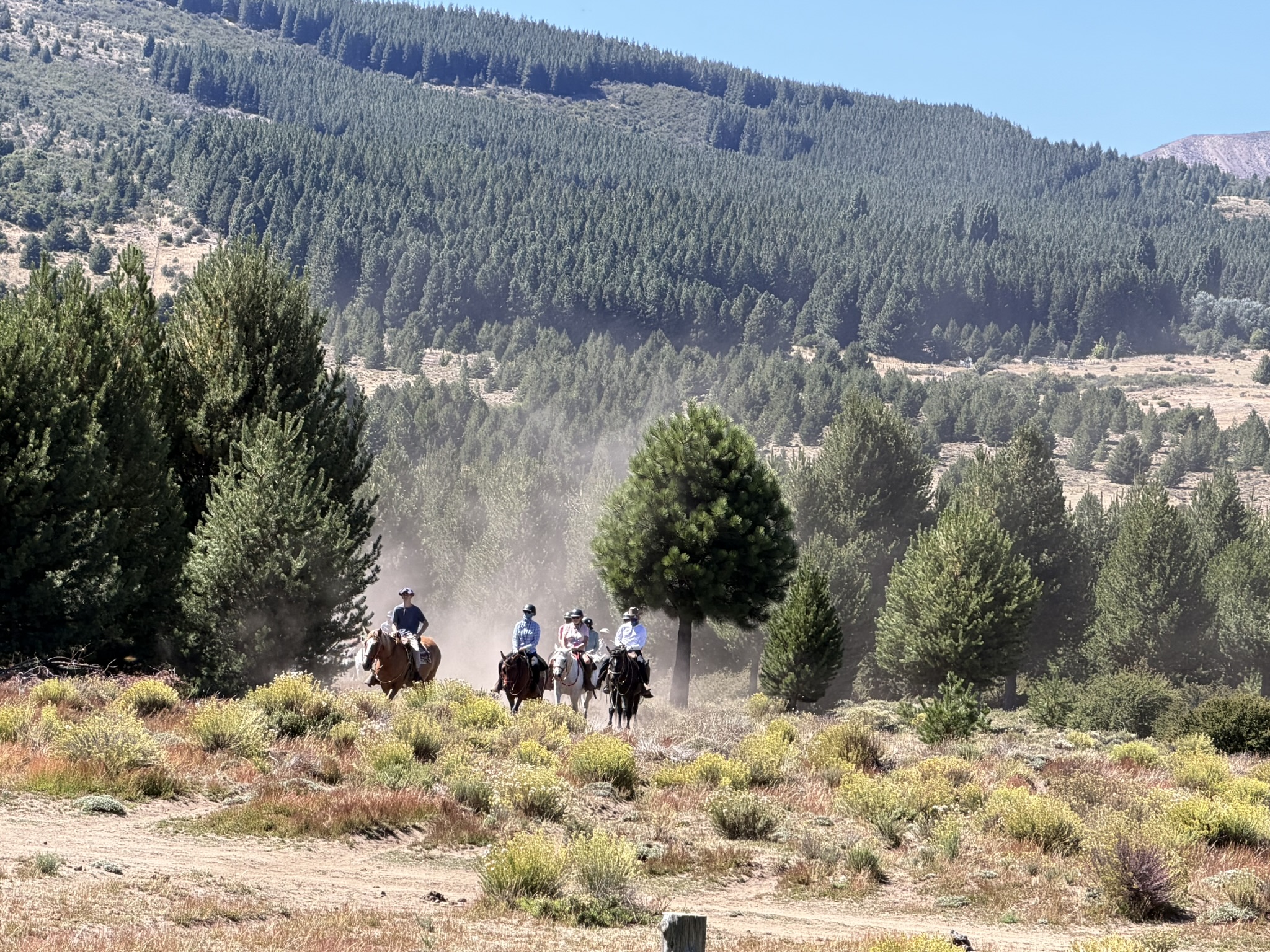
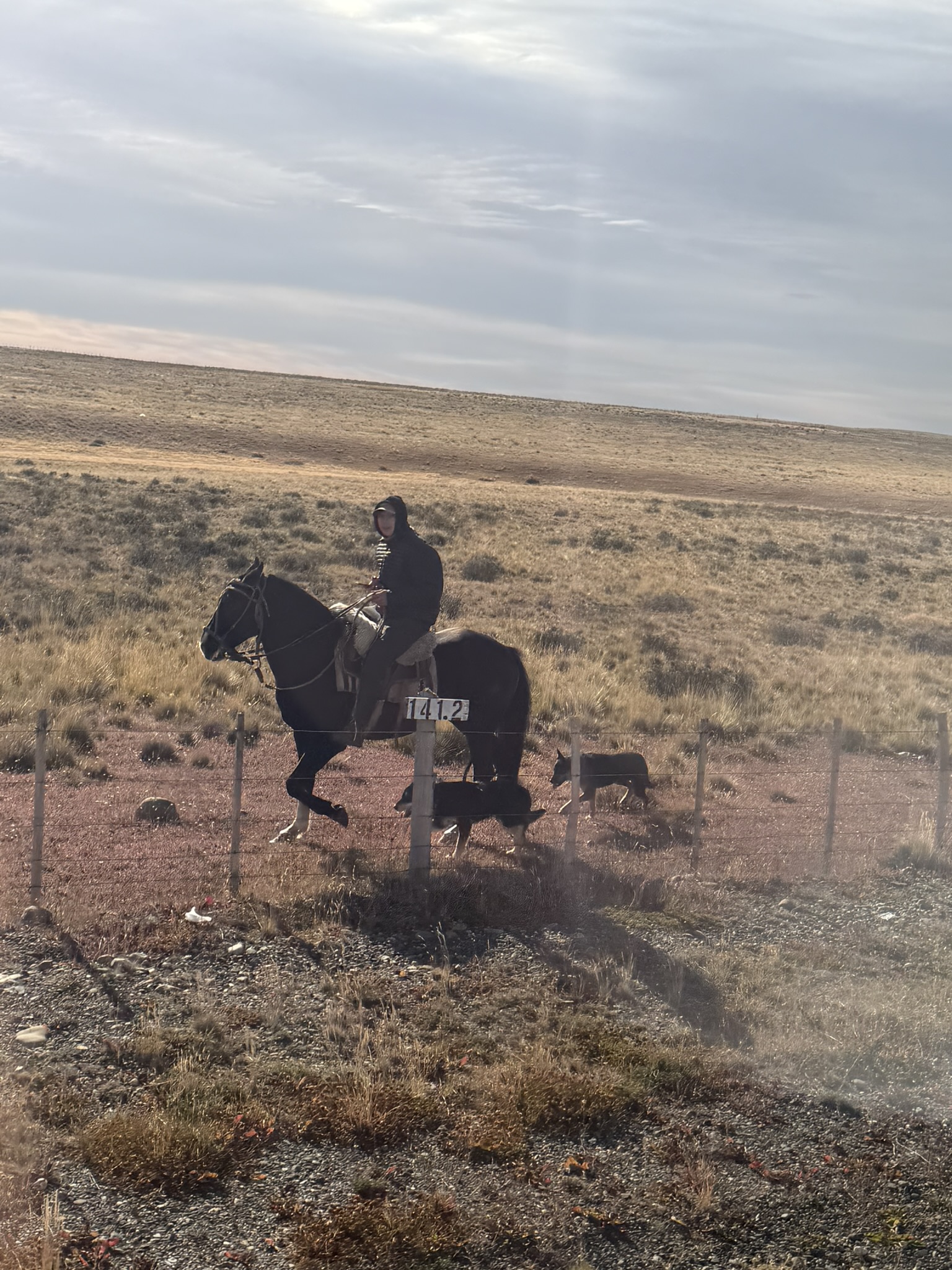
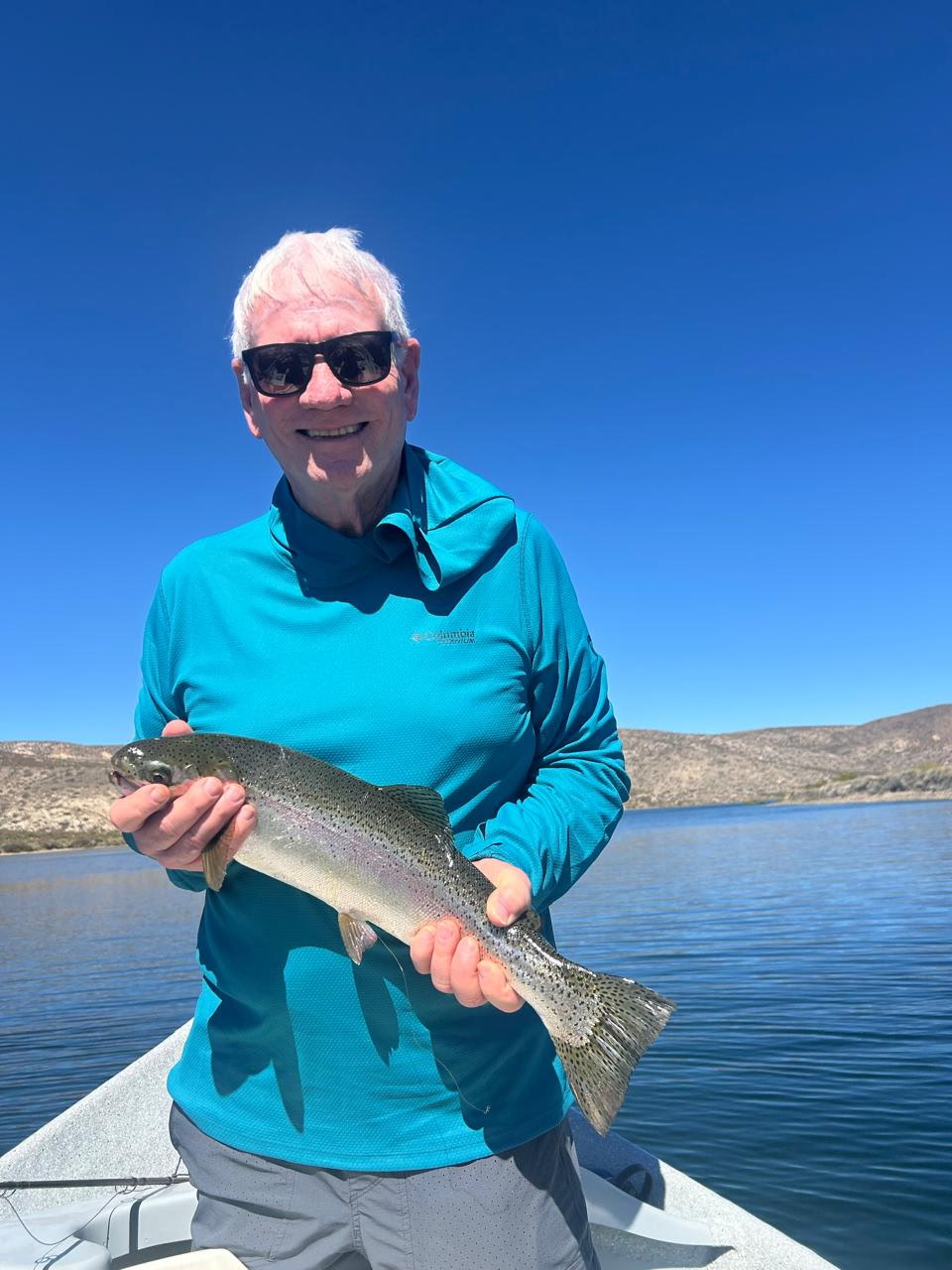
Outdoor pursuits are prolific with world-class fishing, river rafting on some of the cleanest water on the planet and has become a mecca for hiking. Patagonia clothing and North Face developed the Route of Parks, a 1,740 mile trail that encompesses 17 national parks from Puerto Montt to Cape Horn. In Torres Del Paine there’s the W-hike, which takes 4-5 days and best to tackle in between December-March. The O-hike goes around the towers in a circle that takes about 9 days and is an 80 mile loop. Overnights are at campgrounds or refugiios. These are demanding hikes but there are plenty of day trips offering spectacular scenery.
Before European invasion, this was the land of the nomadicTehuelche, the giants who towered above the Spanish.The area around the Andes was poplulated by the farming Mapuche. All indigenous are still struggling to re-claim portions of their homeland. Massive waves of Italians, Spanish, Germans, British, Croatian and Palestinians displaced the native people. In Bariloche, the Swiss-looking town settled by primary Germans had a shocking revelation that a Nazi war crimminal lived among them and Adolf Eichmann was arrested in Buenos Aries. This isn’t surprising, because Juan Perron, once the president of Argentina, was a sympathizer during World War 11.
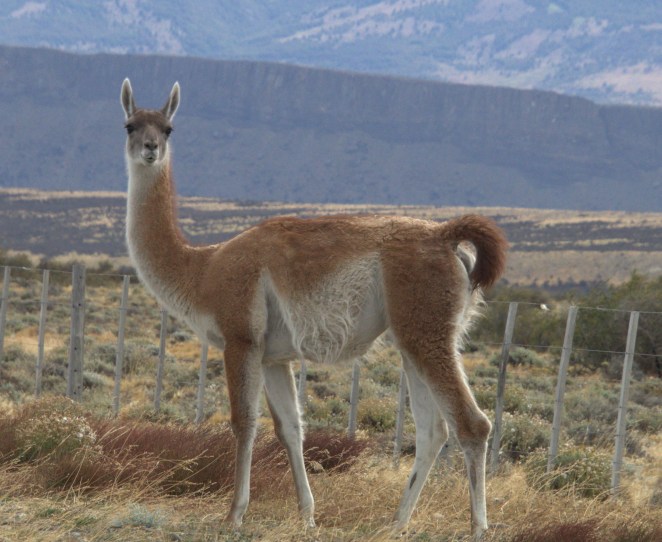
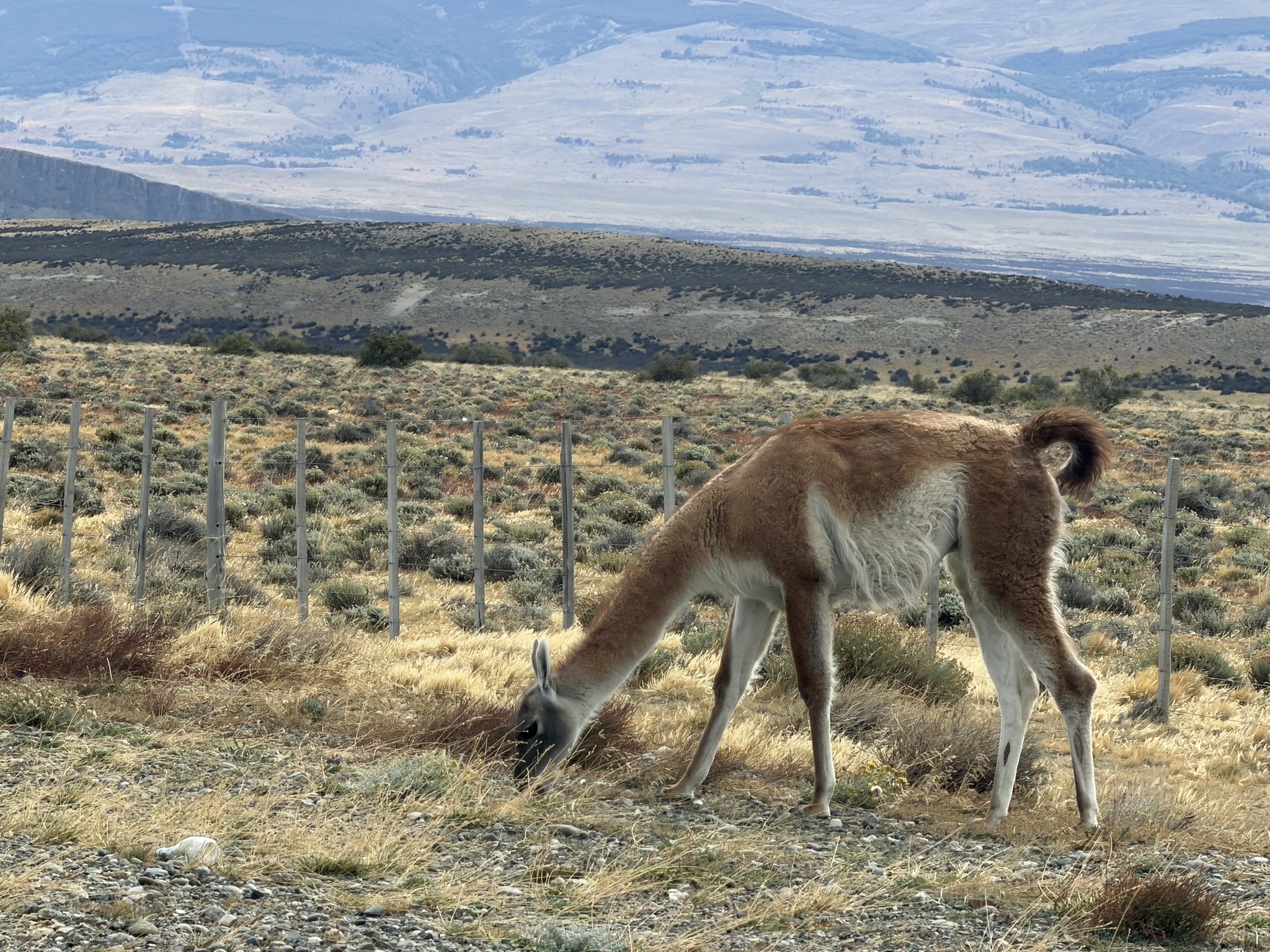
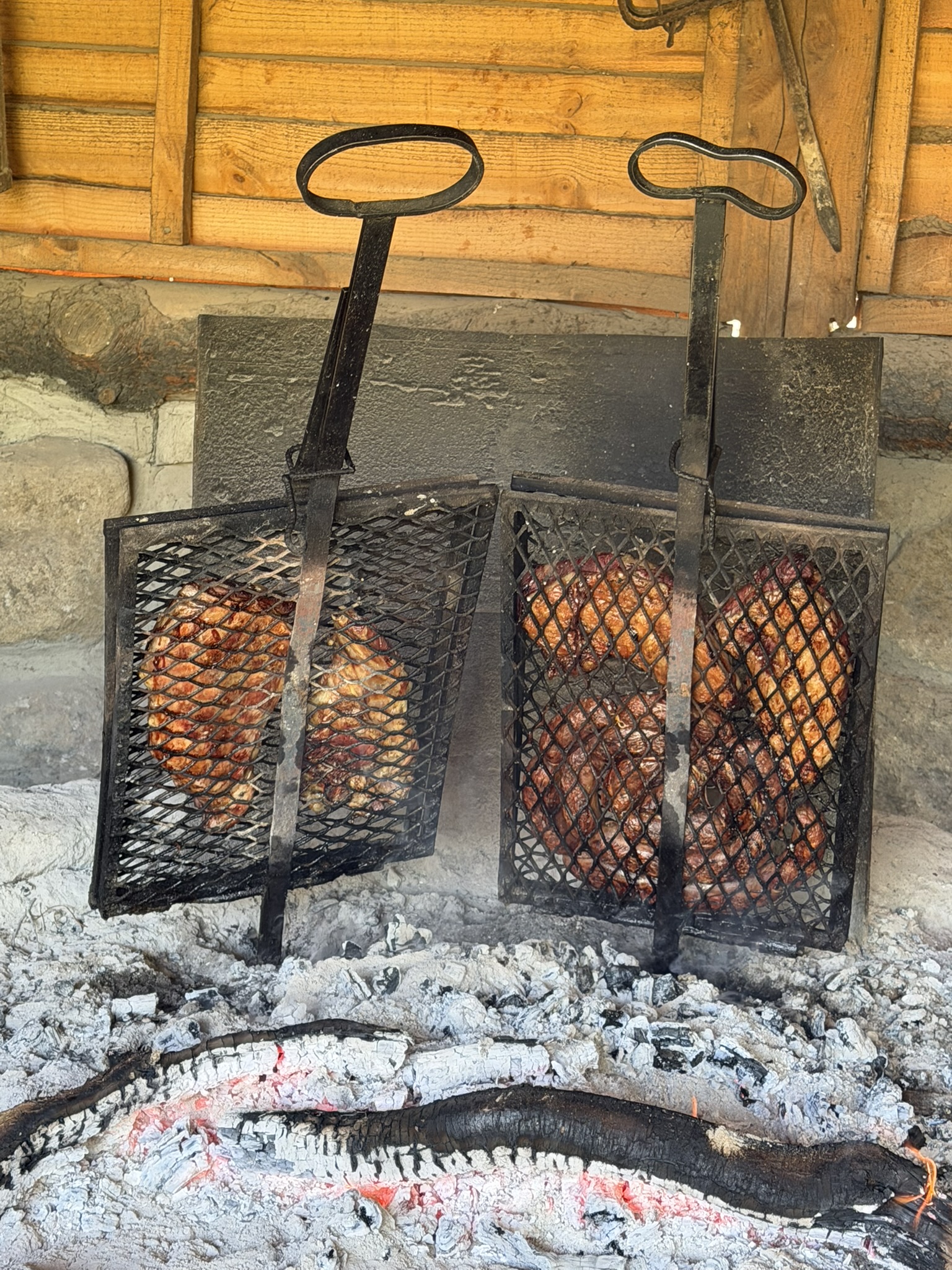
All of these diverse cultures have led to an interesting cullinary scene from wild Guanaco stew to open fire grill of Lamb, Beef, Sausage and Chorizo called a Parrilla. You have to have Empanatas with Chimichurri sauce. Fish is another great selection, anywhere in the country. The wine is amazing and don’t forget chocolates and ice cream.
 Adventure Quest