Deep Inside The Ngorongoro Crater

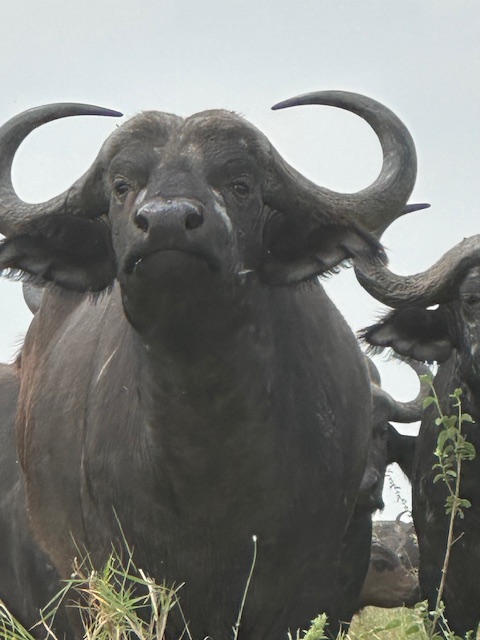
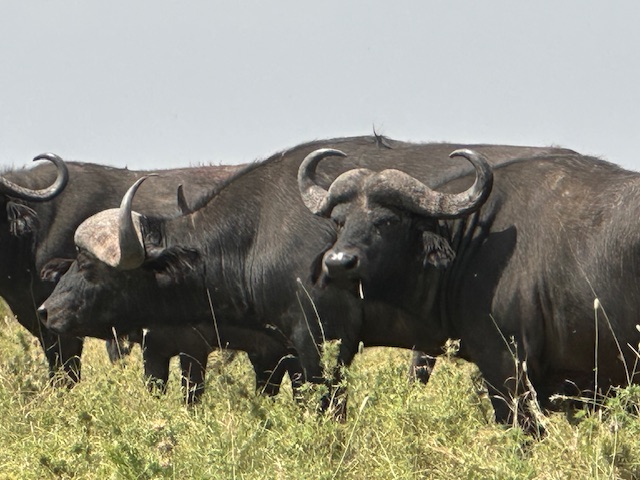
Driving out of the Serengeti National Park, we saw thousands of buffalo migrating.Notice that the outter buffalo seem to be sentries or protectors of the line.

Here we go again on that dusty road that climbs to the rim of the Ngorongoro Crater at 7,500 ft above sea level.. No worries about the drive–it was entertaining to see so many animals all along the way.

Ngorongoro Conservation Area is a Unesco World Heritage Site and the largest cauldera in the world with intact walls at an impressive 2,000 ft tall. This enclosed space creates a unique eco-system. Approximetly, 25,000 animals remain inside the crater year-round, although they do a mini-migration around the 100 square mile floor. You’ll find most of the big five, except for Leopards. There aren’t any Giraffes either. because the descent is too steep for them to enter and the vegetation is more jungle-like along the walls instead of leaves off trees which they prefer to eat.
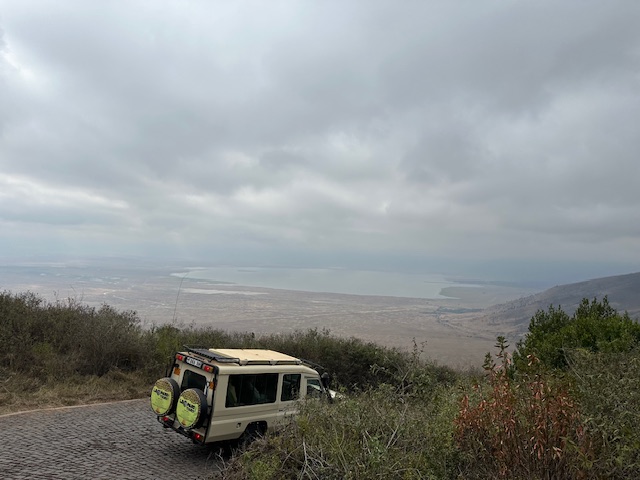
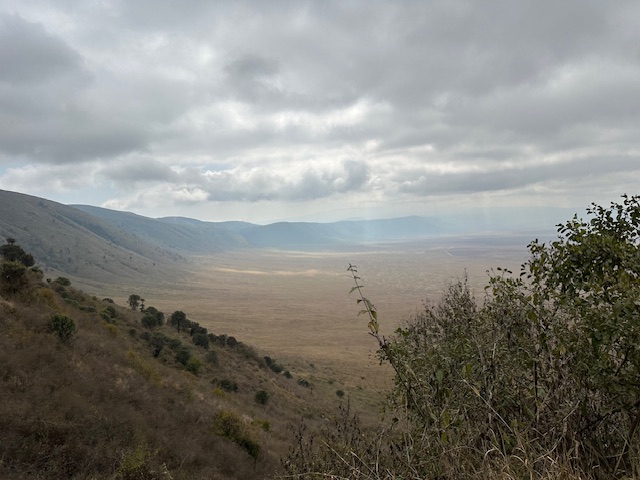
Entrance is by permit and between the hours of 6 AM-6PM–there is one-way traffic in and out on the single car roadway.

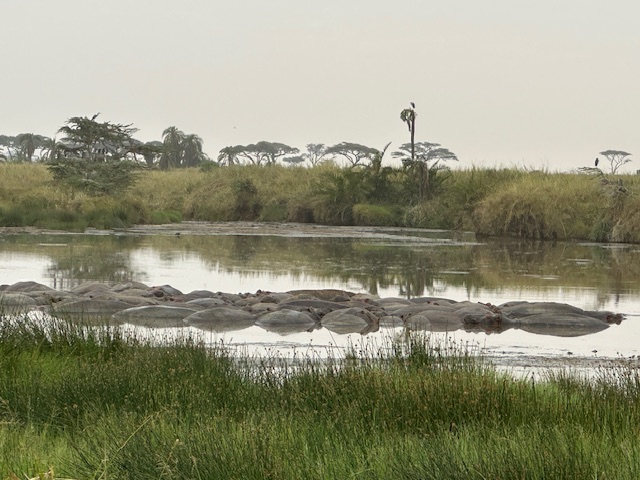
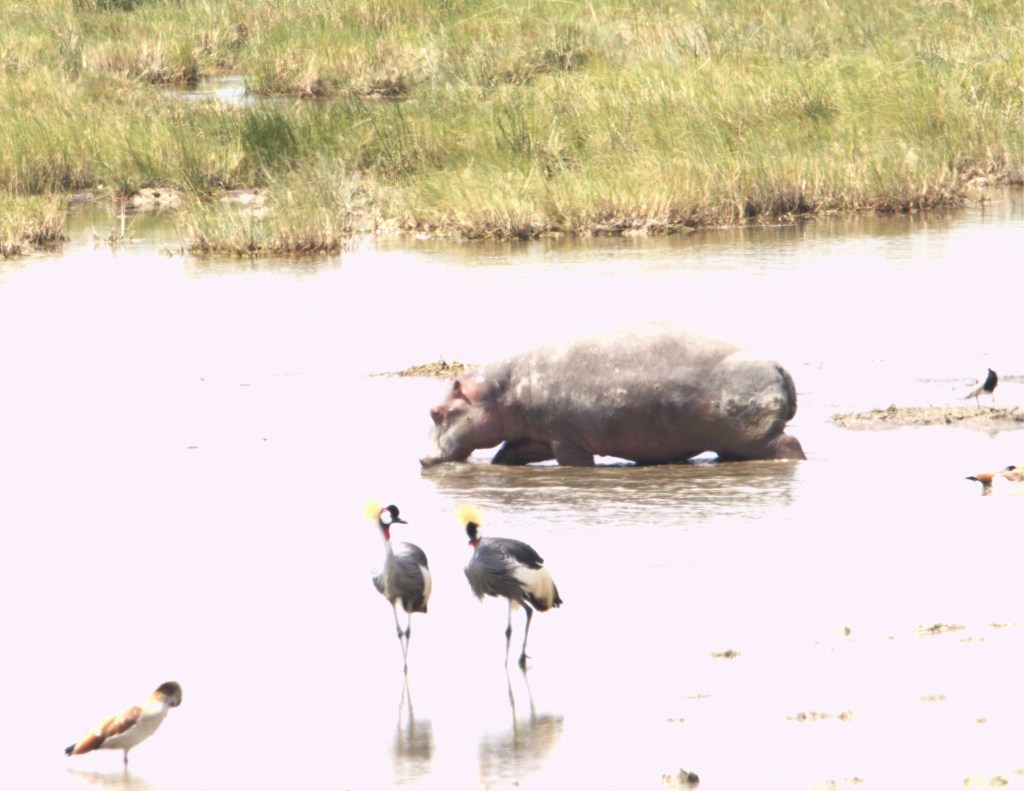
The volcano has been extinct for 2-3 million years and once was taller than Killiminjaro.There are 2 water sources: Alkaline Lake Magadi which supports thousands of Flamingos and fresh water is provided by the Munge River and the Lerai Stream, which is primary habitat for Hippos and an amazing number of birds.
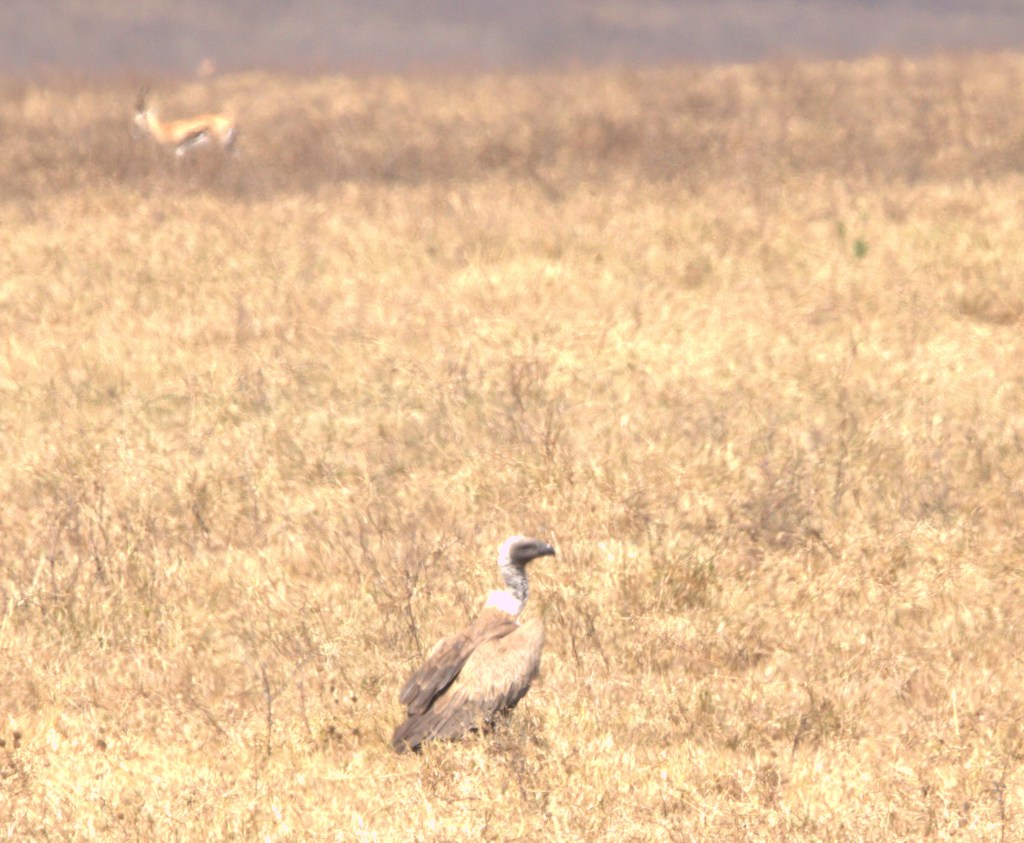
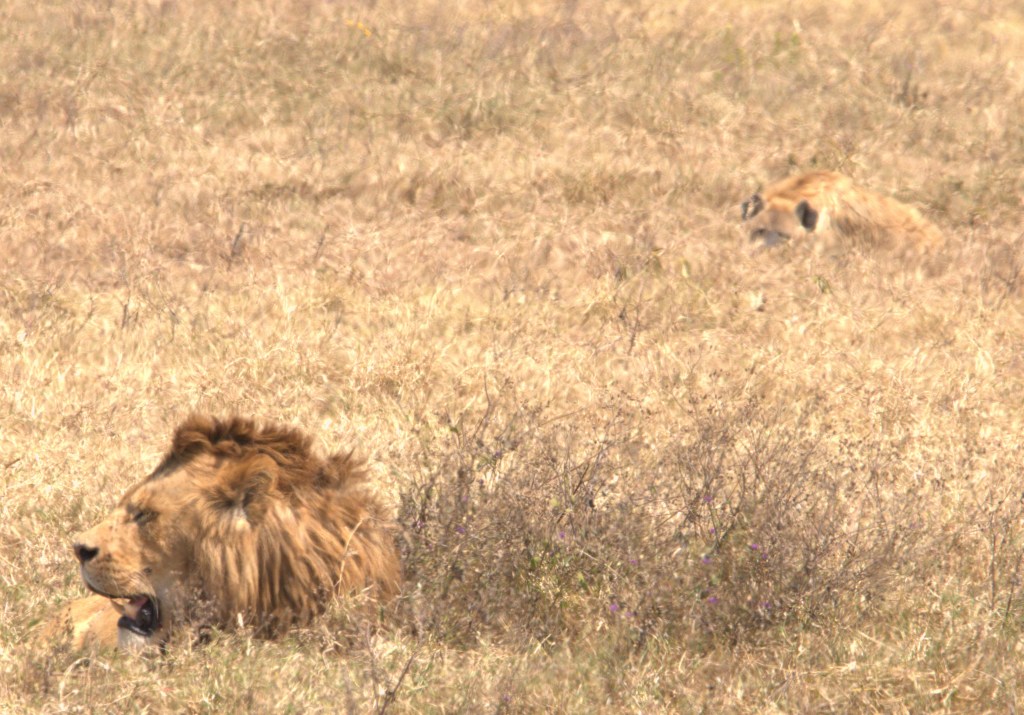
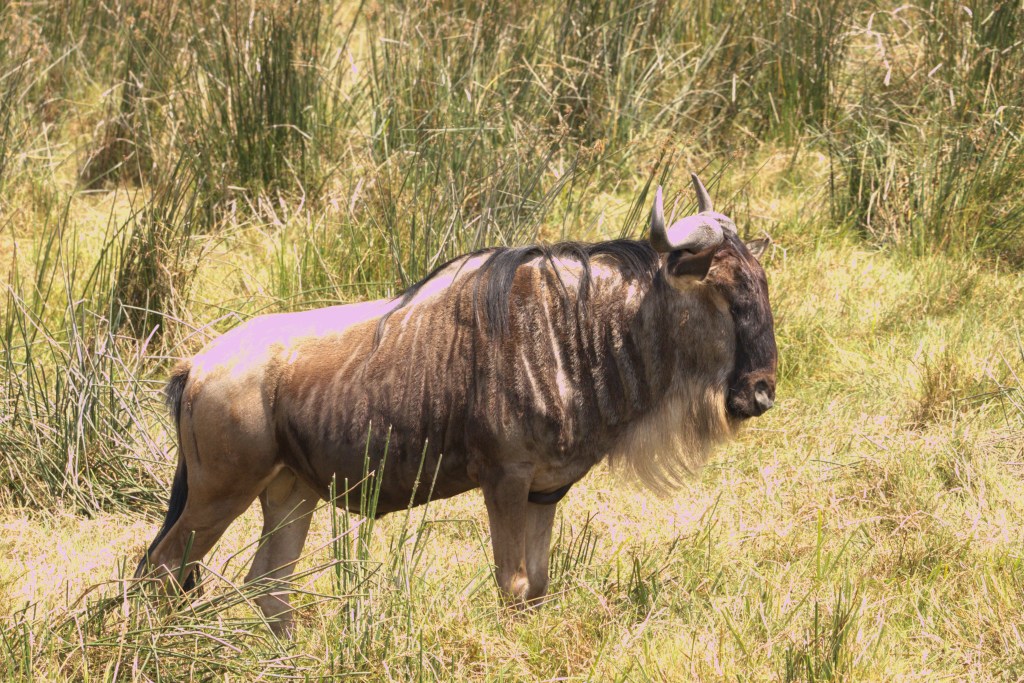
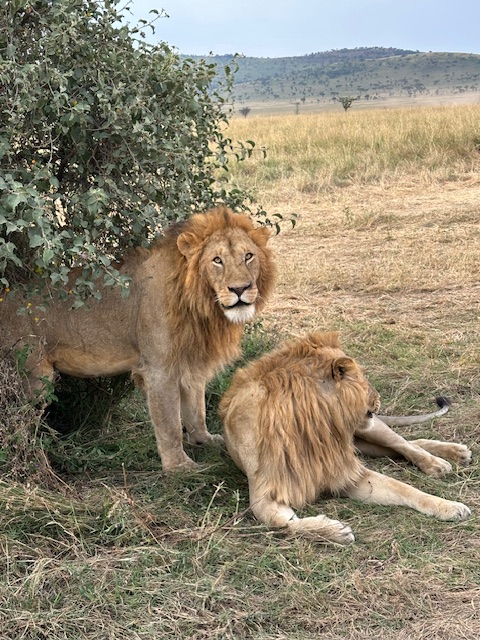
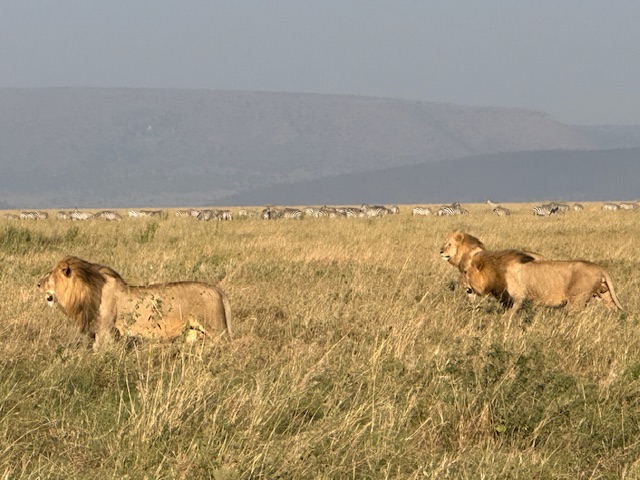
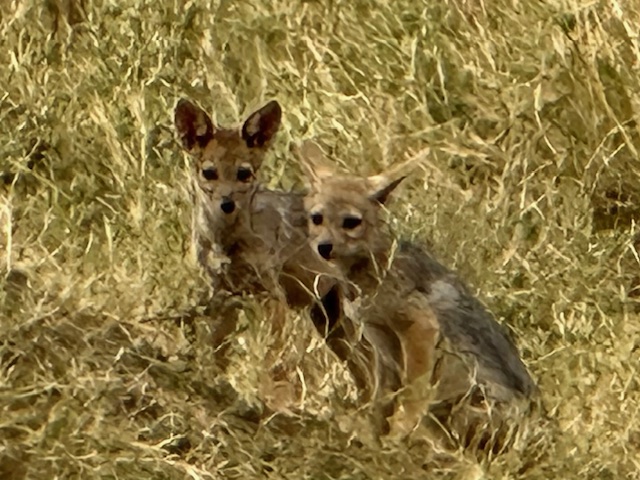
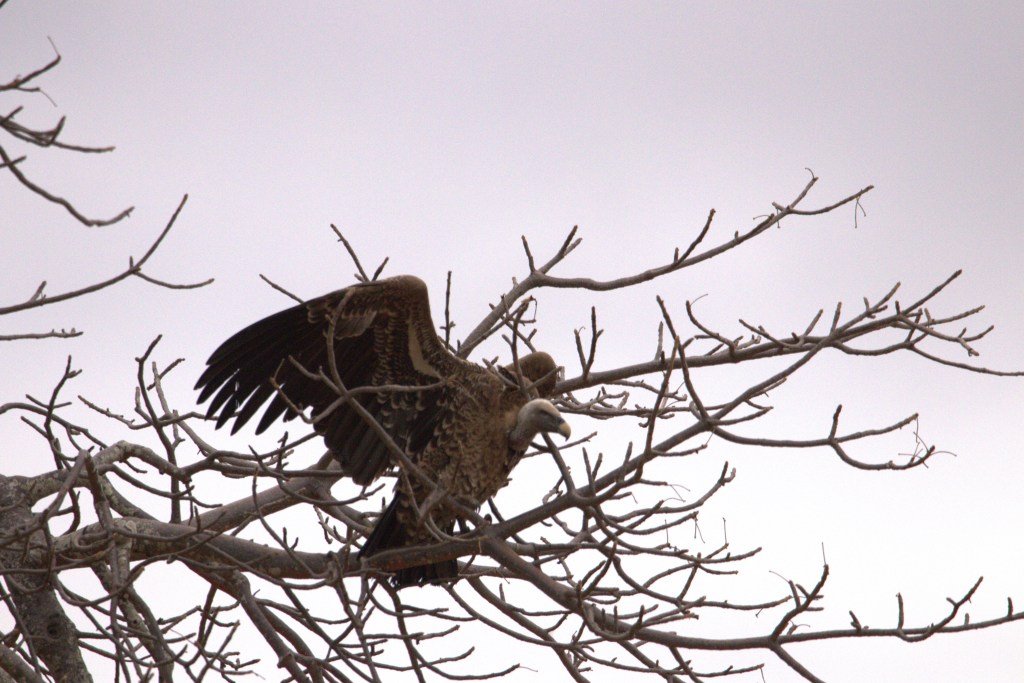
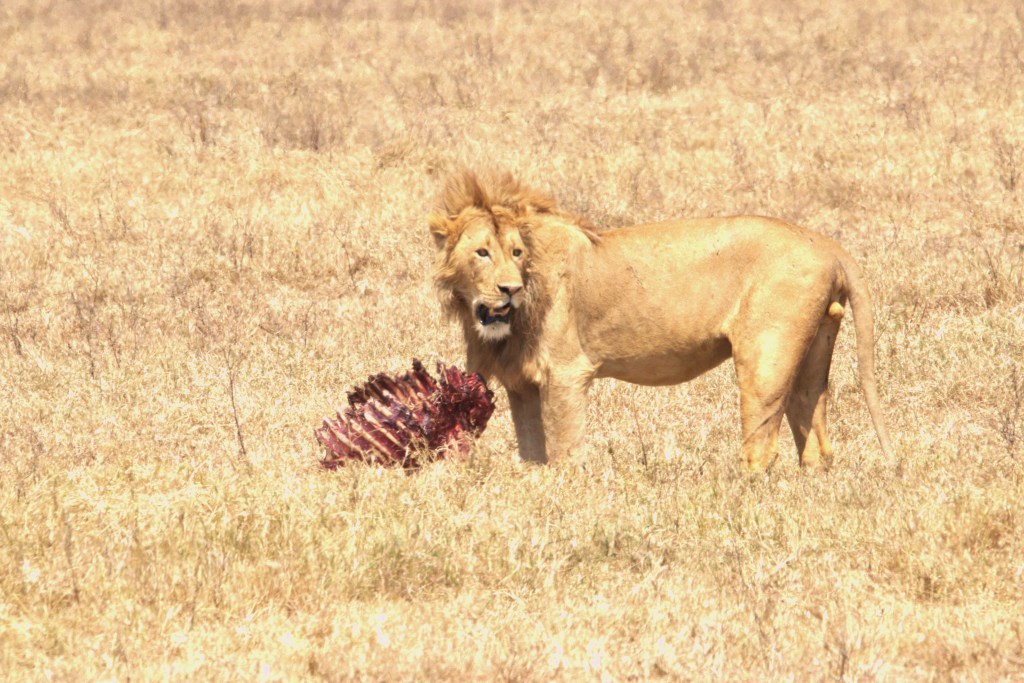
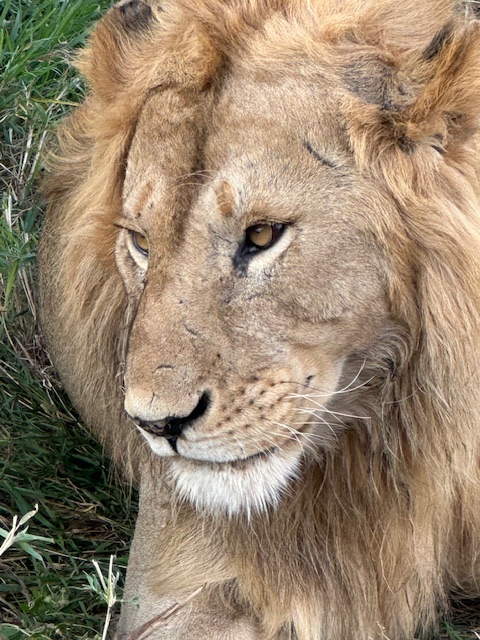
Our most amazing encounter were two male lions feasting on what looked like a Wildebeest ribcage. They were very polite (Emily Post would have been proud) as they each took turns gnawing away while the other gave the evil eye to encroaching hyennas, Jackals and Vultures.
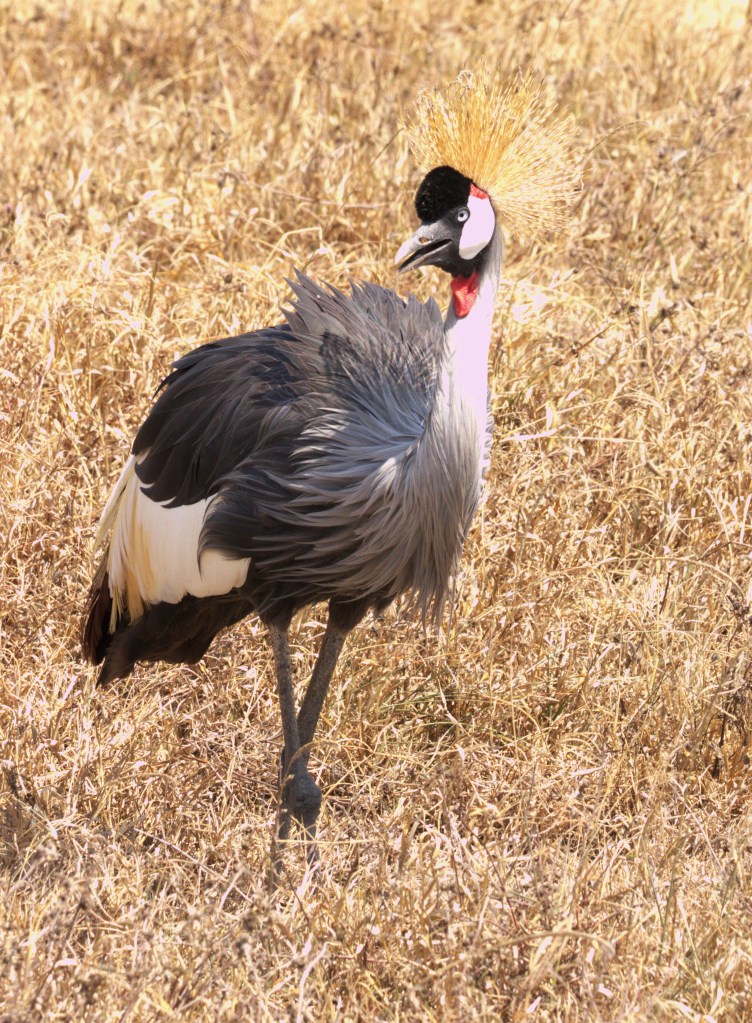
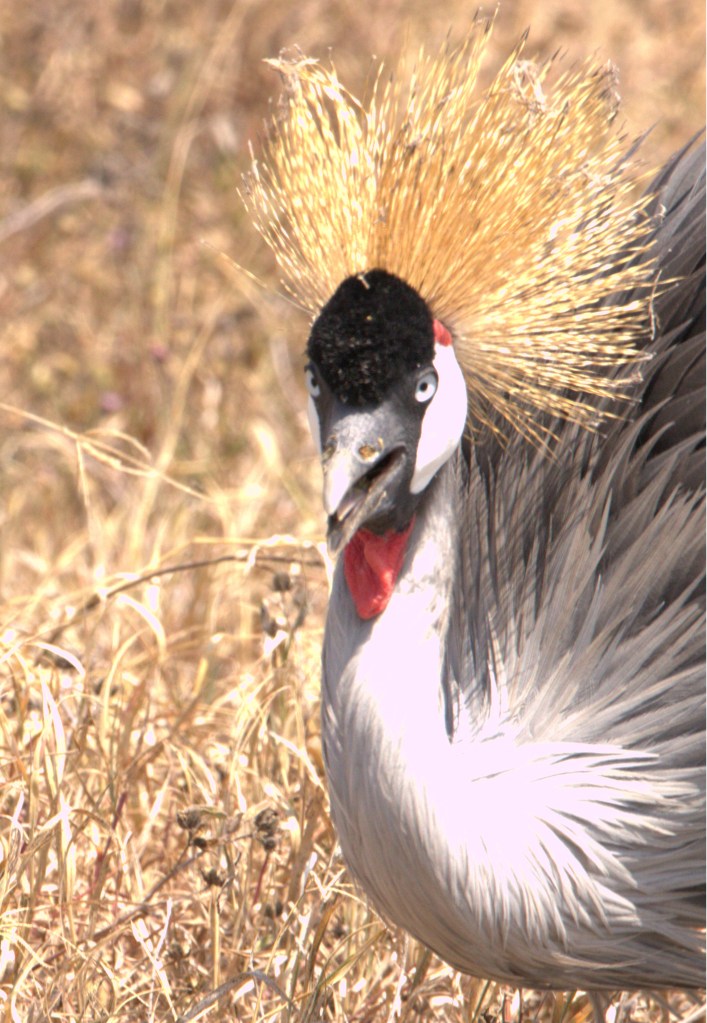
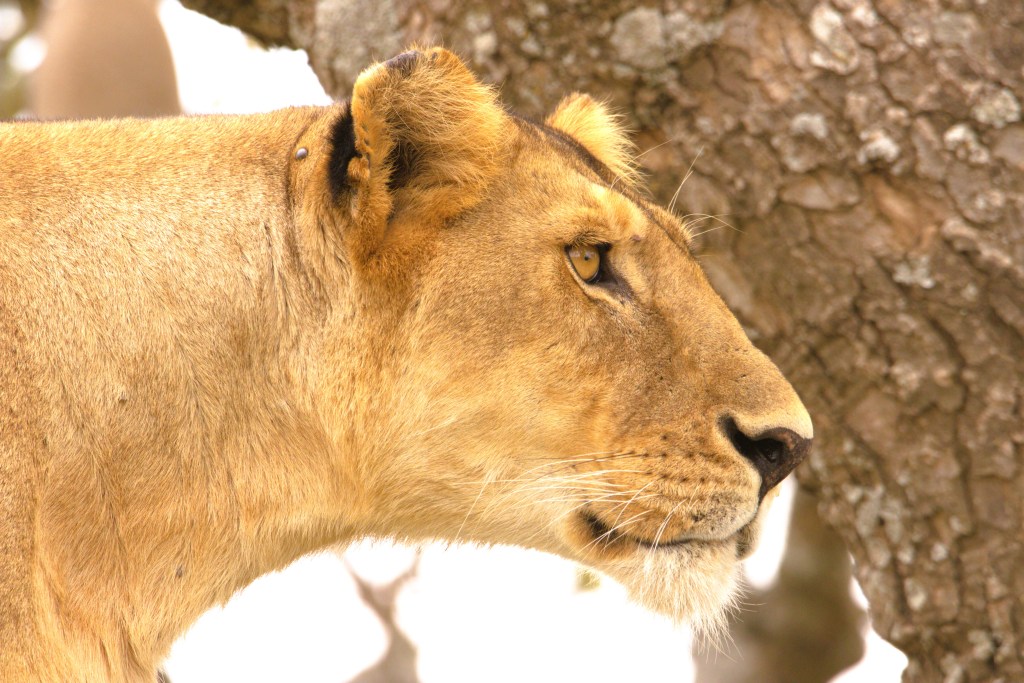
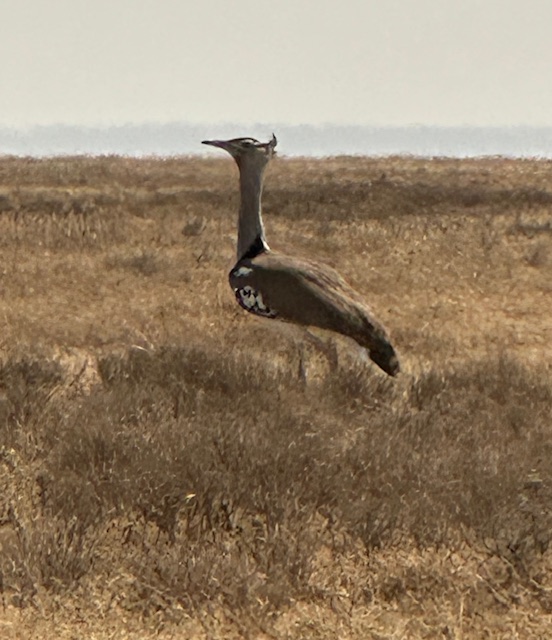
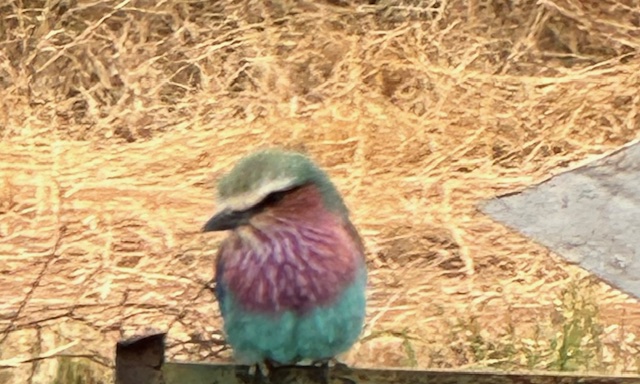
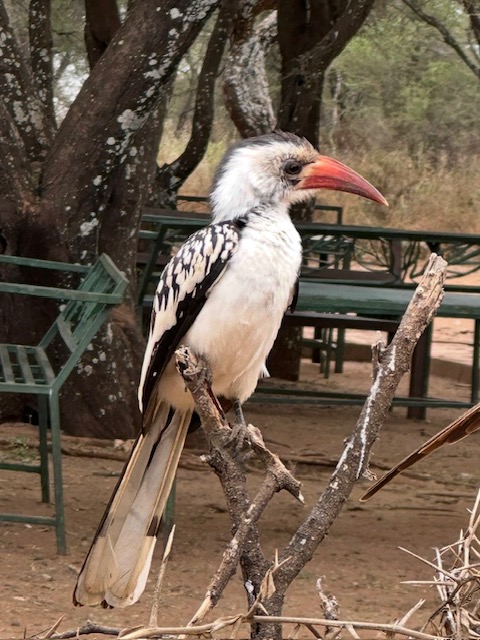
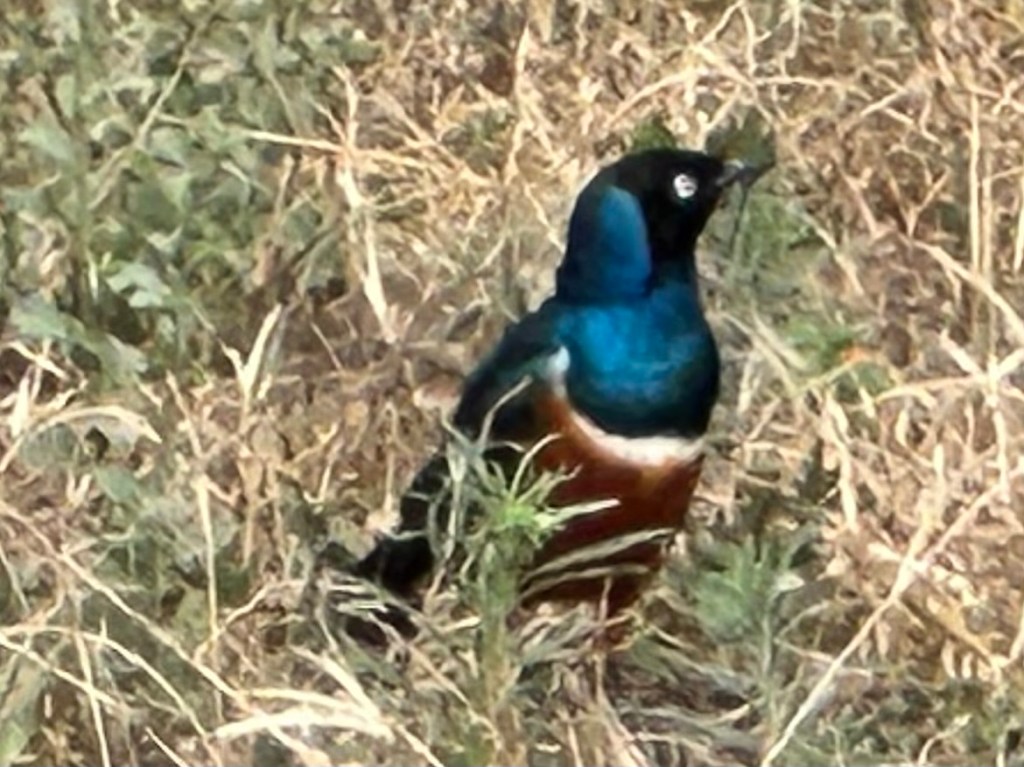
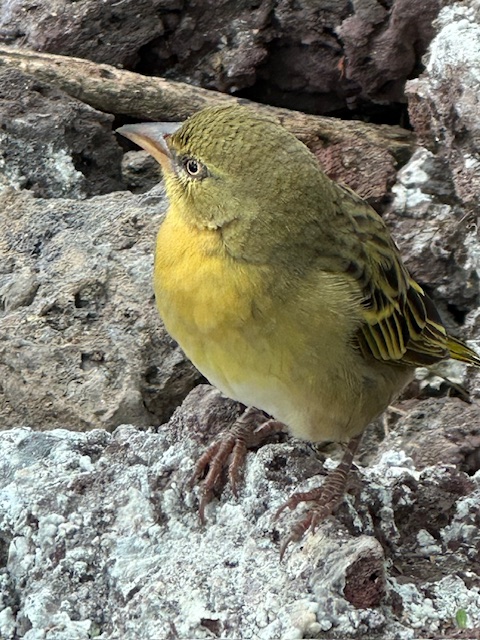
There were many other lions, Wildebeests, Elephants and my favorite bird
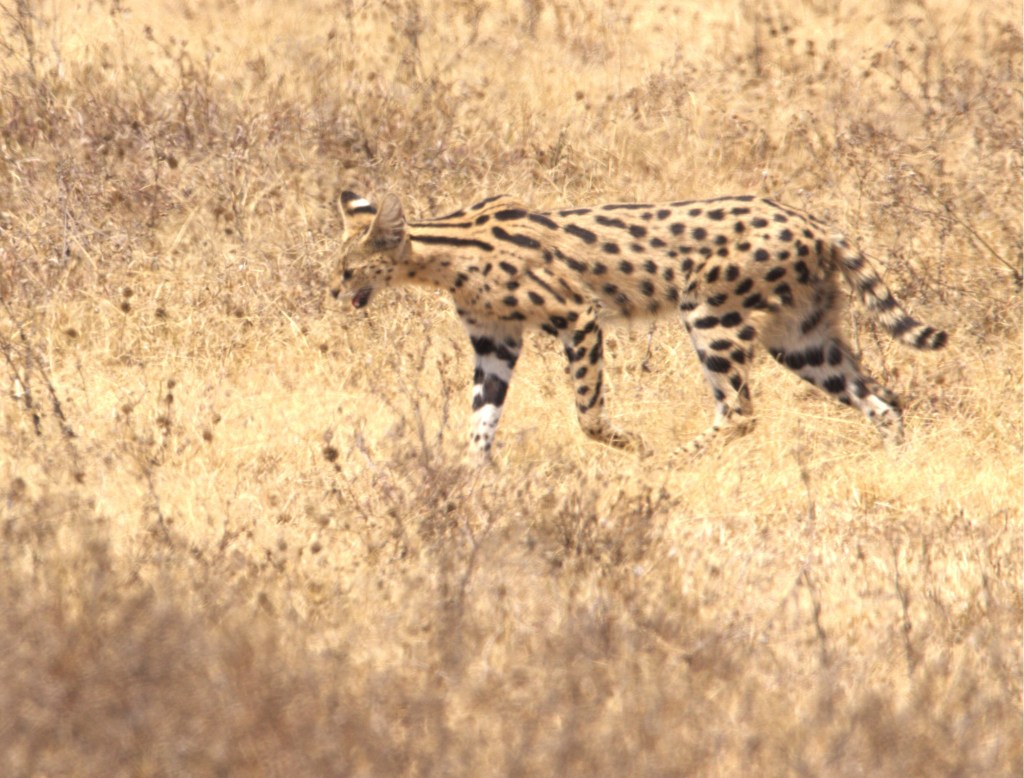
This is the first time we saw a Serval, a solitary wild cat that is smaller than a Cheetah and the ears are longer. This one pounced and missed the rodent or bird it was after.
This is what happens when word gets out that a Rhino is waaayyy back in the field. Too far away for my 600mm lens to pick up in focus. But at least I saw it and have blurry pictures.

Let’s end this Africa trip with a little music to inspire you to visit.
This is at the Cultural Heritage Art Center, Dodoma Street in Arusha. Well worth the stop before you leave the country to pick up unique art, statues, souviners…. and certifide Tanzanite.

Serengeti–the Wide, Endless Plain

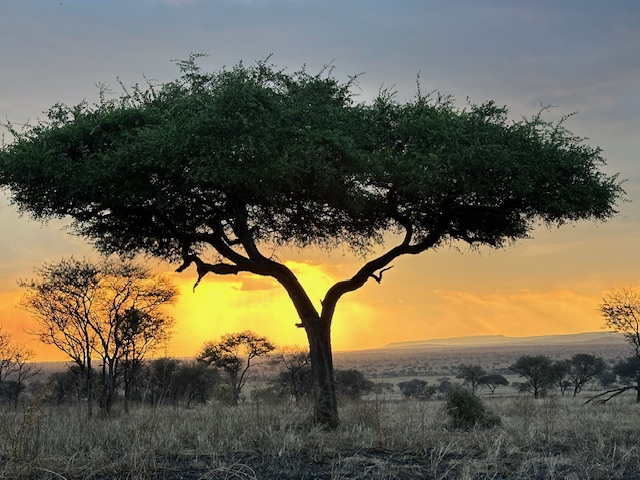
The Maasai named the Serengeti and the word perfectly describes the savanna stetching from horizon to horizon. This UNESCO World Heritage site has the largest concentration of game over 6,000 square miles ( after the most recent aquisition, land now connects on the West with Lake Victoria). It borders Kenya on the North, The Maswa Game Reserve on the Southwest and Ngorongoro Conservation Area on the East.
No guns, no hunting, and no night driving ( between 7 PM and 6 AM) are deterrents to poachers killing animals in the National Parks for Elephant Tusks, Rhino horn, and food. Villagers work with park rangers, and conservation programs are active–such as GPS tagging of Rhinos for daily monitoring. Anti-poaching units now carry AK-47’s and use canine tracker dogs with quick response times. Hunting is only permitted inside the Game Reserves. An example license for a lion hunt costs $78,600 exclcuding the trophy fee and sadly, bait used. Although I am not a hunter and the thought of this makes me grit my teeth, the large carnivore population needs to be controlled by regulated hunting of old males, which ensures reproductive success for younger veral males.
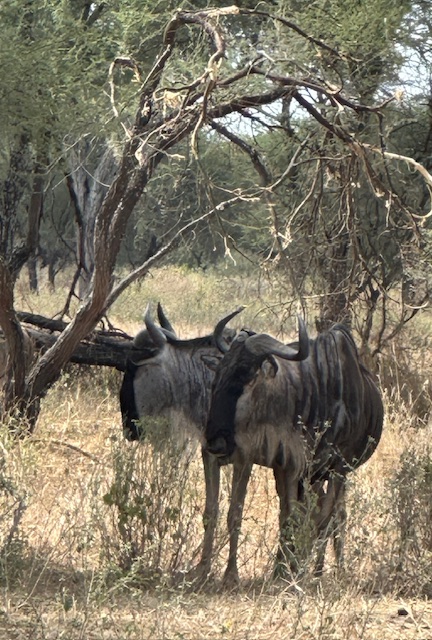
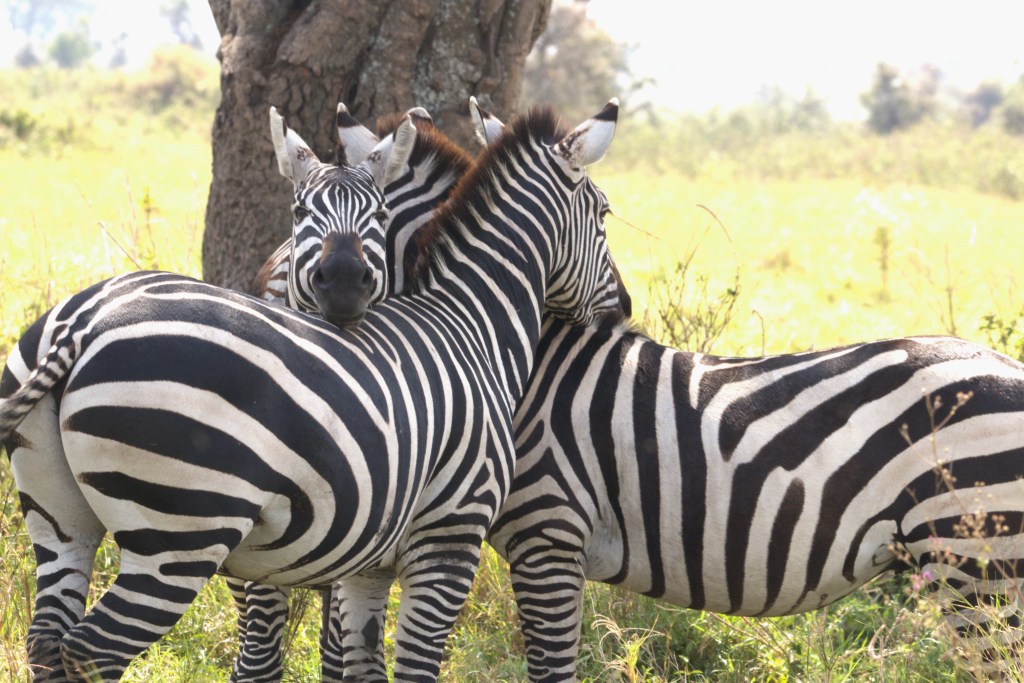
There are over 1 million Wildebeests and roughly 300,000 zebras that migrate year-round for water and fresh grass. These two have evolved into bestie travel buddies with the zebras showing the beests the best places to cross the rivers.

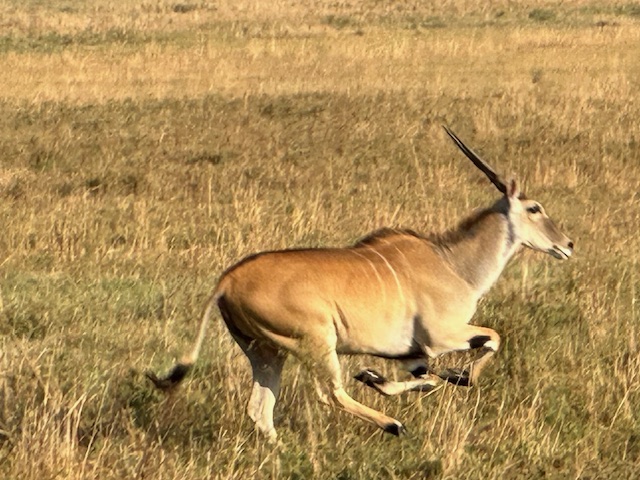
Elands, Zebras migrating together
zebras fighting

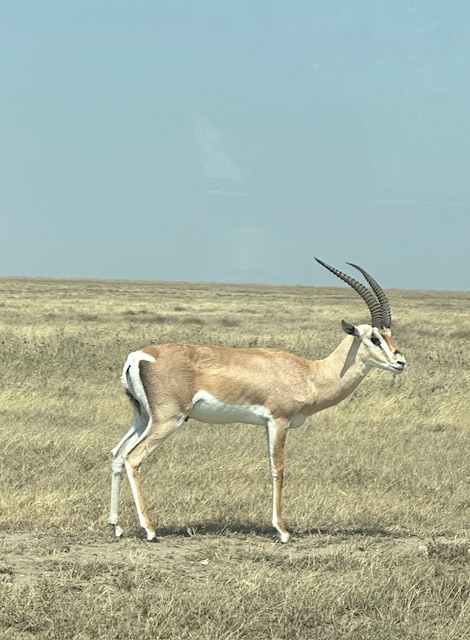
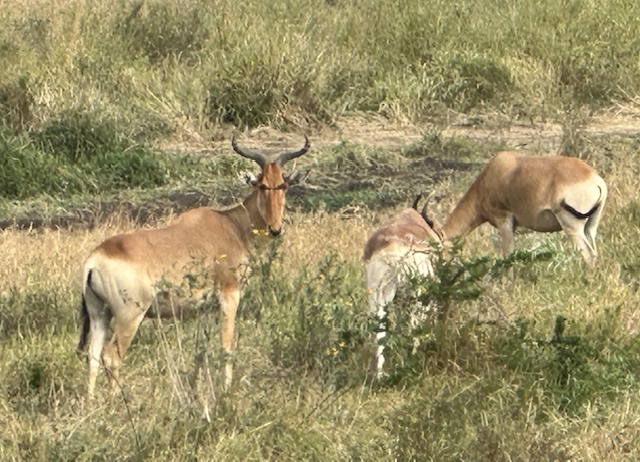
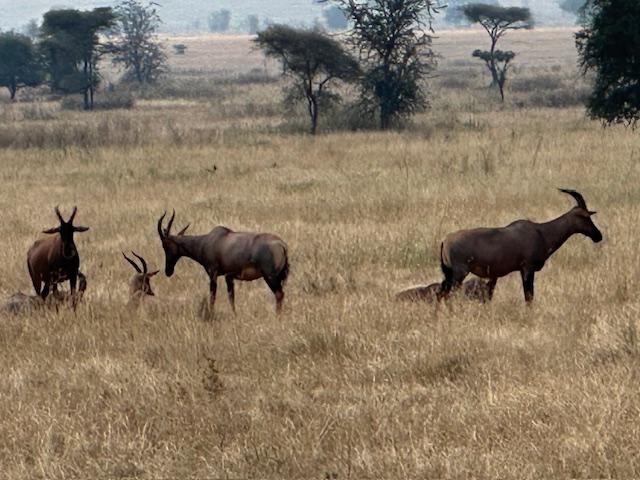
Other herbavoires migrate too–Elephants, Oryxes, Elands, Thompson Gazelles, Topis, Buffalo, and Hartebeests.

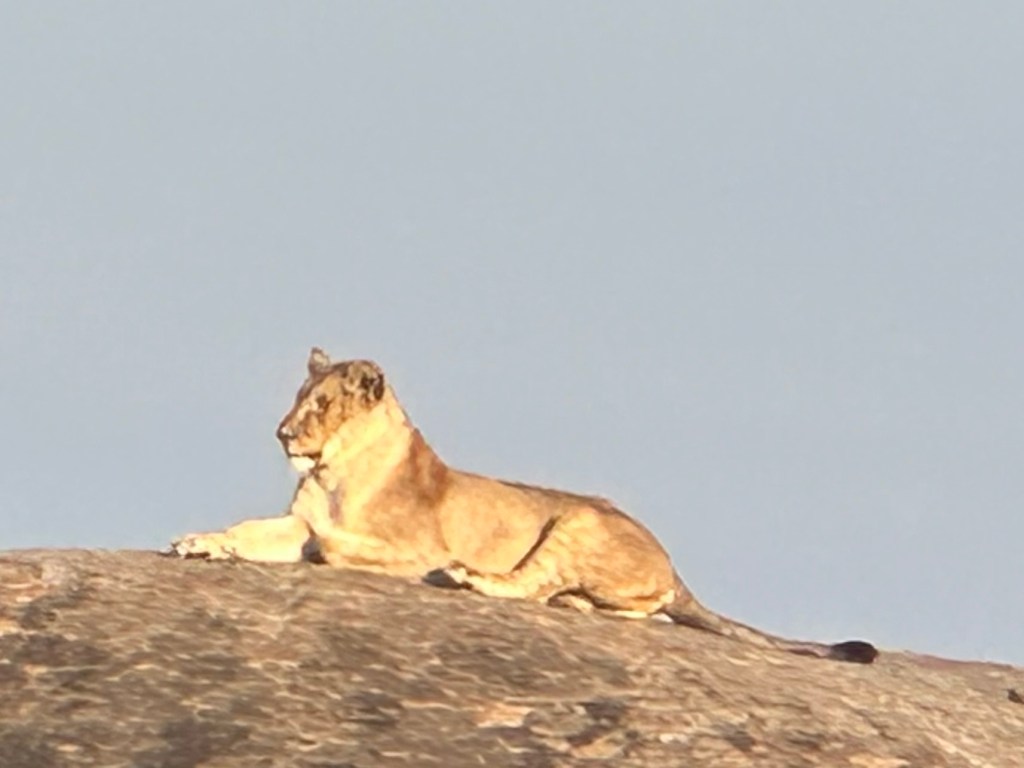
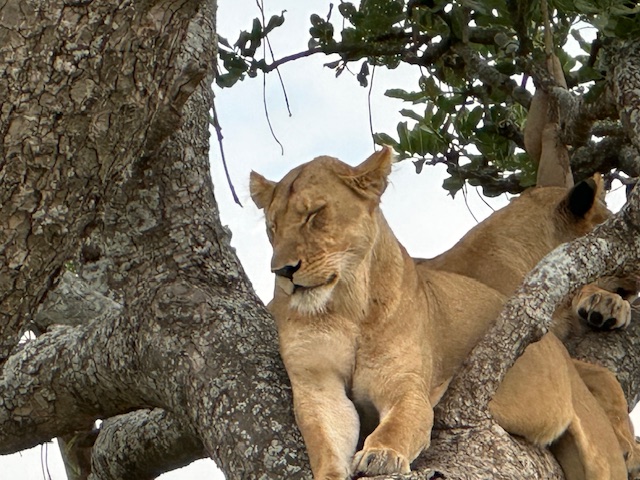
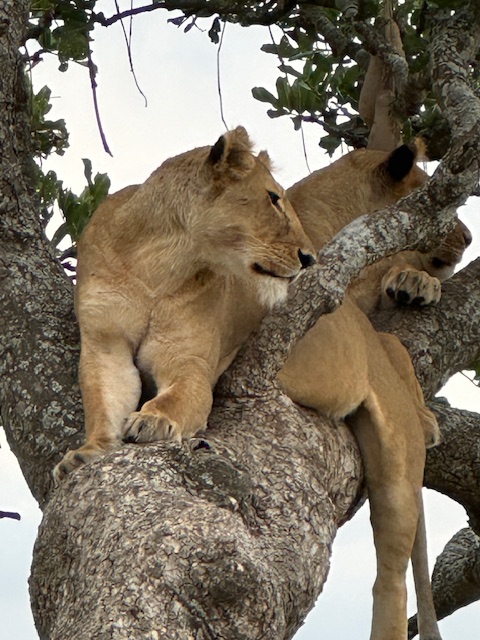
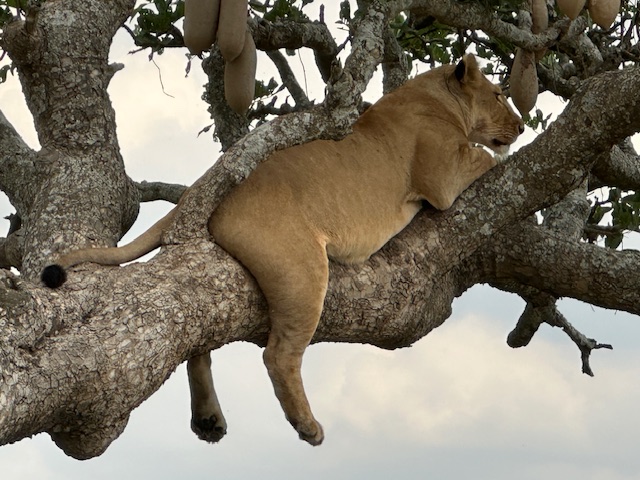
Giraffes follow elephant-toppled trees to get leaves, not because they migrate and big carnivores hunt from the perimeter of the migration. We saw a lot of stalking behavior, but it’s interesting that only 20% of attempts are successful.

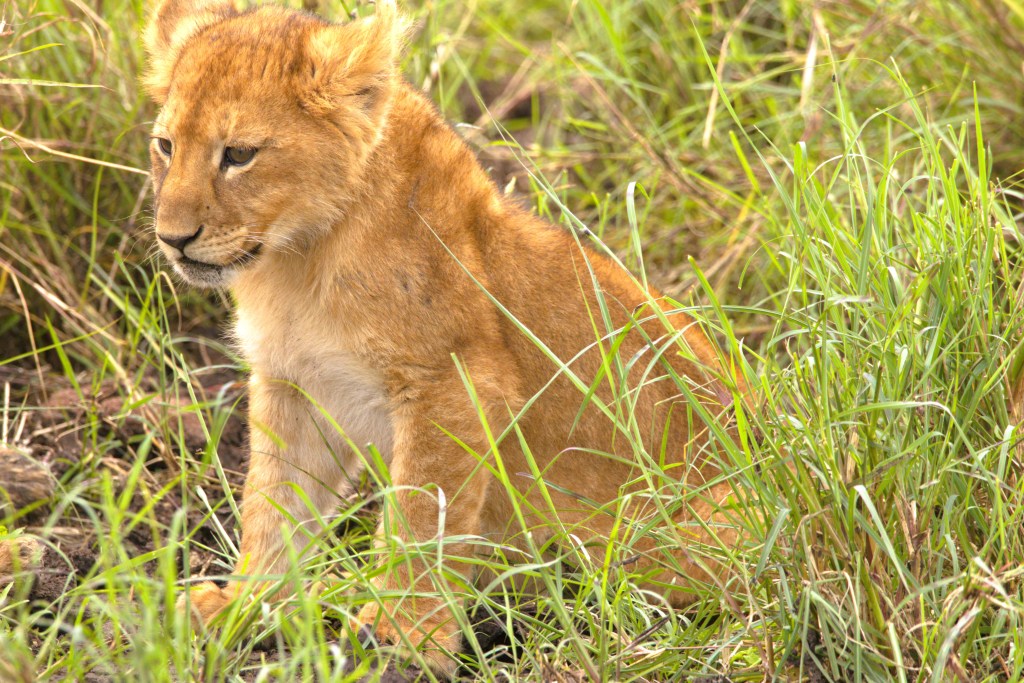
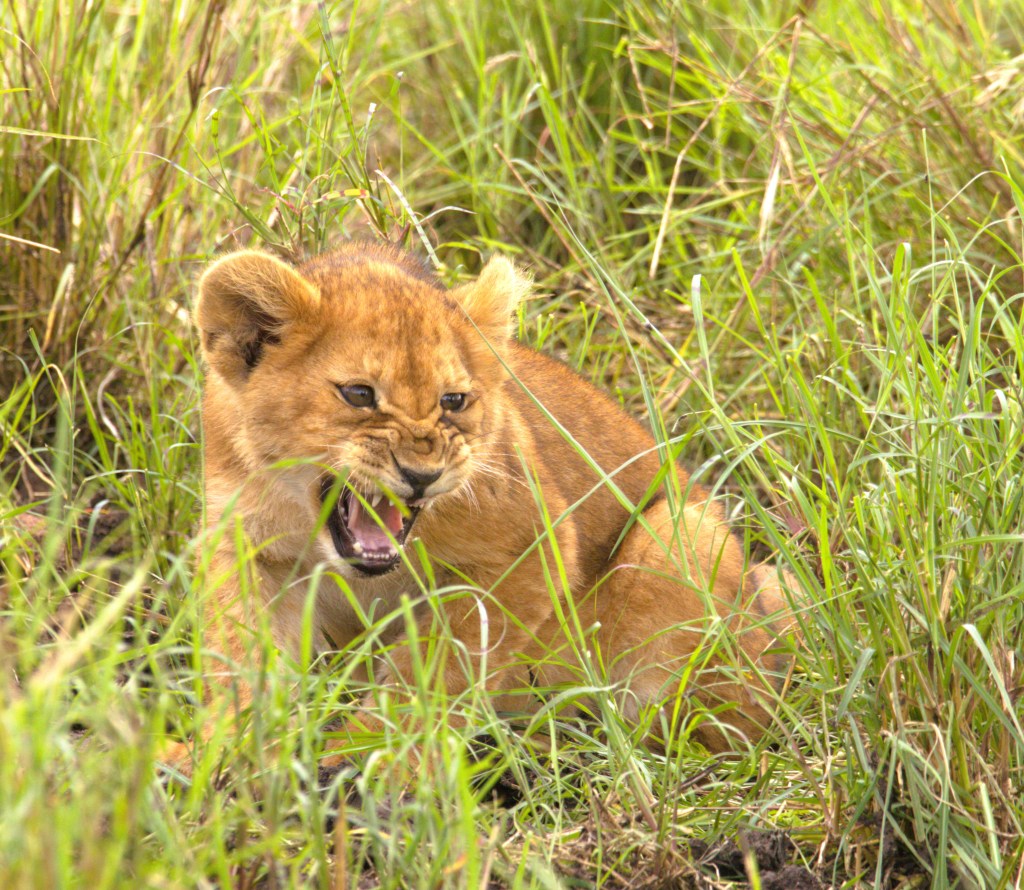
lioness hunting zebra while her cubs follow.
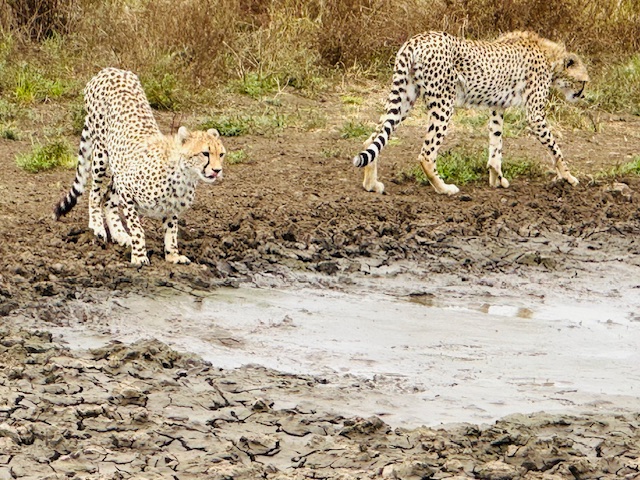
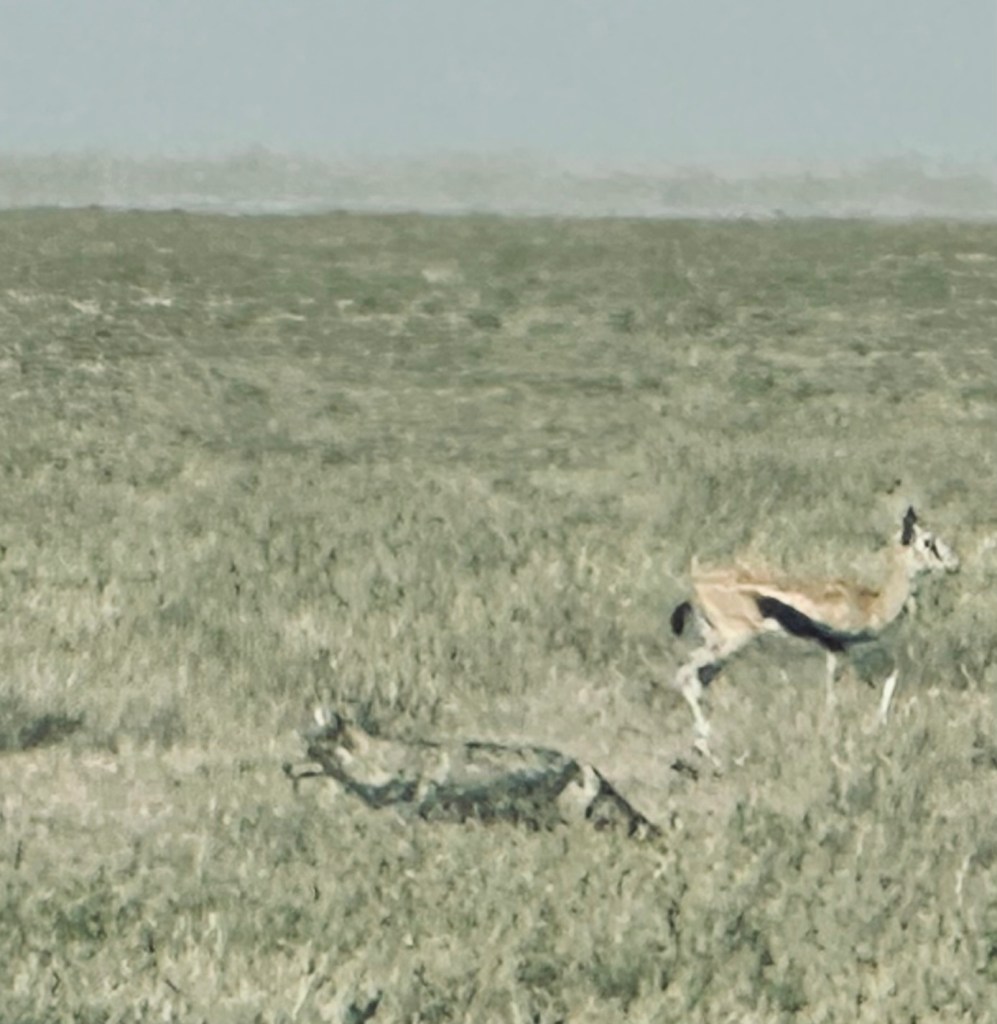
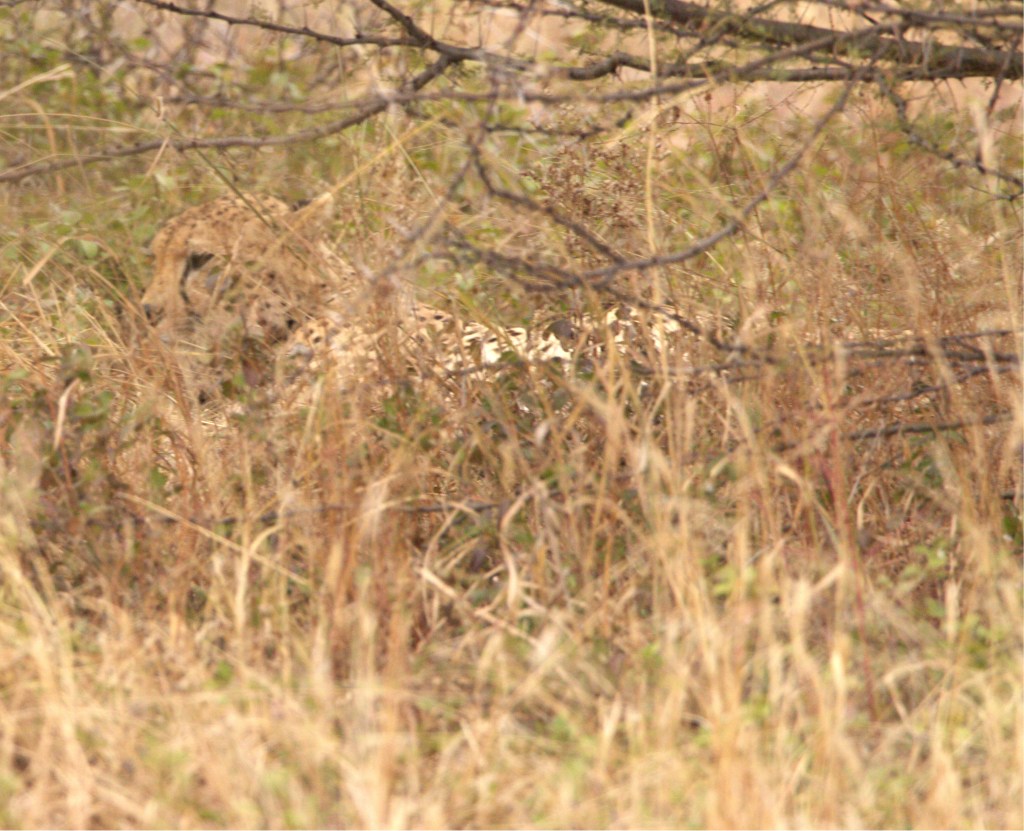
hunting cheetah
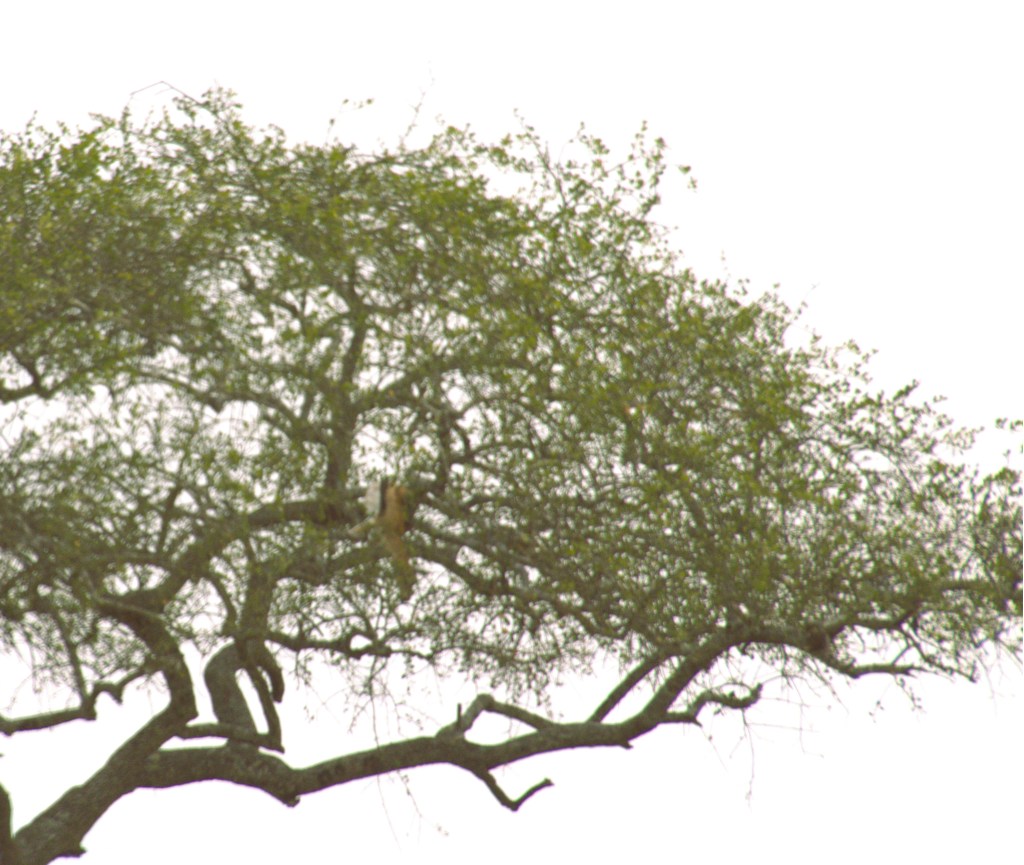
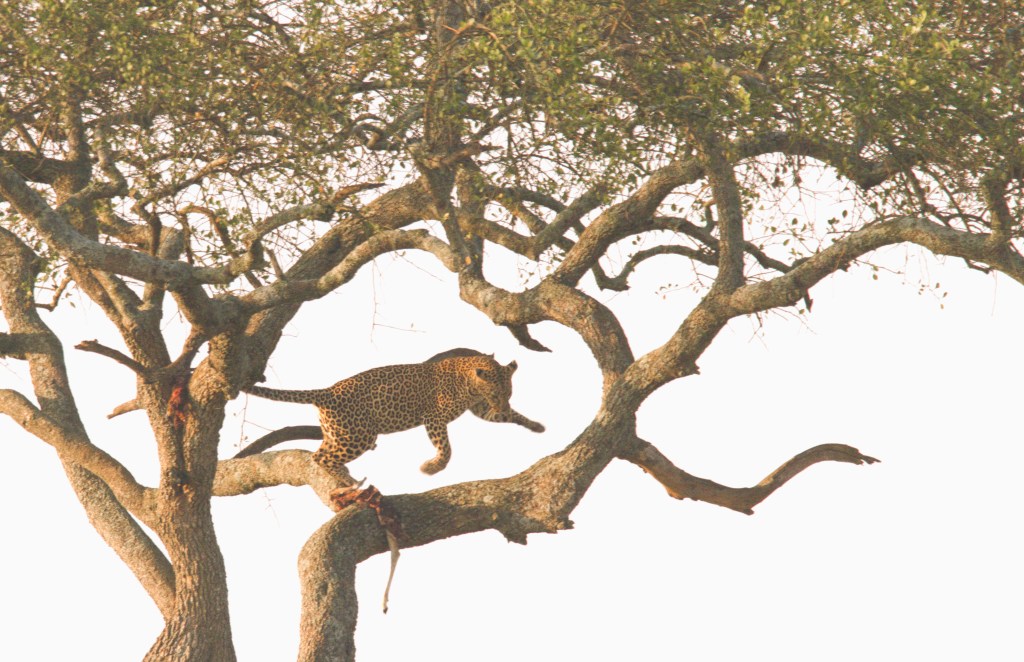
a Leopard at the bottom of a tree where he hid a dead gazelle. The mate keeps circling closer to the tree in the background—not believing that his mate is dead.

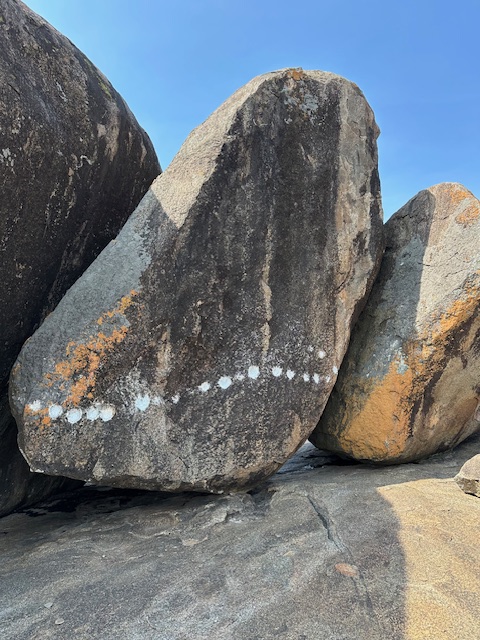
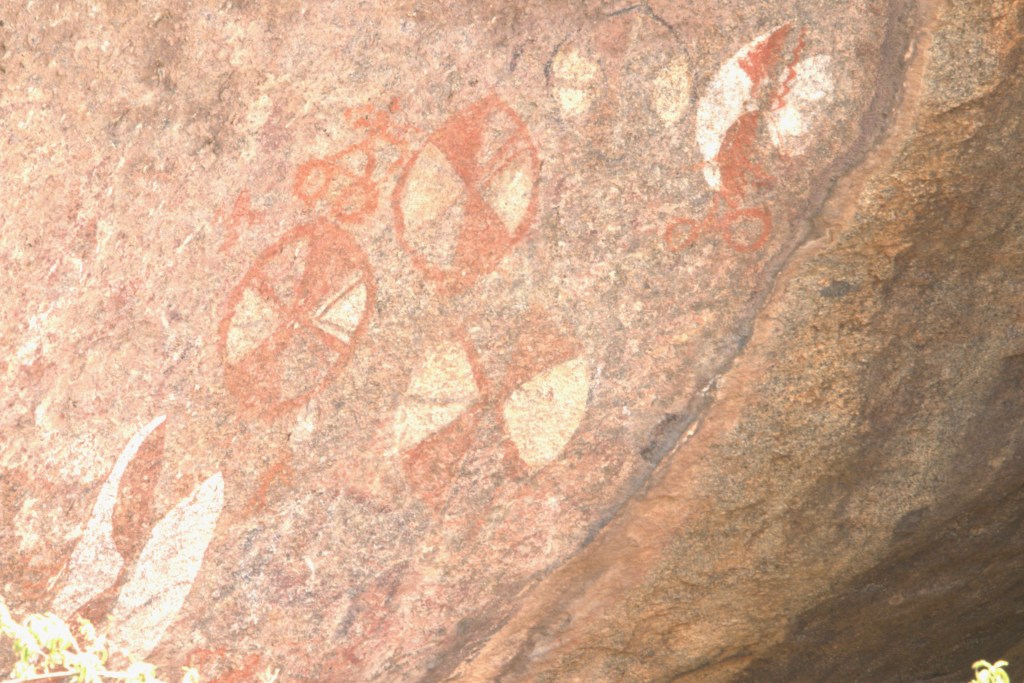
The Serengeti is the birthplace of humanity with cultural and historic sites dotting the area.The Olduvai Gorge is where Mary and Louis Leaky excavated early Homids. We went to a Maasi, Ikona rock painting site and the unique Gong Rock where I’m certain many celebrations were held.

Gong Rock ontop a huge kopjes ( exposed granite dotting the landscape)

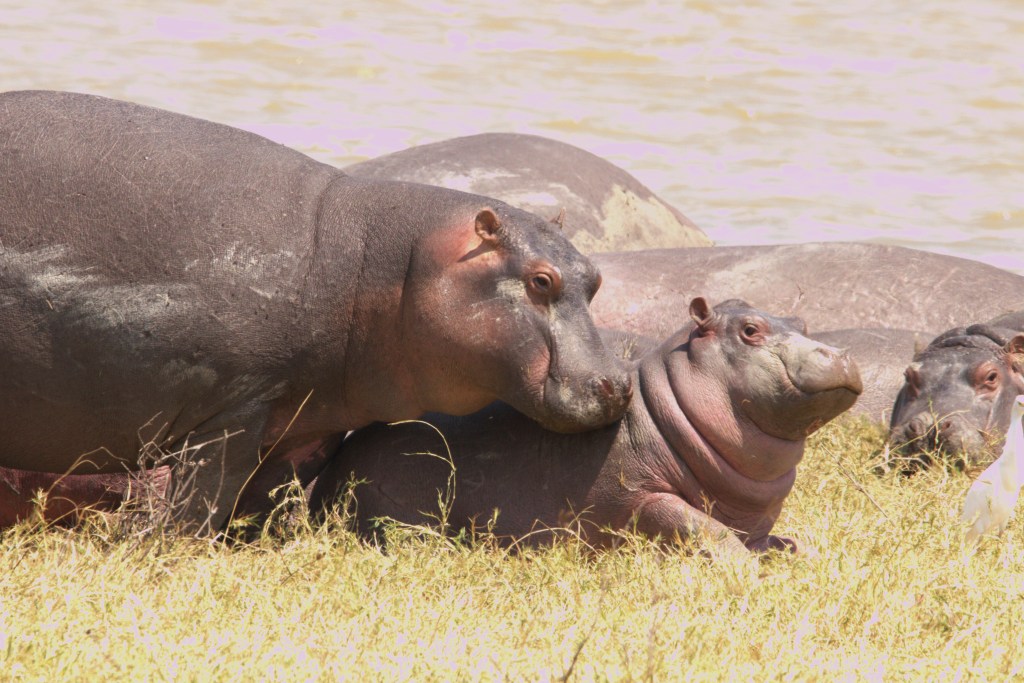
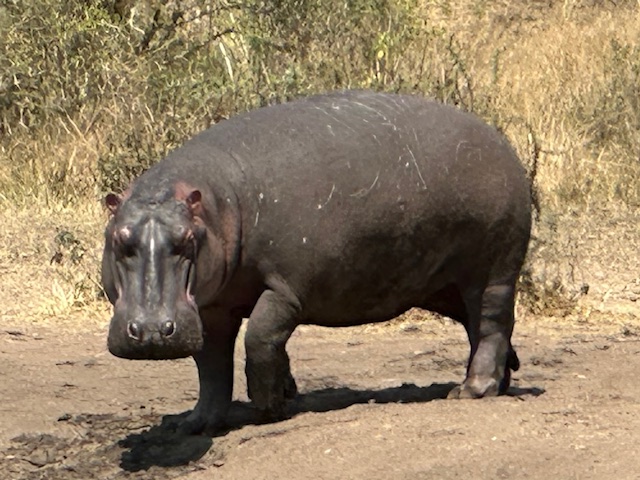
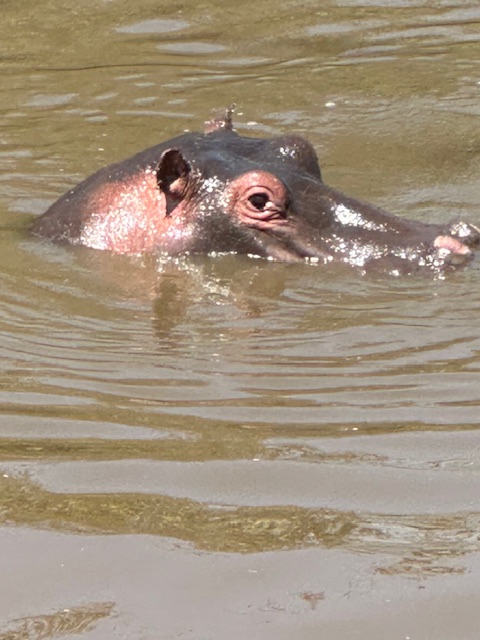
Love these hippos! Did you know they can hear, see, and smell underwater? They don’t migrate, but they hangout in year-round water sources. While we think they are cute, they are really vicious. biteA single bite is strong enough to crush bones, tear through boats and snap a crocodile in half ( or human). Their jaw opens 150 degrees and can span 4-5′ wide. Certainly, they aren’t dainty at 2,500-3,500 lbs.

Long Road to the Serengetti

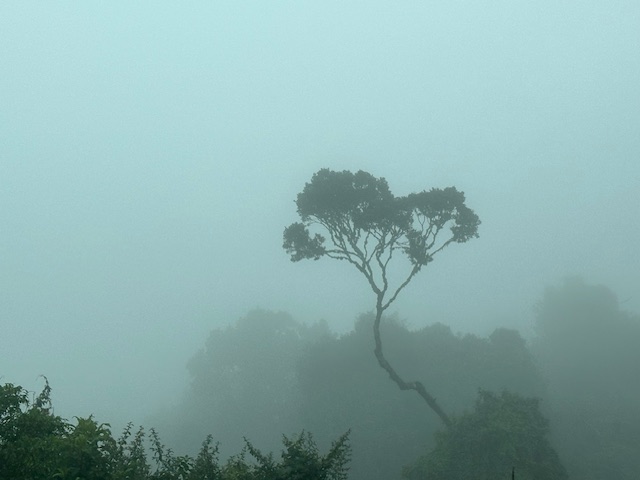
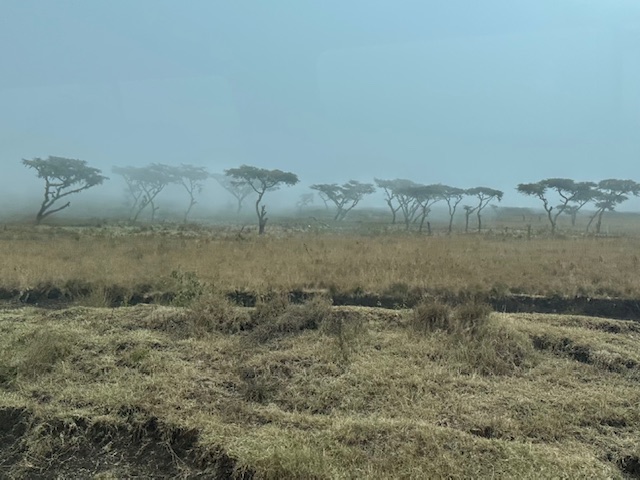
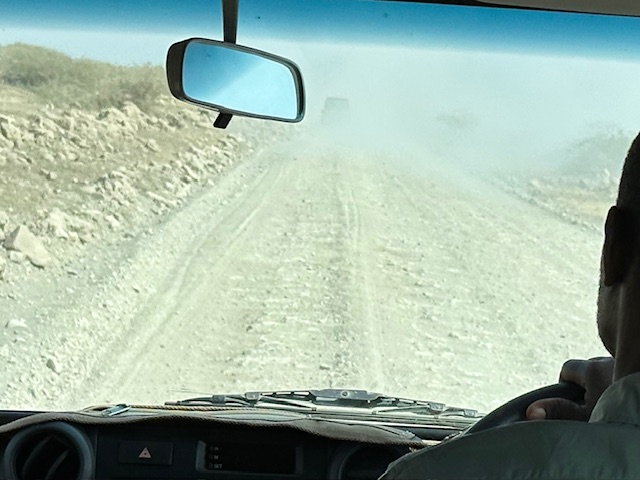
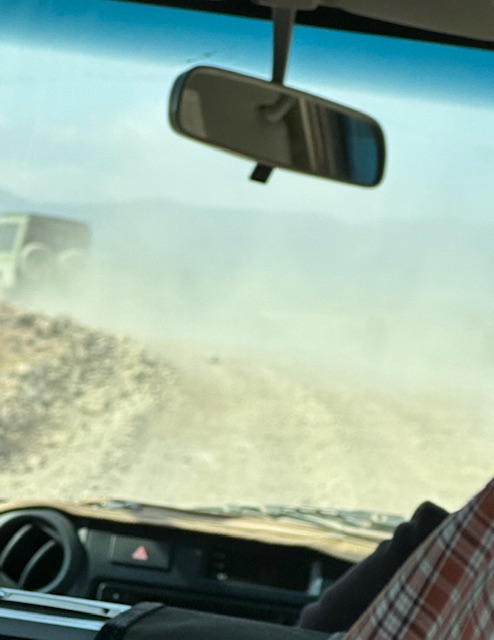
There’s only one way in and the same way out on a dusty road. And it’s worth it–even if you have to wear a buff or mask to get to Serengetti National Park. We started driving up the Rift Valley towards the world’s largest crater ( 12 mile diameter and elevation of 7,500′). Ngorongoro Convervation Area is jungle-like and bathed in fog. Animals seem to drift like ghosts along the roadside and then disappear as if they were never there at all.

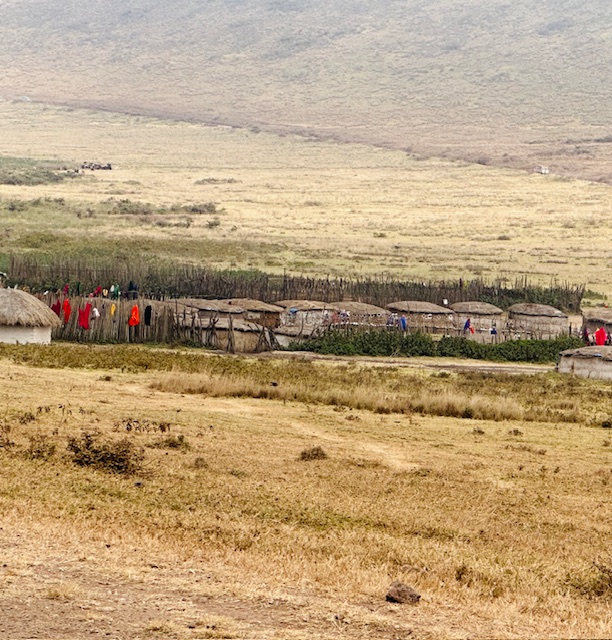
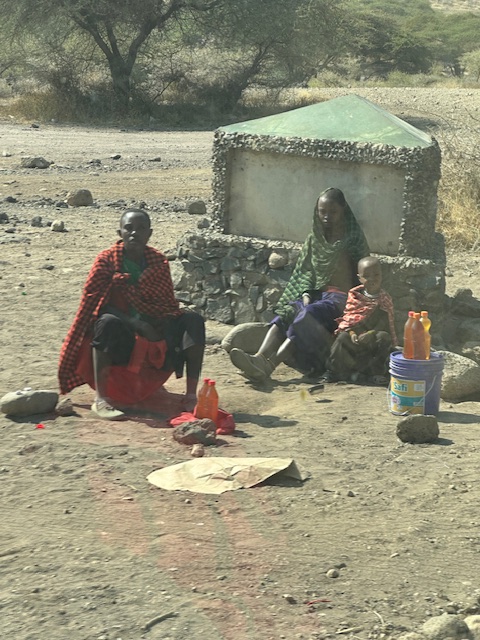
At the highest point we begin our decent into the grasslands that border the park. Masai villages dot the area with round mud-baked homes and colorfully dressed people roaming through the grasslands pushing livestock onwards. Alongside the road, local people sell whatever they have grown, harvested or made. The dust from fast driving vehicles rises like the fog did earlier in the day. Even with air conditioning on and windows rolled up– dust coats everything.

After we enter the Serengeti National Park, we immediately see herds of Zebra, Gazelles, Impalas and circling hyenas looking for opportunity. We don’t stop often or for long. Our mission today is to get to the Overseas Adventure Tent Camp where we will live for the next 4 days.

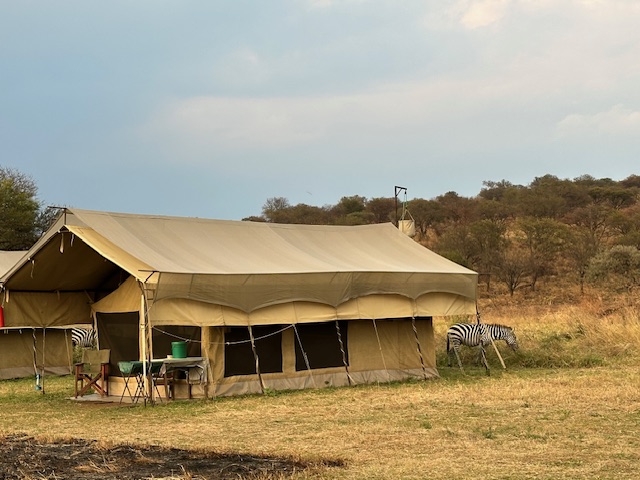
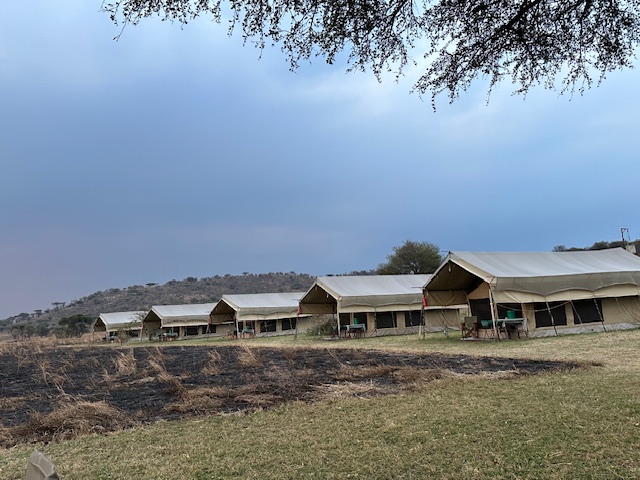
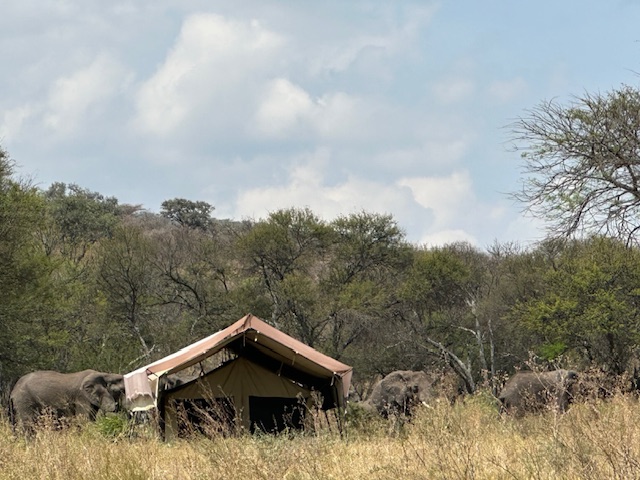
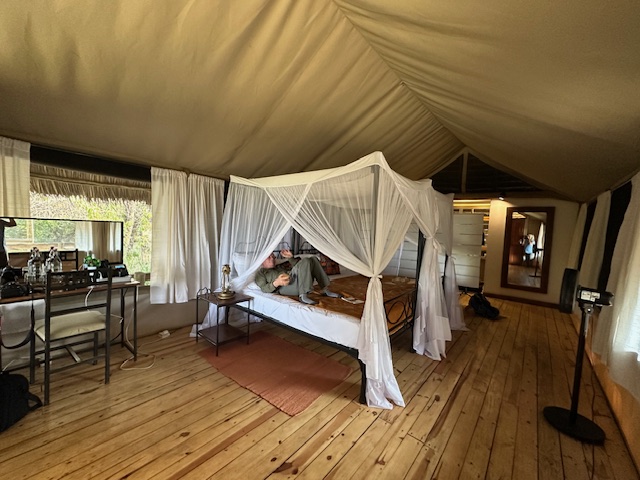
We were in Serengeti camp 1 ( there are 4 run by Overseas Adventure Travel) Our camp had 10 traveler tents with attached bucket hot shower rooms, a flush toilet room and a sink with running water partioned off from the two twin beds. Nights were cool in July, but extra heat wasn’t necessary. The dining tent was in the middle of the compound, and the cook tent and staff tents were located a little behind our sleeping tents.

The first night we heard the “whoop-whoop” of hyenas and the bark of zebras all around the area.

Next up: Serengeti safari drives and more night visitors.

Tarangire National Park

Lake Burunge Tented Lodge offers perfect accomodations and access to the Park. I didn’t take pictures of the covered lodge deck where we had huge buffet breakfasts and dinners, but it was amazing. Happy hour was by a beautiful pool as the light turned golden.

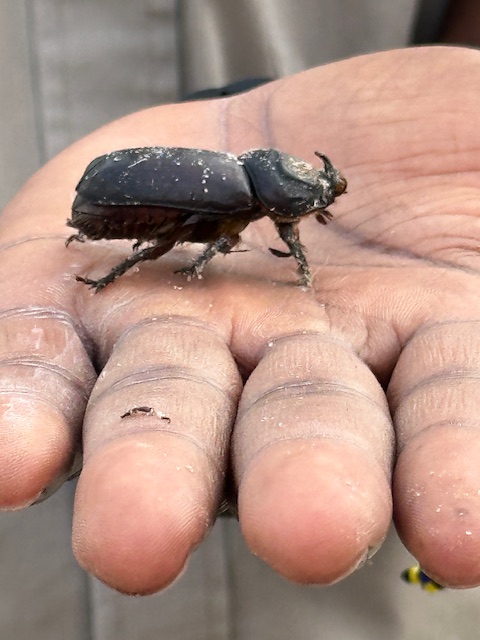
Did you know that there’s a group called the “little five” that match their larger counterparts in Africa? The little 5 are: antlion ( we saw the hole where they capture prey), buffalo weaver, elephant shrew, leopard tortoise and this guy—a rhinoceros beetle.

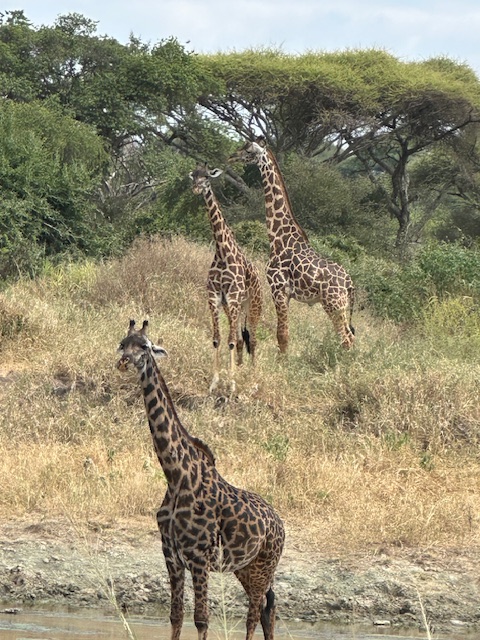
This was the first safari day in Tarangire, yet we saw 4 of the big 5 (Hang on for the Leopard later in the Sarengeti.) A group of giraffes is called ” A TOWER “. ( It’s true!”) A group of Zebras is called “A DAZZLE!” You’re laughing by now, but the best one is a group of wildebeests–called “A CONFUSION”.

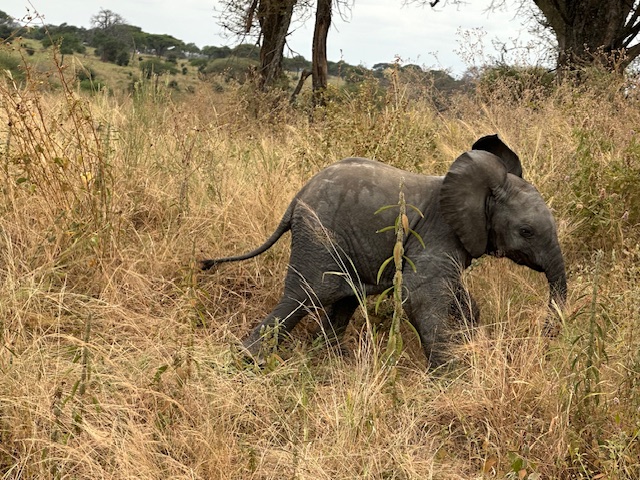
Would you be surprised to know that a group of elephants is a “MEMORY” or a “Parade.” Both work, I think.

sibling shinanigans
My favorite video!

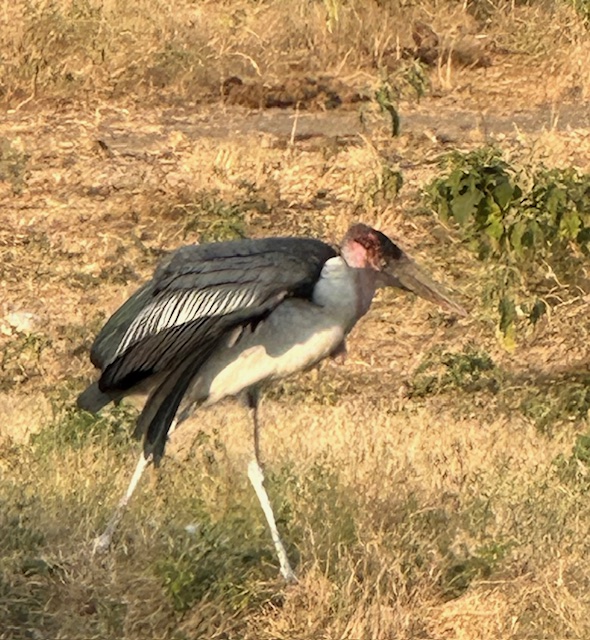
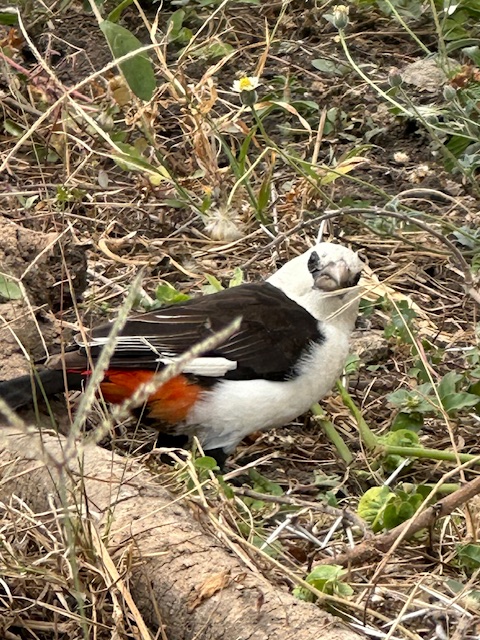
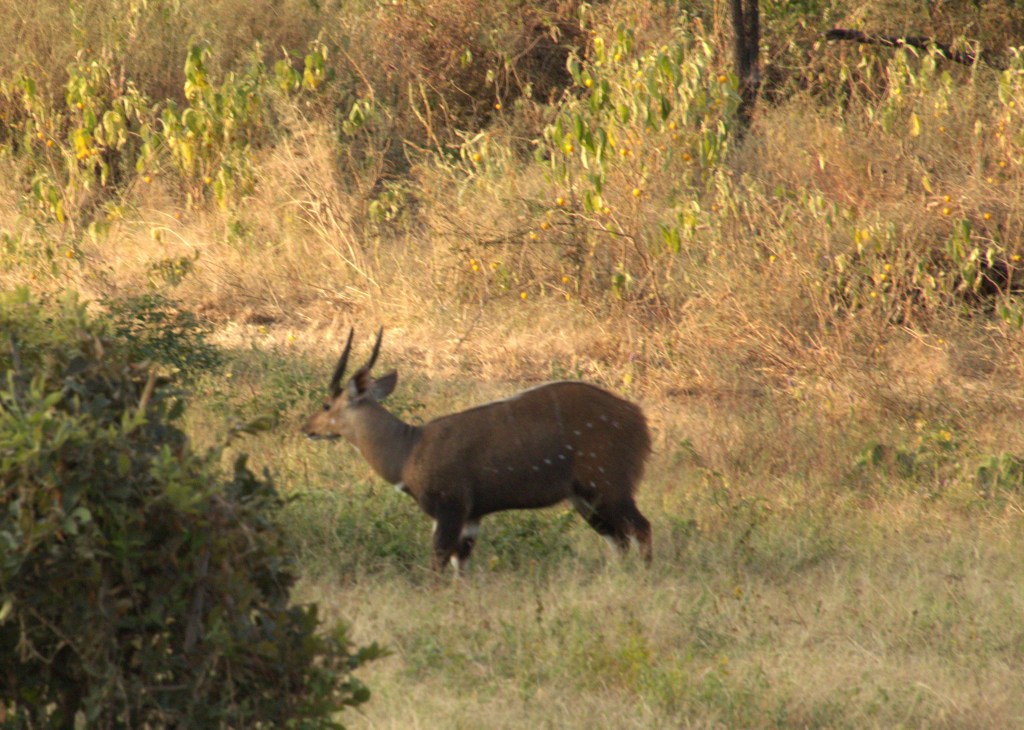
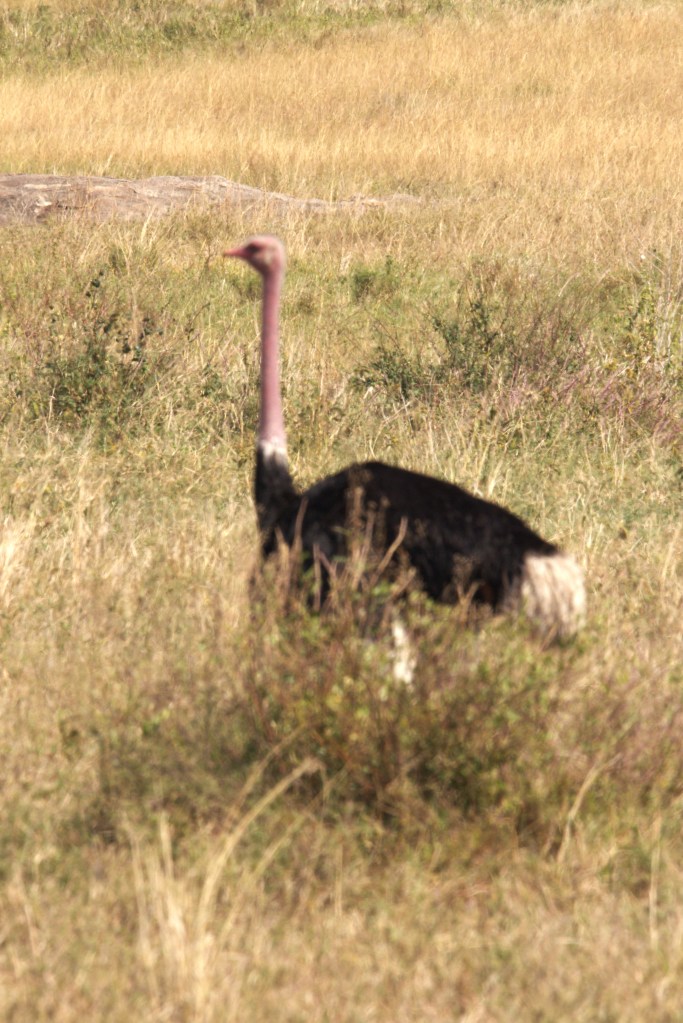
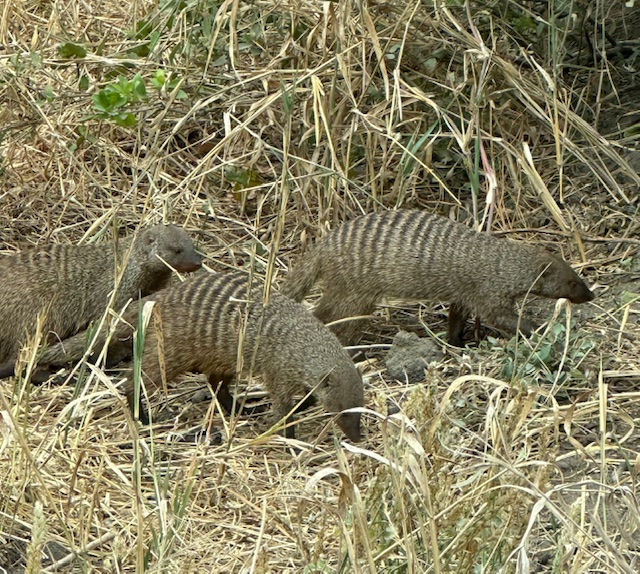
We saw a multitude of birds and animals–these are just a few checked off the list.

I’ve never seen so many lesser and greater flamingoes in one place. This group of Flamengoes is called ” a flamboyance”!

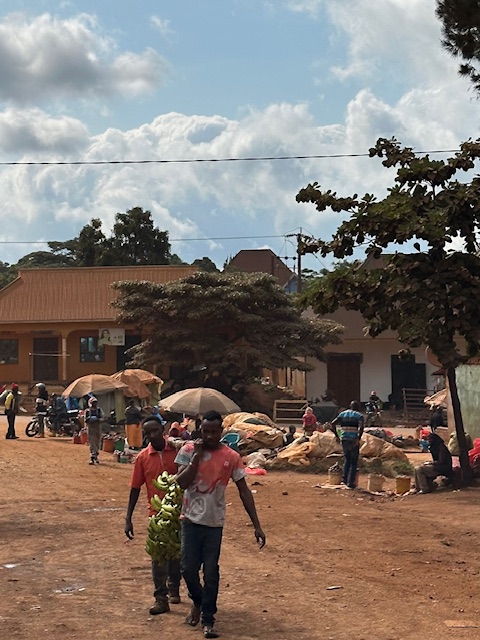
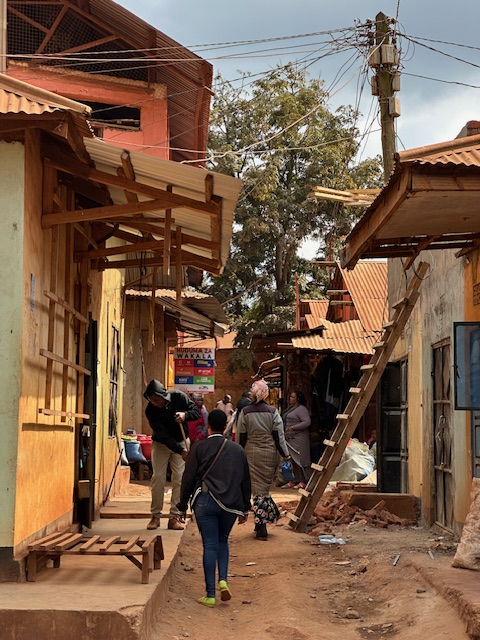
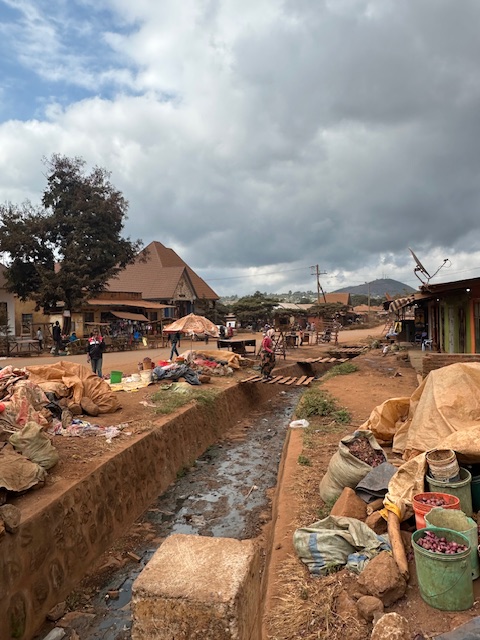
View on a culture, from a window seat

Tanzania, once named Tanganyika, was ruled by Germans until after WW1 and rule changed to Great Britian. By 1964, independence was attained and Tanzania was formed by the unification of Tanganyika with the tiny spice island of Zanzabar. ( TAN is for Tanzania. Za is for Zanzabar and NIA means “unifed”)

Why unify, especially when Zanzabar is in right field from the rest of the country? The answer is that Zanzabar didn’t have an army and they were worried about the warring countries surrounding them. infact, all of Tanzania was surrounded by trouble from the Congo, to Uganda, and by Kenya to the North. Somehow, they are mostly a peaceful country that has accepted war-torn refugees and might be the African equivalent of Switzerland.

The flag of Tanzania is a reflection of the country today.

BLACK represents the majority of the people. There are over 120 tribles and languages but the common language since independence is Swahilli. The majority of rural areas are agriculture based and herding of cattle and goats. Frequent drought affects quality of food for consumption. Everything is sown and harvested by hand. Only 7% of homes in rural areas have electricity and 40% of the population lives in poverty. School is compulsory for ages 5-20, and parents can be fined if kiddos dont attend. I was heartened to be in a Masai family compound and found a chemistry book laying on a bed in a round mudbaked hut. Education will eventually change the rural dynamic as children leave for better jobs and opportunities. Hopefully, some will come back with better ways to make a living. Culture will change when farmers don’t need multiple wives and many children to work.

GREEN represents Tanzania’s abundant nature. 40% of the country is protected under wildlife sanctuaries and National Parks. Tarangire National Park leads to Ngorongoro Crater Conservation Area, leading west to Serengeti National Park and Lake Victoria. This forms an immense animal corridor for safe migration. Agriculture is also huge, especially in the rich volcanic soils where 24-29% gdp is produced.

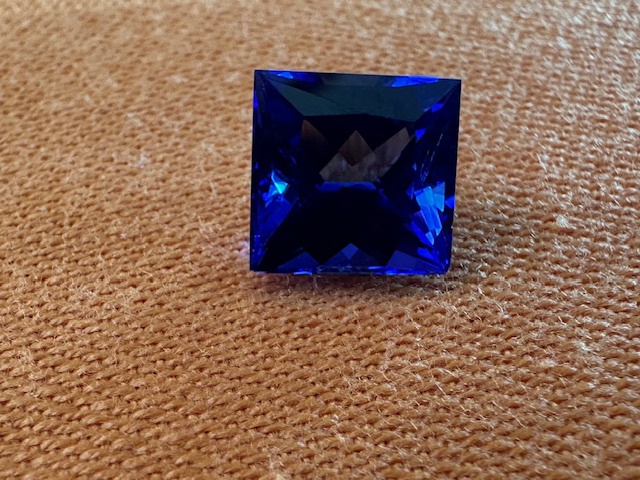
YELLOW represents Tanzania’s mineral deposits. They are third in Gold production and Tanzanite gem stones are only found here. Coal, uranium, natural gas, copper, diamonds, iron ore,cobalt, nickel and graphite are also sourced. Foreign mining companies are held at bay with many restrictions including joint venture with local entities to operate and revenue sharing.

Tanzanite is one of the most beautiful gems found only in Tanzania

BLUE represents Tanzania’s lakes–3 are the largest in the world. (Lake Victoria is the begining of the Nile, Lake Tanganiyika and Lake Malawi). The potential for irrigation use is significant, but currently only small farmers use flood irrigation methods. This will change in the future as experts from Israel are working with the government. Drought continues to be a proplem for crops that must survive the dry season.

July is the begining of the dry season in the Serengeti. Choking dust and dying grass are reasons for animals.to migrate to fresh water and better grazing lands. Did you know that migration goes on all year long? For some reason, I thought only Wildebeasts moved, but that isn’t true. Add to the list: Elephants Zeebras, Elands, Oryxes, and Gazelles.