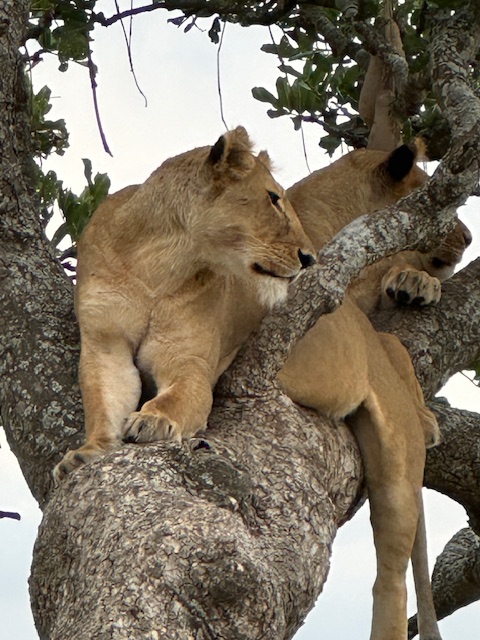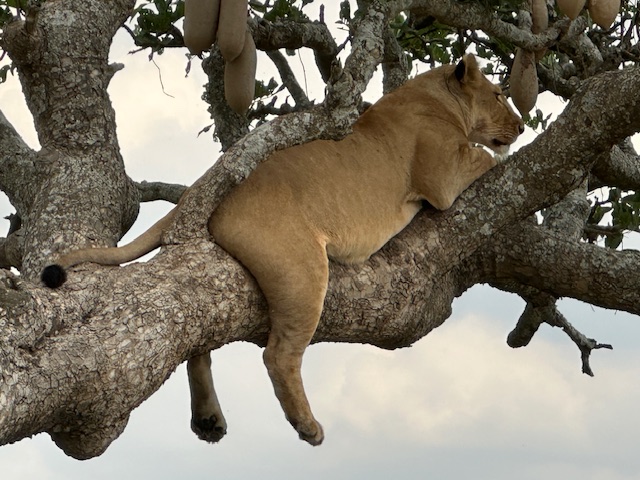
Deep Inside The Ngorongoro Crater

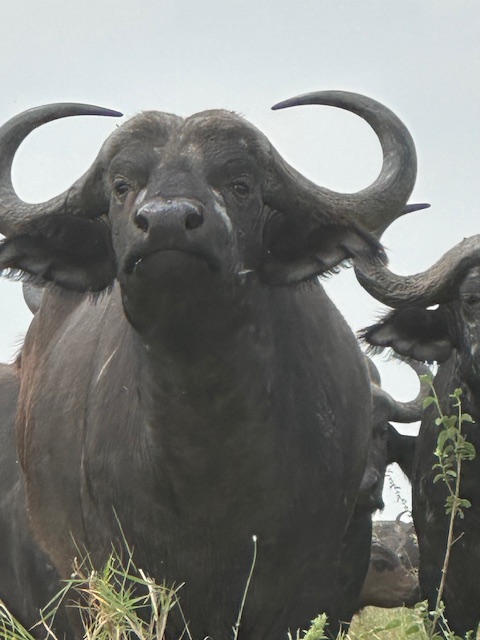
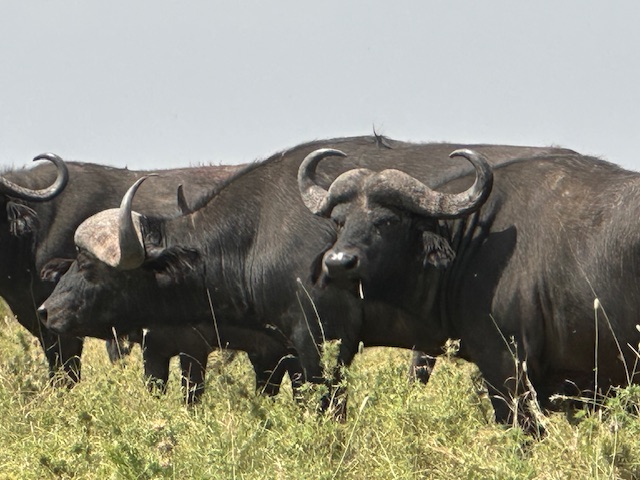
Driving out of the Serengeti National Park, we saw thousands of buffalo migrating.Notice that the outter buffalo seem to be sentries or protectors of the line.

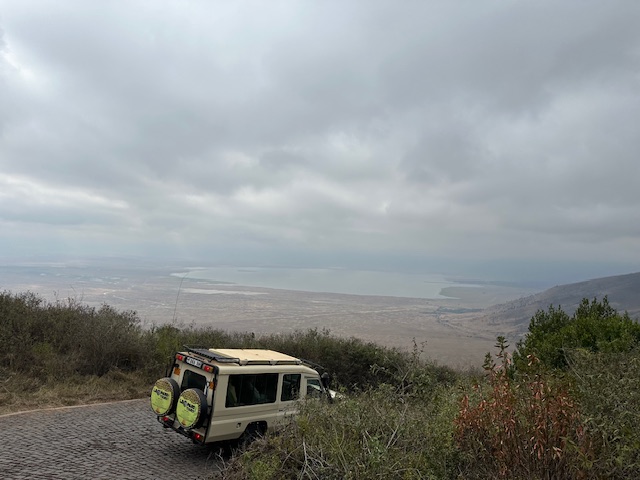
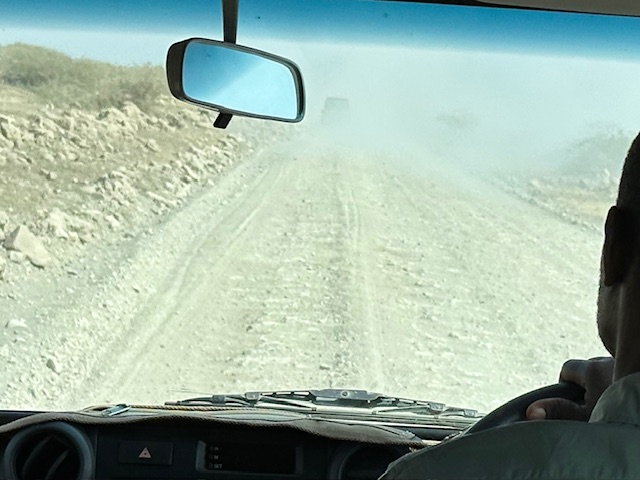
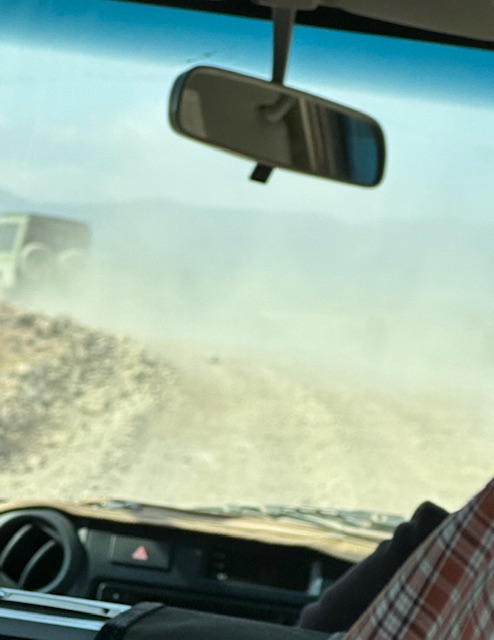
Here we go again on that dusty road that climbs to the rim of the Ngorongoro Crater at 7,500 ft above sea level.. No worries about the drive–it was entertaining to see so many animals all along the way.

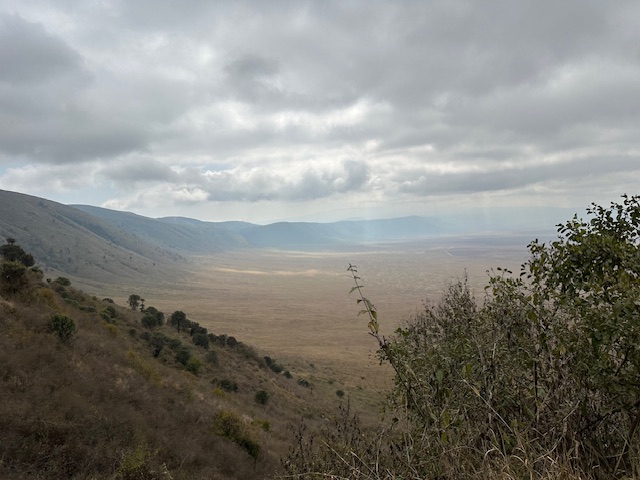
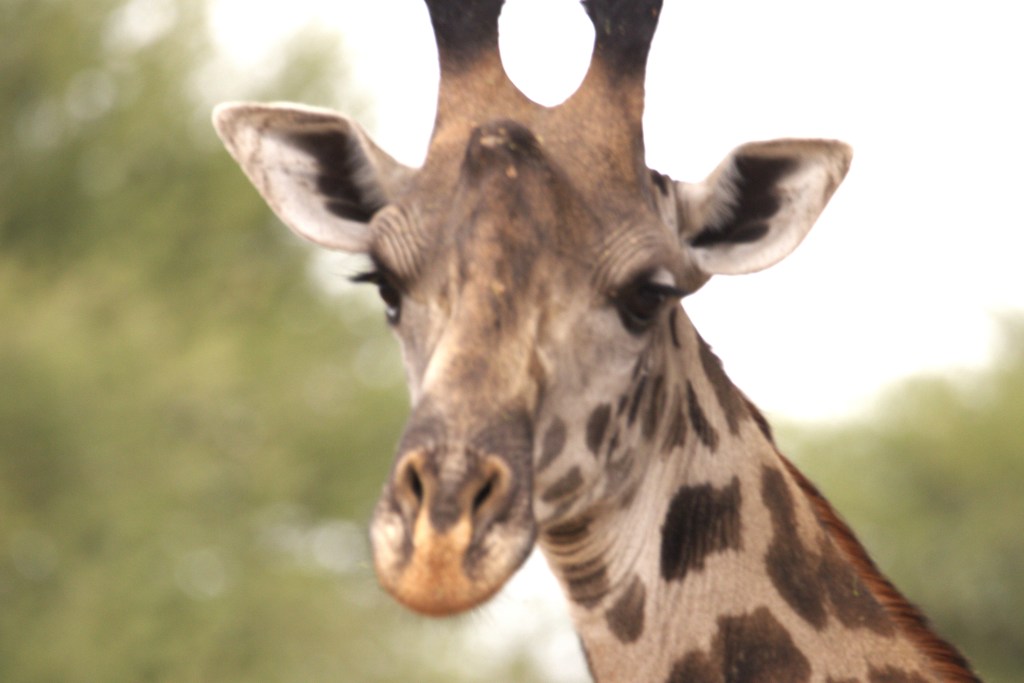
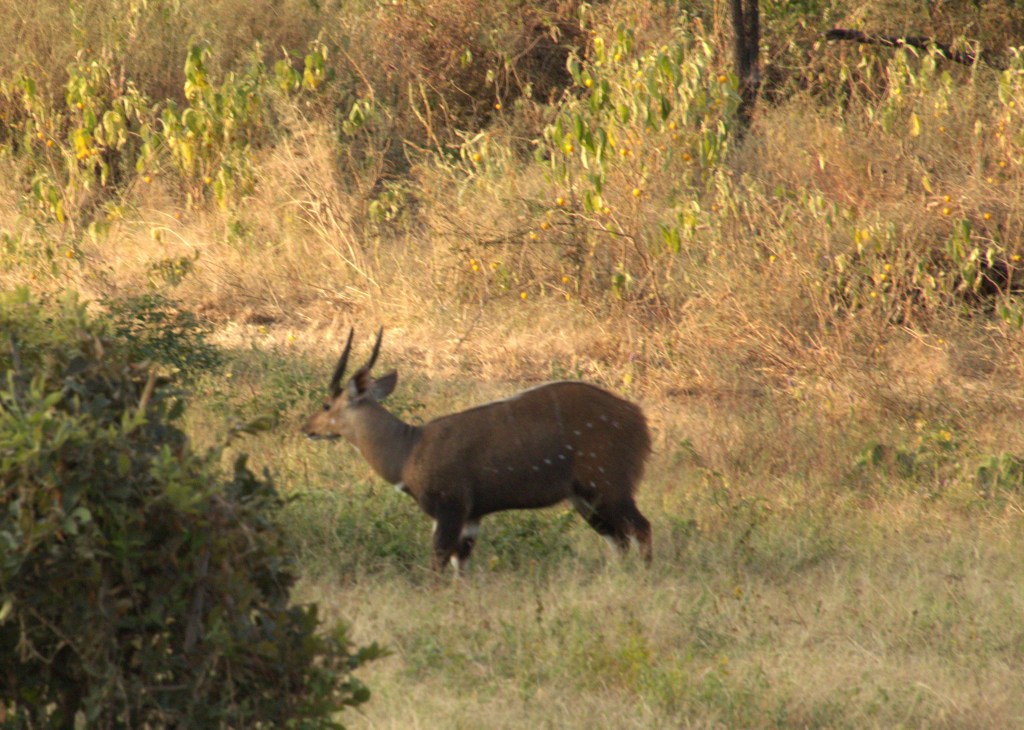
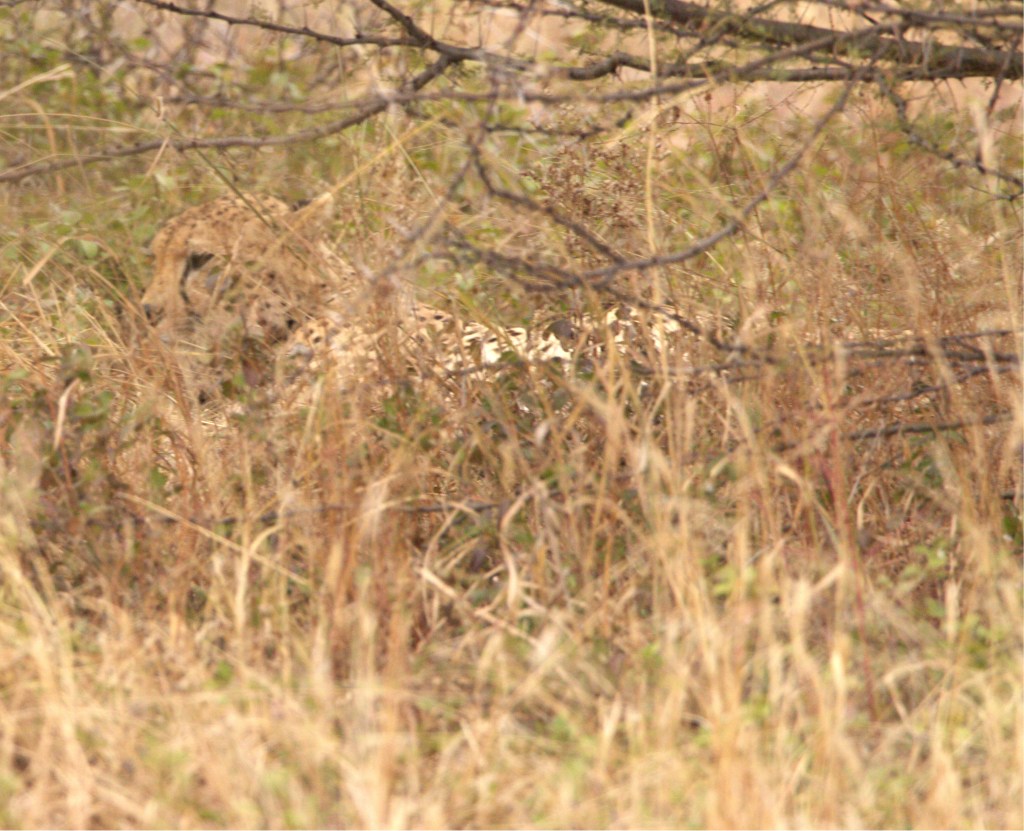
Ngorongoro Conservation Area is a Unesco World Heritage Site and the largest cauldera in the world with intact walls at an impressive 2,000 ft tall. This enclosed space creates a unique eco-system. Approximetly, 25,000 animals remain inside the crater year-round, although they do a mini-migration around the 100 square mile floor. You’ll find most of the big five, except for Leopards. There aren’t any Giraffes either. because the descent is too steep for them to enter and the vegetation is more jungle-like along the walls instead of leaves off trees which they prefer to eat.
Entrance is by permit and between the hours of 6 AM-6PM–there is one-way traffic in and out on the single car roadway.

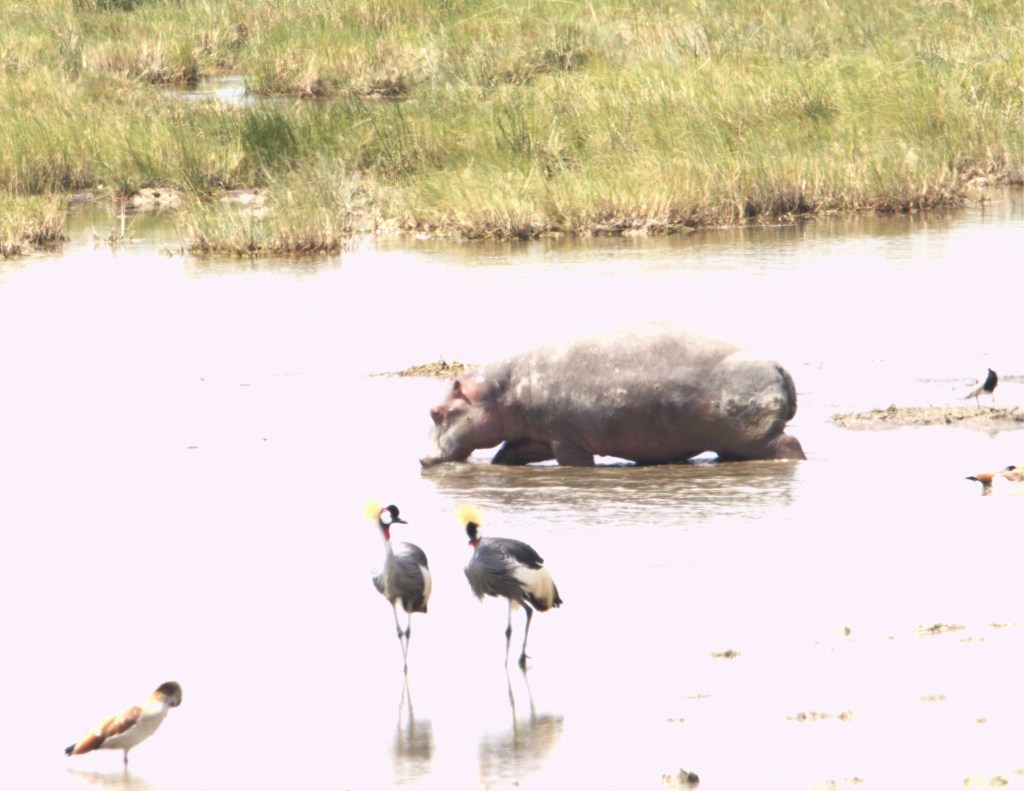
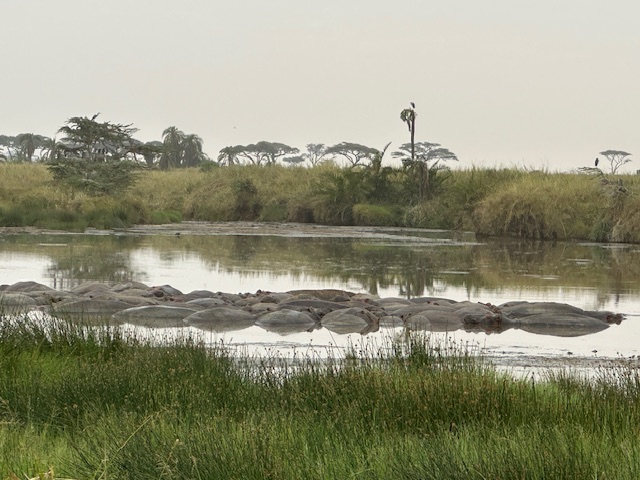
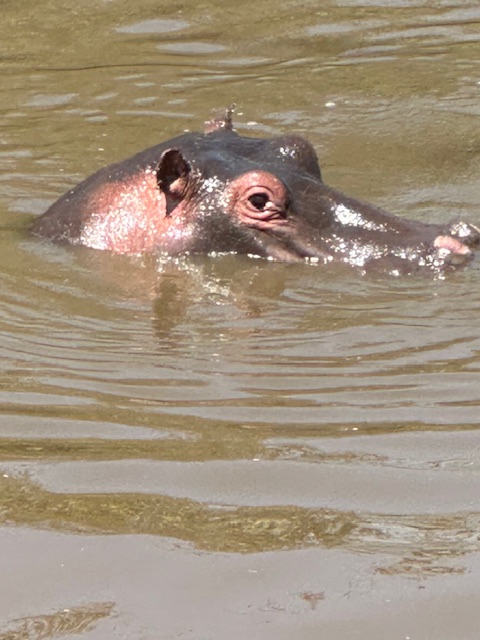
The volcano has been extinct for 2-3 million years and once was taller than Killiminjaro.There are 2 water sources: Alkaline Lake Magadi which supports thousands of Flamingos and fresh water is provided by the Munge River and the Lerai Stream, which is primary habitat for Hippos and an amazing number of birds.

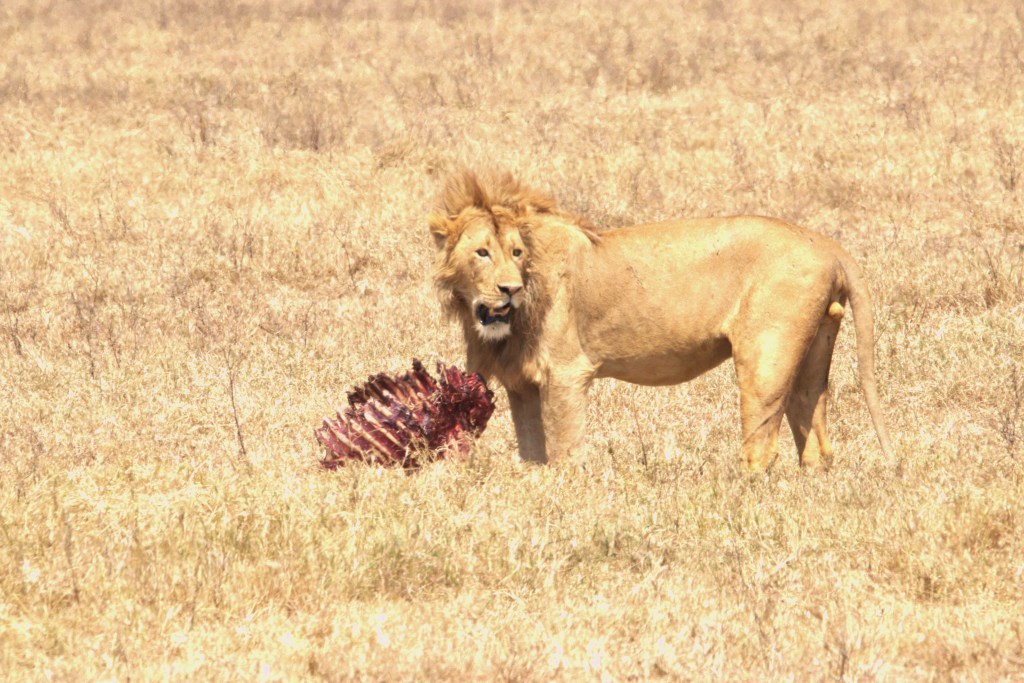
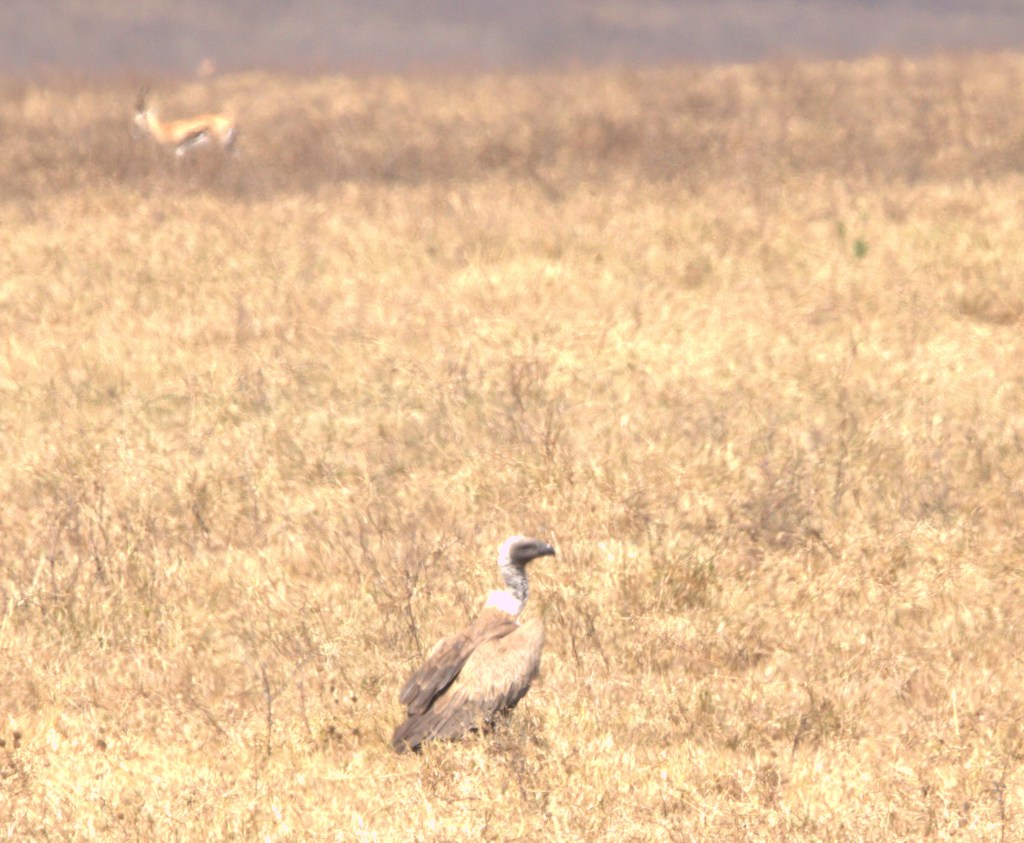
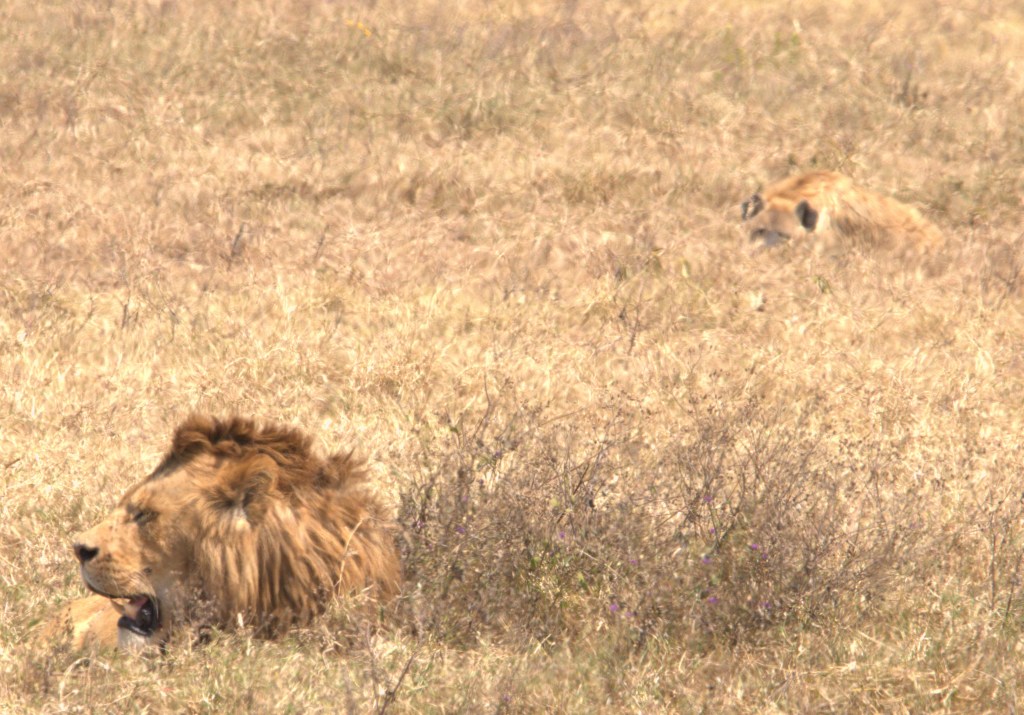
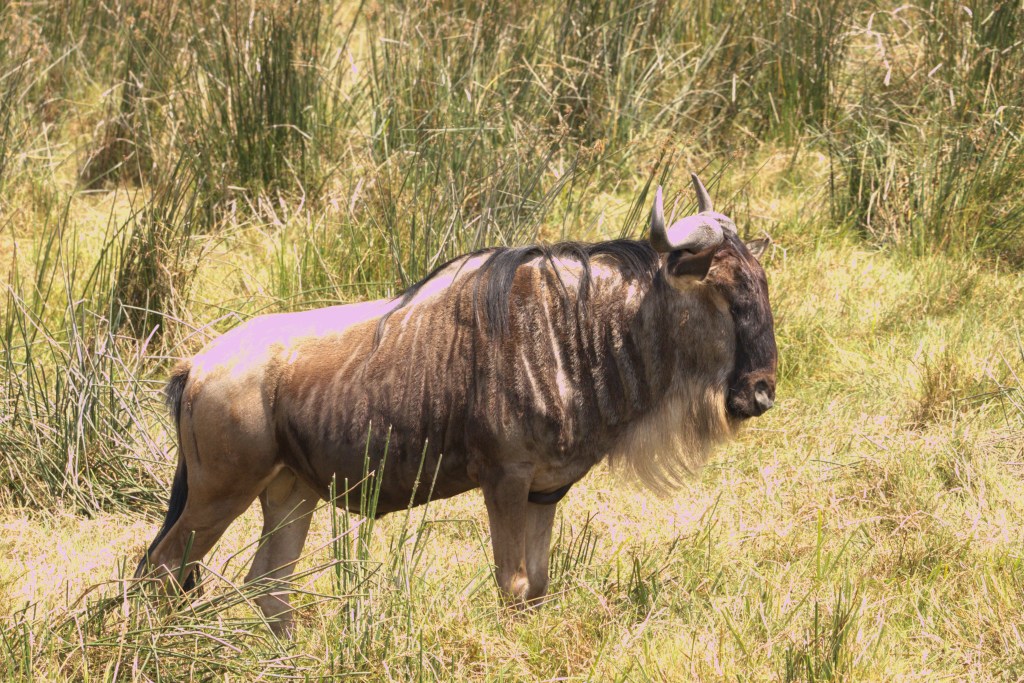
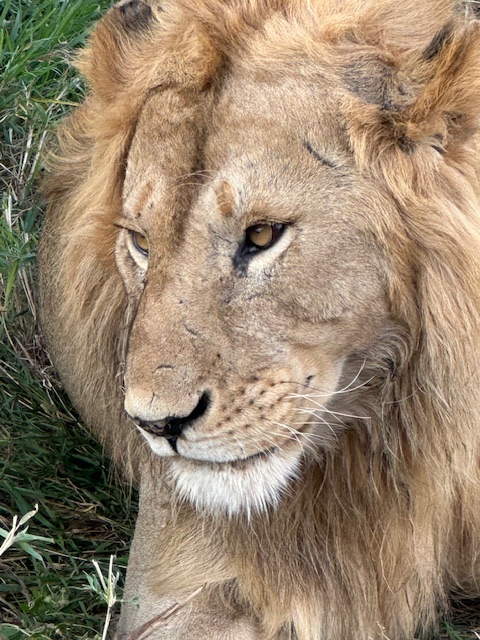
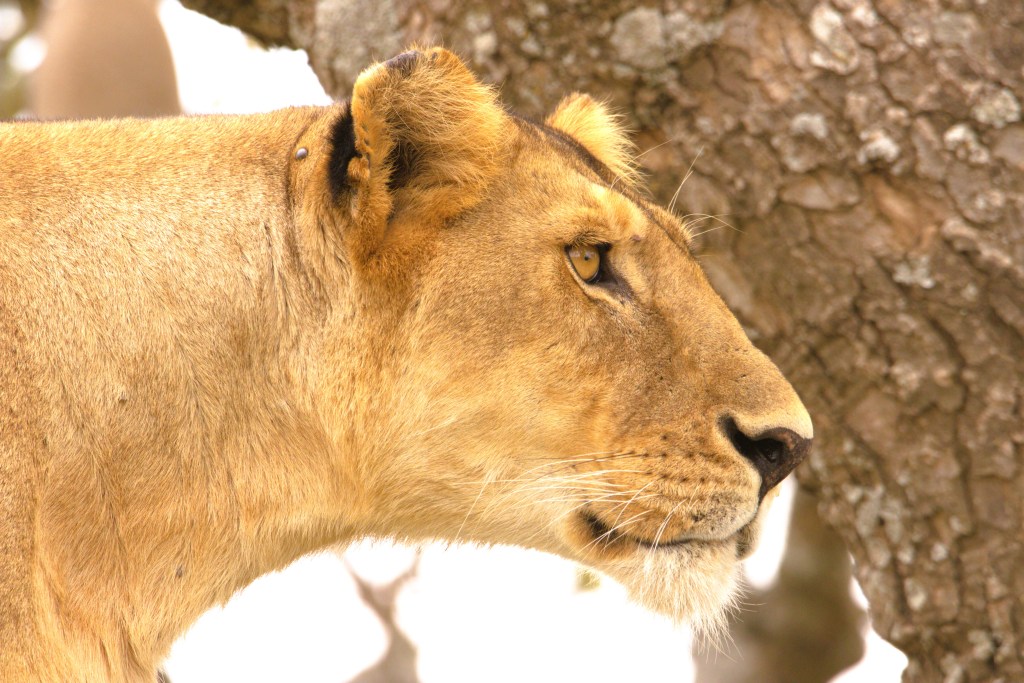
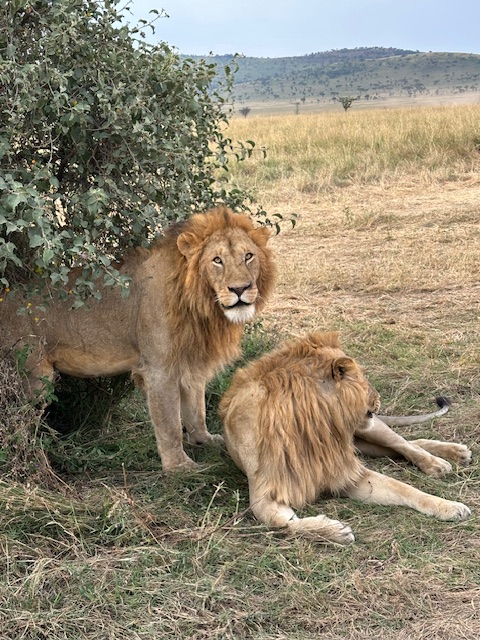
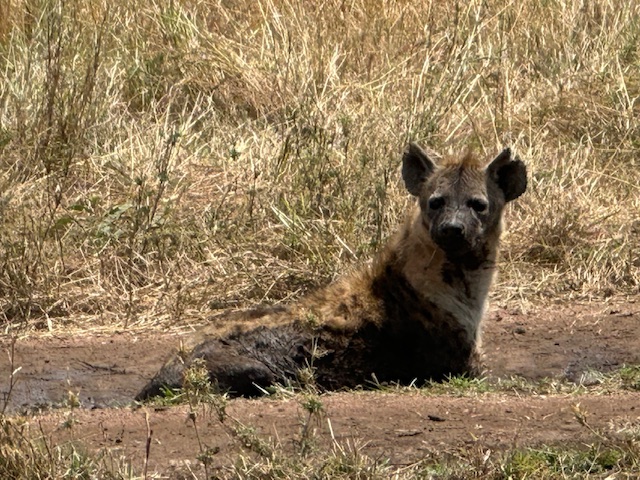
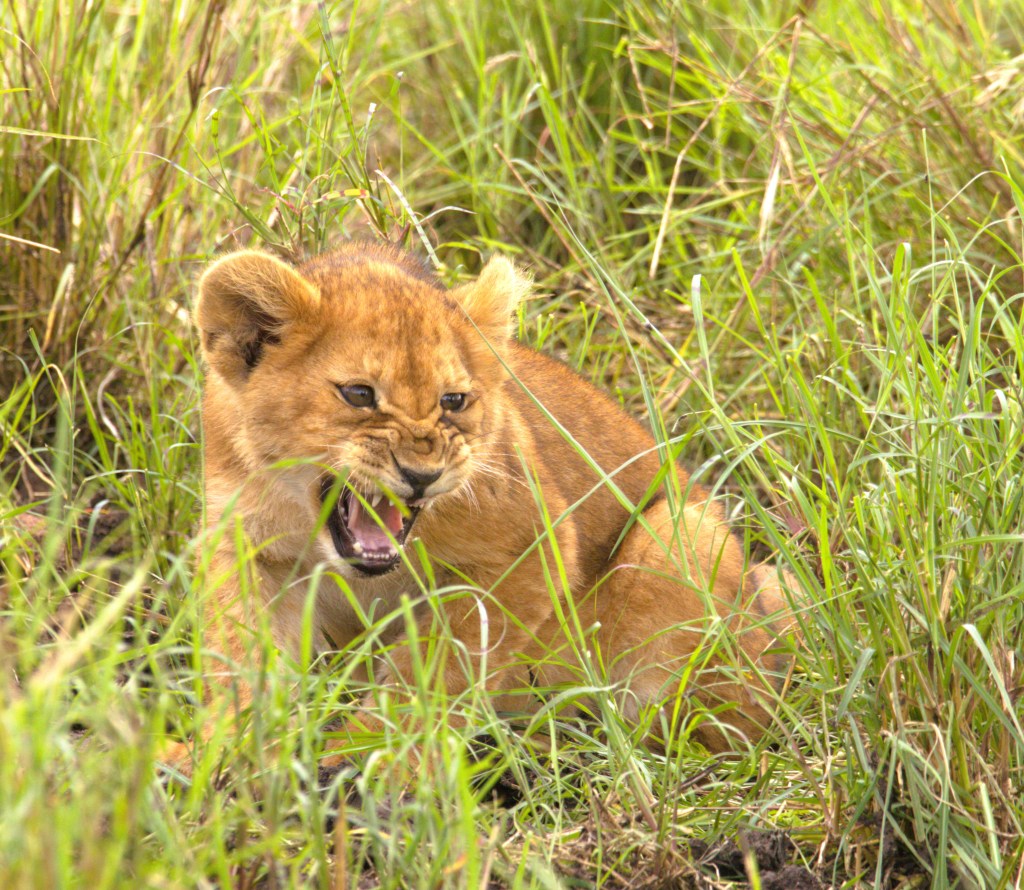
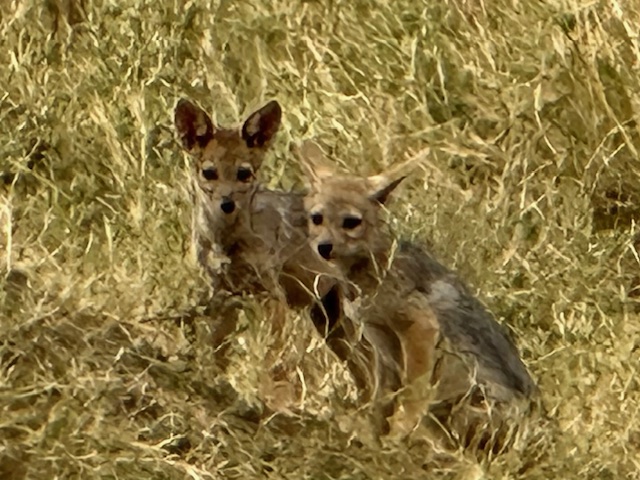
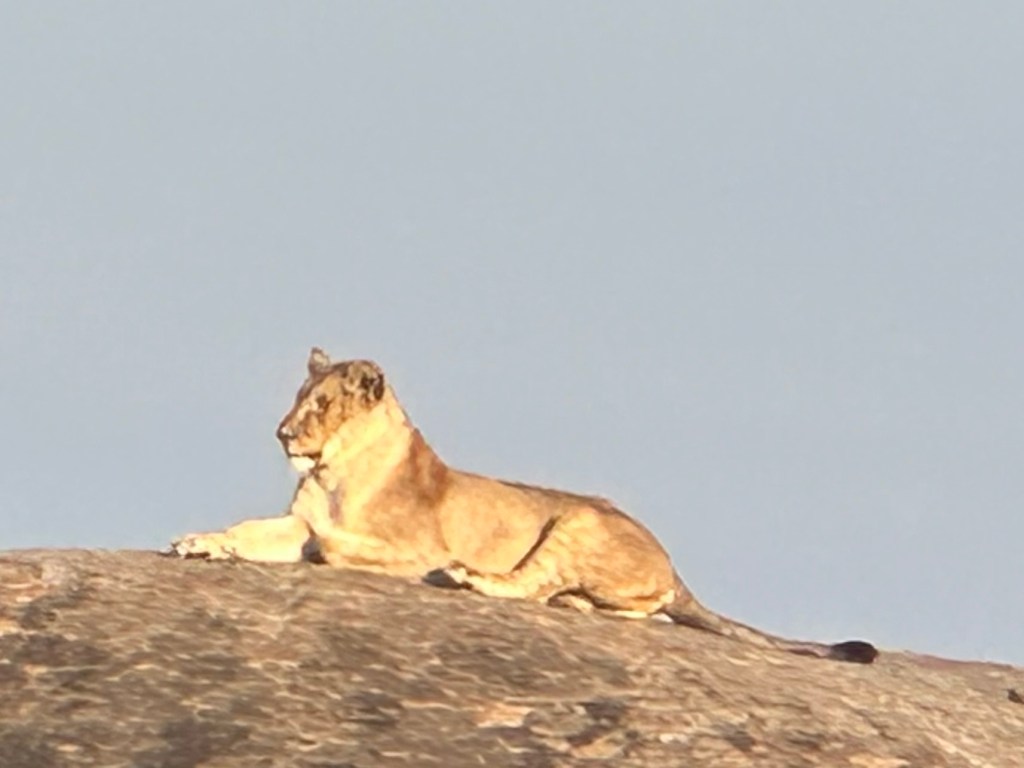
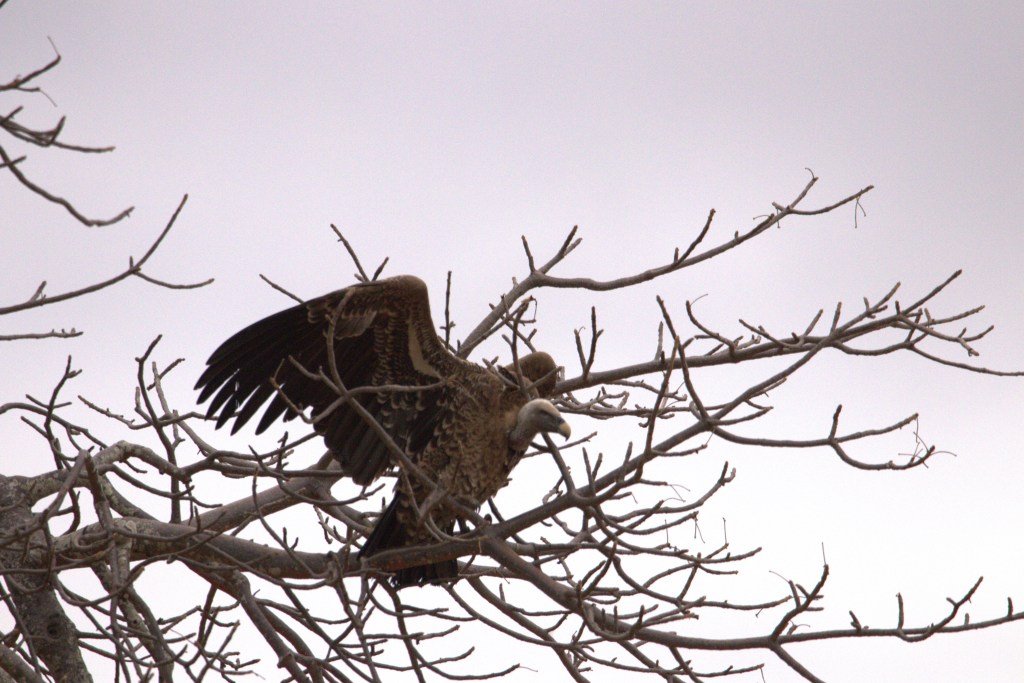
Our most amazing encounter were two male lions feasting on what looked like a Wildebeest ribcage. They were very polite (Emily Post would have been proud) as they each took turns gnawing away while the other gave the evil eye to encroaching hyennas, Jackals and Vultures.

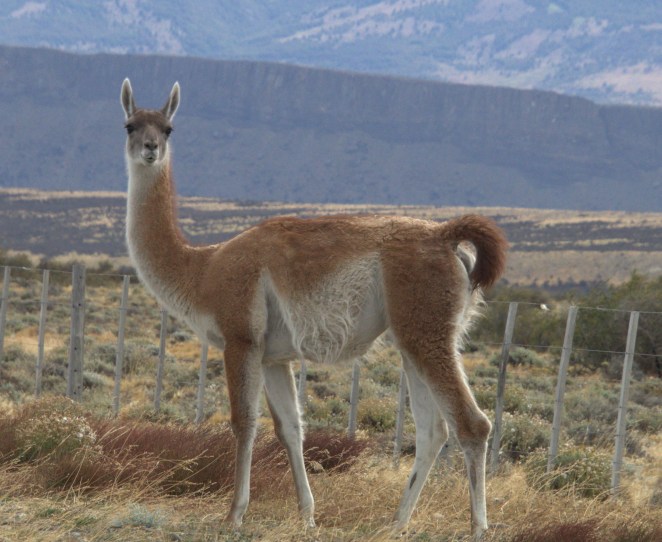
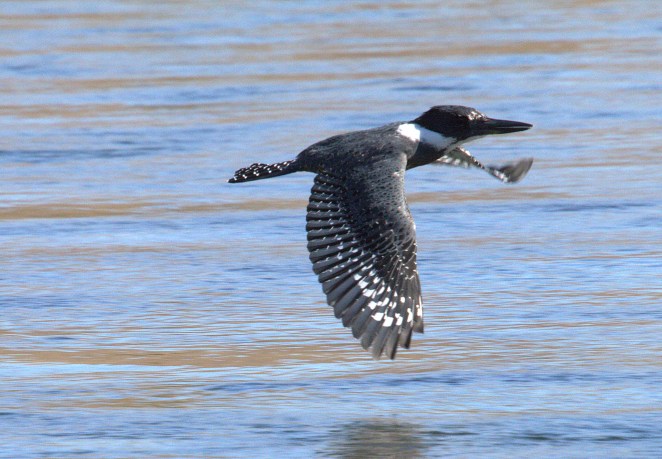
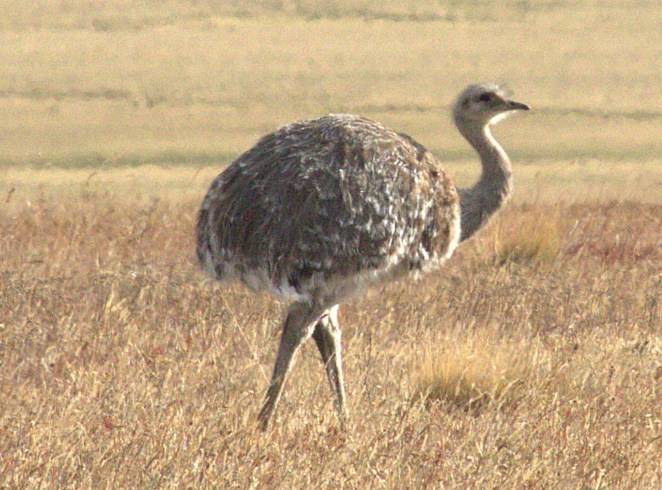
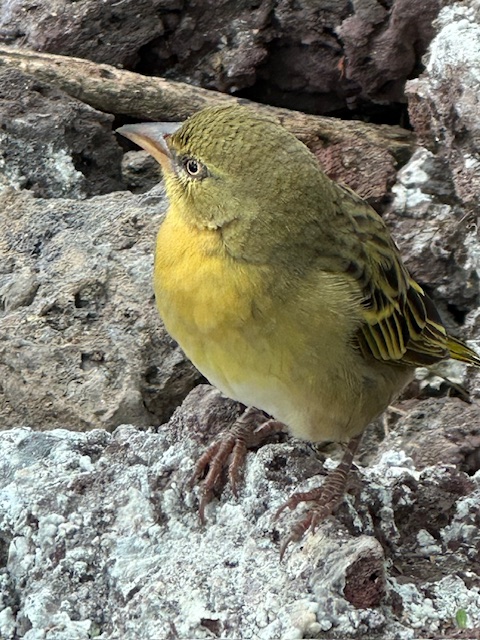
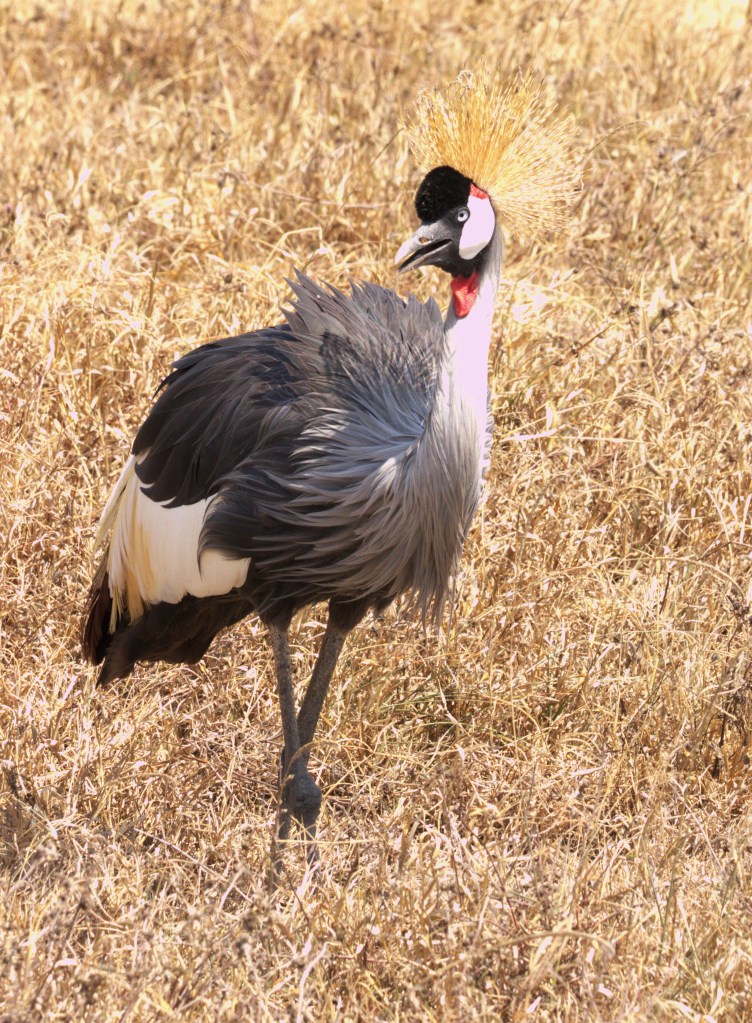
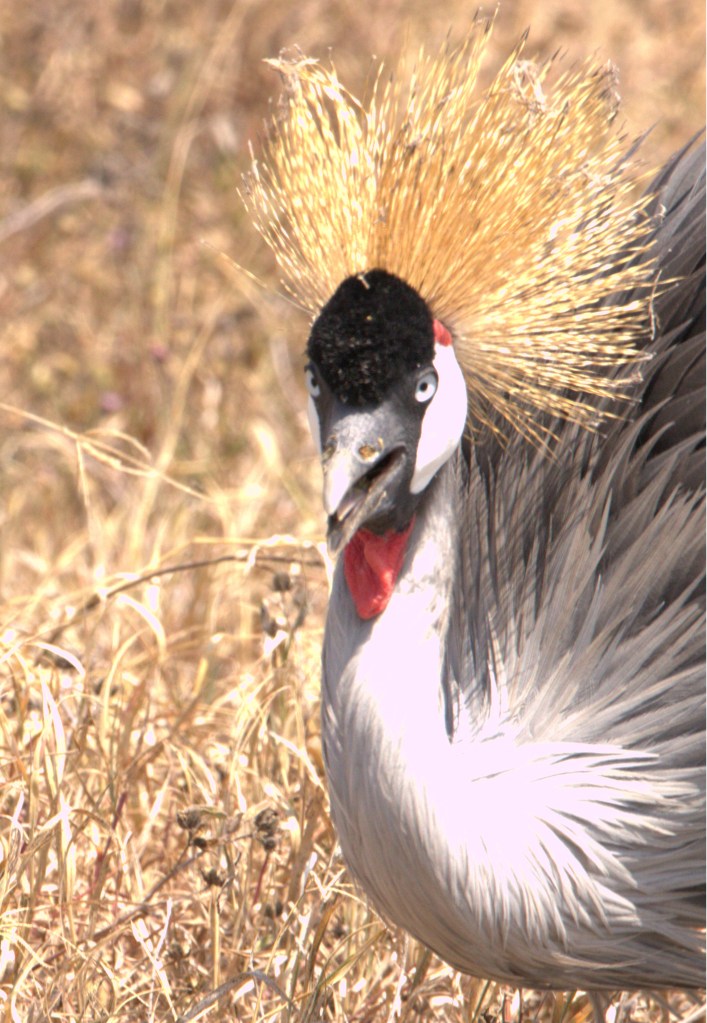
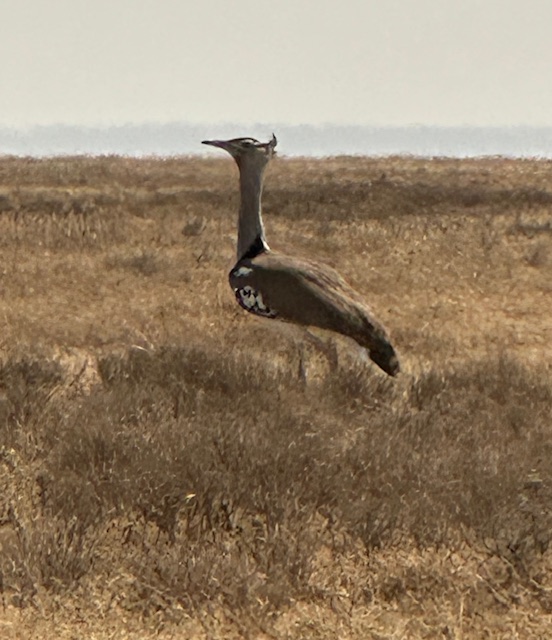
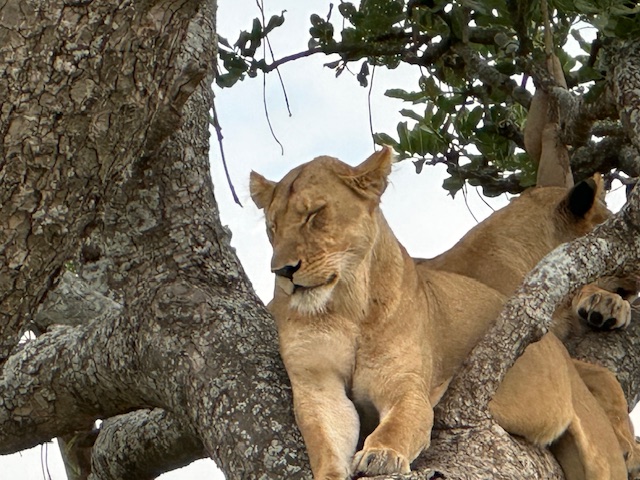
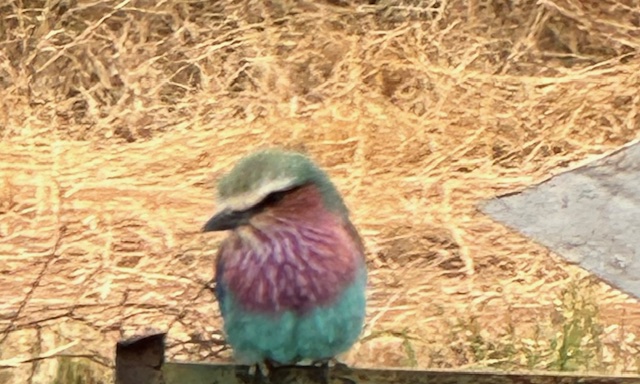
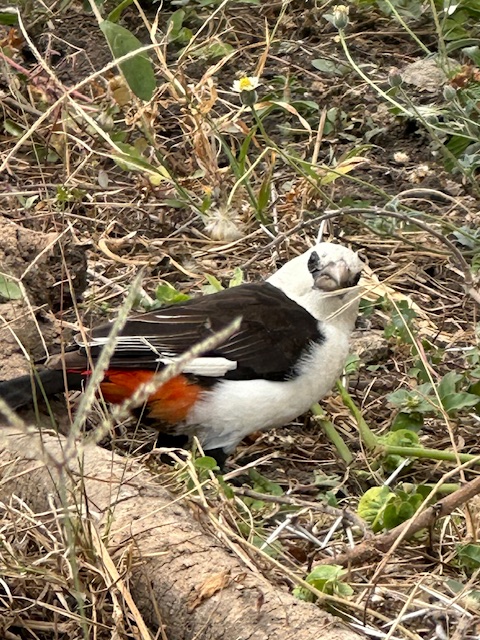
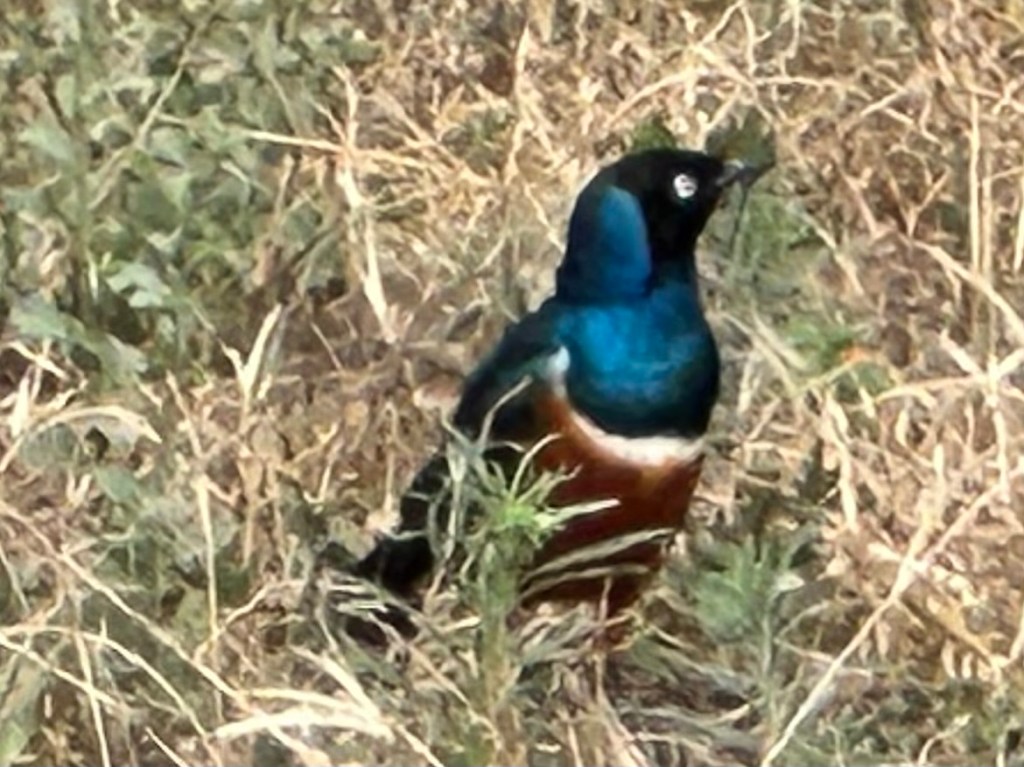
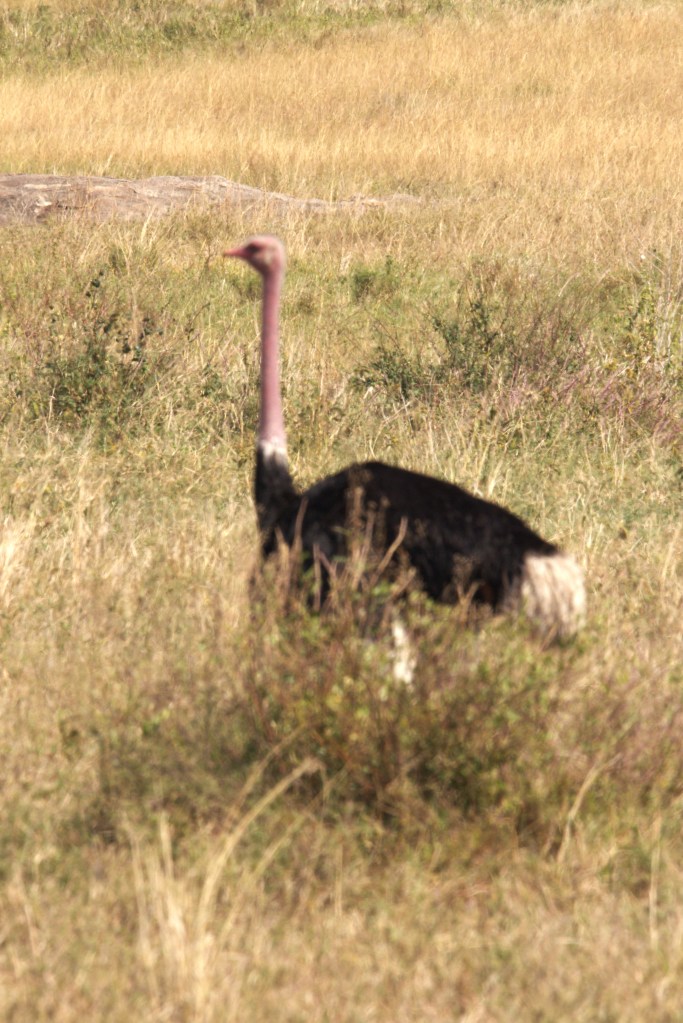
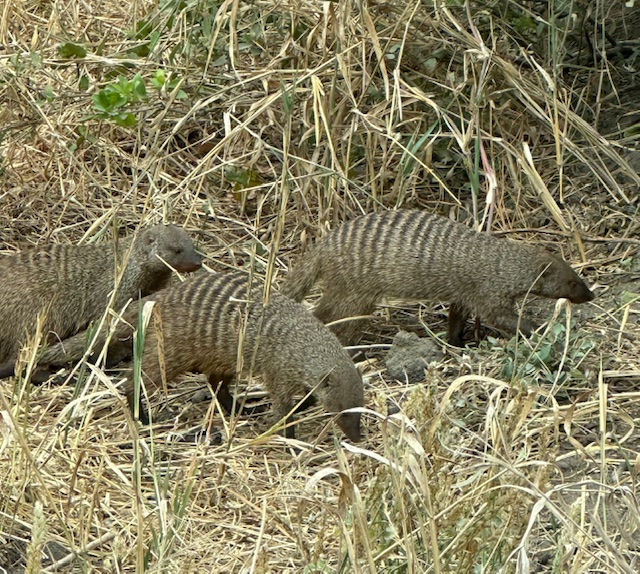
There were many other lions, Wildebeests, Elephants and my favorite bird

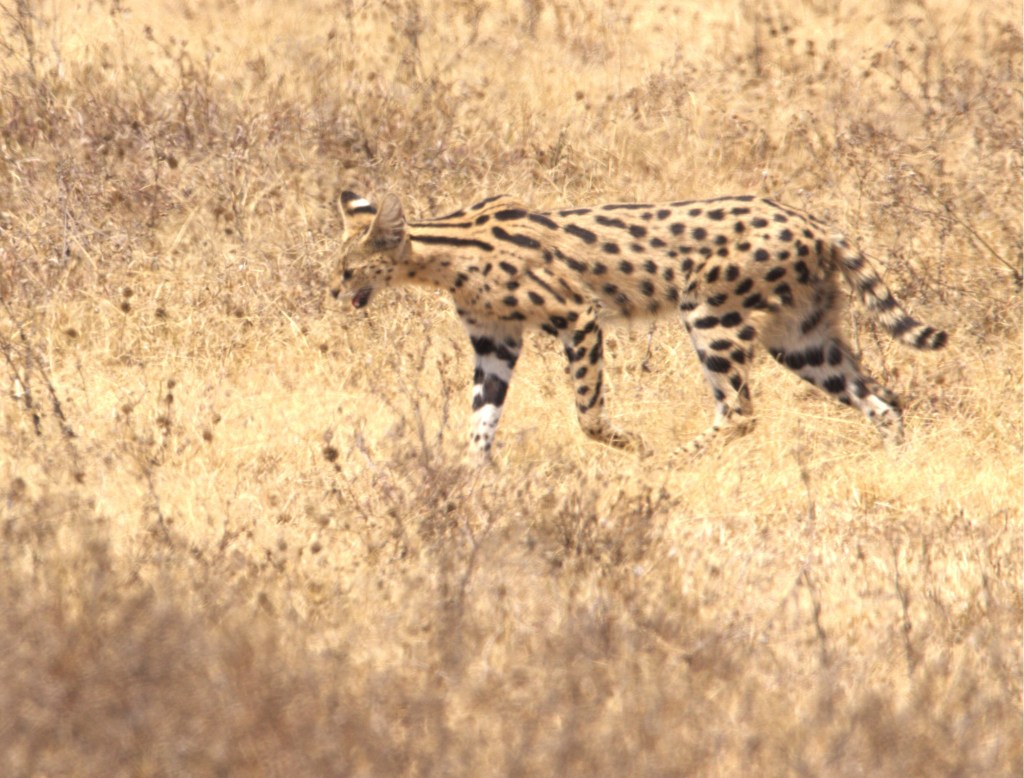
This is the first time we saw a Serval, a solitary wild cat that is smaller than a Cheetah and the ears are longer. This one pounced and missed the rodent or bird it was after.

This is what happens when word gets out that a Rhino is waaayyy back in the field. Too far away for my 600mm lens to pick up in focus. But at least I saw it and have blurry pictures.

Let’s end this Africa trip with a little music to inspire you to visit.

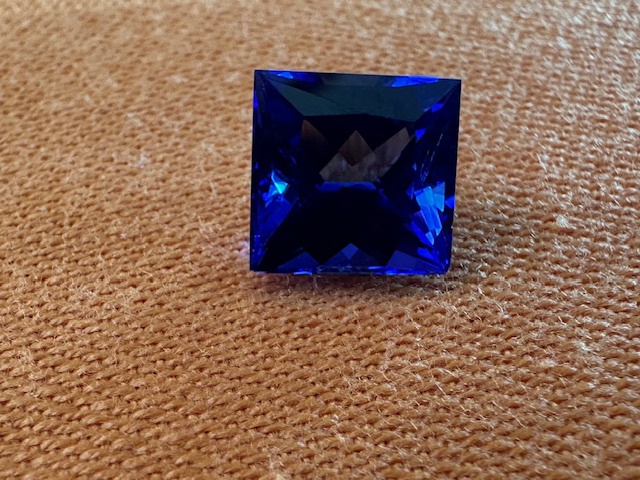
This is at the Cultural Heritage Art Center, Dodoma Street in Arusha. Well worth the stop before you leave the country to pick up unique art, statues, souviners…. and certifide Tanzanite.

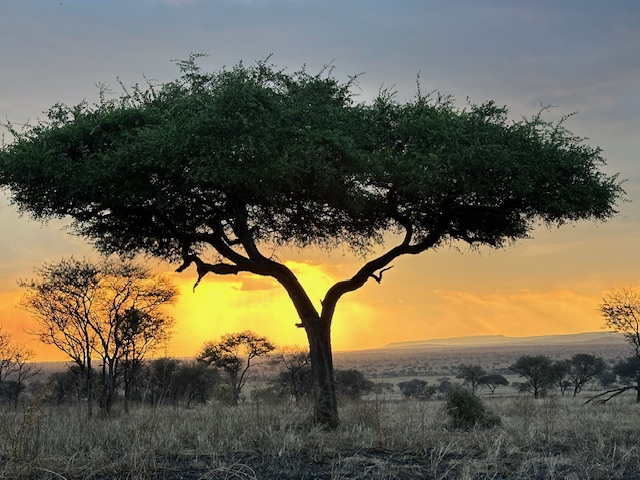
Serengeti–the Wide, Endless Plain

The Maasai named the Serengeti and the word perfectly describes the savanna stetching from horizon to horizon. This UNESCO World Heritage site has the largest concentration of game over 6,000 square miles ( after the most recent aquisition, land now connects on the West with Lake Victoria). It borders Kenya on the North, The Maswa Game Reserve on the Southwest and Ngorongoro Conservation Area on the East.

No guns, no hunting, and no night driving ( between 7 PM and 6 AM) are deterrents to poachers killing animals in the National Parks for Elephant Tusks, Rhino horn, and food. Villagers work with park rangers, and conservation programs are active–such as GPS tagging of Rhinos for daily monitoring. Anti-poaching units now carry AK-47’s and use canine tracker dogs with quick response times. Hunting is only permitted inside the Game Reserves. An example license for a lion hunt costs $78,600 exclcuding the trophy fee and sadly, bait used. Although I am not a hunter and the thought of this makes me grit my teeth, the large carnivore population needs to be controlled by regulated hunting of old males, which ensures reproductive success for younger veral males.

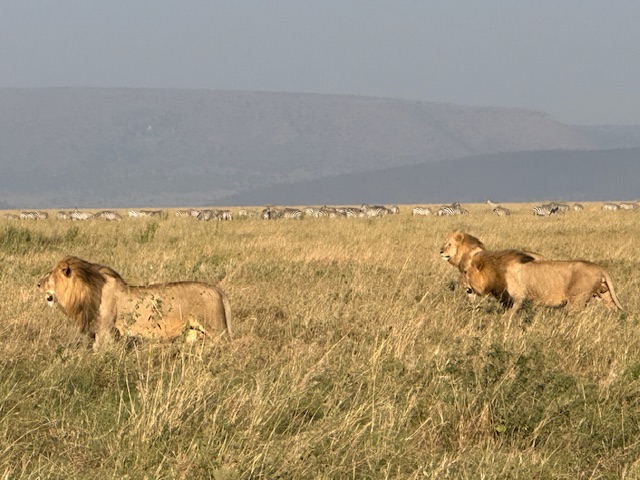
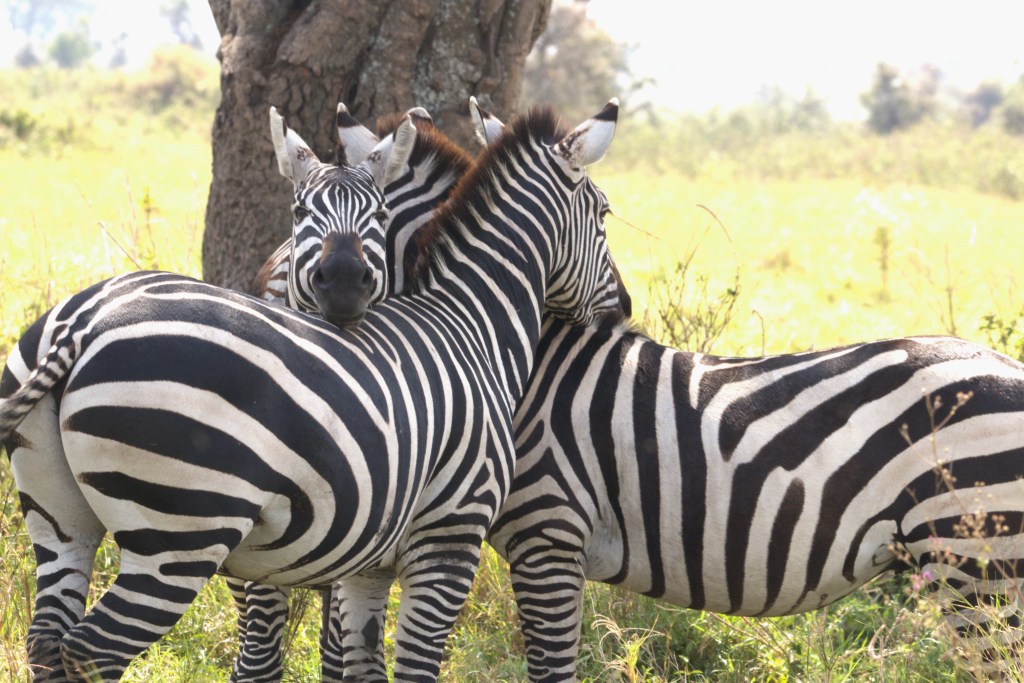
There are over 1 million Wildebeests and roughly 300,000 zebras that migrate year-round for water and fresh grass. These two have evolved into bestie travel buddies with the zebras showing the beests the best places to cross the rivers.

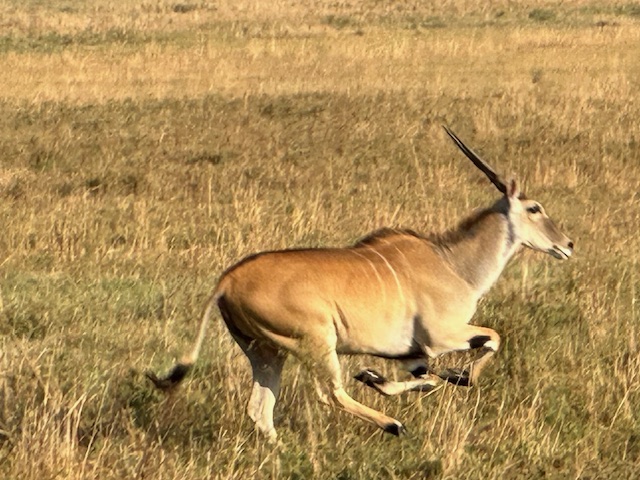
Elands, Zebras migrating together
zebras fighting

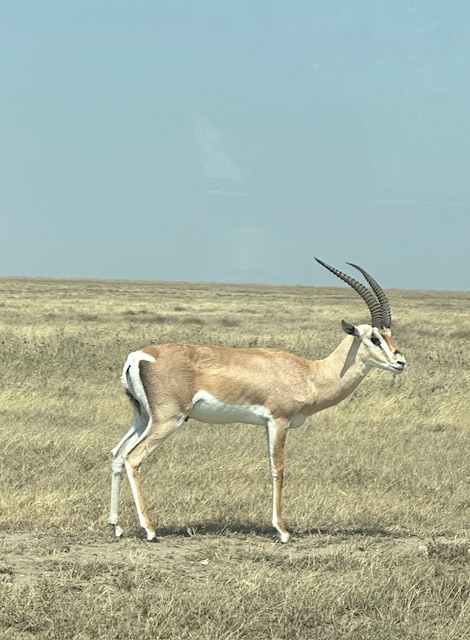
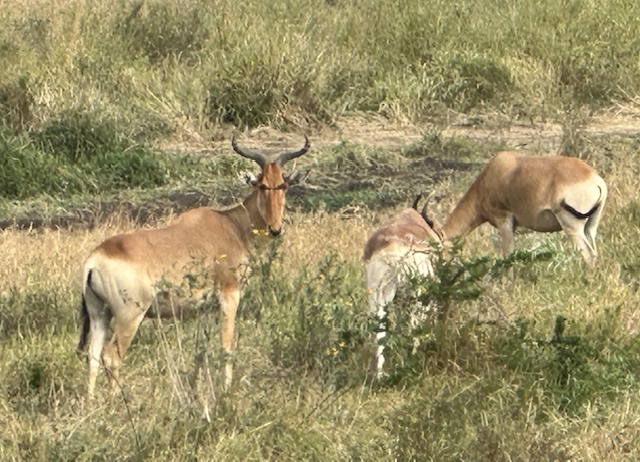
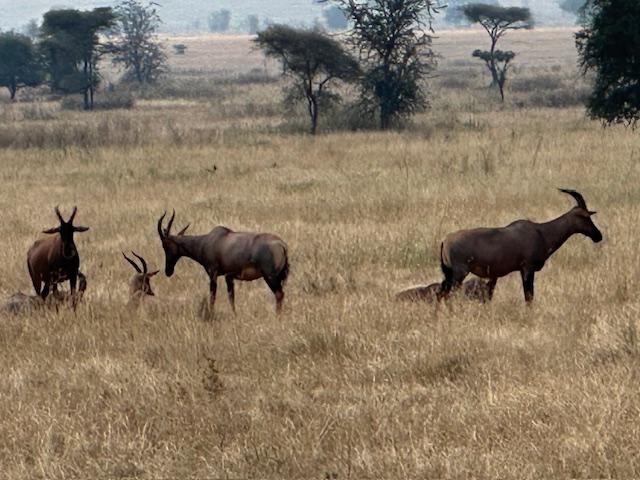
Other herbavoires migrate too–Elephants, Oryxes, Elands, Thompson Gazelles, Topis, Buffalo, and Hartebeests.

Giraffes follow elephant-toppled trees to get leaves, not because they migrate and big carnivores hunt from the perimeter of the migration. We saw a lot of stalking behavior, but it’s interesting that only 20% of attempts are successful.

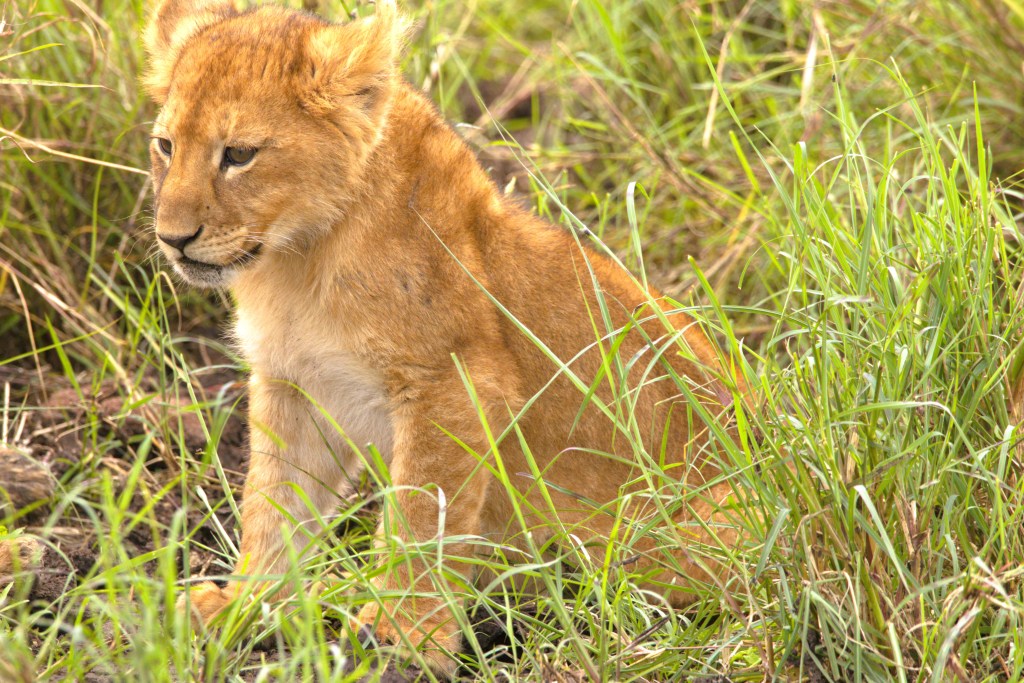
lioness hunting zebra while her cubs follow.
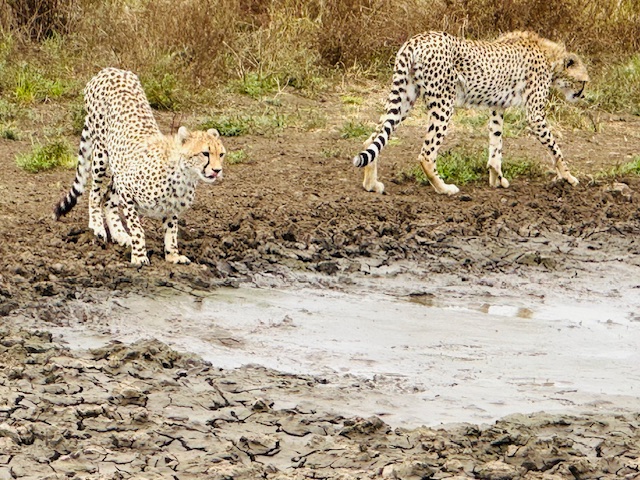
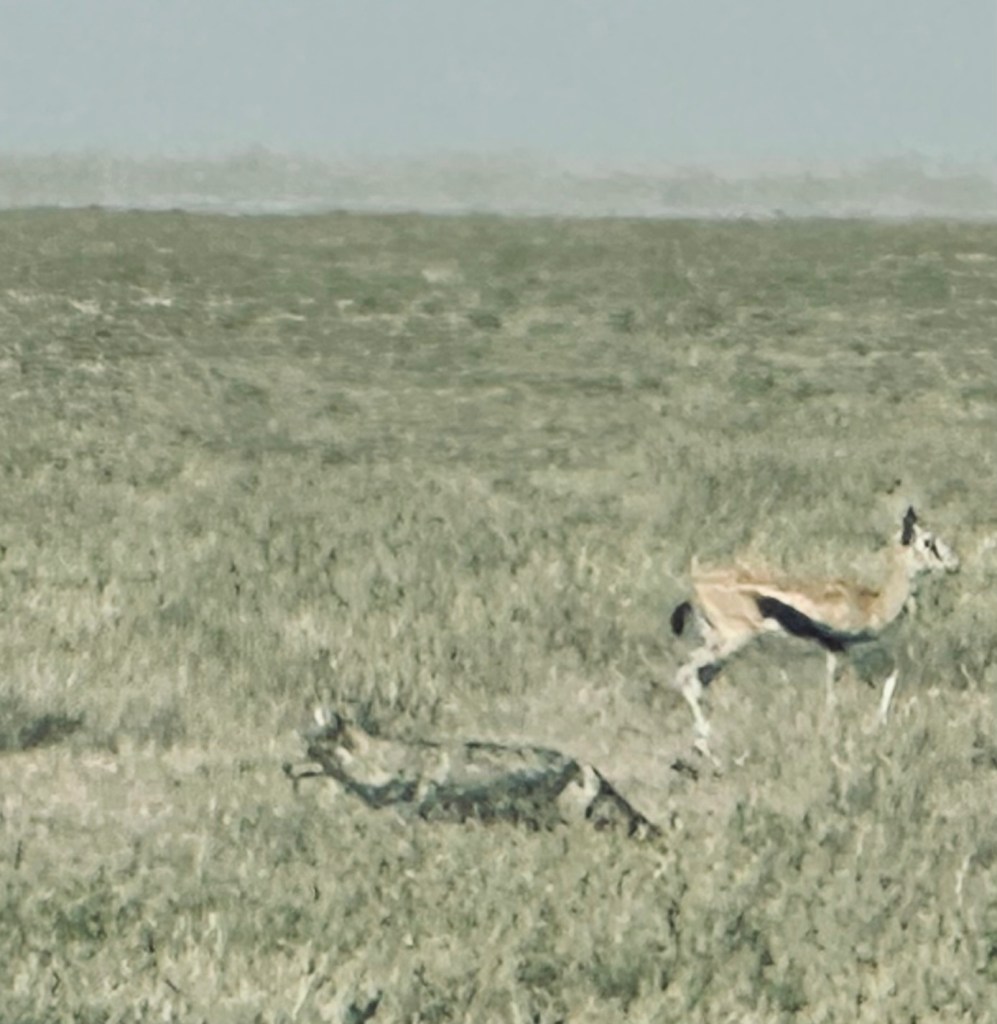
hunting cheetah
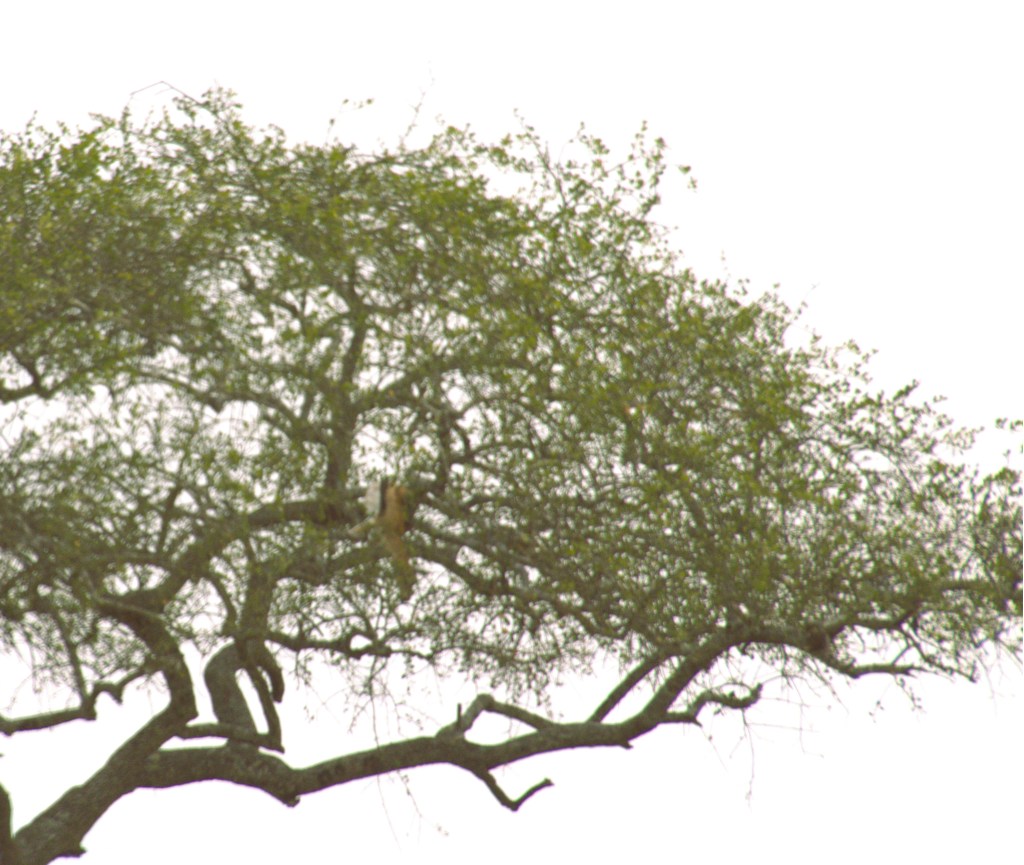
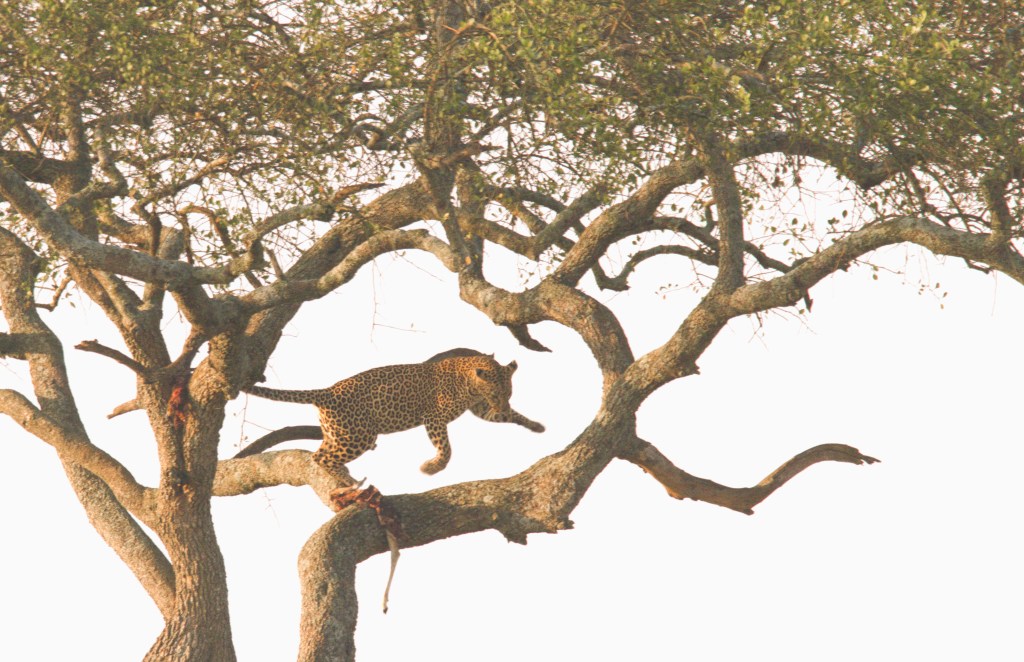
a Leopard at the bottom of a tree where he hid a dead gazelle. The mate keeps circling closer to the tree in the background—not believing that his mate is dead.

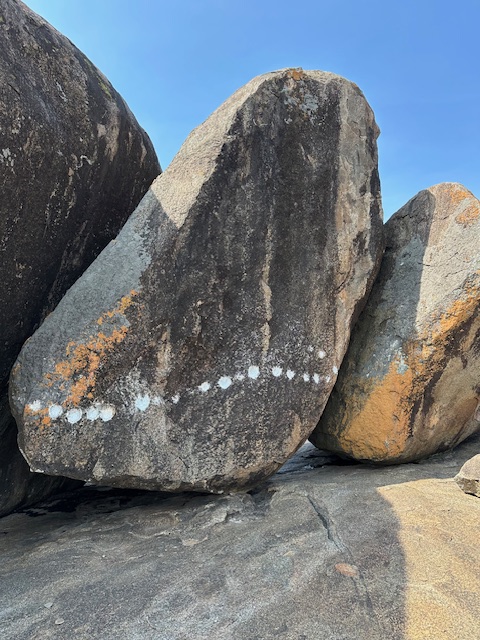
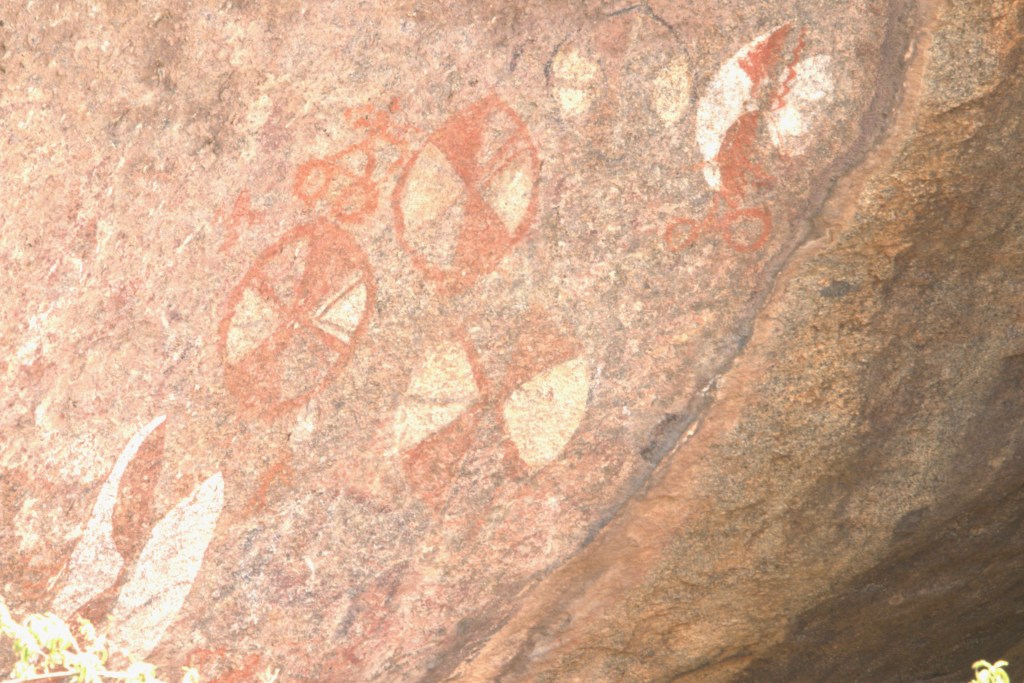
The Serengeti is the birthplace of humanity with cultural and historic sites dotting the area.The Olduvai Gorge is where Mary and Louis Leaky excavated early Homids. We went to a Maasi, Ikona rock painting site and the unique Gong Rock where I’m certain many celebrations were held.

Gong Rock ontop a huge kopjes ( exposed granite dotting the landscape)

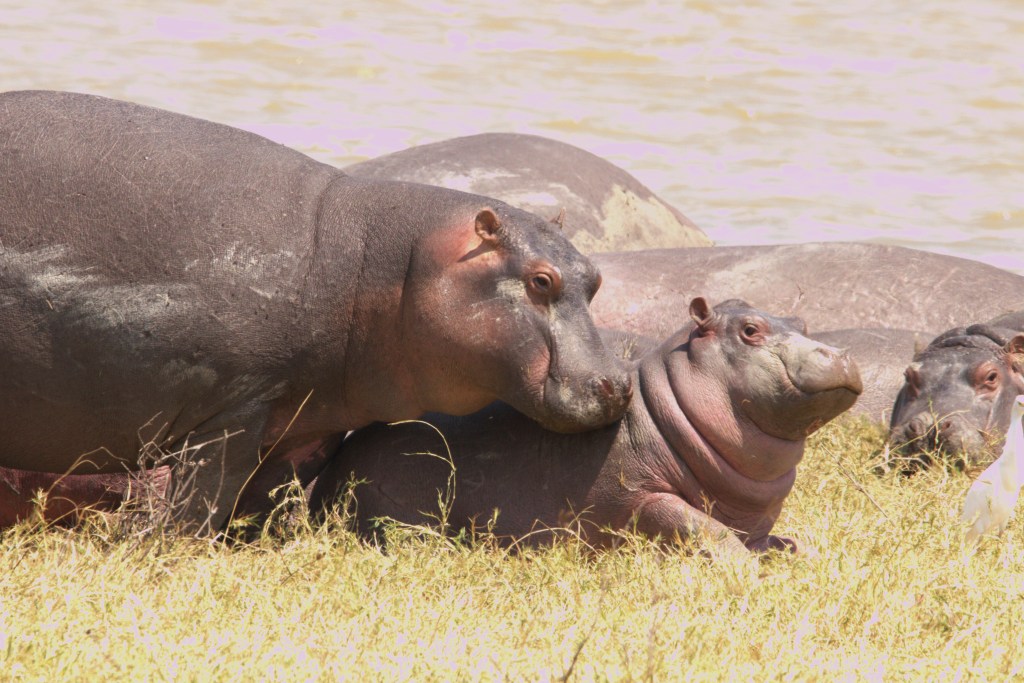
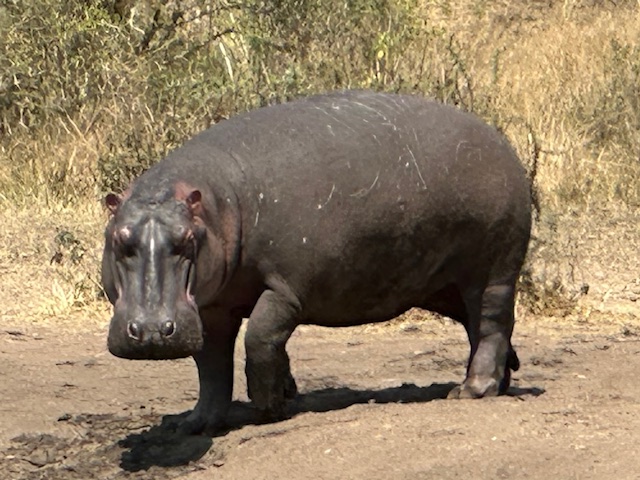
Love these hippos! Did you know they can hear, see, and smell underwater? They don’t migrate, but they hangout in year-round water sources. While we think they are cute, they are really vicious. biteA single bite is strong enough to crush bones, tear through boats and snap a crocodile in half ( or human). Their jaw opens 150 degrees and can span 4-5′ wide. Certainly, they aren’t dainty at 2,500-3,500 lbs.

Long Road to the Serengetti

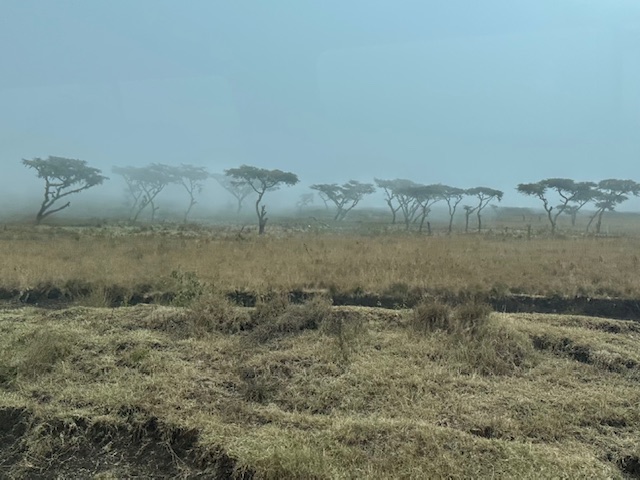
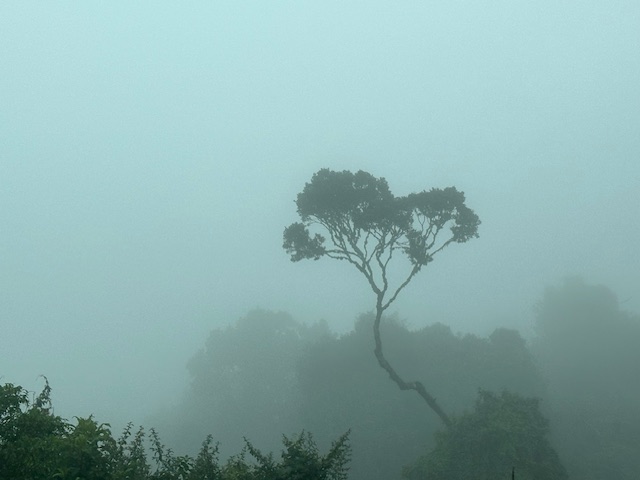
There’s only one way in and the same way out on a dusty road. And it’s worth it–even if you have to wear a buff or mask to get to Serengetti National Park. We started driving up the Rift Valley towards the world’s largest crater ( 12 mile diameter and elevation of 7,500′). Ngorongoro Convervation Area is jungle-like and bathed in fog. Animals seem to drift like ghosts along the roadside and then disappear as if they were never there at all.

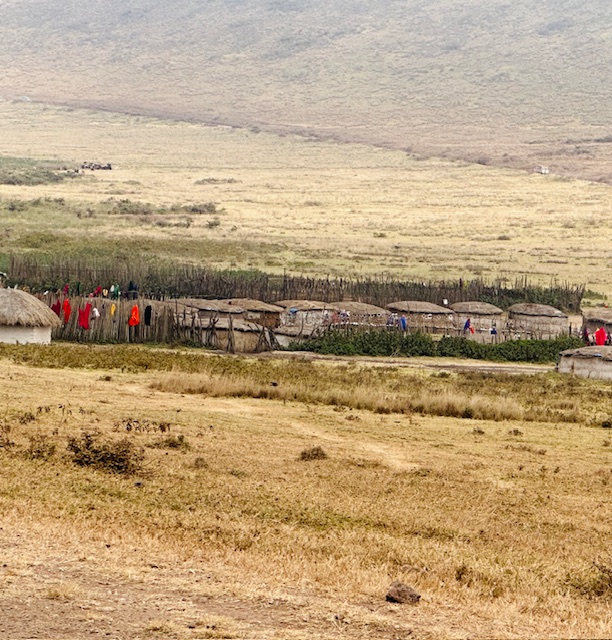
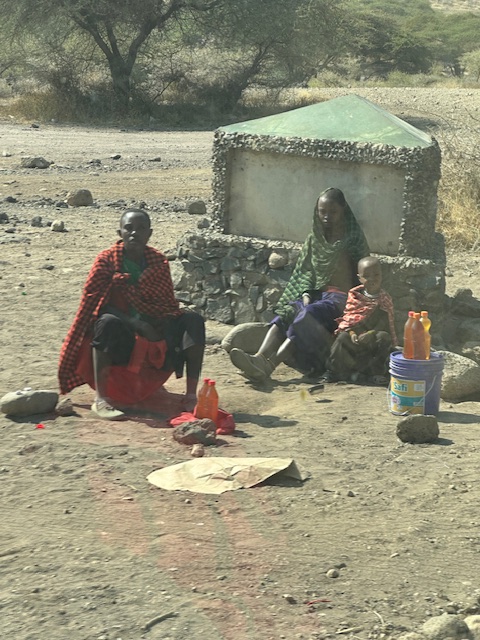
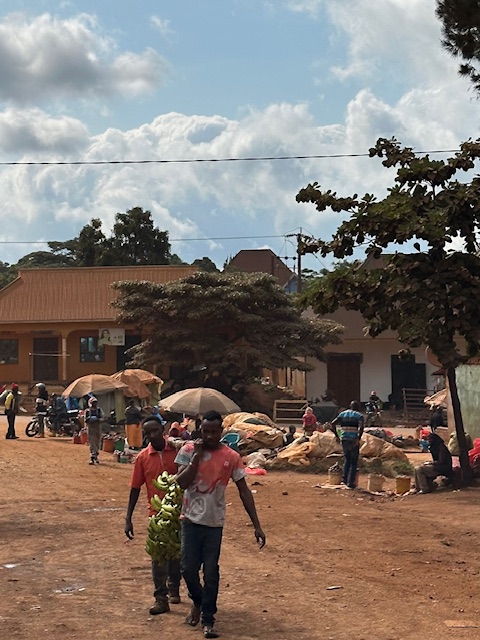
At the highest point we begin our decent into the grasslands that border the park. Masai villages dot the area with round mud-baked homes and colorfully dressed people roaming through the grasslands pushing livestock onwards. Alongside the road, local people sell whatever they have grown, harvested or made. The dust from fast driving vehicles rises like the fog did earlier in the day. Even with air conditioning on and windows rolled up– dust coats everything.

After we enter the Serengeti National Park, we immediately see herds of Zebra, Gazelles, Impalas and circling hyenas looking for opportunity. We don’t stop often or for long. Our mission today is to get to the Overseas Adventure Tent Camp where we will live for the next 4 days.

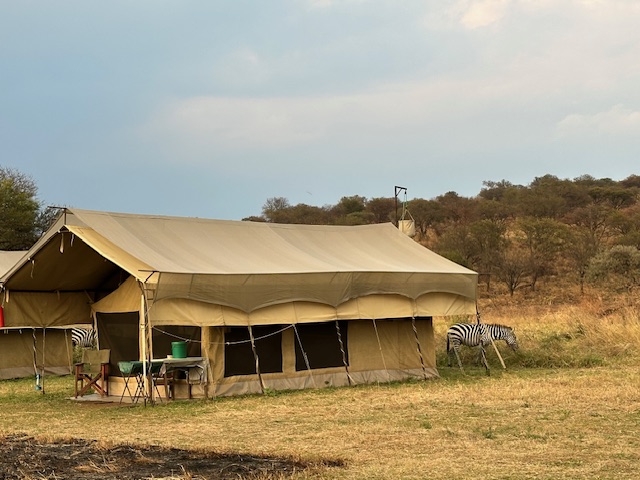
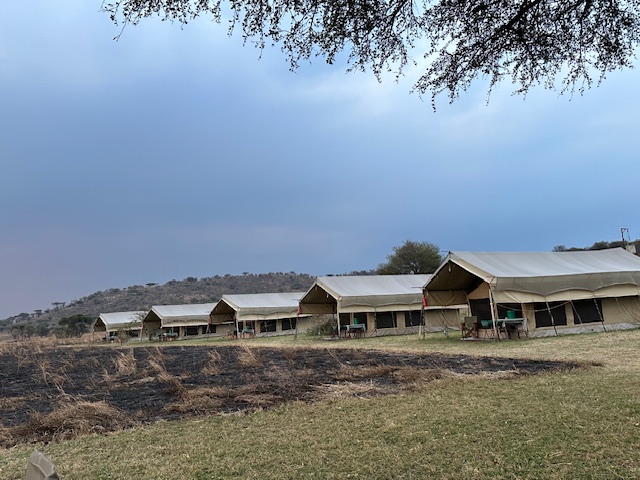
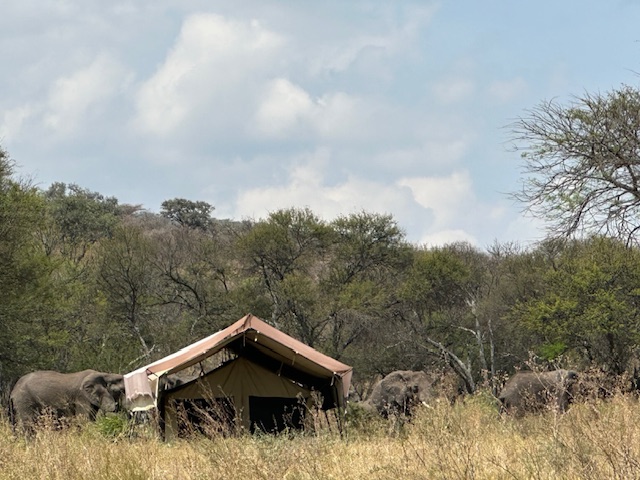
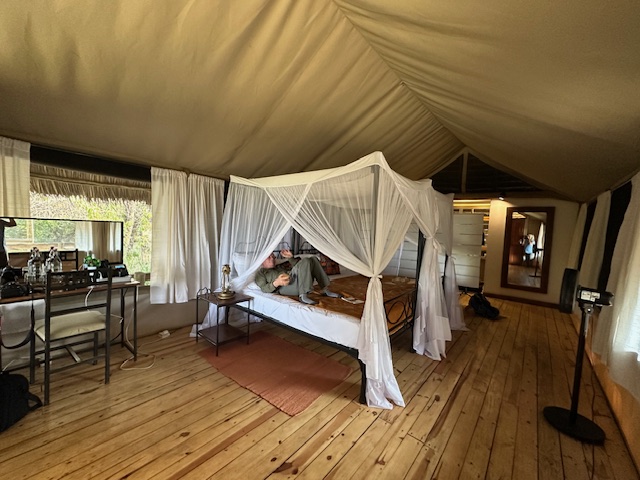
We were in Serengeti camp 1 ( there are 4 run by Overseas Adventure Travel) Our camp had 10 traveler tents with attached bucket hot shower rooms, a flush toilet room and a sink with running water partioned off from the two twin beds. Nights were cool in July, but extra heat wasn’t necessary. The dining tent was in the middle of the compound, and the cook tent and staff tents were located a little behind our sleeping tents.

The first night we heard the “whoop-whoop” of hyenas and the bark of zebras all around the area.

Next up: Serengeti safari drives and more night visitors.

Tarangire National Park

Lake Burunge Tented Lodge offers perfect accomodations and access to the Park. I didn’t take pictures of the covered lodge deck where we had huge buffet breakfasts and dinners, but it was amazing. Happy hour was by a beautiful pool as the light turned golden.

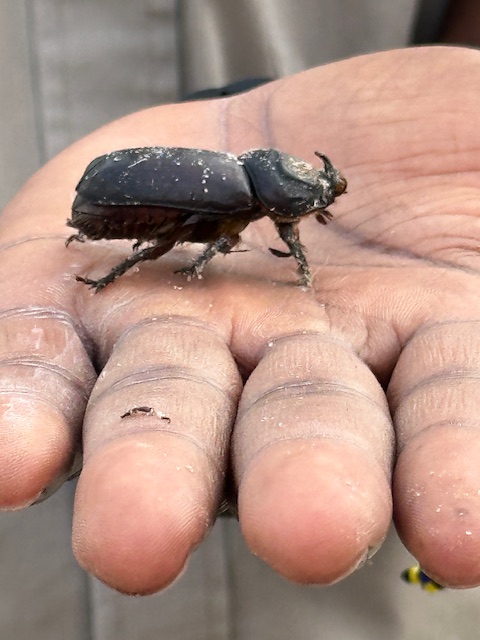
Did you know that there’s a group called the “little five” that match their larger counterparts in Africa? The little 5 are: antlion ( we saw the hole where they capture prey), buffalo weaver, elephant shrew, leopard tortoise and this guy—a rhinoceros beetle.

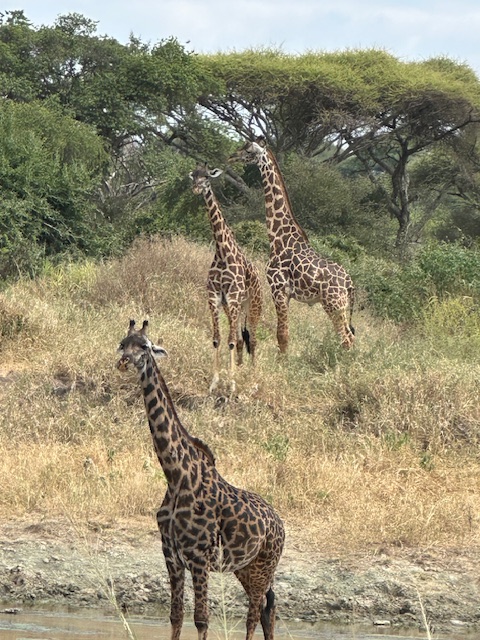
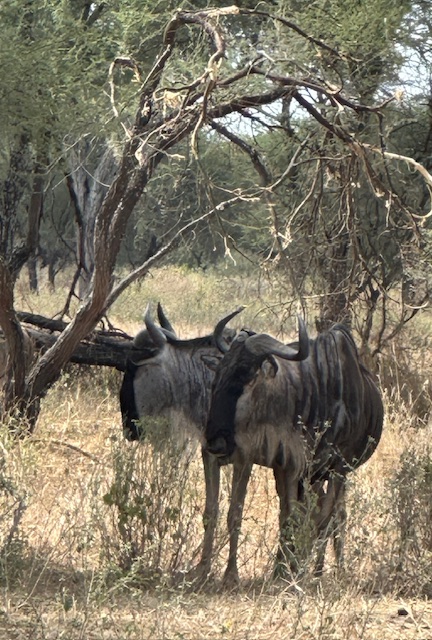
This was the first safari day in Tarangire, yet we saw 4 of the big 5 (Hang on for the Leopard later in the Sarengeti.) A group of giraffes is called ” A TOWER “. ( It’s true!”) A group of Zebras is called “A DAZZLE!” You’re laughing by now, but the best one is a group of wildebeests–called “A CONFUSION”.

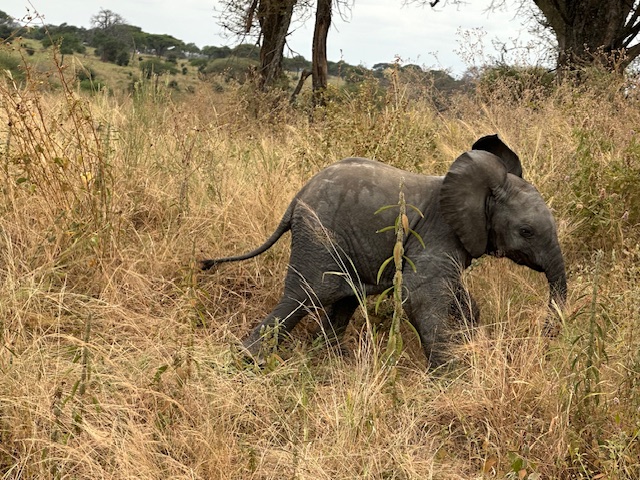
Would you be surprised to know that a group of elephants is a “MEMORY” or a “Parade.” Both work, I think.

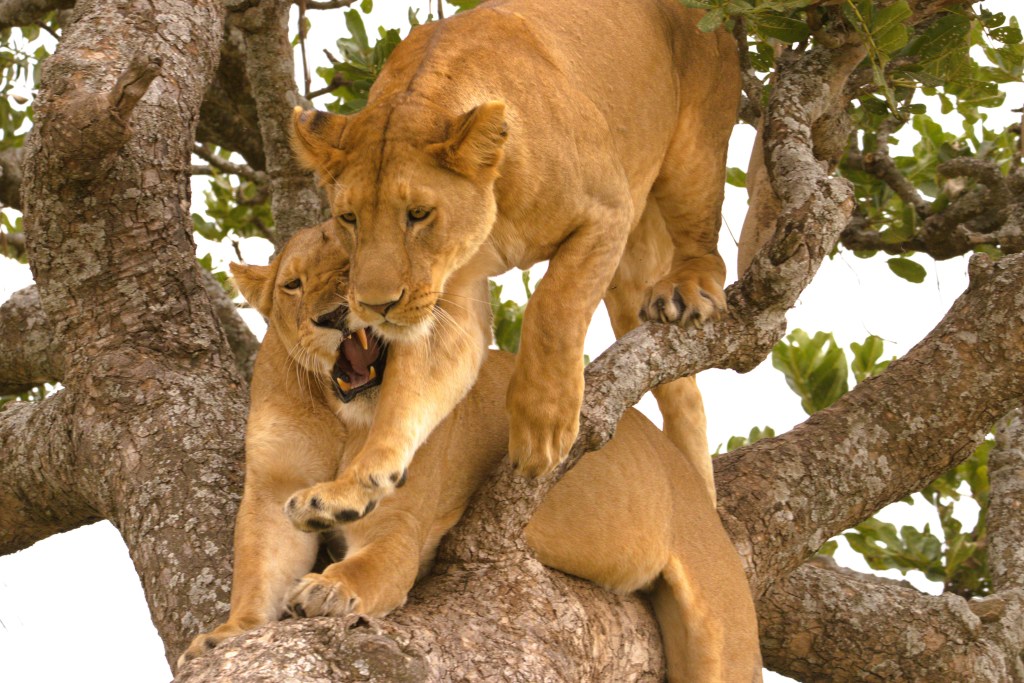
sibling shinanigans
My favorite video!

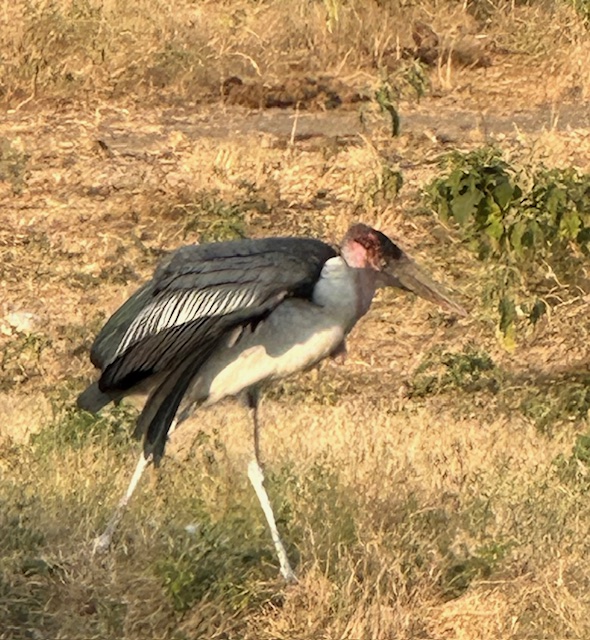
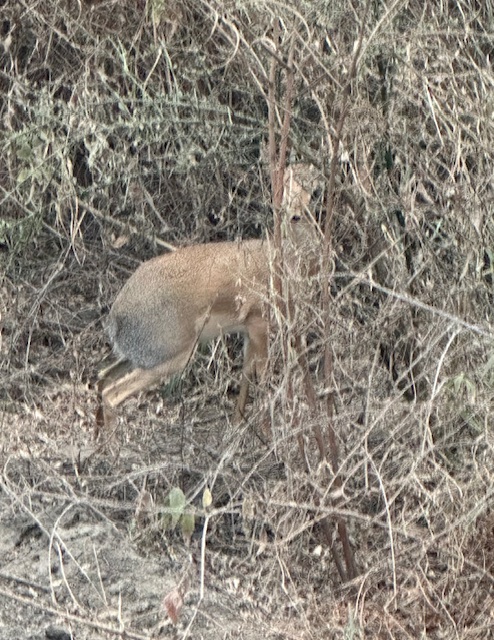
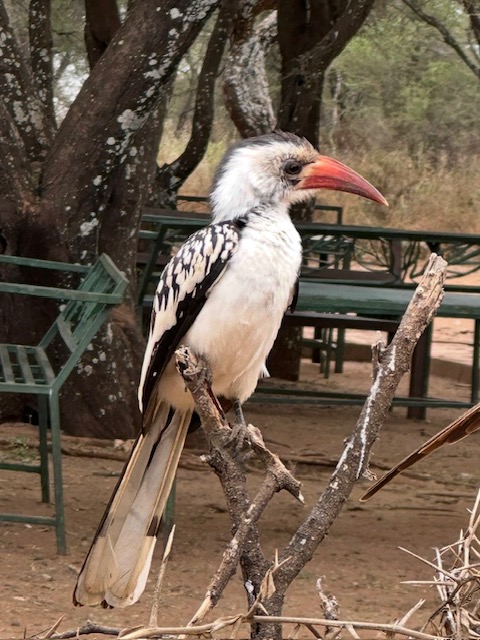
We saw a multitude of birds and animals–these are just a few checked off the list.

I’ve never seen so many lesser and greater flamingoes in one place. This group of Flamengoes is called ” a flamboyance”!

View on a culture, from a window seat

Tanzania, once named Tanganyika, was ruled by Germans until after WW1 and rule changed to Great Britian. By 1964, independence was attained and Tanzania was formed by the unification of Tanganyika with the tiny spice island of Zanzabar. ( TAN is for Tanzania. Za is for Zanzabar and NIA means “unifed”)

Why unify, especially when Zanzabar is in right field from the rest of the country? The answer is that Zanzabar didn’t have an army and they were worried about the warring countries surrounding them. infact, all of Tanzania was surrounded by trouble from the Congo, to Uganda, and by Kenya to the North. Somehow, they are mostly a peaceful country that has accepted war-torn refugees and might be the African equivalent of Switzerland.
The flag of Tanzania is a reflection of the country today.

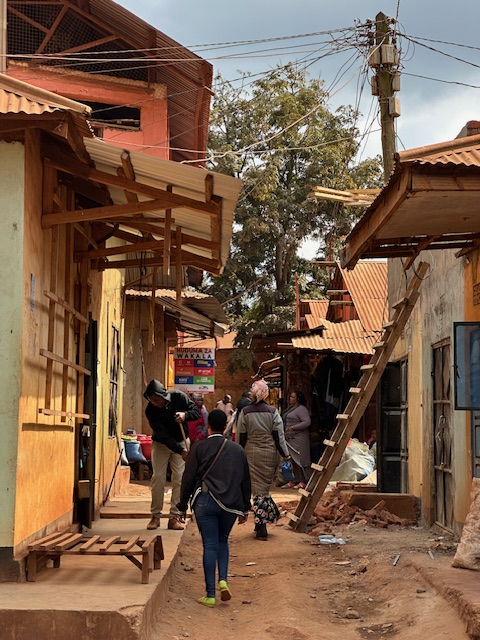
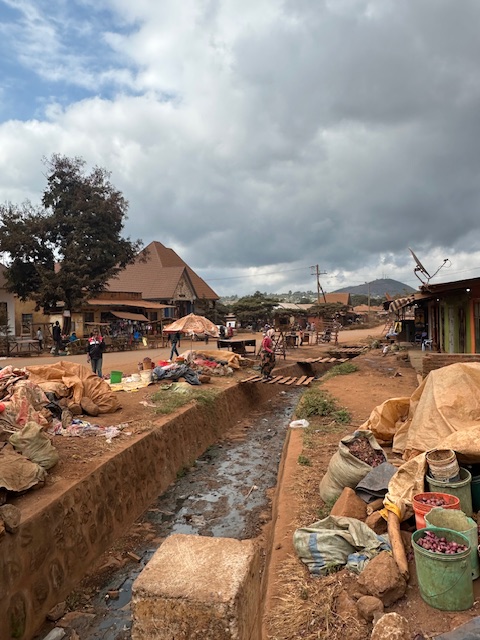
BLACK represents the majority of the people. There are over 120 tribles and languages but the common language since independence is Swahilli. The majority of rural areas are agriculture based and herding of cattle and goats. Frequent drought affects quality of food for consumption. Everything is sown and harvested by hand. Only 7% of homes in rural areas have electricity and 40% of the population lives in poverty. School is compulsory for ages 5-20, and parents can be fined if kiddos dont attend. I was heartened to be in a Masai family compound and found a chemistry book laying on a bed in a round mudbaked hut. Education will eventually change the rural dynamic as children leave for better jobs and opportunities. Hopefully, some will come back with better ways to make a living. Culture will change when farmers don’t need multiple wives and many children to work.

GREEN represents Tanzania’s abundant nature. 40% of the country is protected under wildlife sanctuaries and National Parks. Tarangire National Park leads to Ngorongoro Crater Conservation Area, leading west to Serengeti National Park and Lake Victoria. This forms an immense animal corridor for safe migration. Agriculture is also huge, especially in the rich volcanic soils where 24-29% gdp is produced.

YELLOW represents Tanzania’s mineral deposits. They are third in Gold production and Tanzanite gem stones are only found here. Coal, uranium, natural gas, copper, diamonds, iron ore,cobalt, nickel and graphite are also sourced. Foreign mining companies are held at bay with many restrictions including joint venture with local entities to operate and revenue sharing.

Tanzanite is one of the most beautiful gems found only in Tanzania

BLUE represents Tanzania’s lakes–3 are the largest in the world. (Lake Victoria is the begining of the Nile, Lake Tanganiyika and Lake Malawi). The potential for irrigation use is significant, but currently only small farmers use flood irrigation methods. This will change in the future as experts from Israel are working with the government. Drought continues to be a proplem for crops that must survive the dry season.

July is the begining of the dry season in the Serengeti. Choking dust and dying grass are reasons for animals.to migrate to fresh water and better grazing lands. Did you know that migration goes on all year long? For some reason, I thought only Wildebeasts moved, but that isn’t true. Add to the list: Elephants Zeebras, Elands, Oryxes, and Gazelles.

Kyoto–Part 2–Todaiju Temple, Fushimi Inari Shrine, Geisha district and Nishiki Market

Todaiju Temple:

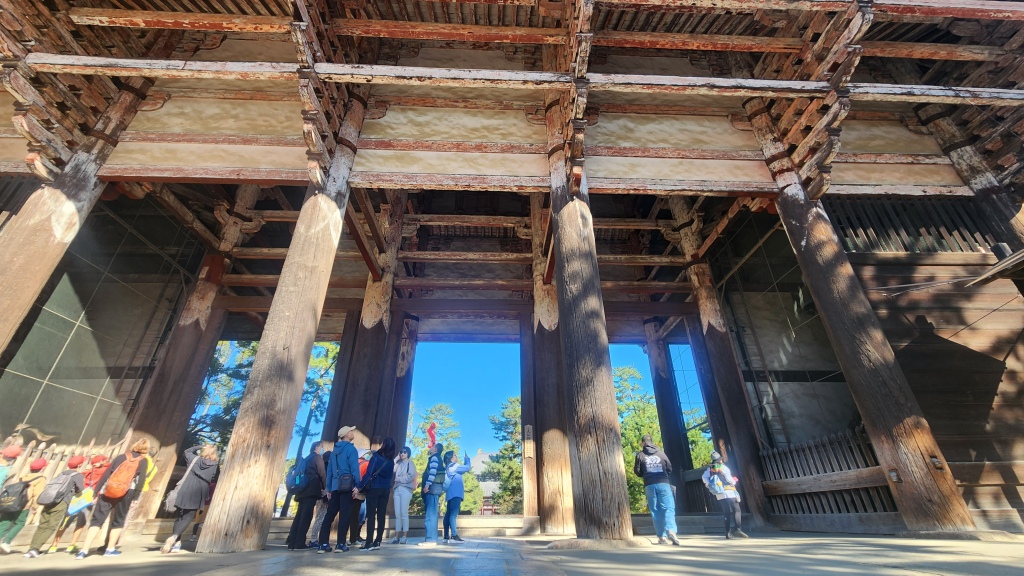
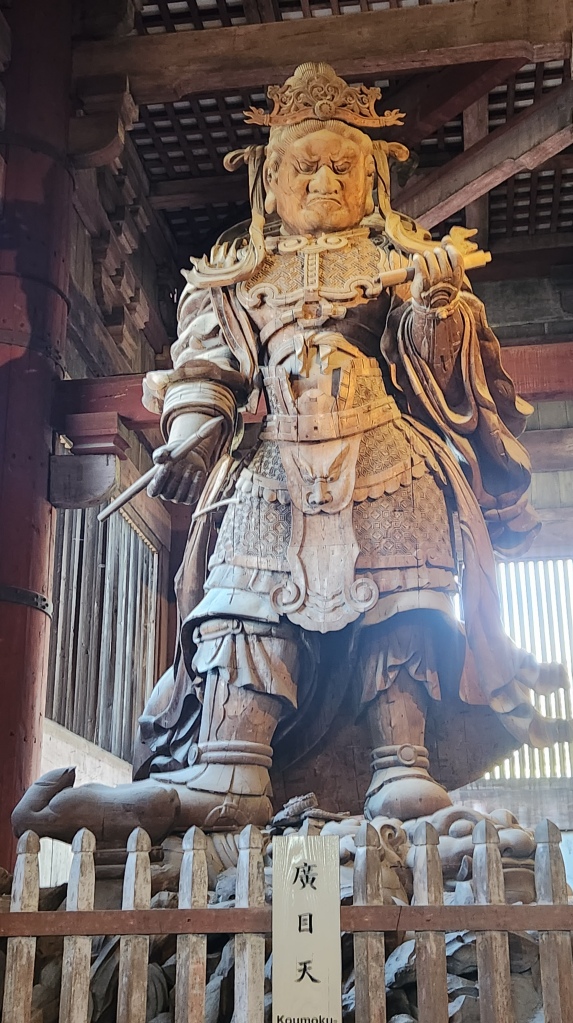
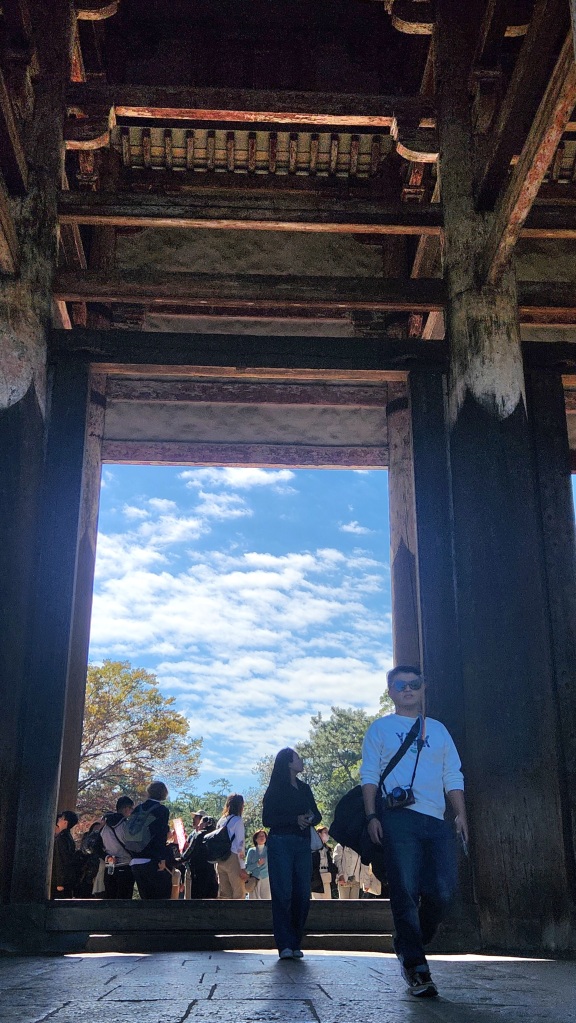
The huge south gate is the main entrance to the temple, built in the Chinese style of the 12th century with a hip and gable roof. Eighteen giant pillars support the roof. Two statues of guardian dieties ( named Todai-ji or two kings) are on either side. The gate is quite impressive and I wasn’t surprised to learn that it’s the largest in Japan.

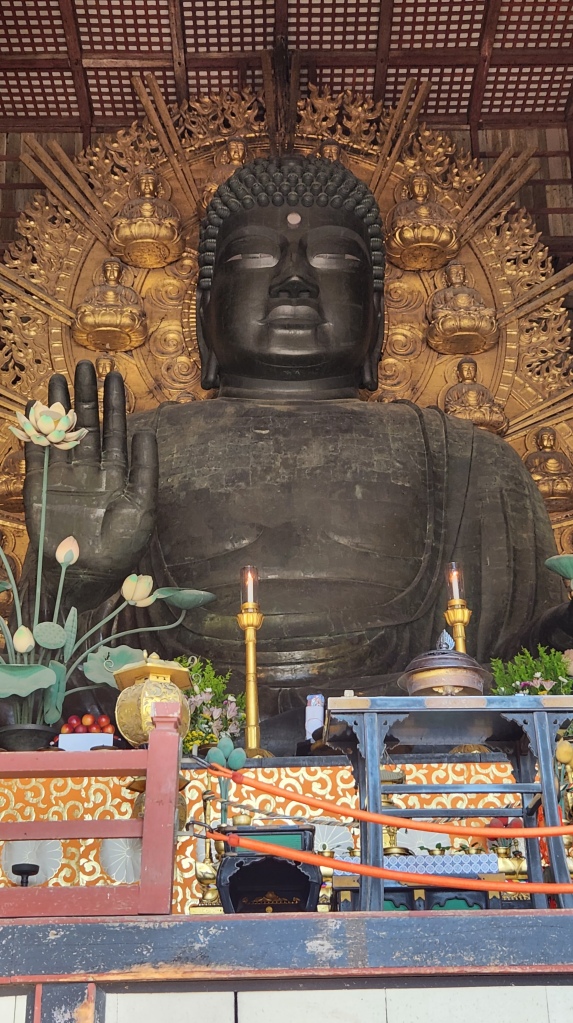
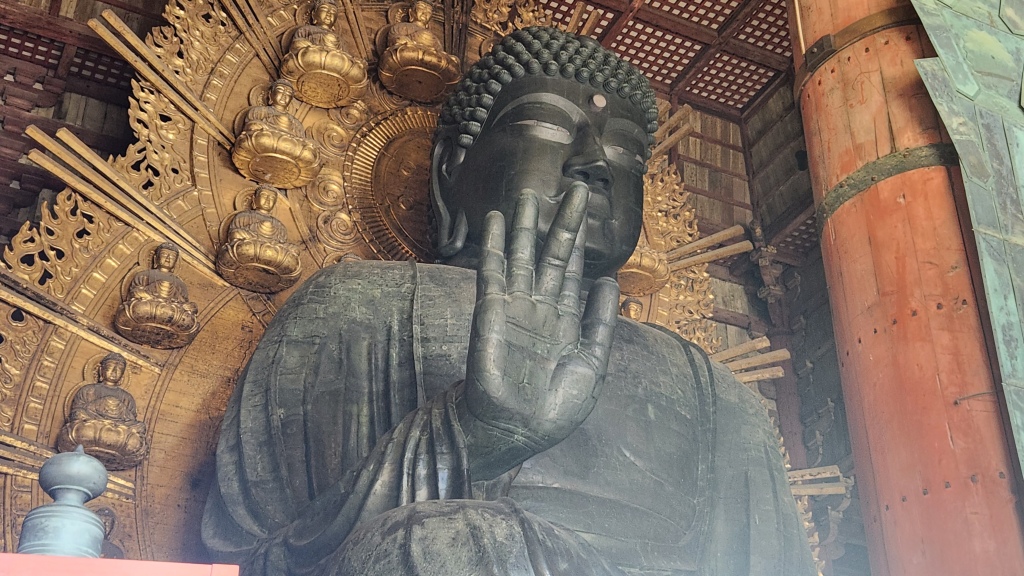
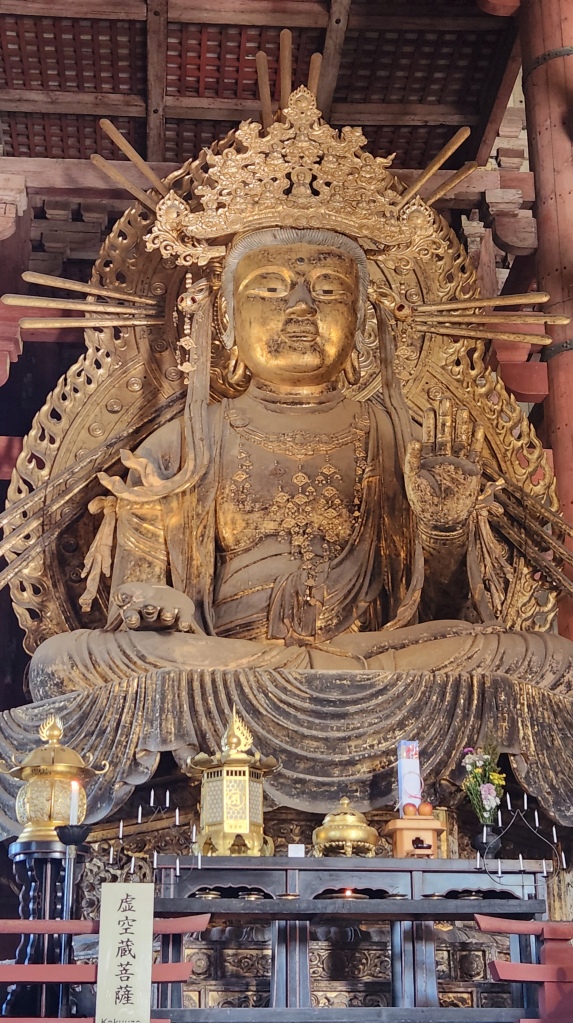
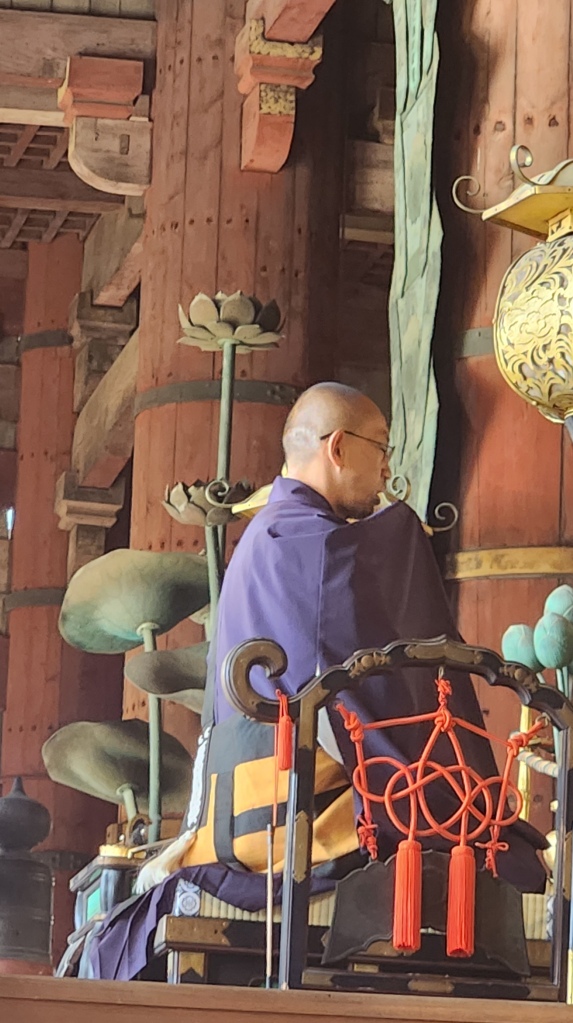
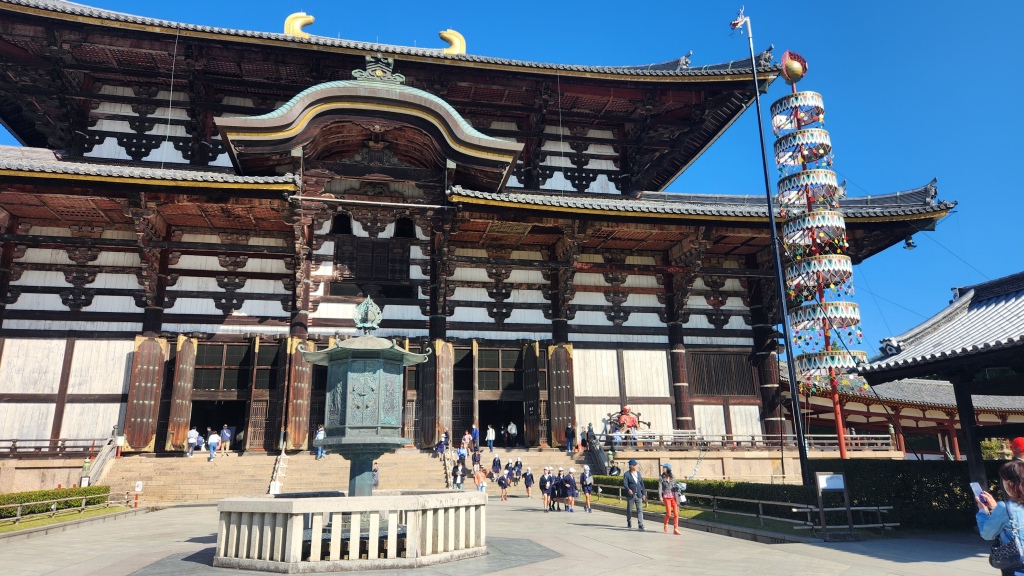
The Great Buddha hall ( 749 A.D.) is the largest wood building in the world. It burned twice–1180 and 1567. The height and depth of this building matches the origional, but it’s a bit smaller in length since funds were limited. The seated Buddha of light, knowledge and compassion is named Vairocana Buddha and He is fifty-two feet high. His teachings and mission are to save all living things, so when you walk around you’ll see insects and lotus pedals which remind the faithful that no person lives an isolated existense. Everything living dependents upon each other.

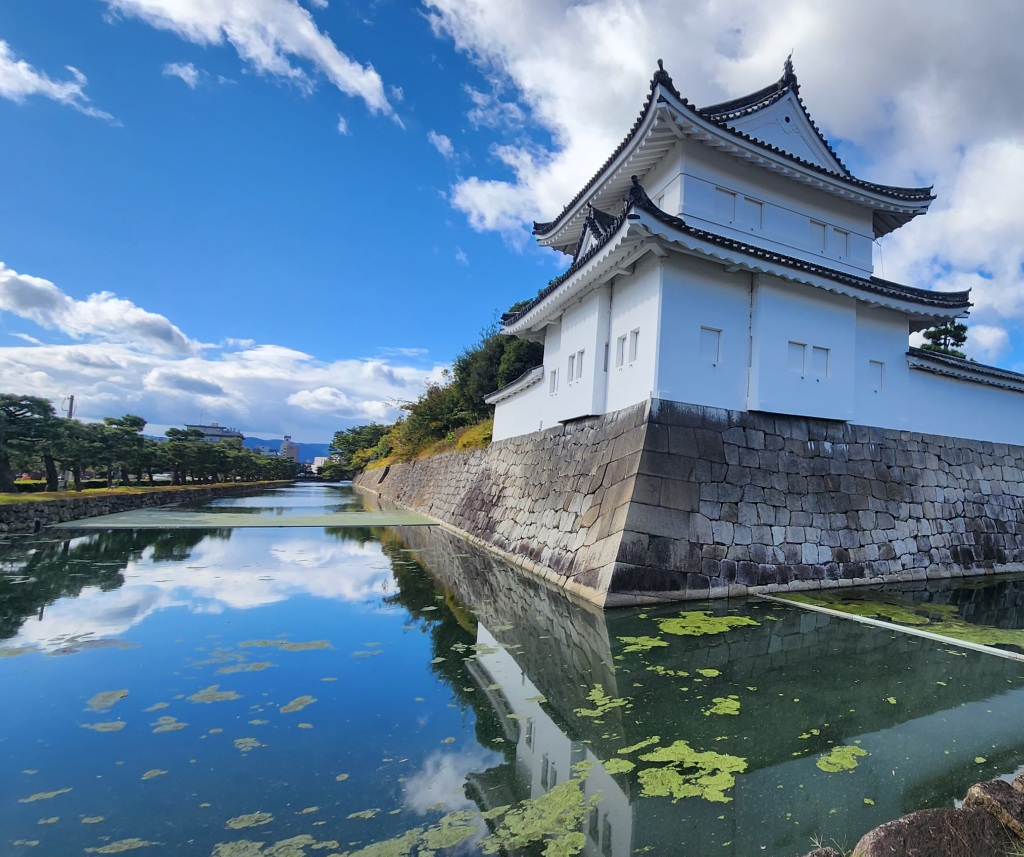
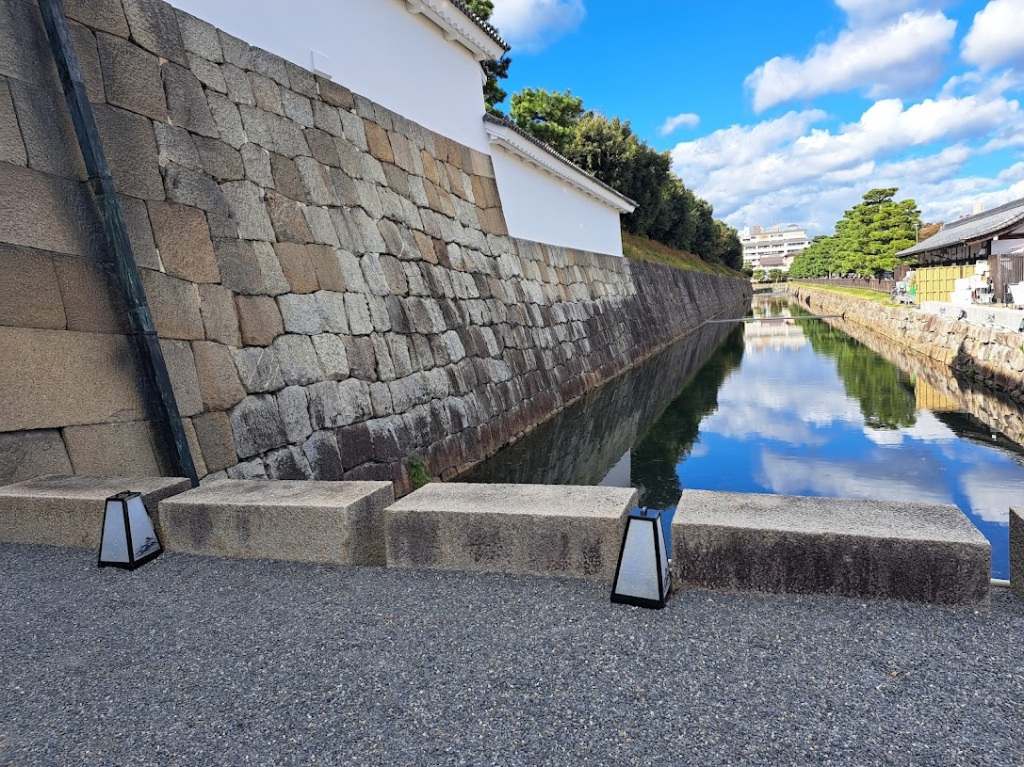
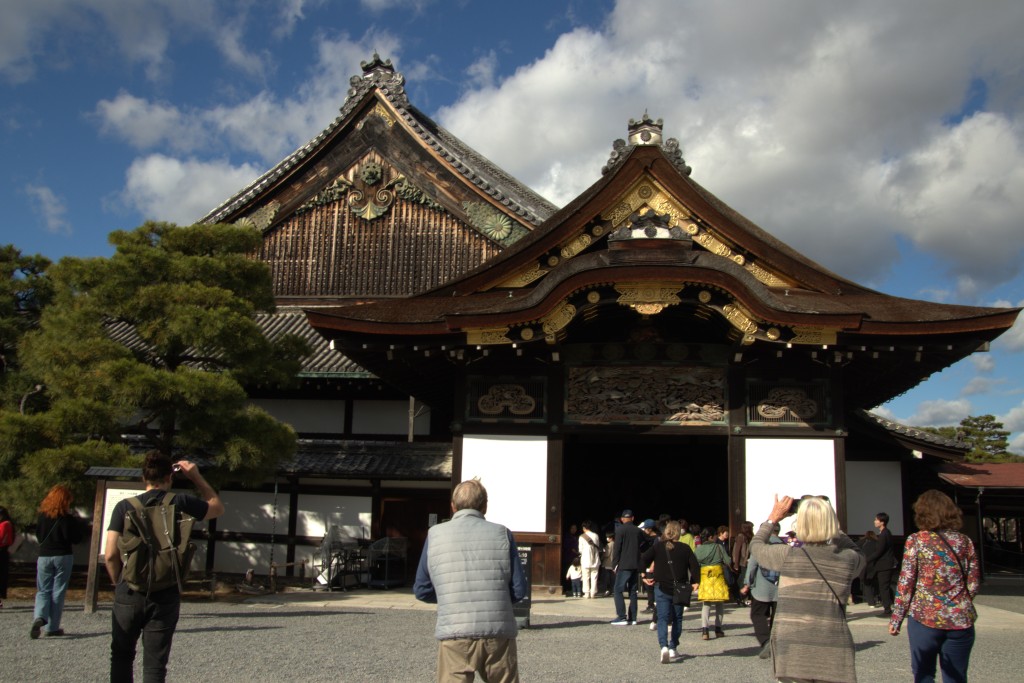
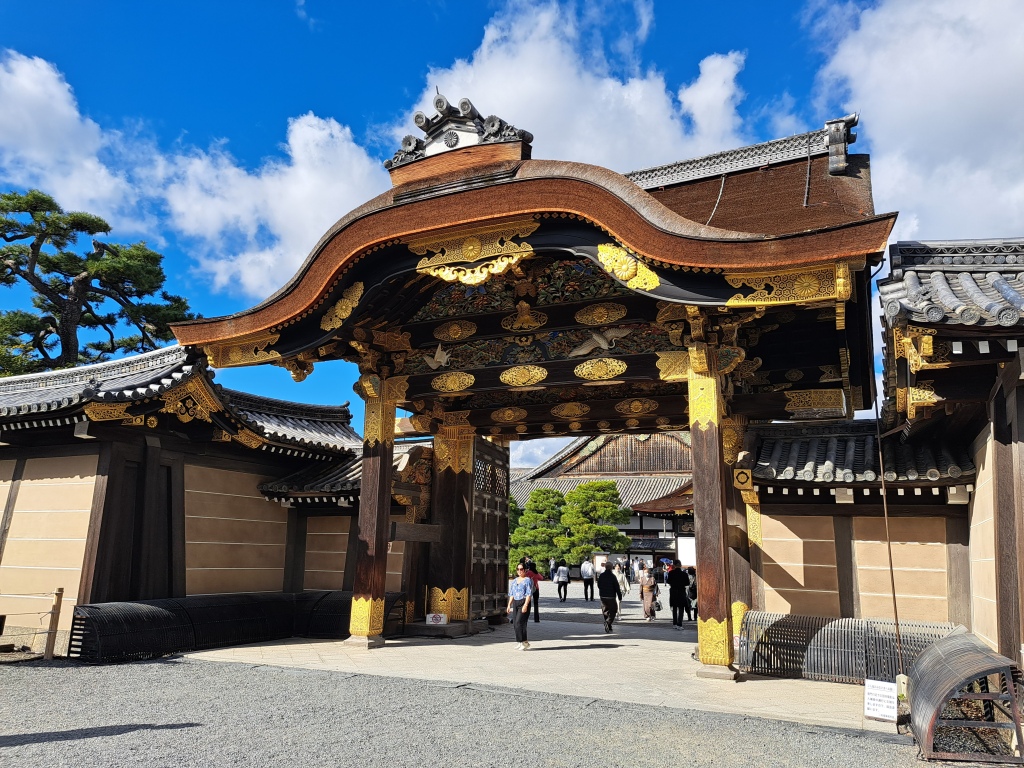
IMPERIAL PALACE–NIJO-J0 CASTLE

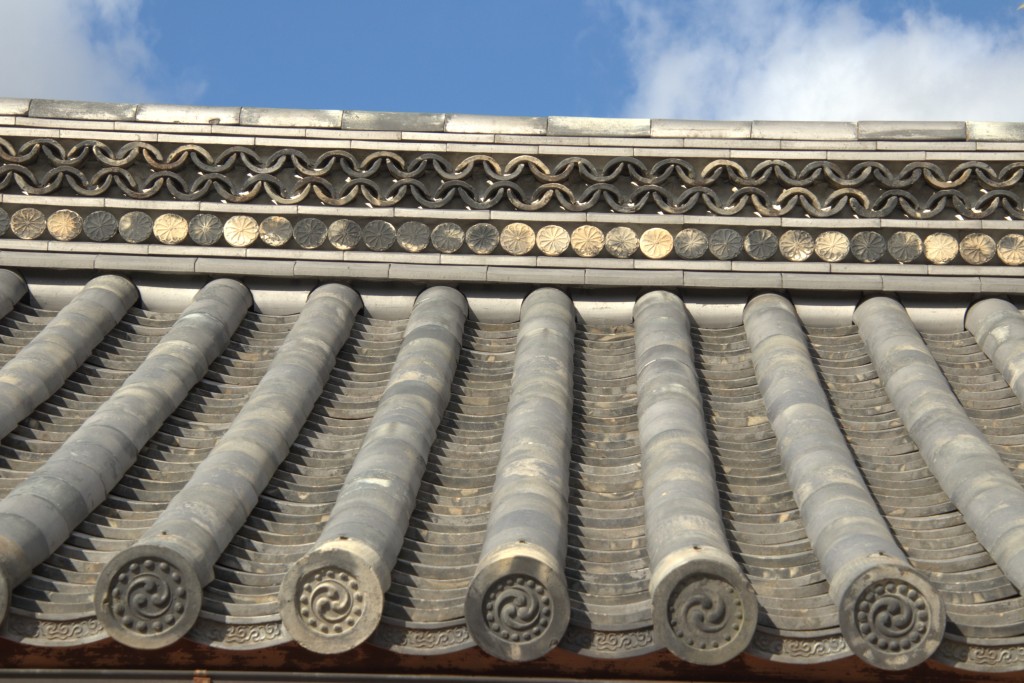
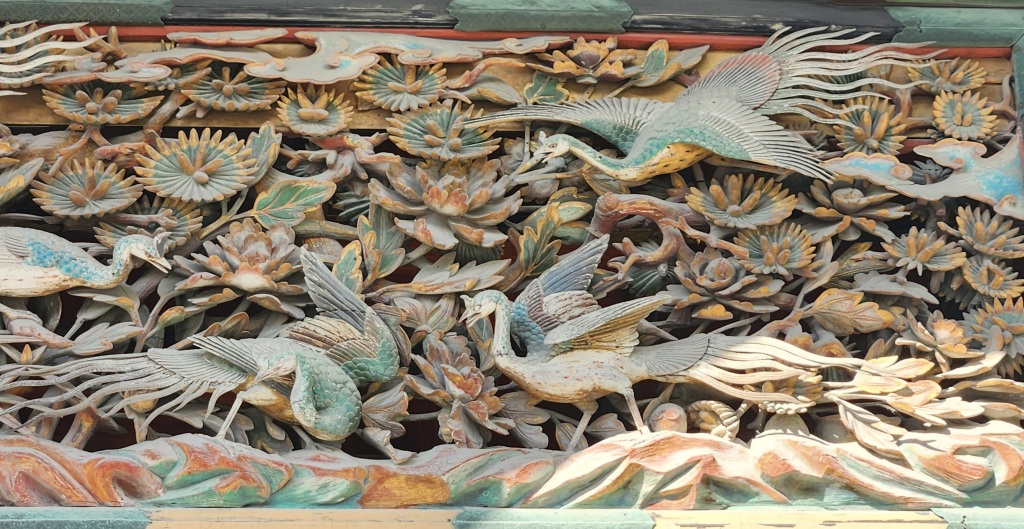
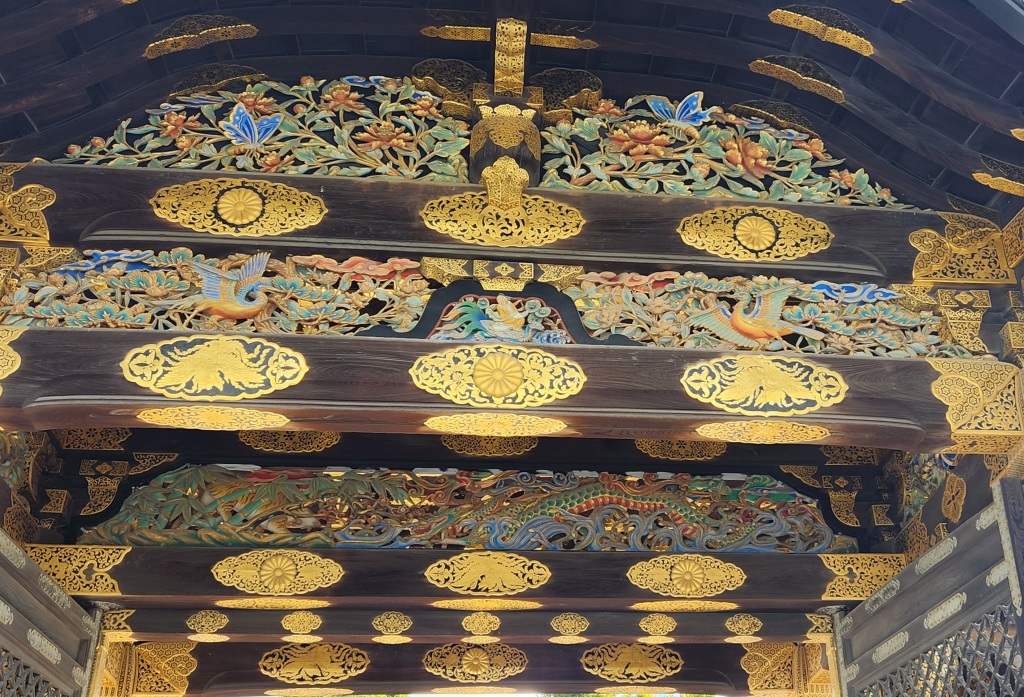
Construction was ccompleted on the palace in 1603 for the Shogun Ieyasu Tokugawa. One of the daughters of the 2nd Shogun became the consort of the emperor in 1620, creating a circle of power. In 1867, the feudal system and Japan’s 200 years of isolation from the world changed. The Shogun turned the castle over to Emperor Nijo as an imperial villa in 1867. His corronation occured here in 1915 and the main banquet hall was added as well as the south gate. This became a UNESCO world heritage site in 1994. There are six connected buildings that zig-zag around 33 rooms. All are beautifully decorated with stylized tigers, hawks, leopards, pines and cherry blossoms or scenes from all four seasons. There’s a walkway in the palace called the Nightingale corridor that sounds like birds singing. This is caused by clamps moving against nails. No pictures allowed inside the palace.

Geisha District–Gion

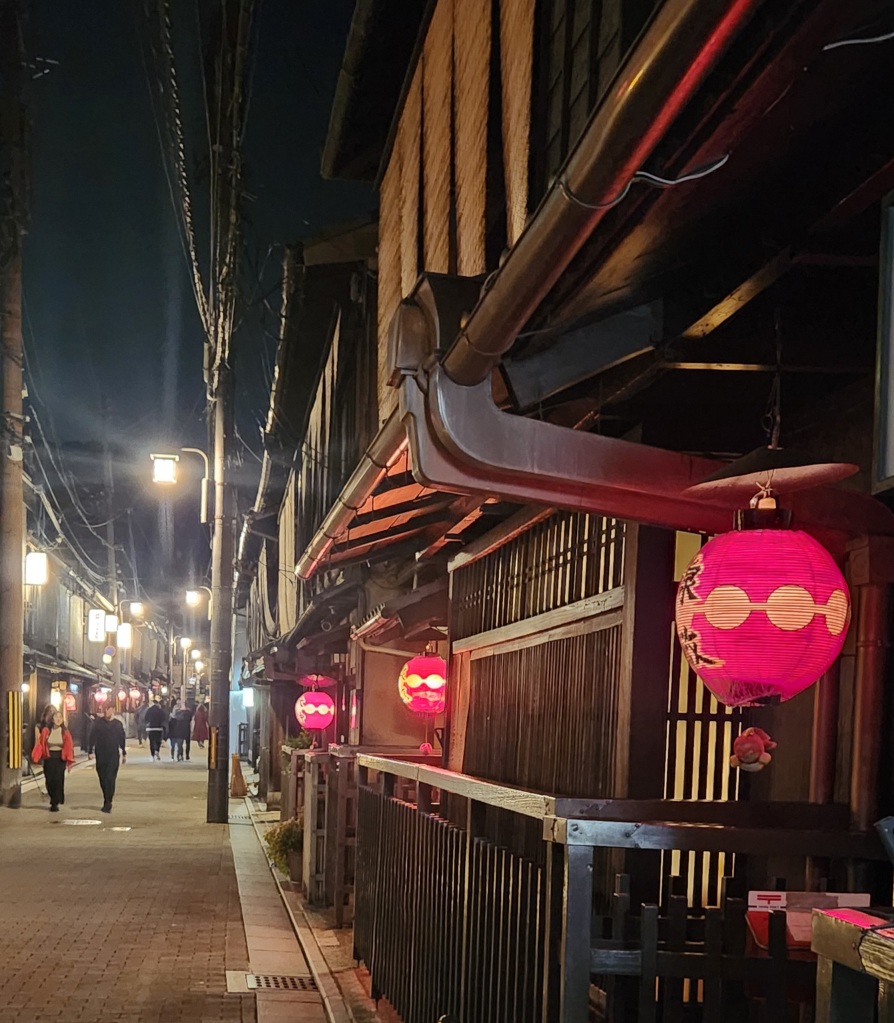
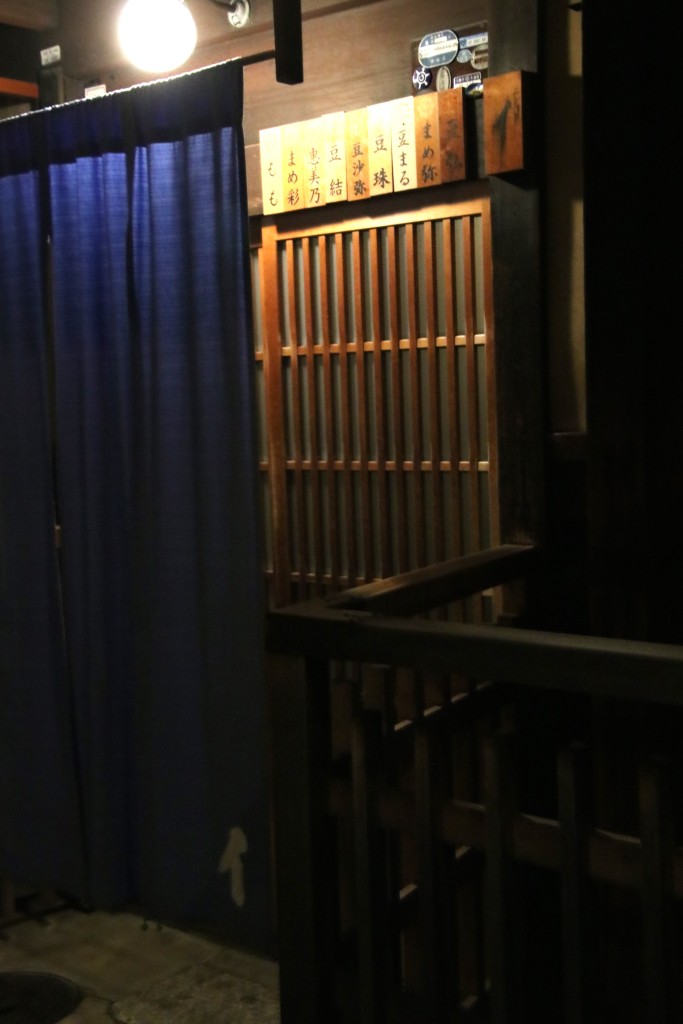
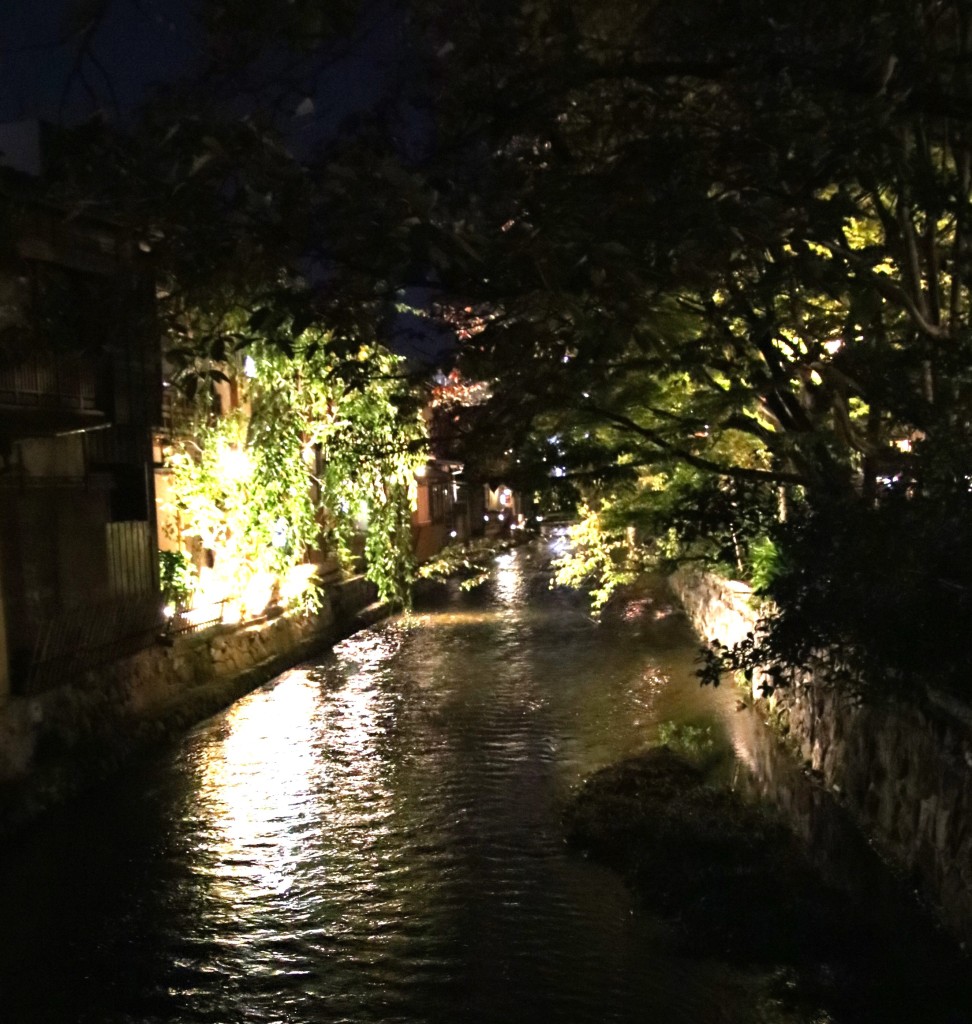
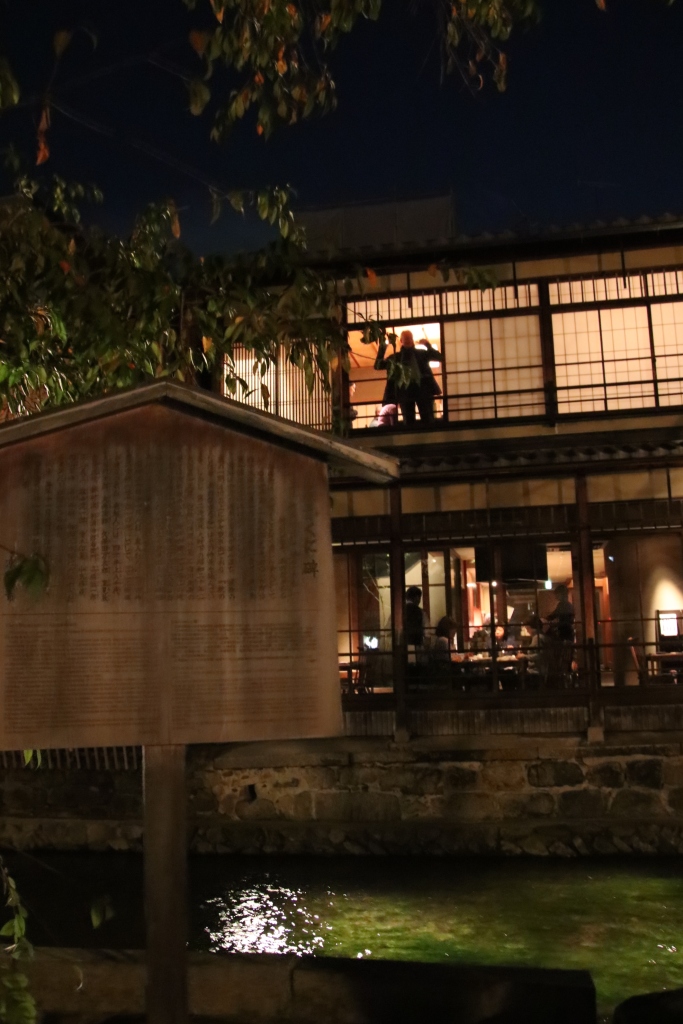
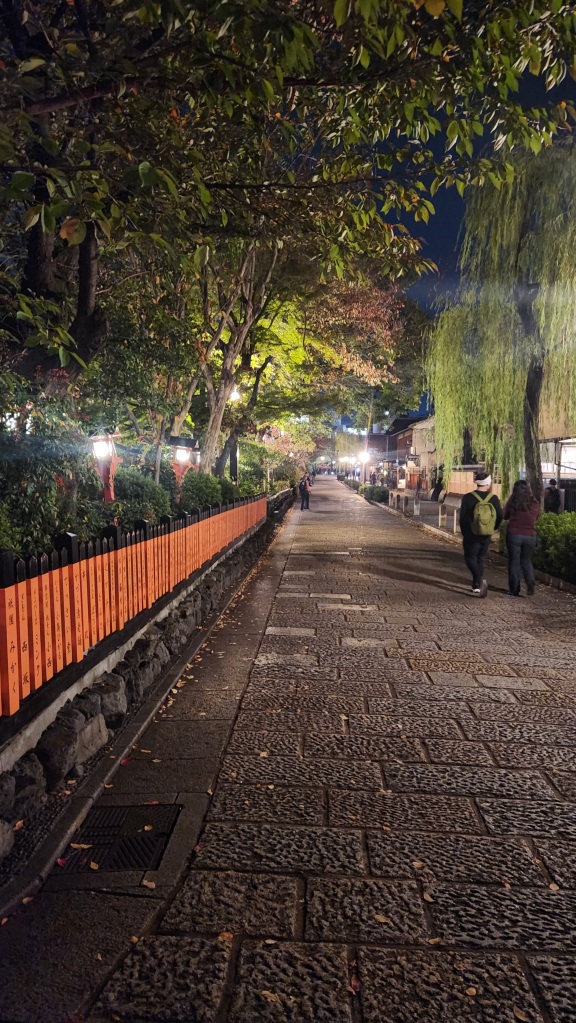
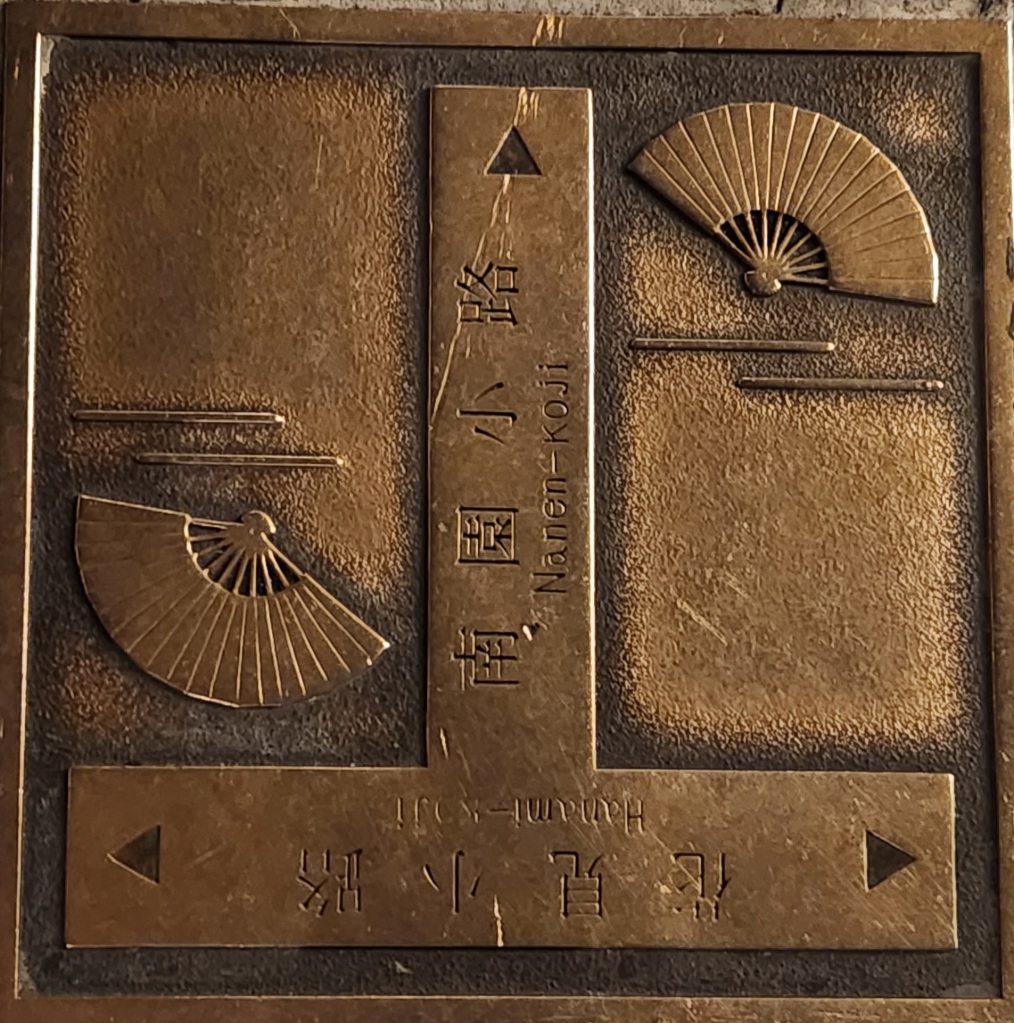
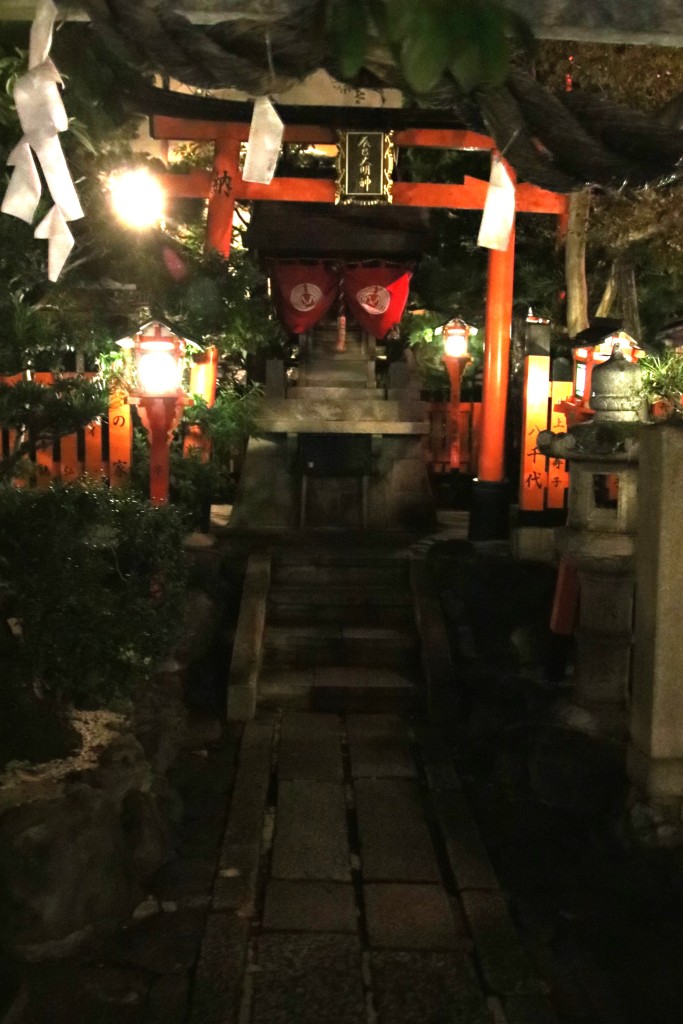
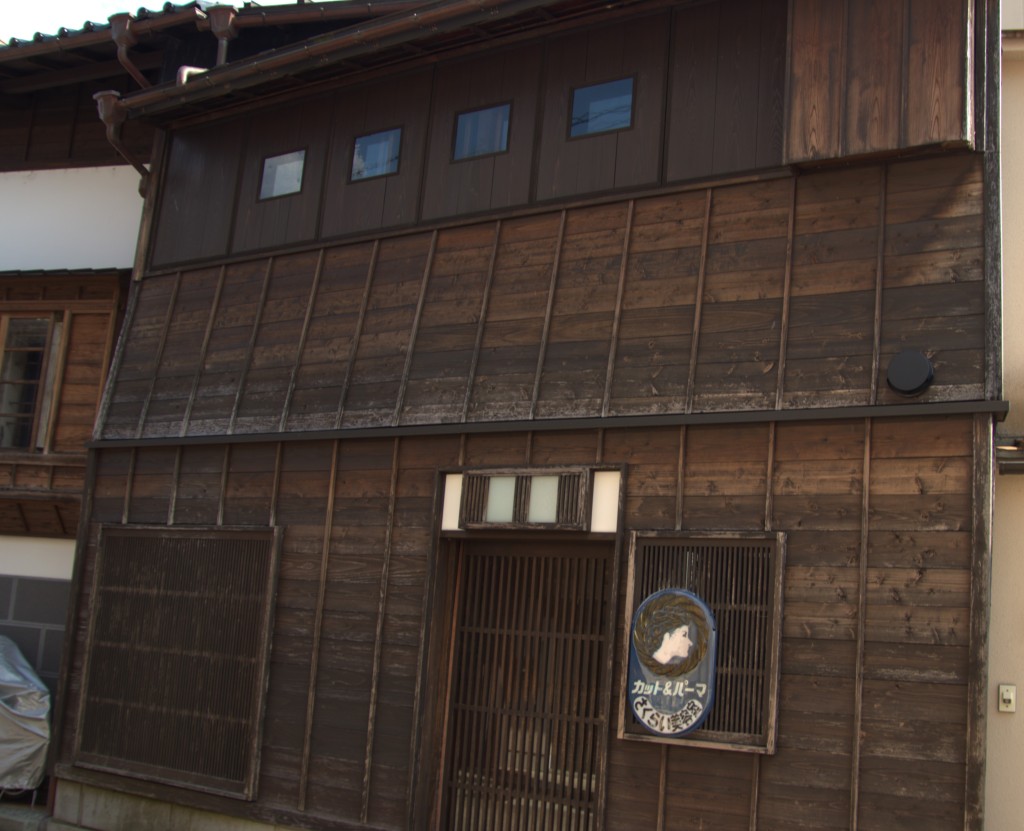
Gion is one out of five entertainment districts in Kyoto where you can walk past “okiya” houses where apprentice geishas ( Maiko) live with their mentors.Their wooden homes are called “Ochaya” and each girl has her own sign with her name at the door. The light is beautiful here at night and all was quiet as we wandered the narrow cobblestone streets lit by red lanterns.

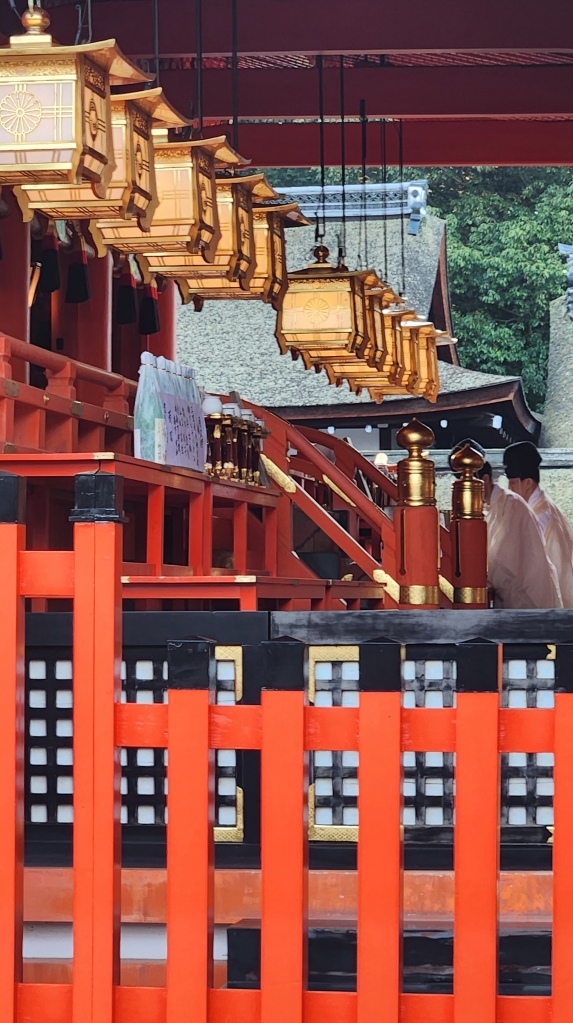
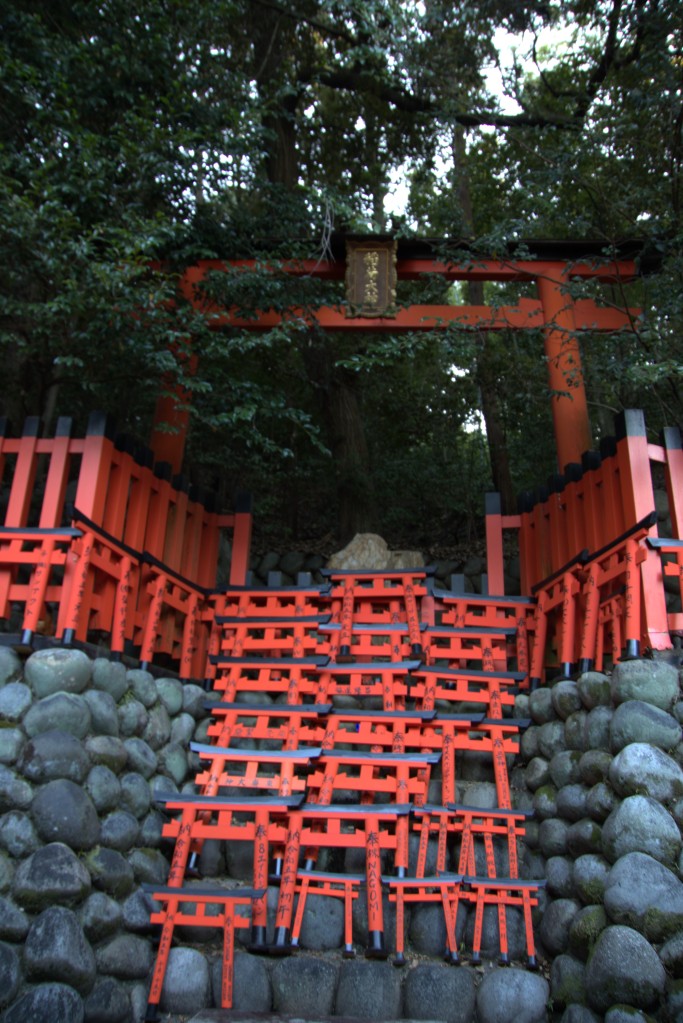
Fushimi Inari Shinto Shrine

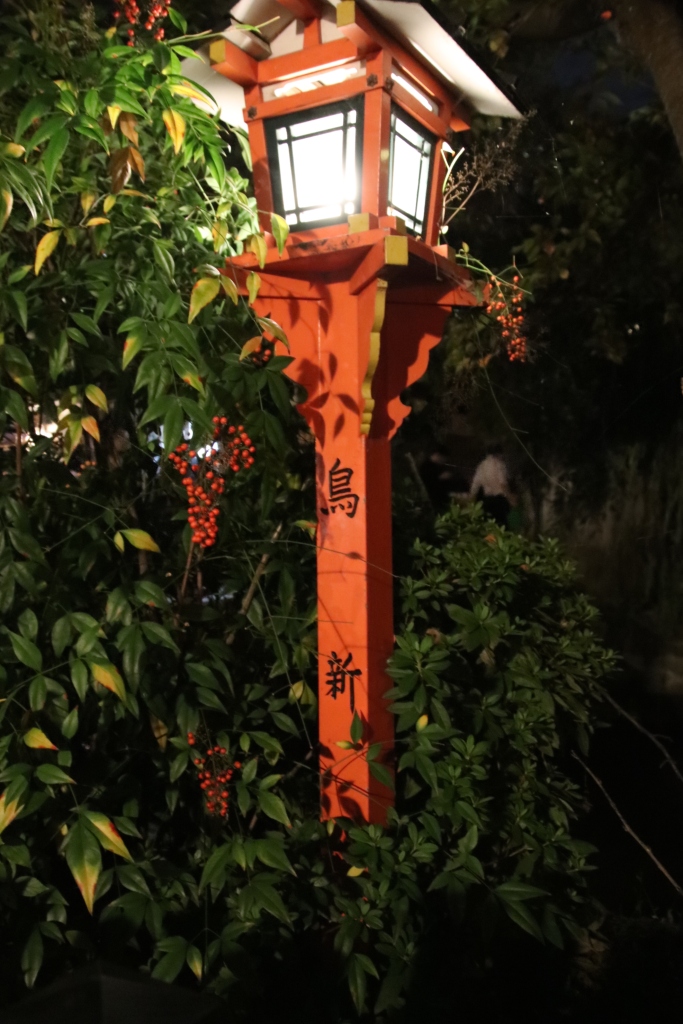
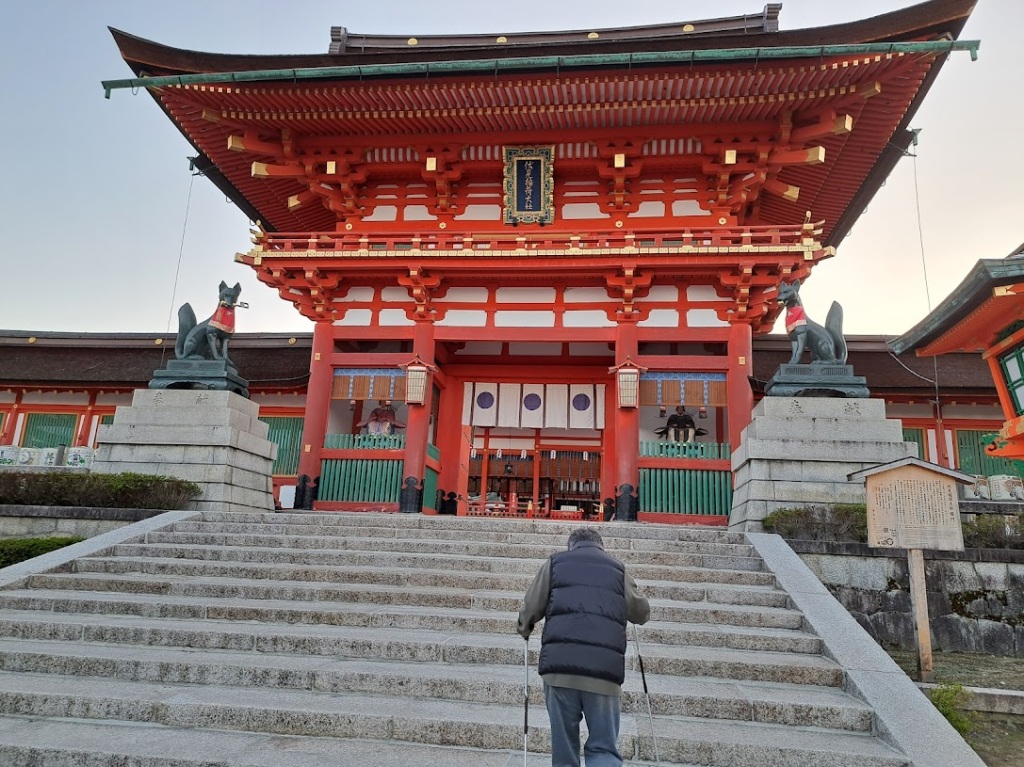
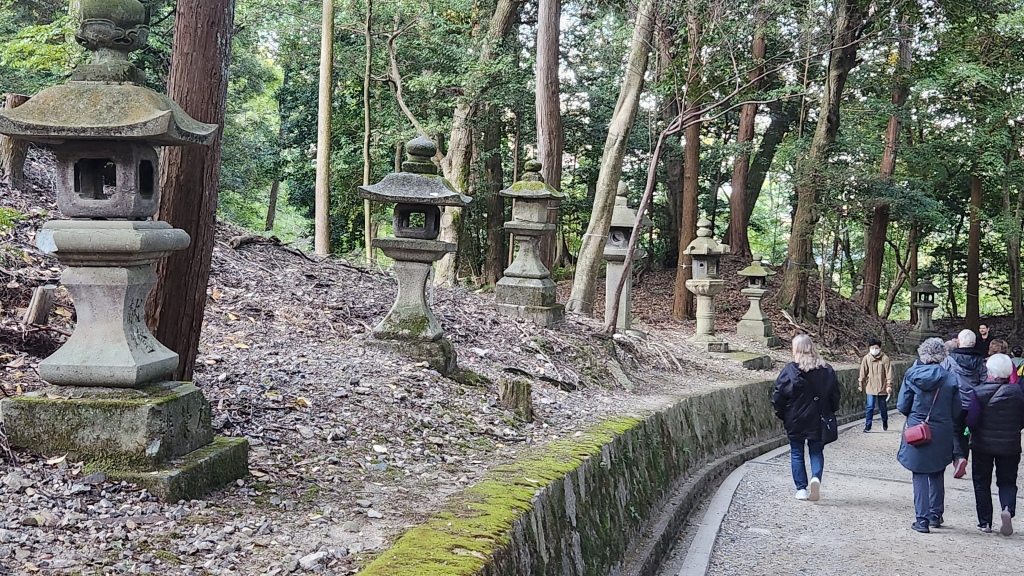
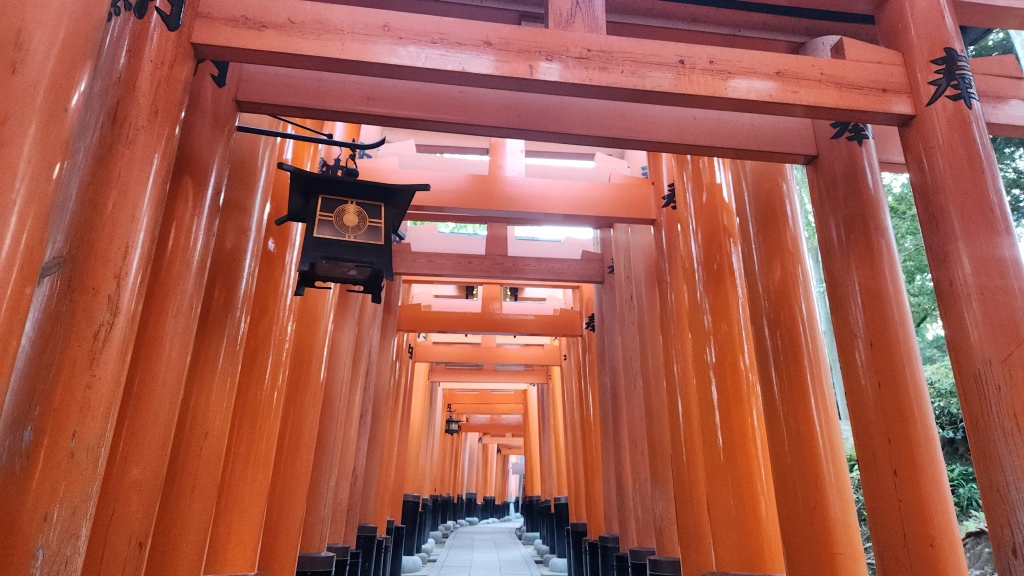
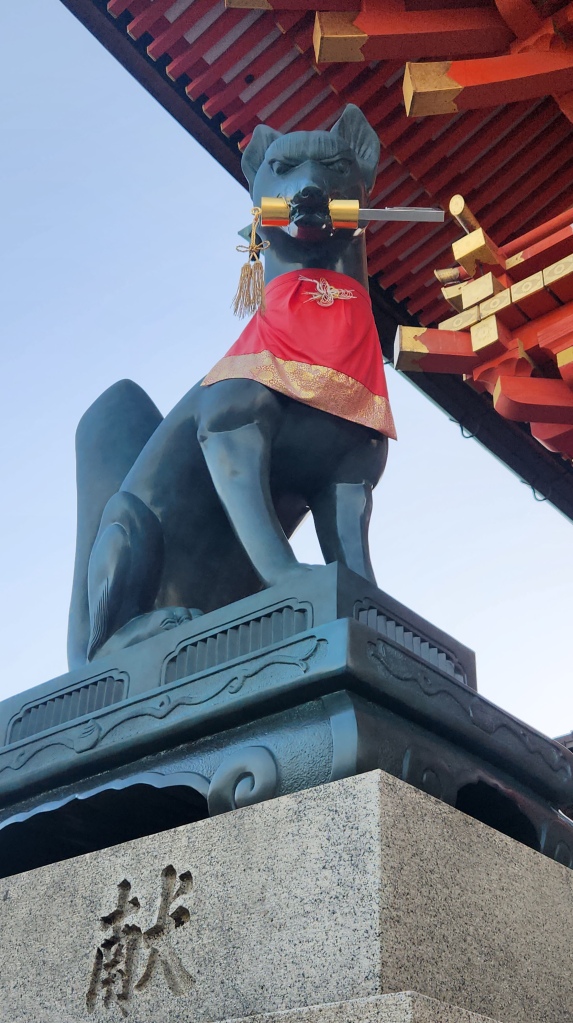
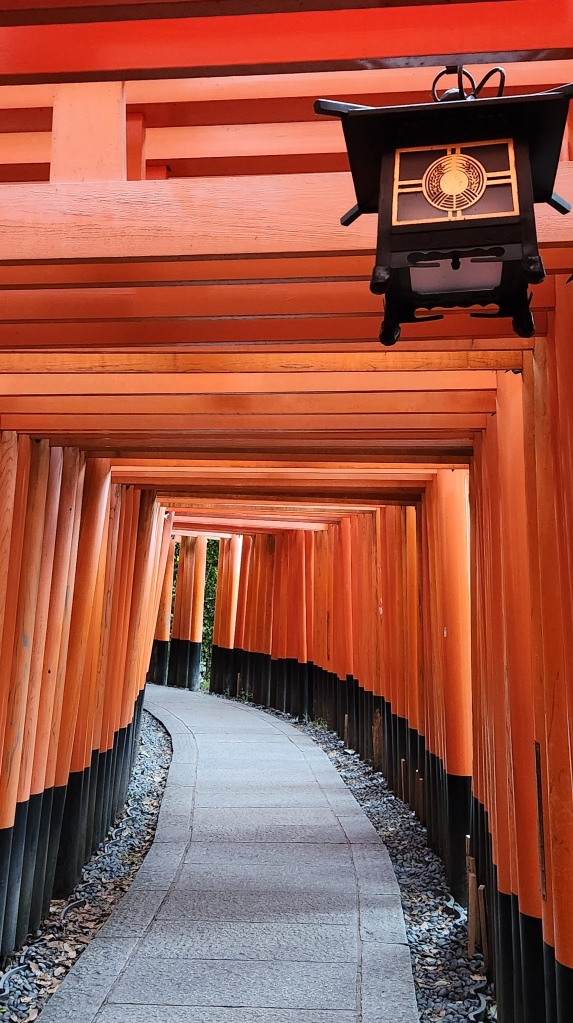
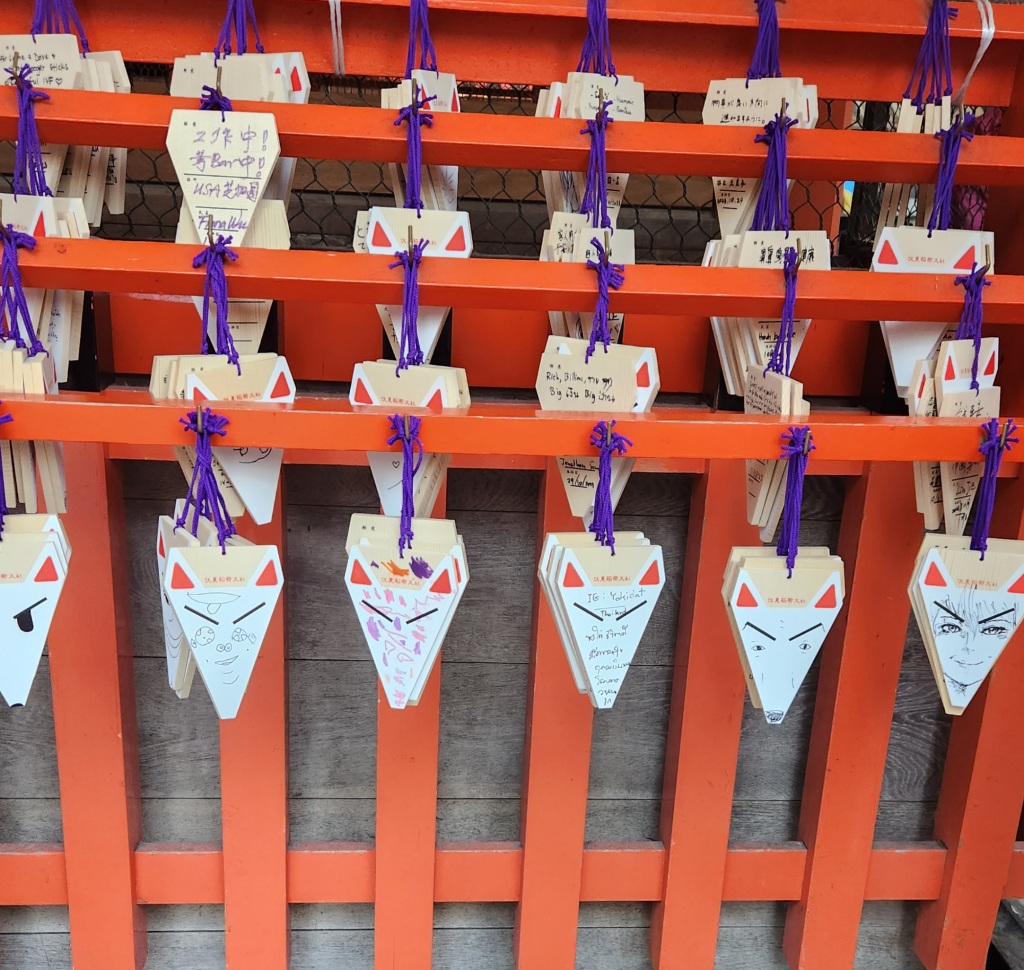
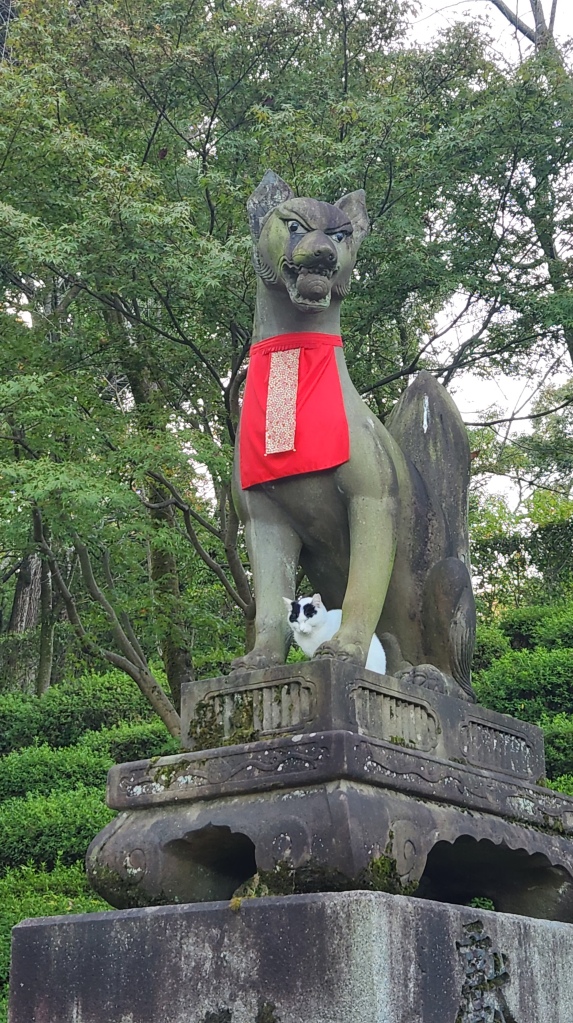
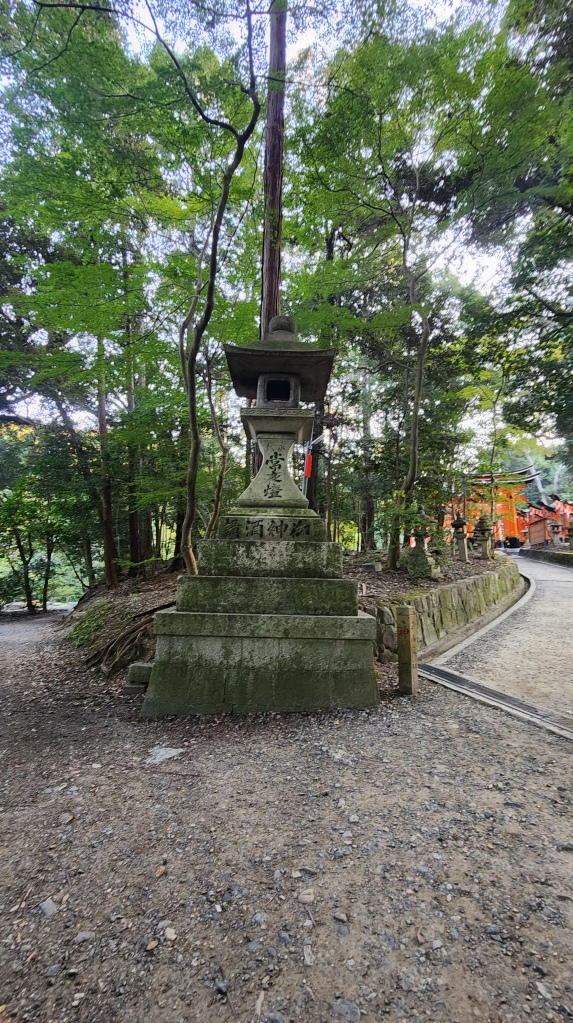
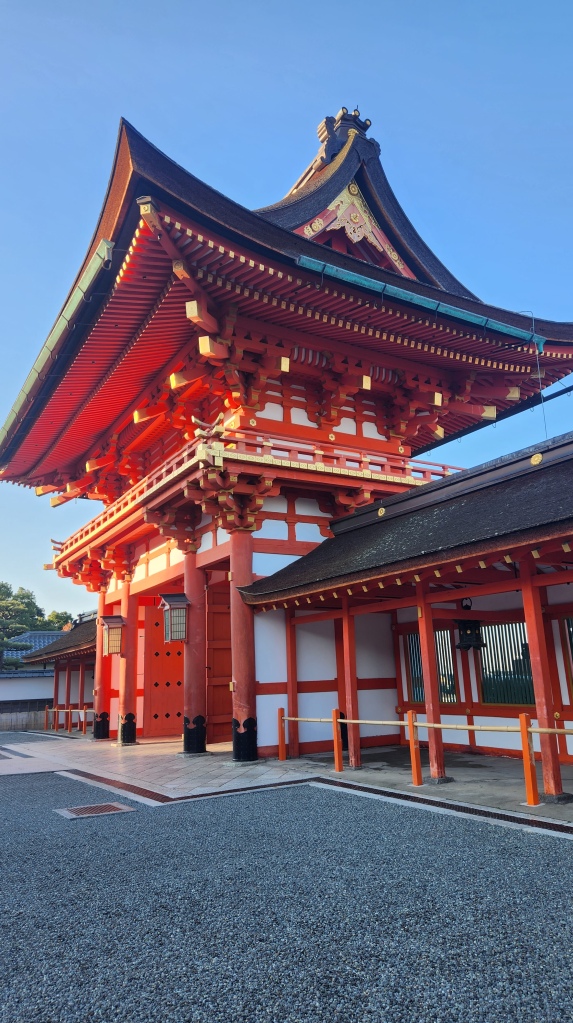
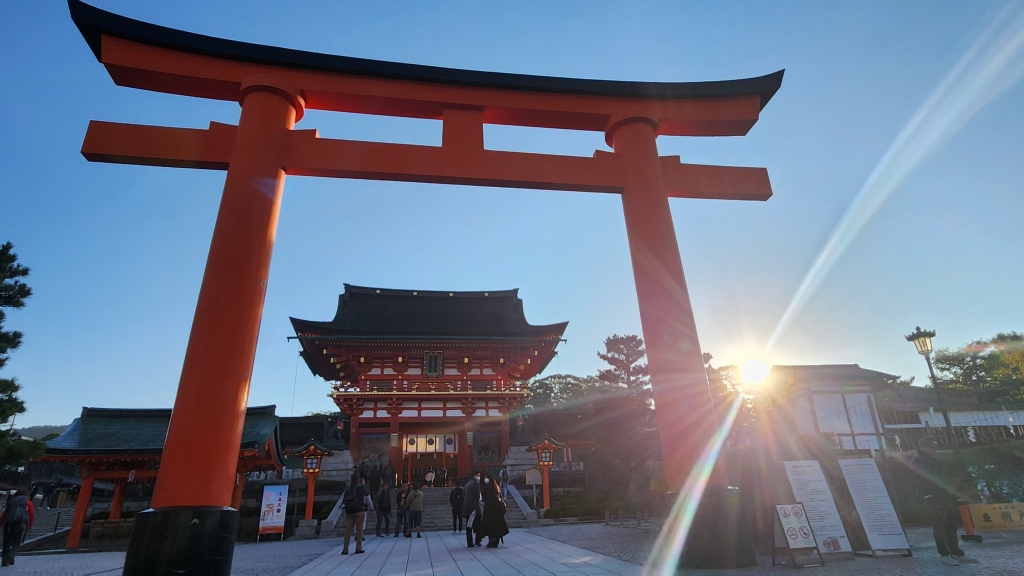
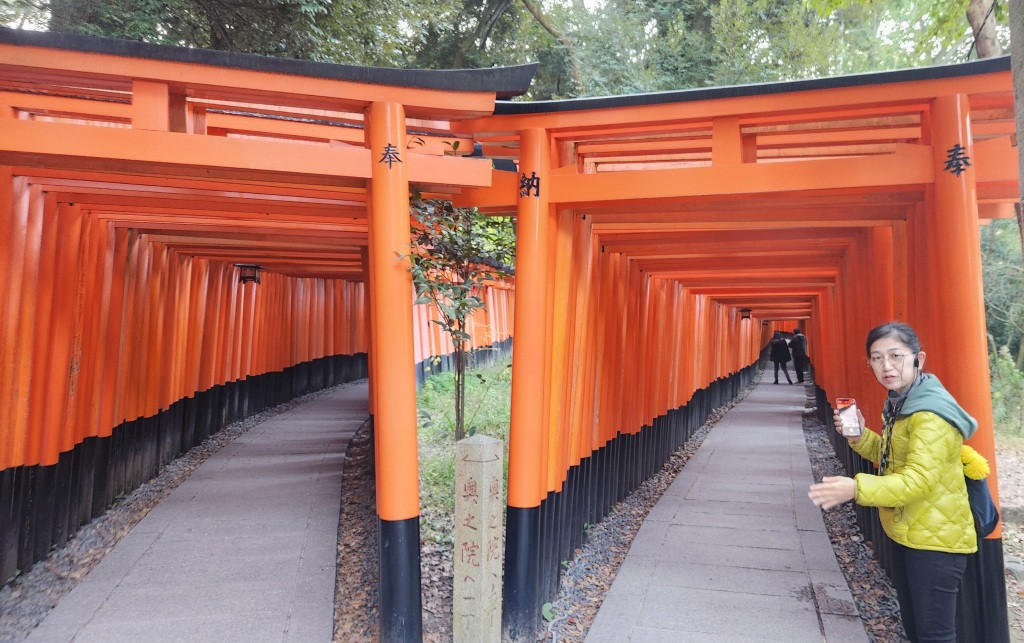
This shrine dedicated to the goddess of rice and commerce and the god Inari was founded in 711 A.D. Think about how Europeans lived in that same timeframe to knock your socks off about this accomplishment. The many fox statues you see wandering the grounds are the god’s messengers. Many people pray here for safety, fullfillment of wishes and for prosperity. There are over 10,000 gates donated by benefactors and over 32,000 subgates called torii. Why are the gates this color red-orange? Vermillion is thought to protect against evil. This is a magical place with views of infinity. There’s a hike to the top of the mountain with smaller shrines but we didn’t have time (2 hours) to do it. There are two times to go for better photography–as the sun is rising or at night when the dimmly lit gates throw interesting shadows. I think this was my favorite shrine–I won’t bore you with the huge amount of pictures I took!

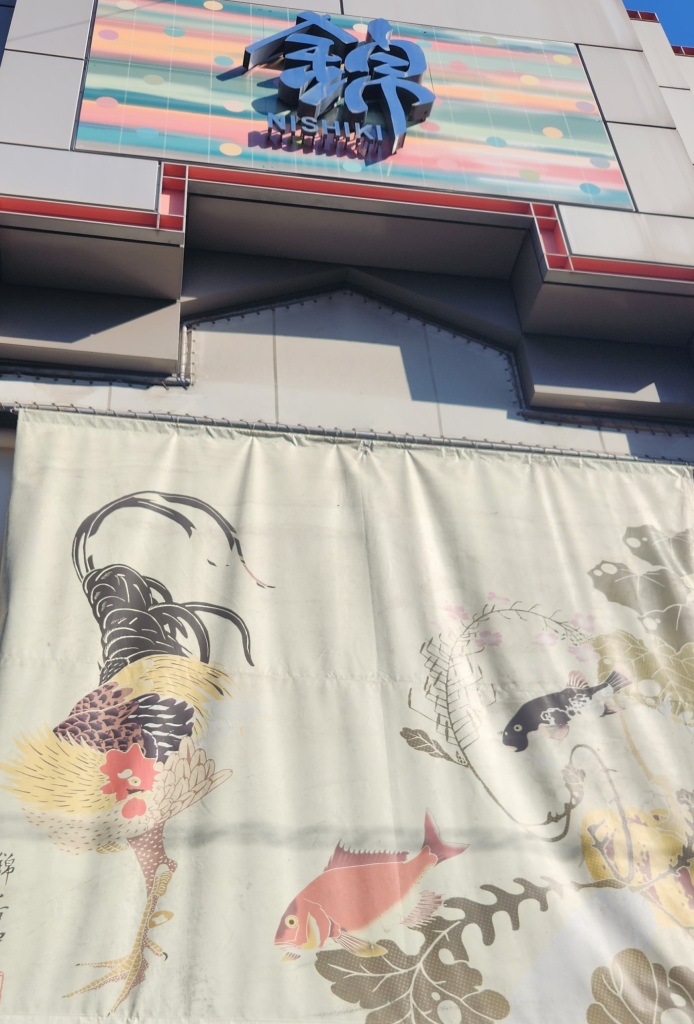
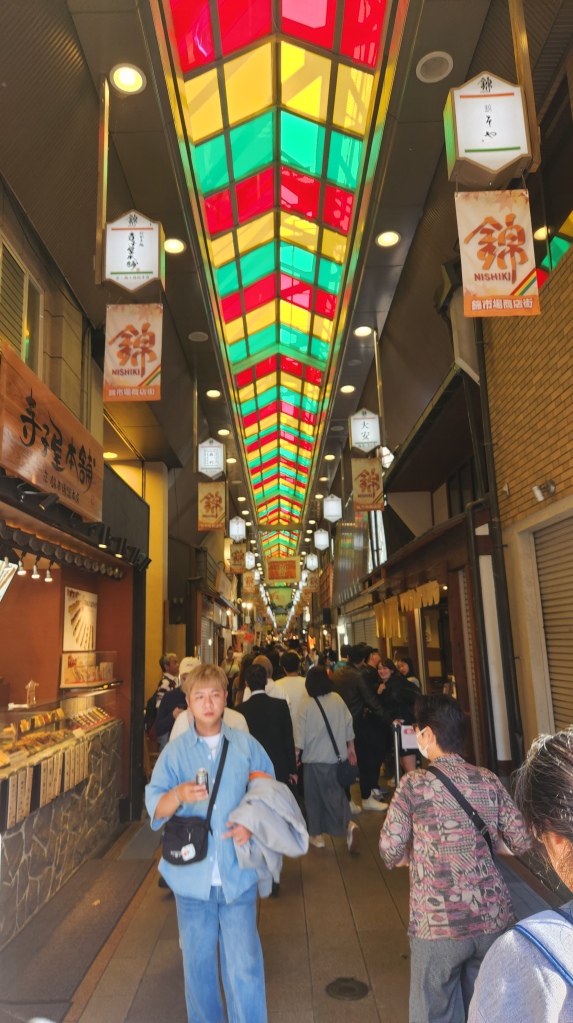
Nishiki Market

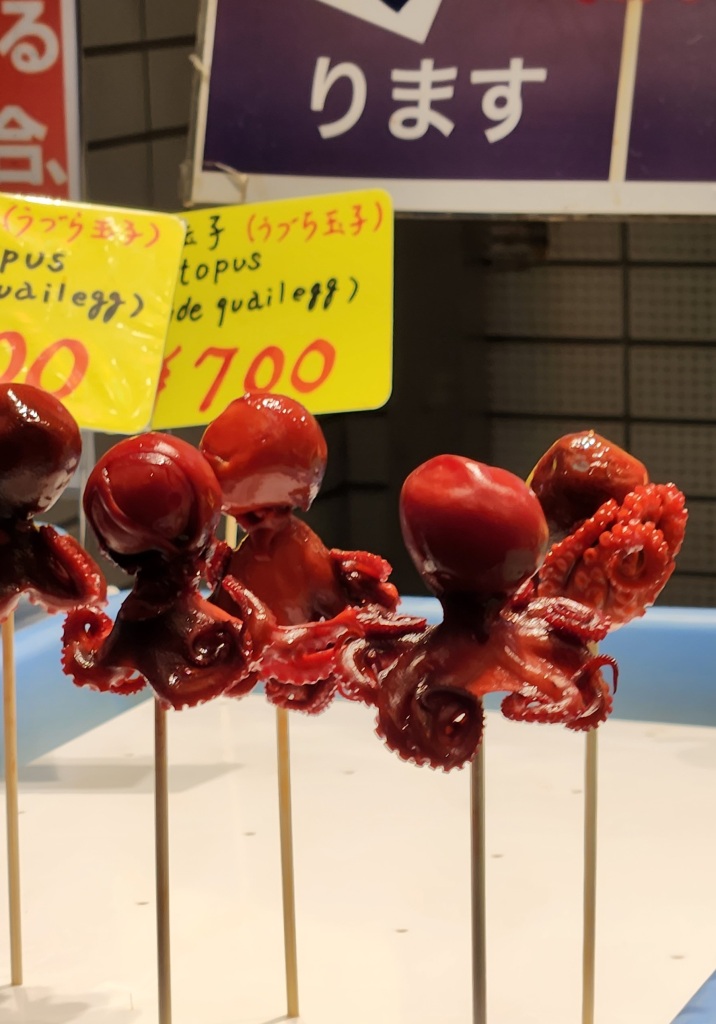
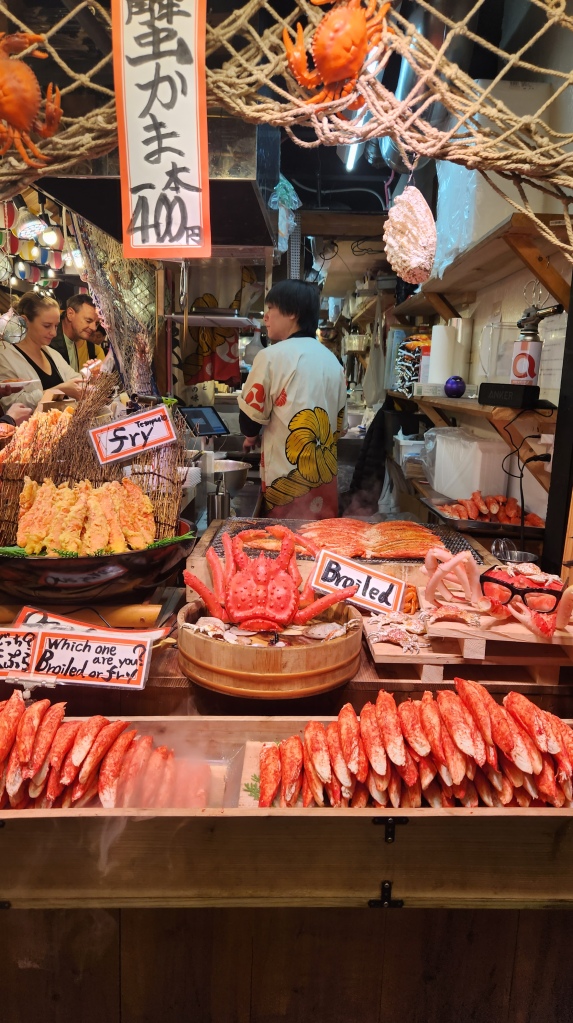
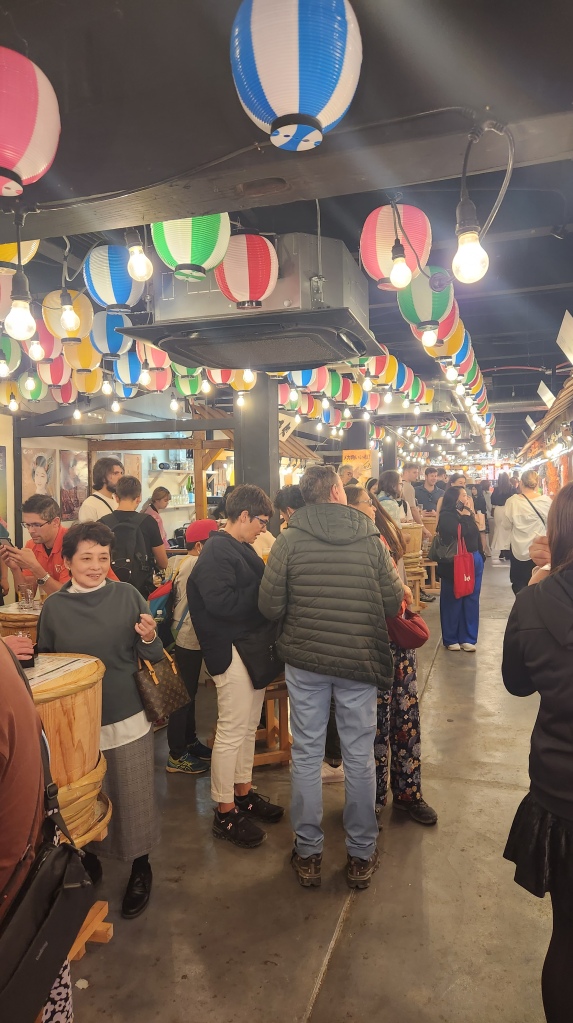
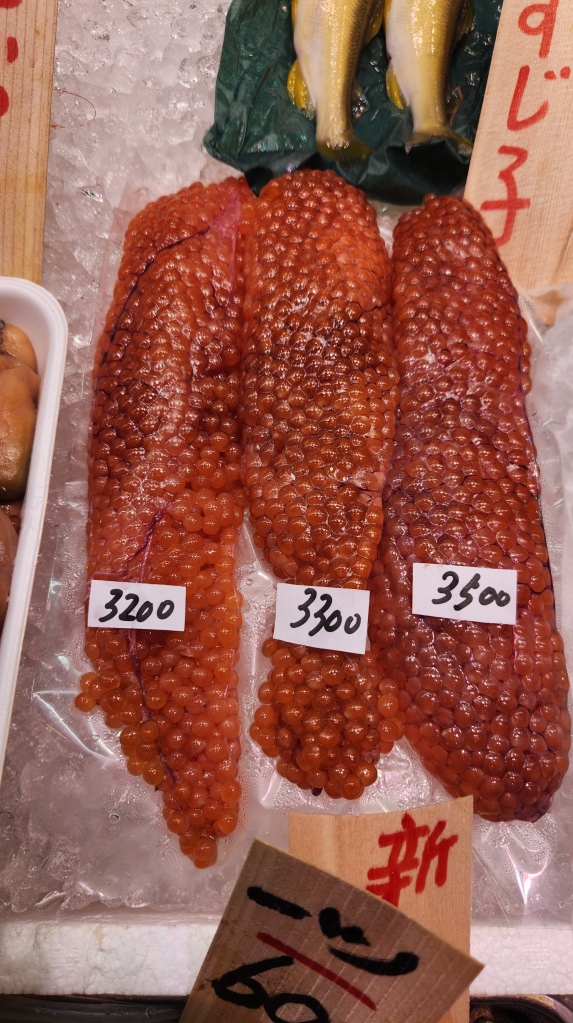
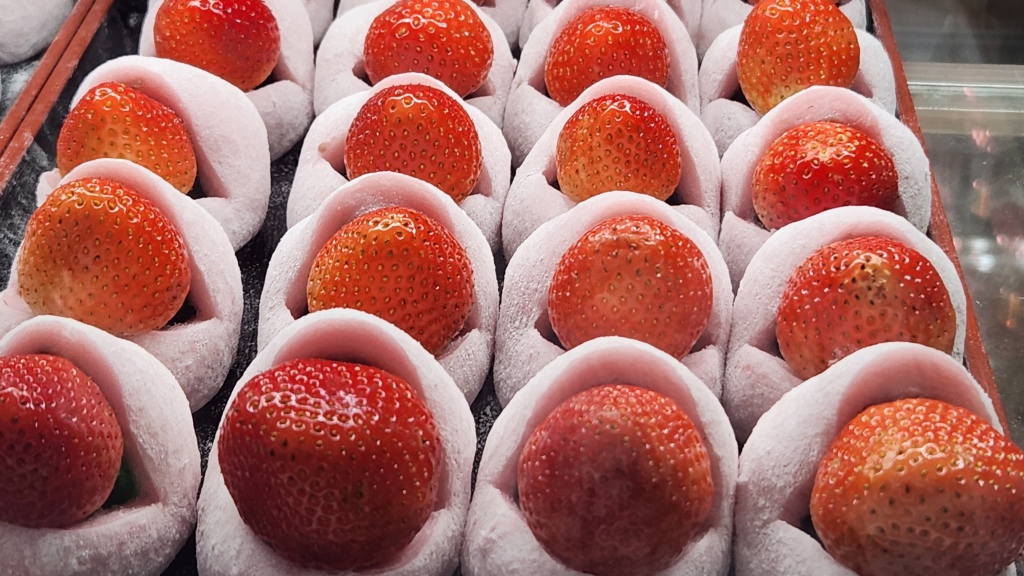
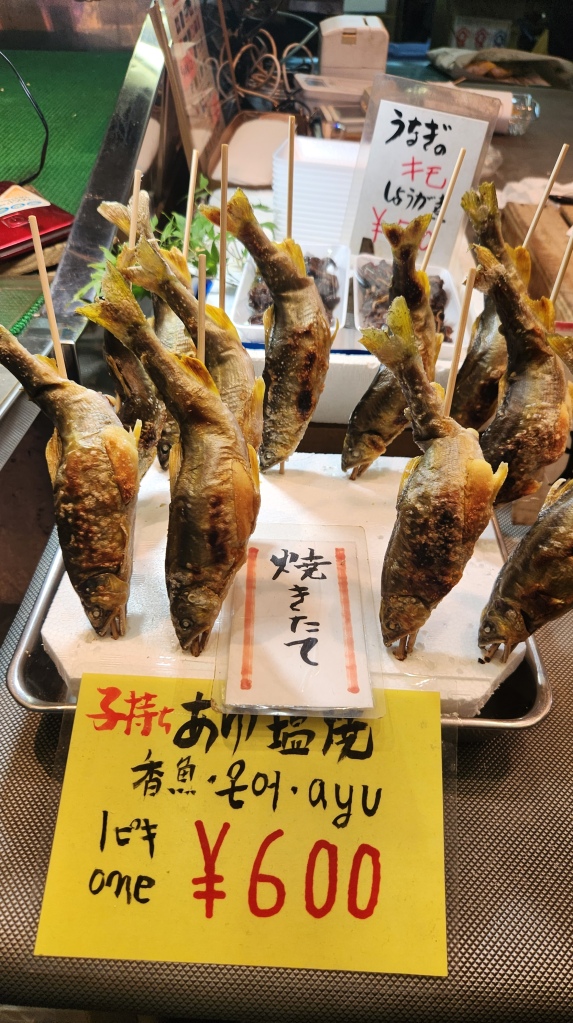
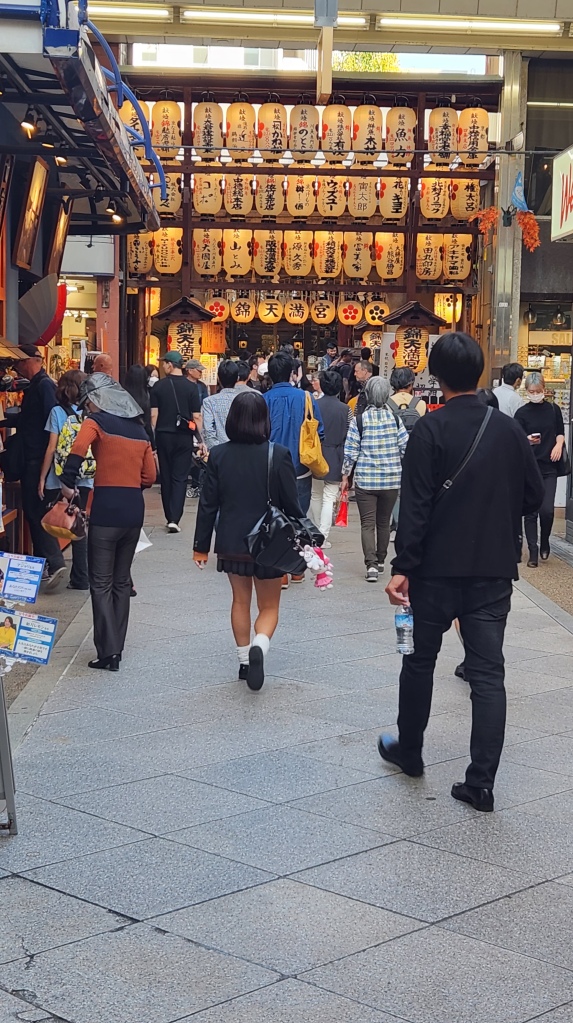
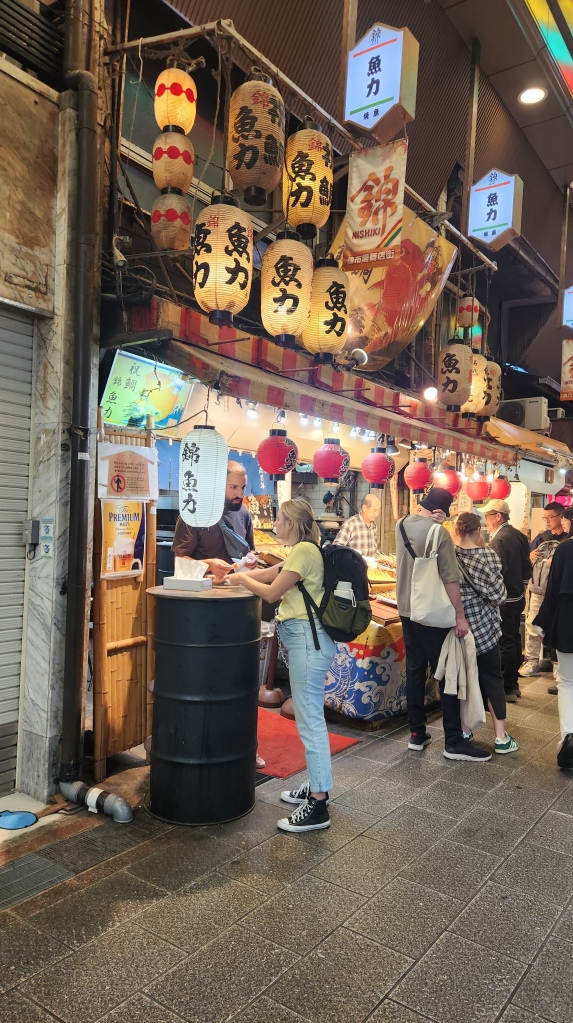
This was my favorite market in Japan because of the food market and the connected covered shopping arcades. At the east end there’s a small shrine. You can buy just about anything from food, jewelry, pottery, books, clothing, and so on. The market is over 400 years old and the older shops are identified by wood signs.

candy vendor who has a nephew living in Seattle. Had trouble formating the video to fit correctly.

Kyoto–Part 1

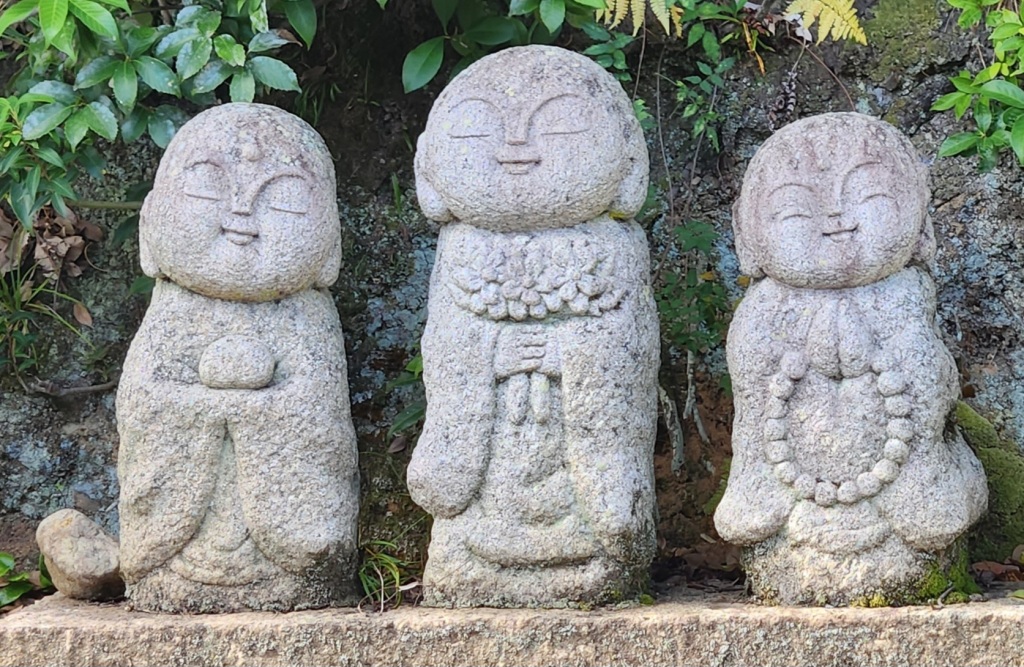
This ancient city was once the capital of Japan ( 794AD-1868). The name literally translates into “Capital City”. FYI–the current capital ( Tokyo) means “East Capital” and has the same letters arranged differently. Kyoto has over 17 UNESCO World Heritage sites and over 2,000 temples or shrines. There’s much to see and do. Part 2 will follow this post in a few days.

I loved exploring this city. It’s a combination of ultra modern to the opposite– ancient and steeped in tradition.

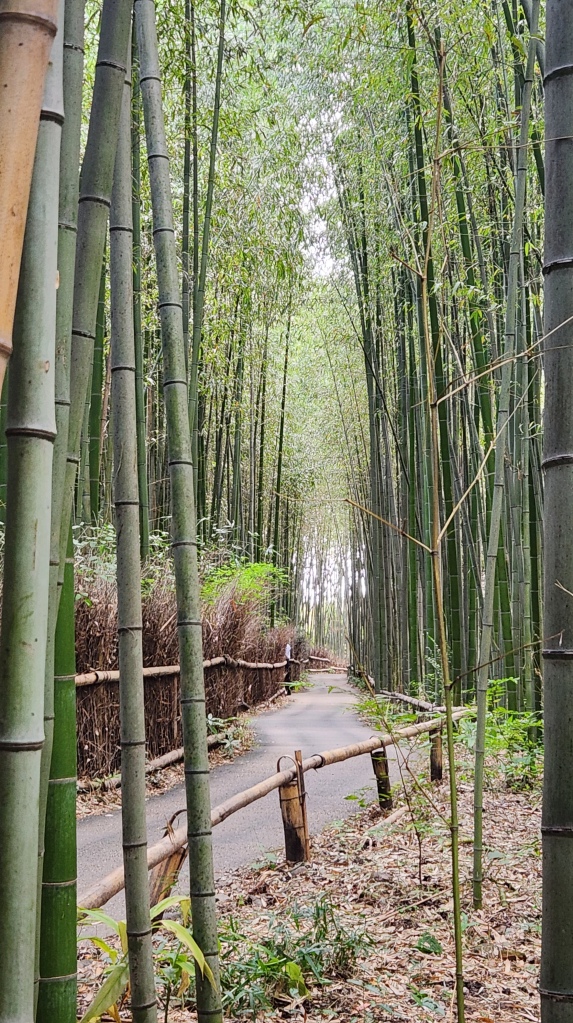
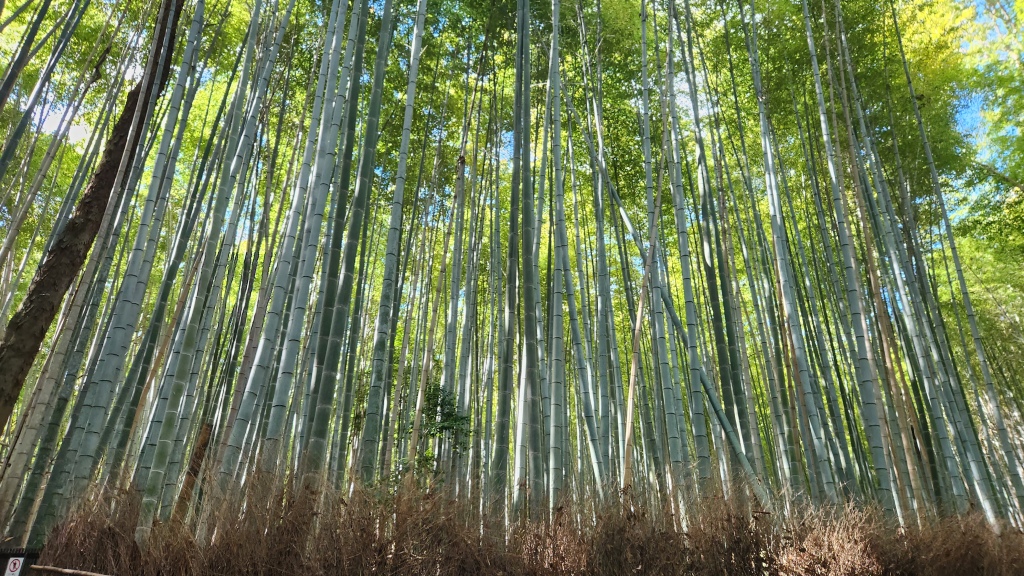
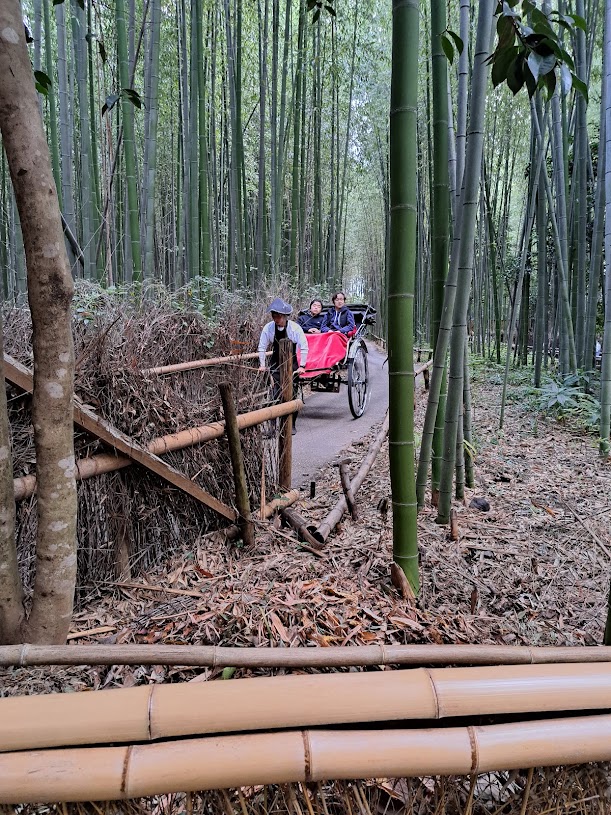
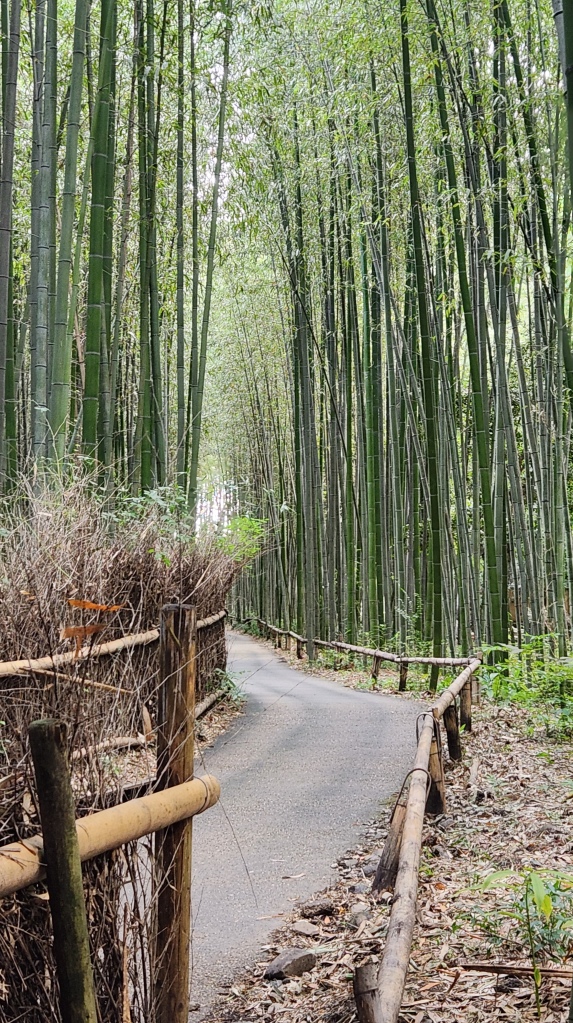
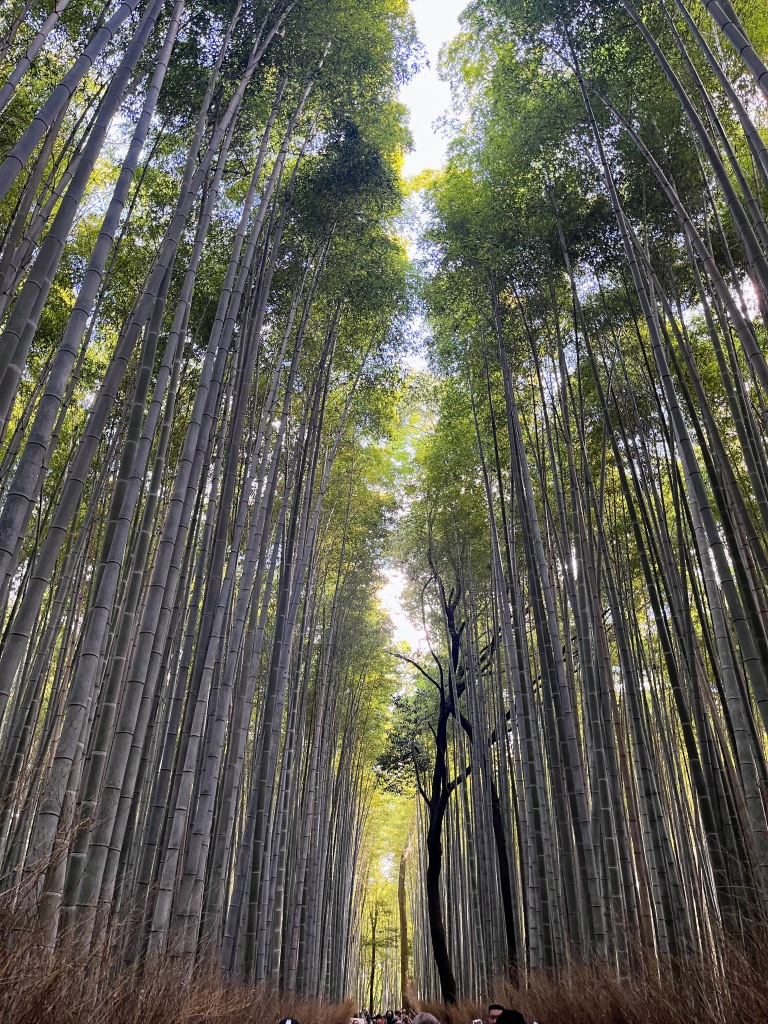
ARASHIYAMA BAMBOO GROVE:

If you want any chance of photography here—go as early as possible! We went in the morning, but it was still crowded and hard to get clear shots. The forest is mezmerizing in it’s repitition. Sunlight somehow looks more golden. There’s an aura of security and protection.

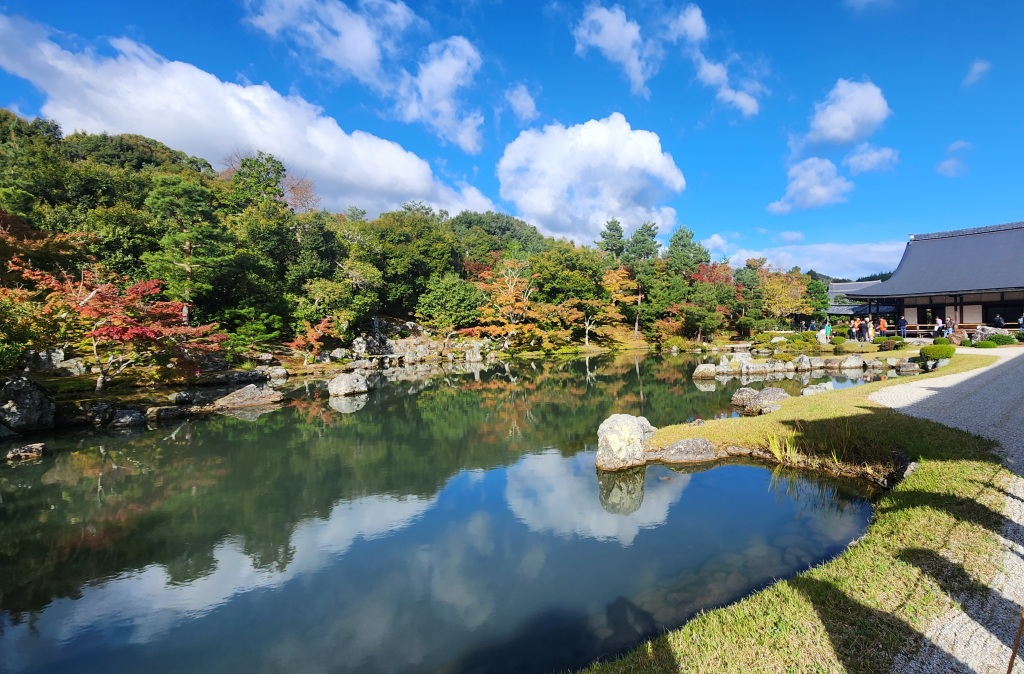
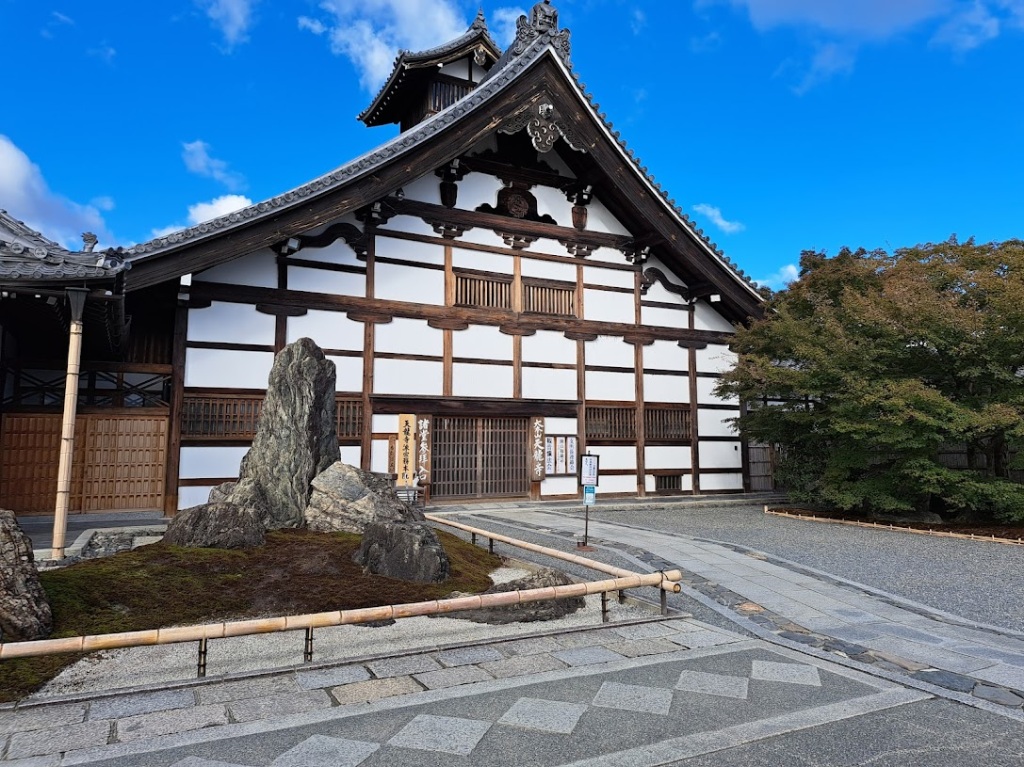
Tenryu-ji Temple

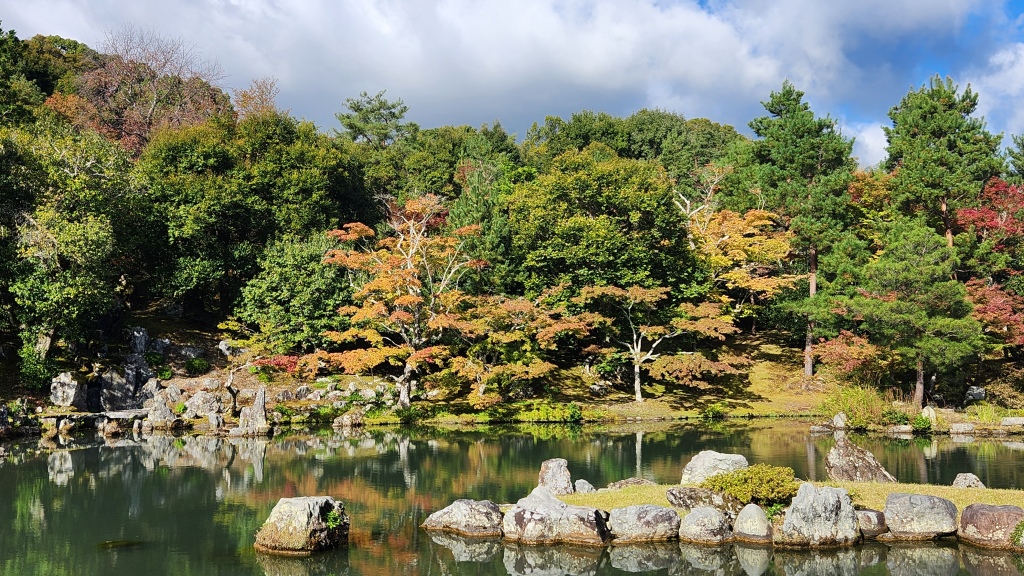
This World Cultural Heritage site is the Zen Buddhist temple of the heavenly dragon. It is the lead temple built in 1339 by Shogun Ashikaga Takauji in Emperor Go-Daigo’s ( 1288-1339) memory. In the 13th century, Emperor Kaeyana built a villa on the property and this is where his grandson, Go-Daigo, was raised and educated. After Go passed away, the villa became a zen temple. A total of 8 fires caused destruction over the centuries, so most of the buildings date to the Meiji period (1868-1912). Note that the landscape garden is one of the oldest in Japan dating to the 14th century! Blows my mind how old these gardens are.

Kinkakuji–The Golden Temple

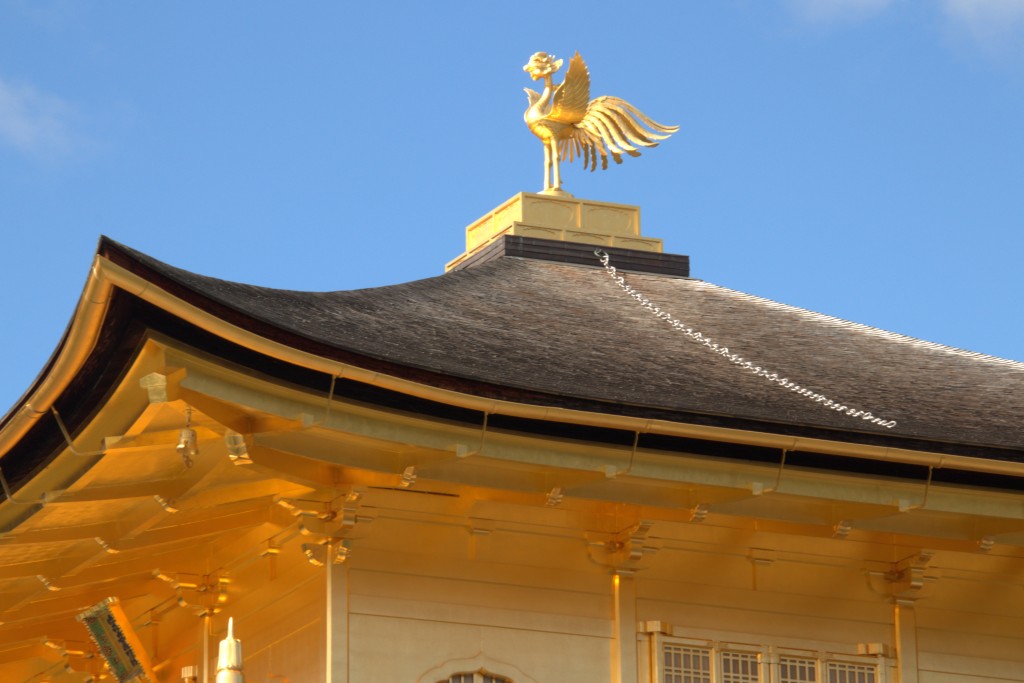
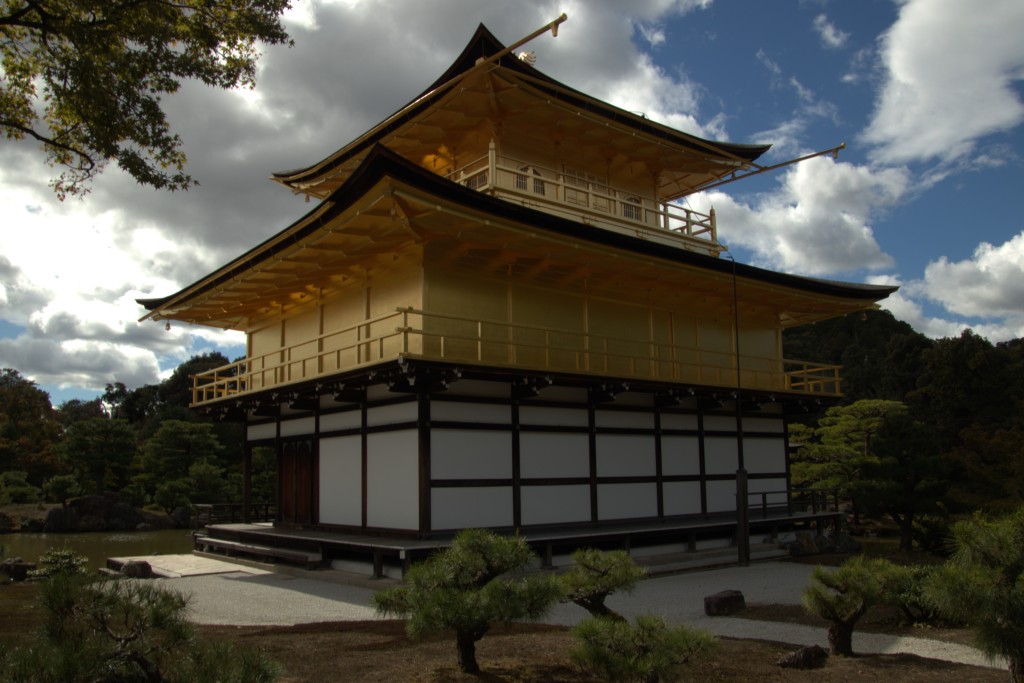
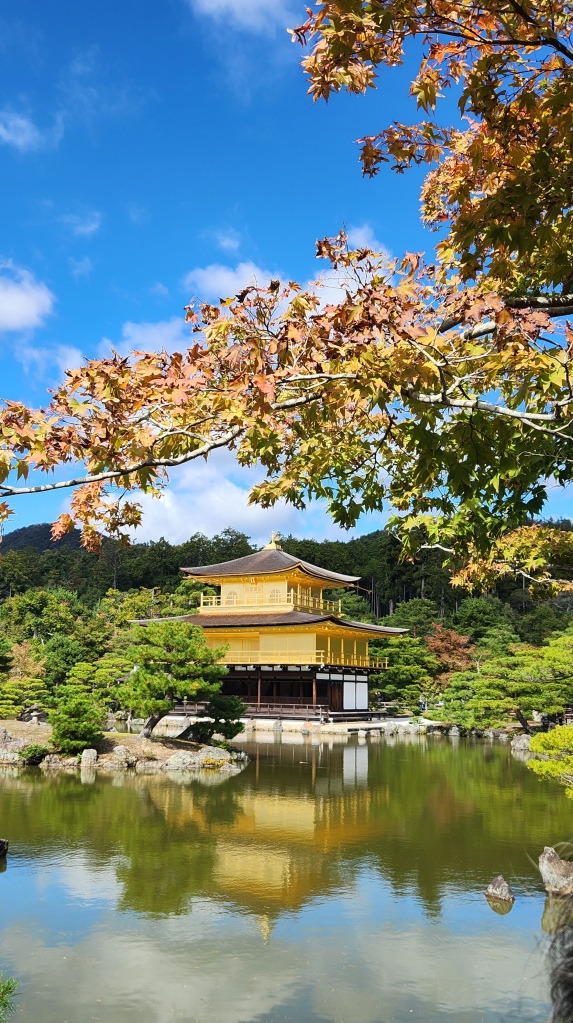
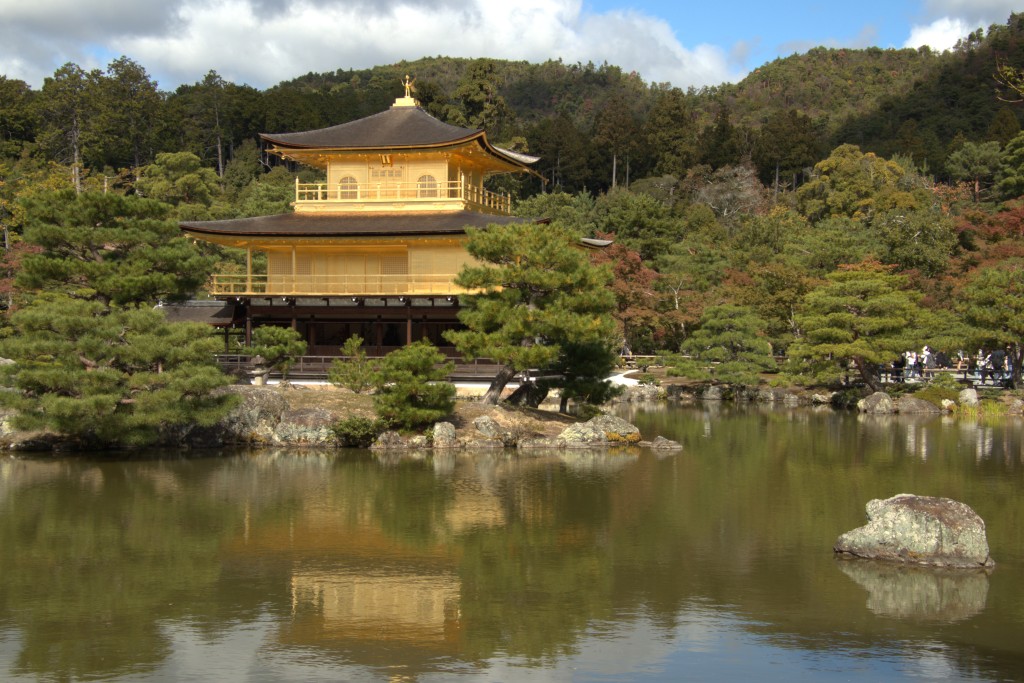
What’s not to love about a shiny gold-leafed Zen Buddhist Temple? As usual in Japan, this didn’t start out as a temple, but once was a retirement villa dating from 1397 for the third Shogun of the Ashikaga Shogunate. In 1950, a mentally unstable monk burned the place down and it was rebuilt in 1955. Renovations were done in 1987 with gold-leaf applied 5 times thicker. On the top is a golden phoenix named Fenghuang– a mythical creature that reigns over other birds. Mezmerized, I turned in circles, surrounded by beauty. Sadly, the building is not open to the public but the gardens, royal teahouse carved into rock and the temple are worth it.

Senkoji Temple

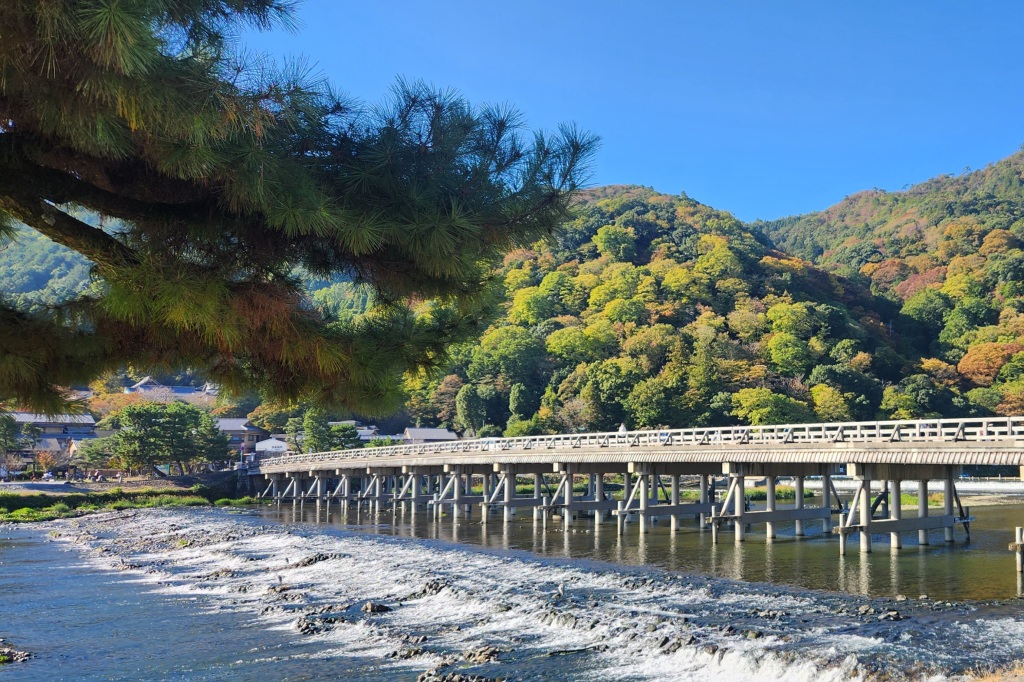
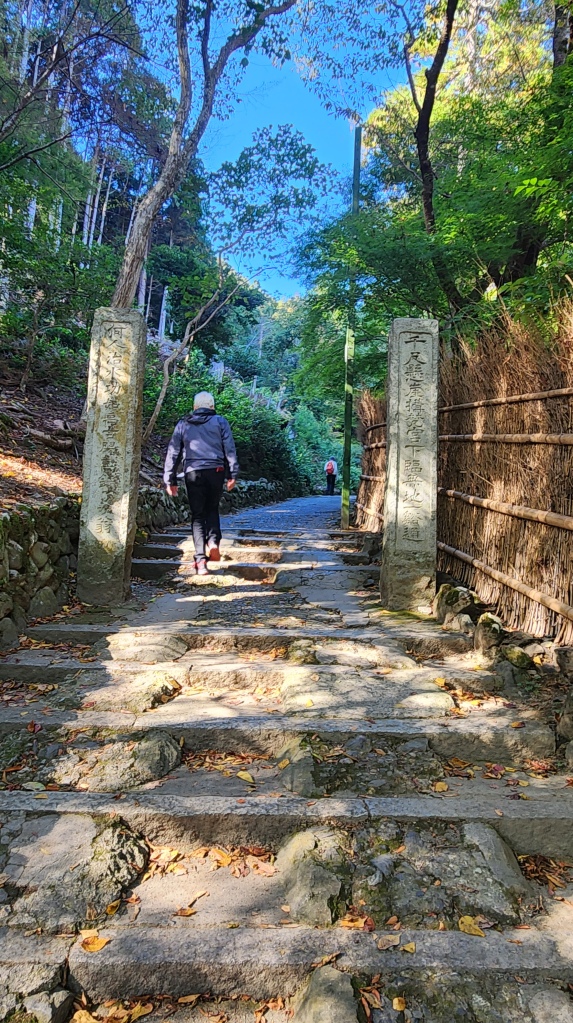
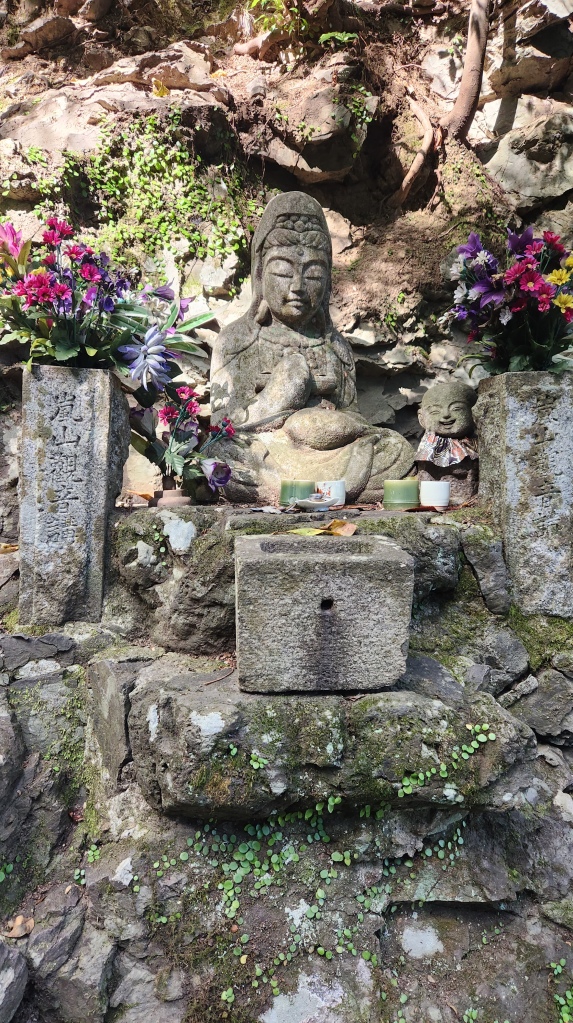
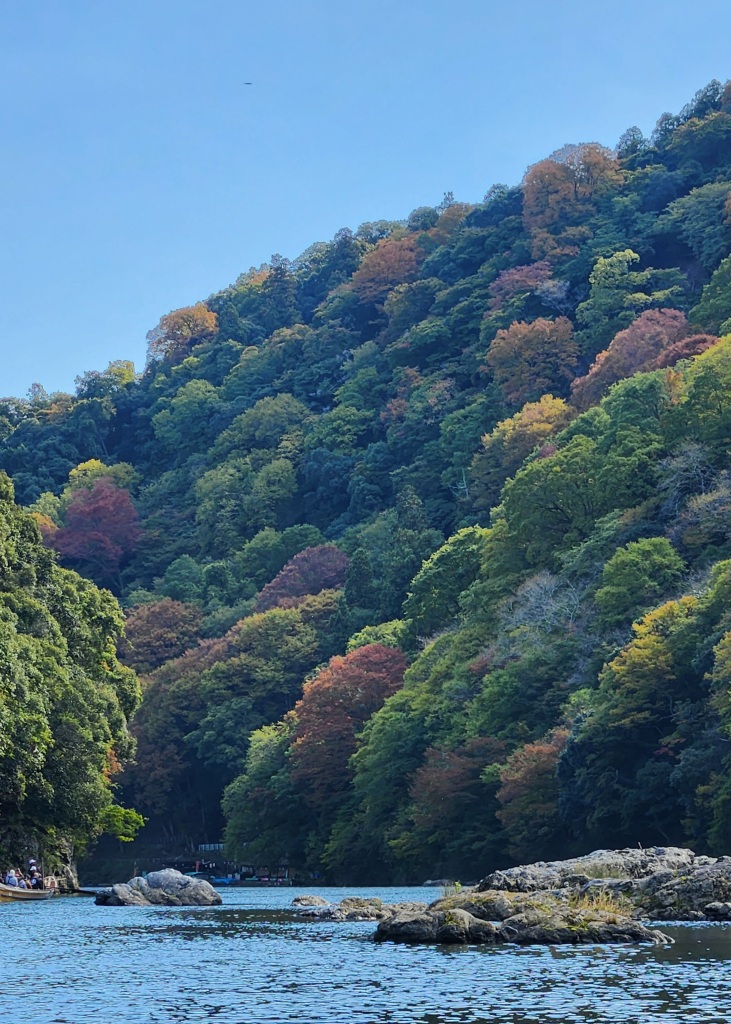
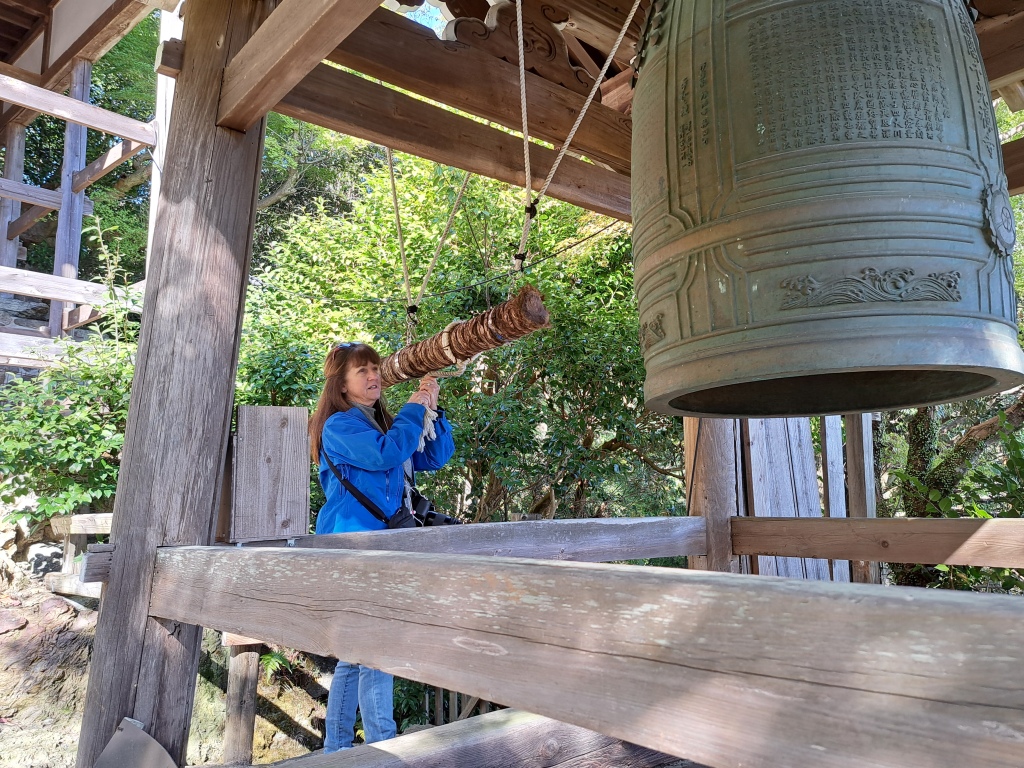
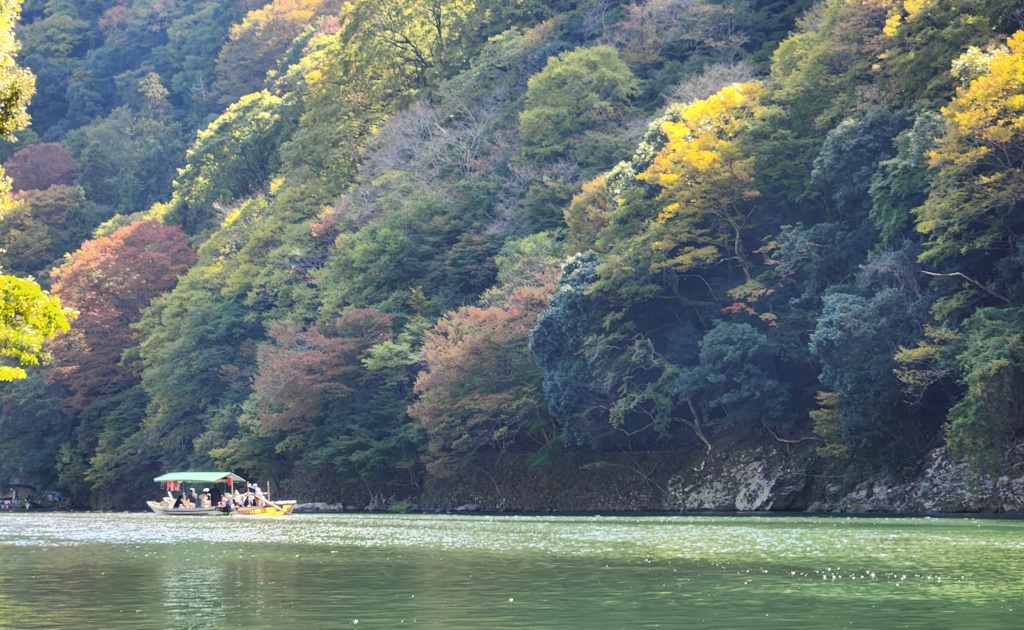
Cross the Togetsu bridge over the Oi River, turn right and hire a hand poled boat to 400 year-old Senkoji Temple that was built as a prayer hall for Emperor Go-Saga. In 1959. a Typhoon damaged the temple, but through hard work, it was repaired. Climb uphill approximately 200 steps for an intimate visit with the charming Zen monk who lives there. Near the top is a large bell that announces your arrival, wind up a few more curves to the small temple and delight in the beautiful view overlooking the valley below. We entered and sat on benches for a class in the history of Zen and the Thousand Arms Kannon, breathing techniques and meditation. Chanting prayers swirled around the room as the drum beat echoed in my chest. Afterwards, we shared in a tea ceremony and enjoyed the views.

Kyoto Train Station Complex

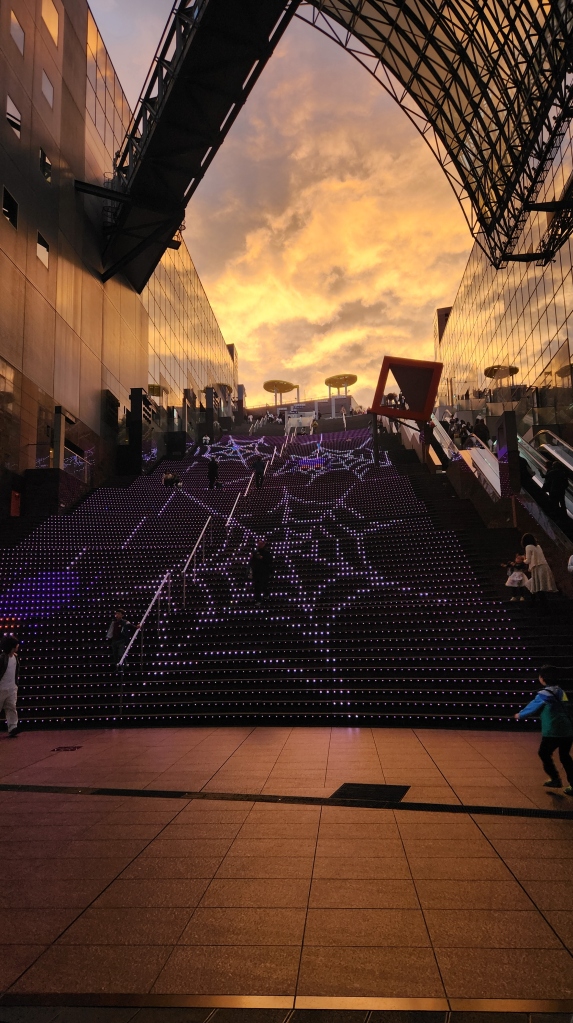
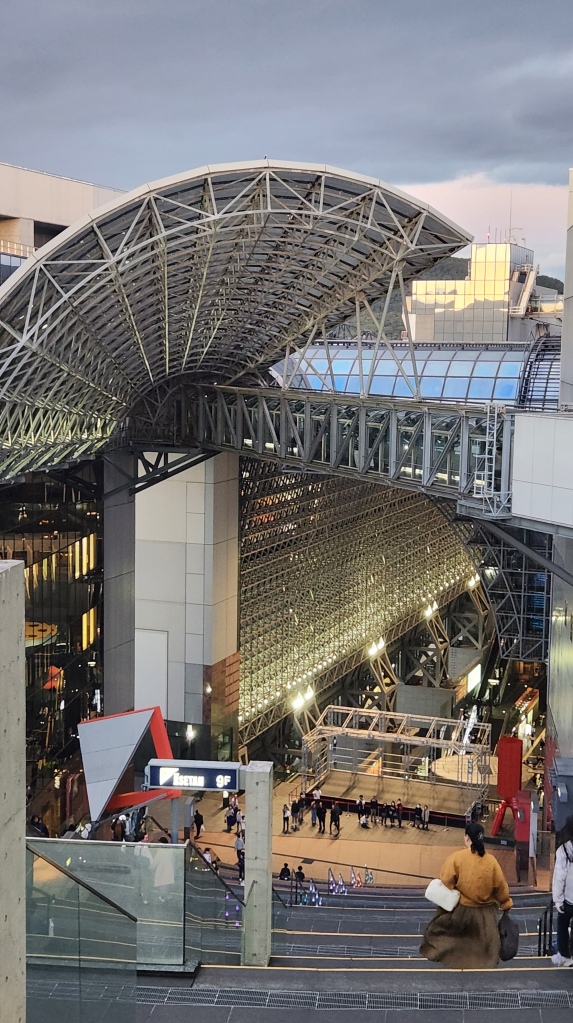
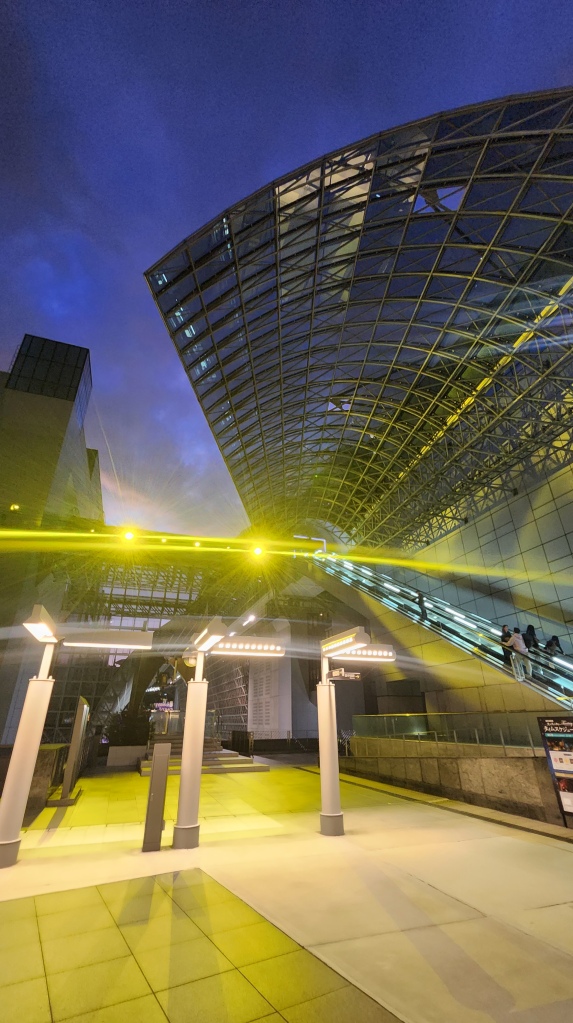
I watched th movie “The Tereminal” a few years back about a refugee who lived in an airport terminal for 18 years. It’s based on a true story but, I would advise Karimi Nasseri to go to the Kyoto train station complex next time. There’s a hotel, an overwhelming amount of restaurants, theater and stages, a museum, sky garden, boutique stores and department stores like my favorite Isetan packed into fifteen floors of ulta-modern glass and steel designed by Hiroshi Hara ( 1936-2007). It’s so modern, that I was surprised that it was built in 1952. (truly! 71 years ago!)

Everything and everyone connects through here from the metra, train or bus stations located in the bottom of the complex. Because it is vast with mega resources, this is a great area to stay in Kyoto.

Bullet Train to Kanazawa

211 miles in an hour! Super smooth and quiet ride–not like Chicago trains where travelers get jerked around like a carnival ride. No clackety-clack so loud that you can’t hear. The numerous obento take-away boxes (lunch) at the station didn’t impress me, but Ramen Noodle soup from 7-11 has taken a huge leap from US to Japanese style. Take Hikari #637 to Express Train: Shirasagi 7

I think I’m in love with Kanazawa. Here’s a few reasons why:

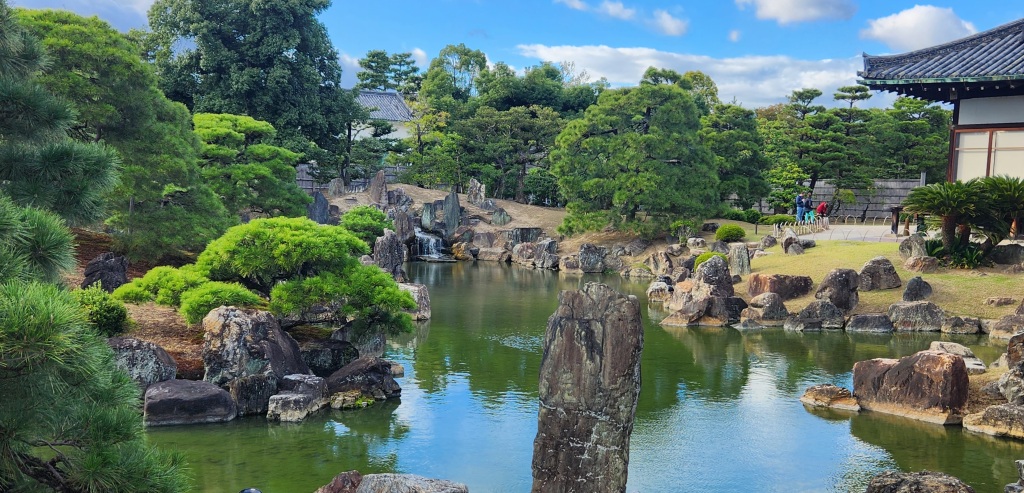
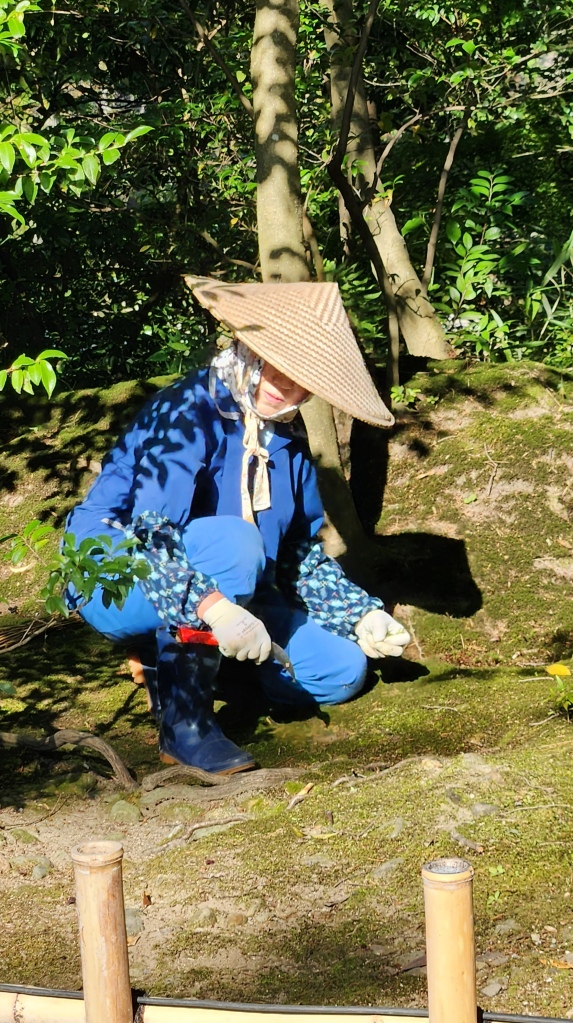
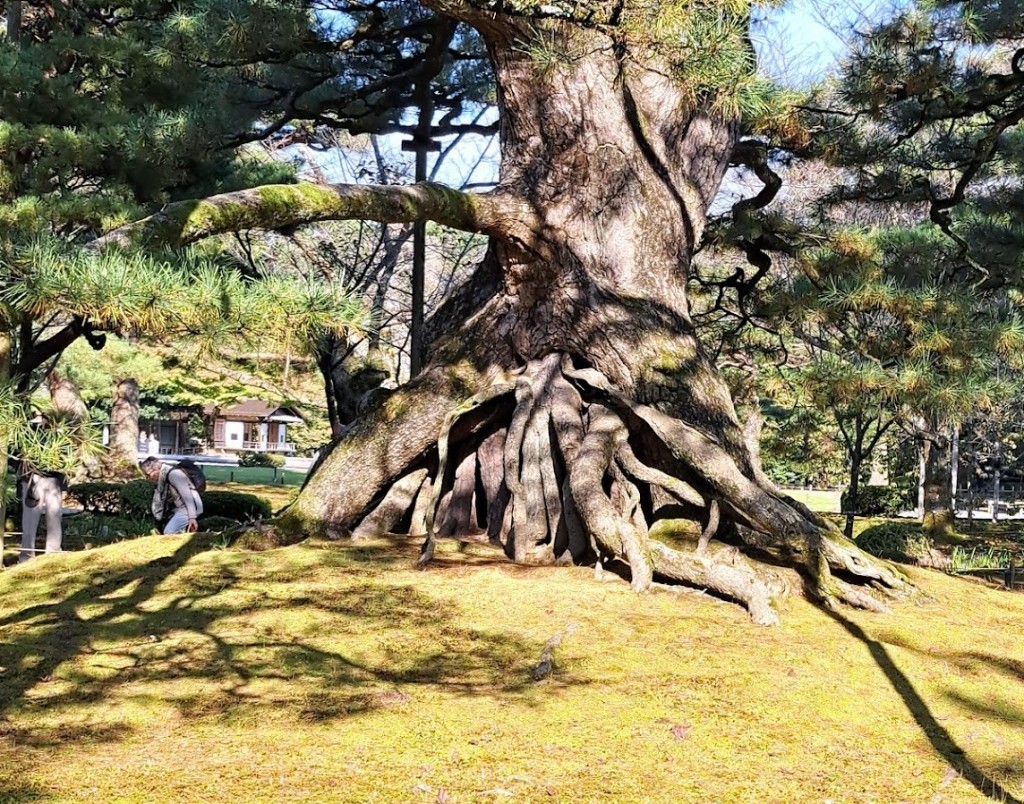
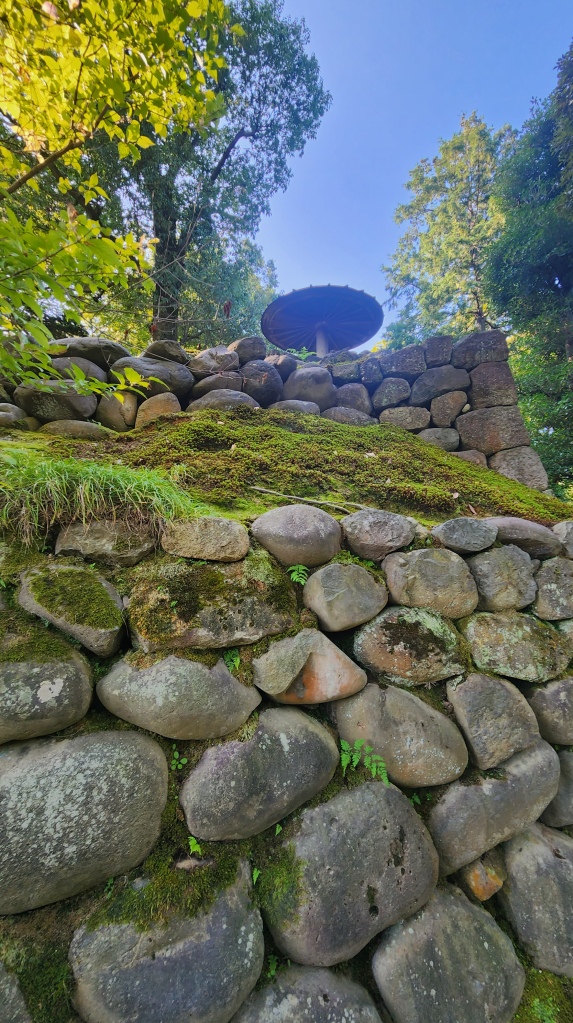
Kenrokuen Garden: Is in the top 3 gardens of Japan and was created by successive feudal lords ( Edo period –1603-1867) in the meiyu-style which must have a pond to resemble the ocean, an island like Japan where immortals live, and the concepts of longevity and prosperity. This is a walking garden with many places such as tea houses to absorb the beauty. Look at the immense tree in the fourth picture. It’s just jaw-dropping! This garden took over 421 years to develop and it continues to grow.

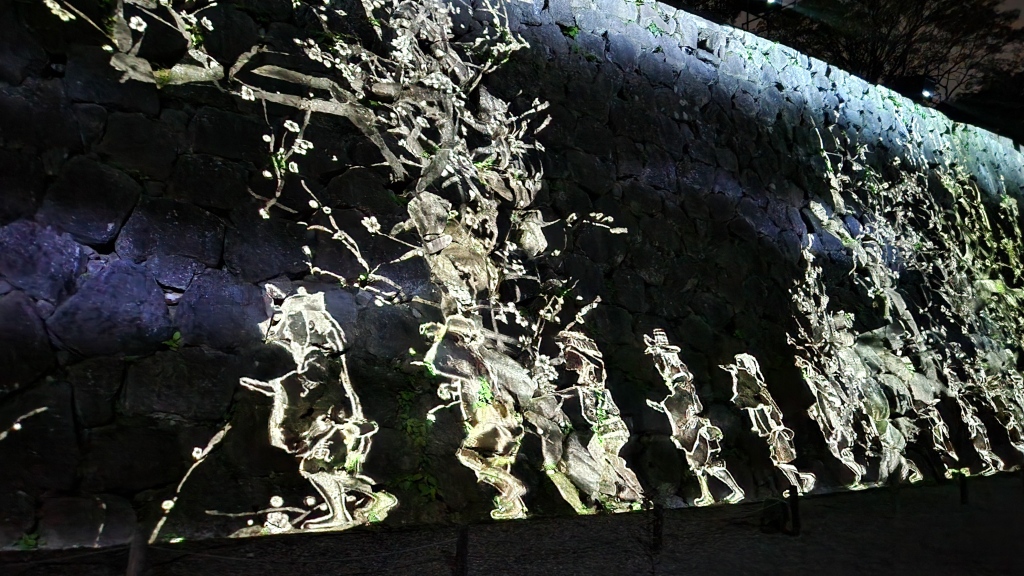
Digital Team Lab at Kanazawa Castle: The partially reconstructed castle is across the street from the garden above. The castle was ruled by the Maeda clan for 14 generations until 1945. The origional castle had been 6-storeys, but burned down in 1602. Maeda built a smaller 3-storey palace which also burned down in 1631 and more fires occured in 1759. The fortification was turned over to the military in 1871. The outter and inner moats, gates and inner walls are formidable. We were lucky that Team Lab had a night display at the castle–catch their art if you can.

projections onto inner moat walls

The Samurai House and Gardens

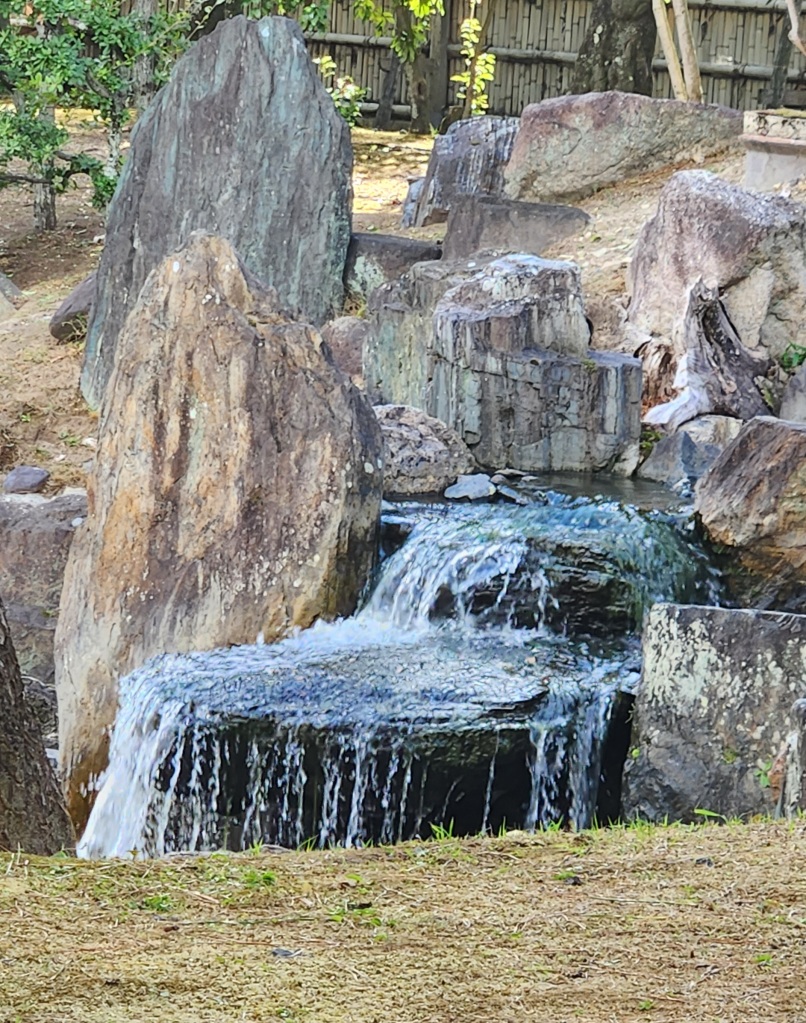
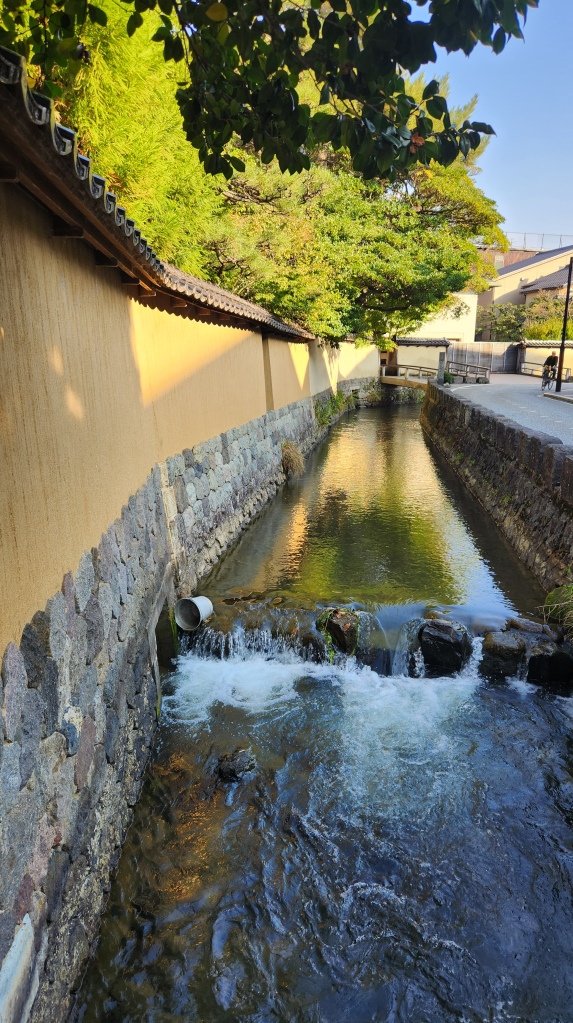
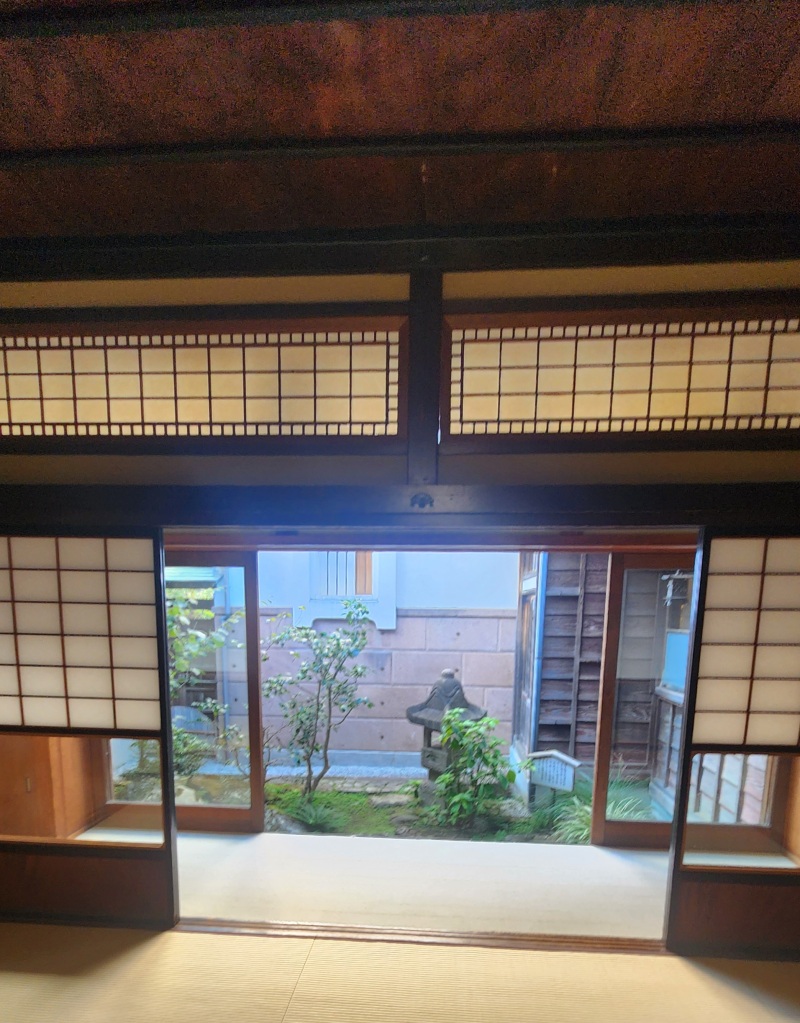
At first, Samurai warriors lived inside the castle walls but eventually they moved to their own walled neighborhood where homes were built for their families. Twelve generations of the Nomura family lived in this home built with cypress, rosewood and ebony. Every sliding door opens to reveal another beautiful garden. From the Chamber and study there is a waterfall, stream, a bridge made from cherry granite, and many stone lanterns. A particular Japanese bayberry was planted 400 years ago.

Higashi Chaya District and Omicho Market :

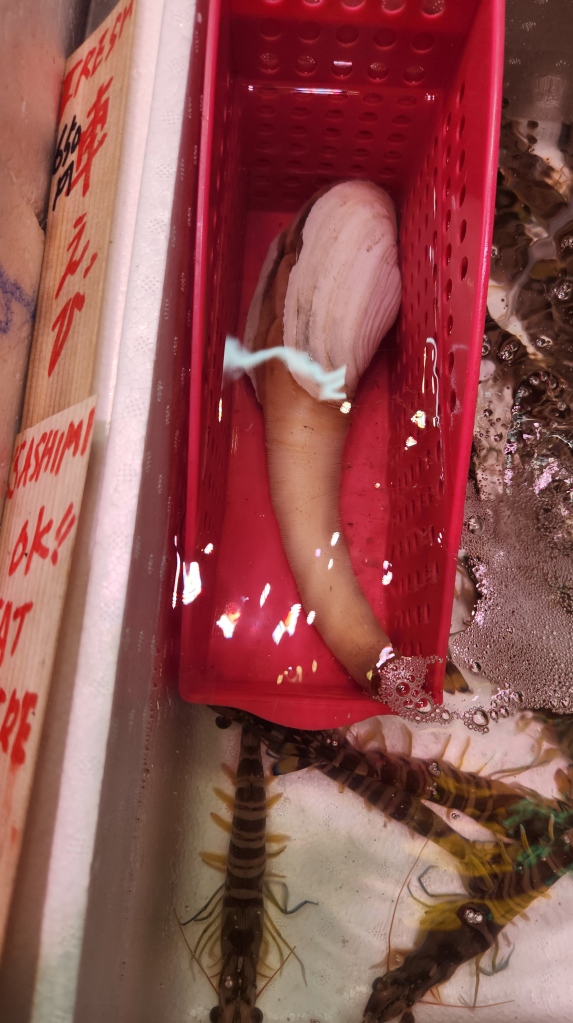
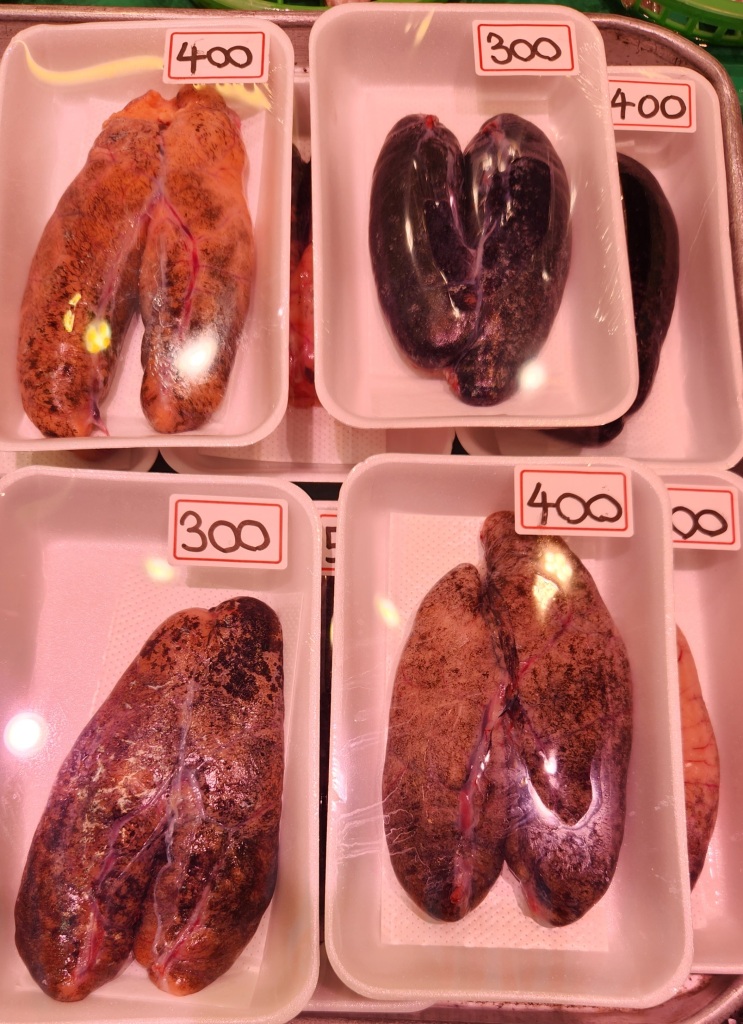
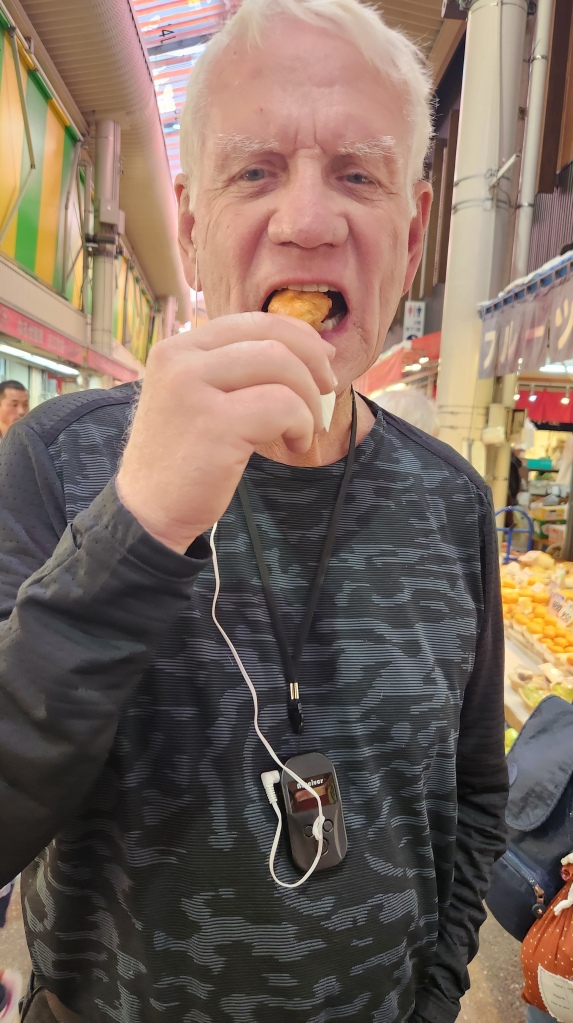
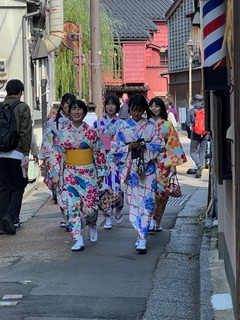
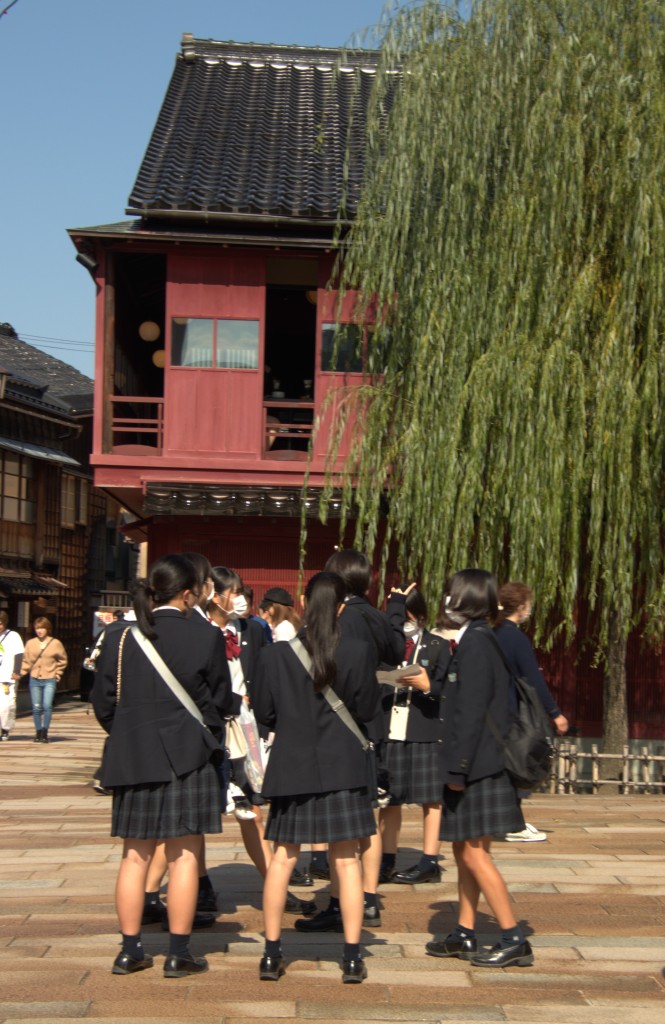
Higashi is a neighborhood known for teahouses and Geisha. There are also restaurants and shops ( check out the gold-leaf jewelry) along narrow walkways. The nearby indoor market sells produce, meat, fish, specialty food dishes, clothing, and jewelry. Bob is eating tempura fried blow fish which he really liked.

Cultural night at the visitor center

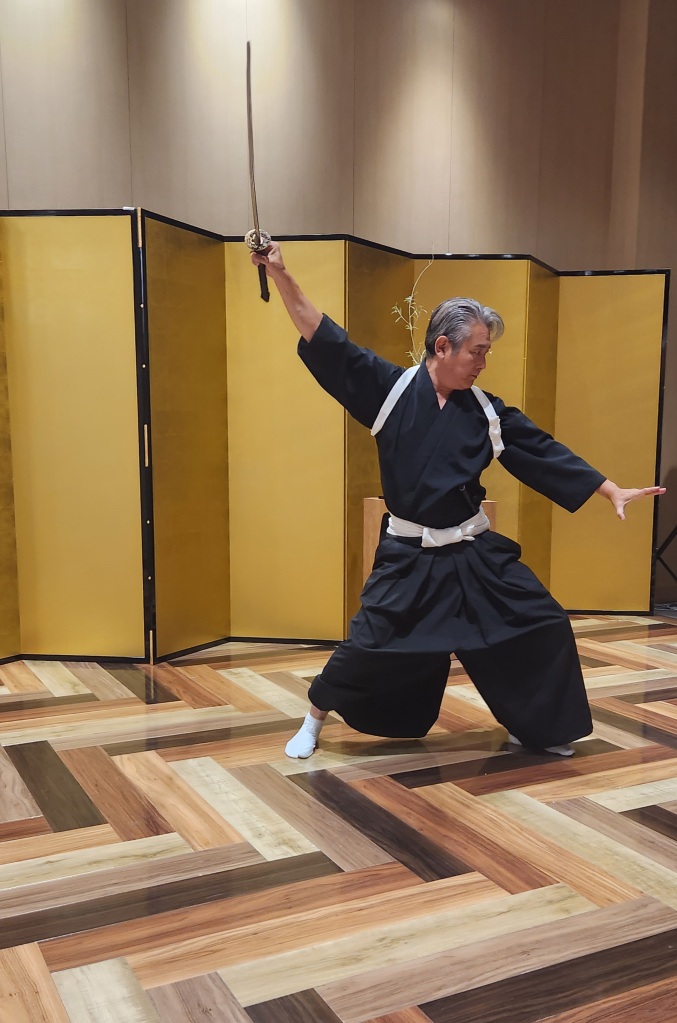
The visitor center hosts different events, so check their schedule. We attended the Japanese culture night theater featuring Ikebana (Japanese floral decorating), sword dancing, a folk and classical music presentation. There was also a fan dance called “shibu”, which is a poetry performance.

Thatched Roof Houses in Japan

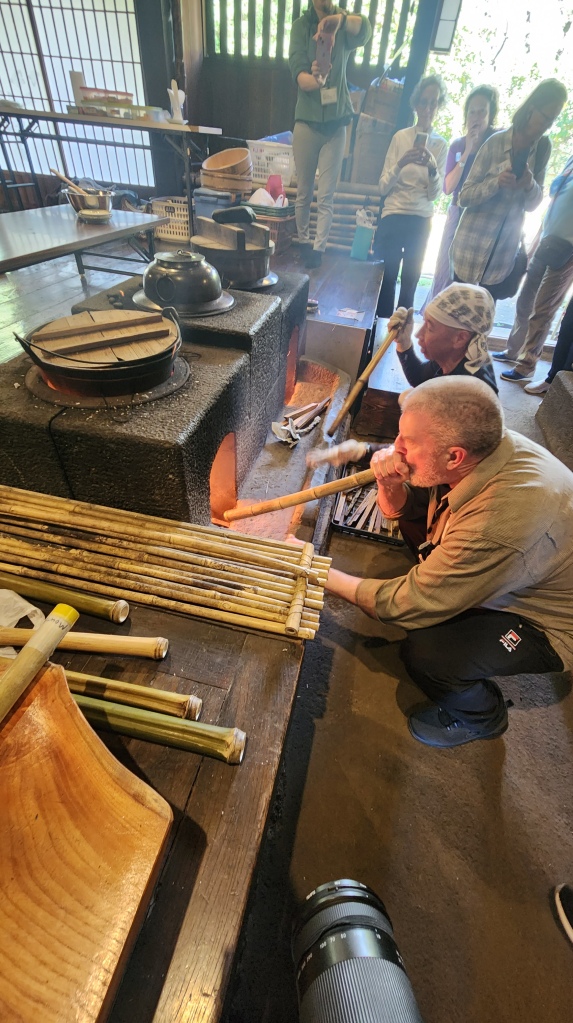
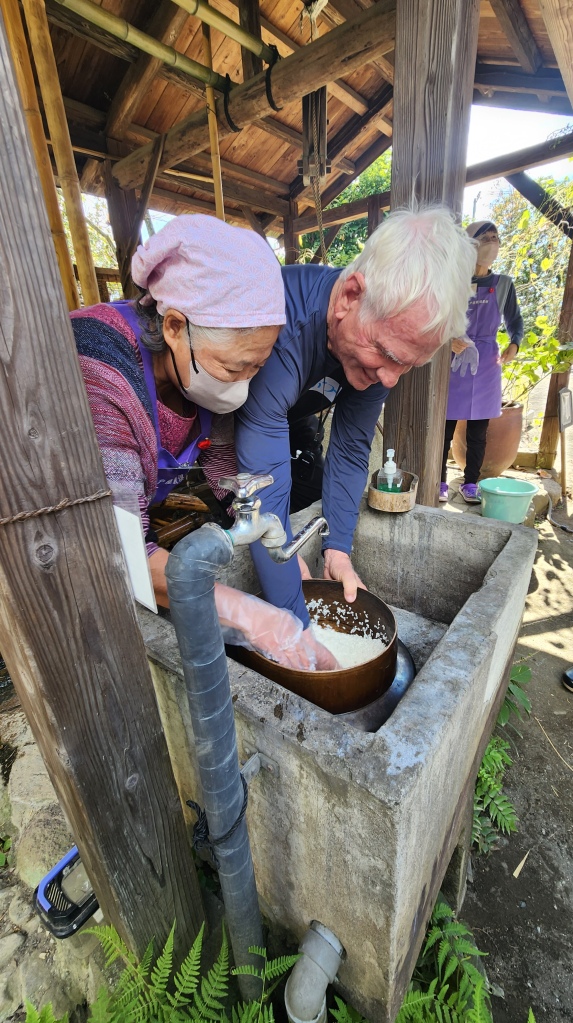
We were fortunate to visit Seto House on the way to Hakone where we helped locals make lunch. This centuries old home once belonged to an important leader and his family. At the entry, there’s a small mill that still works and gardens are in the back. The stove used to cook our rice has been used for over 300 years. This place is now the villages community center.

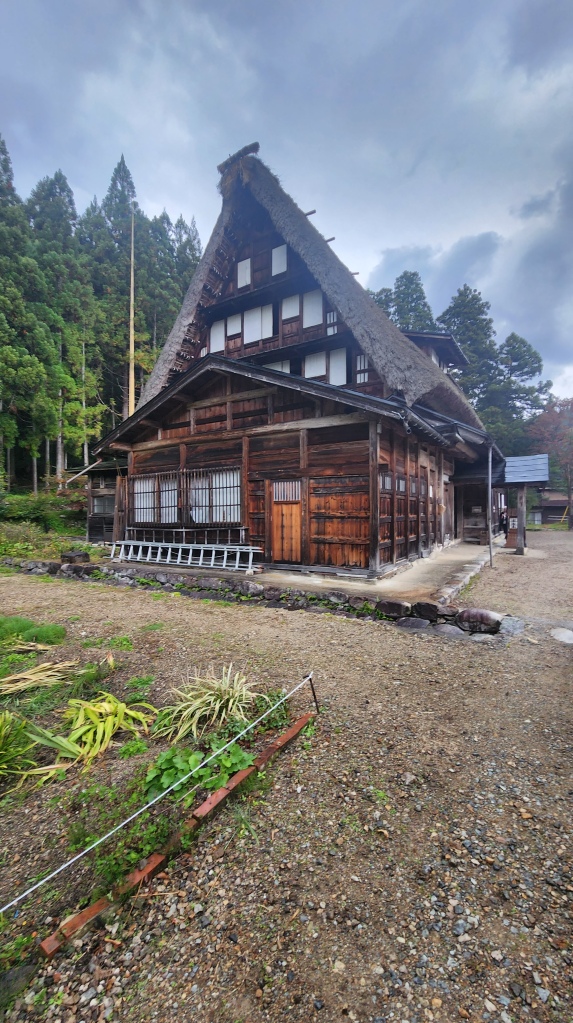
A few days later, we went to Ainokura in the Gokayama Valley , where there are 20 steep thatched roof homes in this World Heritage site. Some of the Gassho-style houses are now B&Bs. The villagers devised their own fire-hydrant system, since the biggest danger to thatch homes is fire. There’s a shinto shrine and Buddhist temples here too. It was a beautiful day with tree colors just starting to change and grass thatch stacked to dry in the fields.

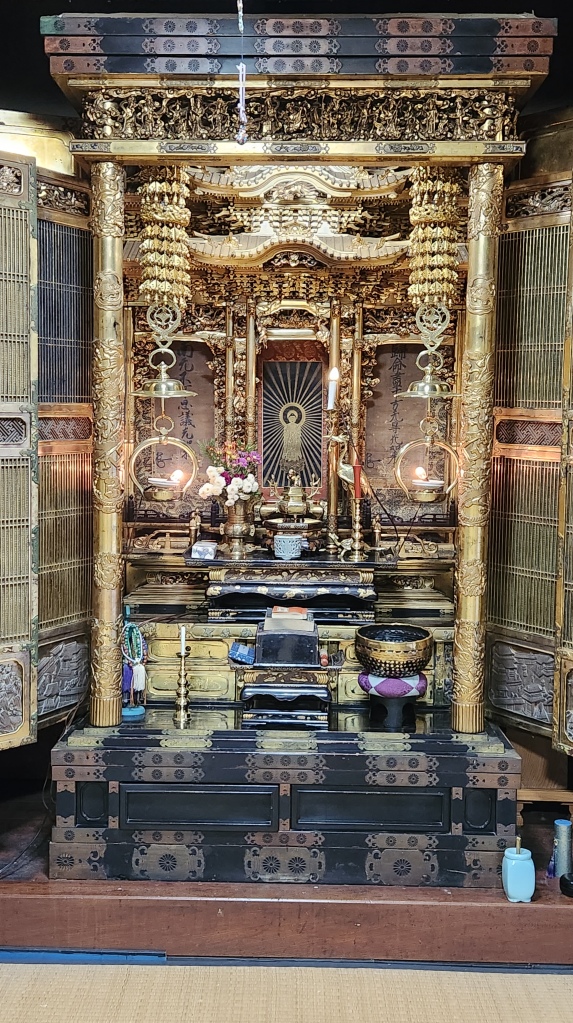
The last place, 5- storey Iwase House, has a 350 year-old heritage in the production of gunpowder and a close connection to the Sammuri and Shoguns. There’s a back entrance for the Sammuri and fake rooms to hide or escape. The upper floors are completely open with the middle floor used for staff sleeping areas but the upper floors were used for silk worm production and other agriculture needs.

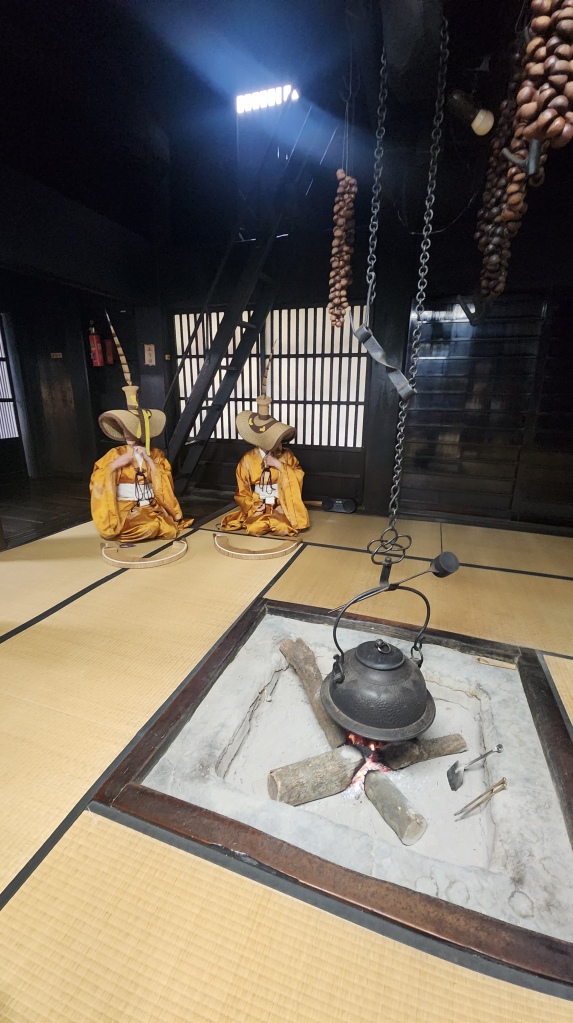
Thatched homes ( Kayabuki Minka) have been built in Japan for over 5,000 years, which was a surprise to me. The roof is densely packed and can last 20 years or longer. The rain only penetrates and rots the very top layer, so the roof is never completely stripped. Some communities chip in to help each other, but more often masters who have learned the craft are hired and payment subsidized by the government. Gassho homes are places of invisible energy. The immense roof without interior divisions represents the willingness to have an open mind and resembles praying hands.Traditional dancers at Iwase house use ancient instruments called “Kokoriko” made out of hundreds of wood clappers.

The dance was once upon a time performed by unmarried girls with lyrics about love and for wishes to be granted.

Hakone

Hakone is located west of Tokyo and is in the Mount Fuji National Park. You’ll find Shinto shrines, beautiful lake Ashi and many spas offering thermal baths. Depending on where you stay–there are women only baths, men only, and limited private pools. FYI- Japanese baths are a naked experience and a family tradition. The ancient royal highway passes through here and you can walk along the tree-lined path that once took nobles and warlords to the capital in Kyoto. It’s super fun to take the cable cars over the boiling sulphur springs of the Owakudani valley. It will make you feel like you’re on another planet. Don’t forget to purchase black eggs hardboiled in sulphur vents. It’s said that you’ll live 7 years longer.