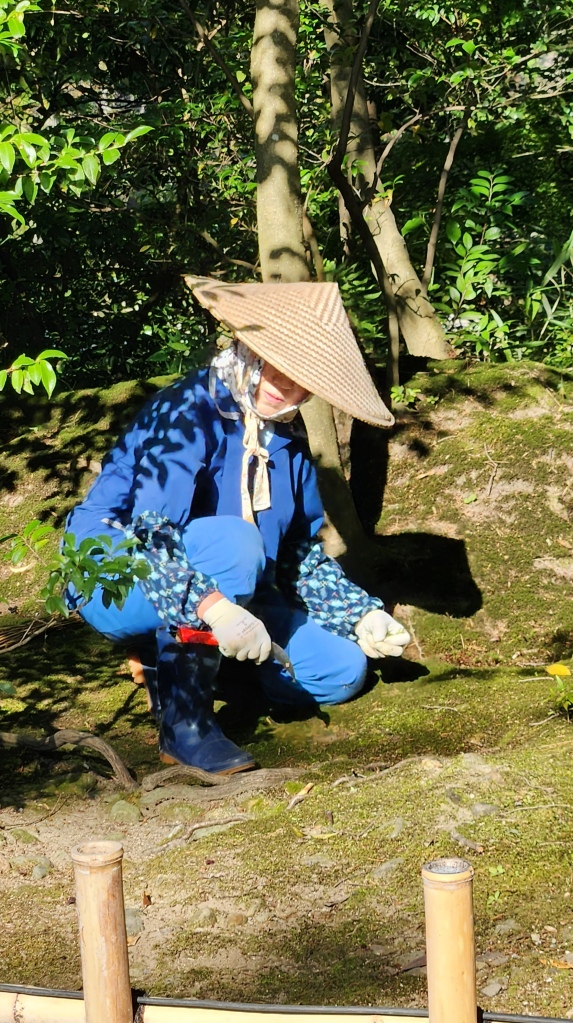
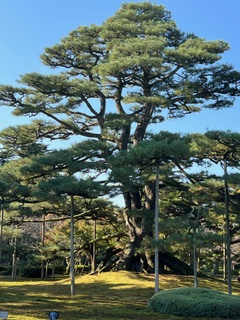
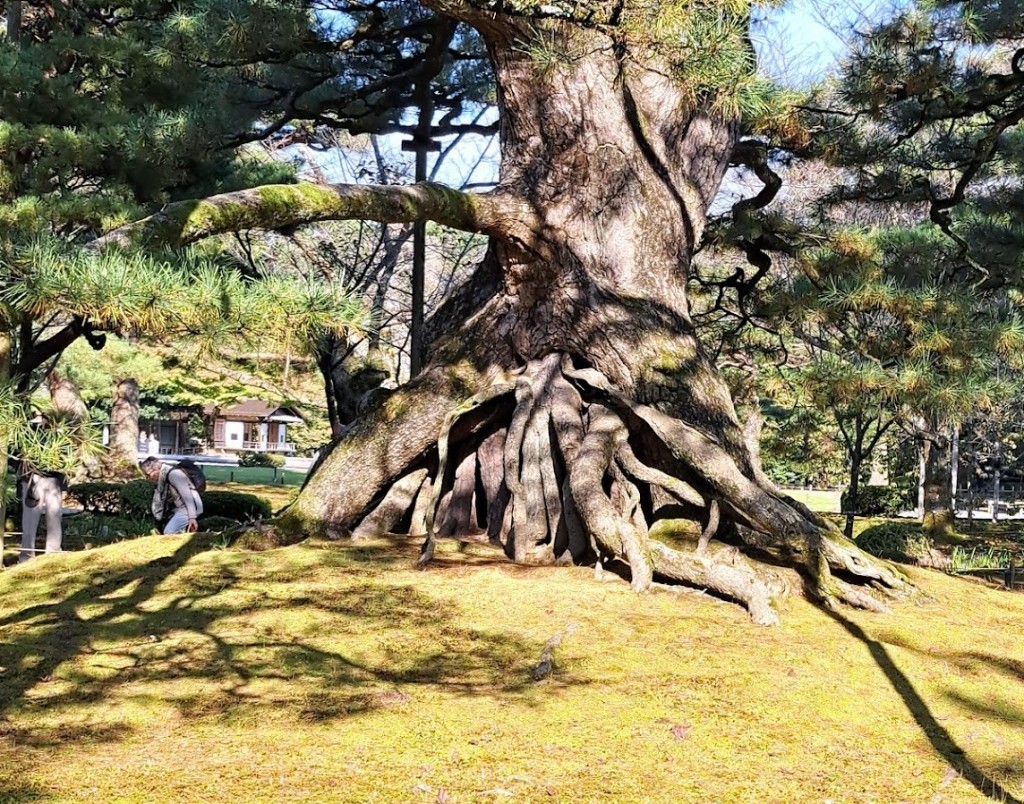
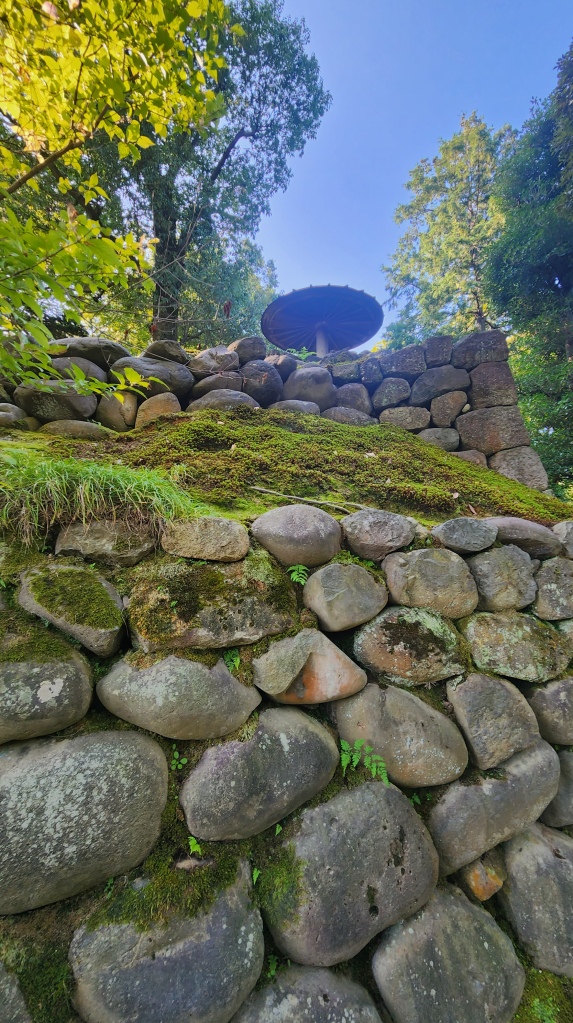
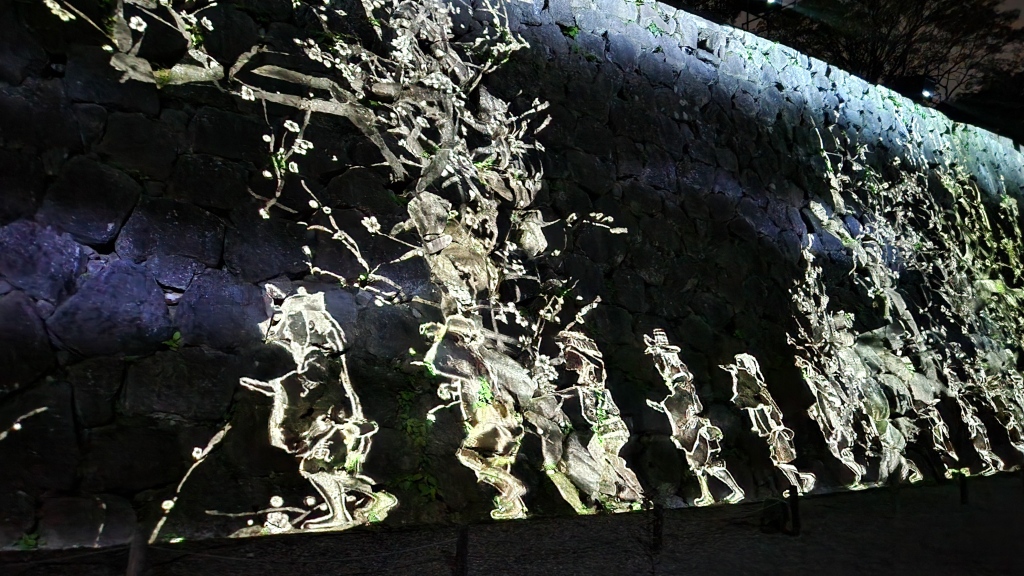
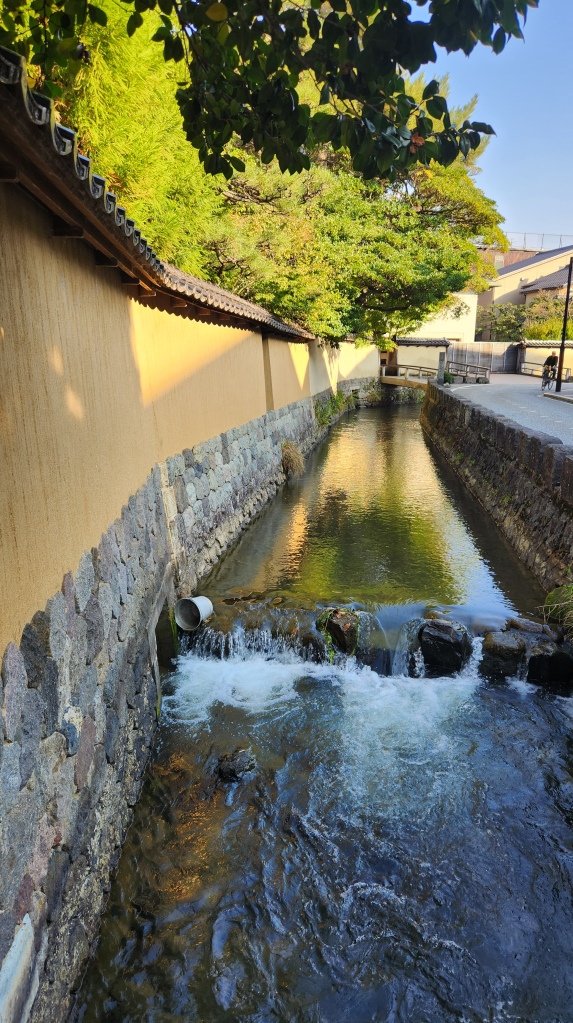
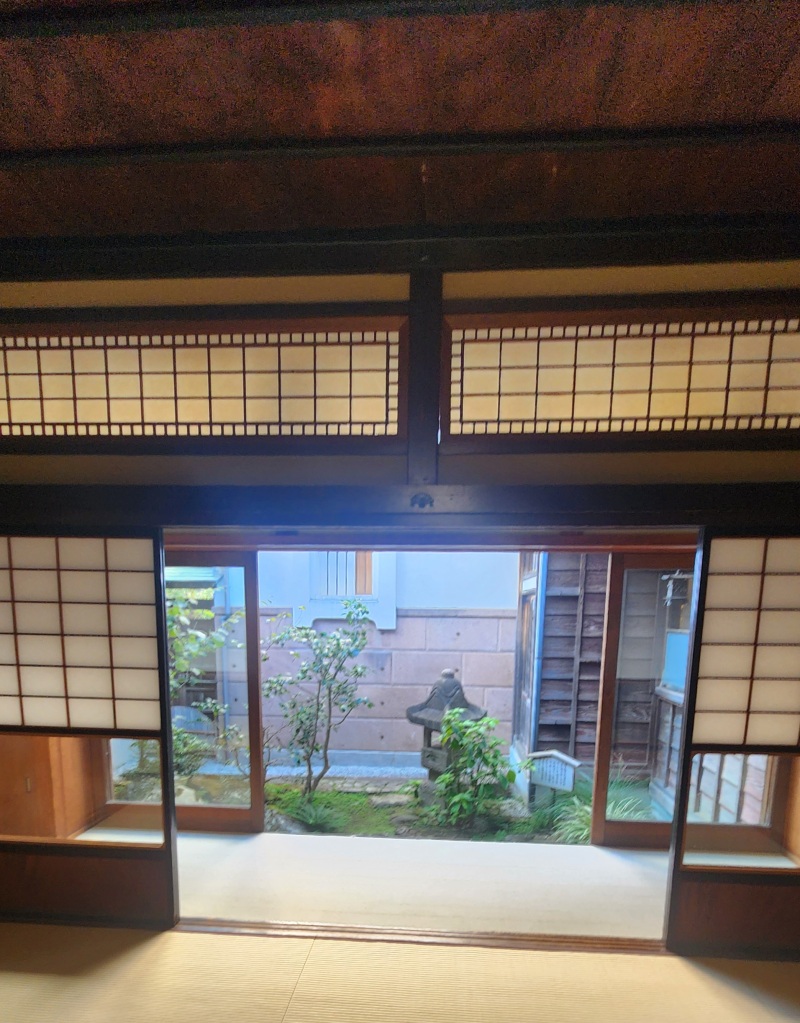
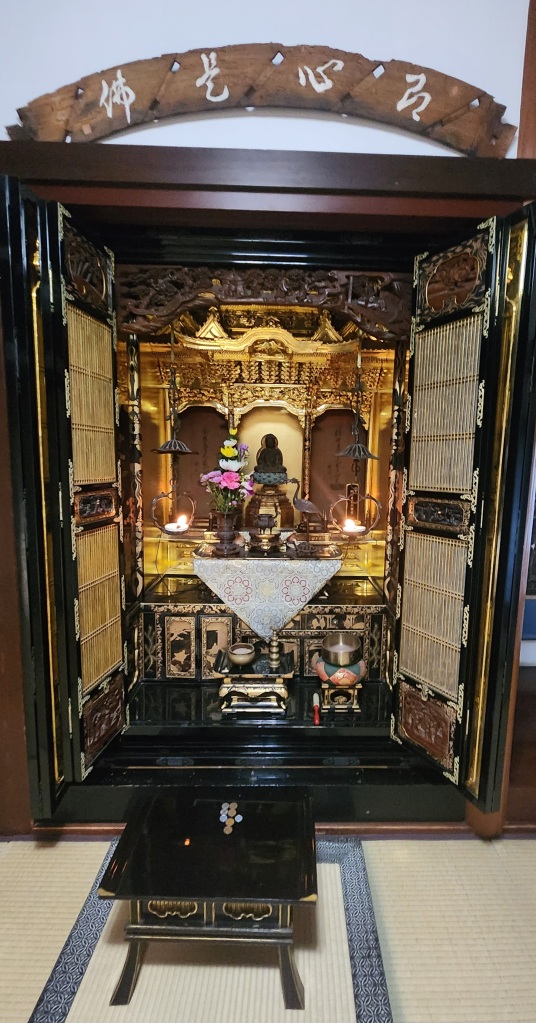
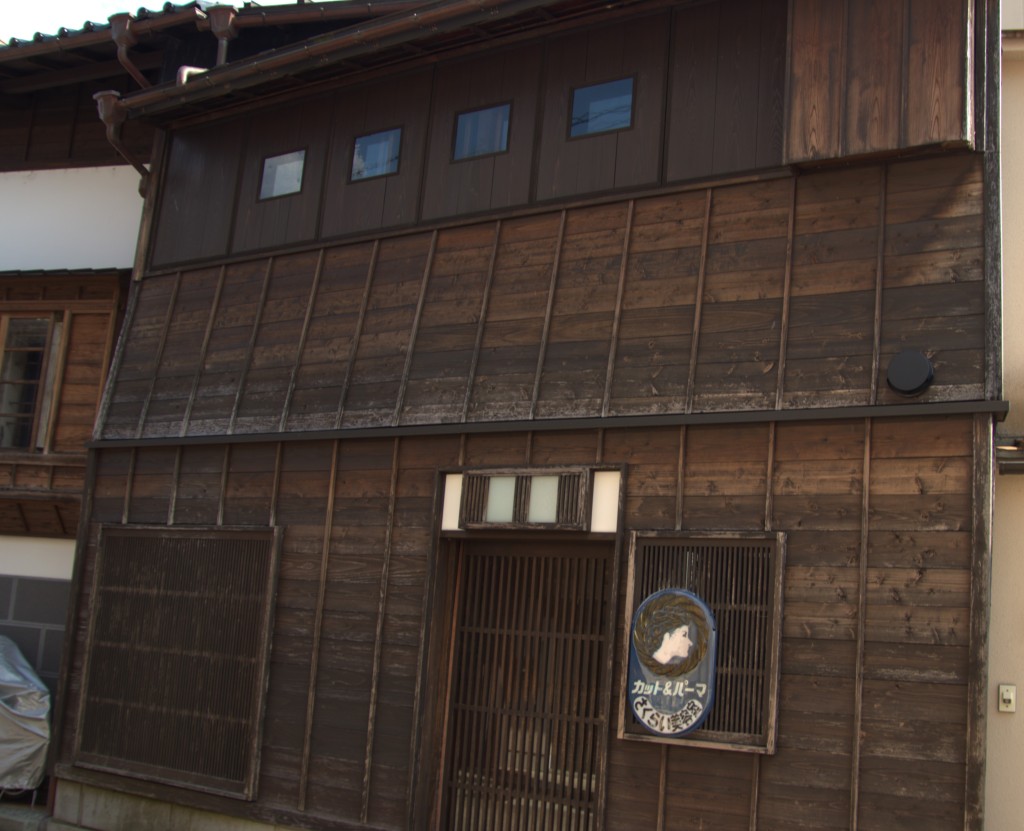
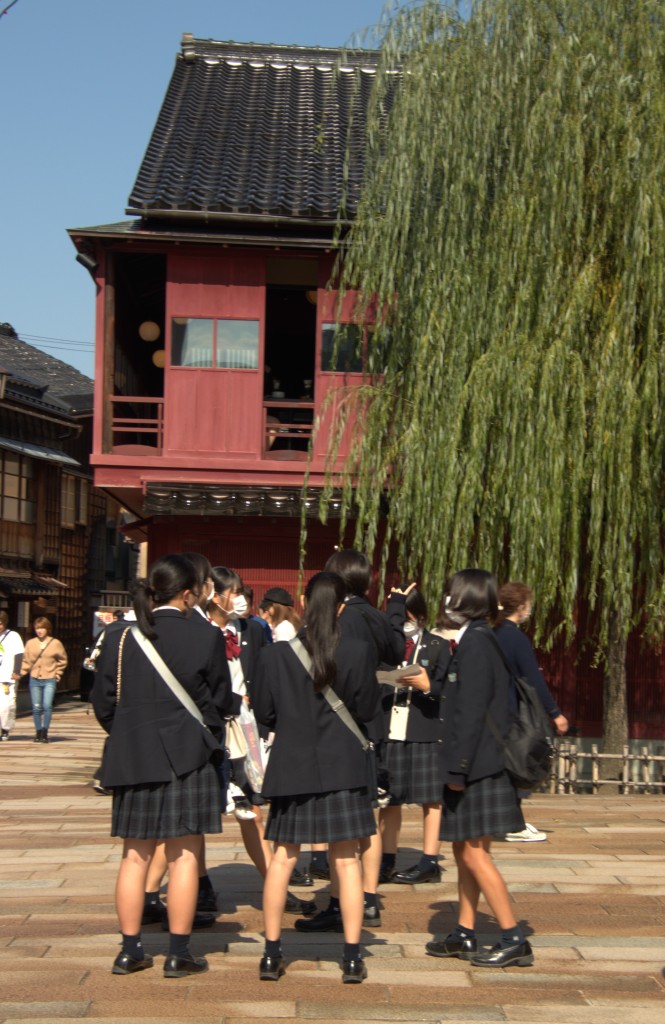
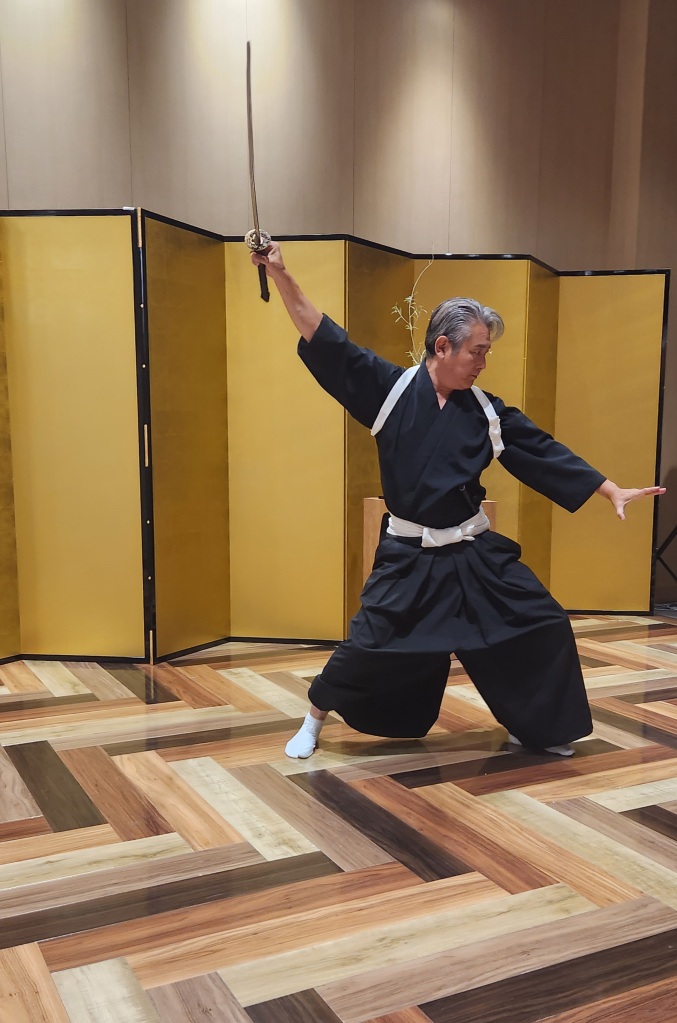
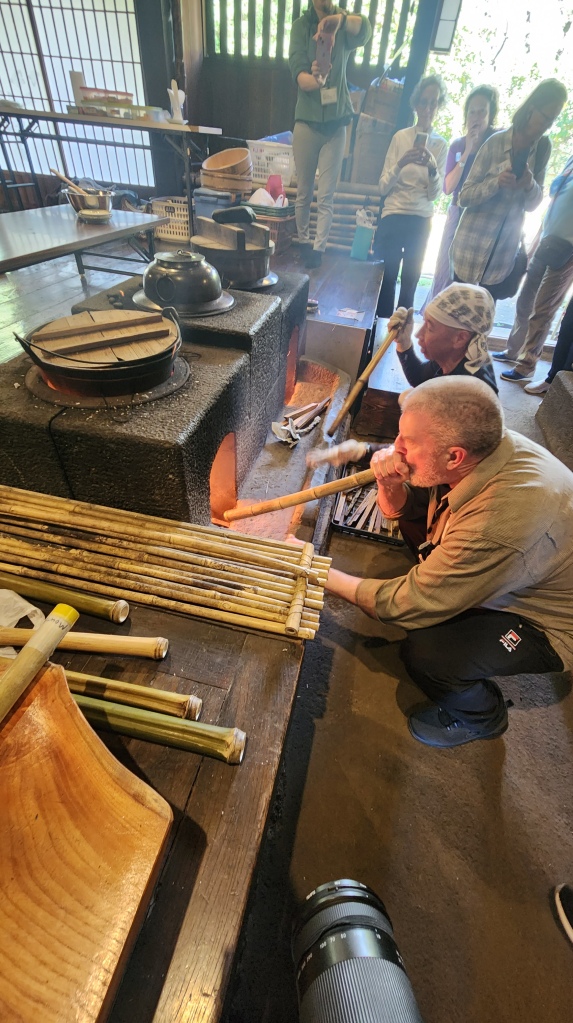
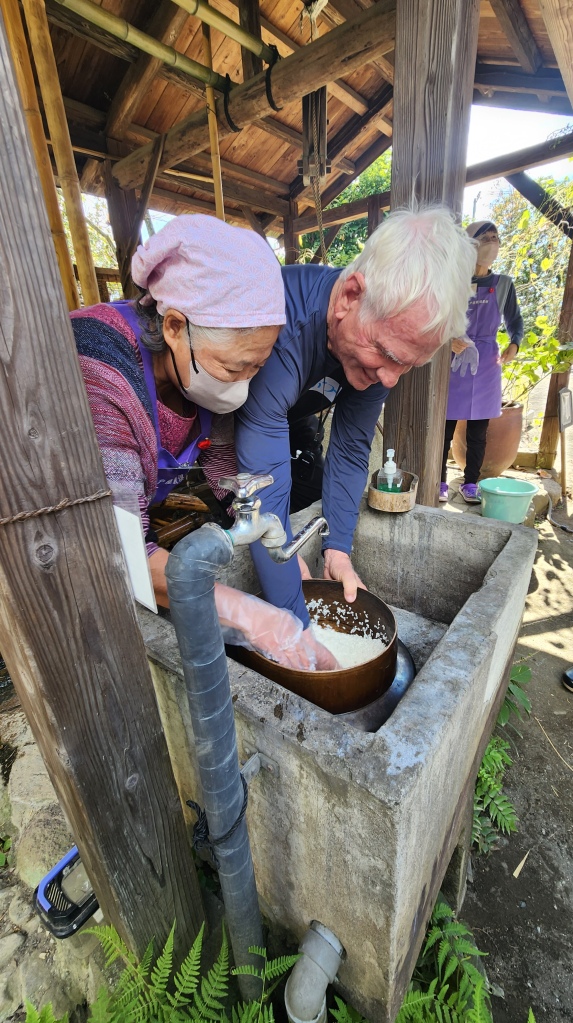
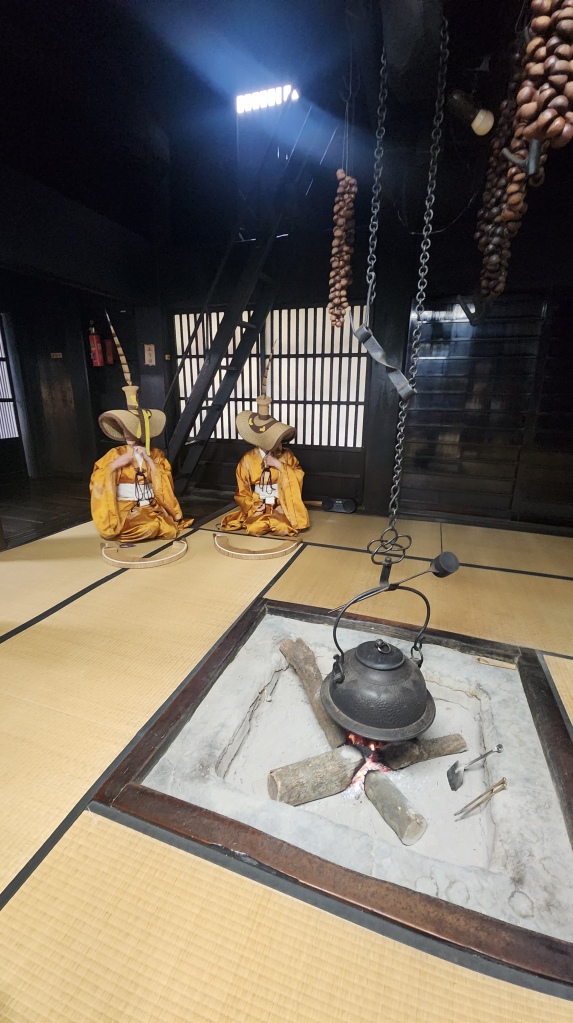
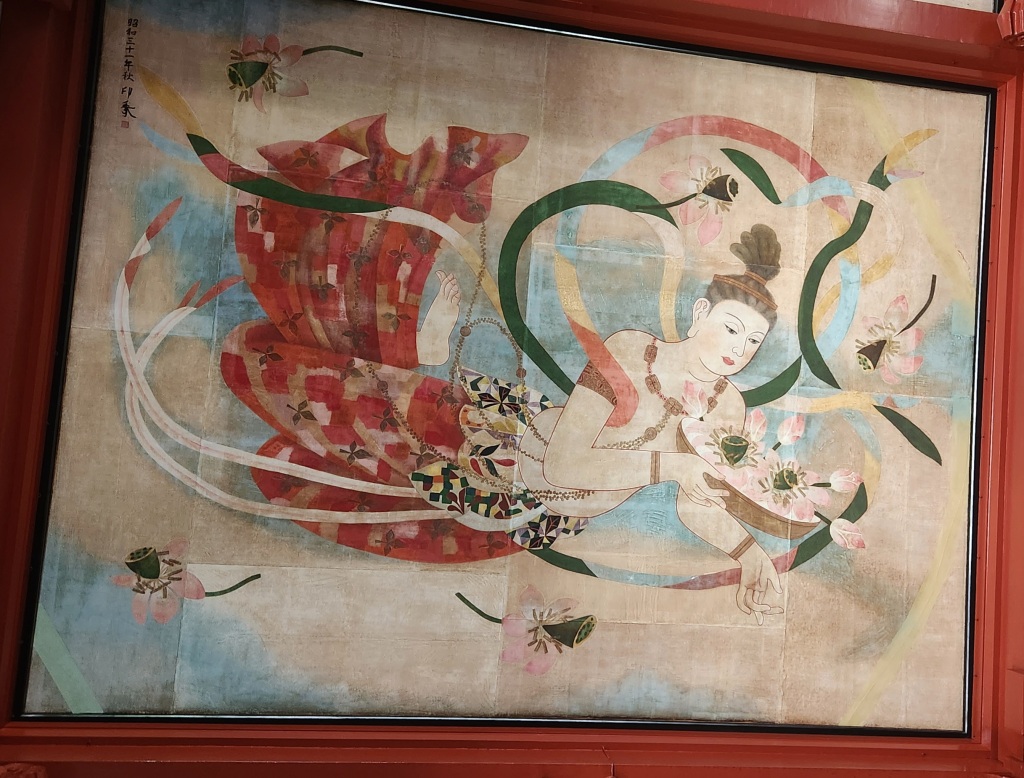
We were fortunate to visit Seto House on the way to Hakone where we helped locals make lunch. This centuries old home once belonged to an important leader and his family. At the entry, there’s a small mill that still works and gardens are in the back. The stove used to cook our rice has been used for over 300 years. This place is now the villages community center.
300 year-old stovethis is the only heat in the buidling–quite cold in winter! Cross section of packed thatch
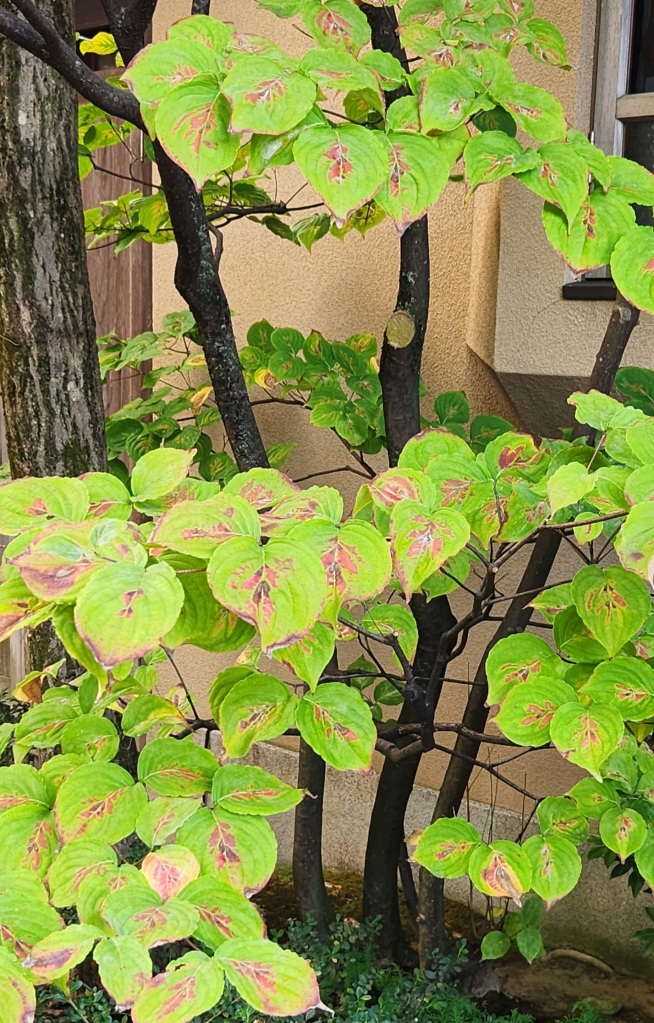
A few days later, we went to Ainokura in the Gokayama Valley , where there are 20 steep thatched roof homes in this World Heritage site. Some of the Gassho-style houses are now B&Bs. The villagers devised their own fire-hydrant system, since the biggest danger to thatch homes is fire. There’s a shinto shrine and Buddhist temples here too. It was a beautiful day with tree colors just starting to change and grass thatch stacked to dry in the fields.
hike above town for a better view
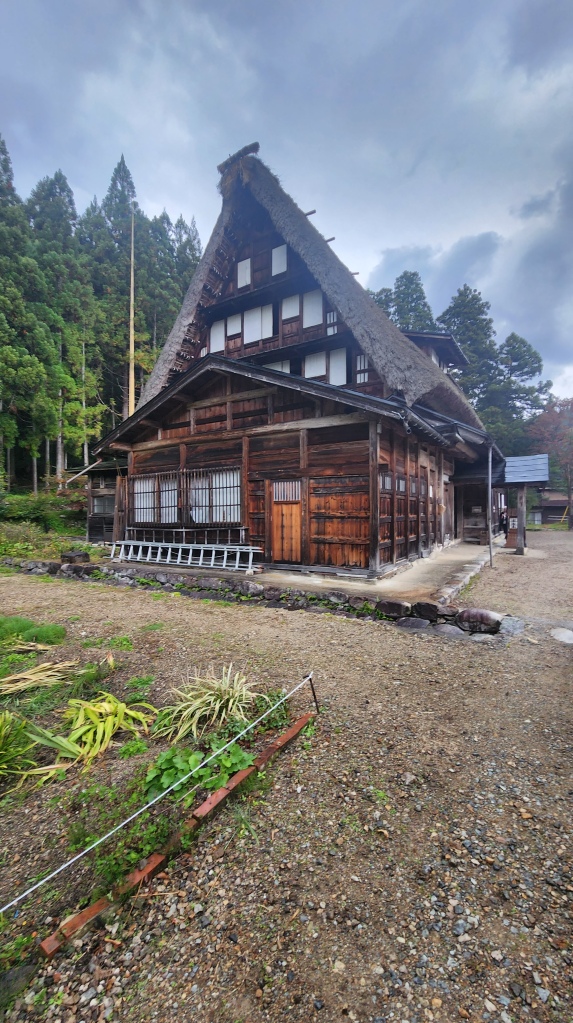
The last place, 5- storey Iwase House, has a 350 year-old heritage in the production of gunpowder and a close connection to the Sammuri and Shoguns. There’s a back entrance for the Sammuri and fake rooms to hide or escape. The upper floors are completely open with the middle floor used for staff sleeping areas but the upper floors were used for silk worm production and other agriculture needs.
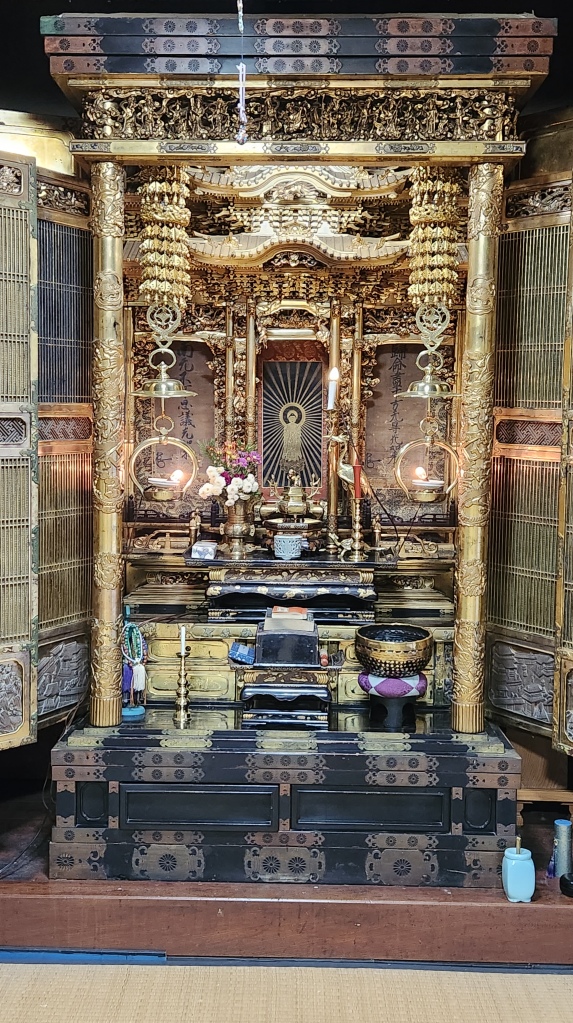
traditional dancers behind the fire–the only heat source in wintersliding doors open to the fish pond behind the houseBuddhist temple in the homeformal dining room for dignitaries steep roof like two hands in prayer Samurai entered through this door. 3rd floor showing blackened timbers and how vines or rope are used instead of nails or metal
Thatched homes ( Kayabuki Minka) have been built in Japan for over 5,000 years, which was a surprise to me. The roof is densely packed and can last 20 years or longer. The rain only penetrates and rots the very top layer, so the roof is never completely stripped. Some communities chip in to help each other, but more often masters who have learned the craft are hired and payment subsidized by the government. Gassho homes are places of invisible energy. The immense roof without interior divisions represents the willingness to have an open mind and resembles praying hands.Traditional dancers at Iwase house use ancient instruments called “Kokoriko” made out of hundreds of wood clappers.
The dance was once upon a time performed by unmarried girls with lyrics about love and for wishes to be granted.
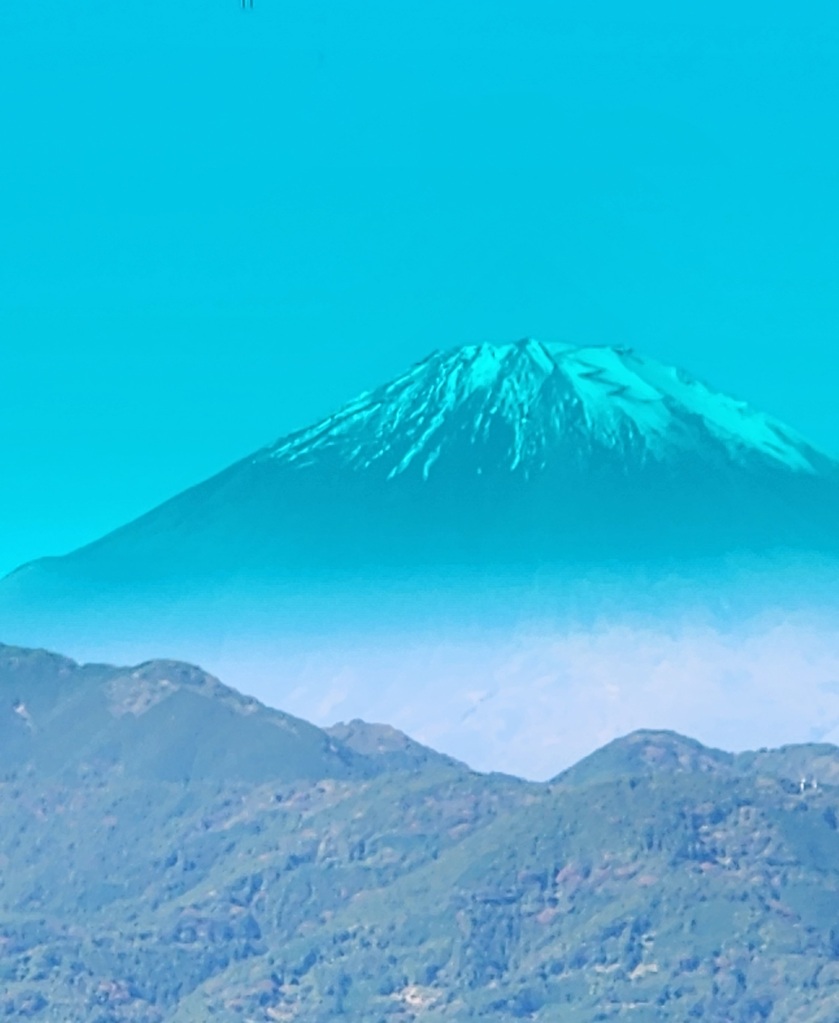
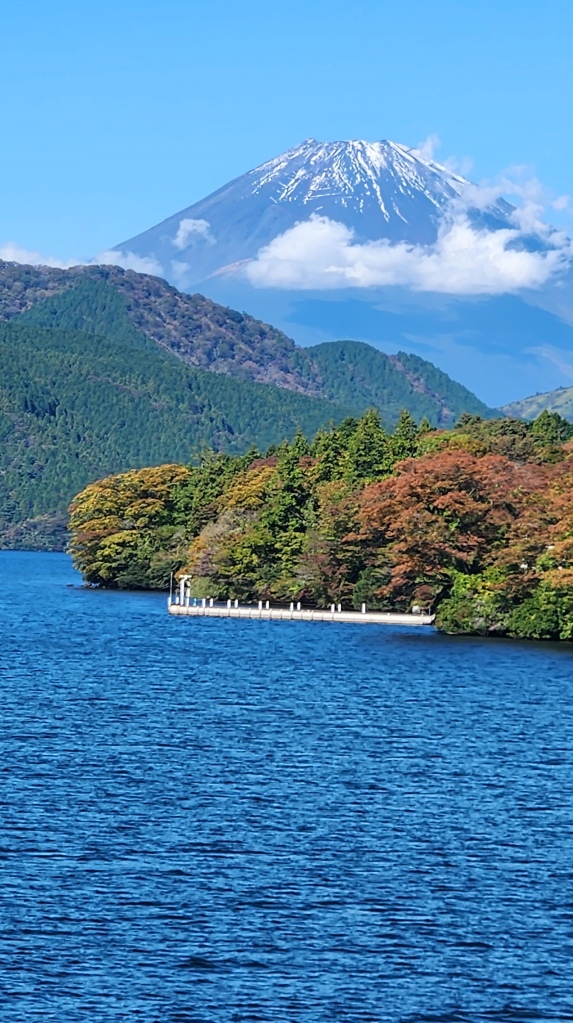
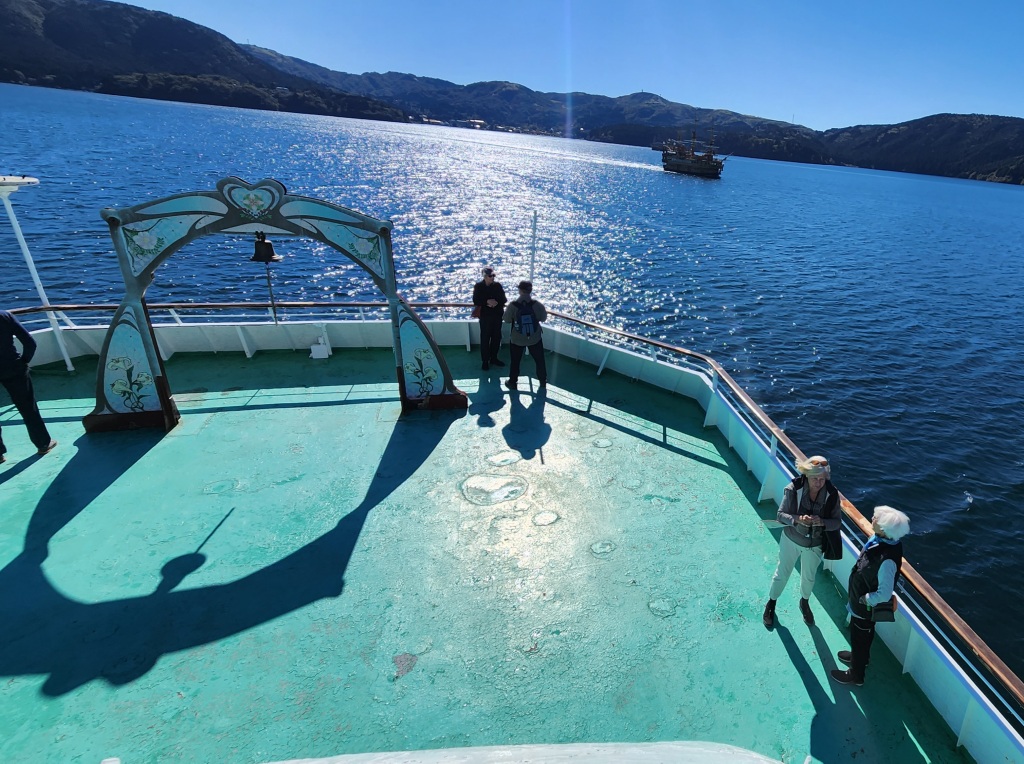
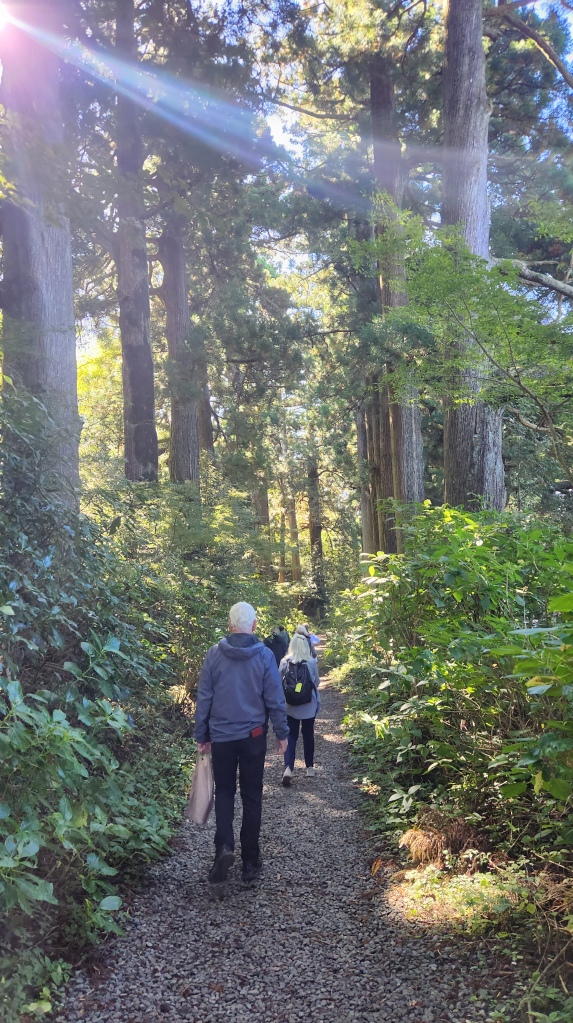
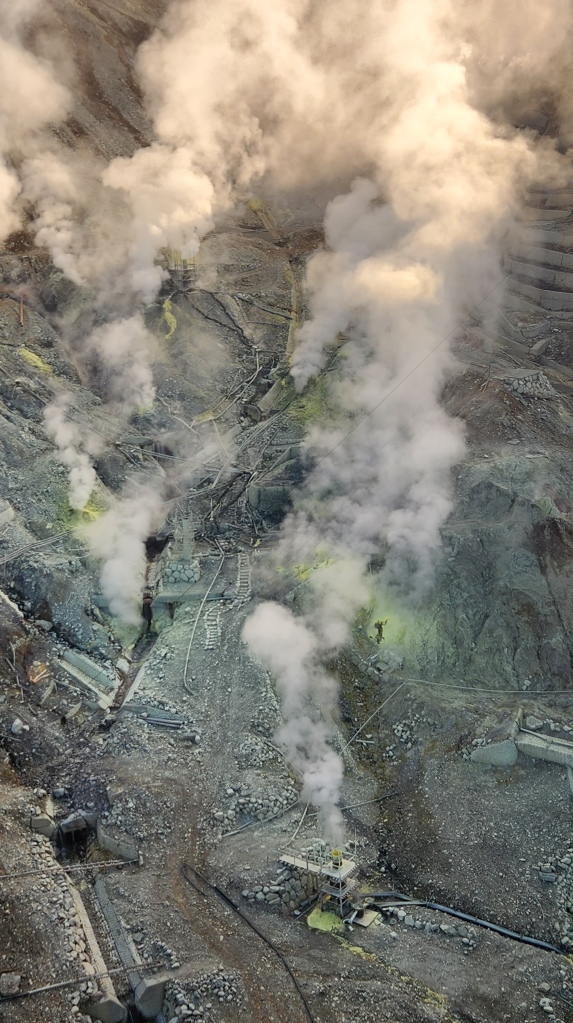
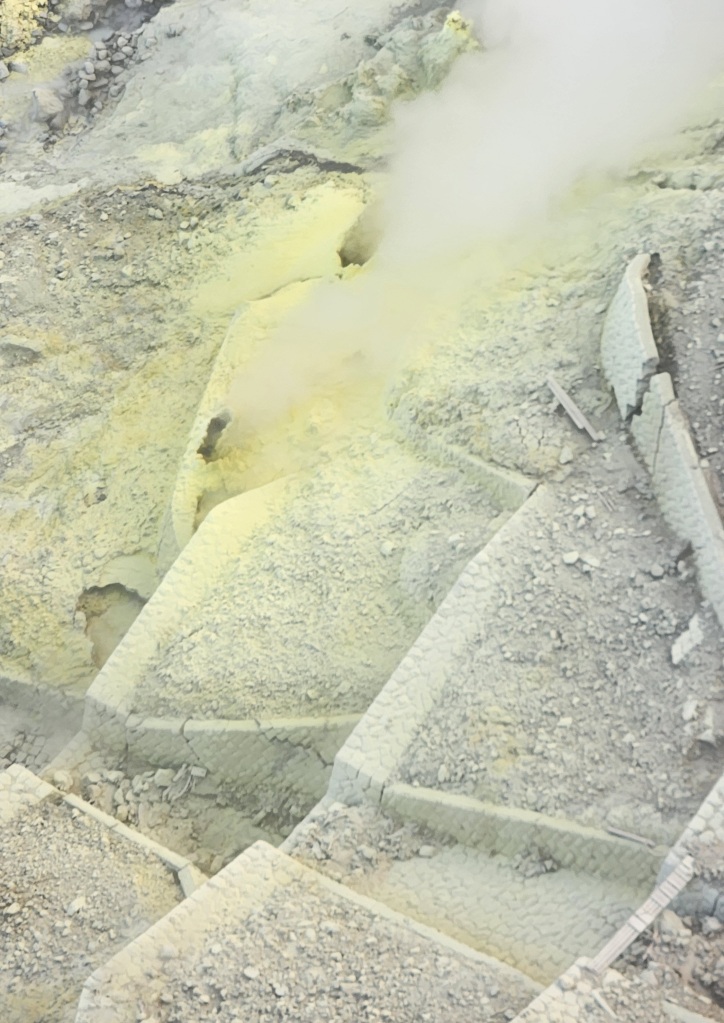
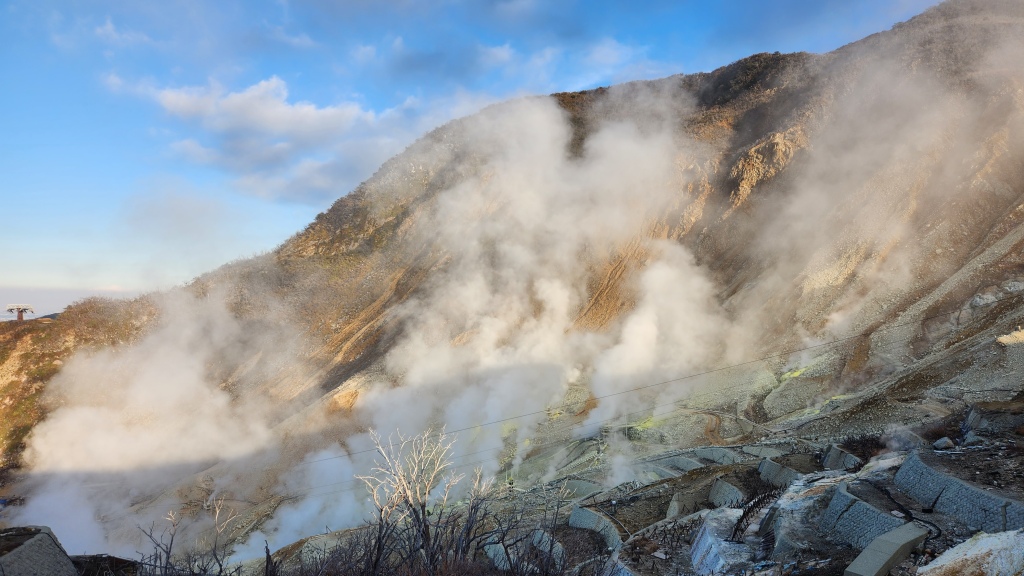
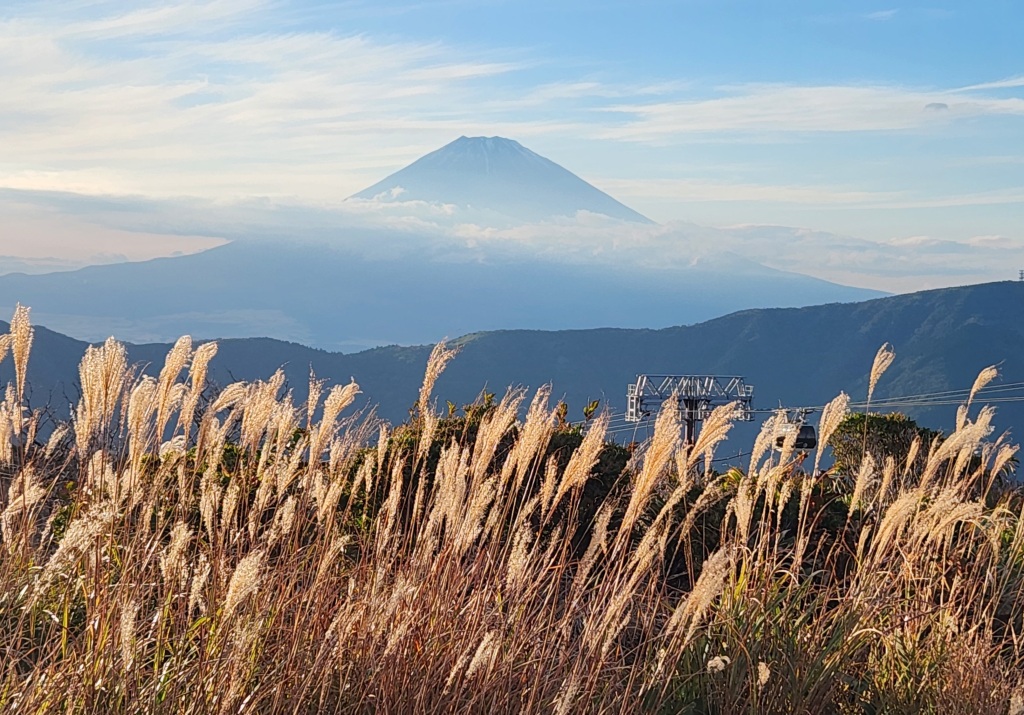
Hakone is located west of Tokyo and is in the Mount Fuji National Park. You’ll find Shinto shrines, beautiful lake Ashi and many spas offering thermal baths. Depending on where you stay–there are women only baths, men only, and limited private pools. FYI- Japanese baths are a naked experience and a family tradition. The ancient royal highway passes through here and you can walk along the tree-lined path that once took nobles and warlords to the capital in Kyoto. It’s super fun to take the cable cars over the boiling sulphur springs of the Owakudani valley. It will make you feel like you’re on another planet. Don’t forget to purchase black eggs hardboiled in sulphur vents. It’s said that you’ll live 7 years longer.
my first glimpse of Mt. Fuji there are several cruise boat companies to sail Lake Asiview from our walk on the royal highwaythere are 5 sacred trees in Japan. This section of the royal highway are cedarscable car thru the sulpher valley
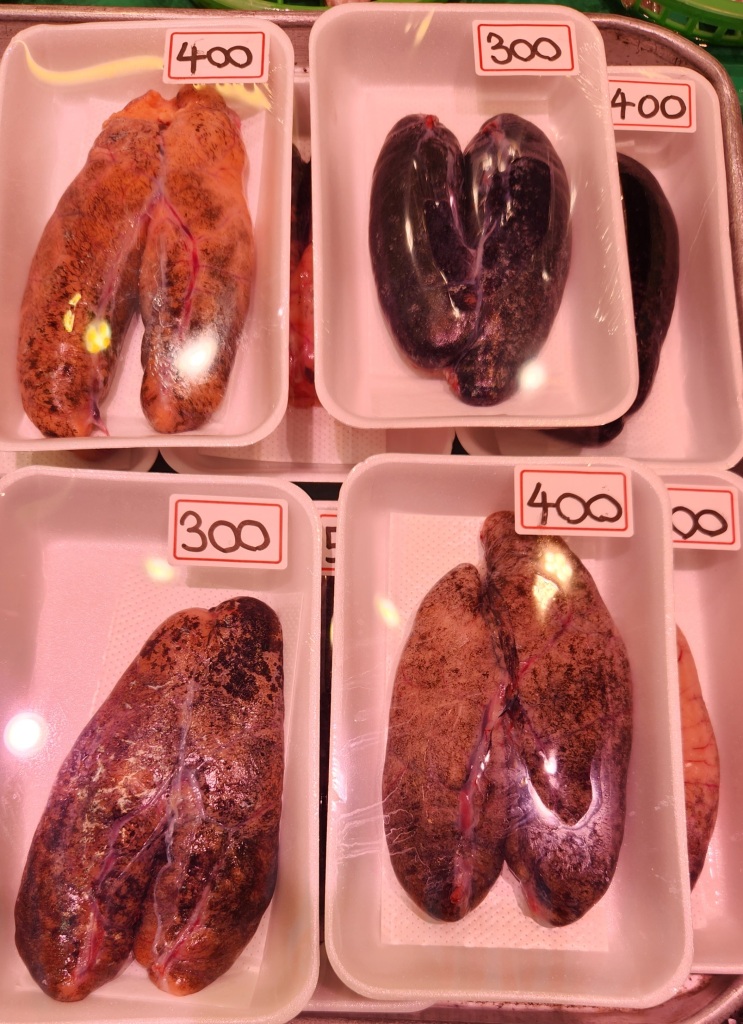
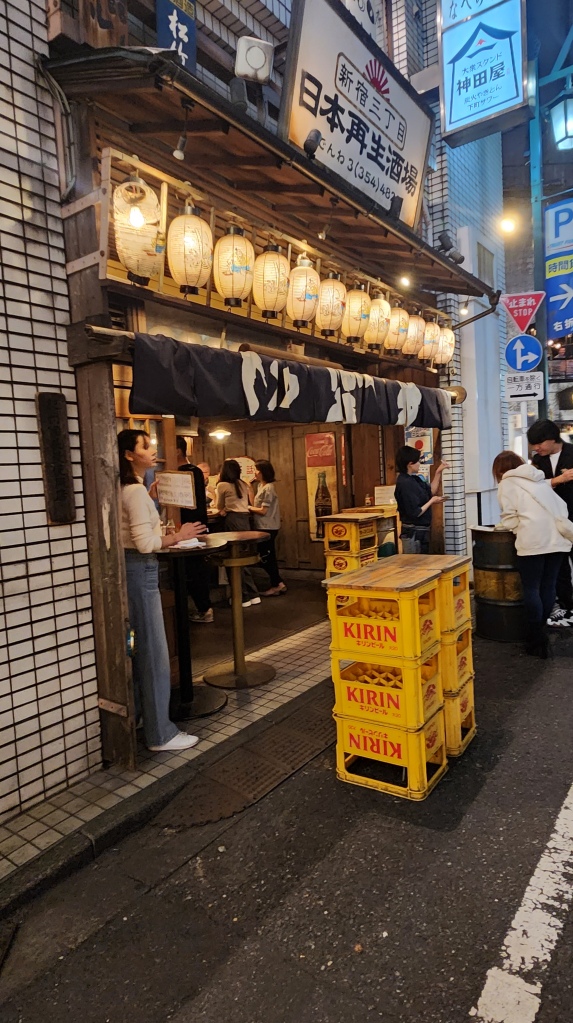
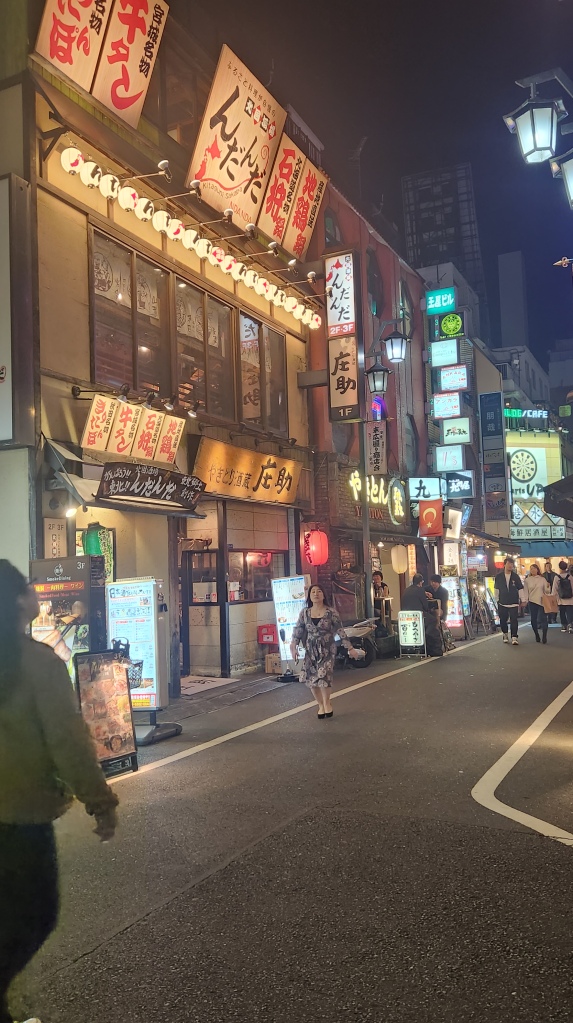
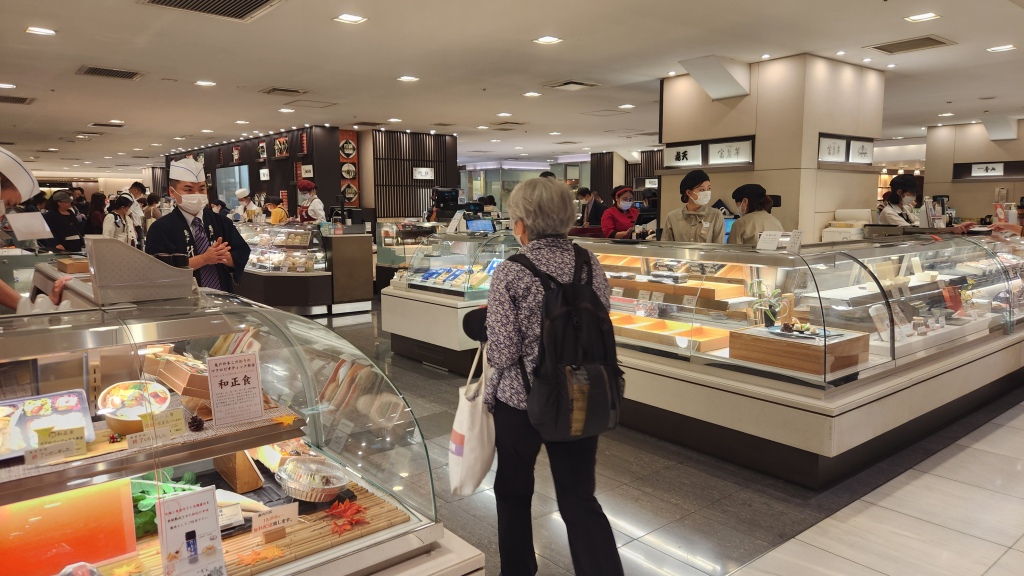
We stayed in the Shinjuku station area which was convenient for the metra, trains, buses and yet the neighborhood was full of small restaurants and intimate bars. Among the huge department stores, such as high-end Isetan, there are small boutiques as well. A note to remember–downstairs in Isetan is an immense food court. Thirty minutes before closing all the food is discounted for take away meals or treats. Personally, I was overwhelmed with the food choices and by the time I looked at each case I couldn’t remember how to get back to the suishi section.
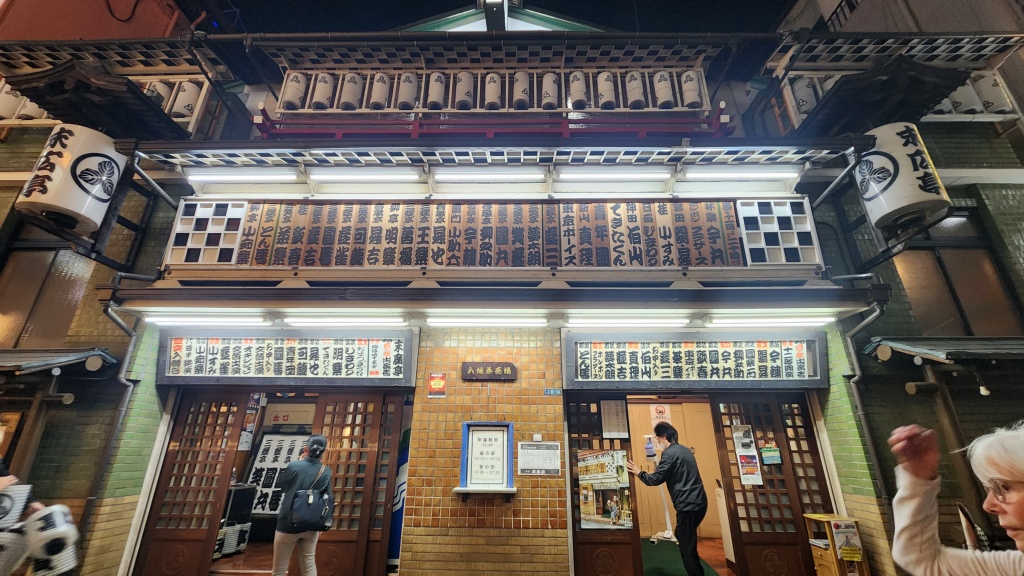
kabuki theater New year’s boxes you could preorder
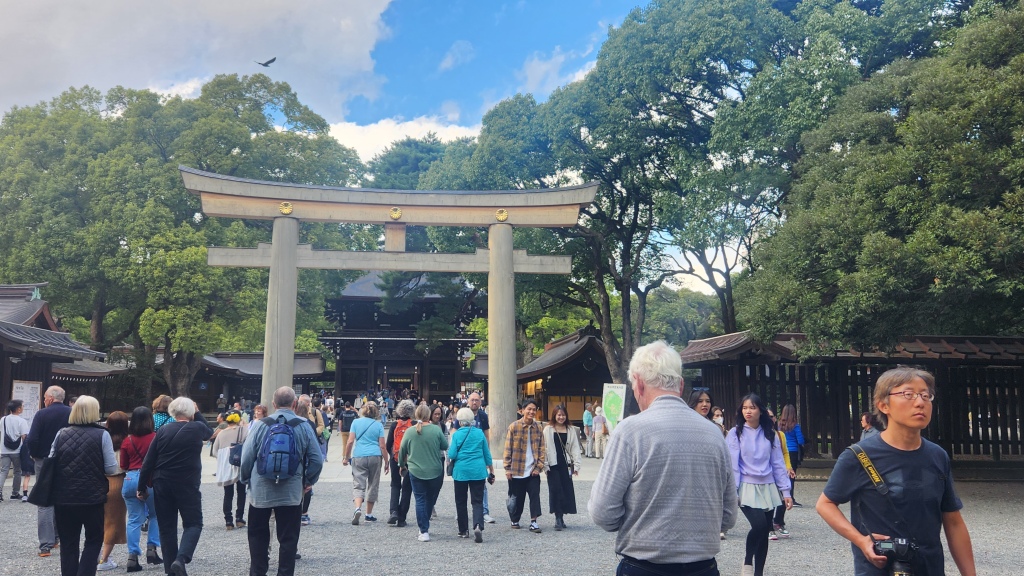
Meji Jingu Shrine
The 122nd Emperor, Meji, and the Empress Shoken’s spirits infuse the breeze through the man-made forest created with trees found from all corners of Japan. Over 10,000 trees were planted here. The wind ruffles your hair and is drawn in with each breath. Exhale pushes forward spinning prayer requests hanging at the holy temple. Prayers are released and rise skyward.
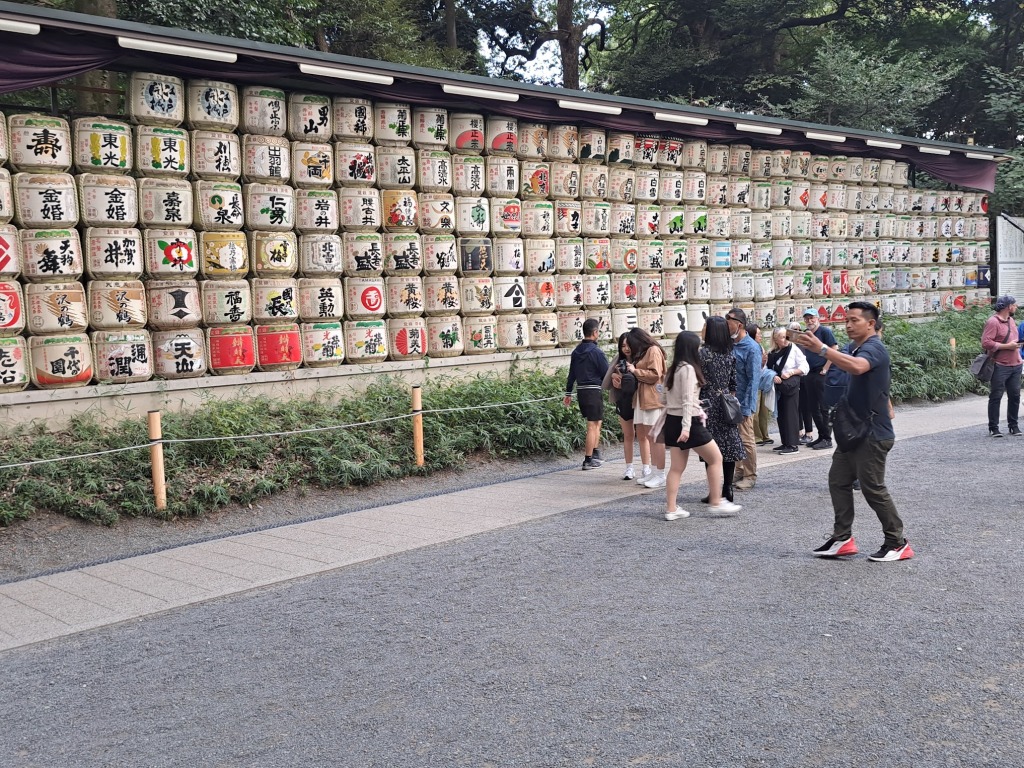
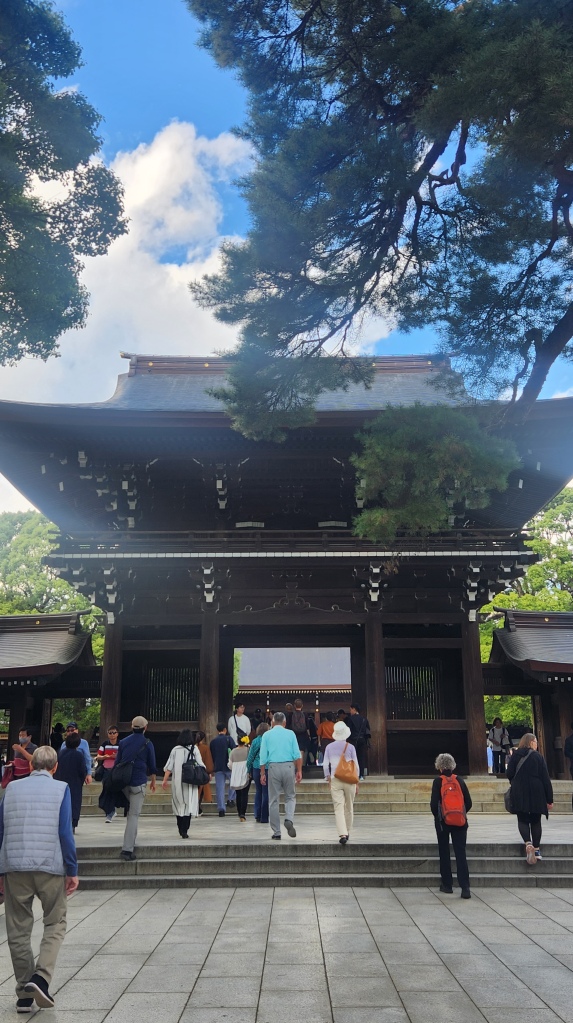
many Shinto gates through the forestgifts of Sake for the templeBuddhist gate closer to the temple
In 1868, the restored emperor took the name Meji which means “enlightened rule”. This happened after the feudal Shogun’s (generals) fell. This also ended the Samurai warriors who were appointed to protect the military system. Japan finally opened borders after 217 years ( meaning no colonists and no Christians’ allowed). Meji led the country into the modern world with a constitution, parliament and infrastructure projects like railroads stitching the country together.
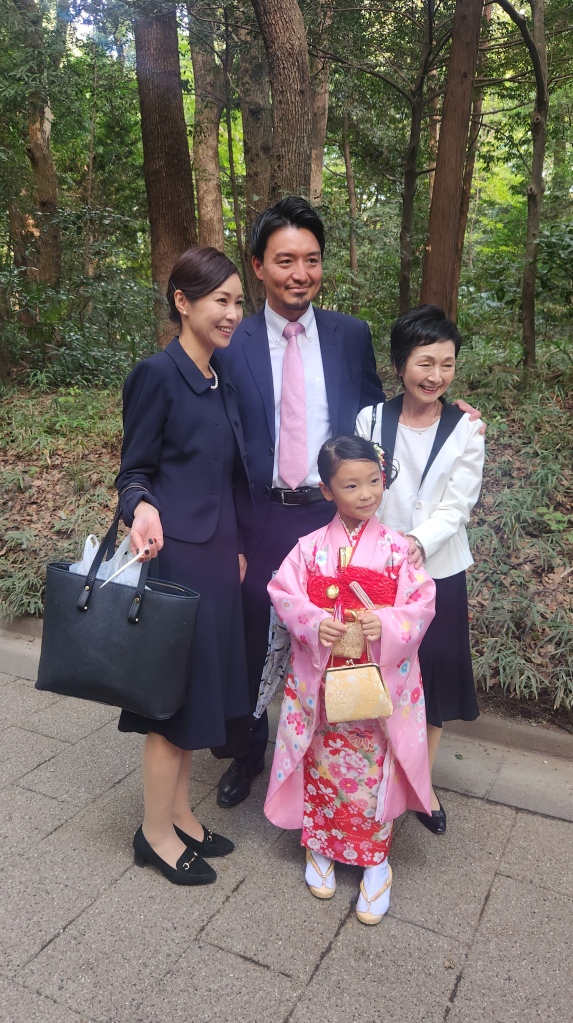
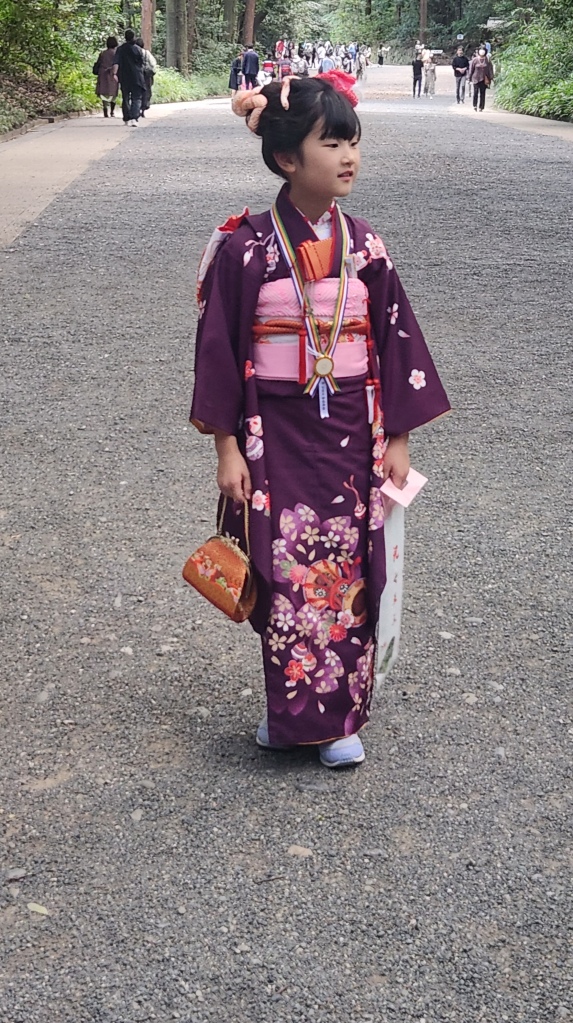
After Meji’s death in 1912, construction of this shrine began at a place embodied with prosperity and safety. Life events, such as the birth of a child are celebrated and prayed for here. We delighted in seeing children (5-years for boys, 3 and 7-years for girls) with their parents praying for continued good health. There were a few coming-of-age young women shyly smiling at well-wishers.
Weddings also happen here, which makes sense with vibes of good fortune and health. The processions, led by a Buddhist monk, are magic to watch. Burning incense rises from braziers purifying everyone.
Near the exit, there’s a fortune telling kiosk that is crammed with people waiting to pay to know what the future holds for them. I’ll wait. Surprises are better.
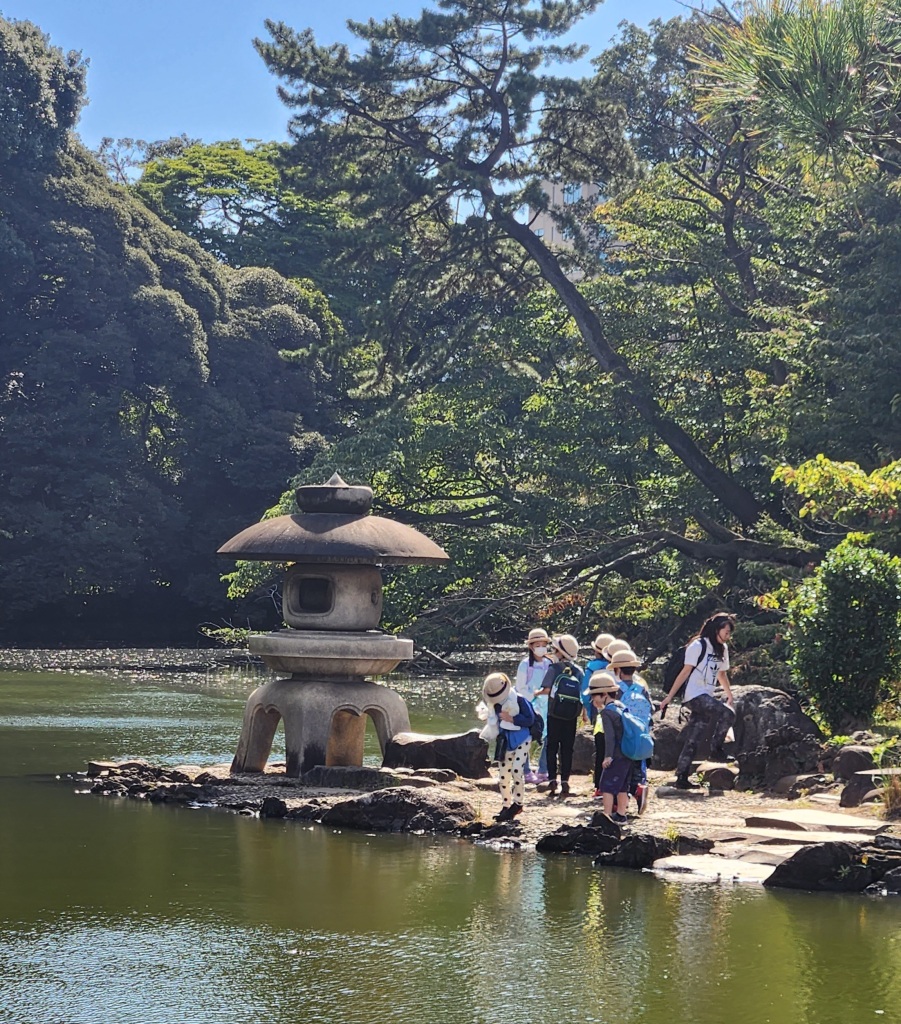
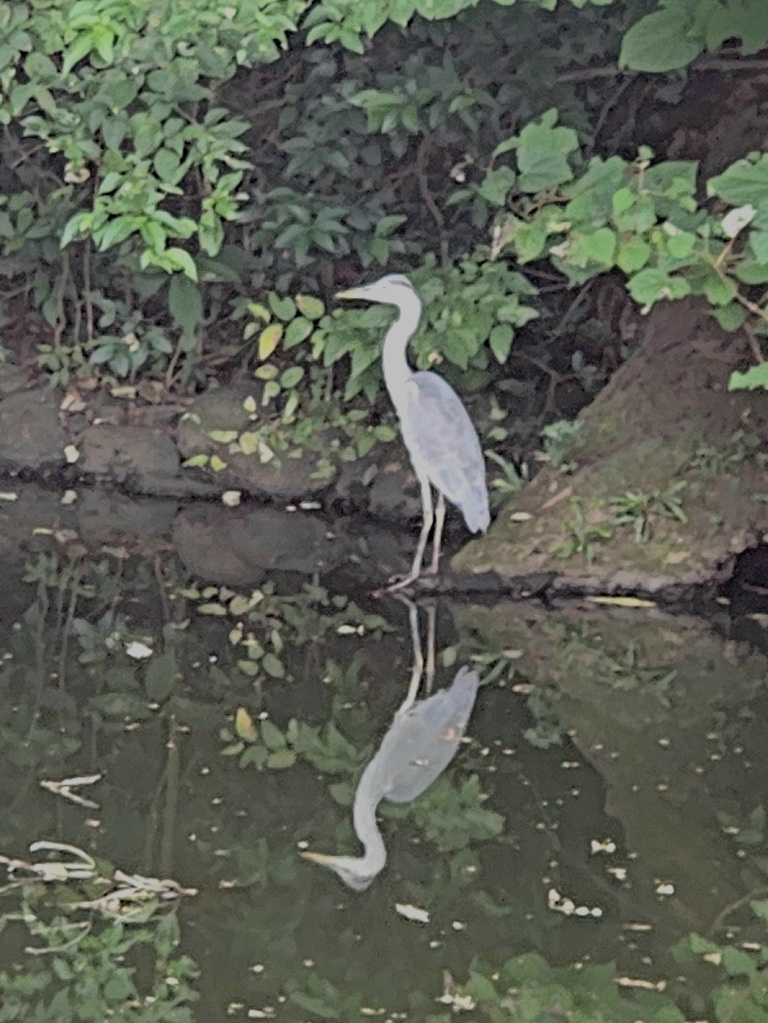
Shinjuku Garden
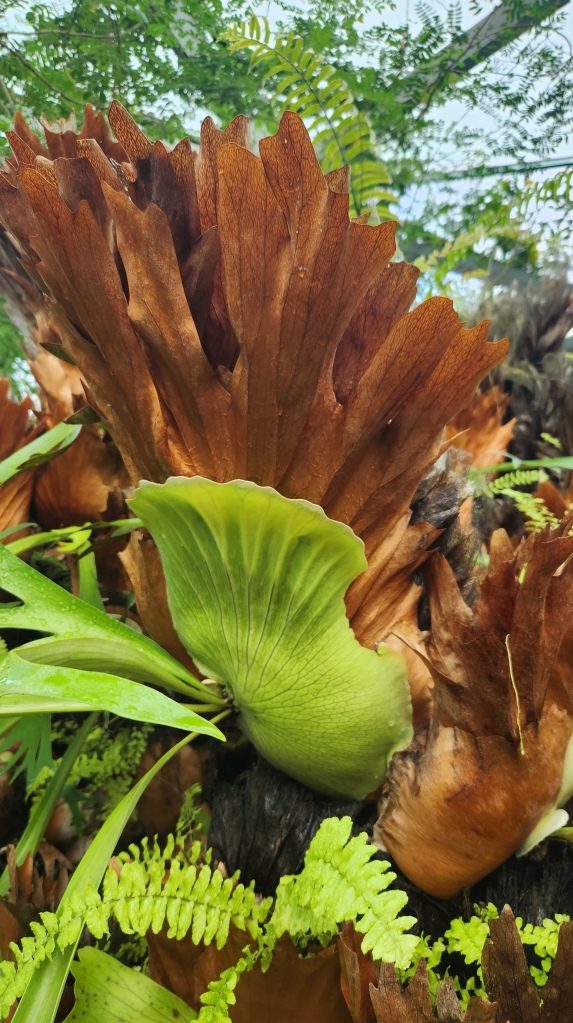
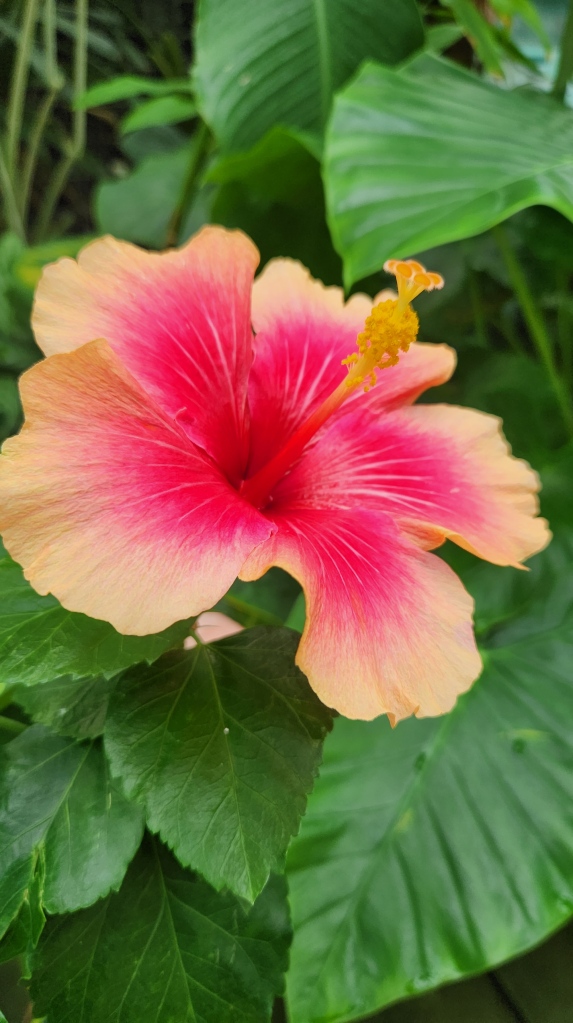
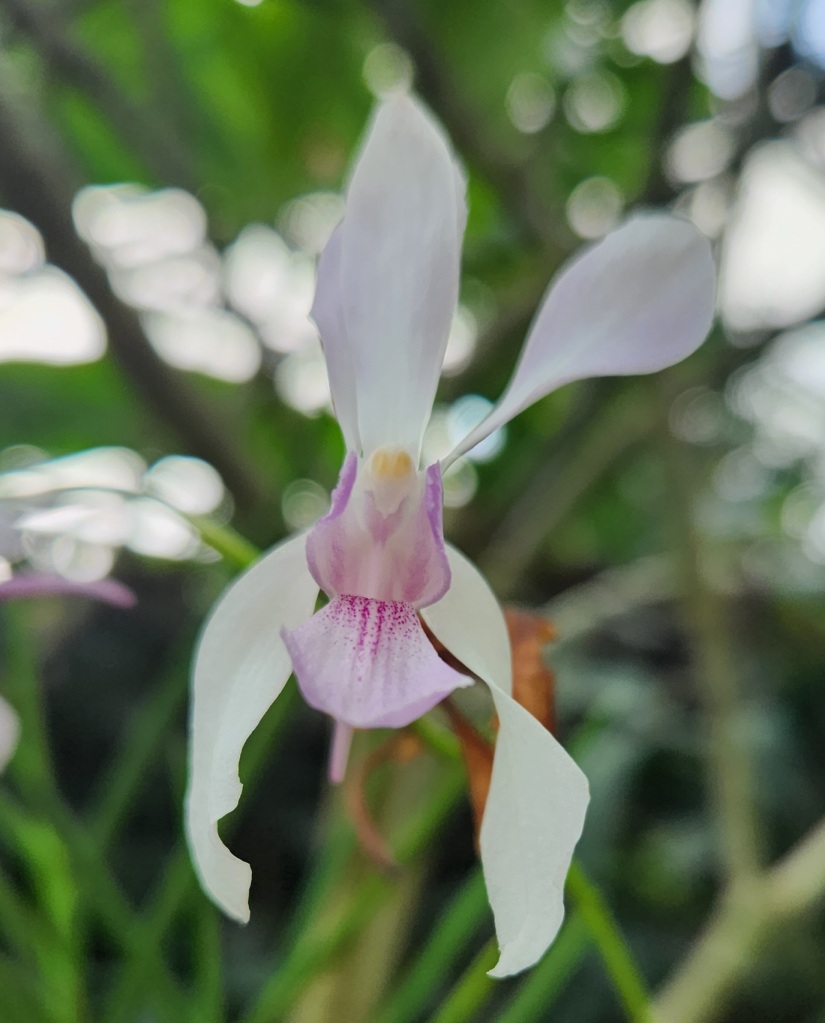
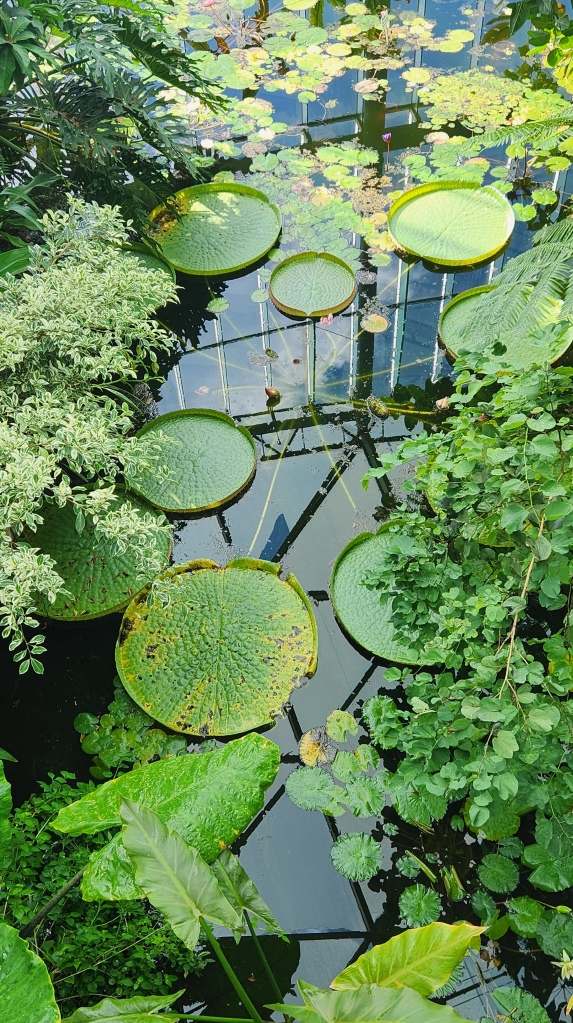
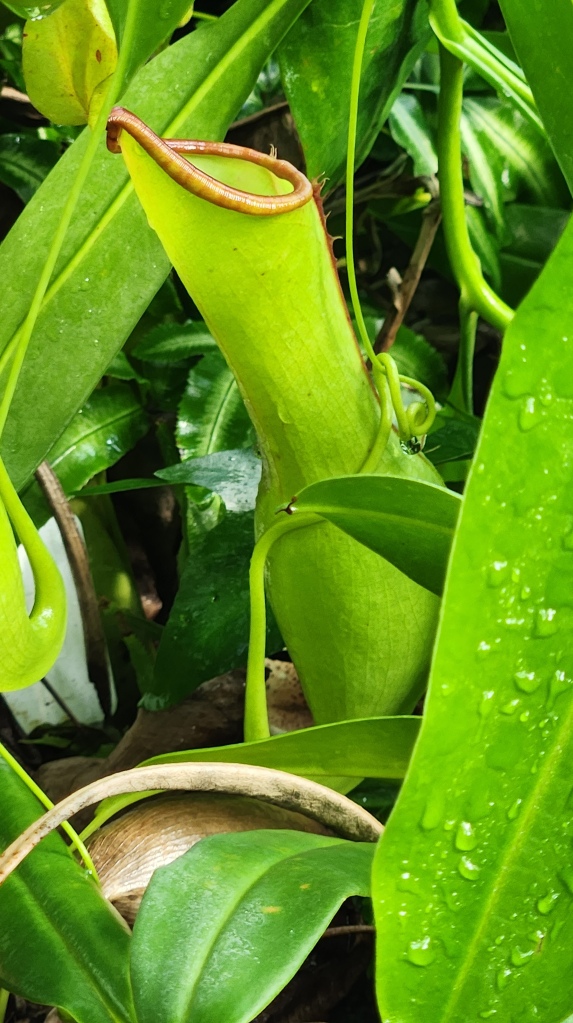
We walked to this garden from our hotel on a lovely day in October. It used to be a home of Lord Takato of the Naito clan in the Edo period ( 1591). The house (circa 1906) is still there, but it wasn’t open to view so we headed next door to the greenhouse complex established in 1872 as a research station. A path winds it’s way around a waterfall and huge waterlilies are at the bottom of the stream where it opens to a small pond.
yes, it’s carniverous
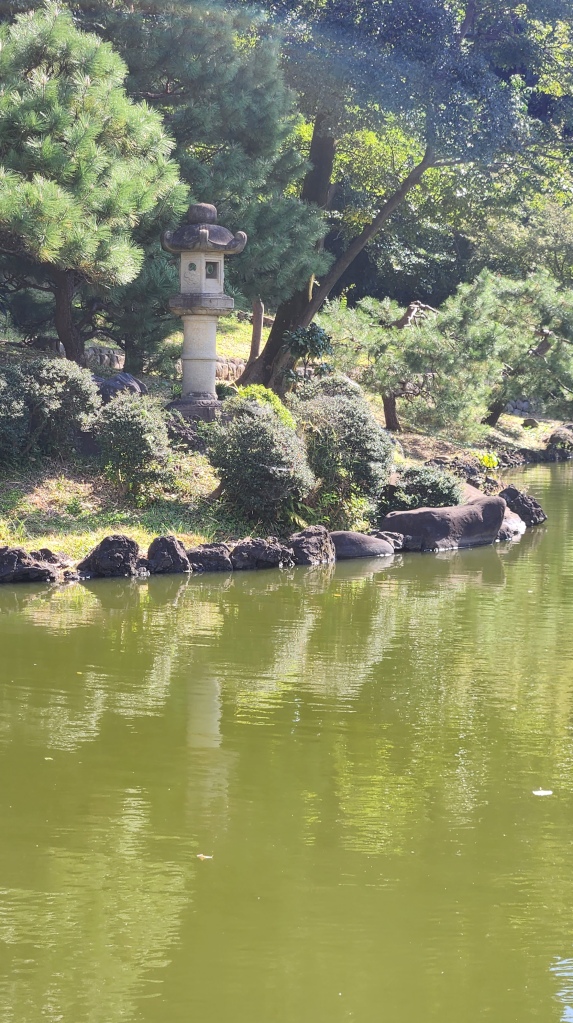
The outside pond with surrounding garden was completed in 1772. Imagine the pavillion filled with royals —well until after WW11 when the entire garden was opened to the public.
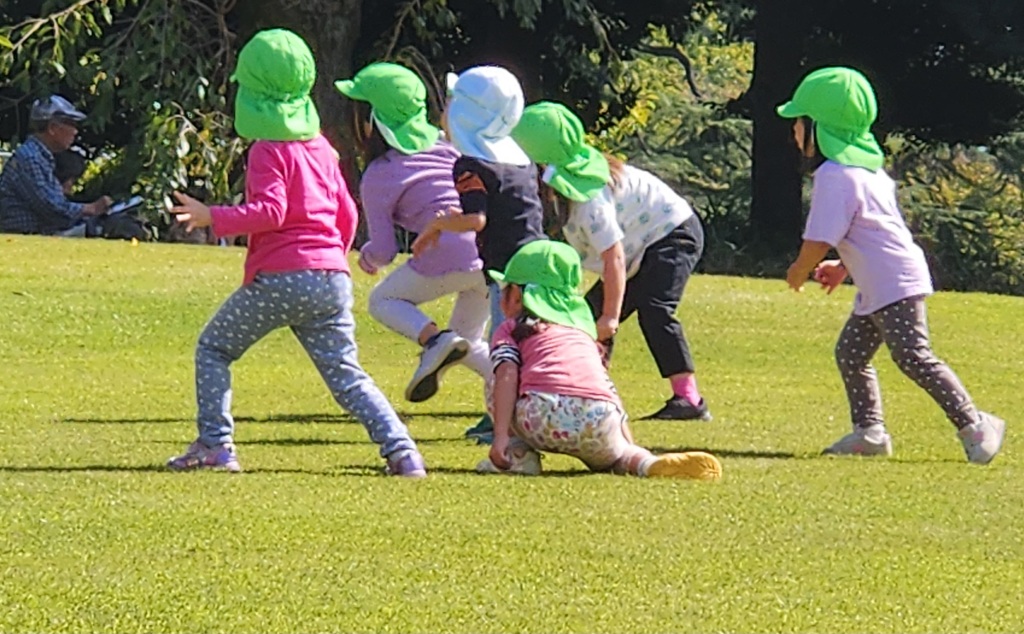
children playing red light/green light in the garden
We stopped for something to eat the tea house that offers traditional seating on the floor or low tables. the tea was wonderful and so were the sweet coated soybean cakes.
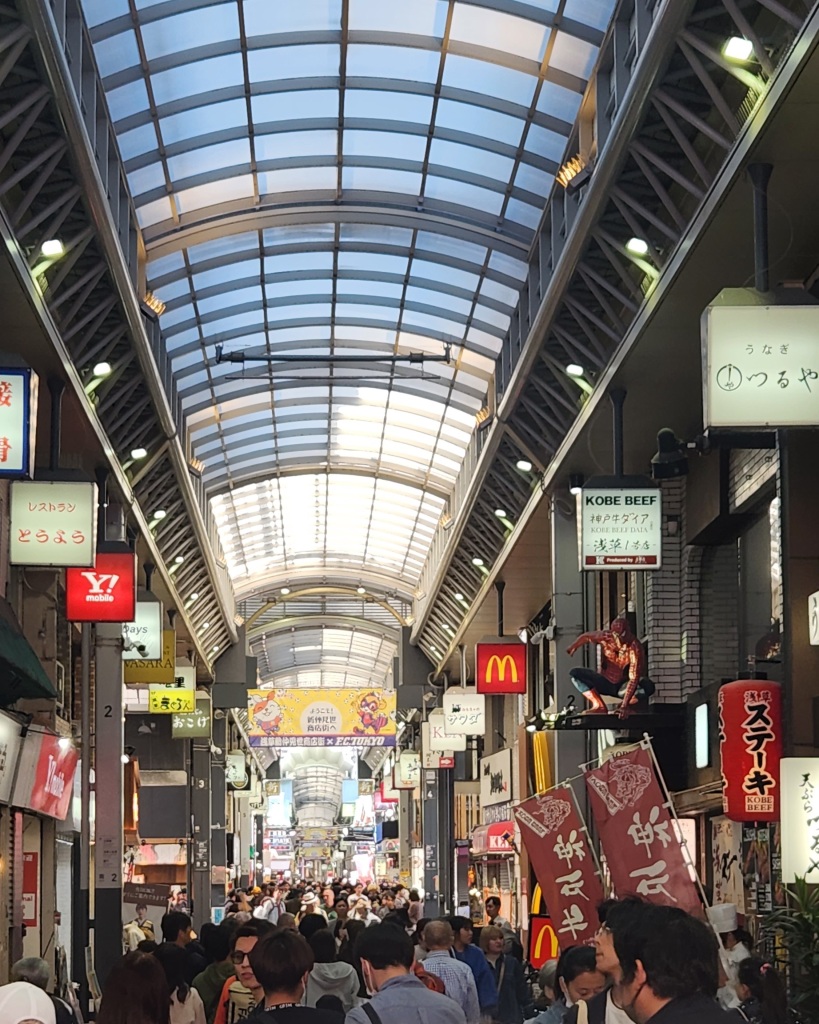
Asakusa for Drumming and Sensoji Temple
We took the metro to Asakusa and walked along the river enjoying unusual architecture such as the golden turd. But we were on our way to a drum lesson a short distance away.
We did have a lesson, which was really fun although I’m glad it wasn’t taped. From the drum manufacture, we walked towards Sensoji Temple and encountered a group on the street drumming too. There’s such joy in finding the unexpected!
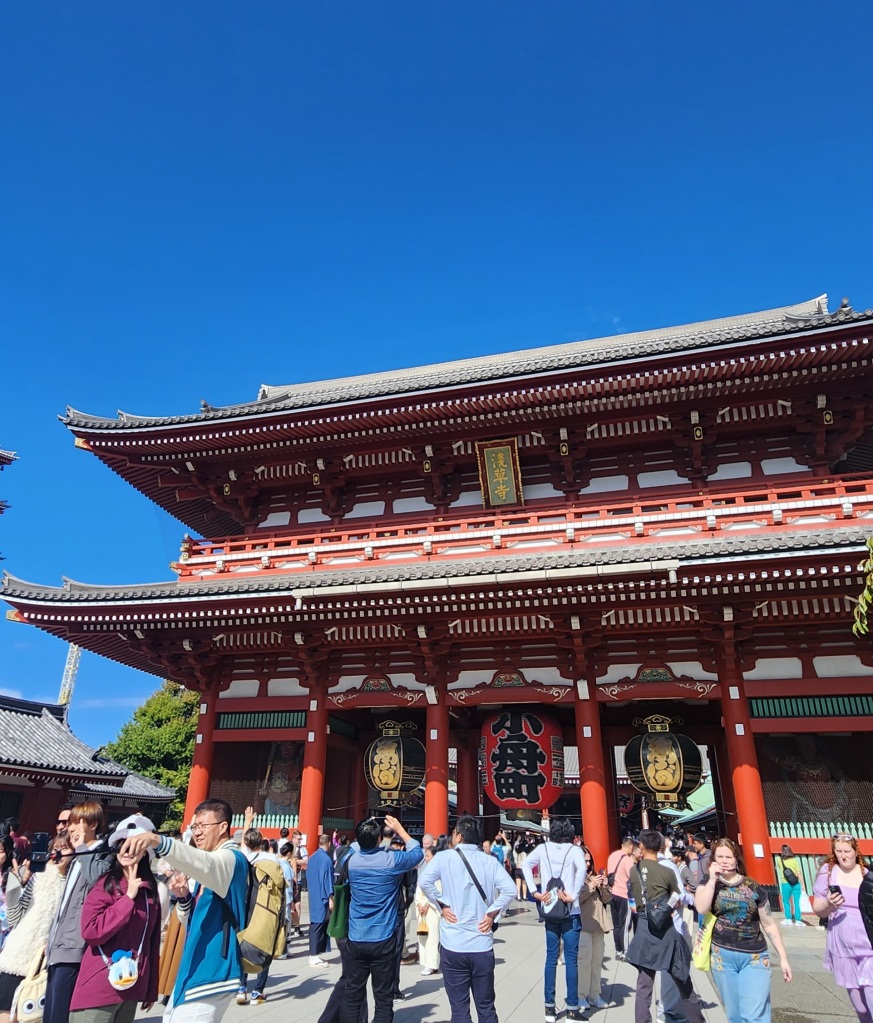
Sensoji Buddhist Temple
There is a story that began in 628 about 2 brothers who were fishing and found a statue of Avalokitesvara Bodhisattva Kannon who is known to be the most compassionate diety and relieves suffering. In 645 a Buddhist priest built a hall here for the statue which he quickly hid under a veil. Later, an “identical” statue was created that is rarely shown publicly. Such drama!
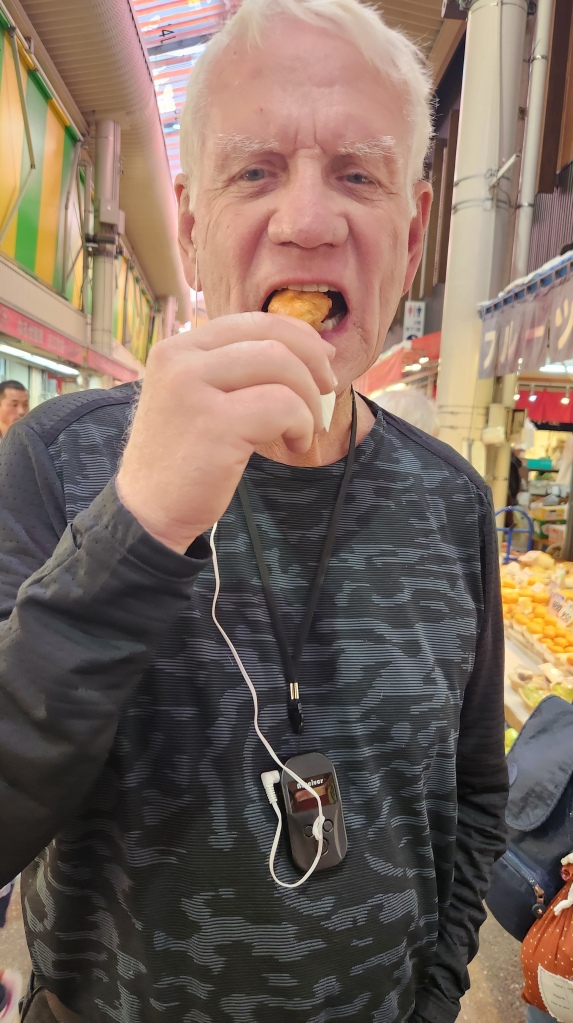
Asakusa Kannon’s popularity grew over the centuries and currently 30 million visitors come here every year. There are several points of entry and all of them are filled with food venders to feed the bulging crowds. Best to make a point of eating lunch early or quite late. The Tempura restaurant was very popular.
The Main hall was built by the 3rd shogun but was destroyed in a bombing raid during WW11. It was rebuilt in late 1950. The hall is divided into an inner and outer sanctum with the Kannon in a special locked temple in the middle. It’s not appropriate to take pictures with people praying, but I used a long zoom that I used from the outside steps.
bean paste treat pagoda shaped treat
the five-storied Pagoda was built in 942 and destroyed in WW11. It was rebuilt in 1973 with donations. Buddhas ashes were given as a gift to the new Pagoda.
Let’s dress up!
In general, the men and women of Tokyo dress very nicely. Lovely suits, shiny shoes and beautiful purses. Elegant dresses and heels. There aren’t any slouchy pants that fall below the waist or gym shoes for that matter—unless someone is in the park and jogging.
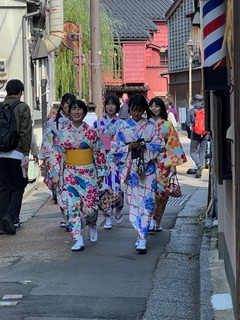
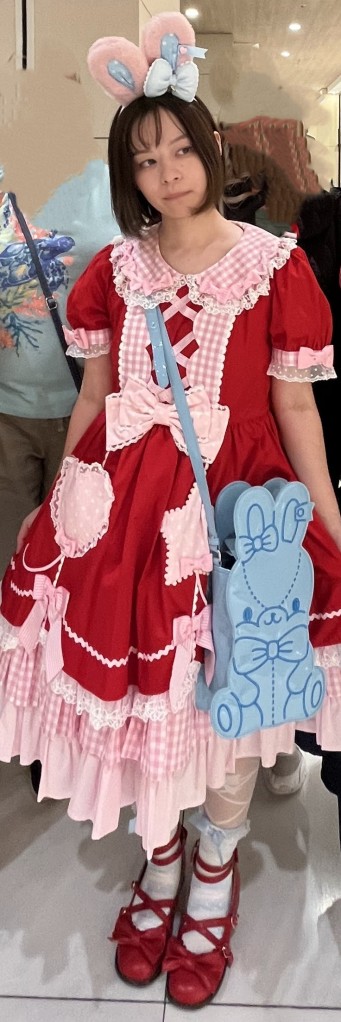
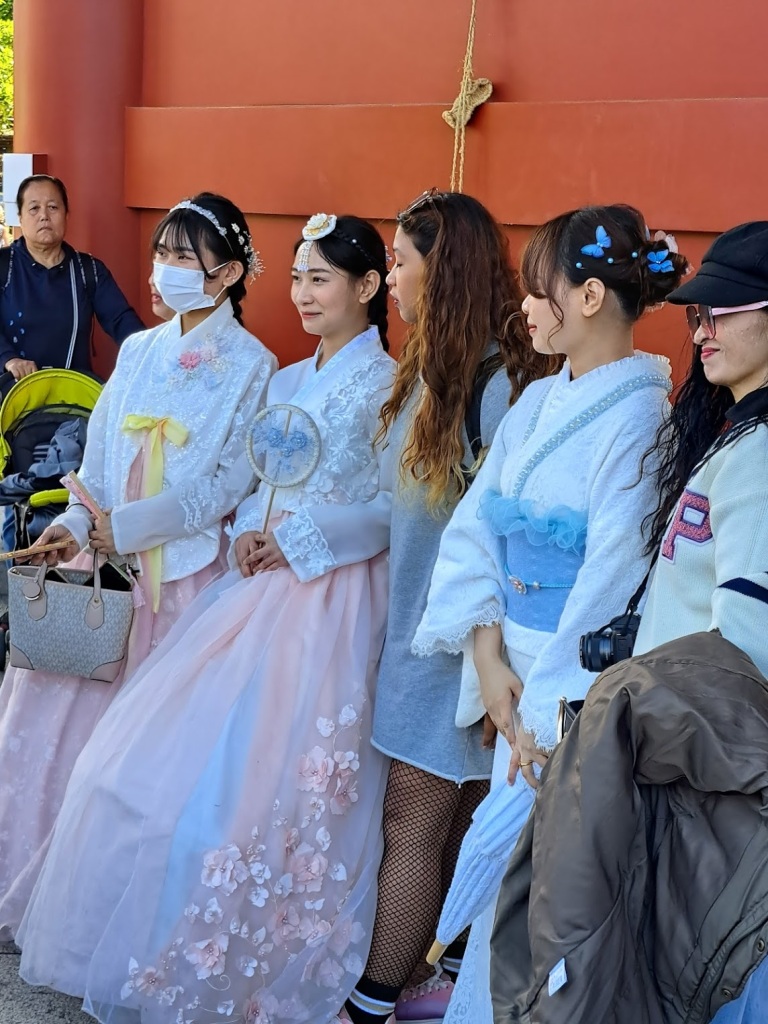
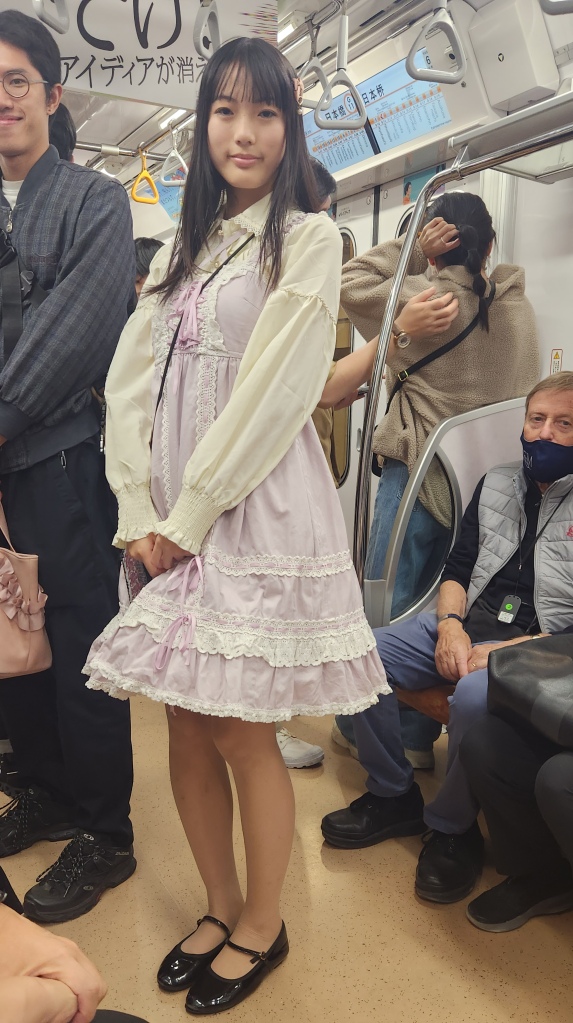
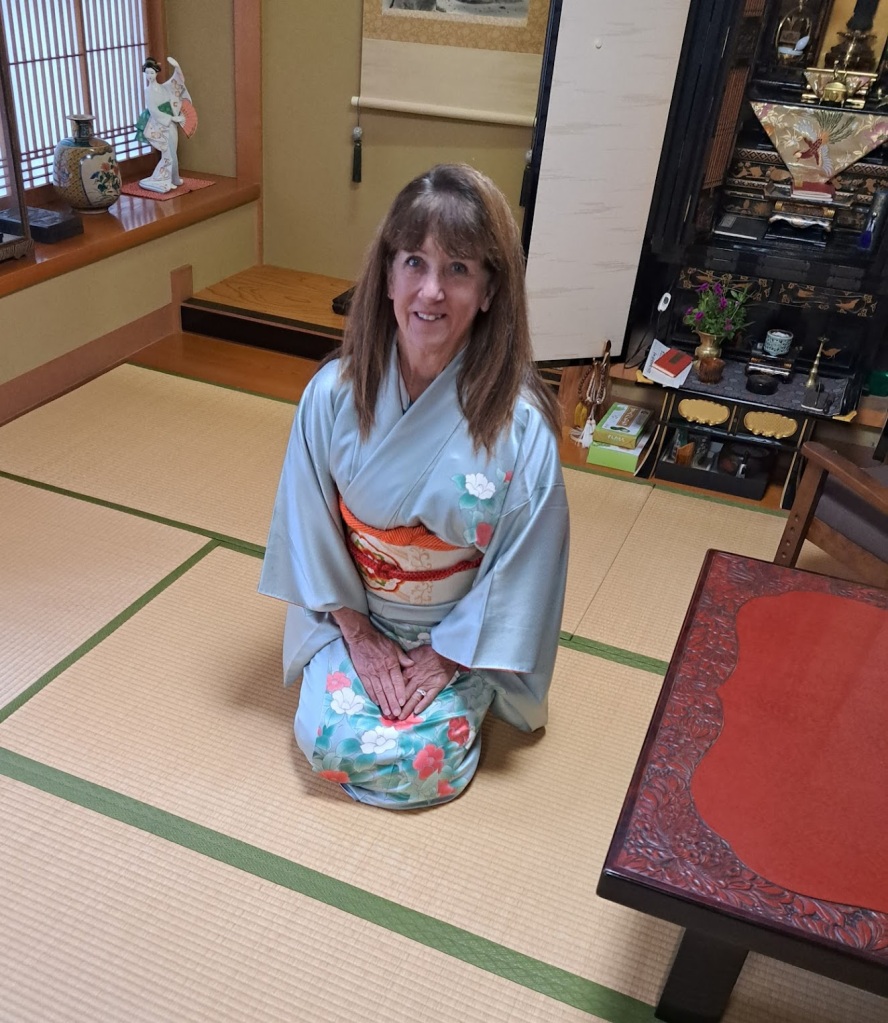
What was super fun was watching the teenage to college-aged women who either dressed up as baby dolls, cats, bunnies or even Scottish kilts. Everyone wears kimono’s and there are a variety of rental stores if you don’t happen to have one. We had a home-hosted dinner and the lady of the house has over 80 silk kimono’s! Even I got to dress in one of hers, which was wonderful.
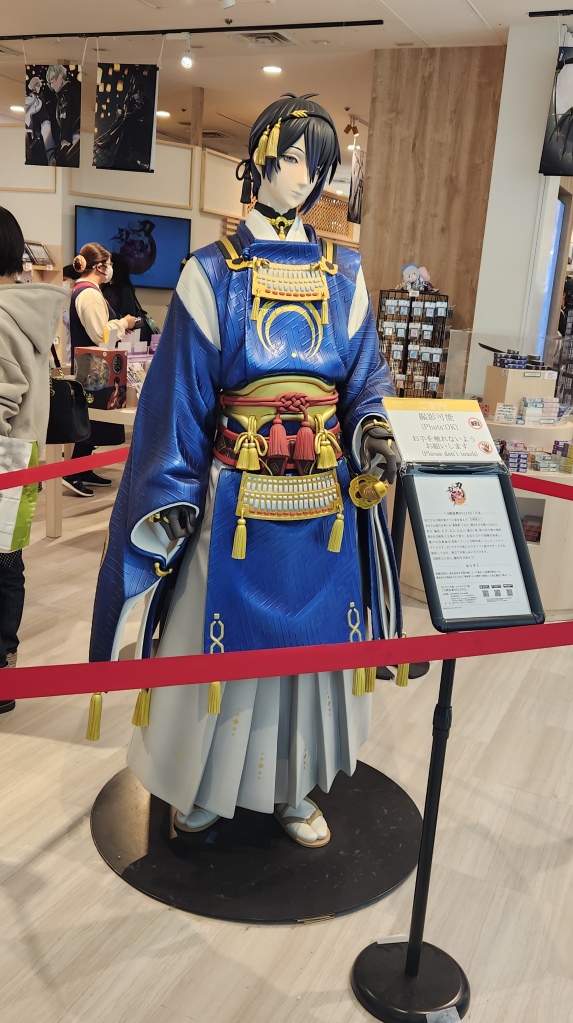
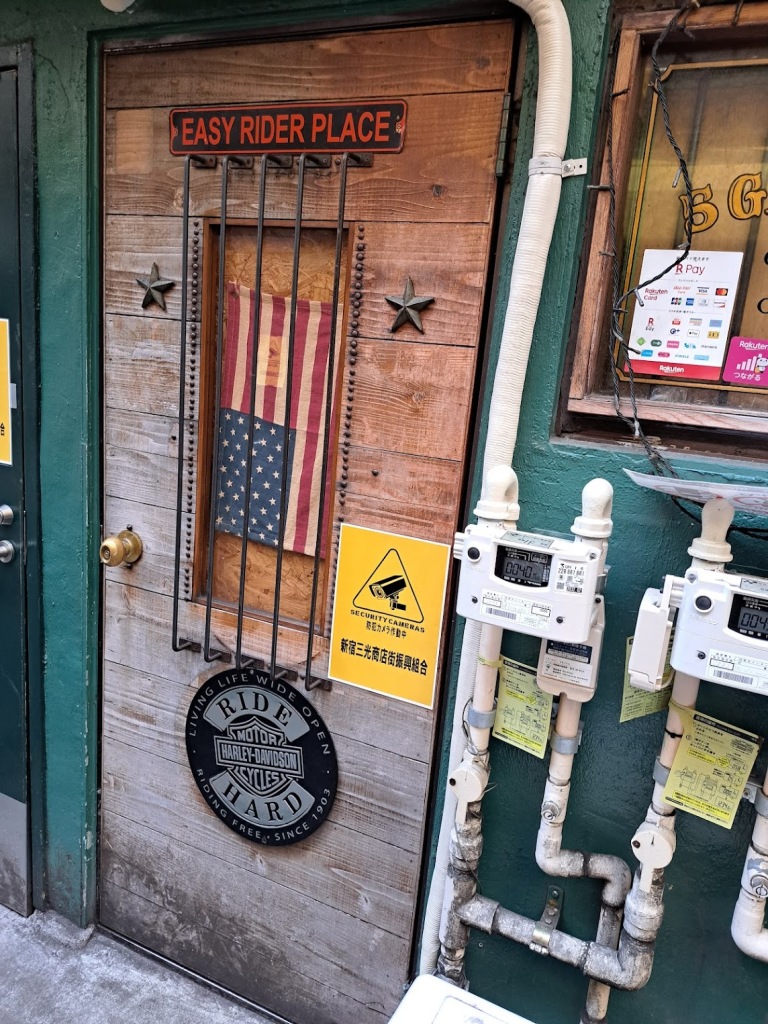
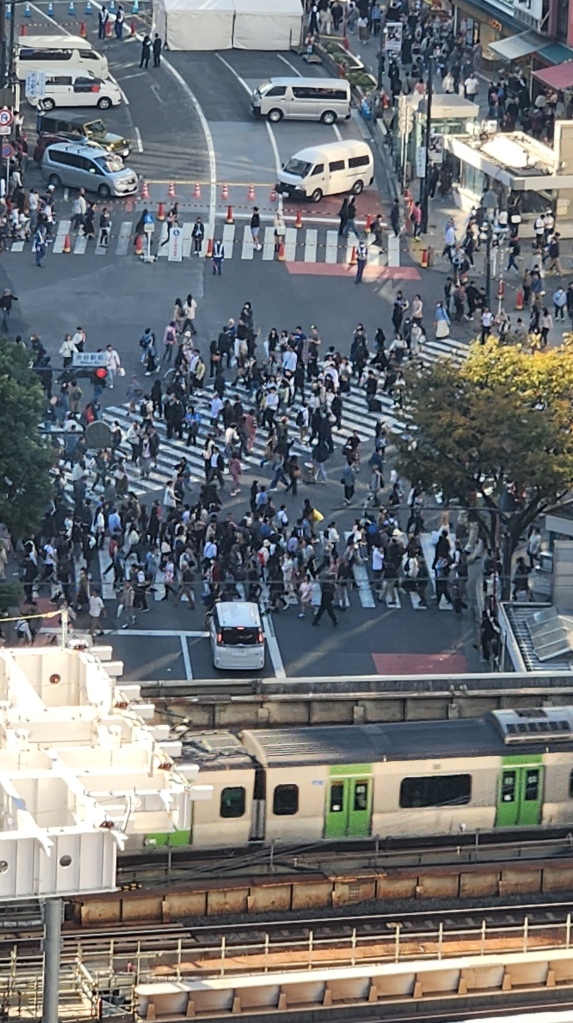
In the department store, you can dress up as your favorite memegirls visiting the Buddhist temple from Viet Namadorable!doorway to bar in ww11 redlight district. busiest intersection in the world???
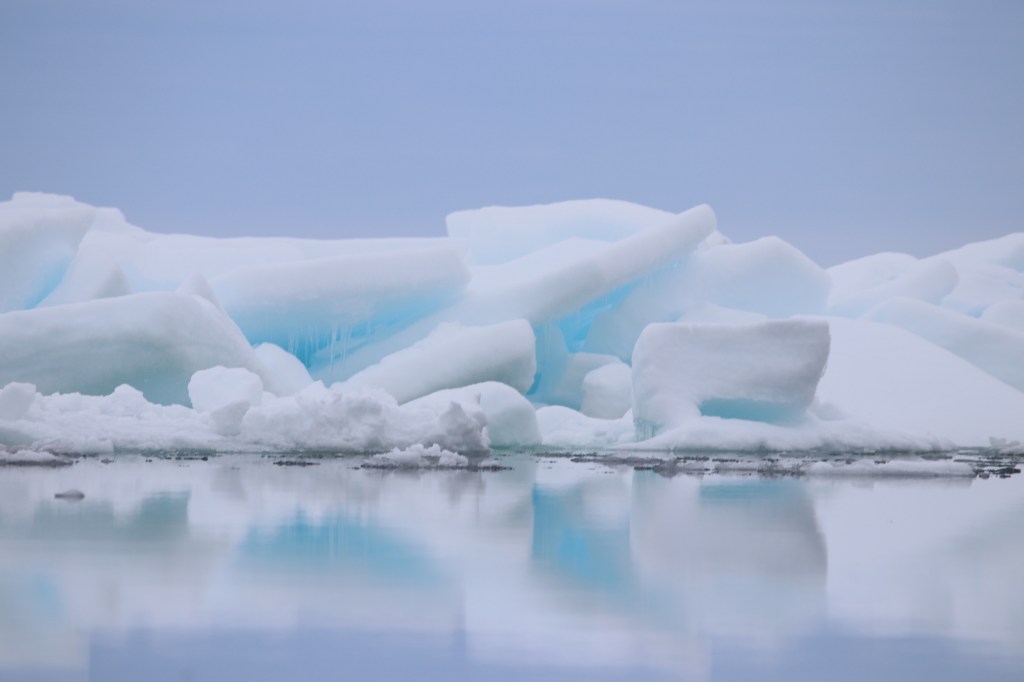
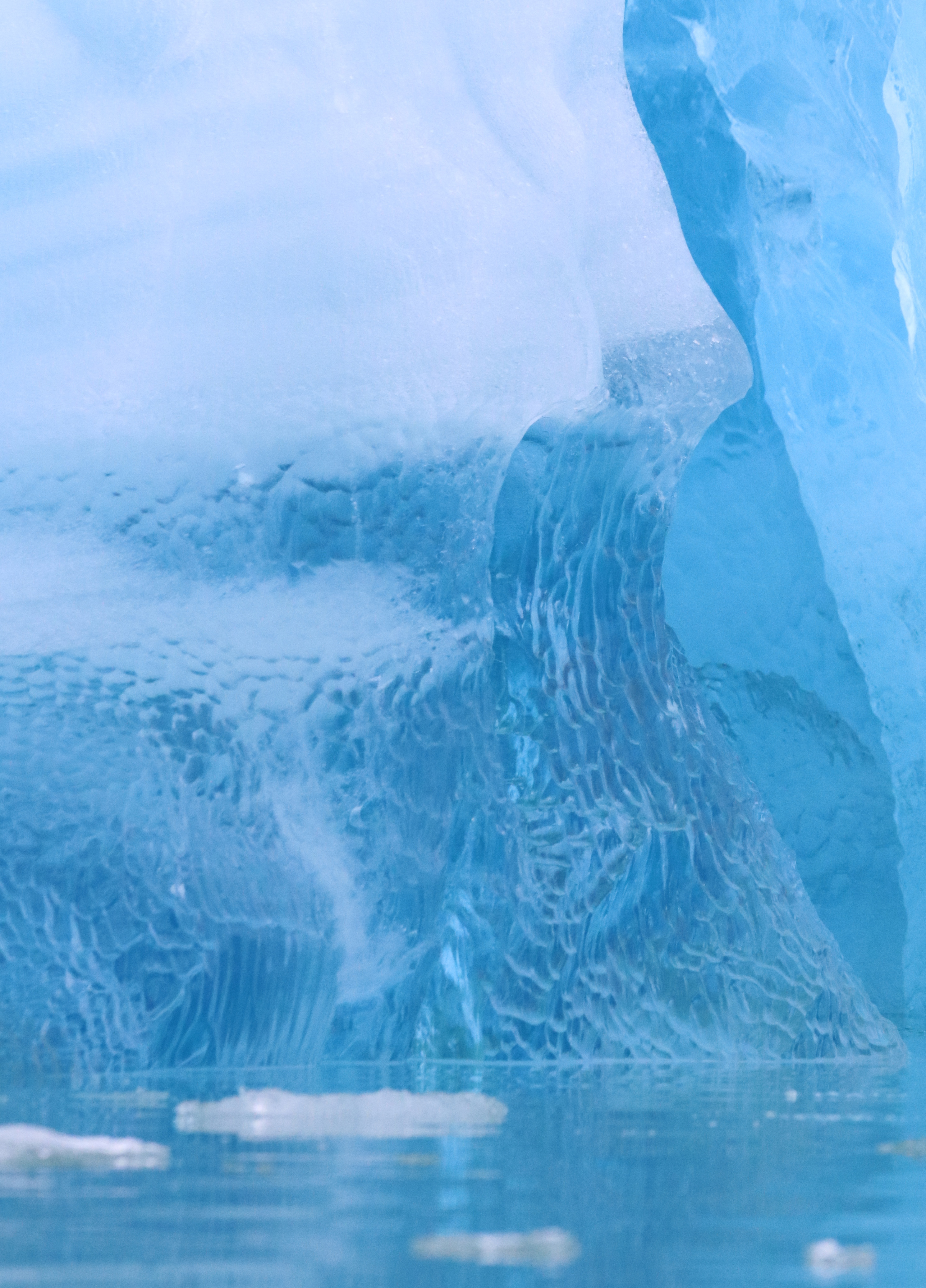
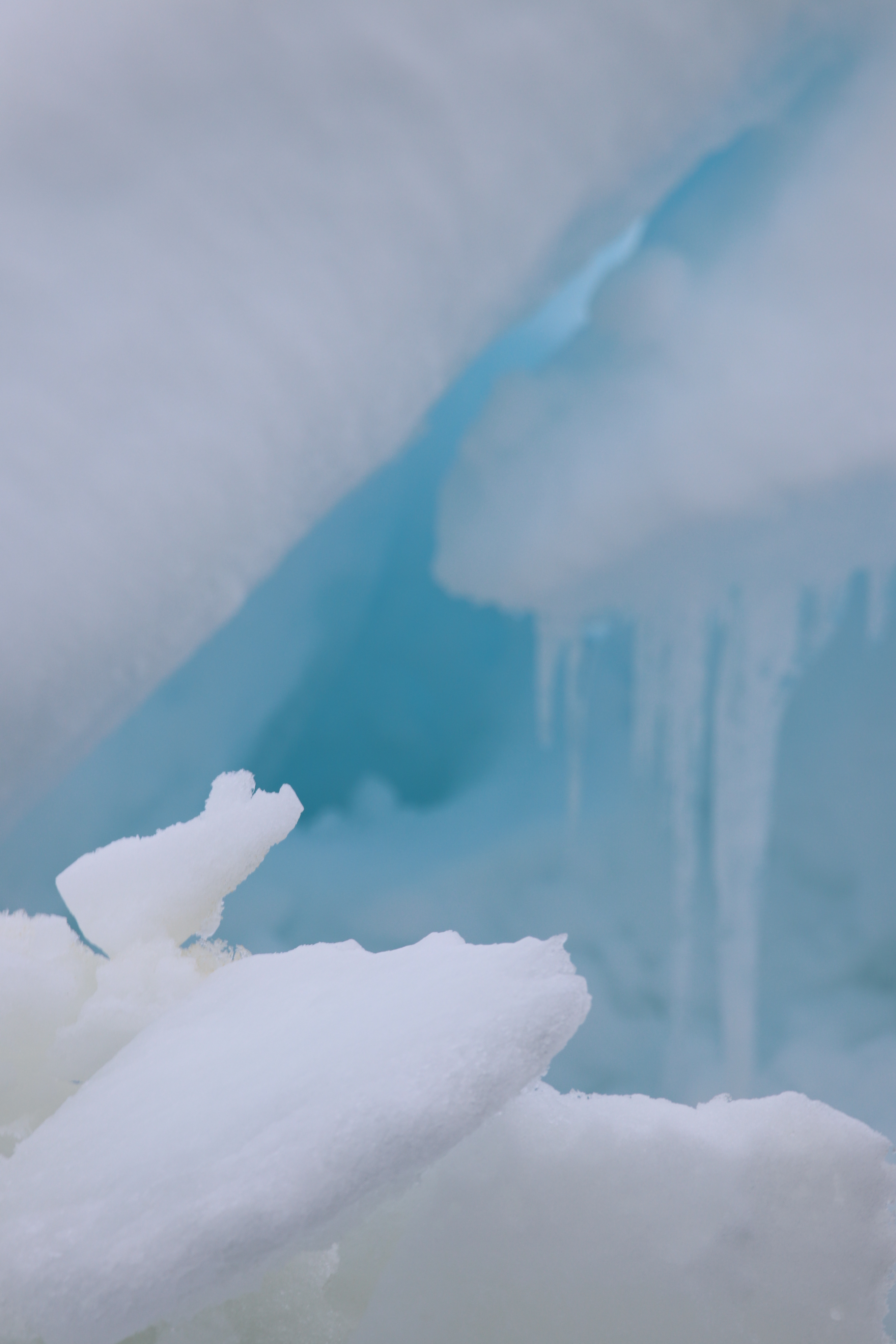
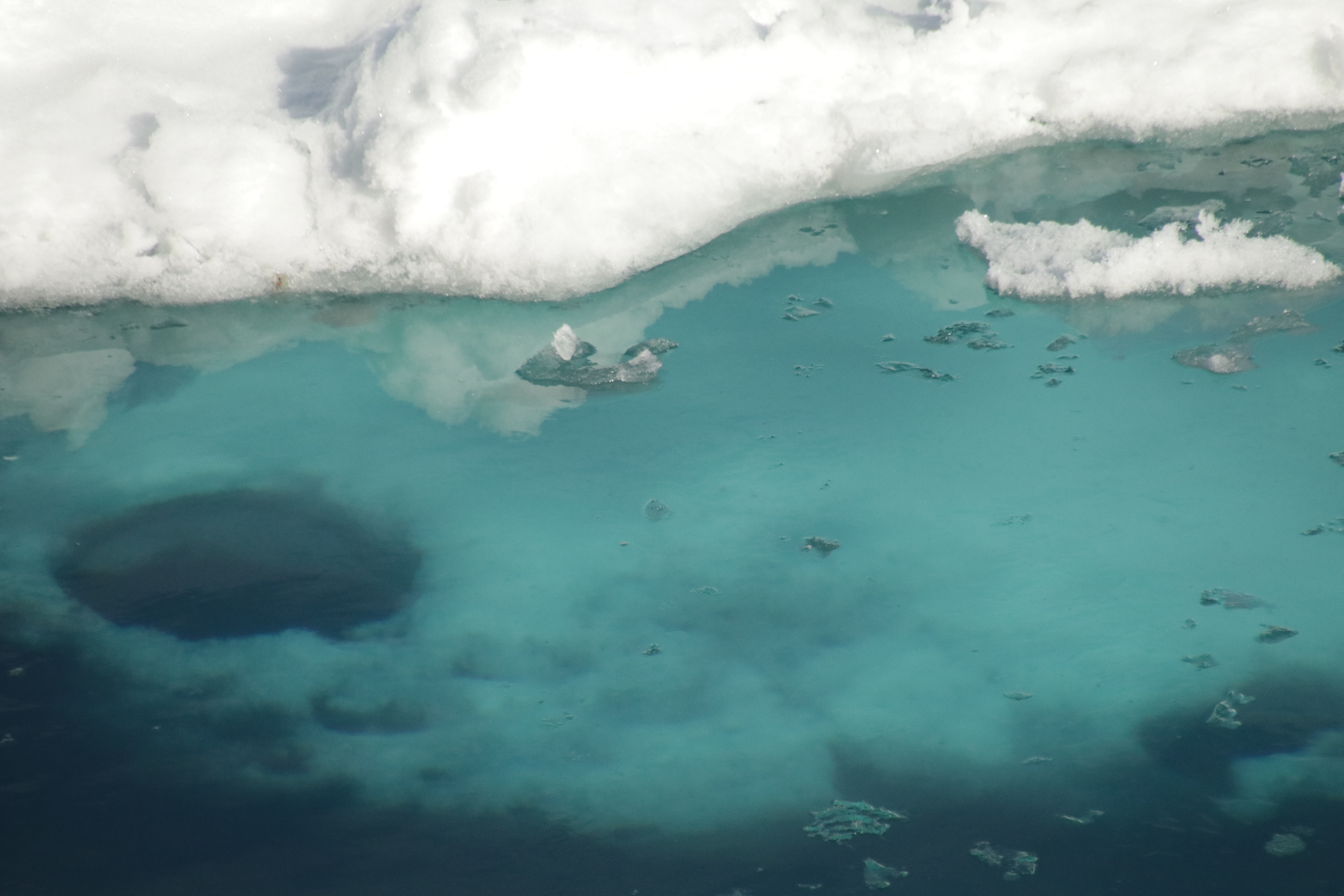
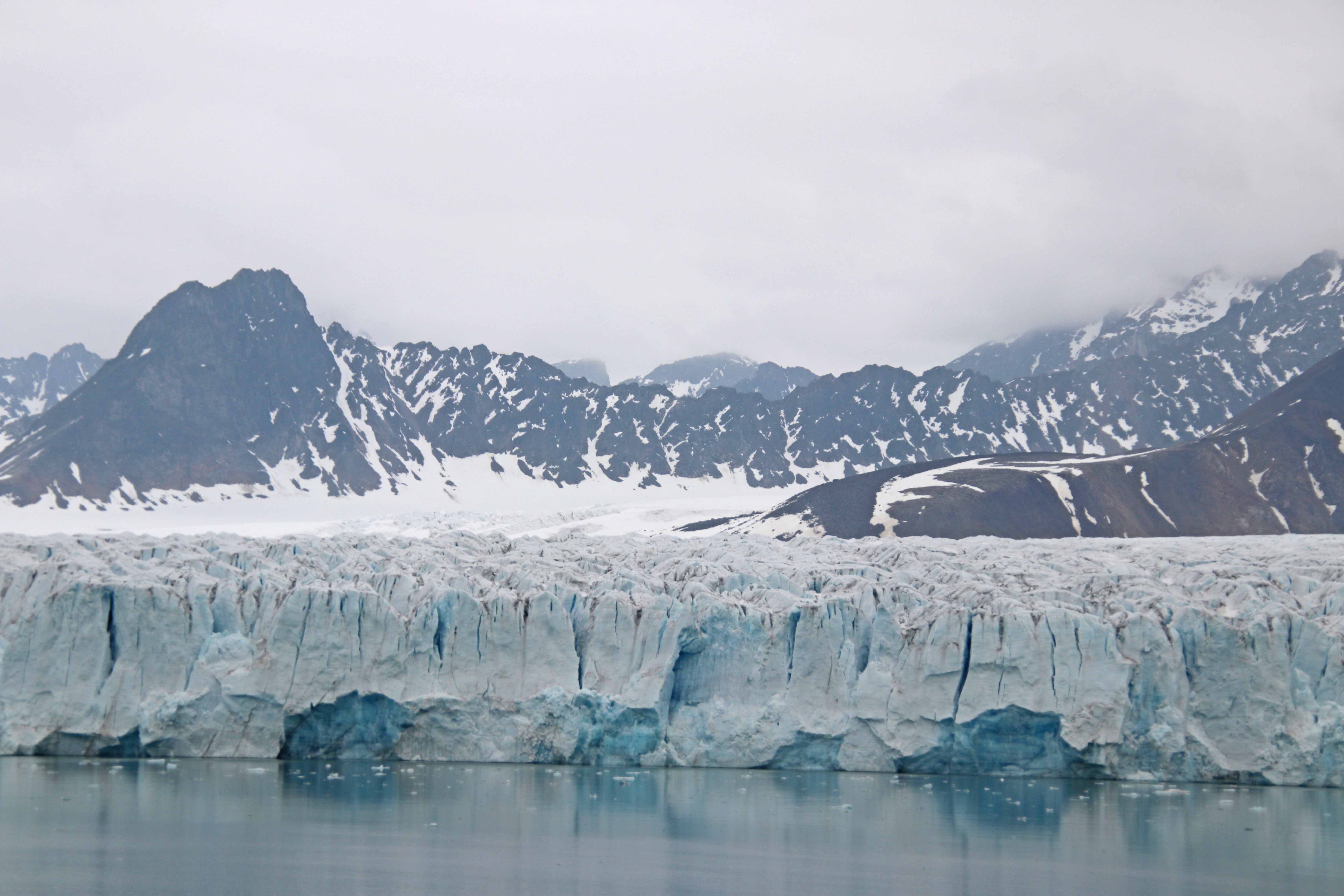
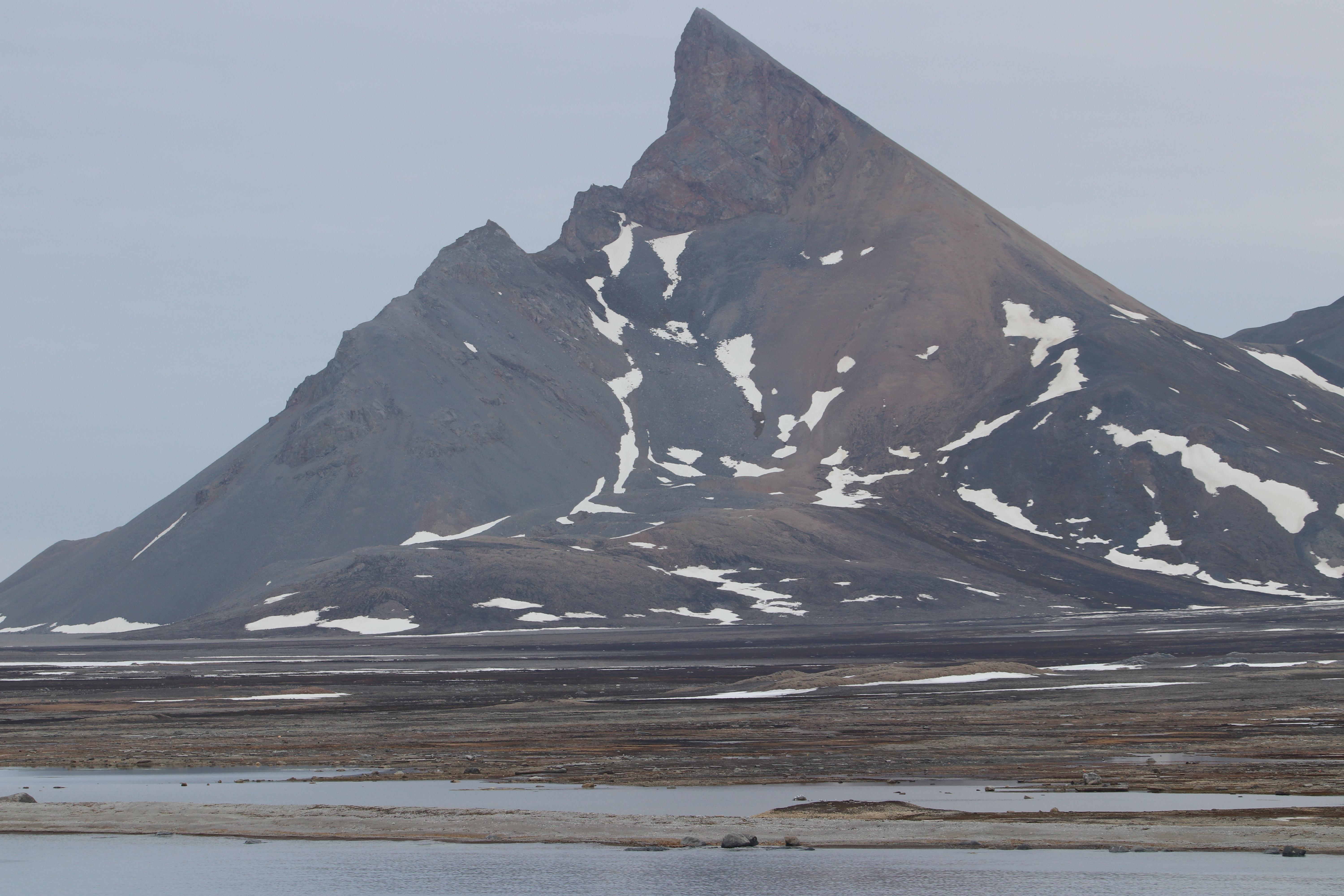
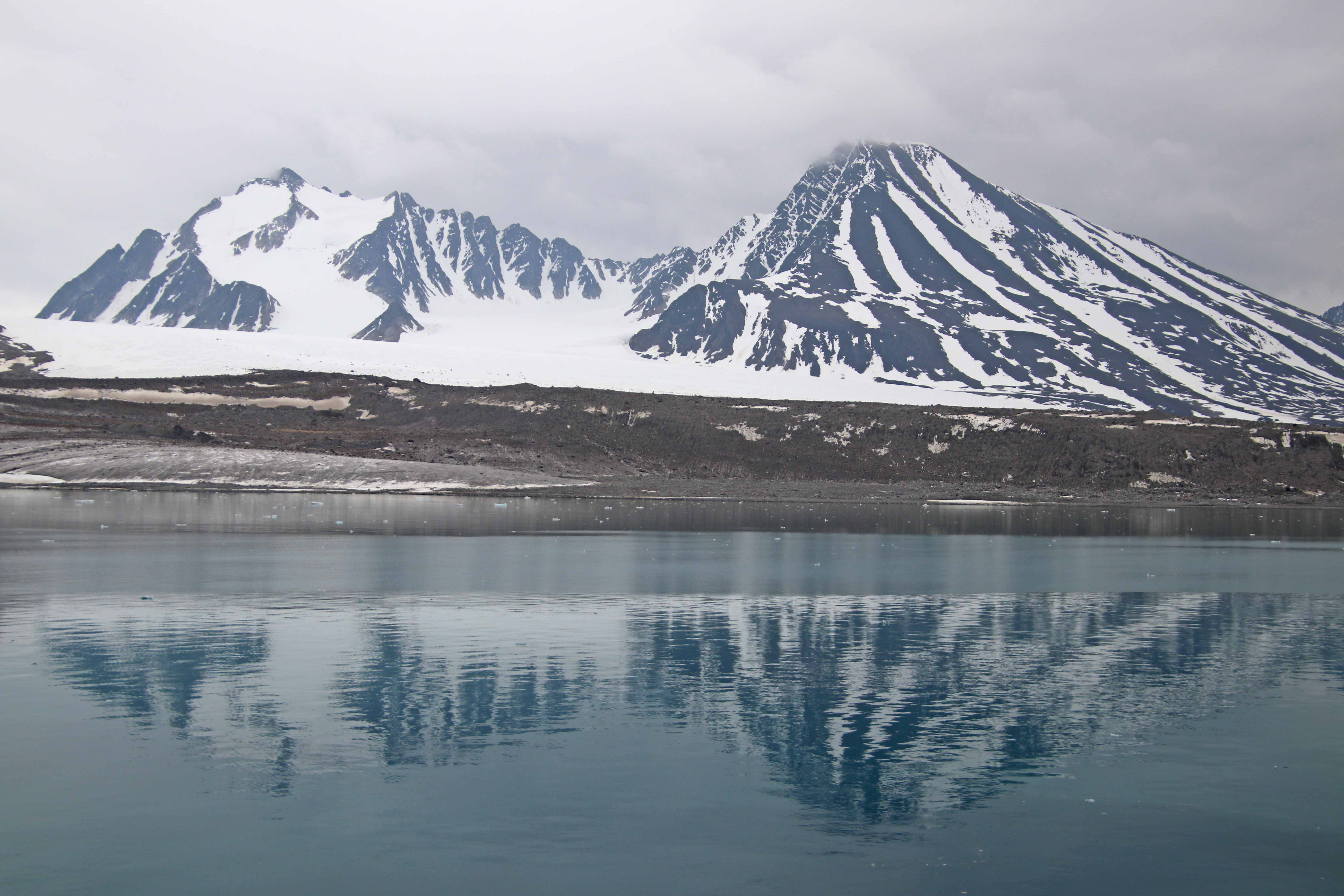
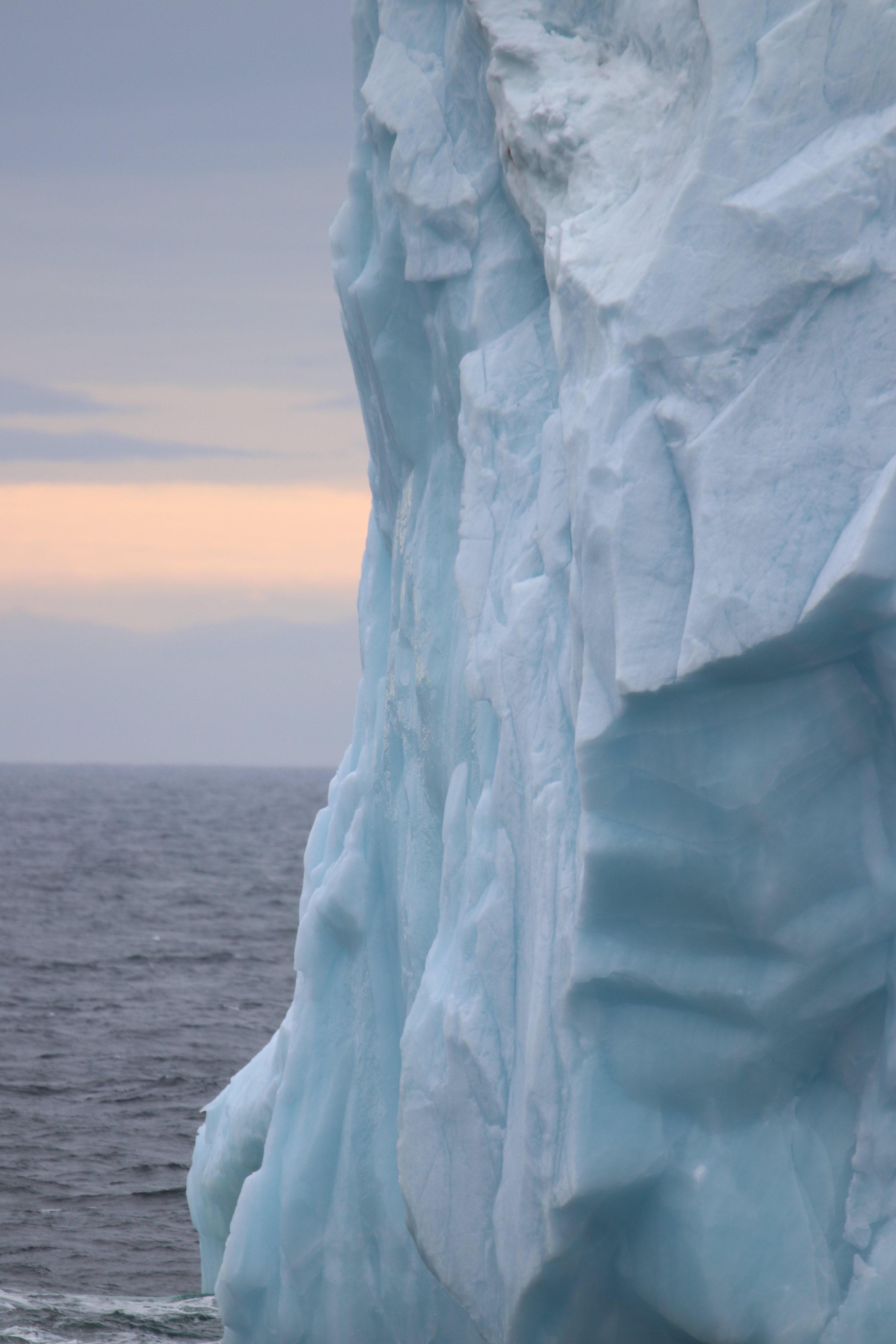
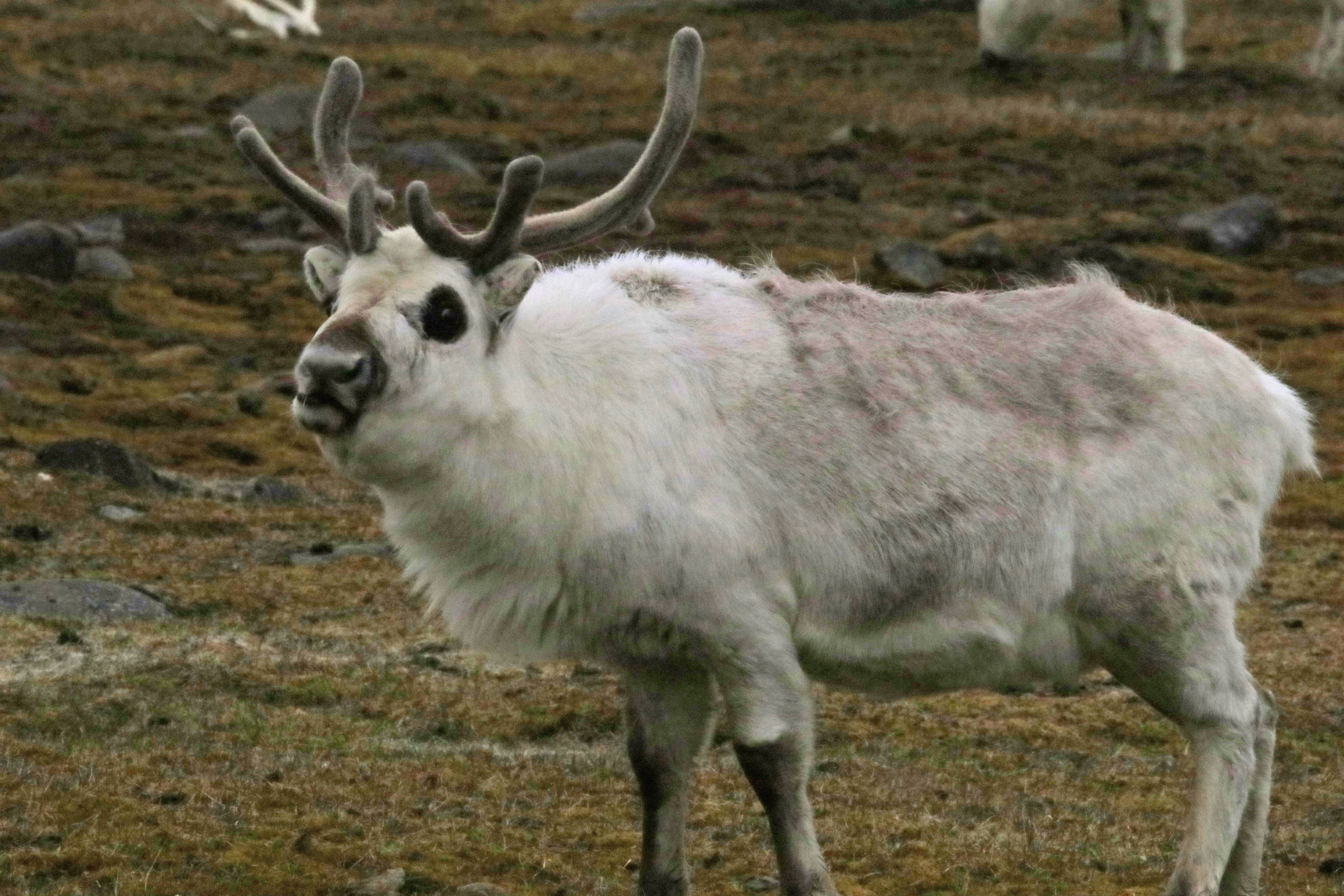
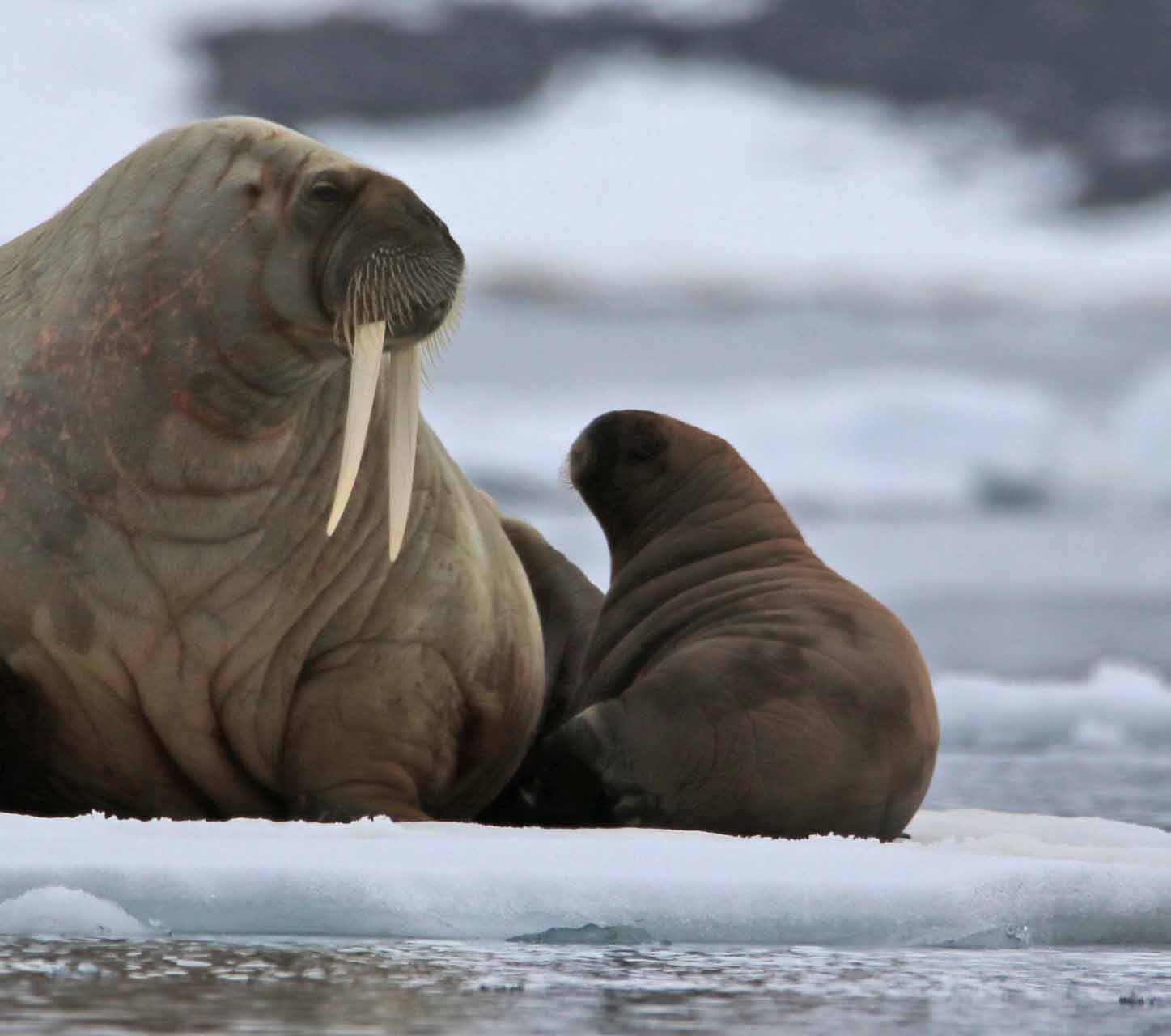
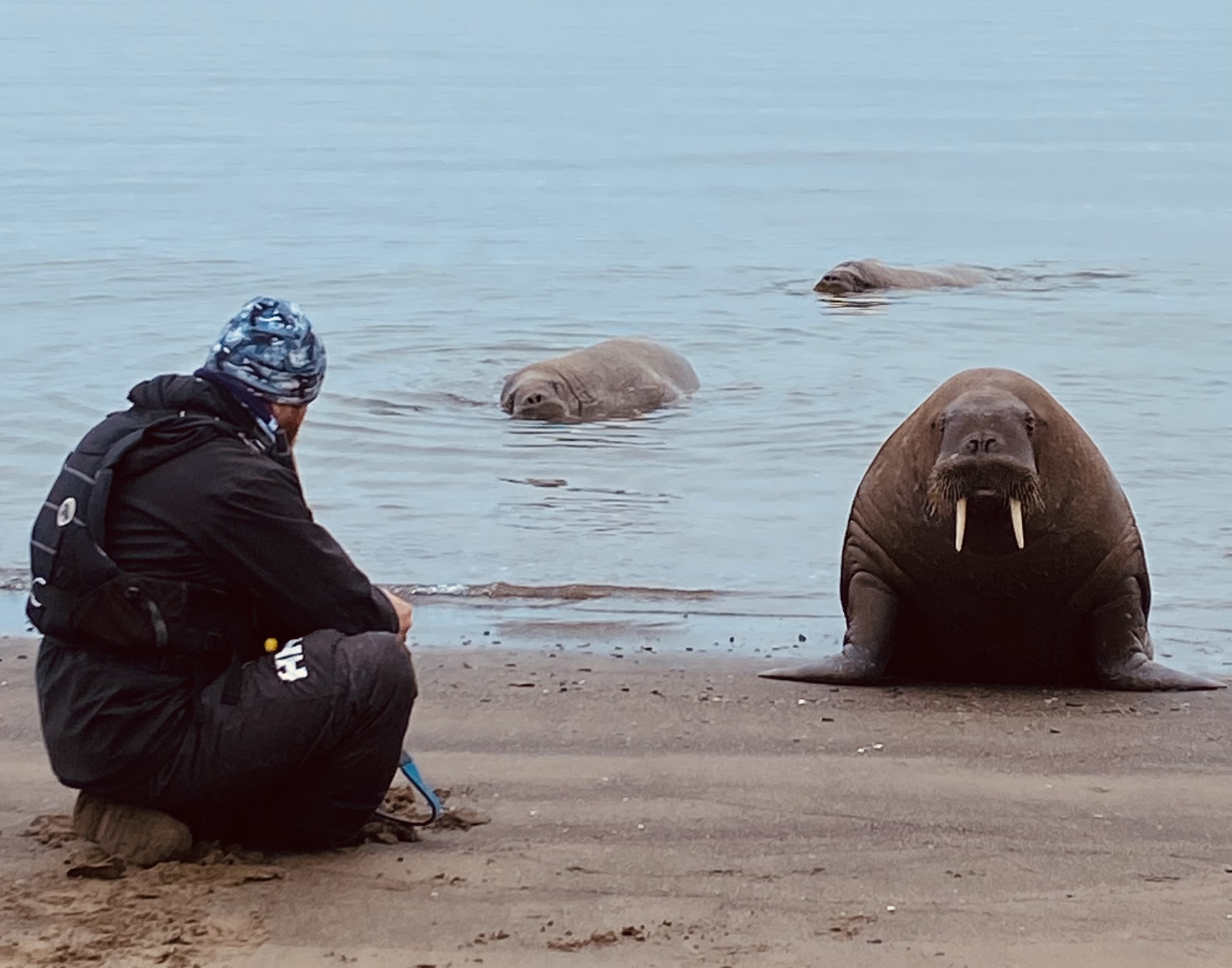
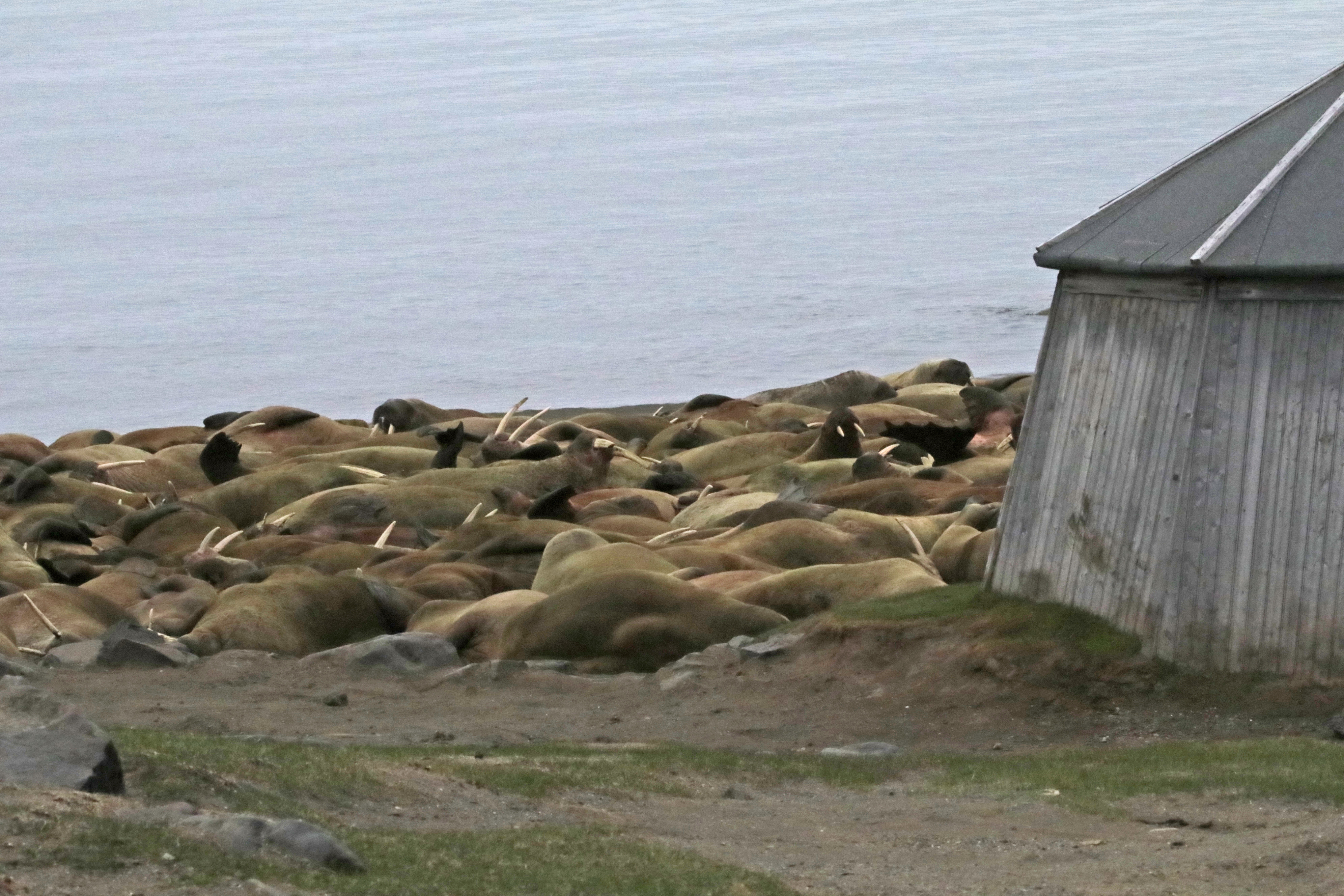
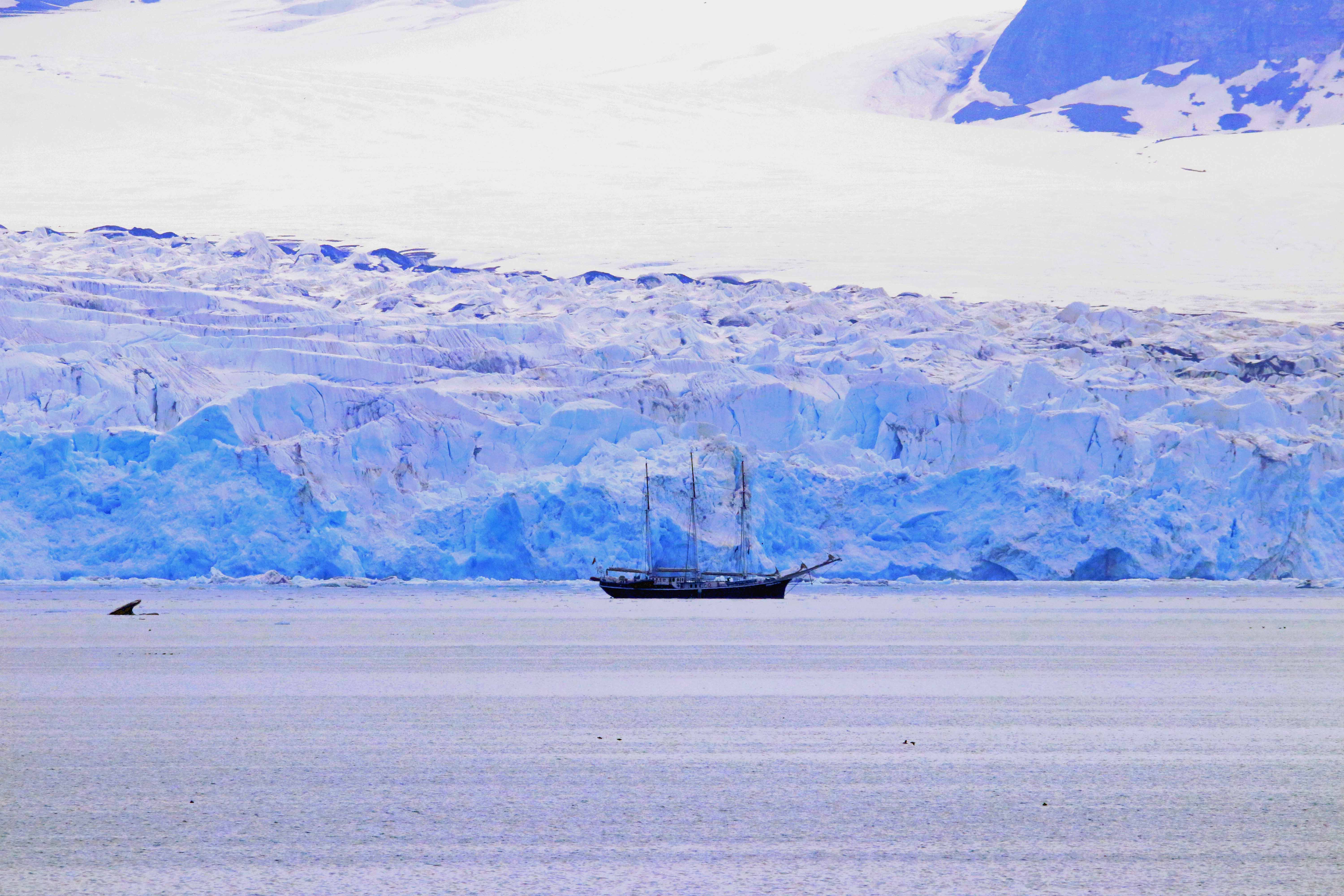
19th century explorers pushing into the Arctic intrigues me. What causes a man to leave a warm hearth, willing to risk life on a ship trapped in ice? Imagine the horror. Ice burns like fire, but is insanely beautiful.
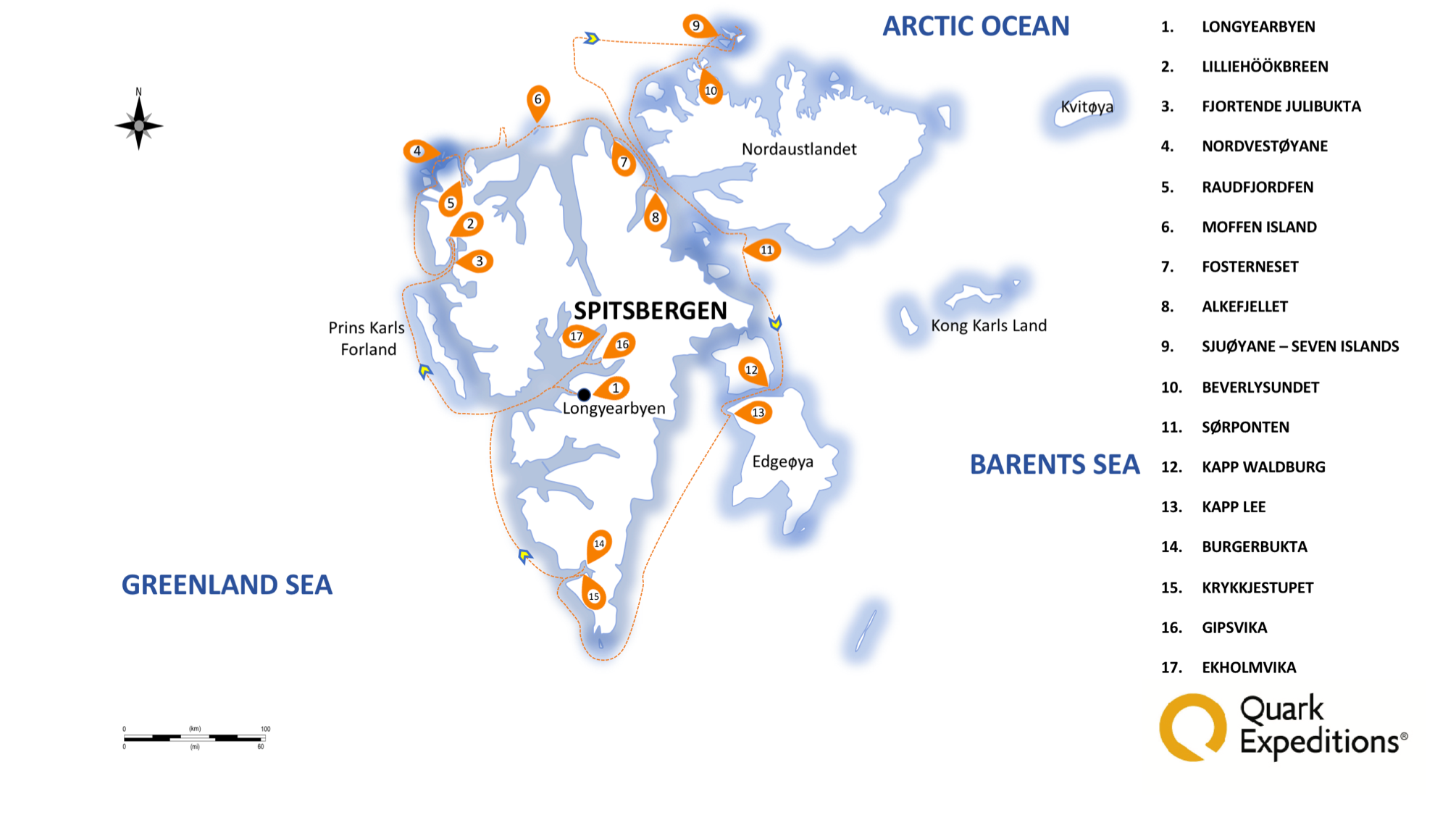
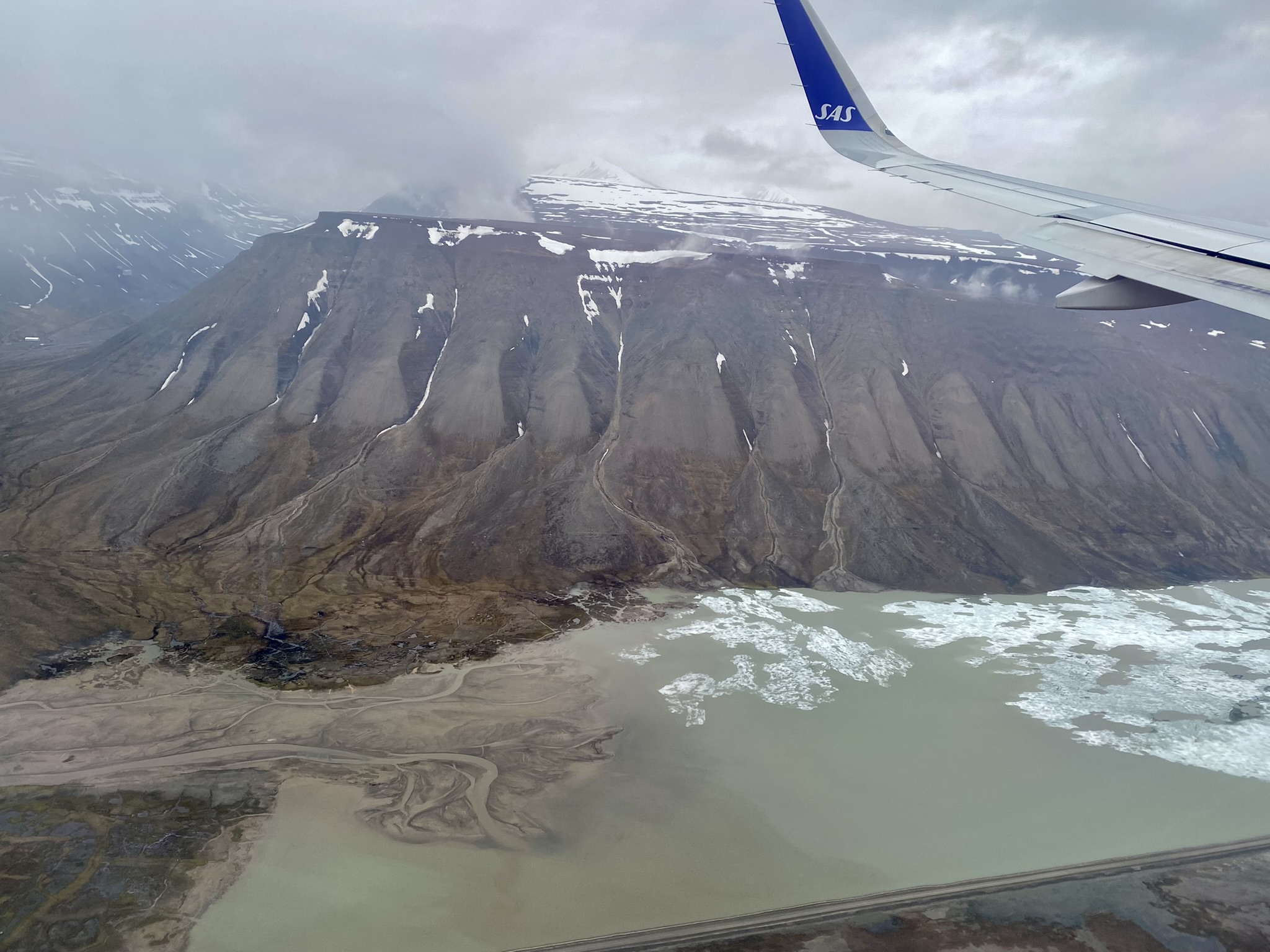
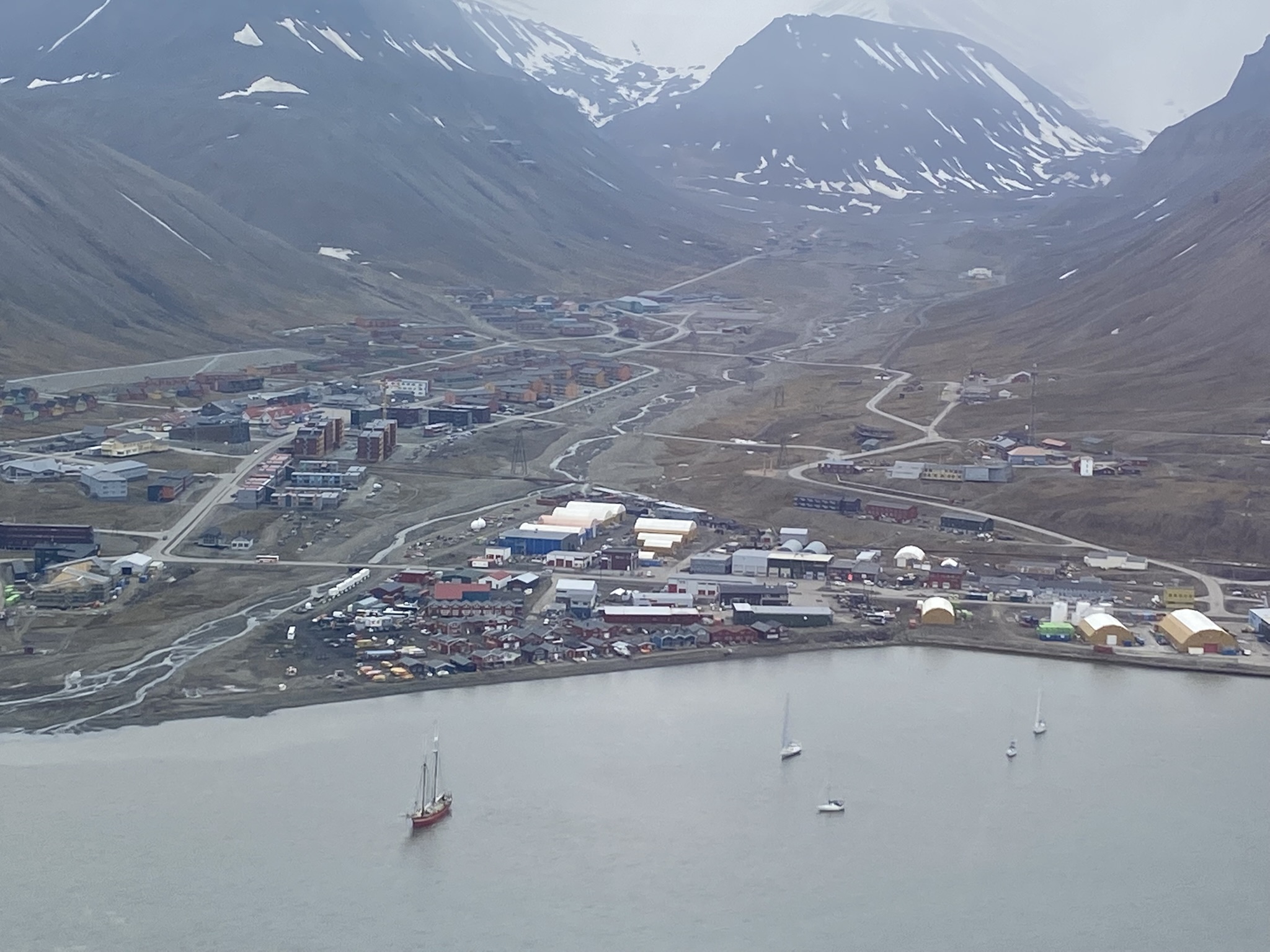
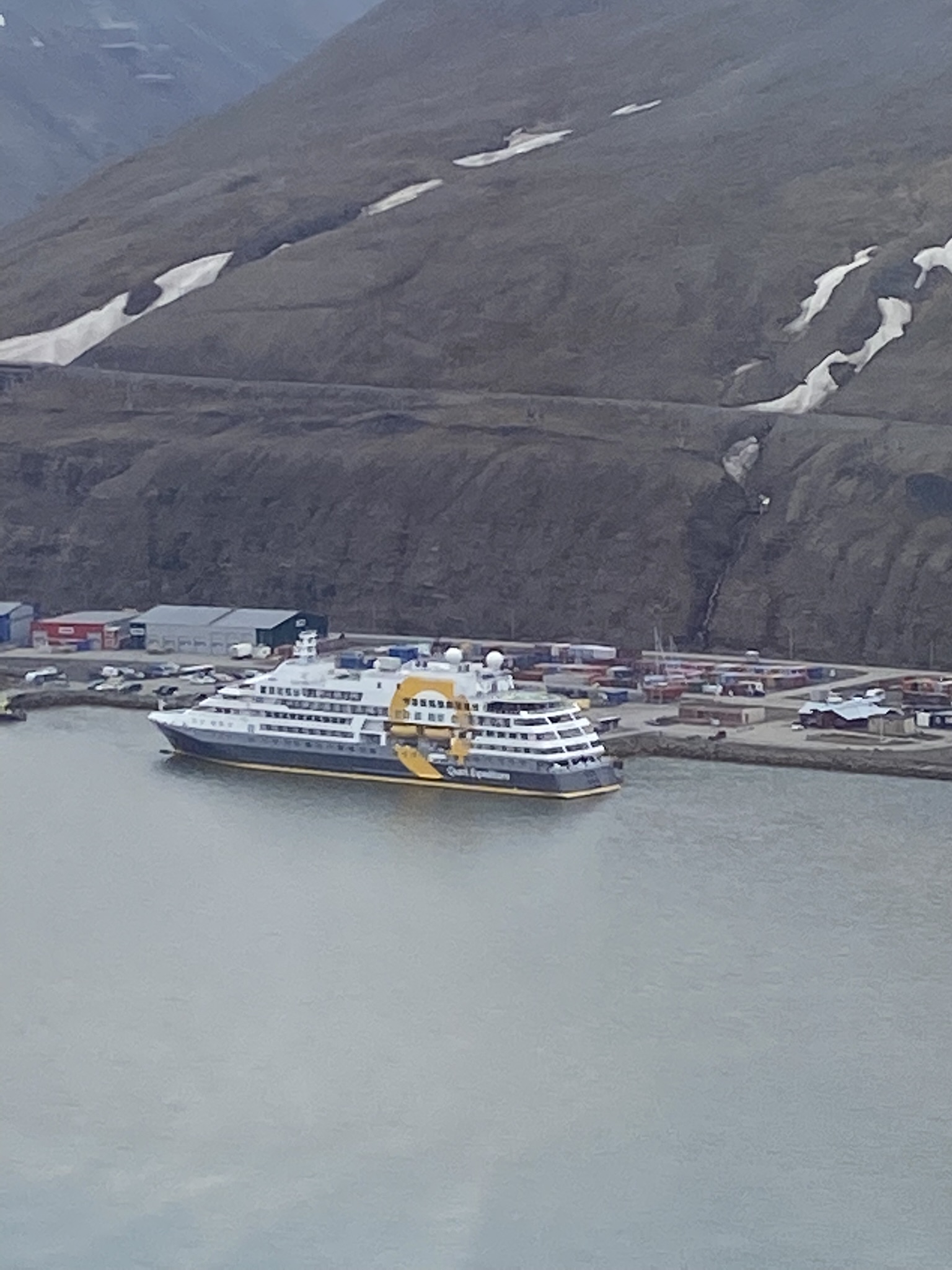
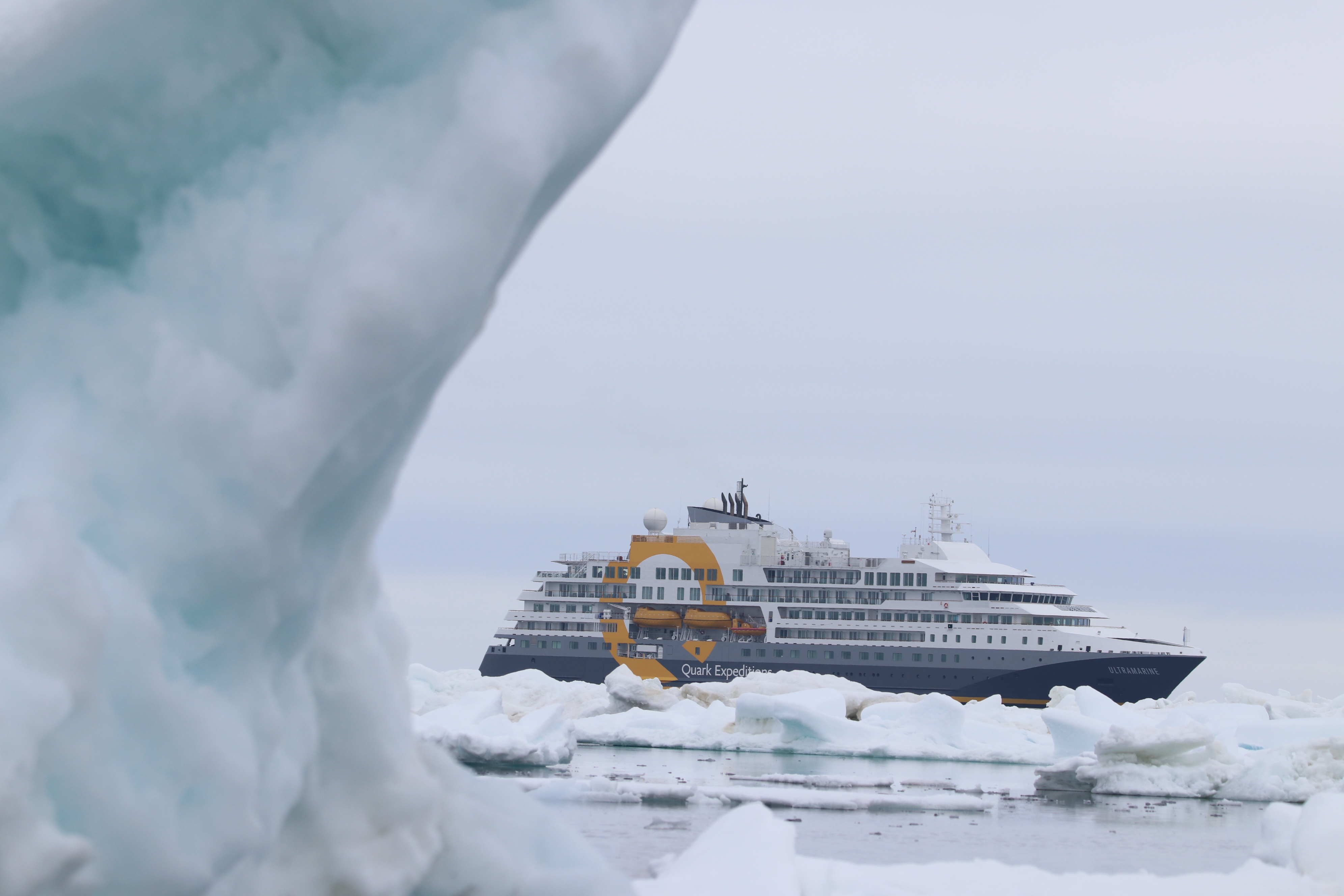
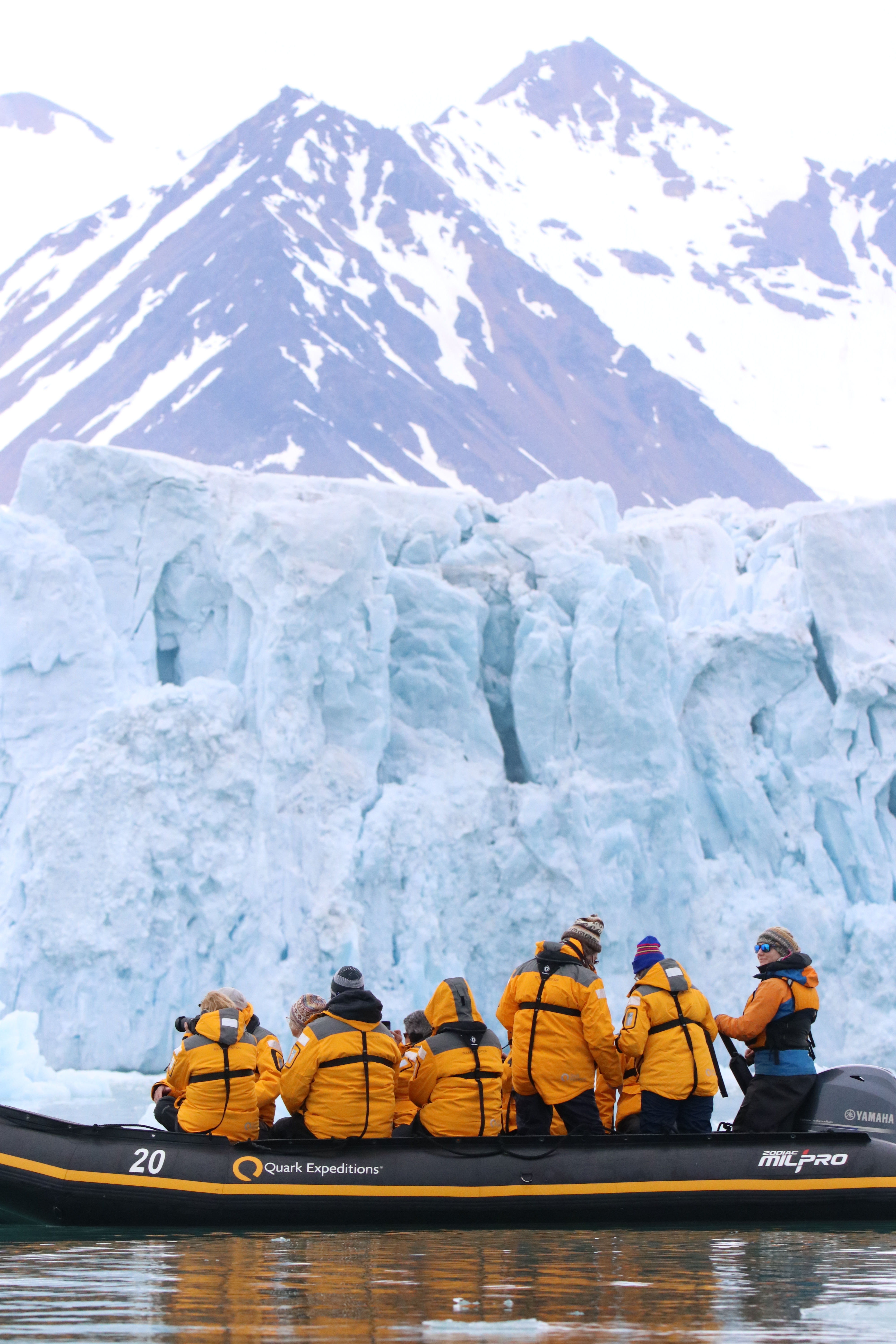
We flew to Spitzbergen and took a shuttle to Quark Expeditions new ship, Ultramarine. She’s a luxurious icebreaker that explorers from centuries ago could never fathom.
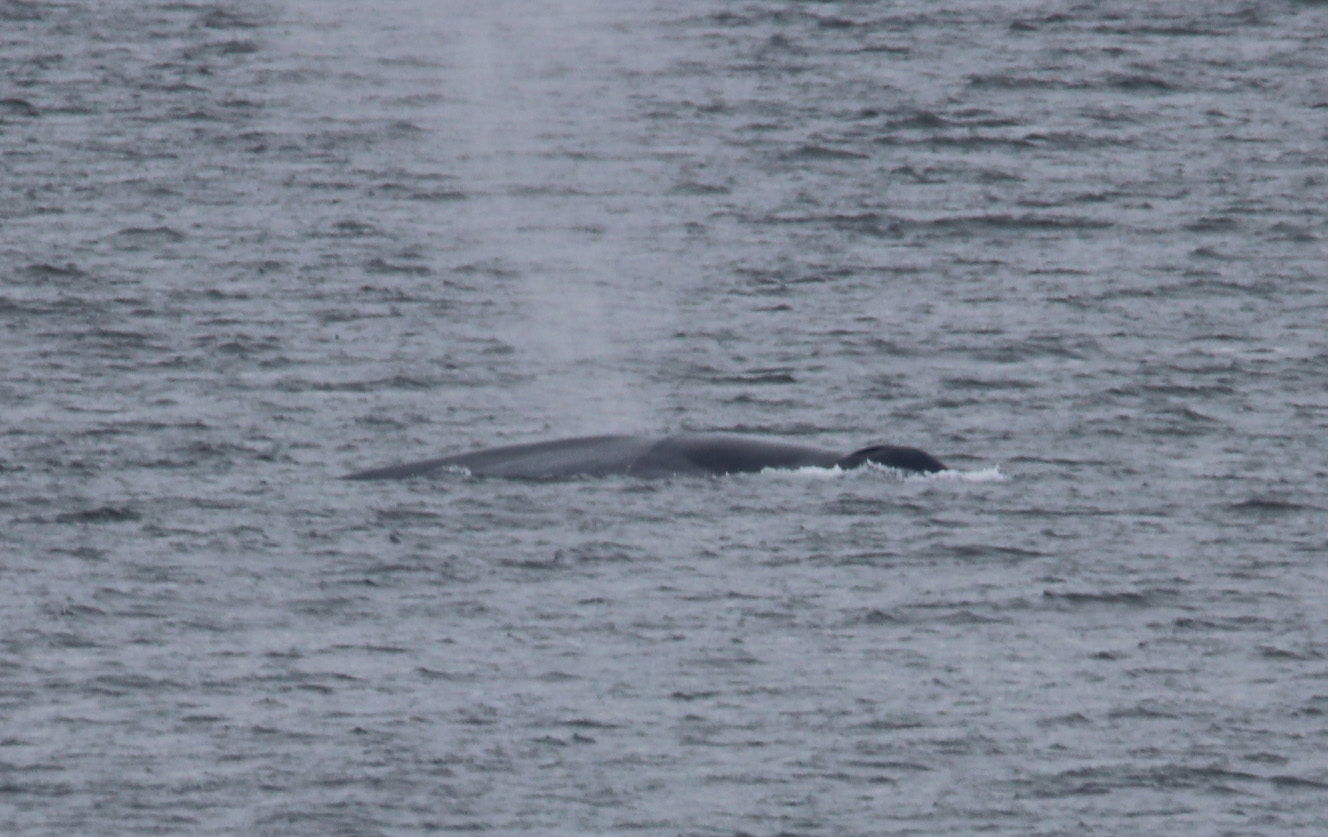
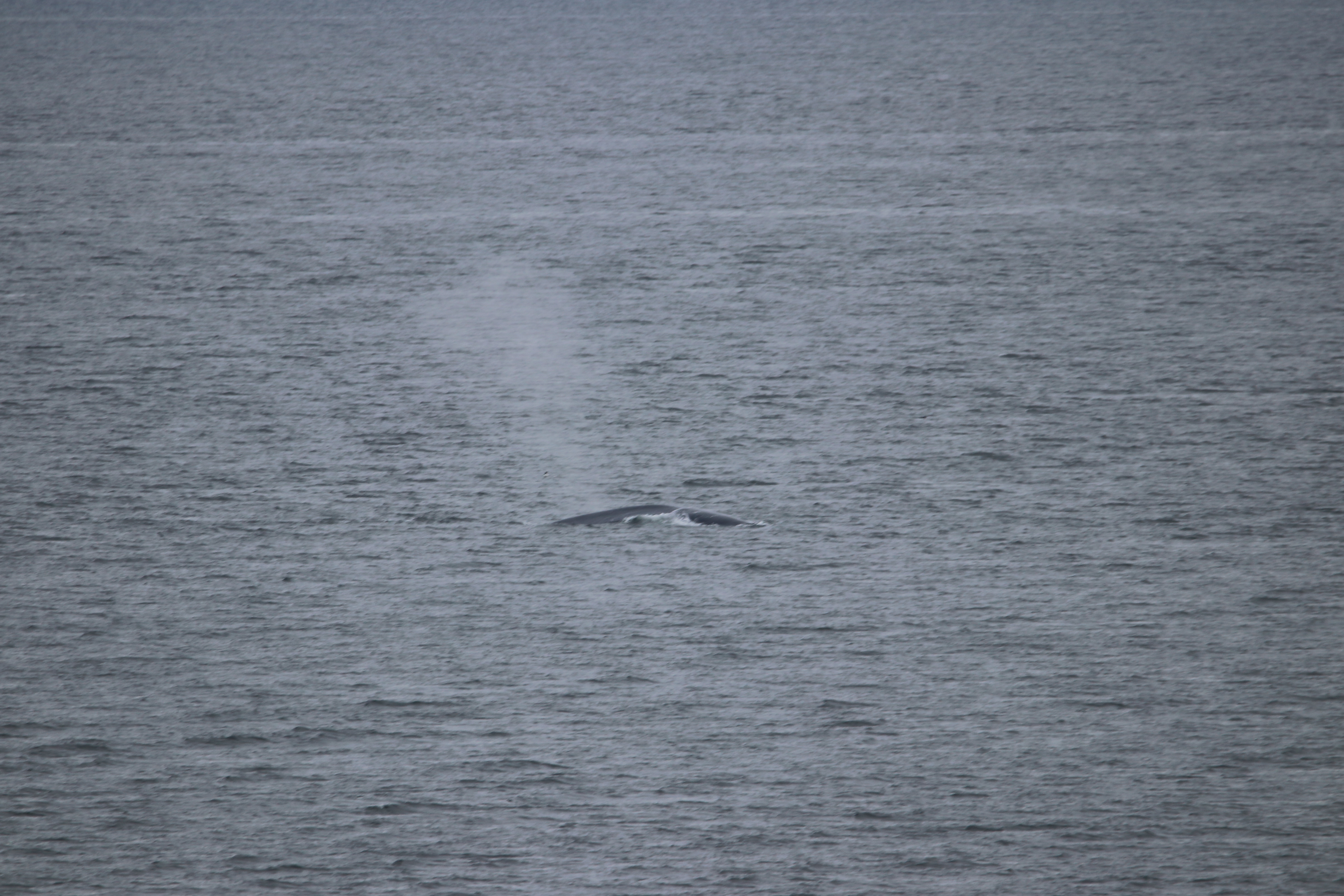
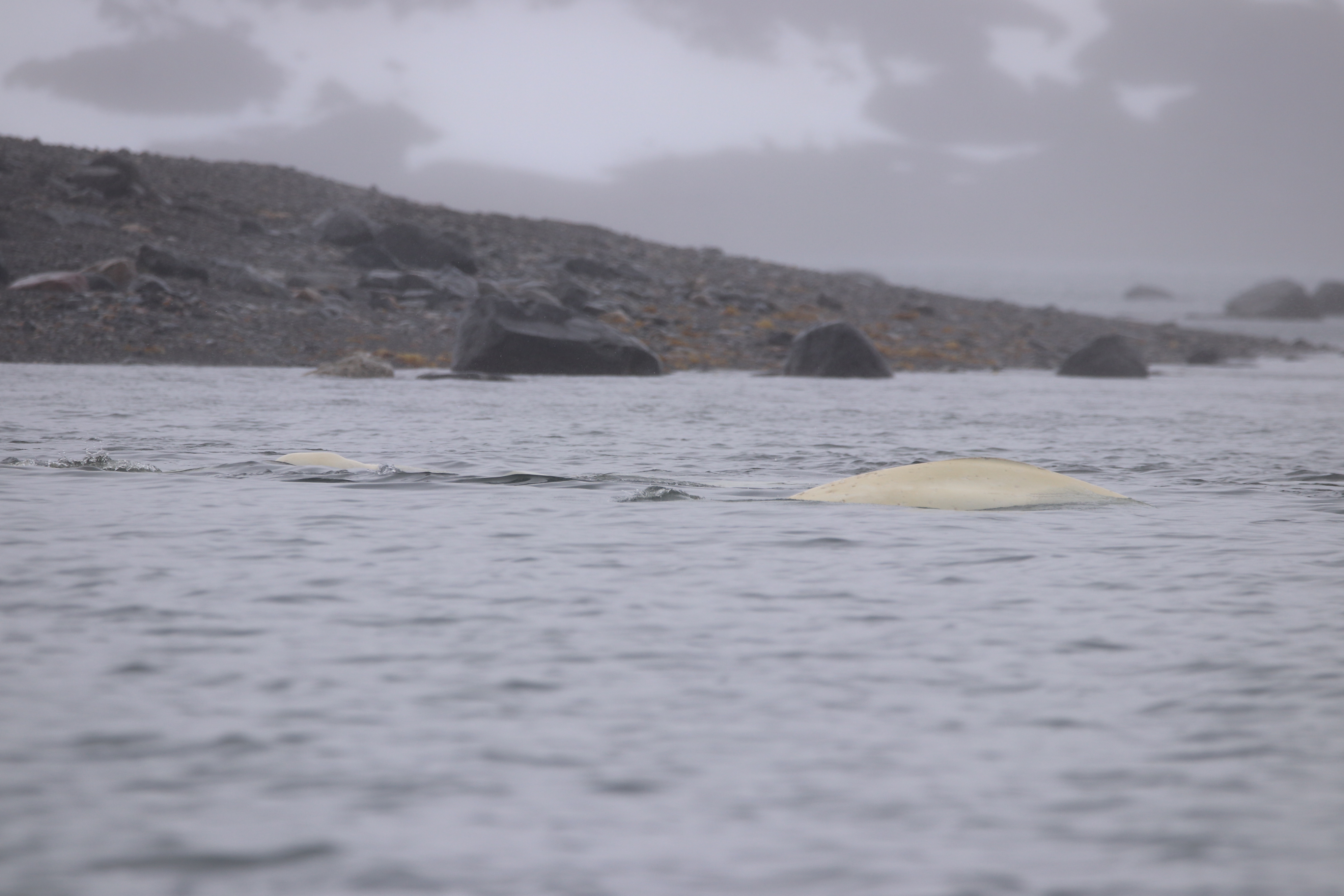
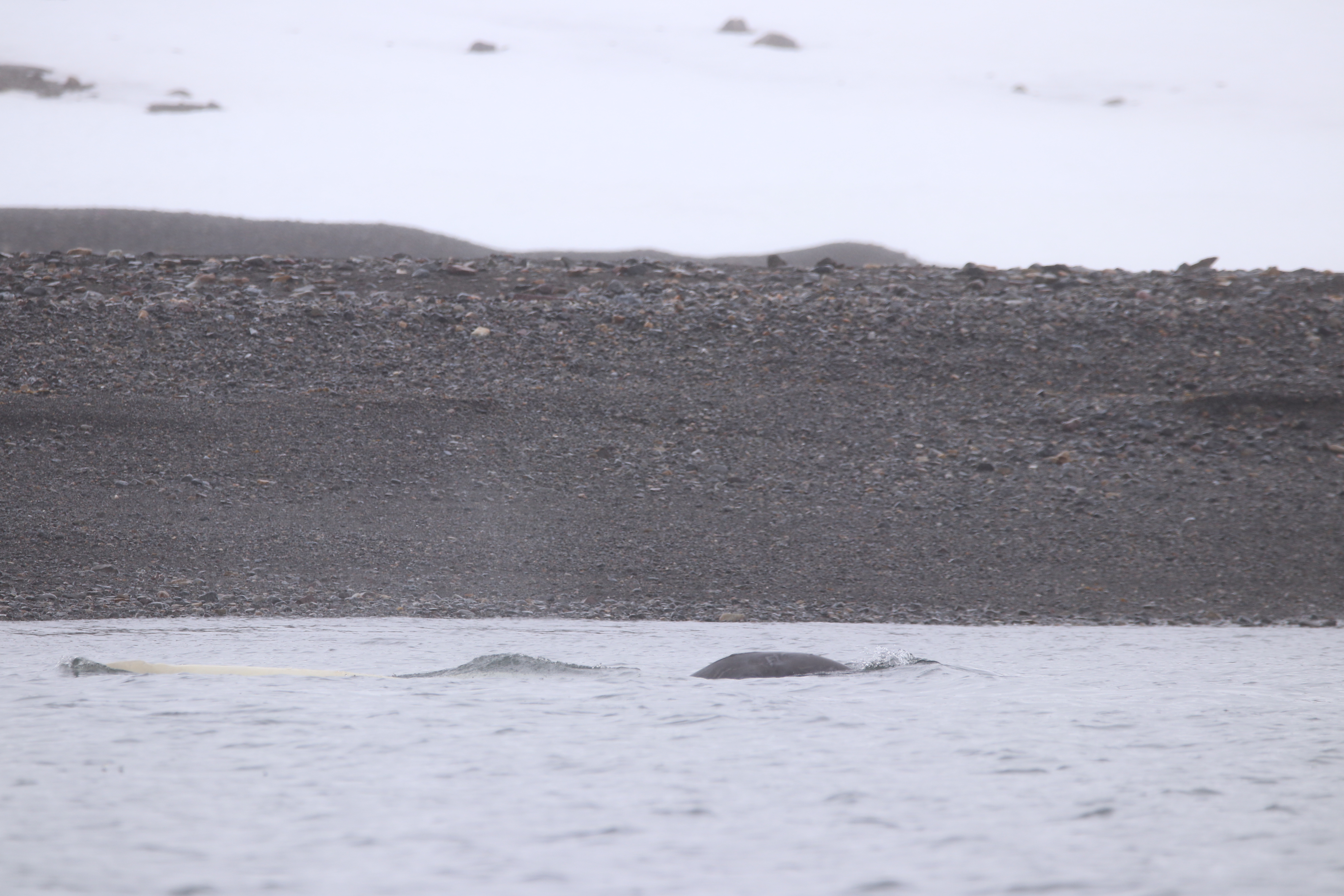
We saw Blue Whales, the largest animal on earth. Later–Minke, Humpback, and Belugas with dark calves. Hearing them exhale connected my breath with theirs.
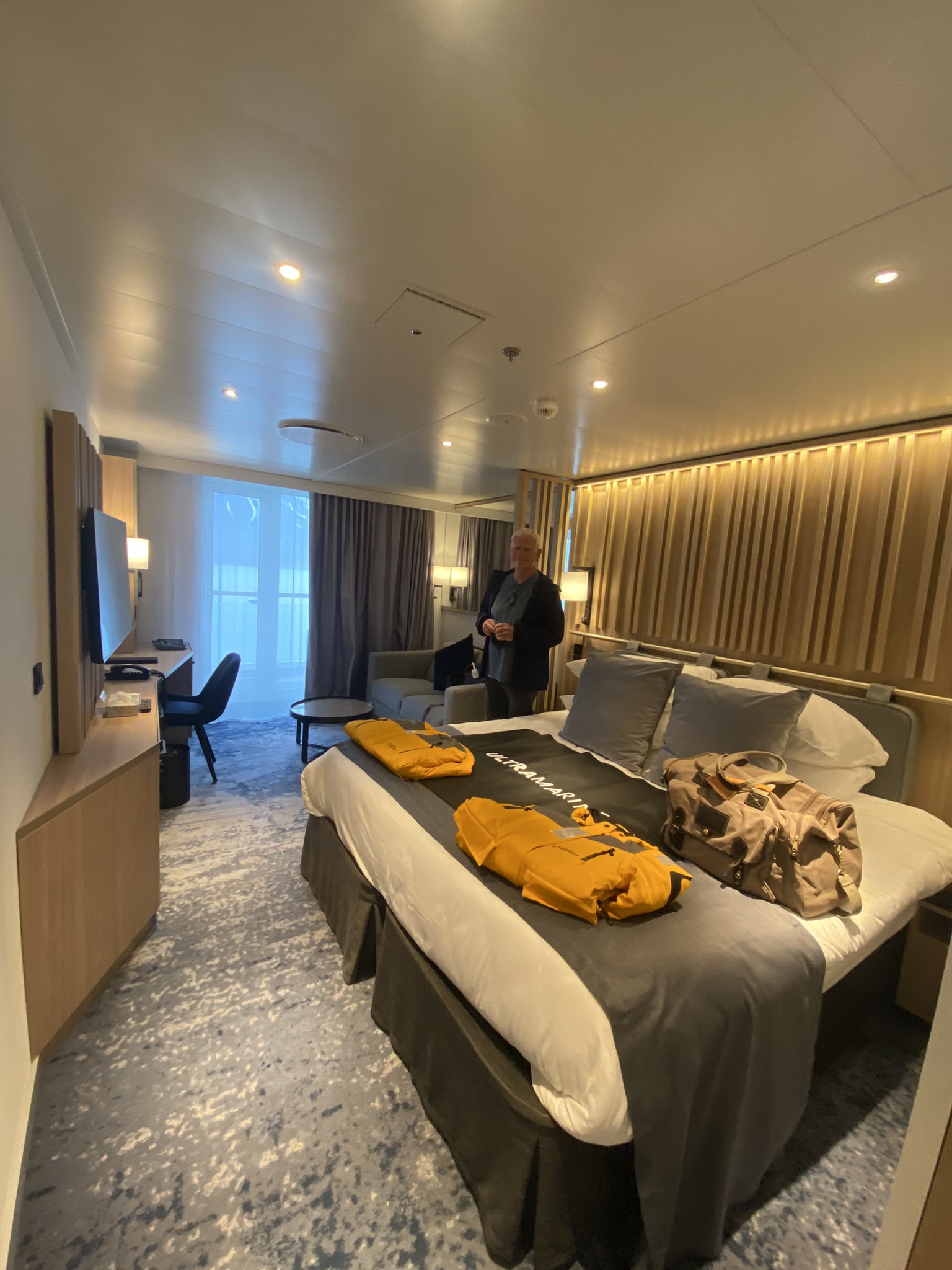
Every day we viewed amazing sites from our balcony.
zodiac cruises and landings are intimate encounters.
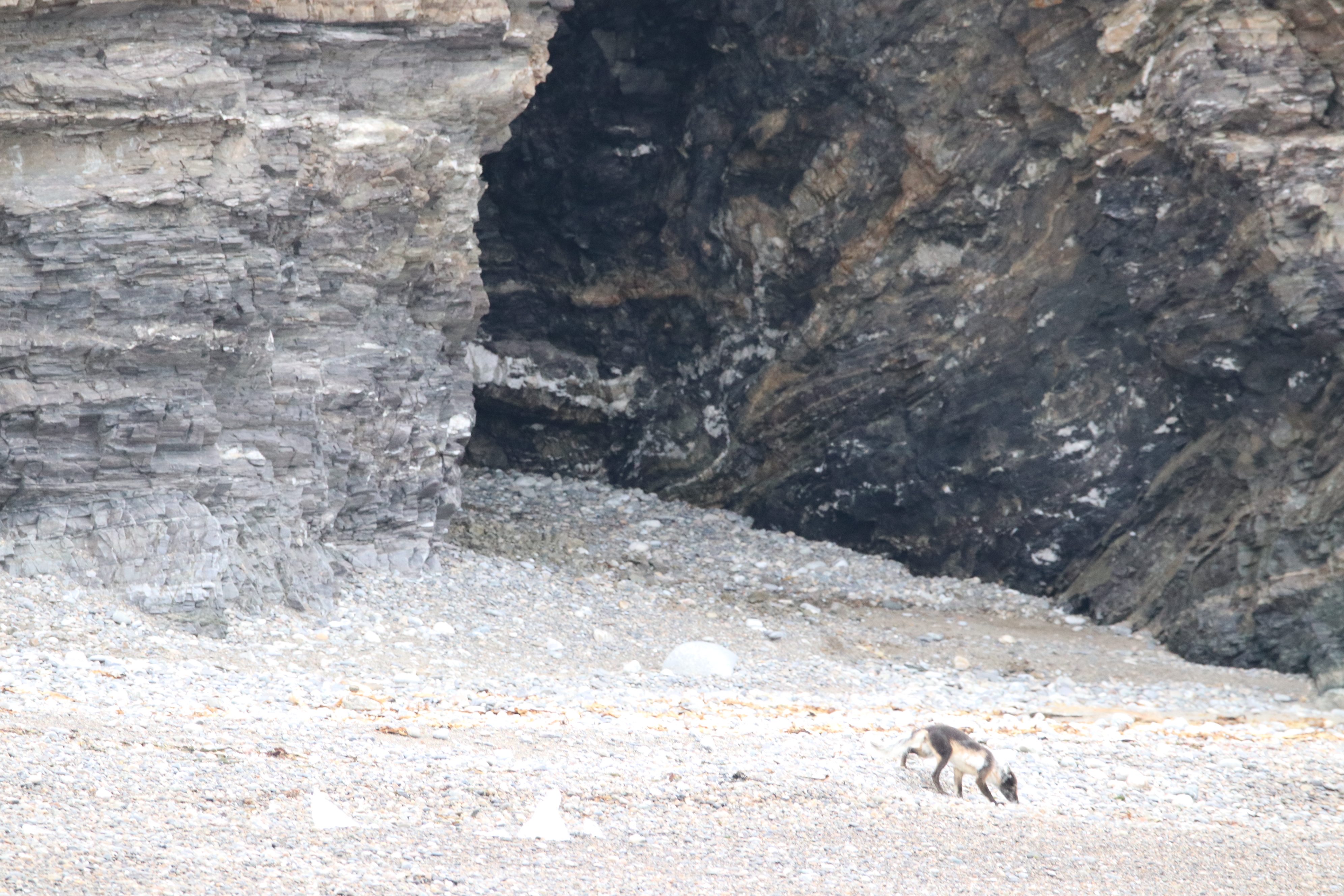
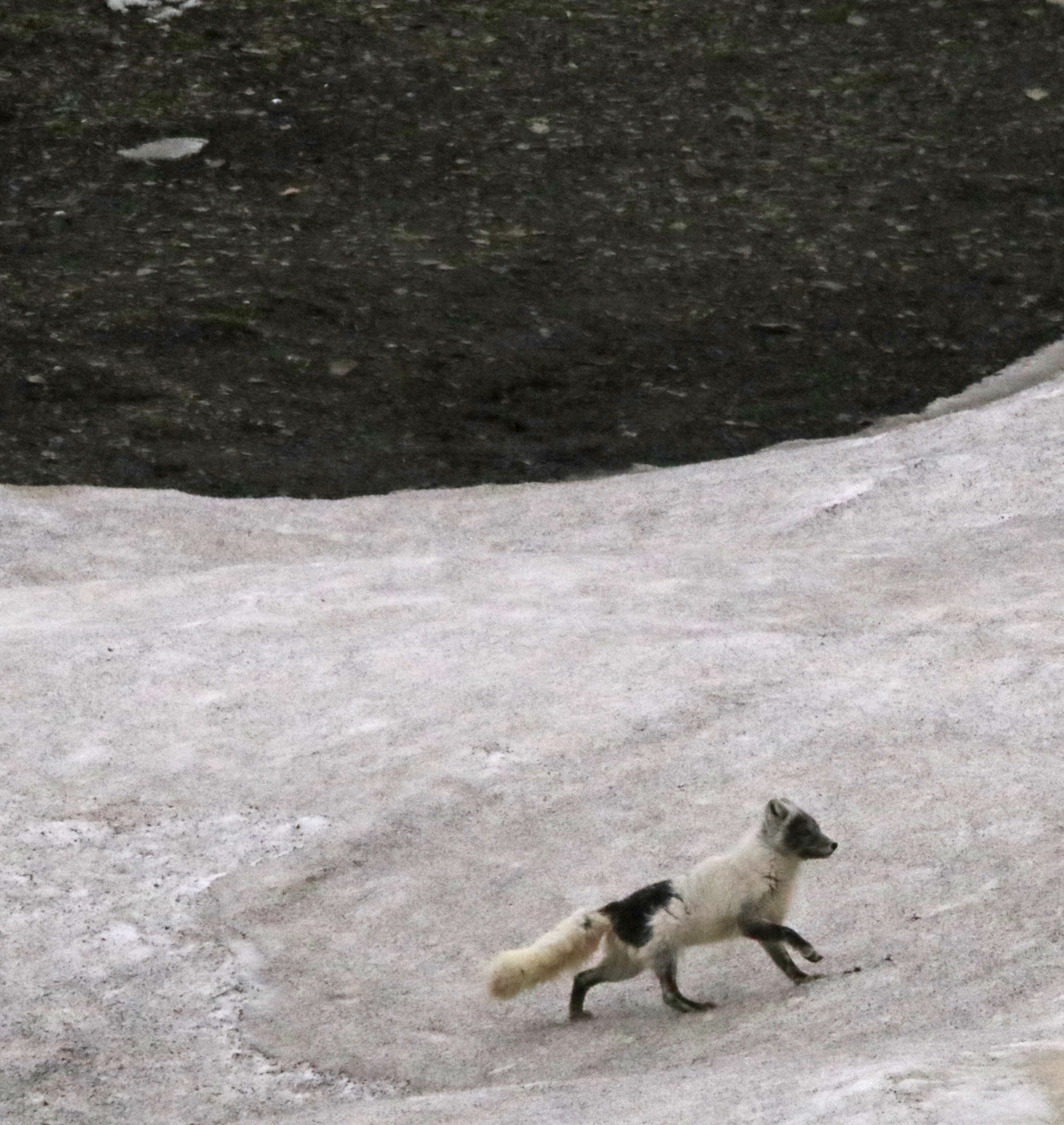
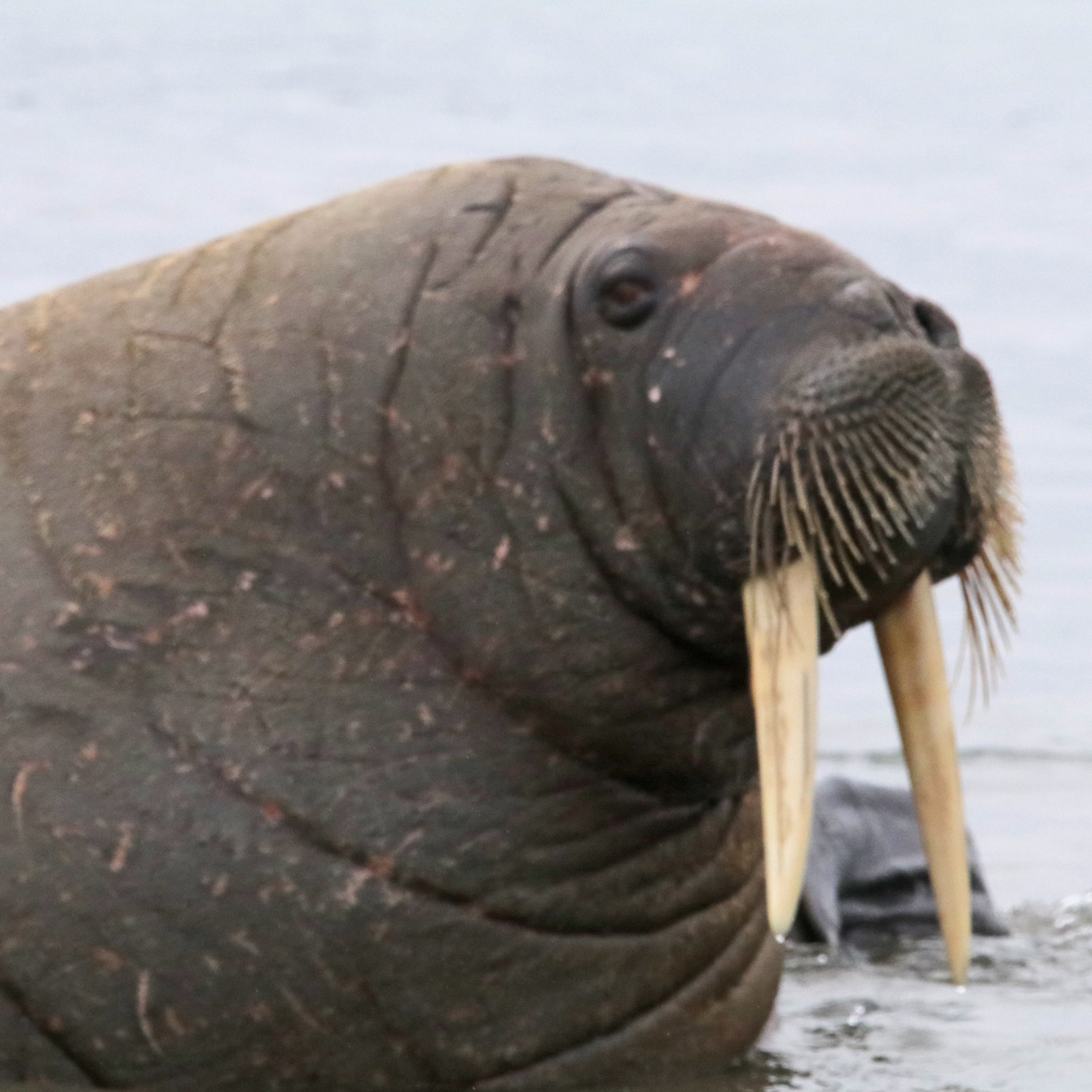
Human’s caused destruction, but now they are gone and wildlife flourishes.
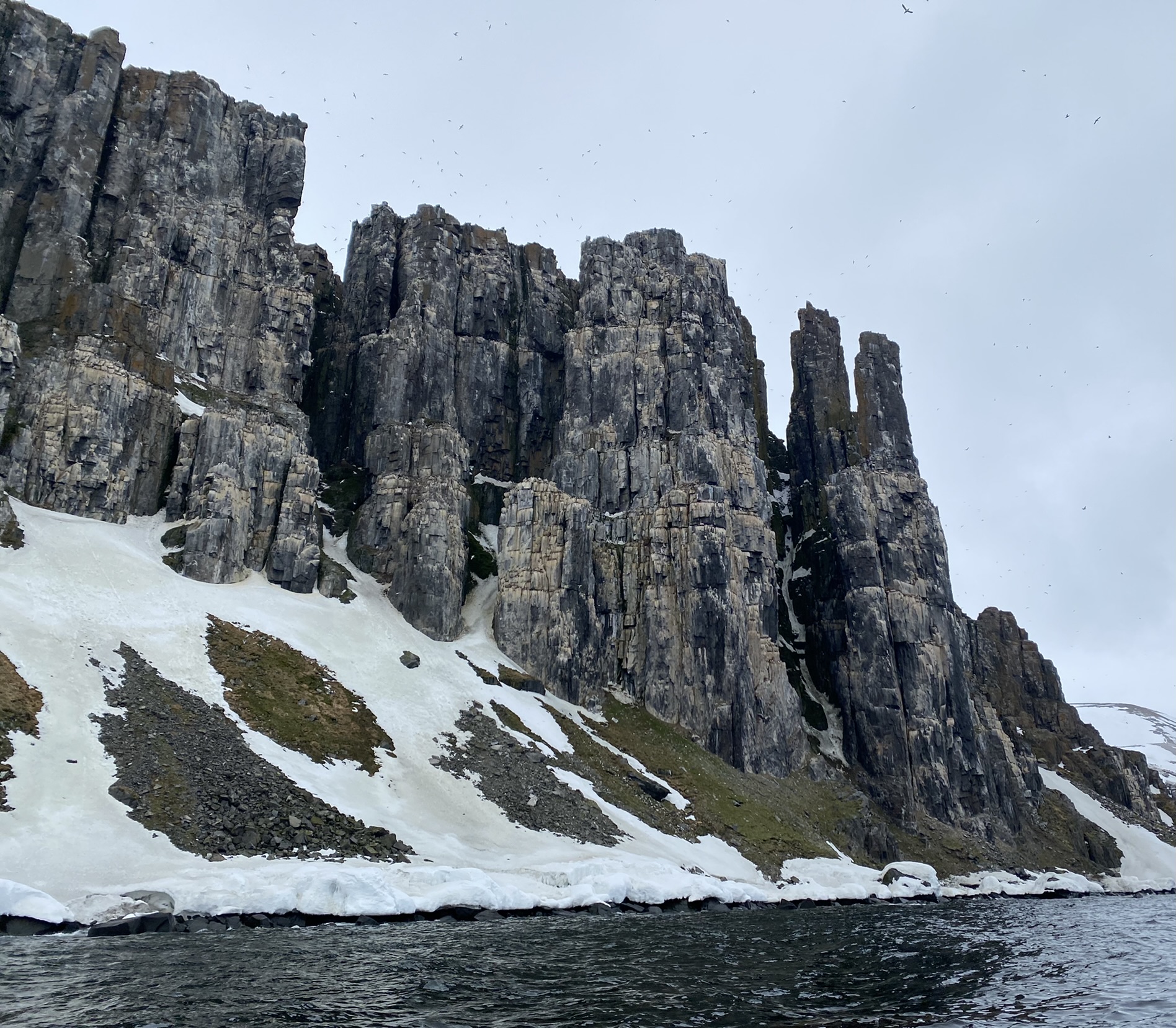
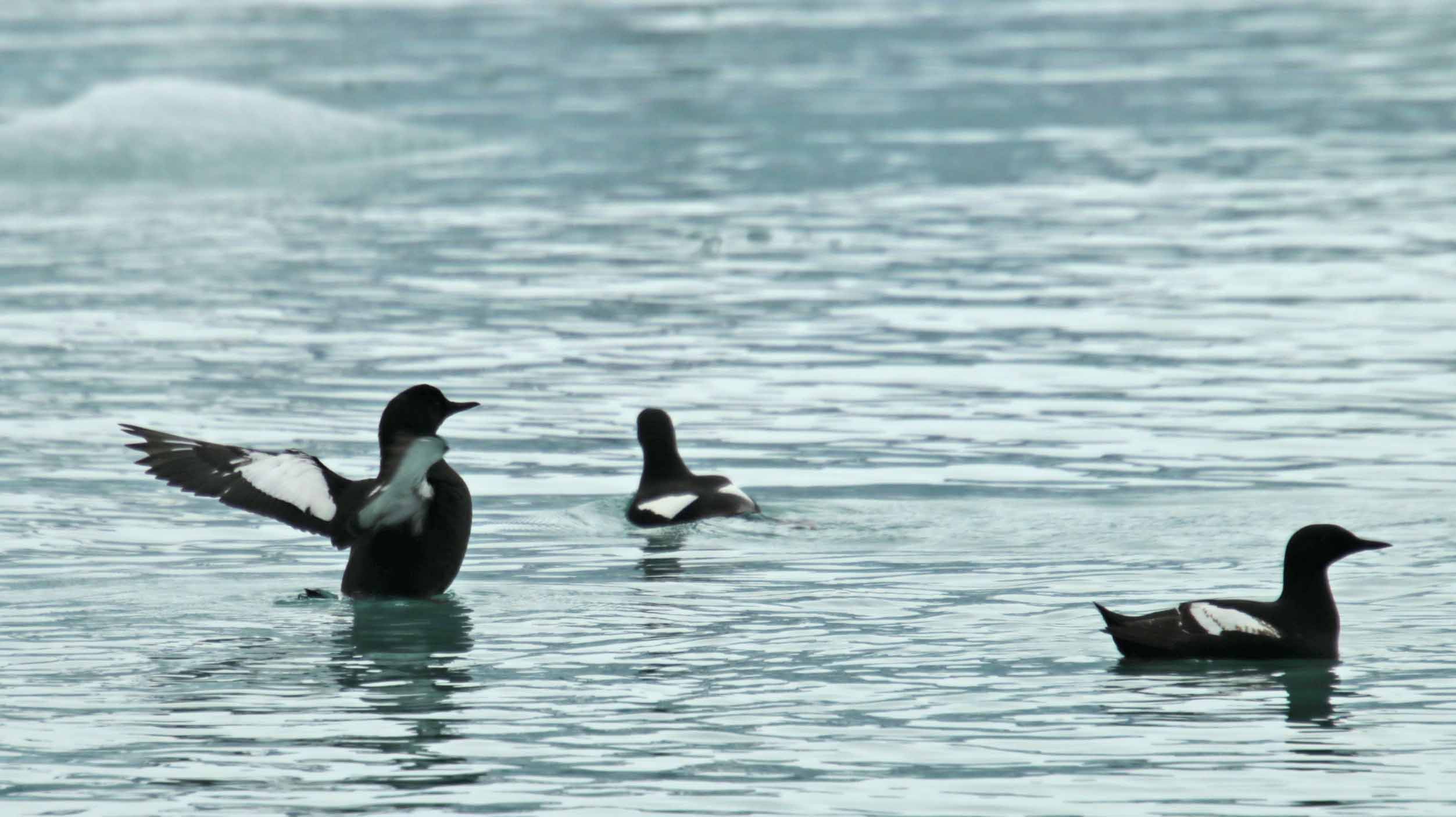
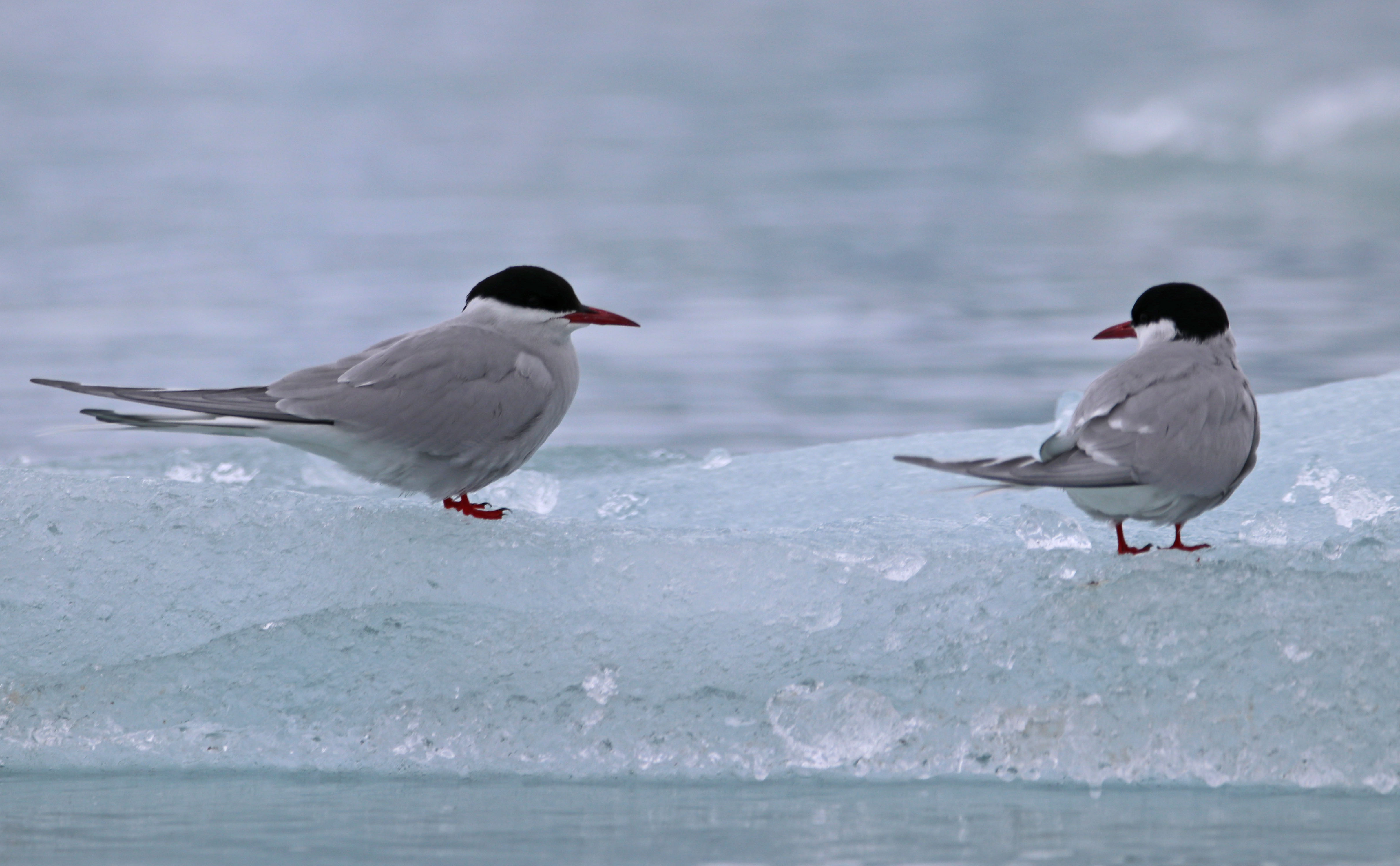
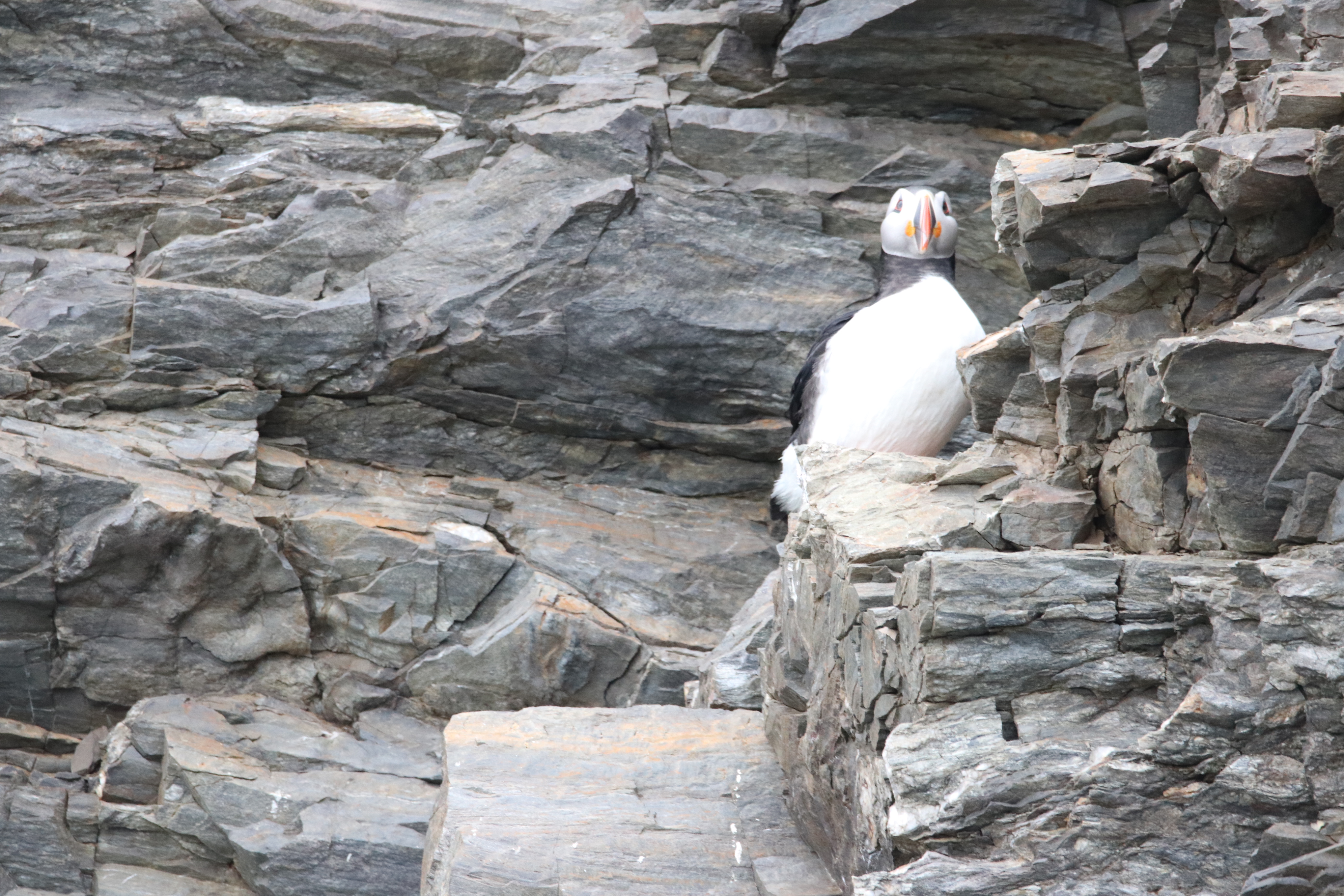
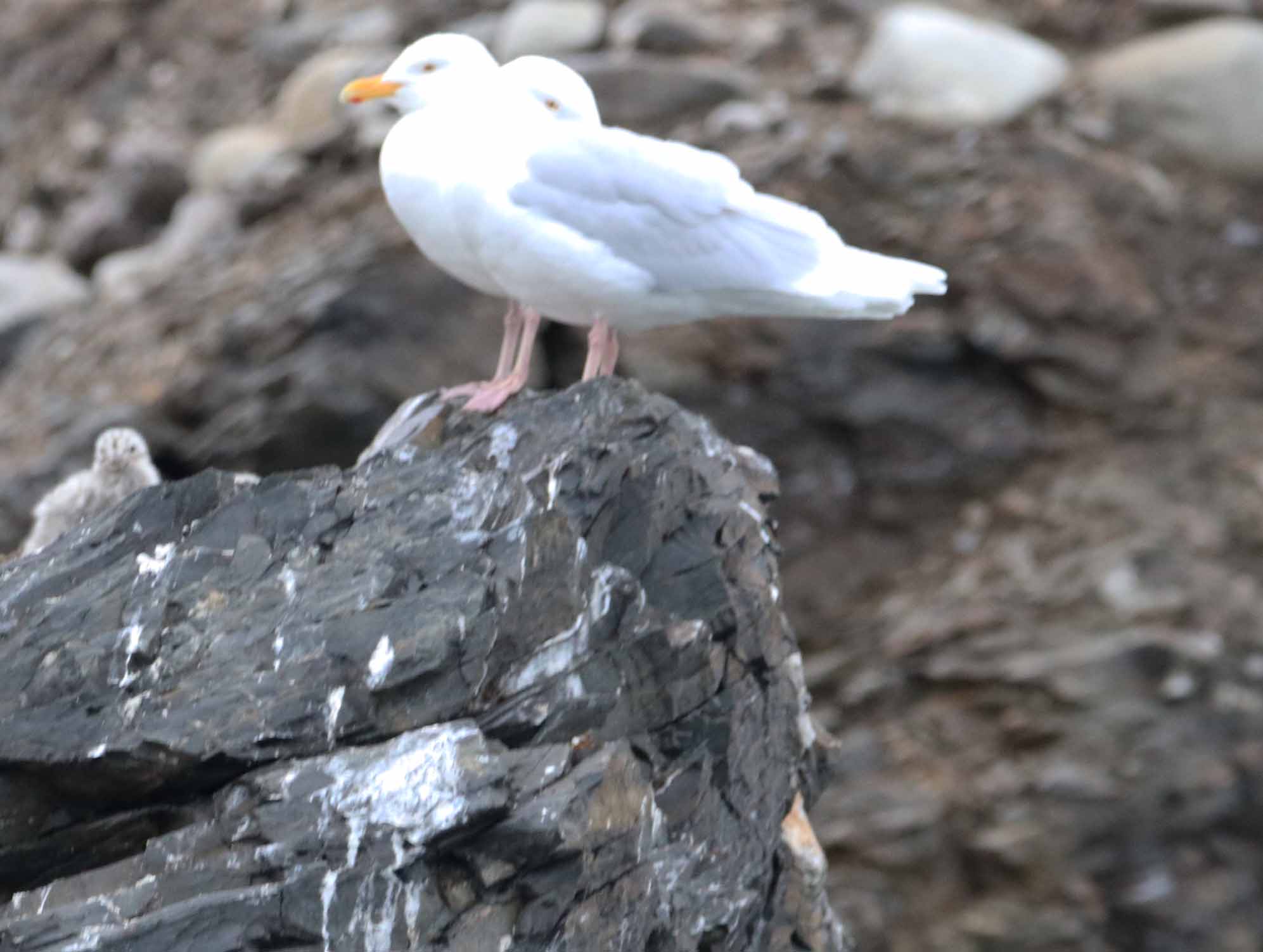
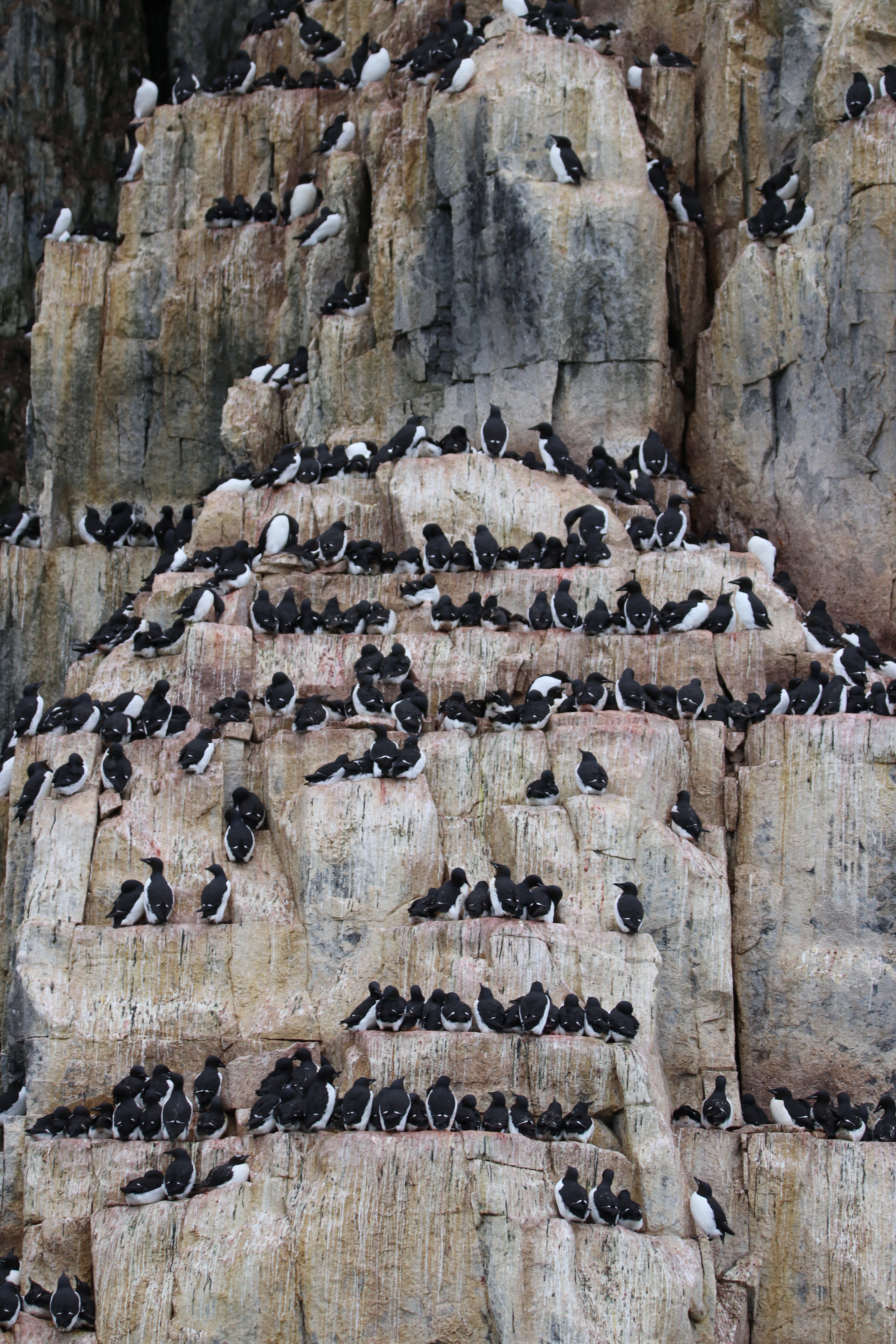
Try photographing speedy Kittiwakes, Arctic Terns, Brunnich’s Guillemots, Fulmar’s, Gulls, and my favorite Puffin.
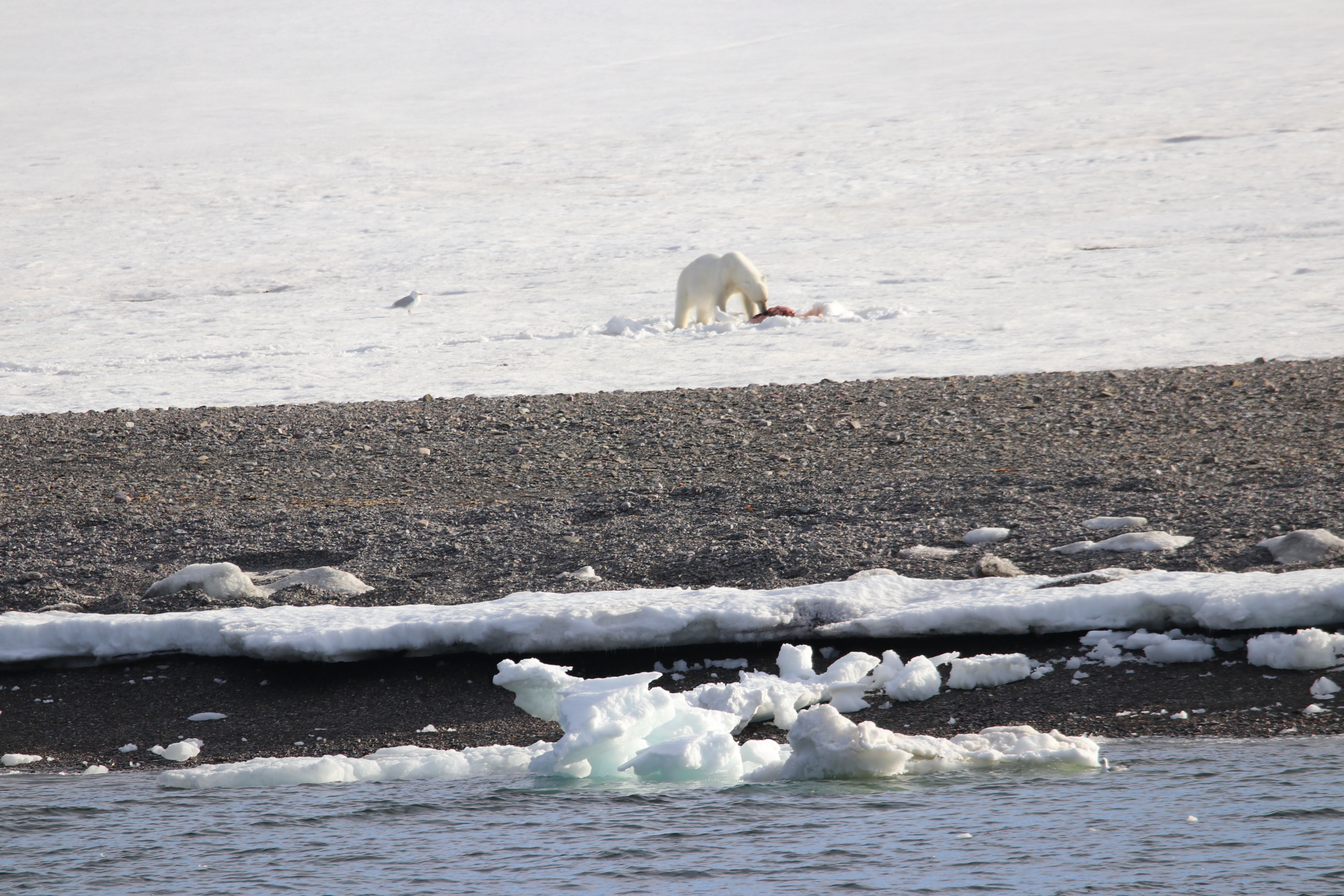
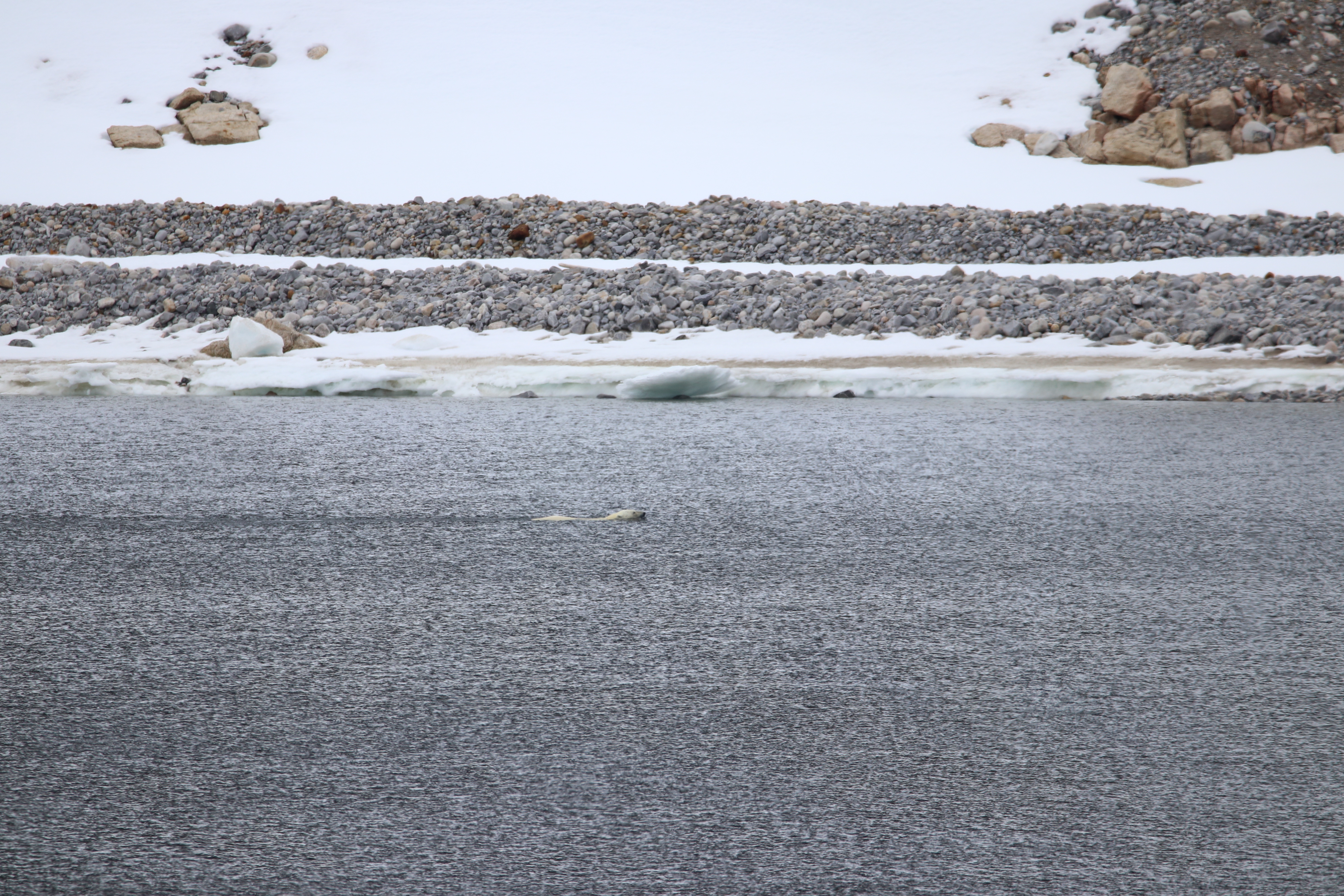
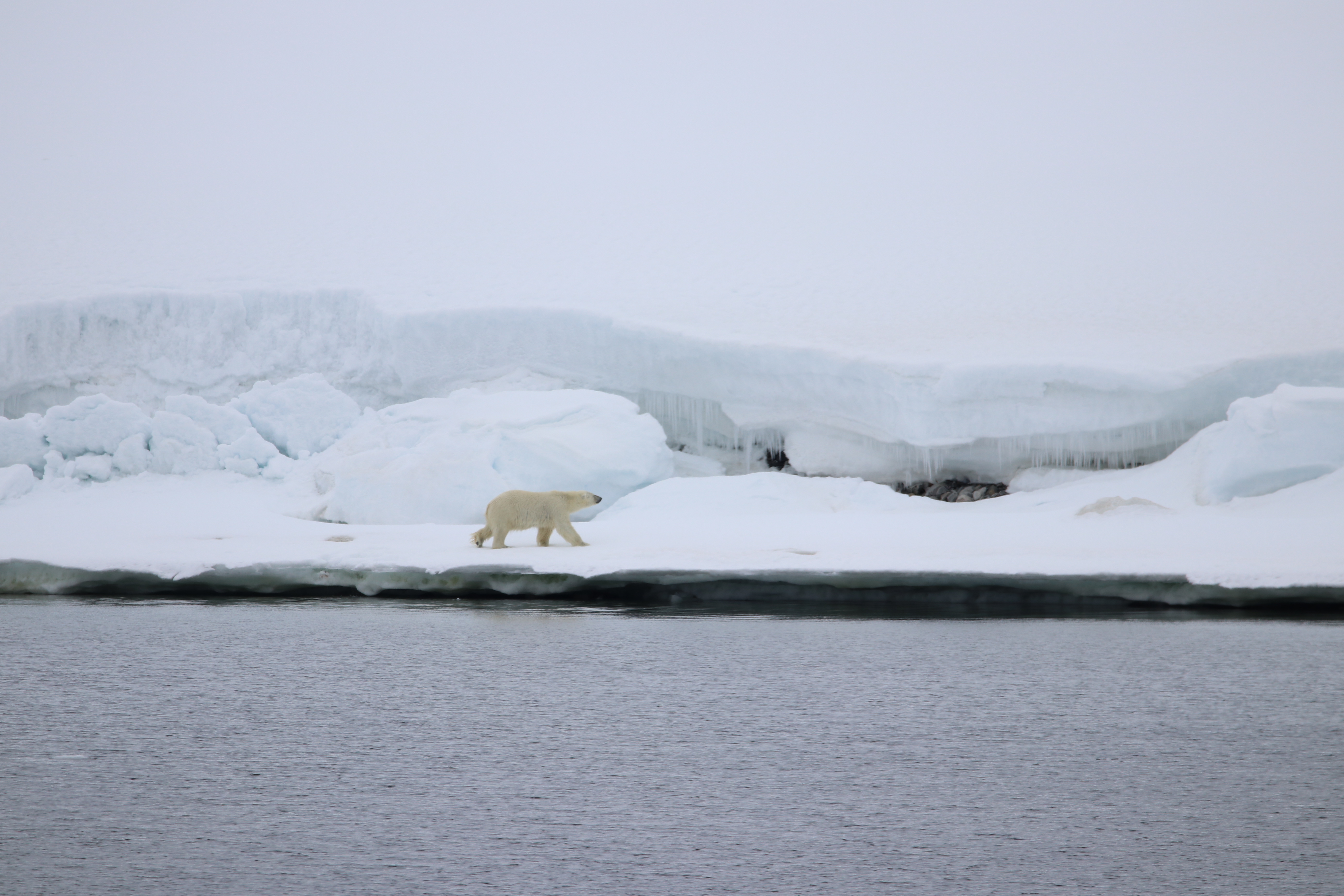
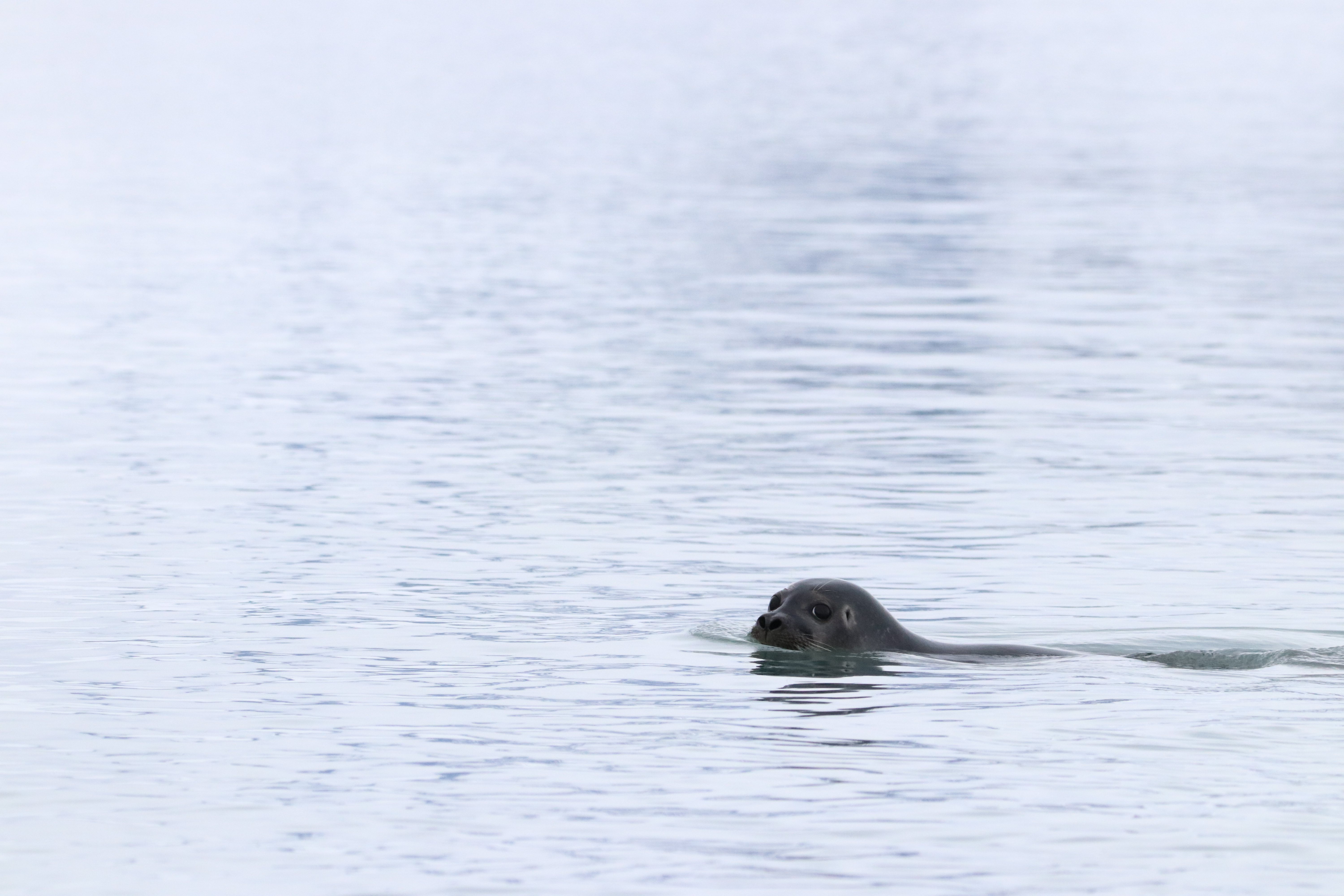
Exciting to see a mated pair napping in the snow, the male crawling towards his beloved. How about a bear gorging on a seal? In the distance, a mother walked with two cubs who misbehaved, playing hide-and-seek.
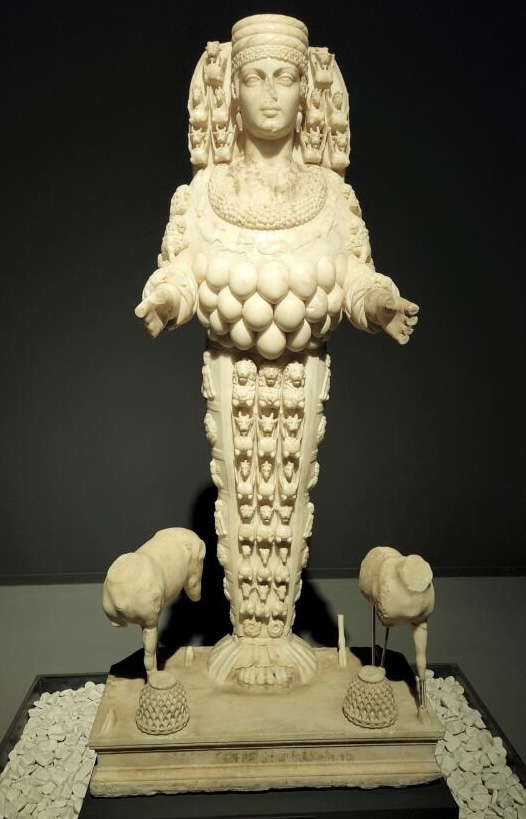
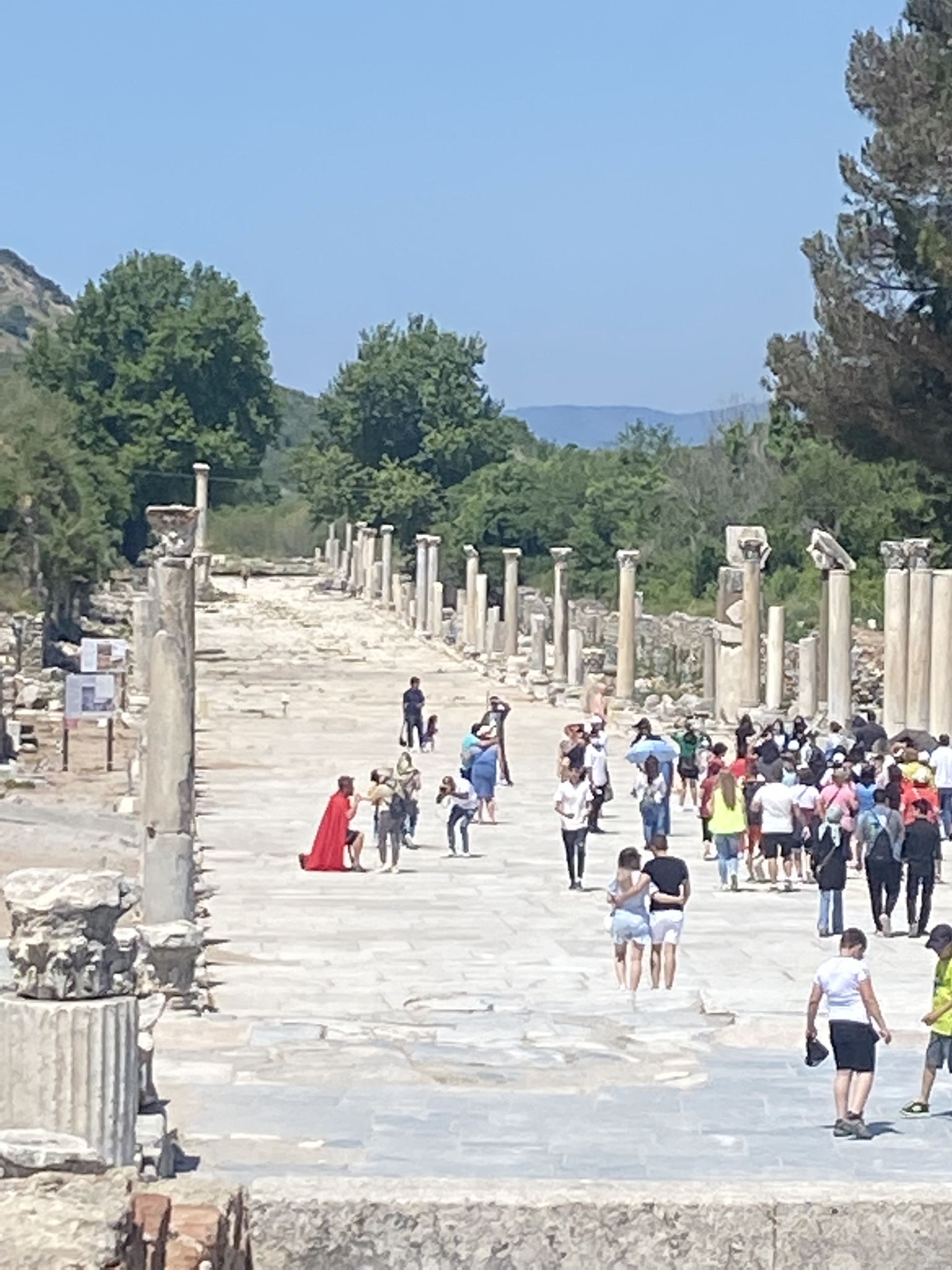
So many rumors surround the naming of Ephesus. Was the ancient city named after Ephos, queen of the female Amazon warriors of what is now the Ukraine? There may be a connection, because the old testament name for this town was Smyrna–which has origins in that myth. What we do know is that Greek colonists took over in the 10th century, BC. and their goddess, Artemis became the mother goddess. Two statues depicting her are now in the Ephesus museum.
Although Artemis protected fertility and plenty, those aren’t many breasts (archeologists declare) but are either gourds or bulls testicles ( So many fertility symbols !). Her robe is decorated with animals and bees are on her feet. These statues had been buried before a seige, which protected them for centuries.
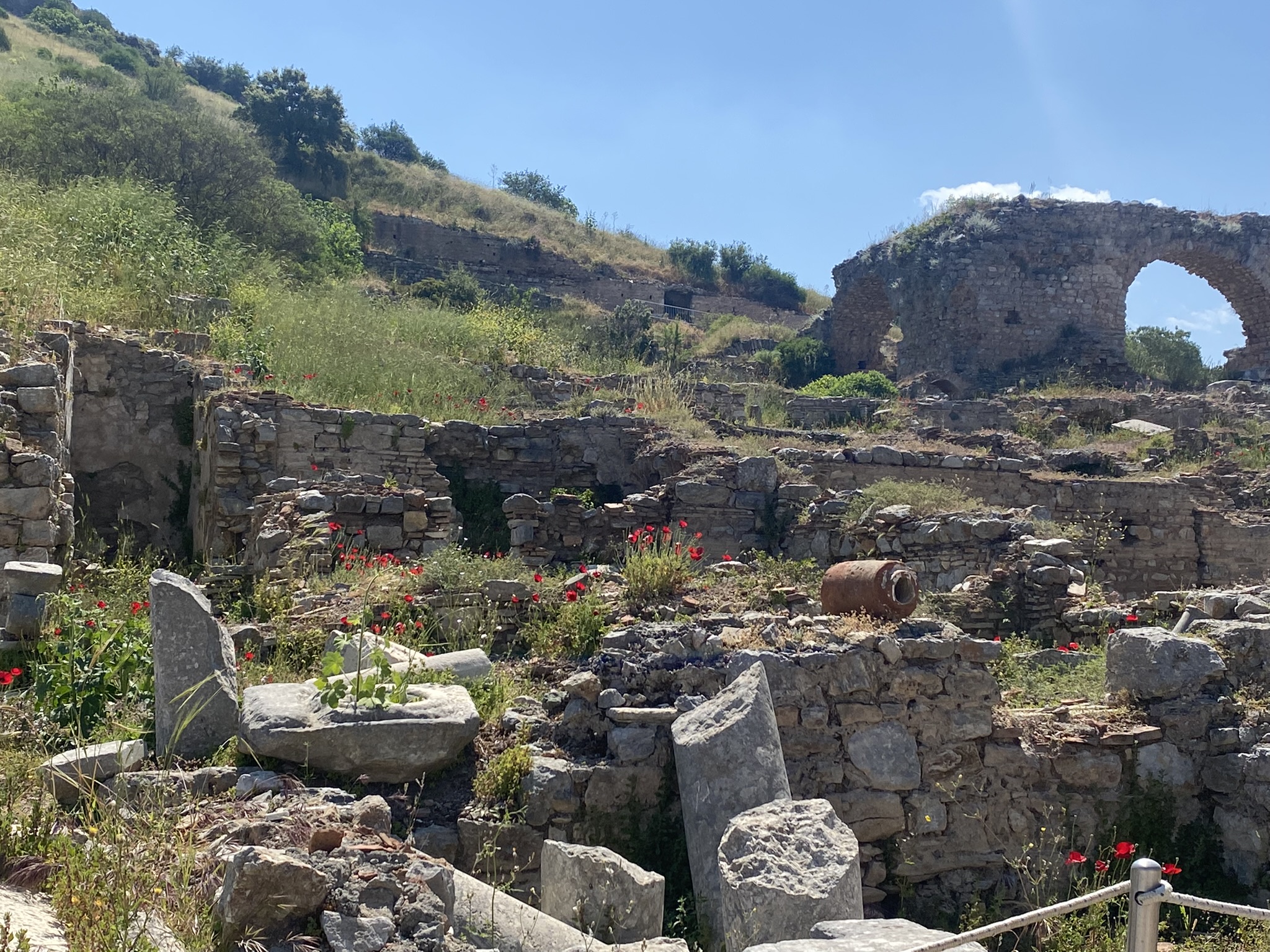
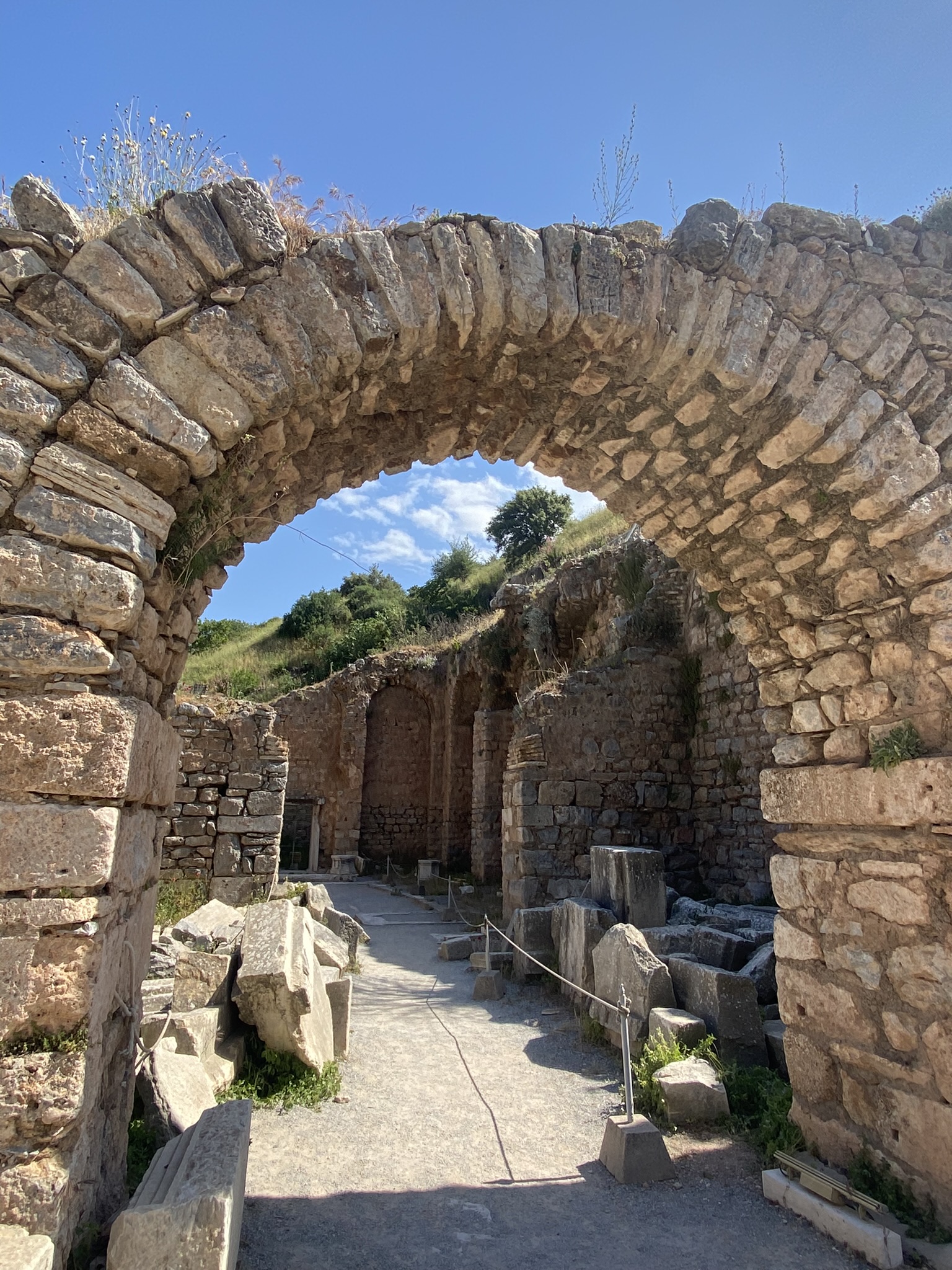
The acropolis, built on top of the hill in 550 BC, was one of the seven wonders of the ancient world. Some of the marble panels are in Hagia Sophia in Istanbul. All that remains is toppled stones. I wish I had more time there to hike up and look at Ephesus from that vantage point.
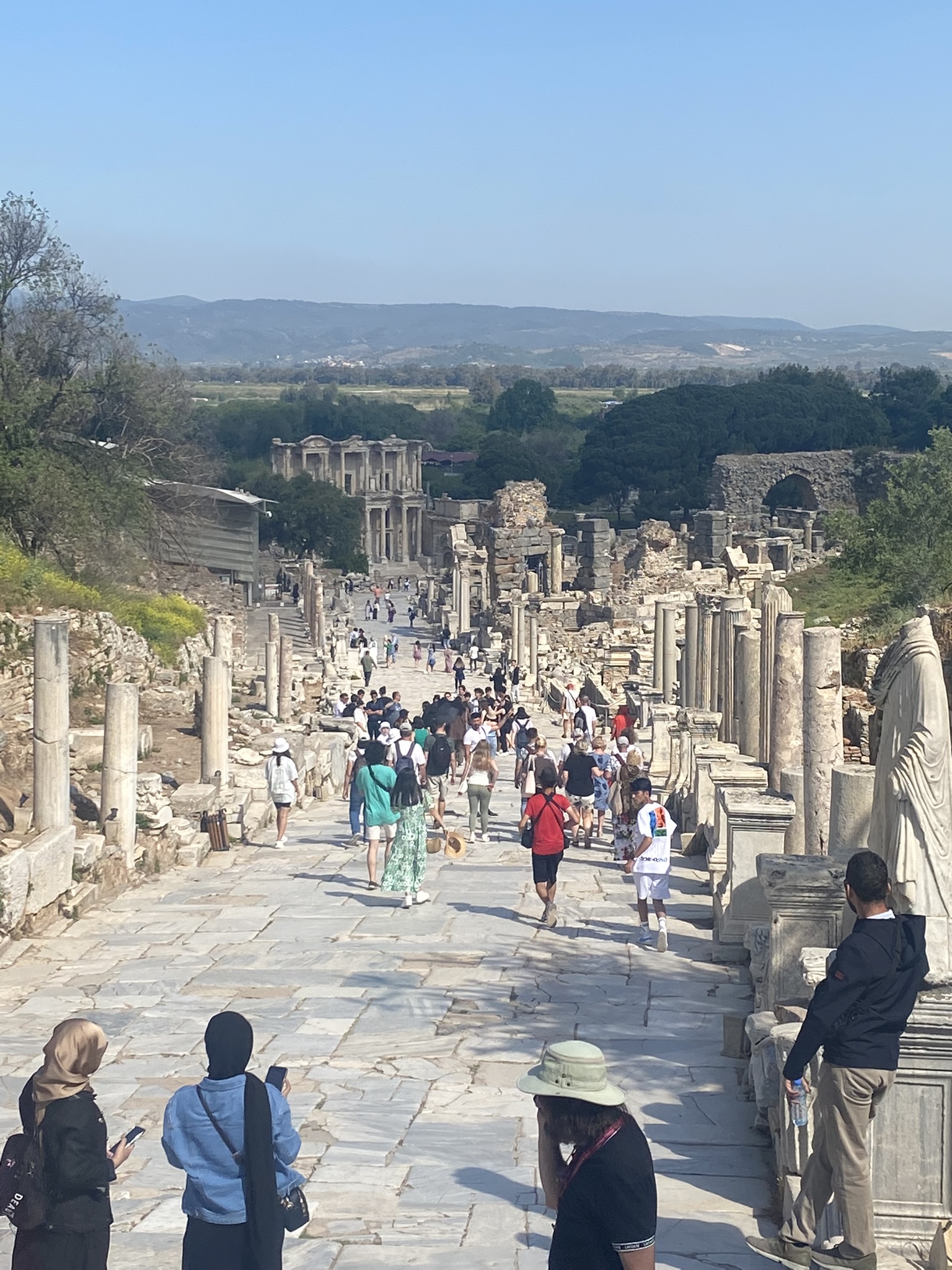
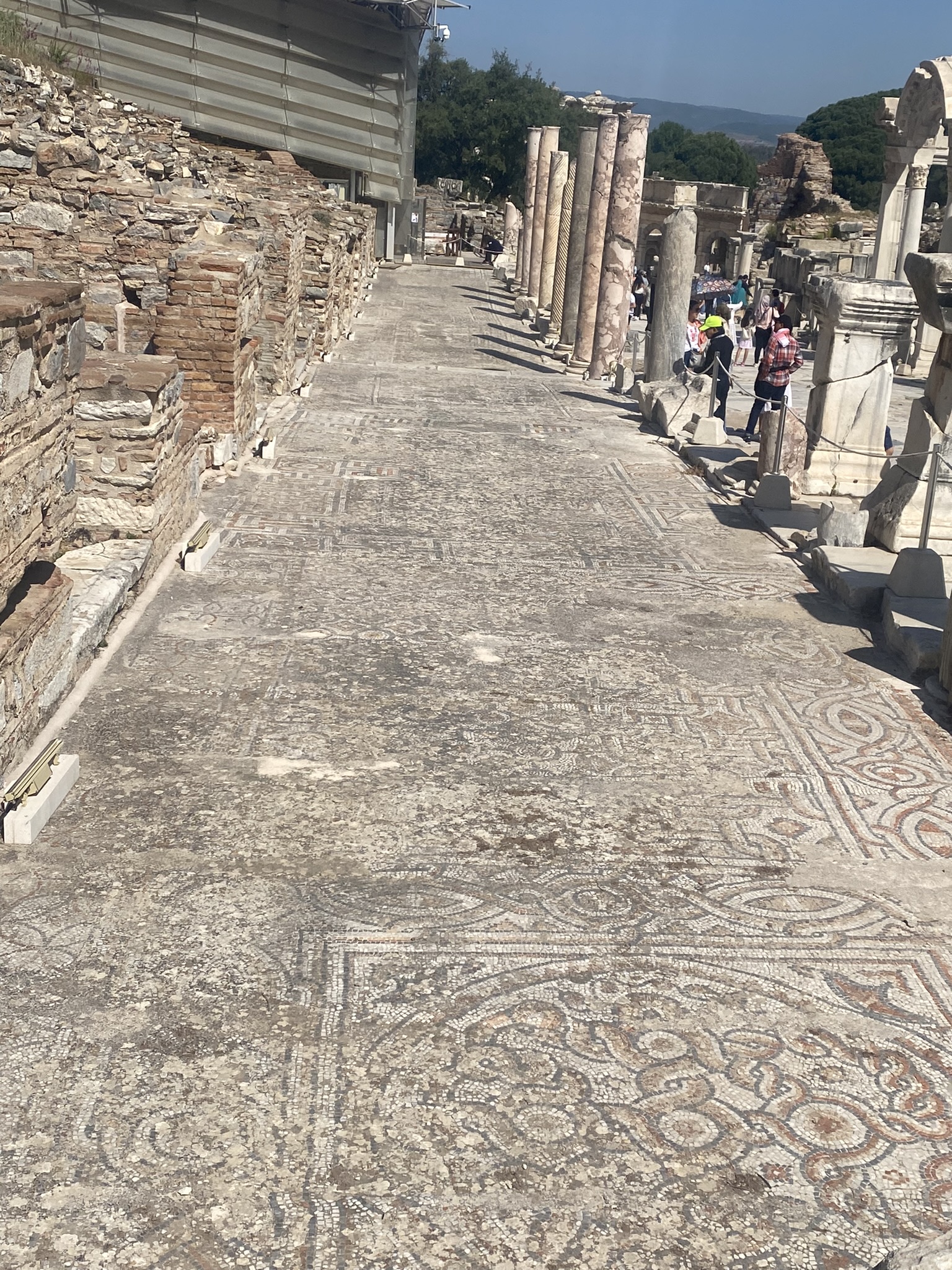
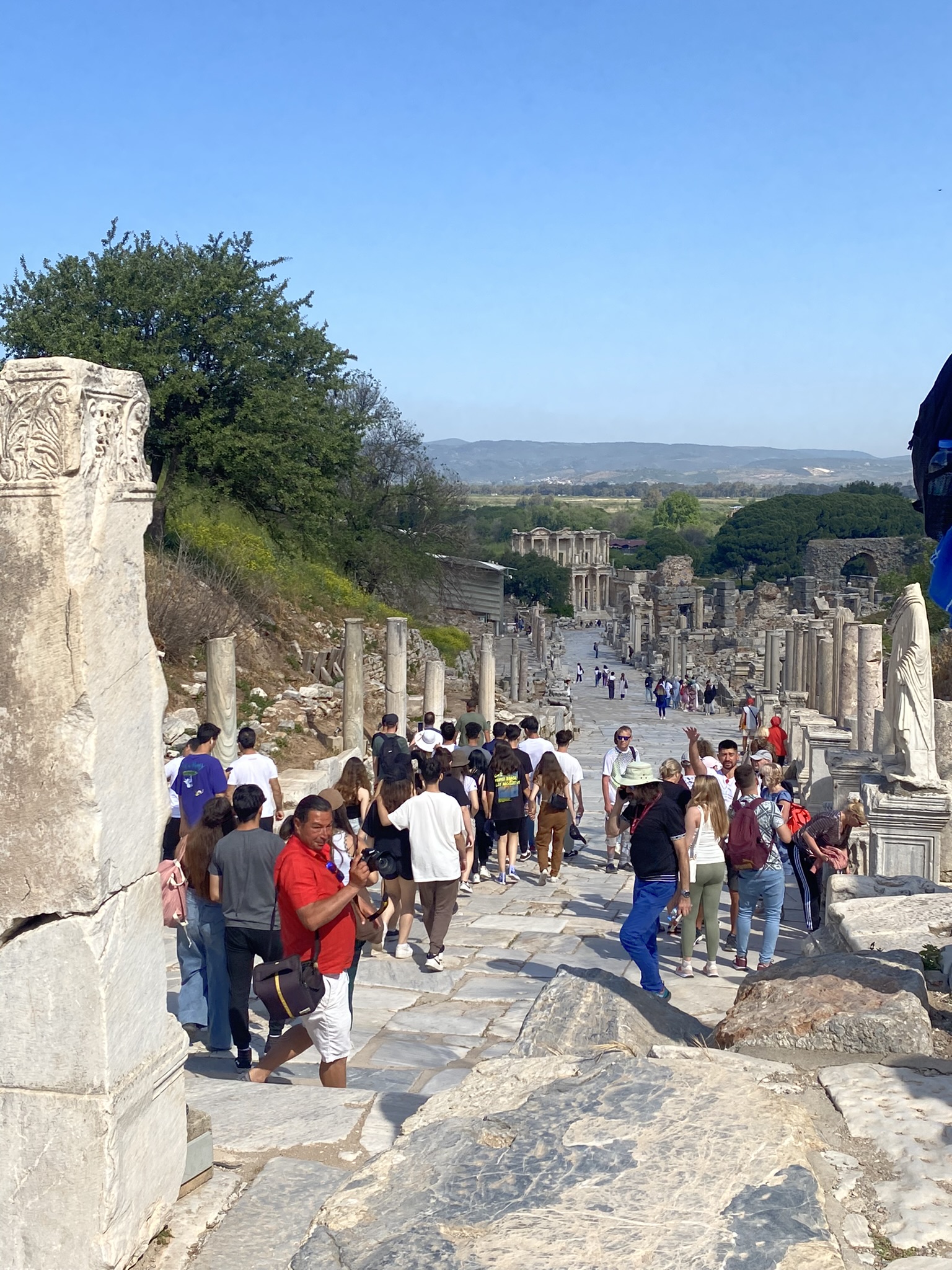
The Roman’s took over Ephesus in 129 BC until 395 AD. This is the classical period when streets were paved with marble and intricate mosaics. the 3rd picture once led to the now dry harbor where ships rocked.
Expansion led to many important buildings :
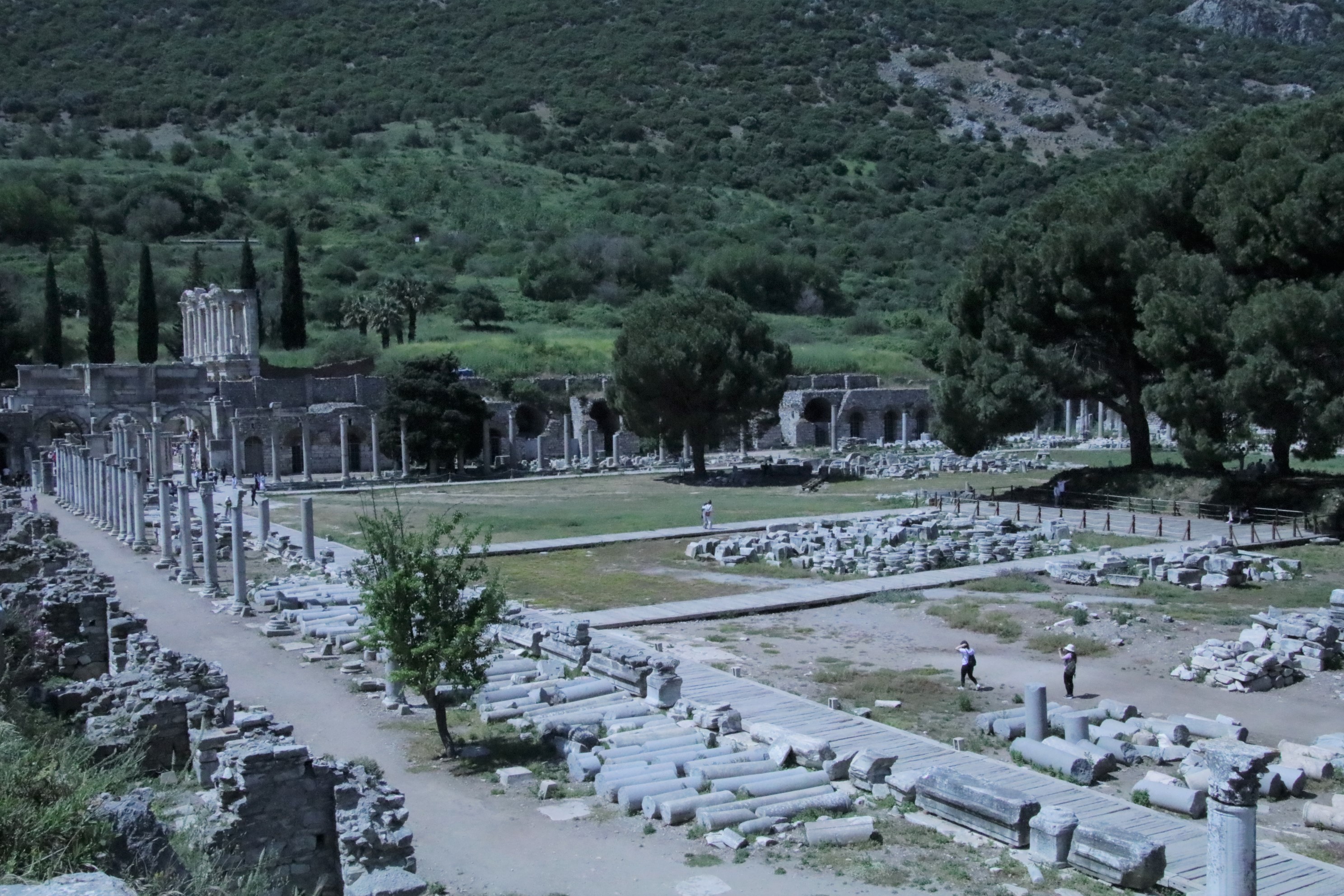
The Roman senate held government discussions and voting at the State Agora. There is an older Greek agora about 6′ below this one. The bottom picture is the exit from the senate, which the Roman’s called the vomitarium. Don’t you love their use of words? Especially applies to government debates.
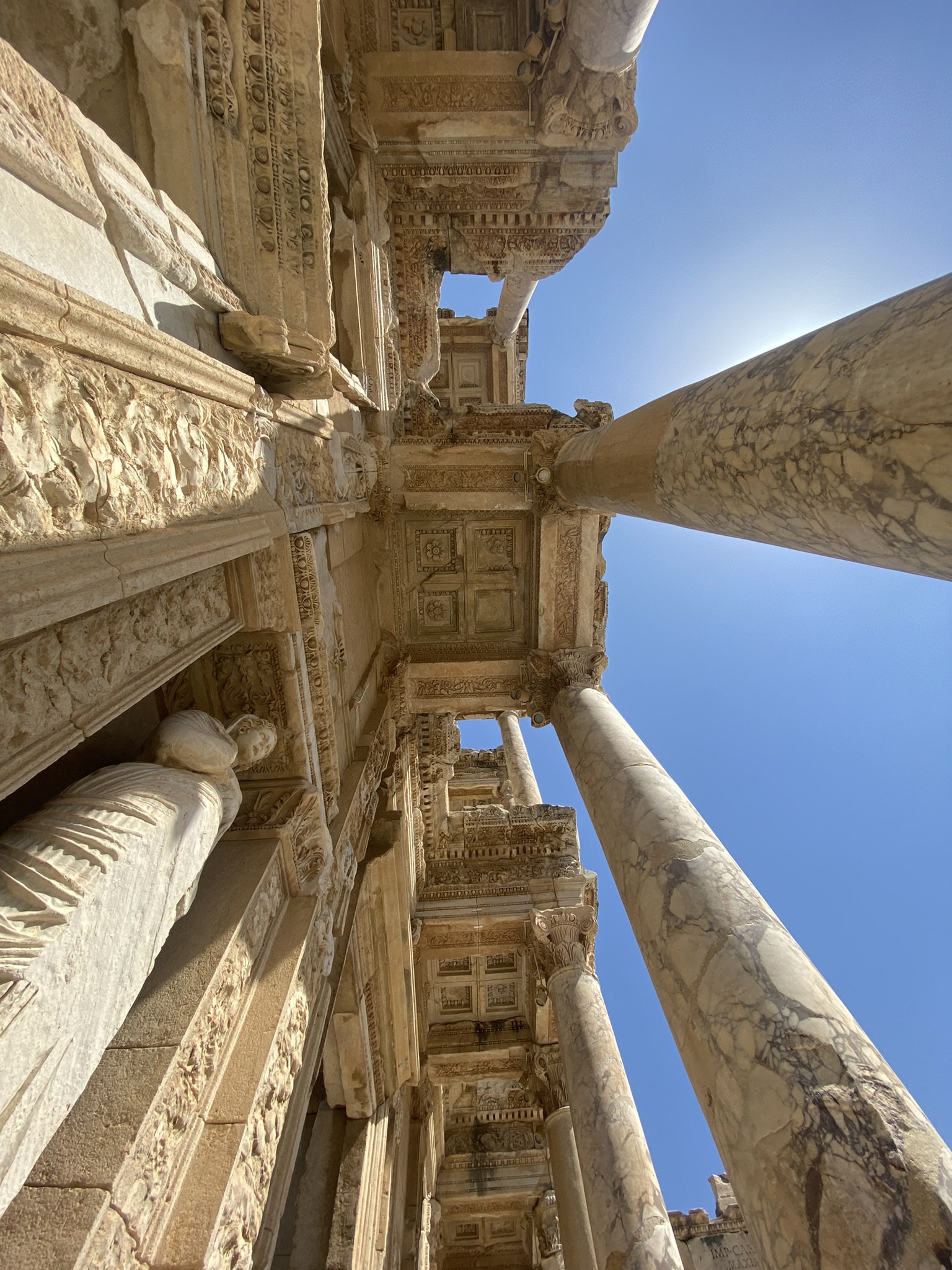
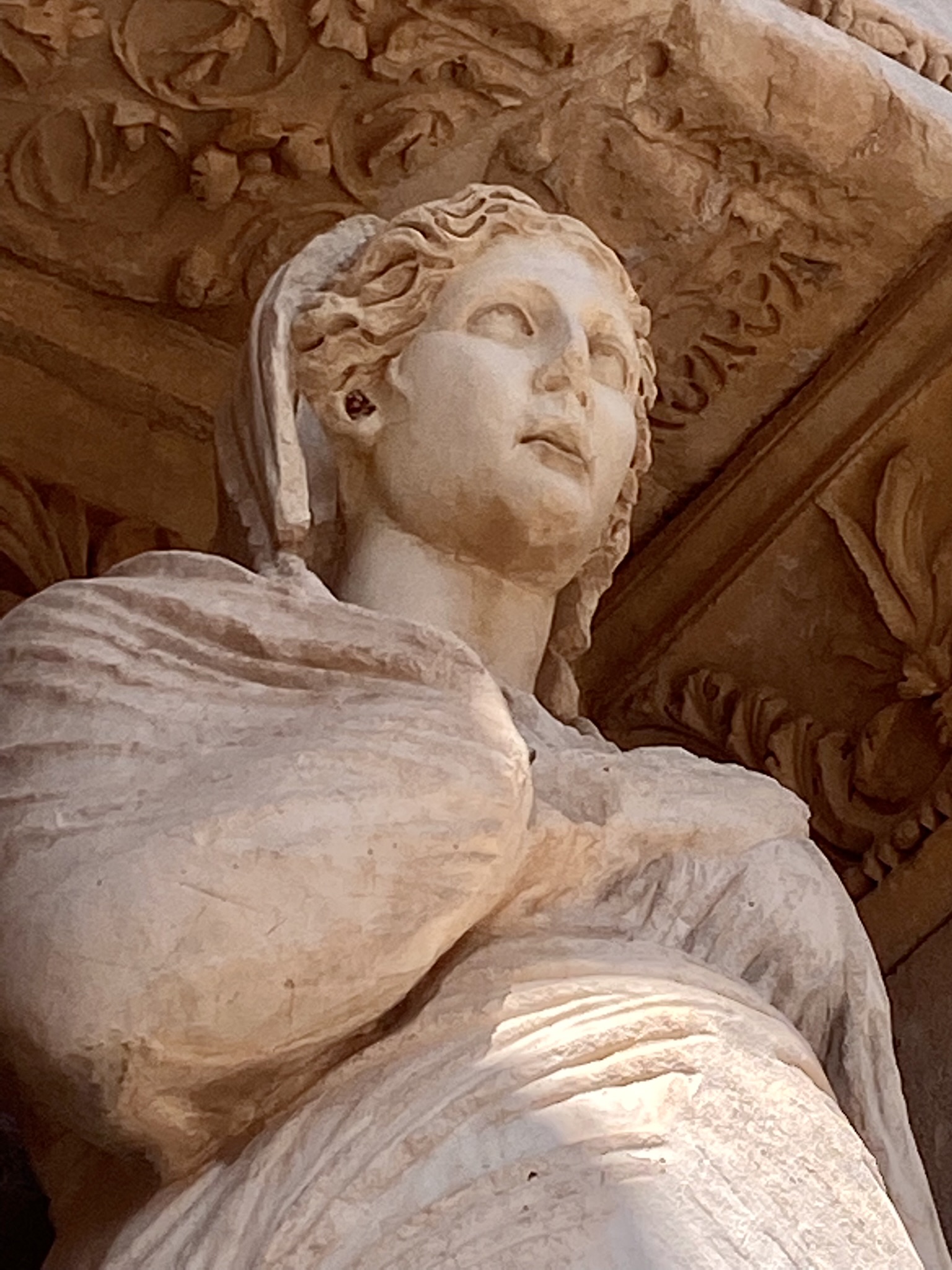
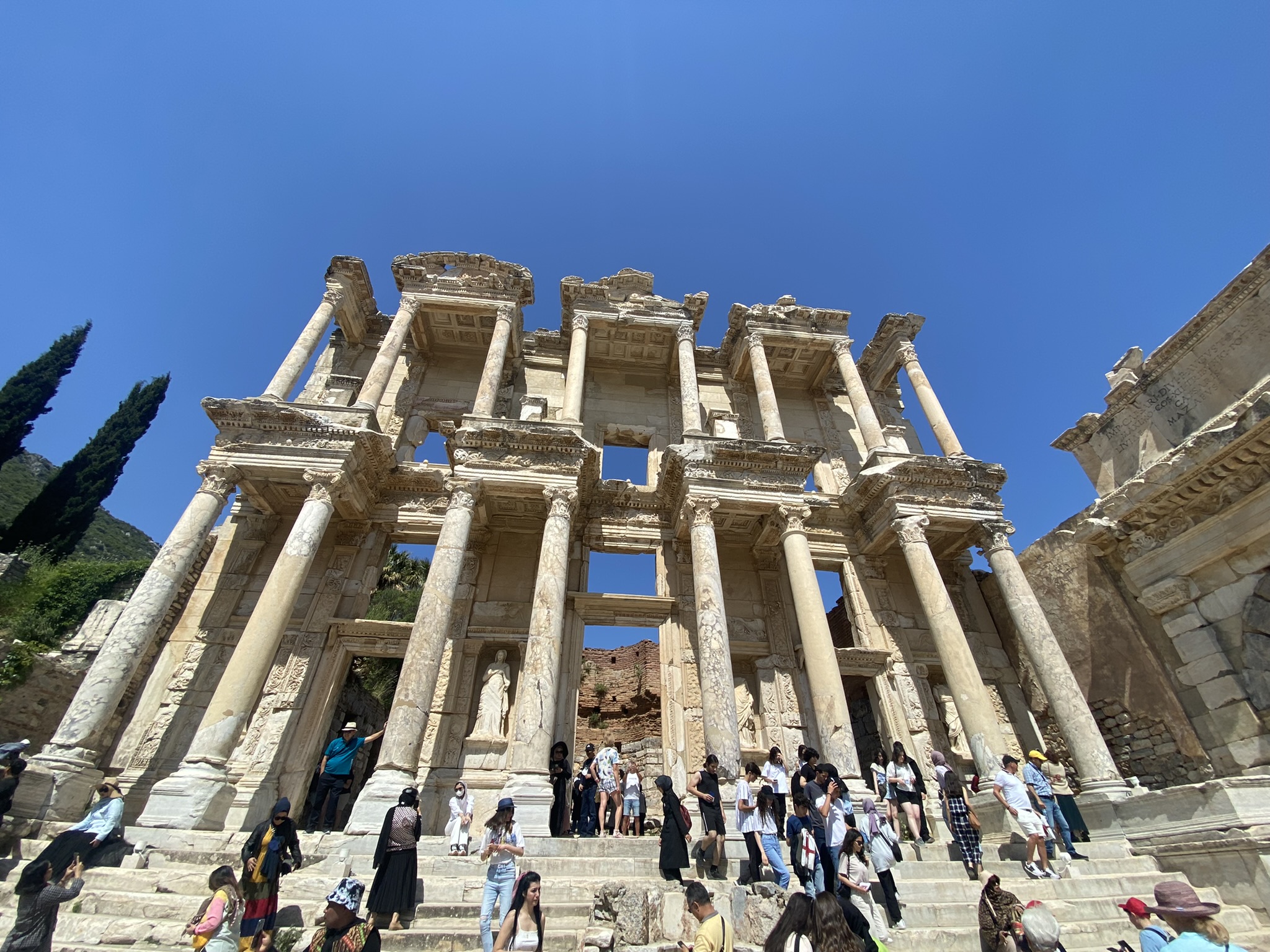
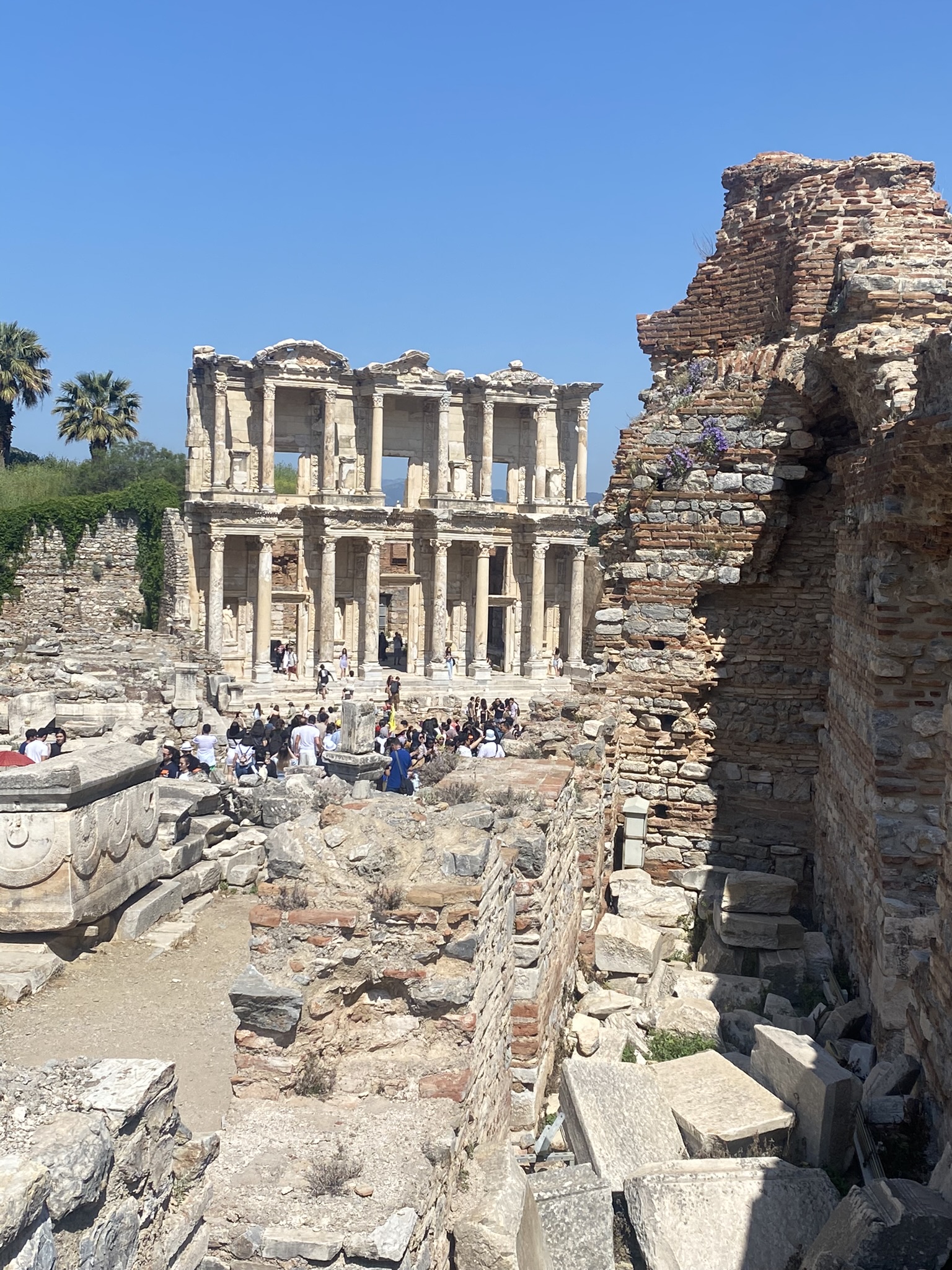
The library of Celsus, which was dedicated to Emperor Tiberius, was the third largest library of the ancient world. Alexandria in Egypt had the largest library followed by Pergamum, which is also in Turkey. The three female statues in niches on the façade were Virtue, Wisdom and Knowledge. There is a tunnel inside to the brothels across the street (pictured last) Women weren’t allowed in the library. Can you imagine the conversation? “Hey Honey–I’m going to go read one of the 12,000 scrolls tonight.” Yeah. Right.
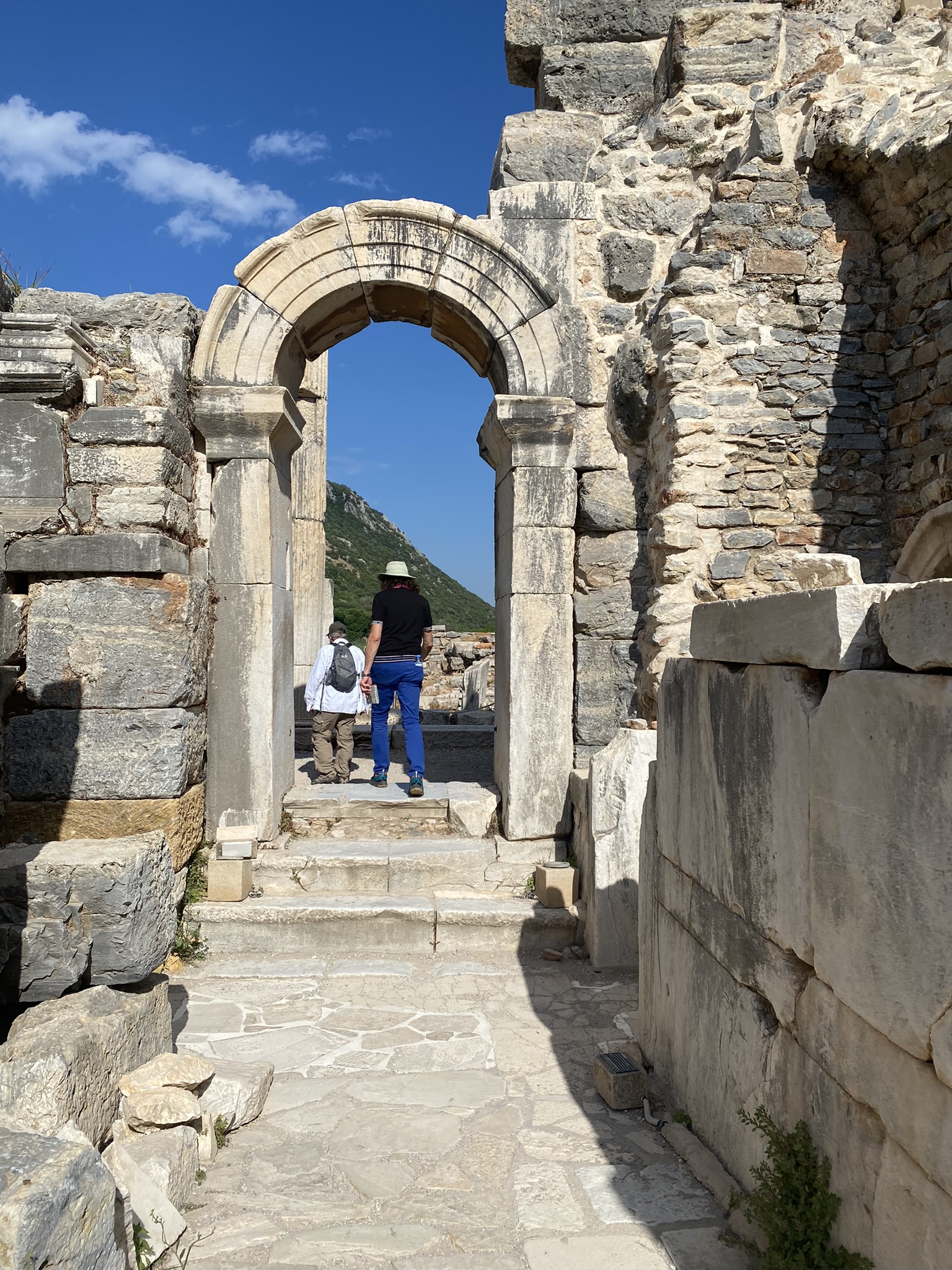
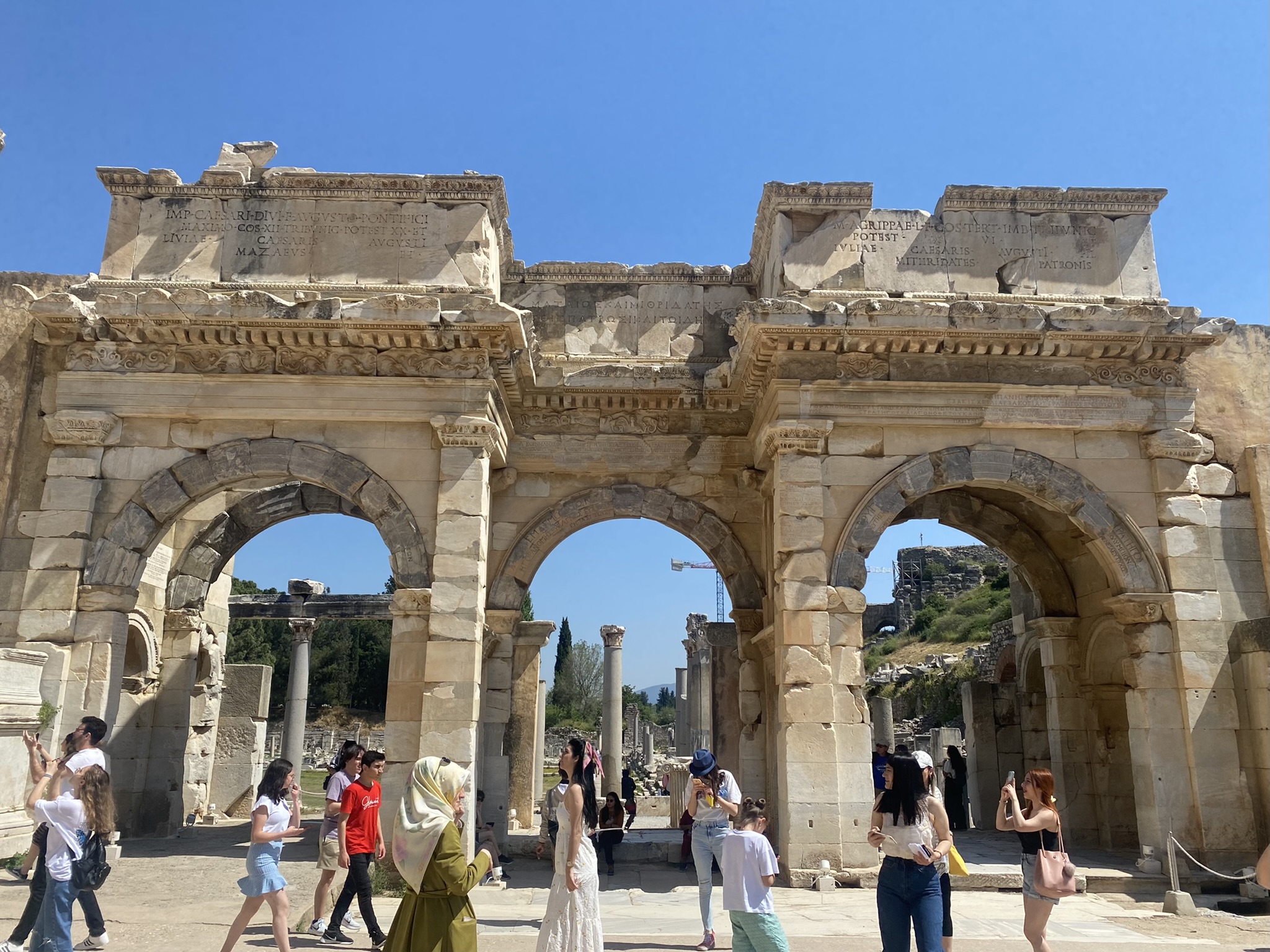
There is a triple entrance ( Gate of Mazaeus and Mithripates) to the right of the library that leads into the 364′ (square) commercial Agora.
The market once stood two stories high with double columned porticos. One of the more famous workers was St. Paul—He worked in a tentmaking and leather shop here until he got arrested and then got railroaded out of town.
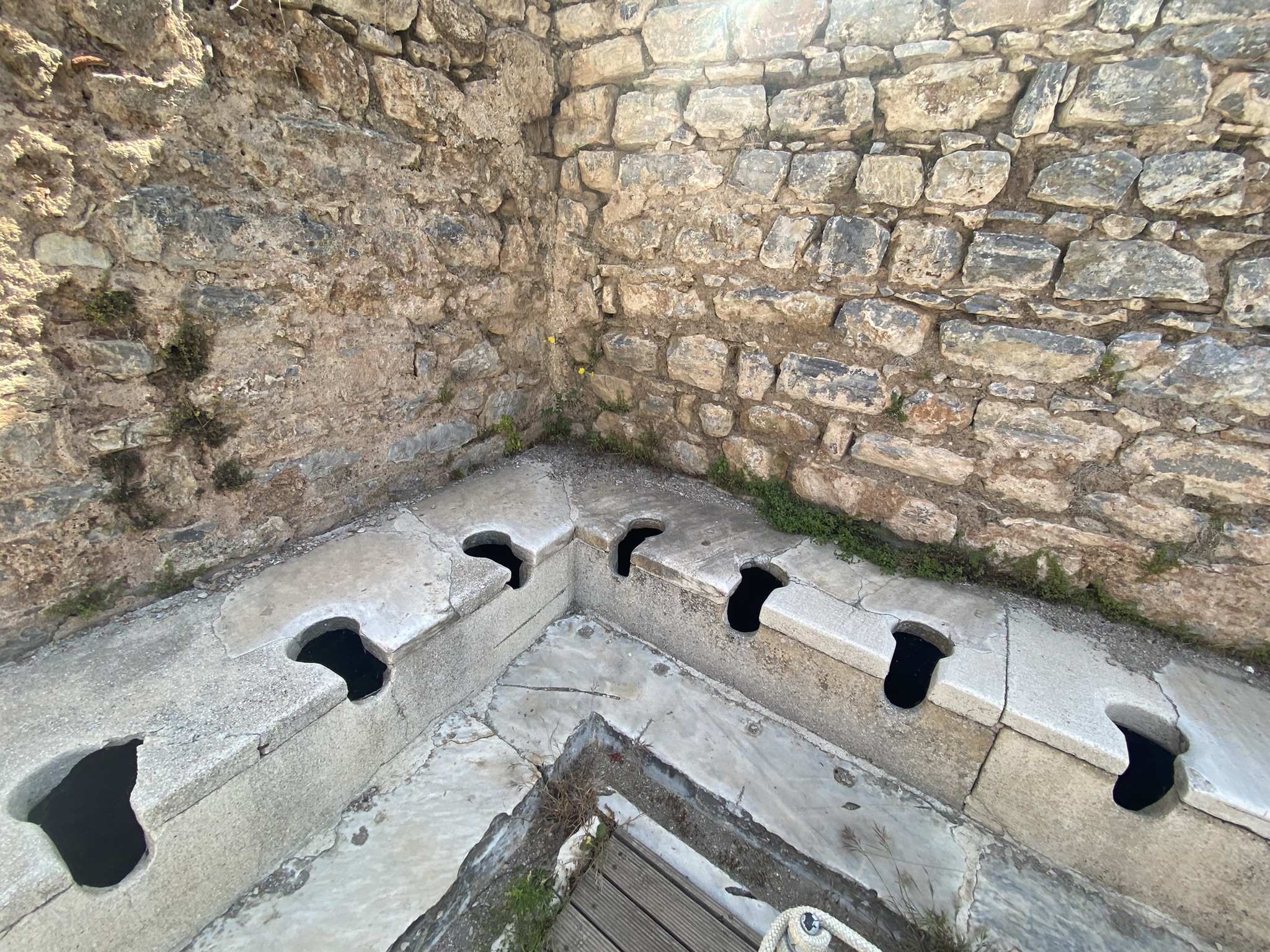
There are 6 aqueducts that supplied water to the city. A steady stream ran under the public toilets washing away the offal and other pipes fed the Scholastic baths pictured (rt) below.
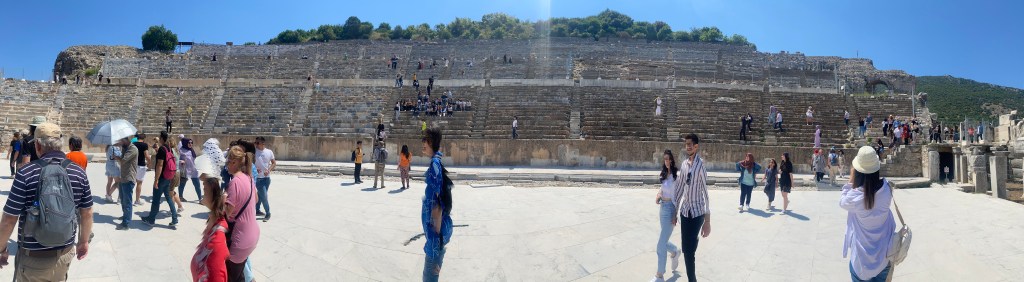
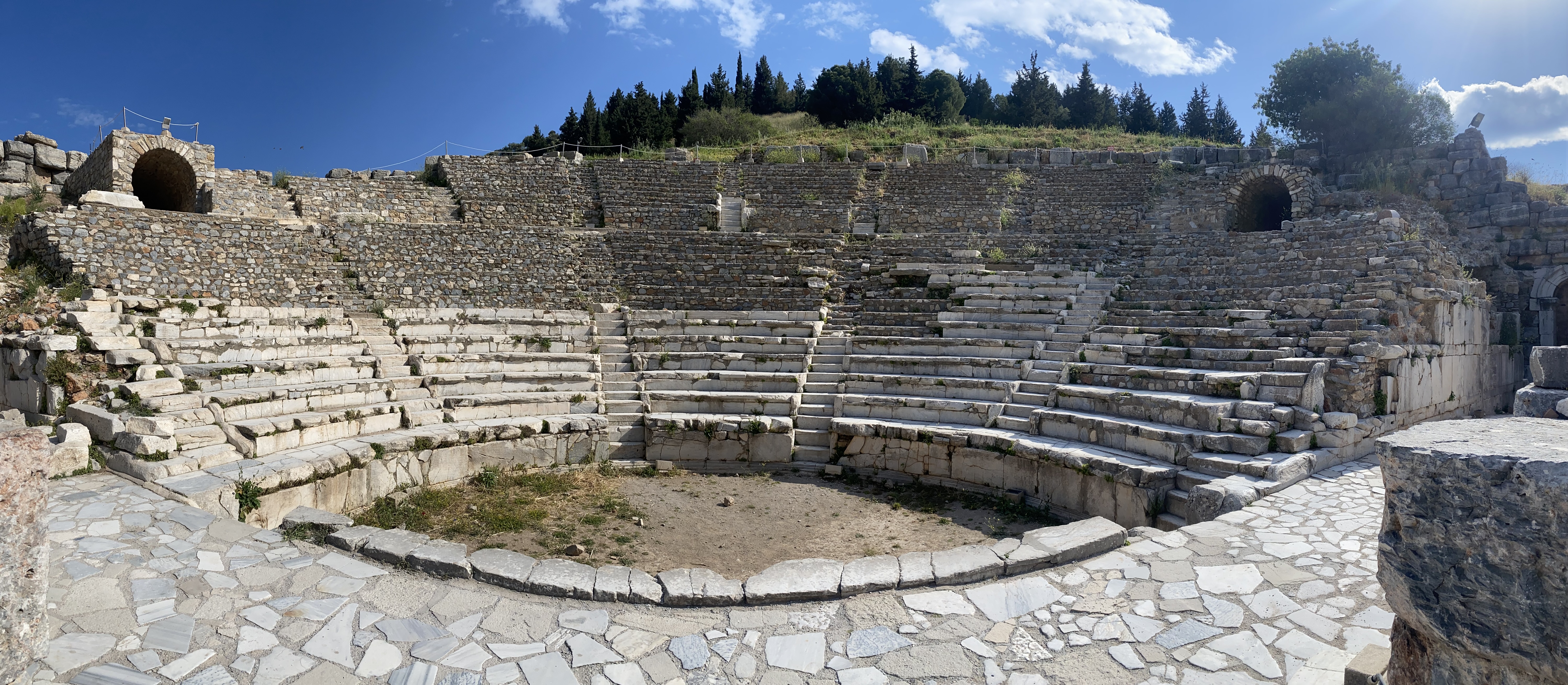
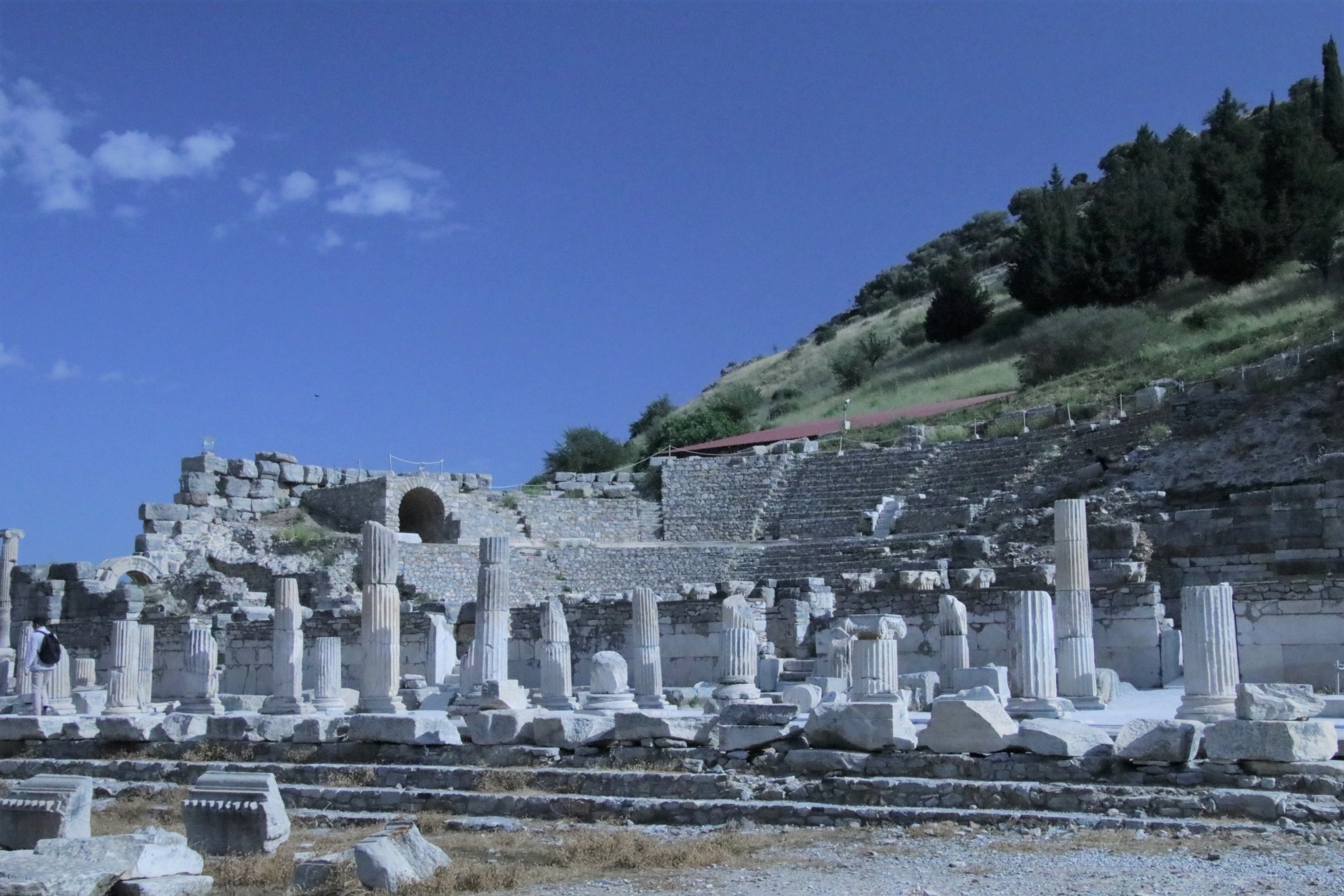
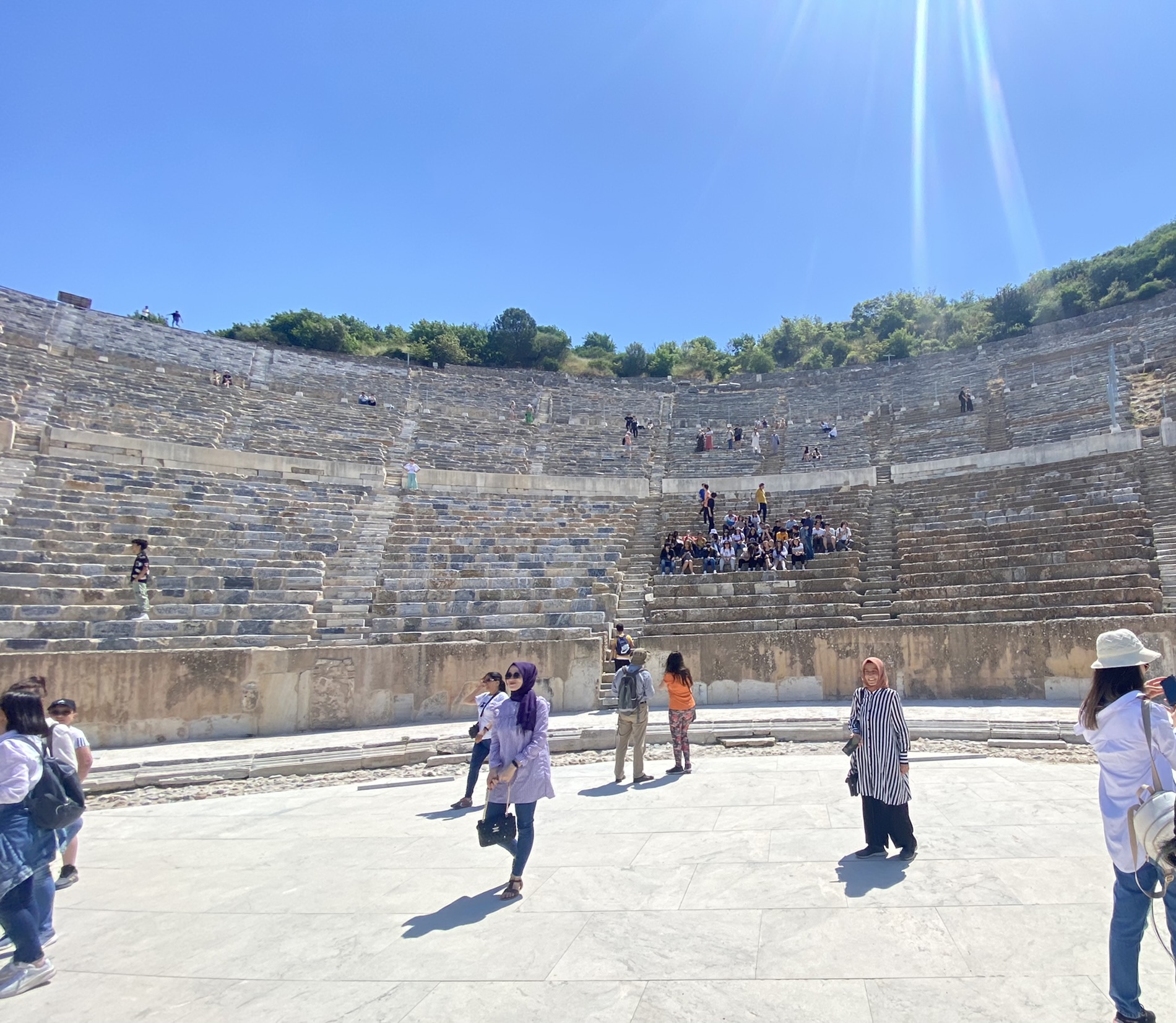
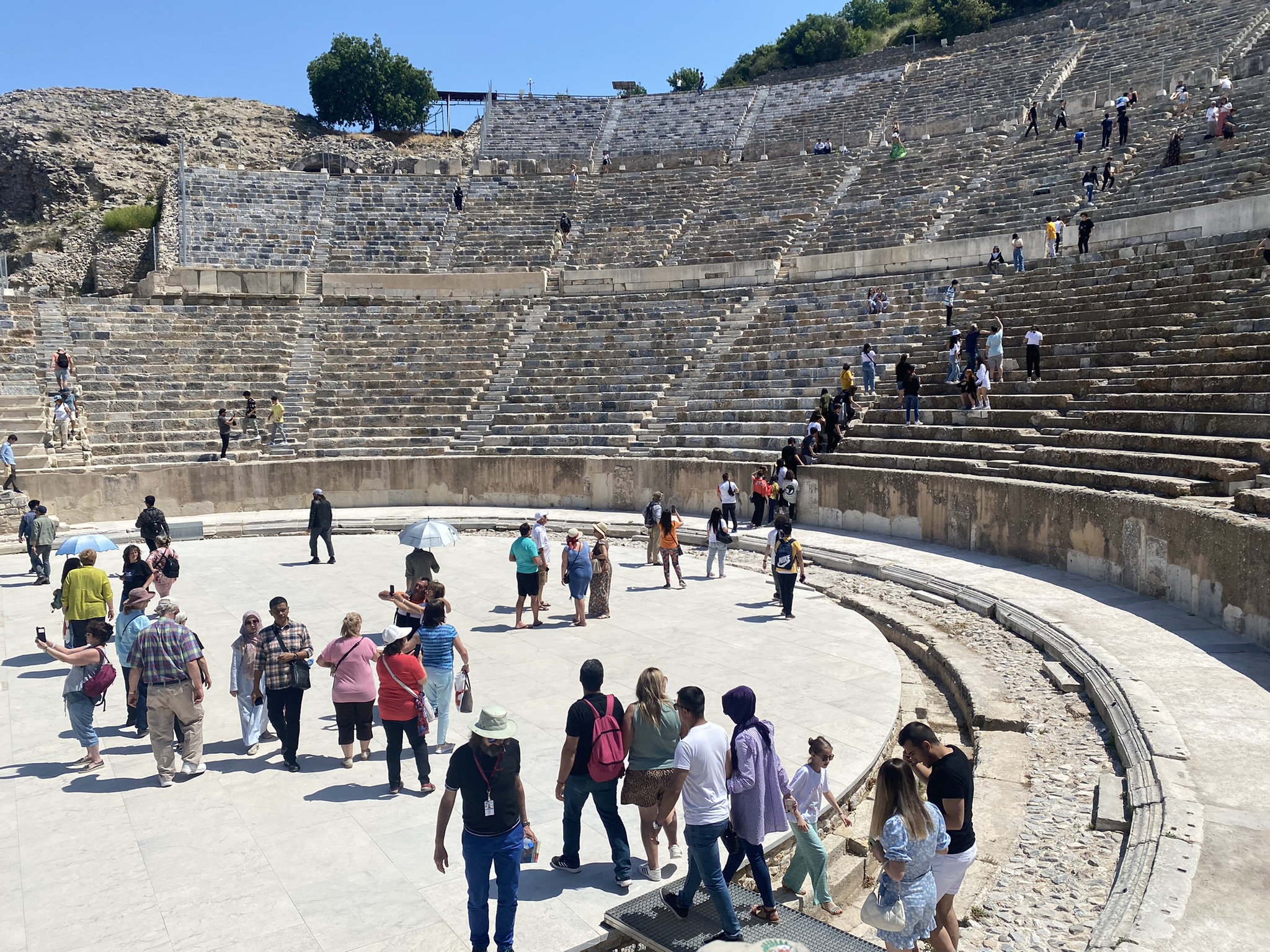
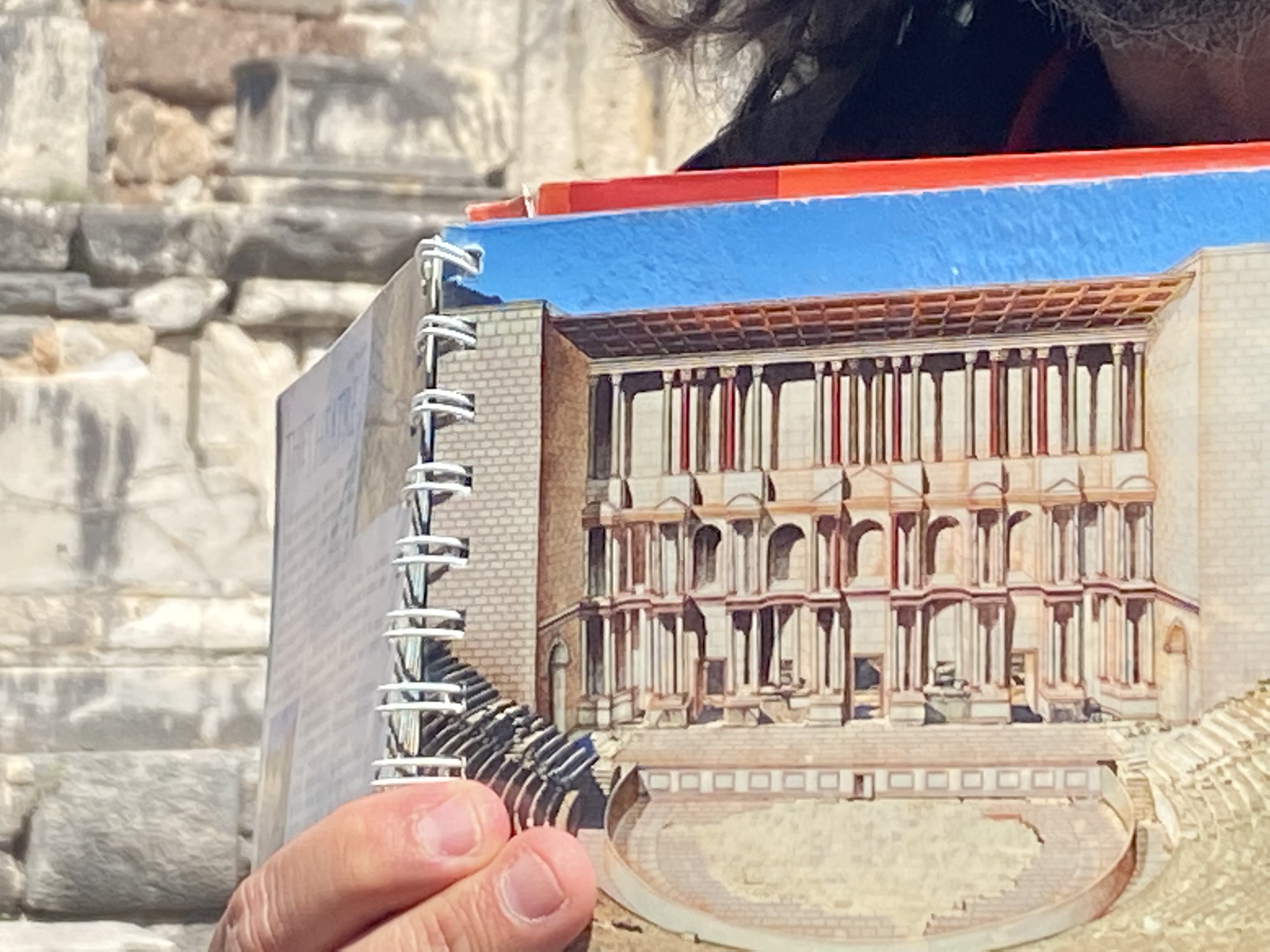
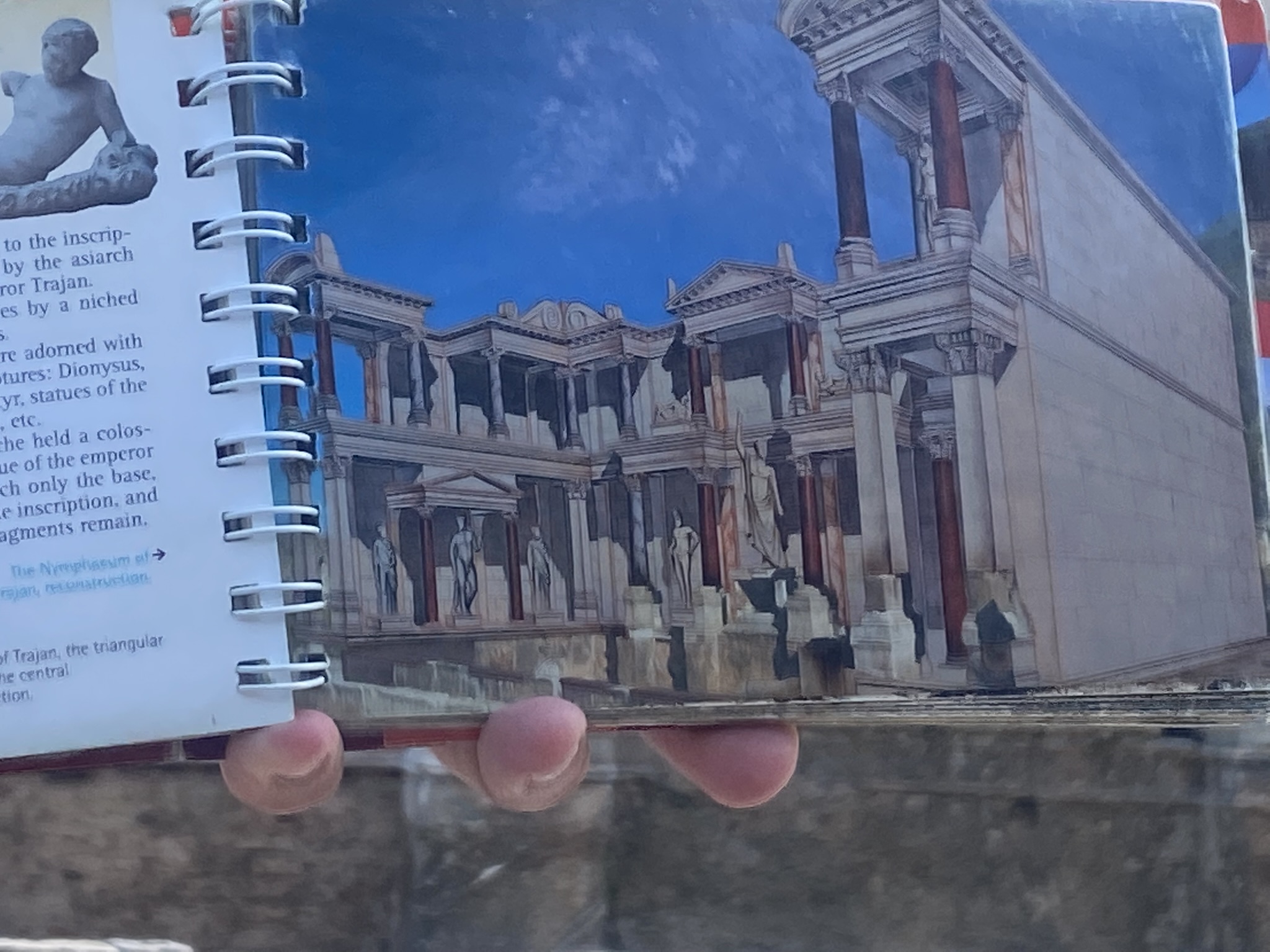
The theater had 25,000 seats. Parts of it were closed off when I was there in March, 2022 for restoration and expansion. ( shucks! no climbing to the top) the last image is from a book showing what the stage screen looked like.
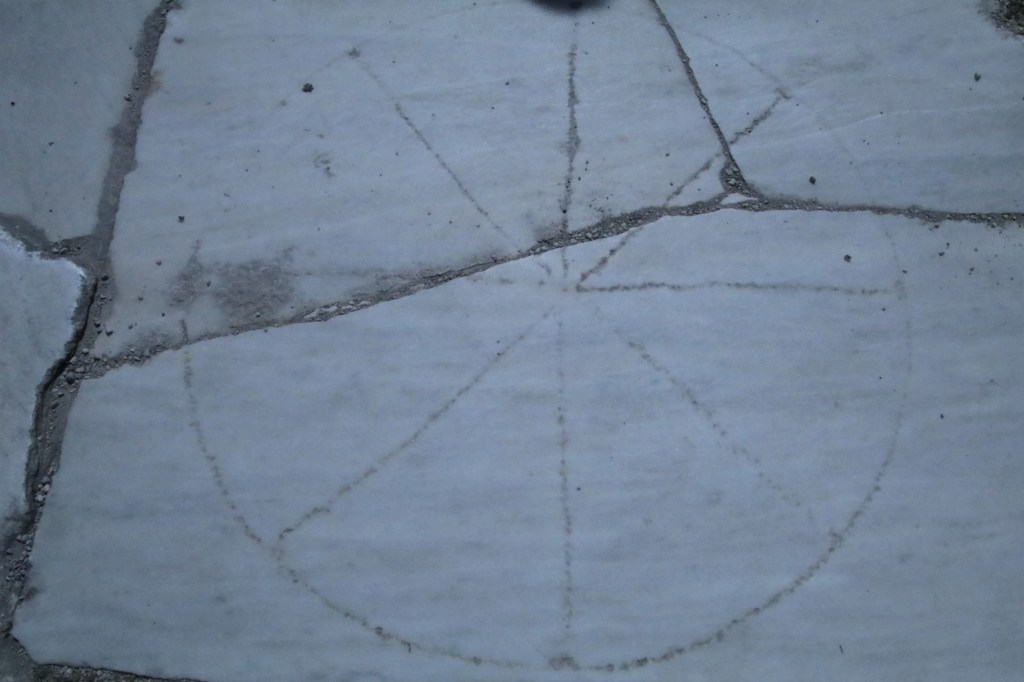
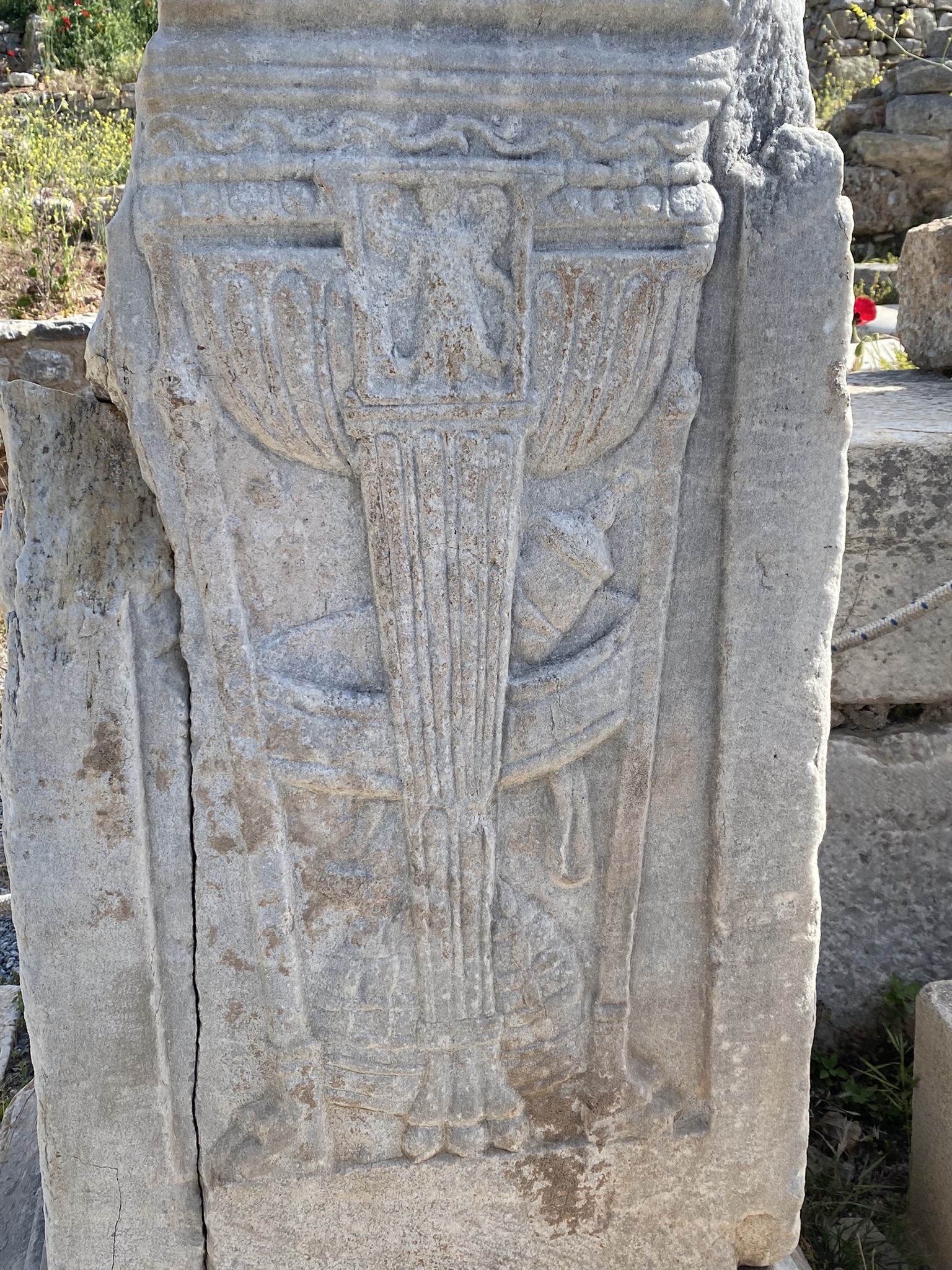
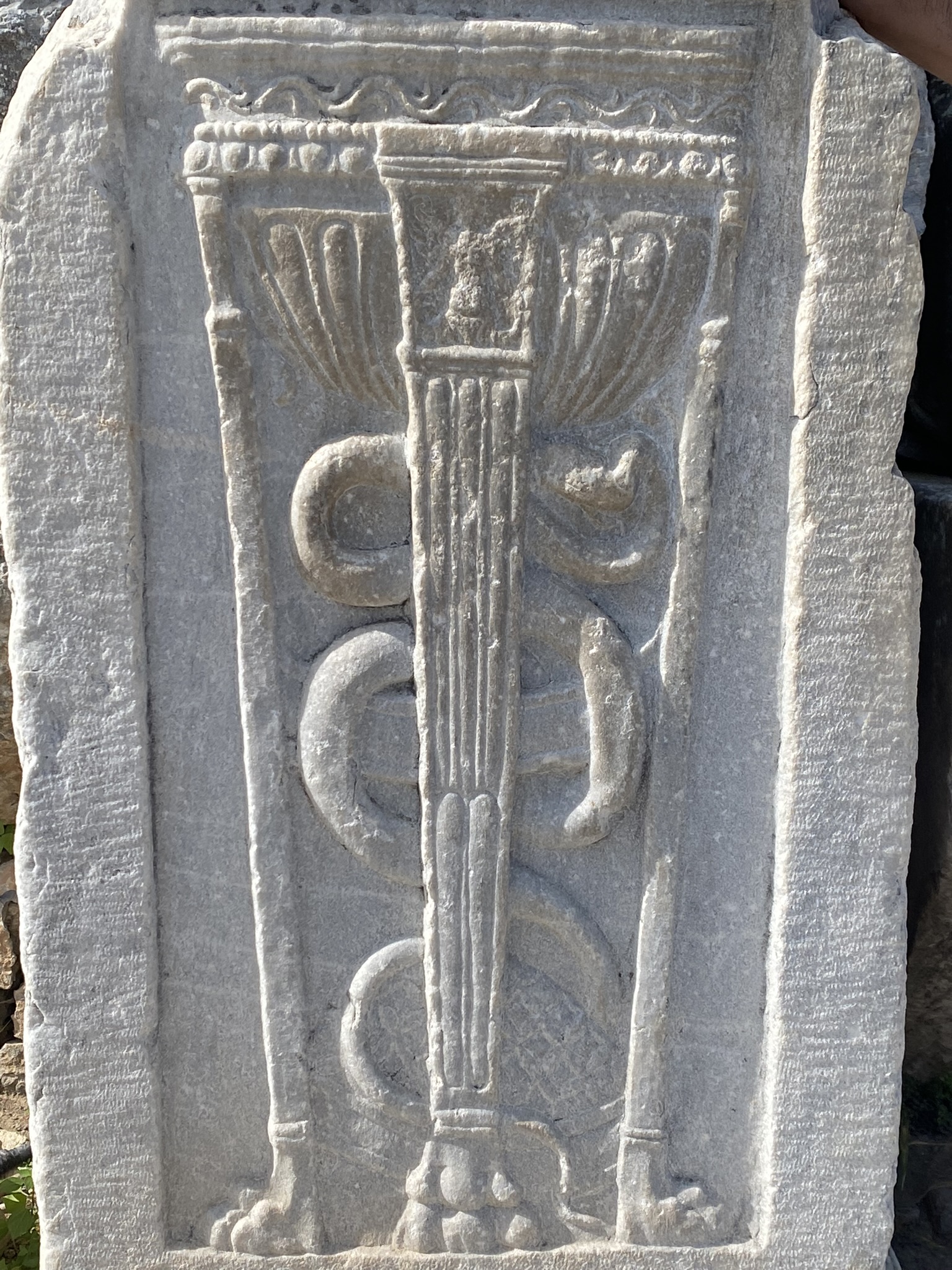
This takes me to St. Paul and St. John. Ephesus is one of seven cities mentioned in the book of Revelation and the Gospel of St. John was written here. There are early Christian symbols, called, Ichthys etched in stone around the city. The circle holds the Greek symbols :I (Jesus) X (Christ) O (God) Y (Son) and E (savior). Within the circle is also the earliest sign of the cross.
This was a secret way of identifying Christian dwellings. Eventually a Roman general figured it out, which led to arrests and massacre. St. John’s gravesite is in Ephesus, but it’s not clear if he was martyred or not. The other rumor is that Mary, the mother of Jesus, also lived near Ephesus because Jesus asked John to take care of her.
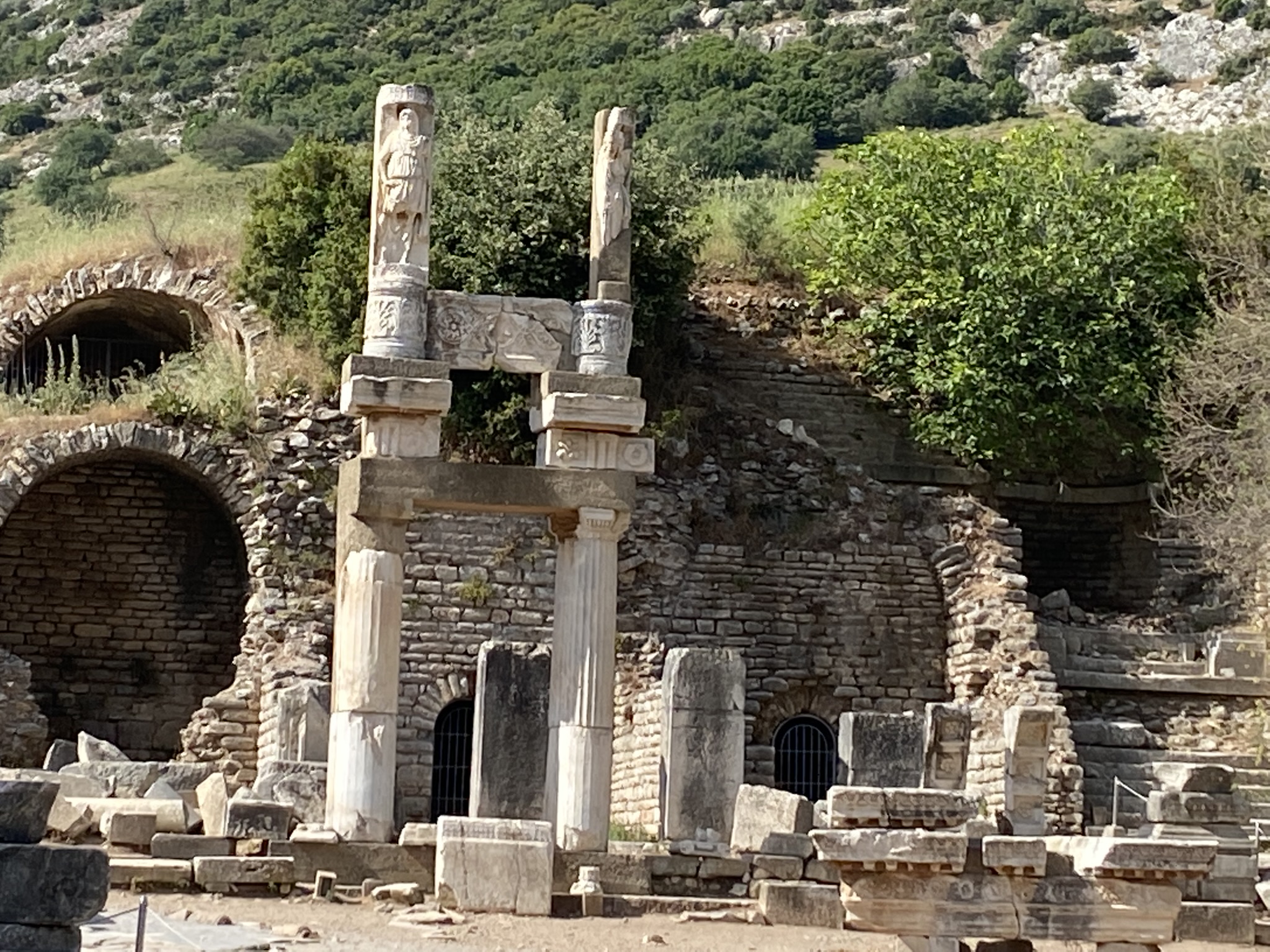
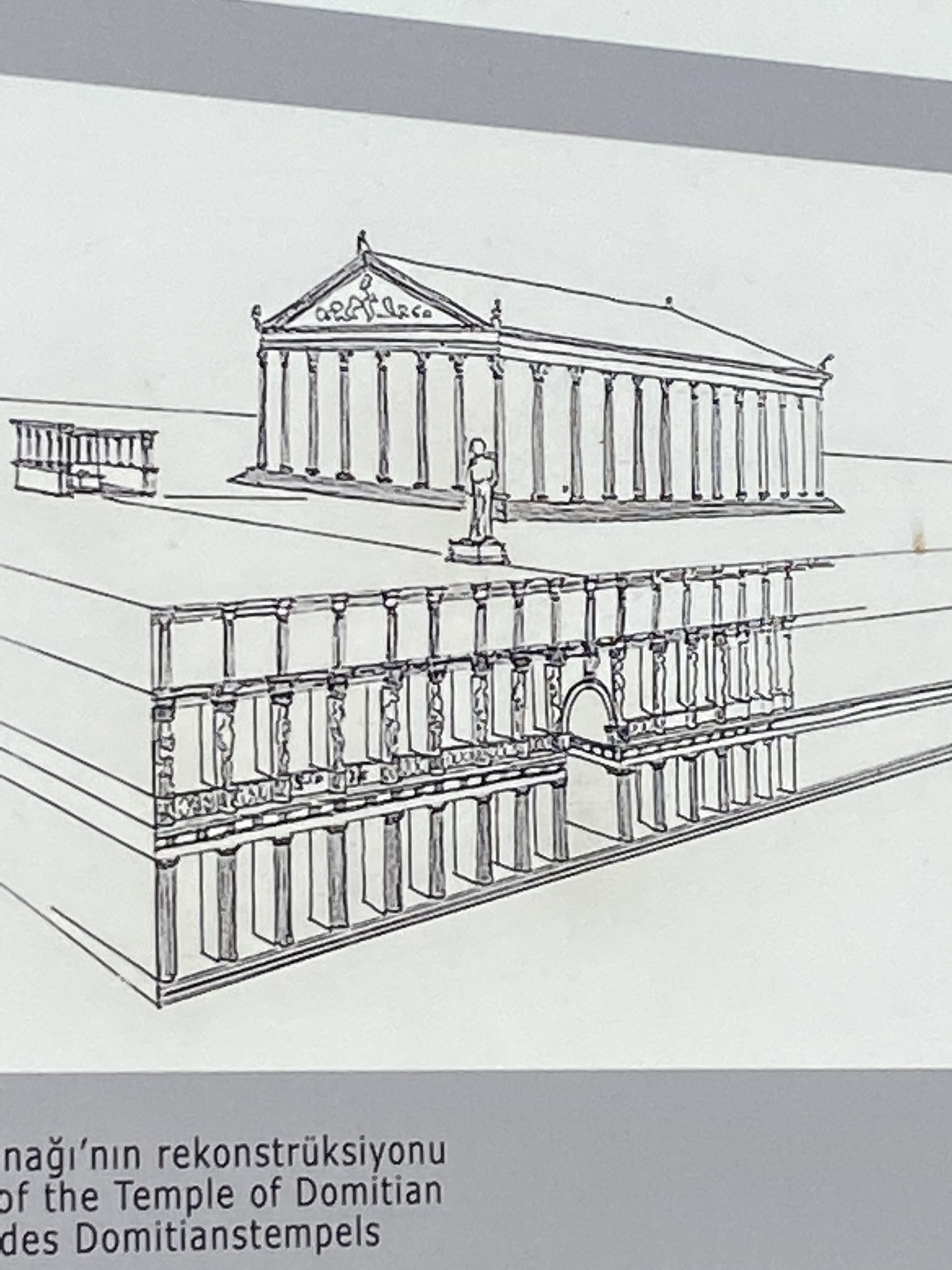
The Temple of Domitian was built in 1 AD and dedicated to the brutal emperor Domitian. Ephesus was looking for Roman favor. He wasn’t popular with anyone and eventually was killed by a worker (slave?)
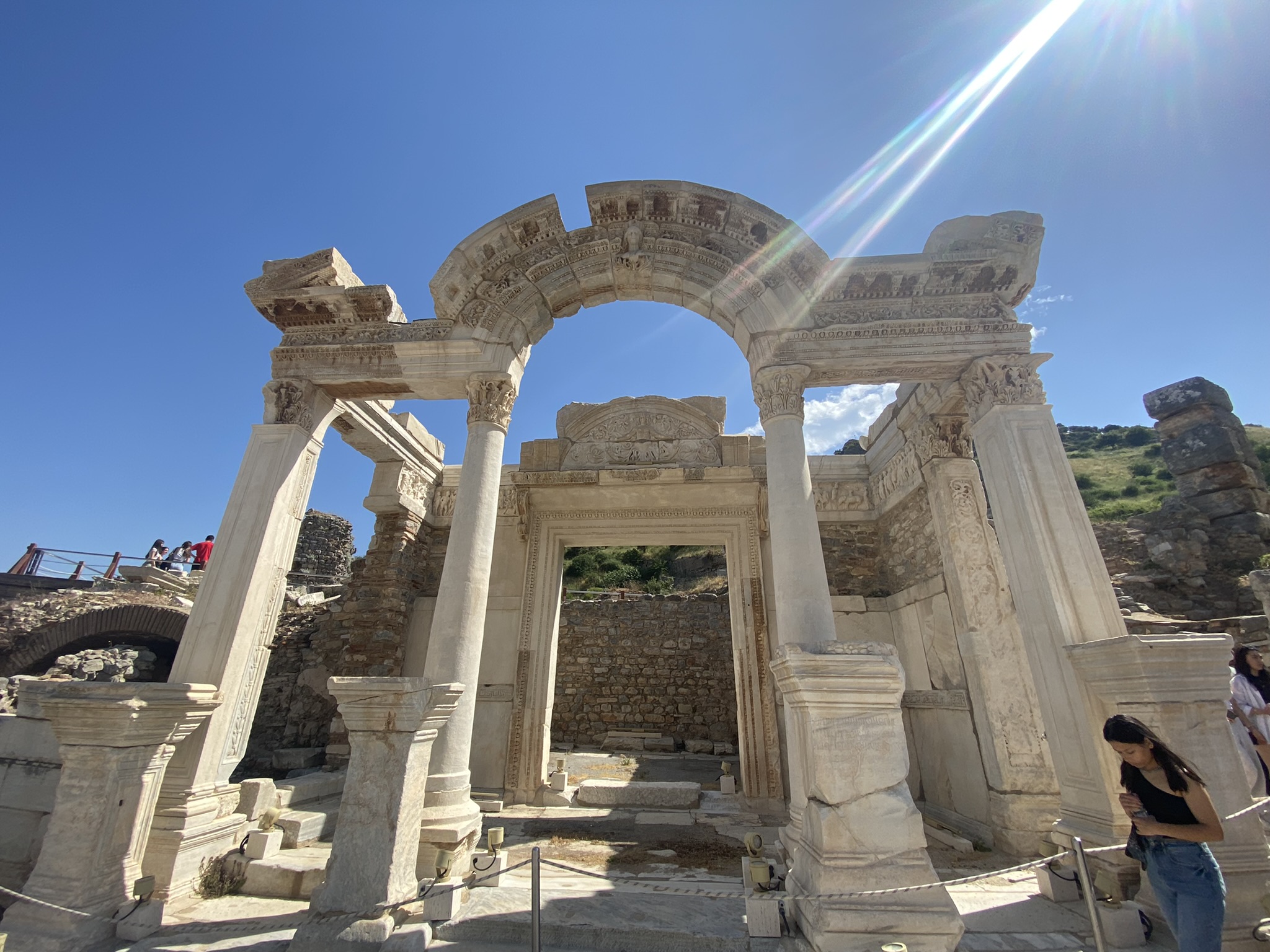
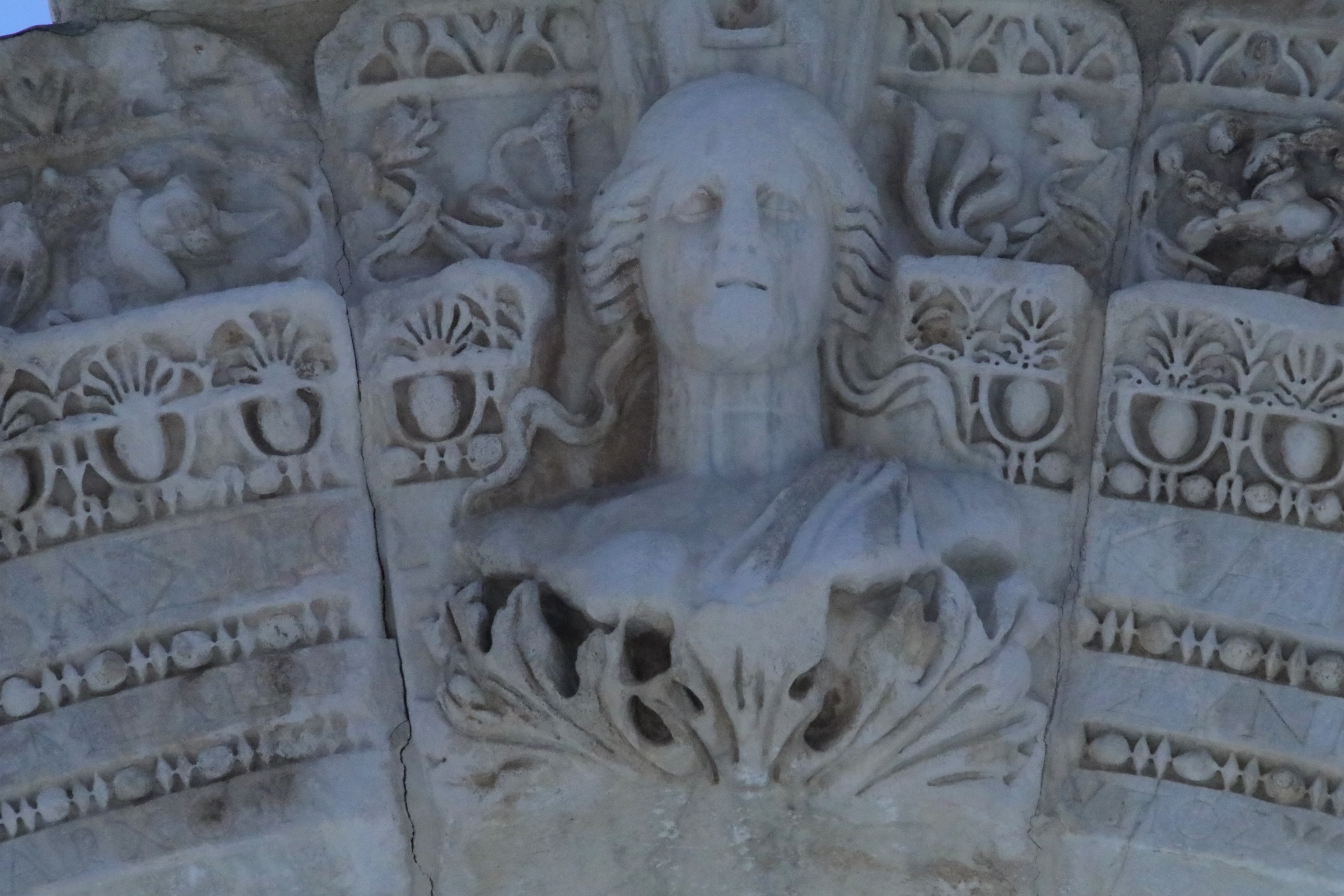
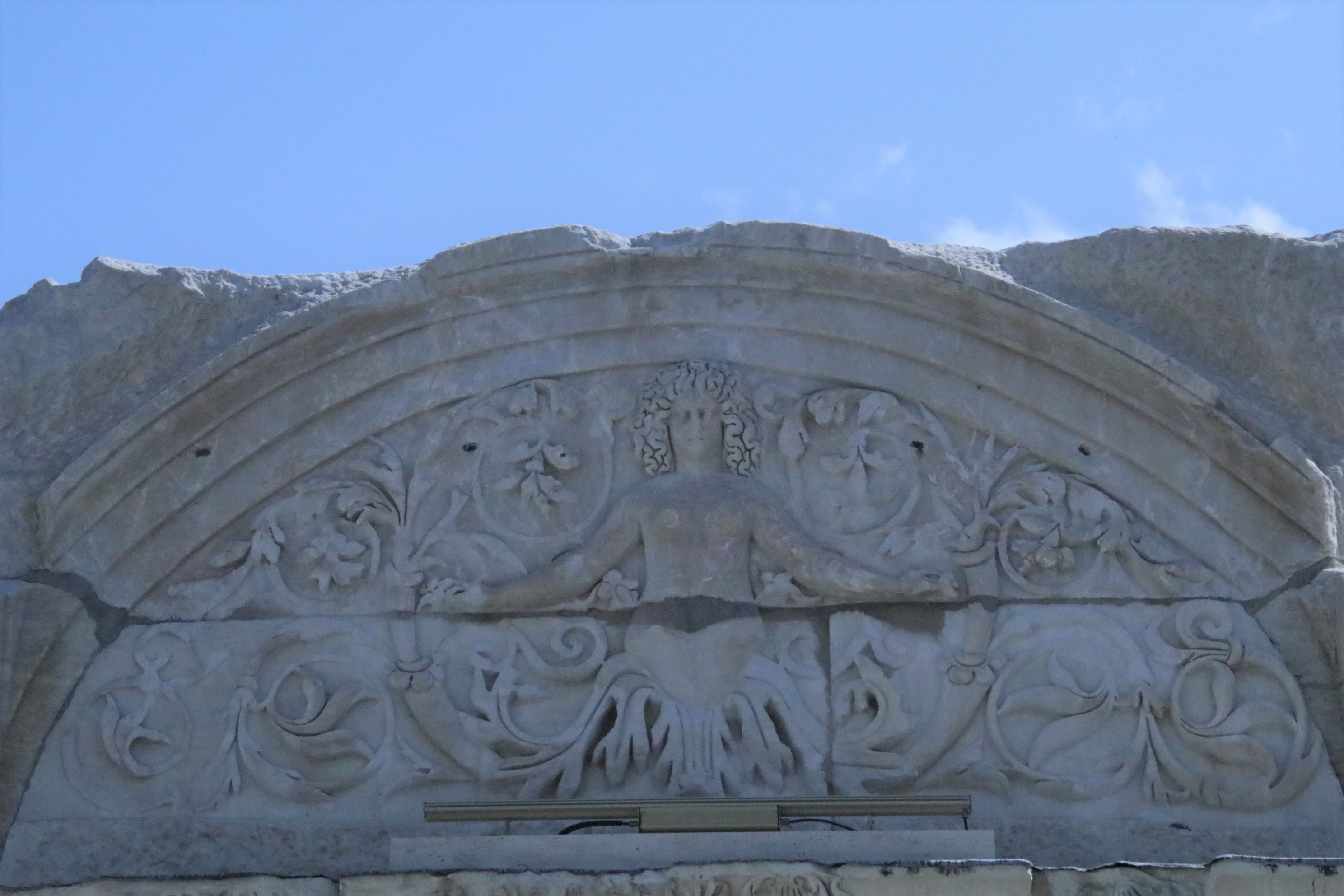
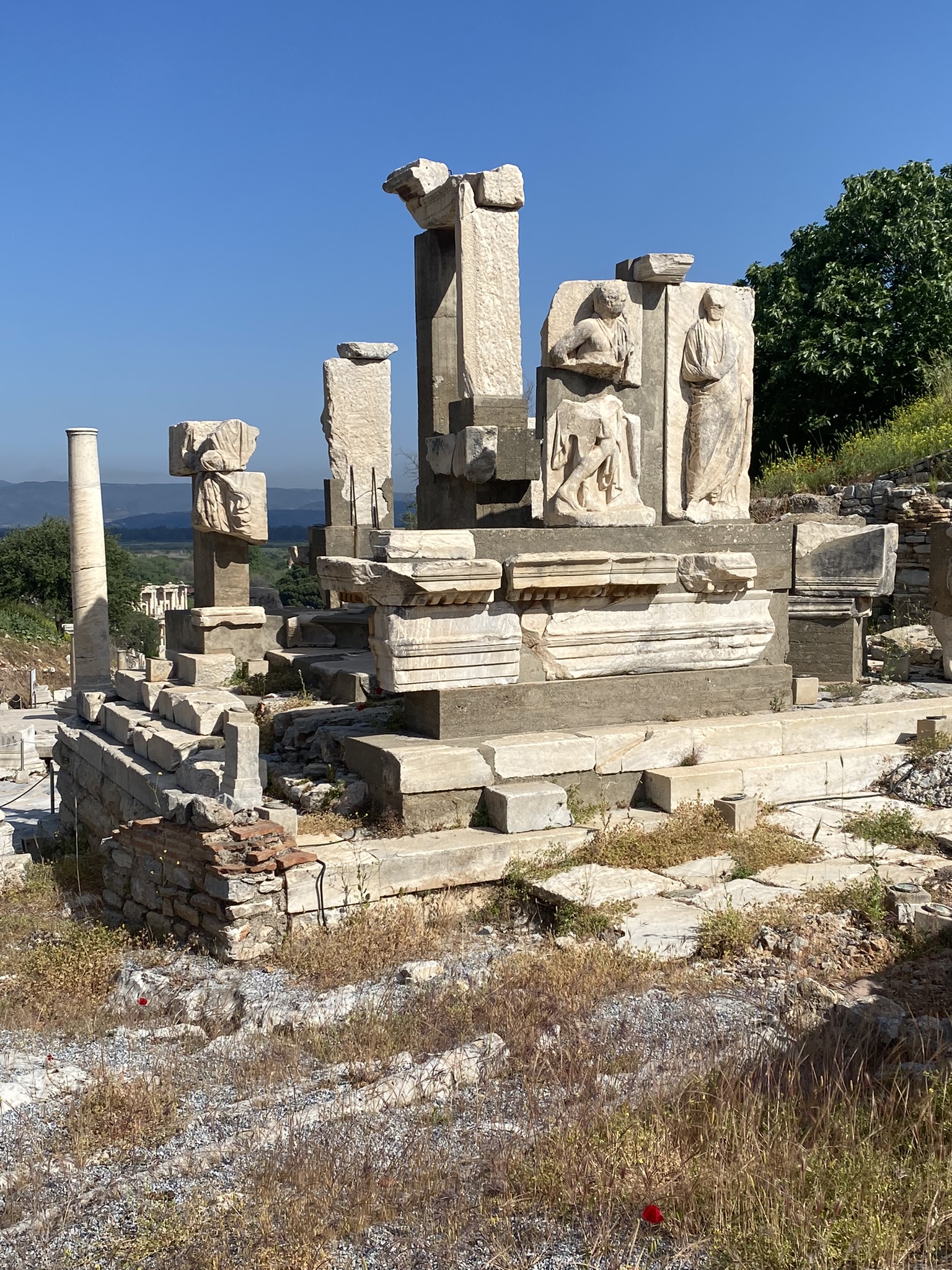
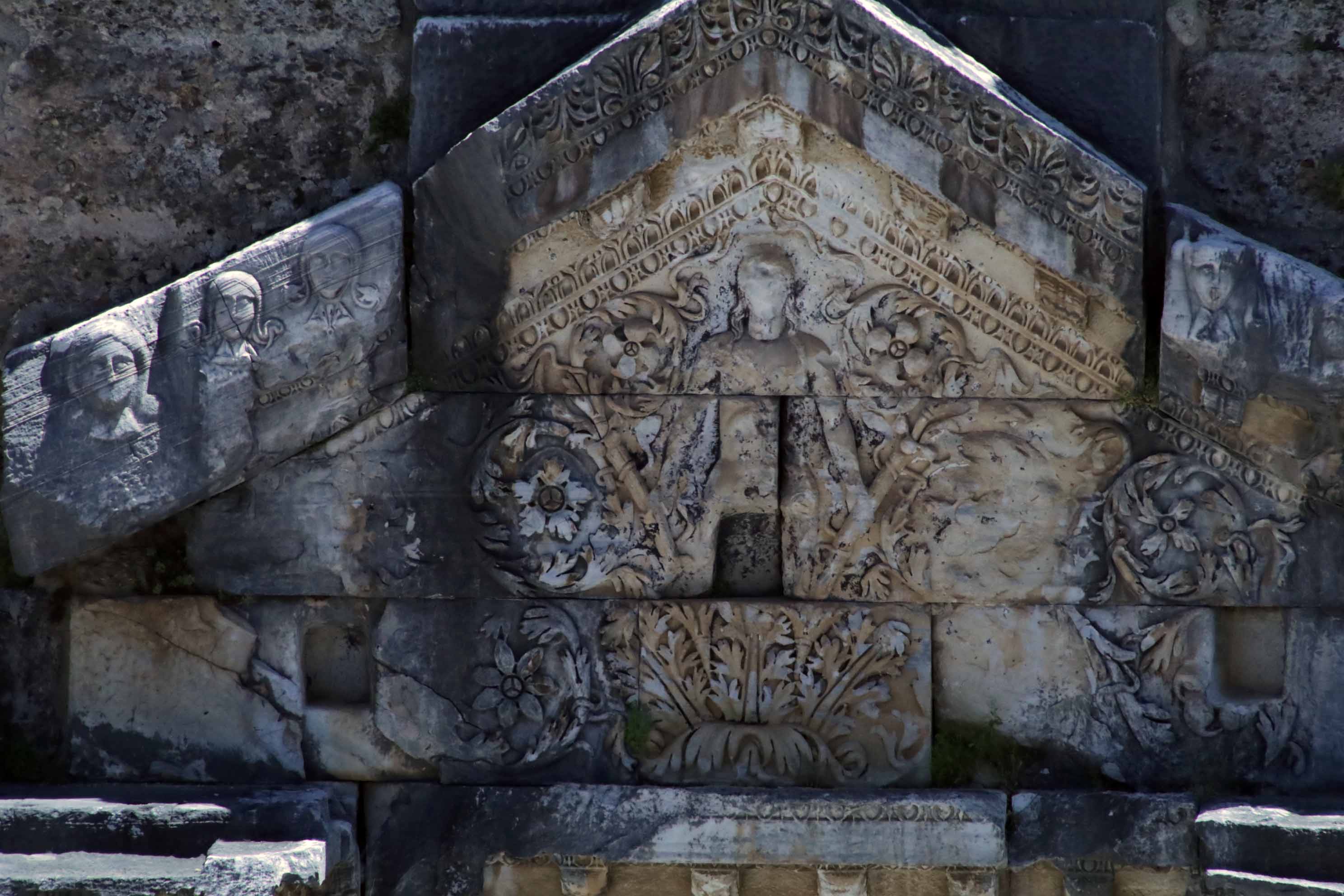
Hadrian Temple- (130-132)-was dedicated to the Roman emperor and his statue probably stood inside but it’s been lost. The bust of Tyche ( goddess of chance and fortune) is surrounded by acanthus leaves ( immortality and resurrection). Medusa’s head is quite lovely with all those snakes. Her symbol wards off evil in a convoluted thought. She became evil– after she was wronged– but became a badass who meted out justice by destroying evilness and turning men into stone.
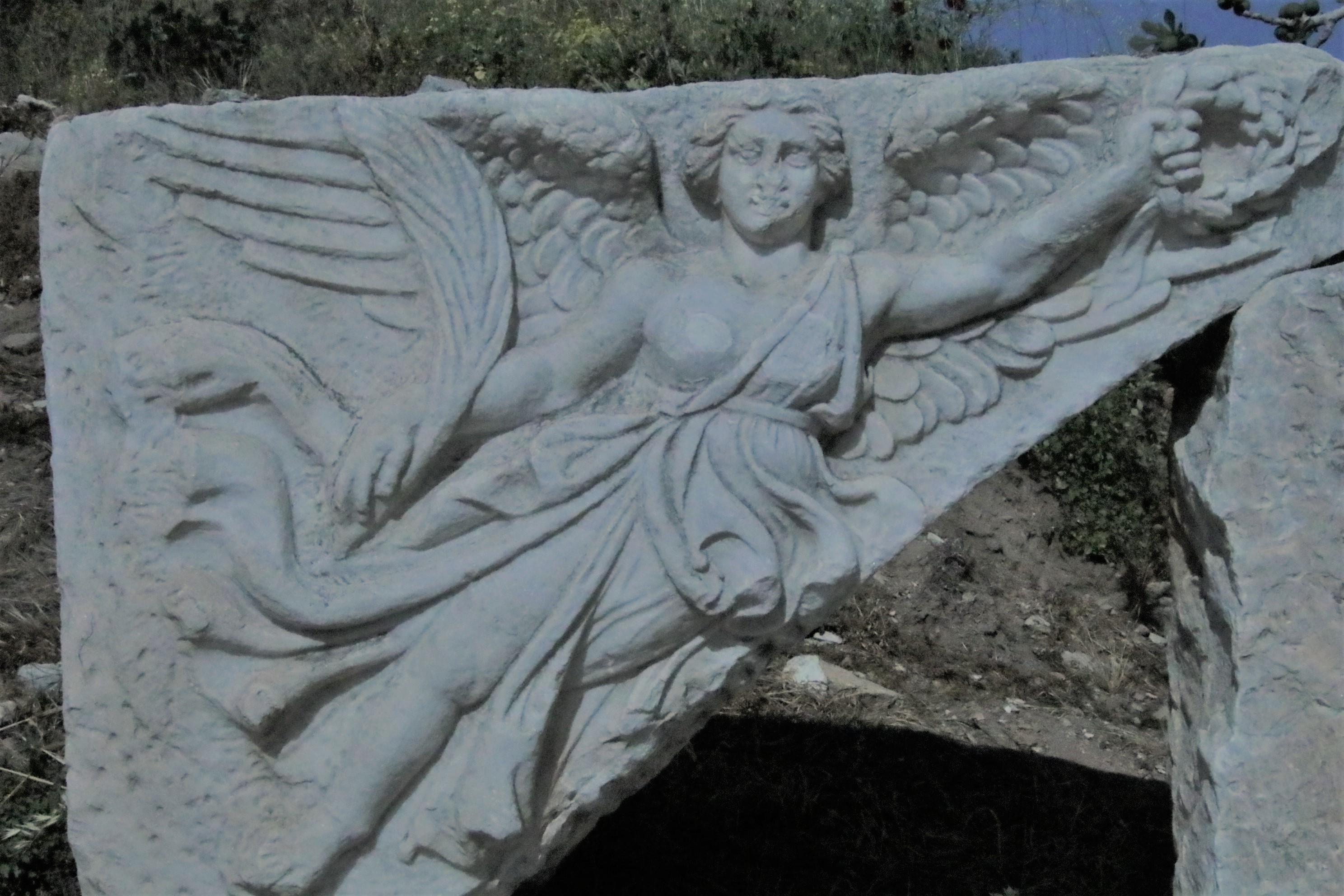
Hercules Gate–divided uptown from downtown. Currently, there are only 2 pillars but the 2-storey gate would have had 12. The arch is gone and the winged Nike found elsewhere in Ephesus is thought to have been part of that arch. 2nd picture is walking between the columns of the gate.
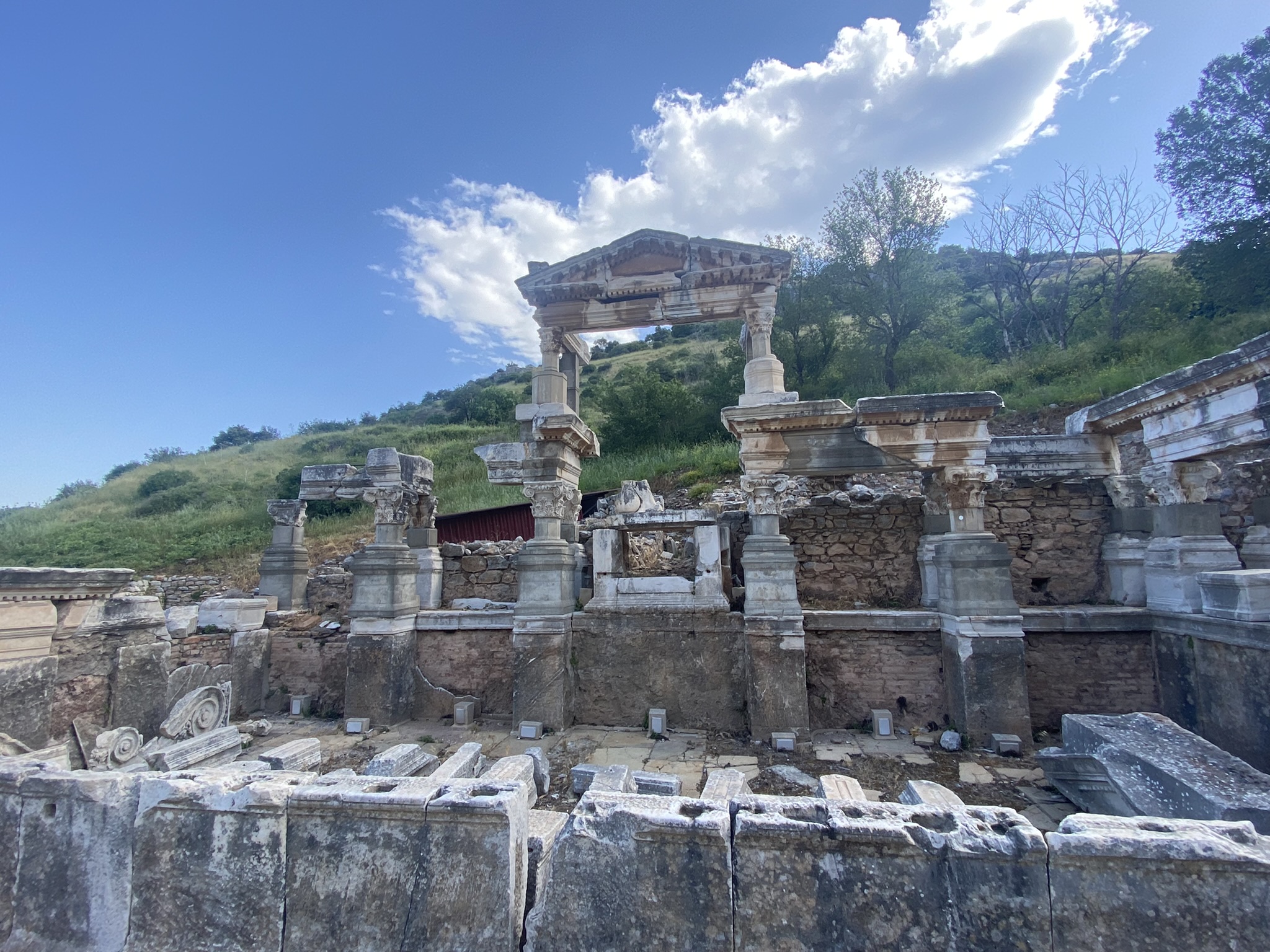
Trajan’s Fountain was built in the second century to honor the emperor Trajan. It had two ornamental pools, one in front the other in back. Water flowed from a central pillar where a huge statue of Trajan rested his feet on the world. There were many statues which are in the archeological museum in Ephesus. This fountain is still being restored and is smaller than the original.
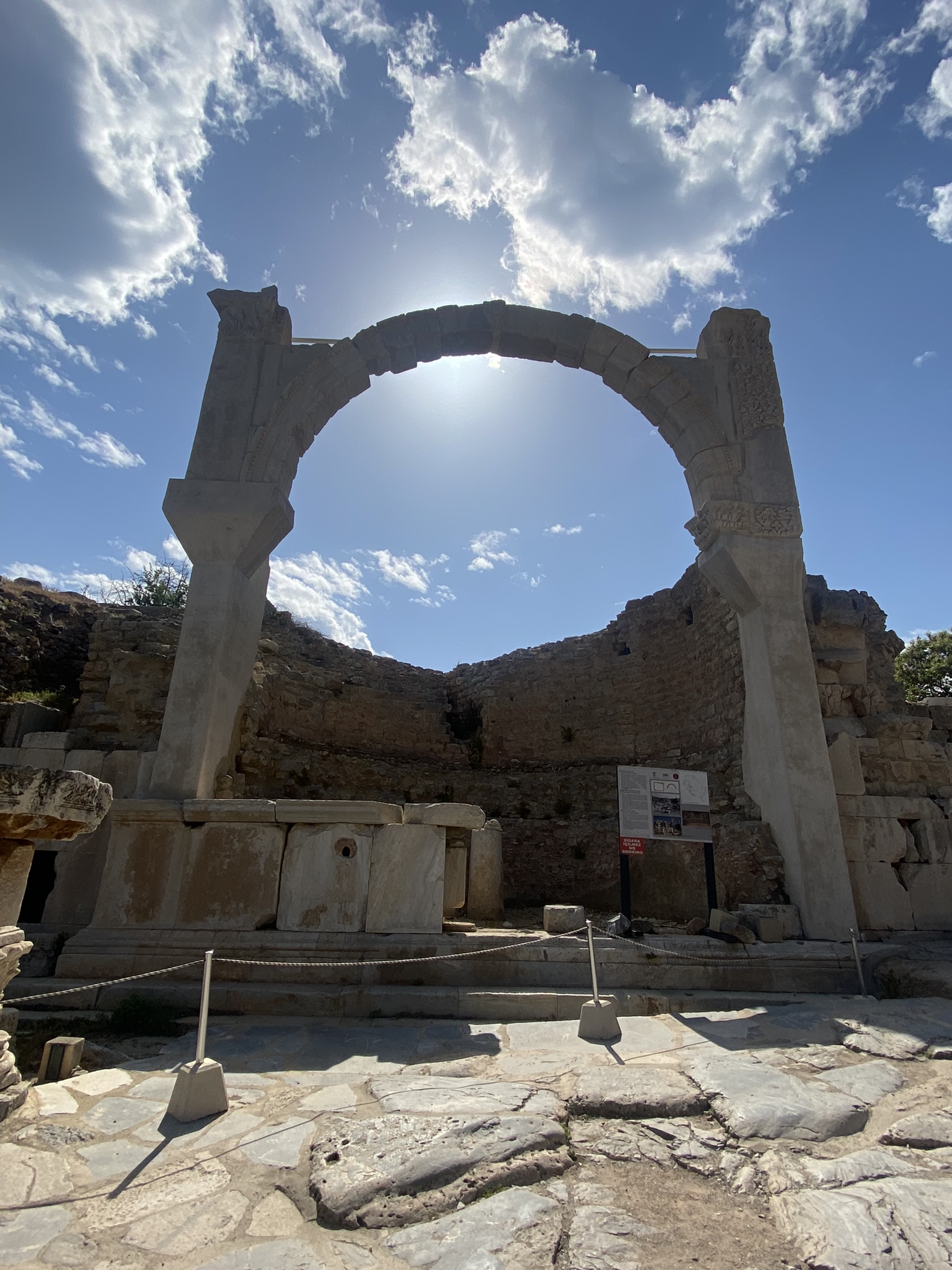
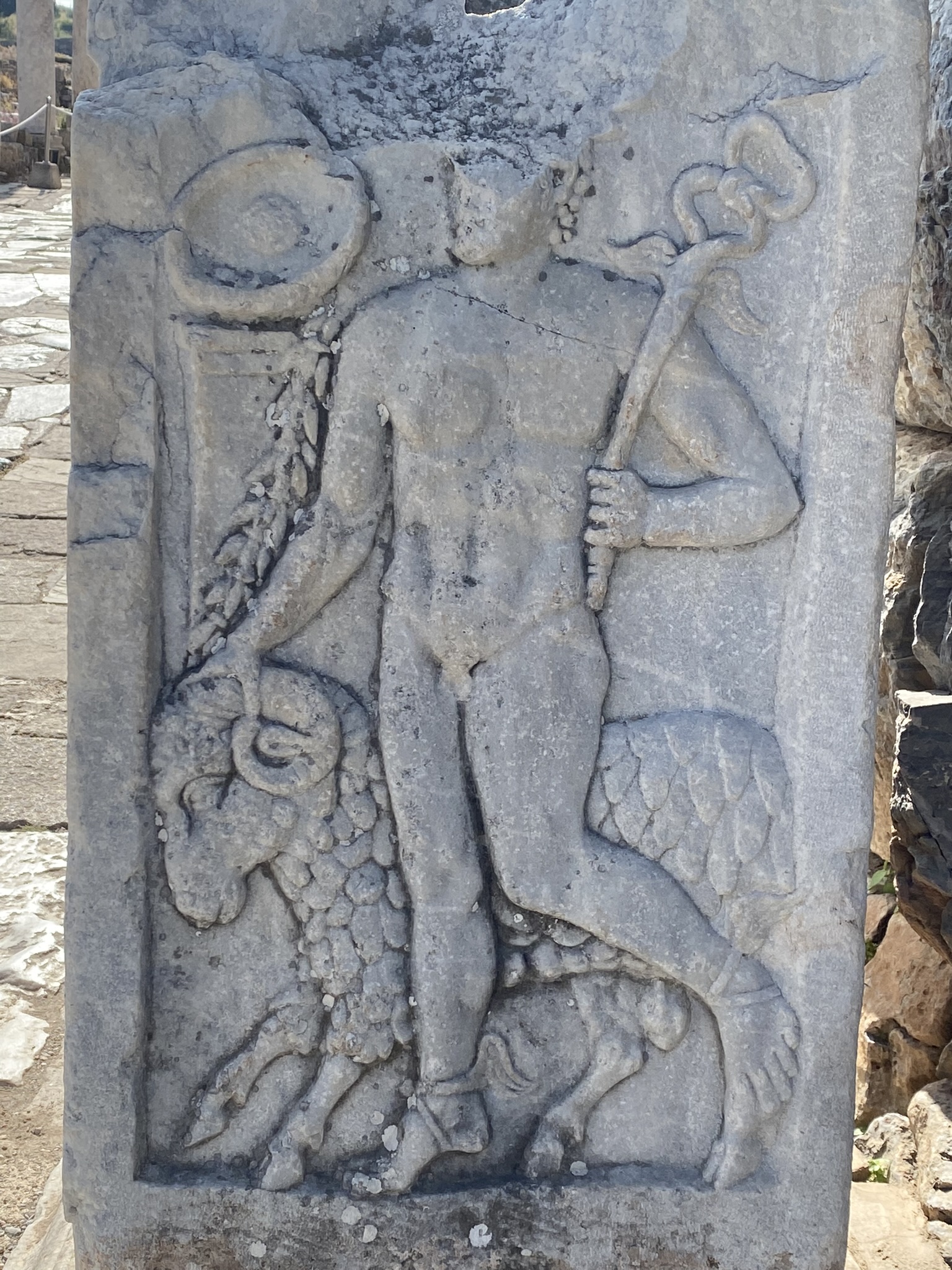
other symbols, signs, and fountains in Ephesus
What made Ephesus important was her busy harbor that slowly filled with silt from the Kucukmenderes River. Dredging was attempted, even back then, but eventually malaria and diseases followed. Today, the filled-in harbor is 2.5 miles inland. Much of the site is still unexcavated, so imagine what future generations might find!
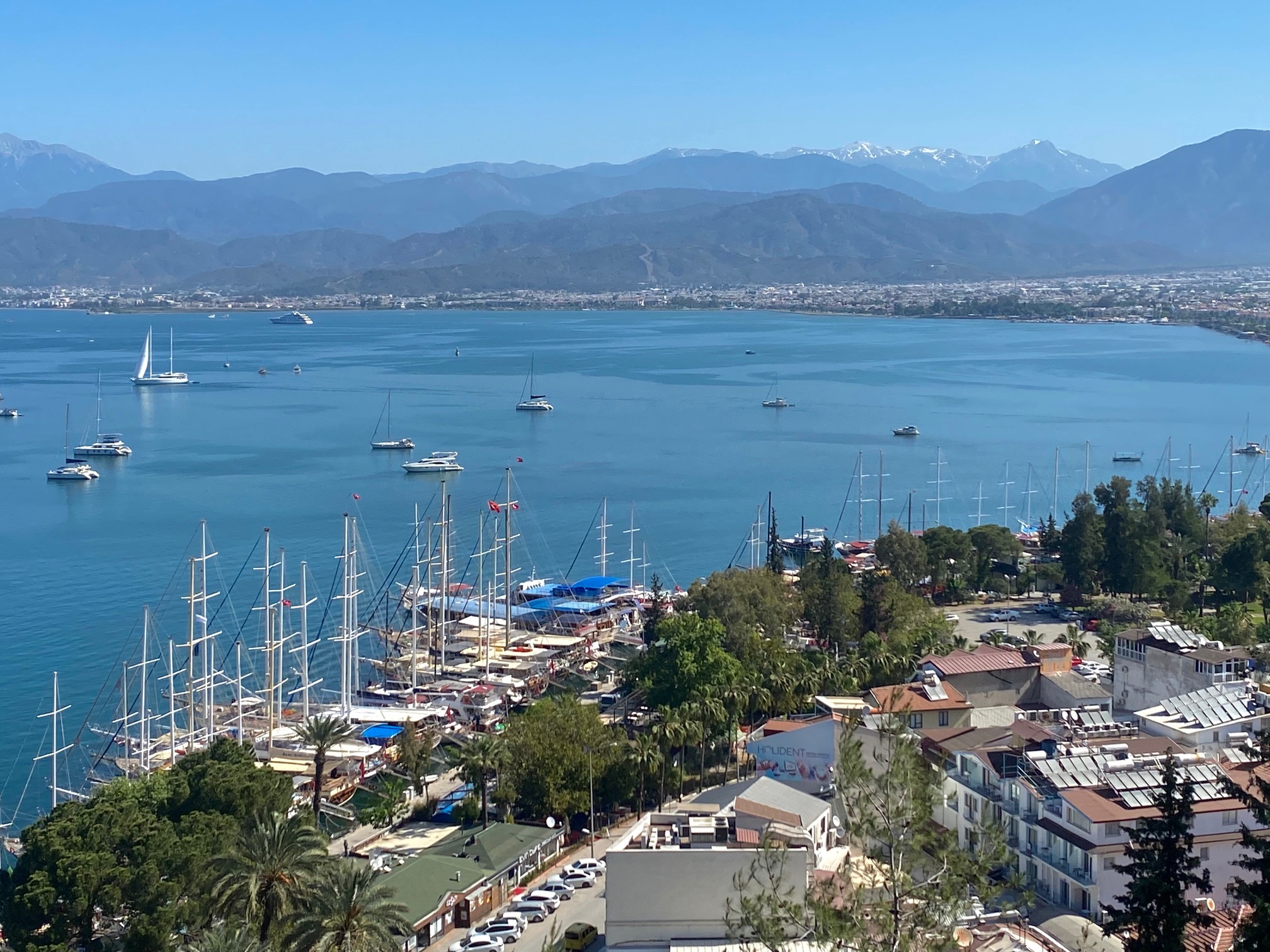
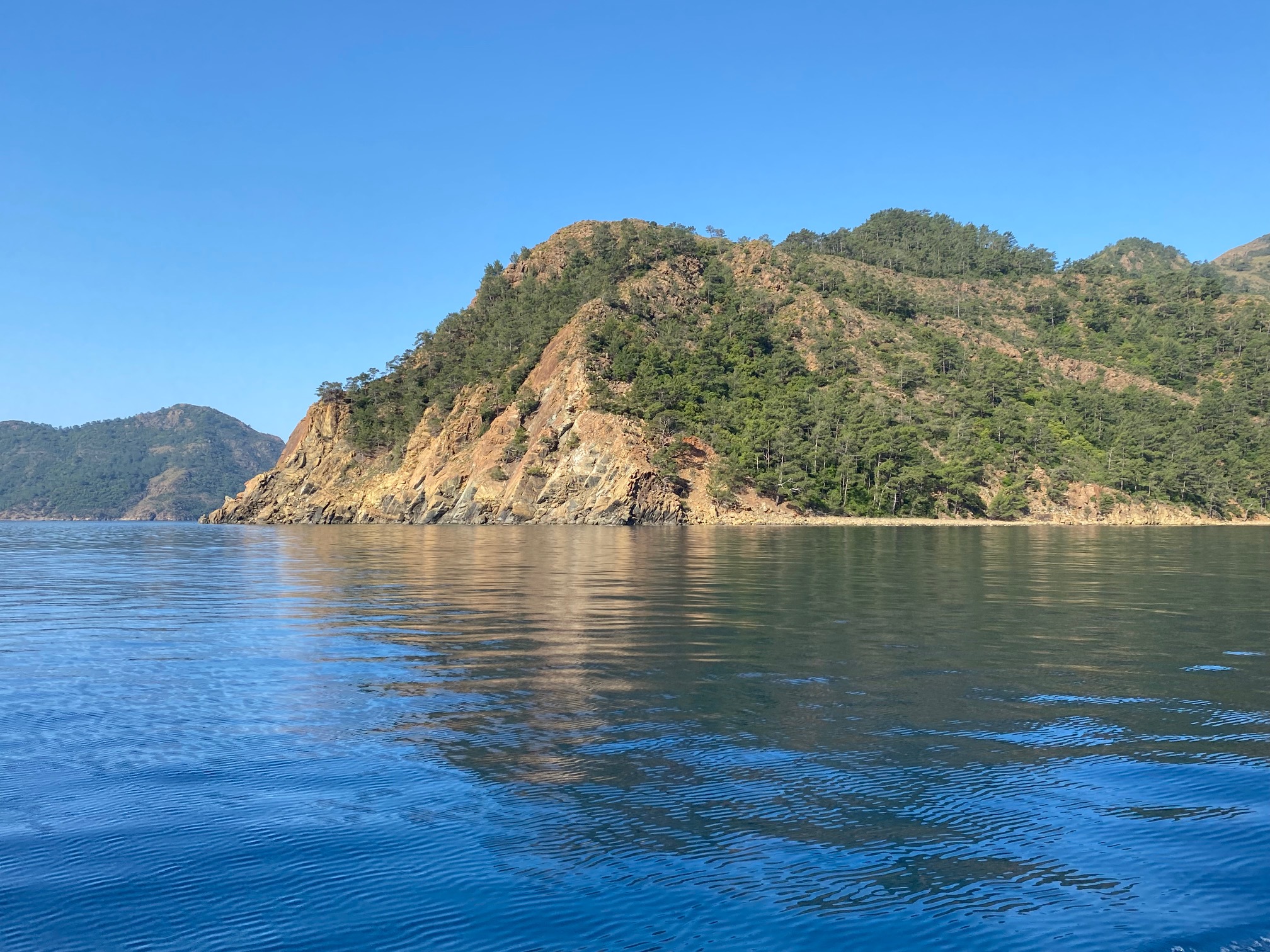
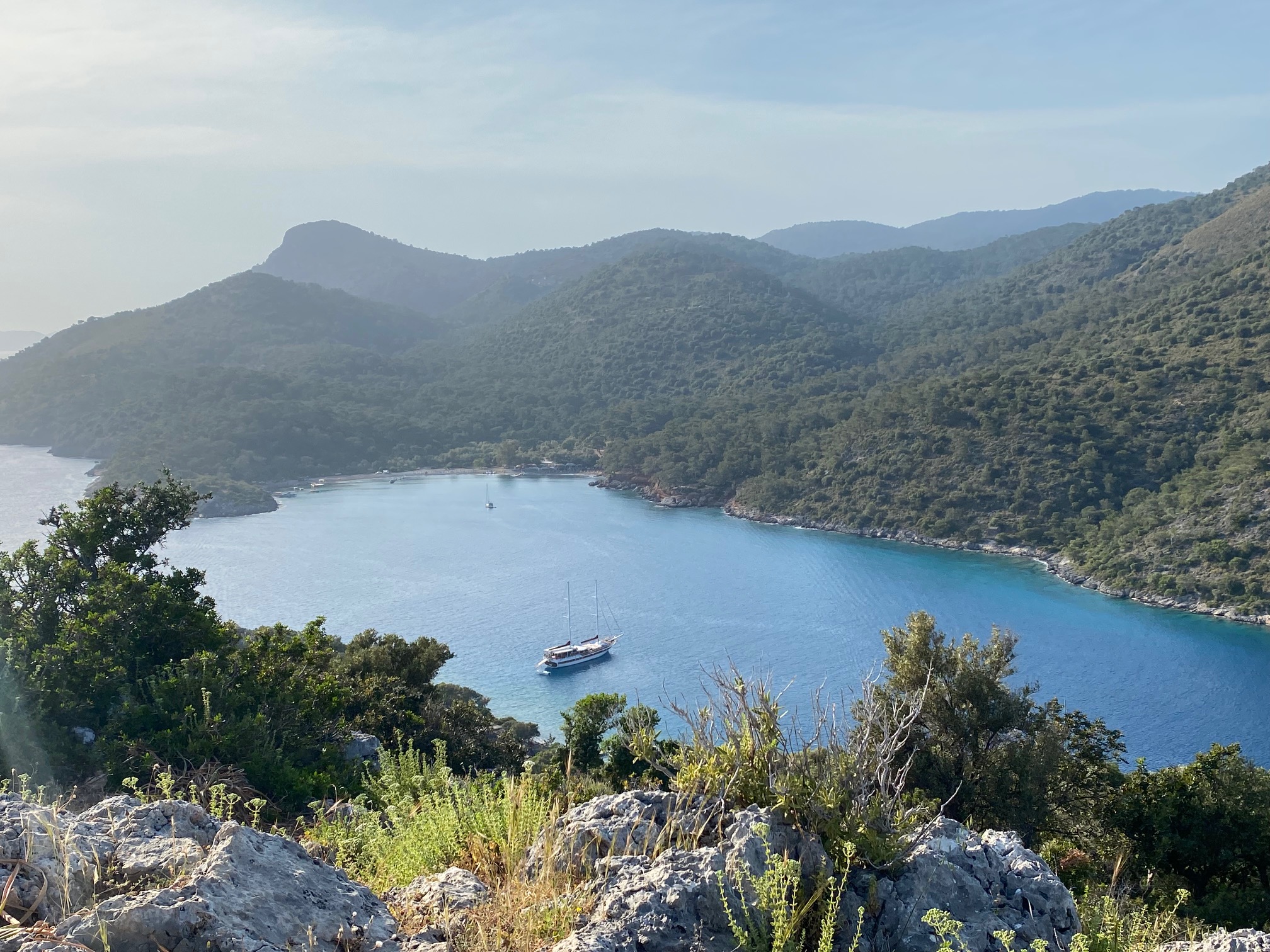
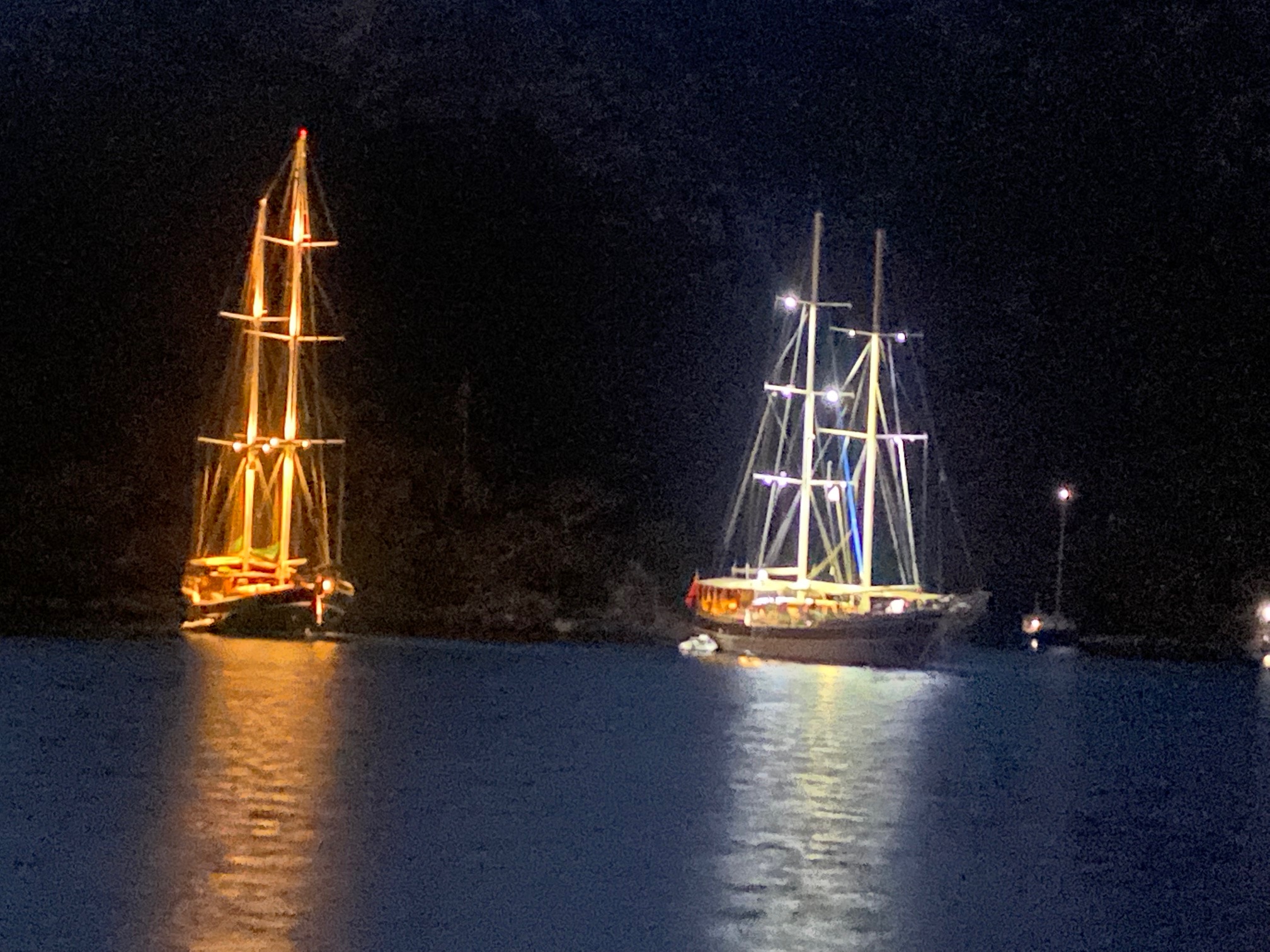
A traditional Turkish Gulet is a wood boat with two or three masts that sails the Mediterranean and Aegean Sea. We boarded our ship in the cute port town of Marmaris for a 4 day adventure.
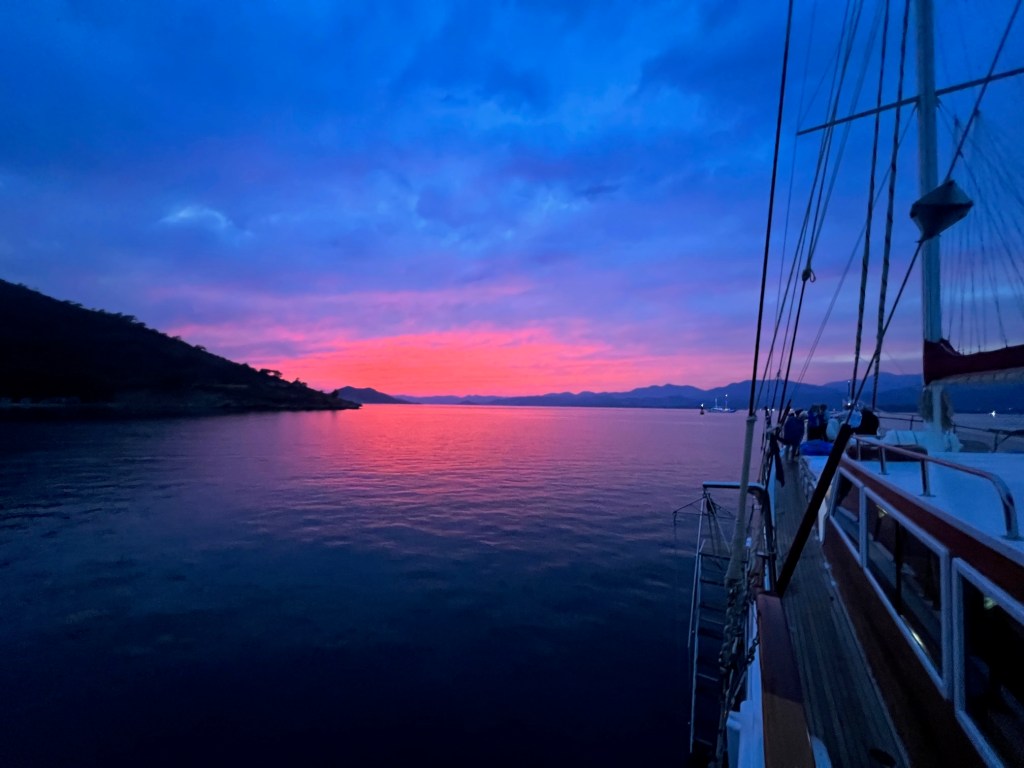
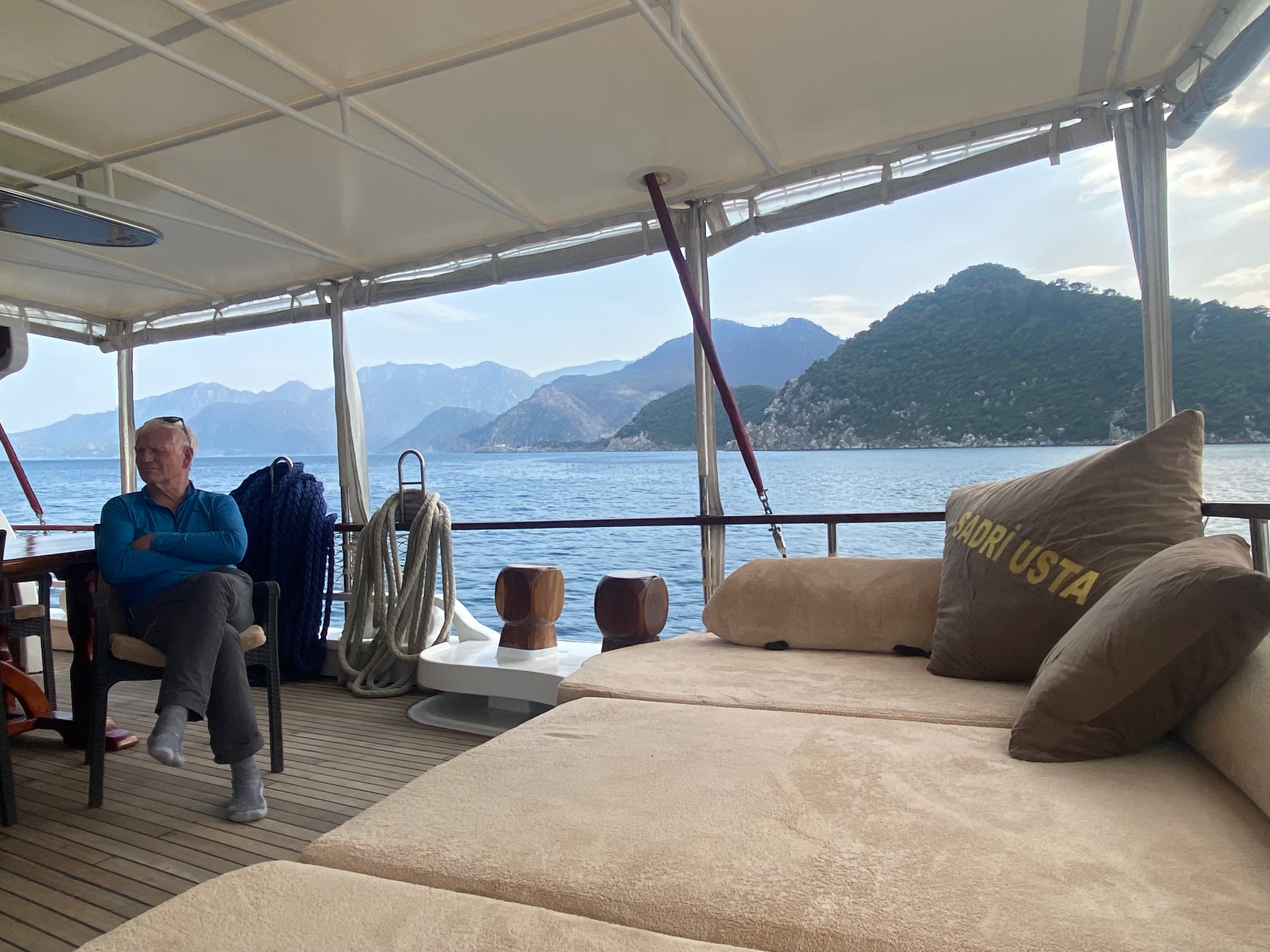
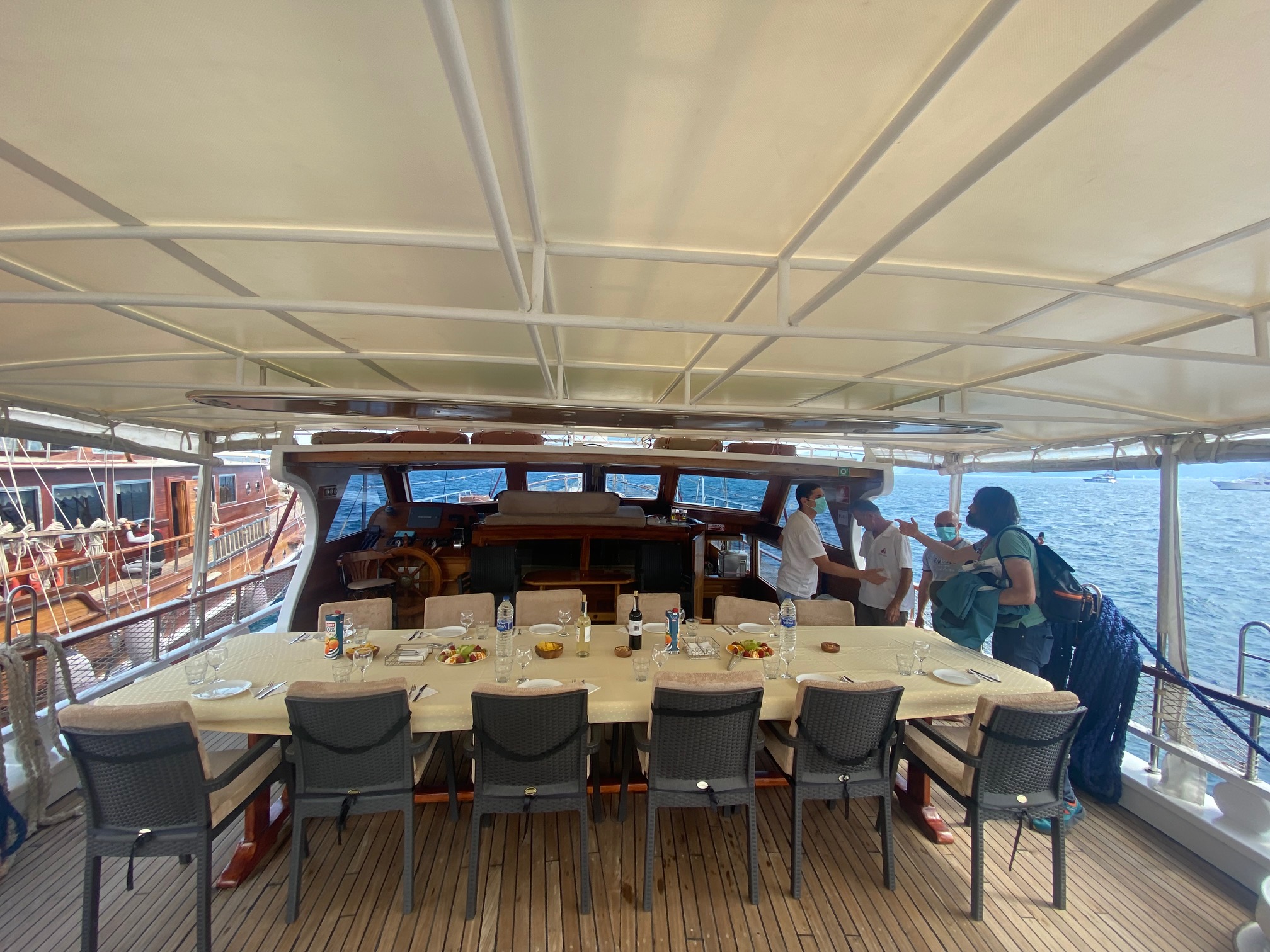
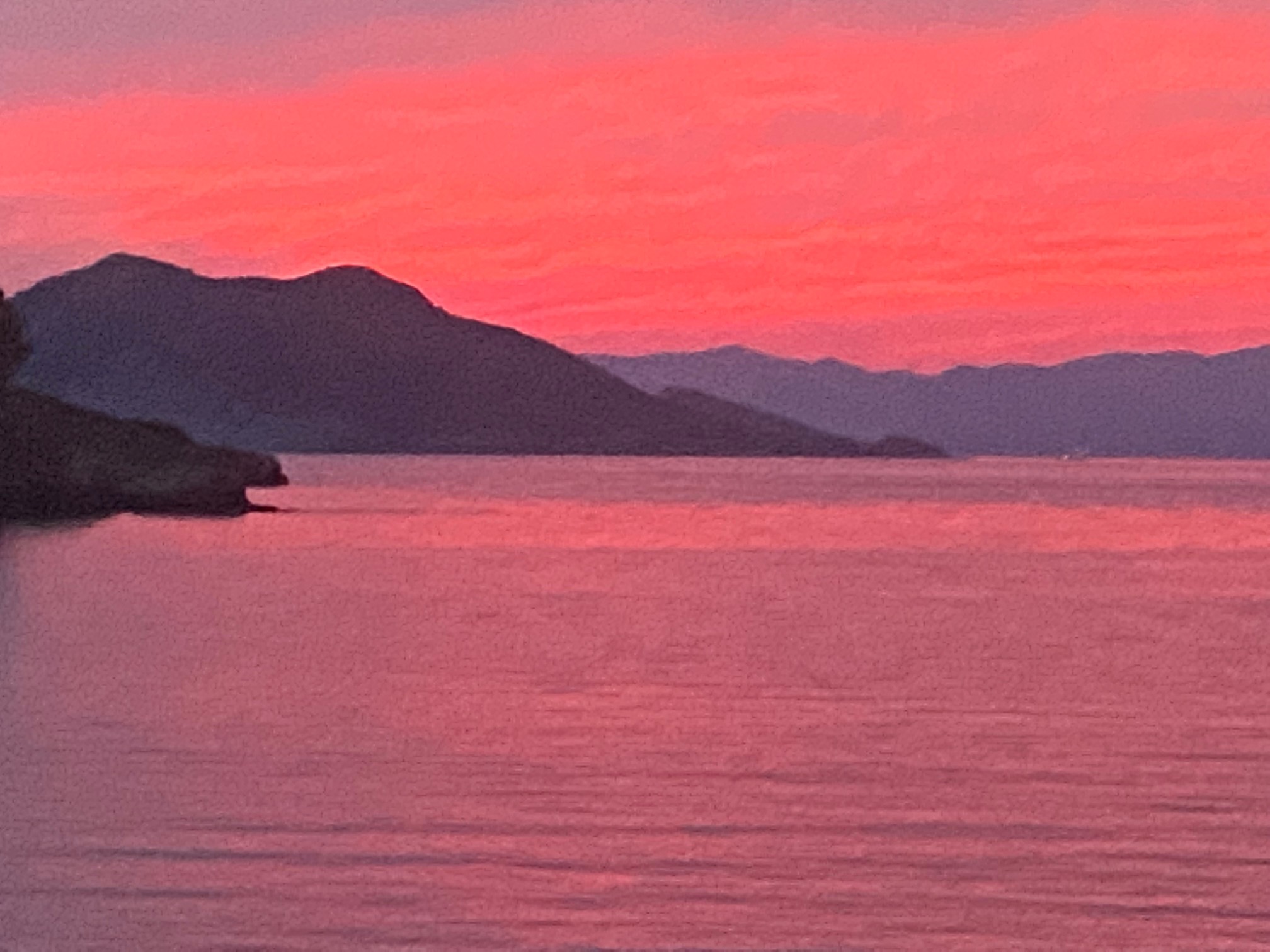
The Sadri Usta was our beautiful teak boat with an amazing outside eating area. After meeting our wonderful crew, we went to one of 7 cabins to unpack. Queen-sized beds, shiny teak woodwork, and plenty of light from our large back windows that opened. This ship has private en-suite bathrooms with showers. There isn’t air-conditioning but I didn’t even notice as the ship sped across the waves. Wine glass in hand while reclining on the aft deck after an excellent meal and viewing stunning sunsets–Life doesn’t get any better than this. After our tours there were options for swimming and kayaking.
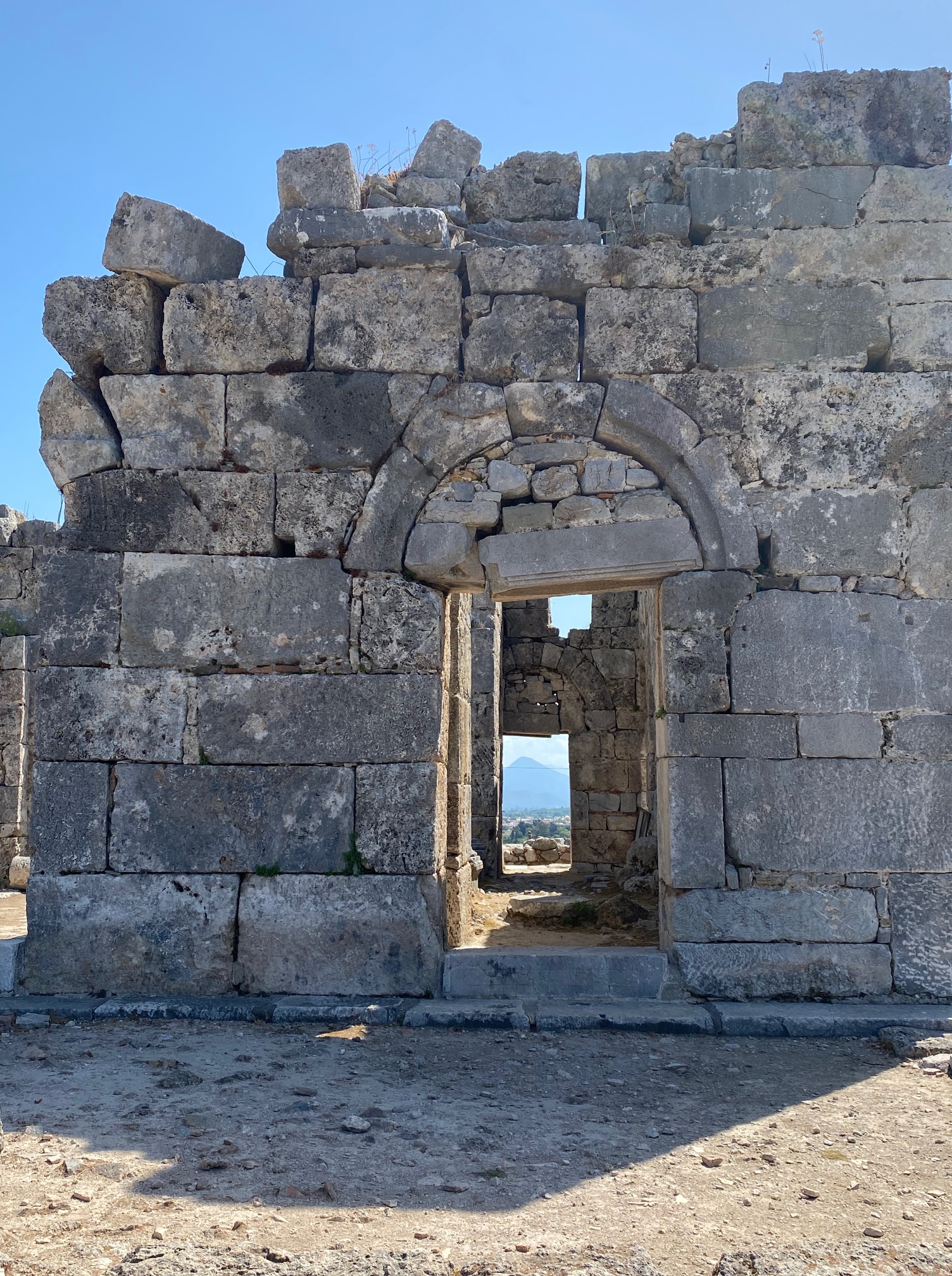
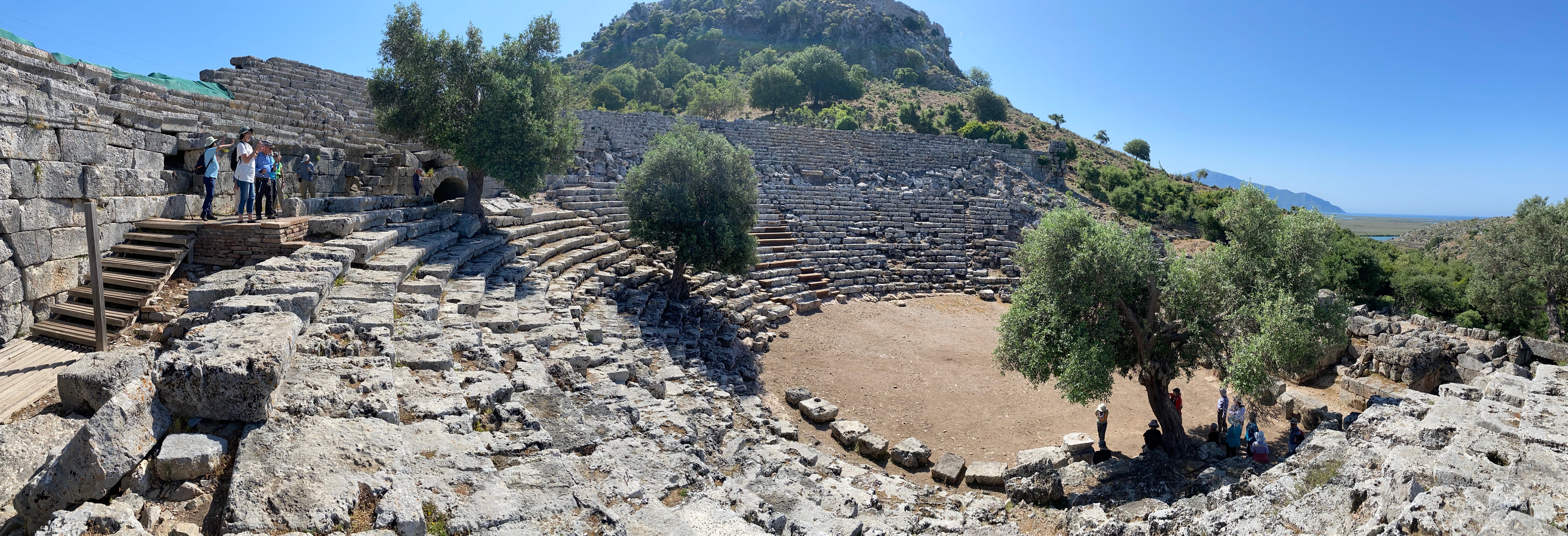
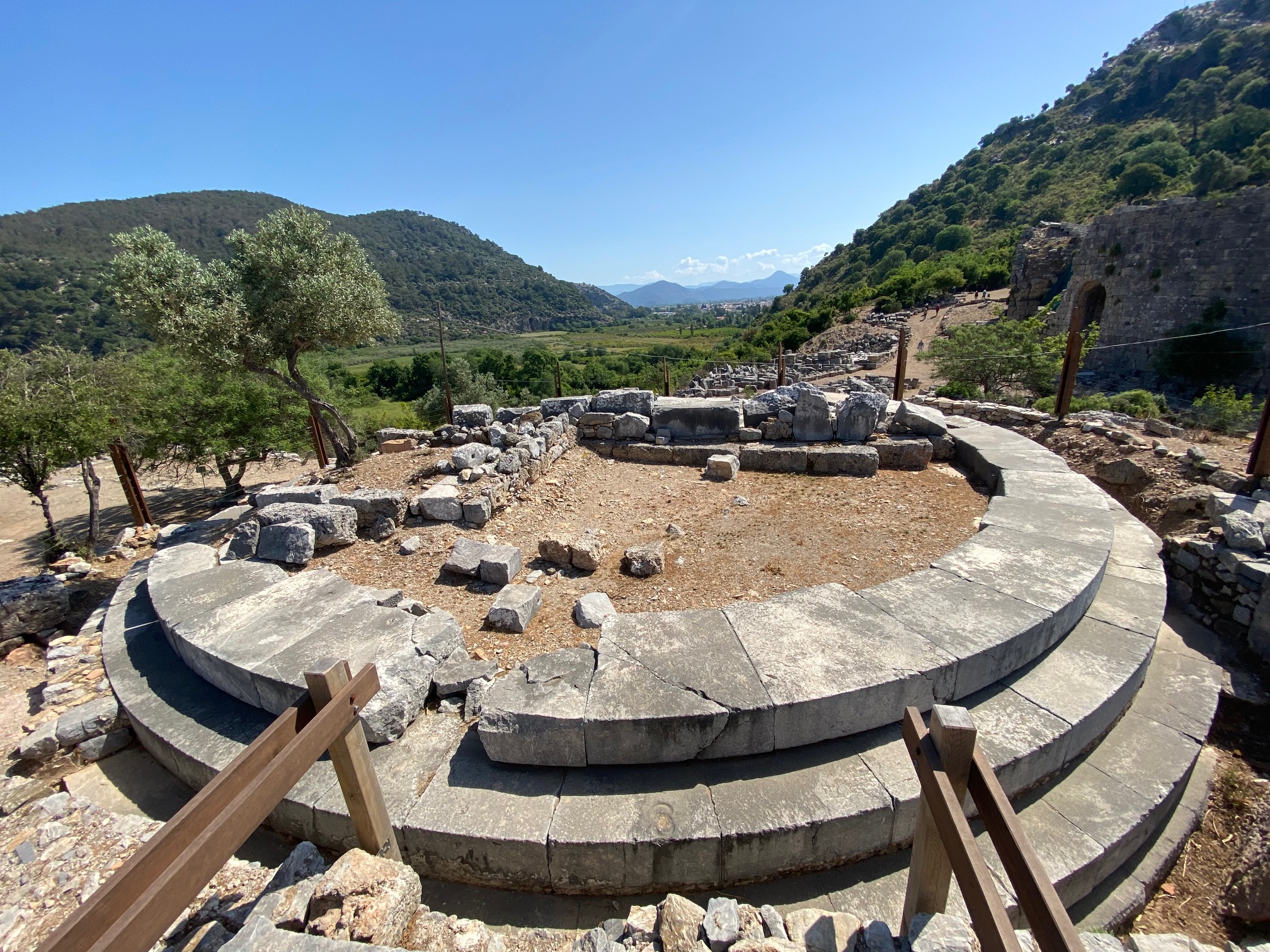
Day 1: After anchoring in Ekincik Cove, we transferred onto a smaller boat to ride up the Dalyan River to visit the 2 century (AD) seaport city of Kaunos. It used to be a seaport until silt filled the harbor and the site was deserted.
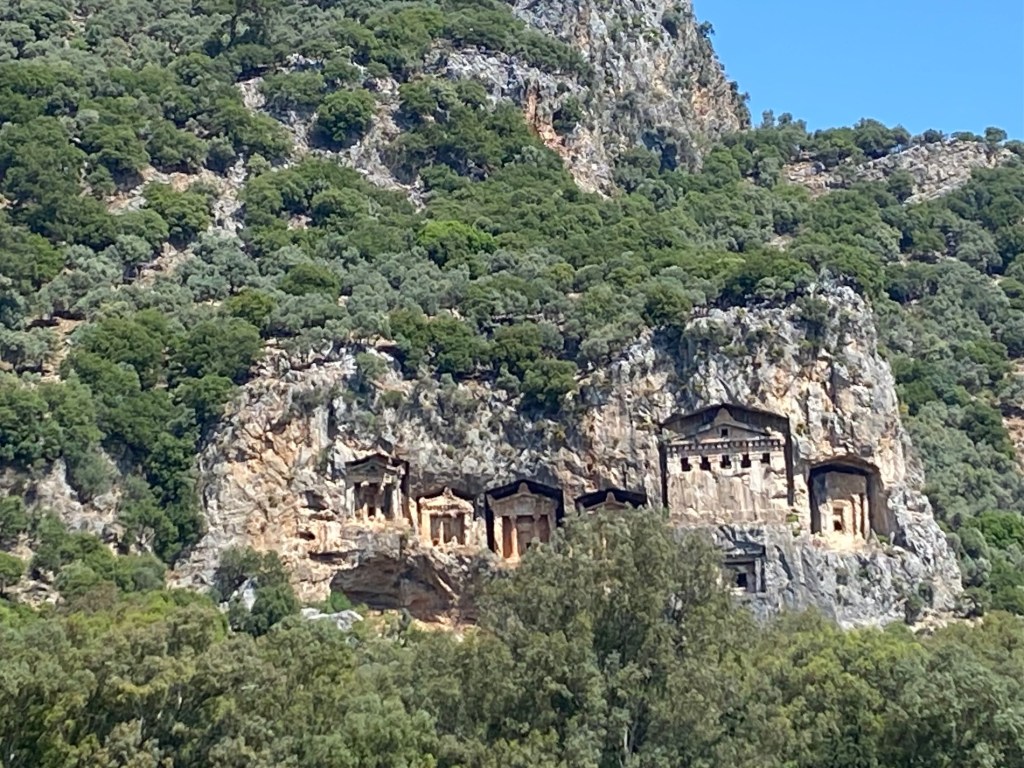
Kaunos is very close to another ancient rich city( Lycia), so we puttered along to view the 4th century cliff tombs. An interesting side-note is that Lycia is mentioned in Homer’s Iliad.
Don’t miss the little town of Dalyan for super shopping deals, especially for shoes and leather purses.
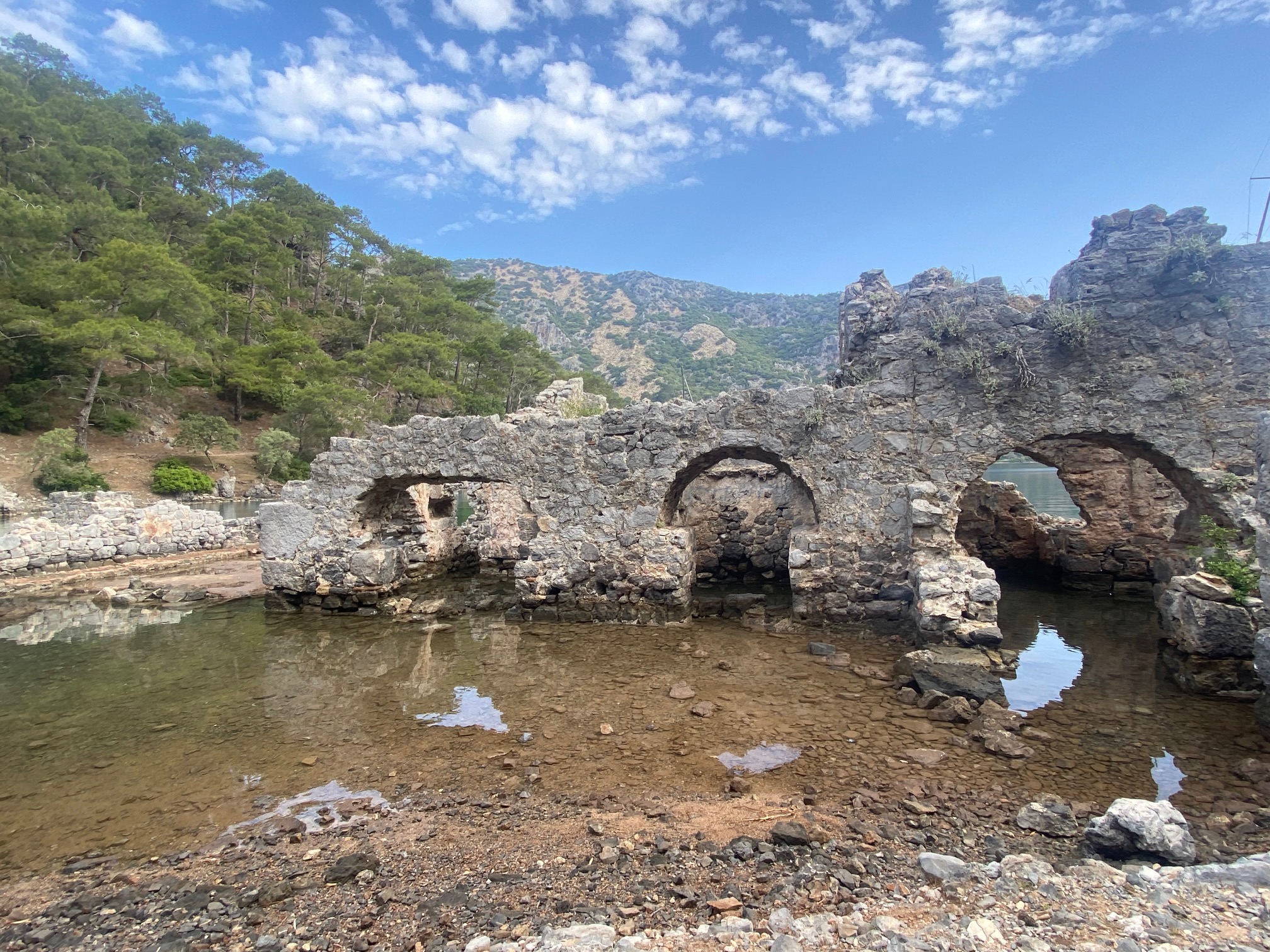
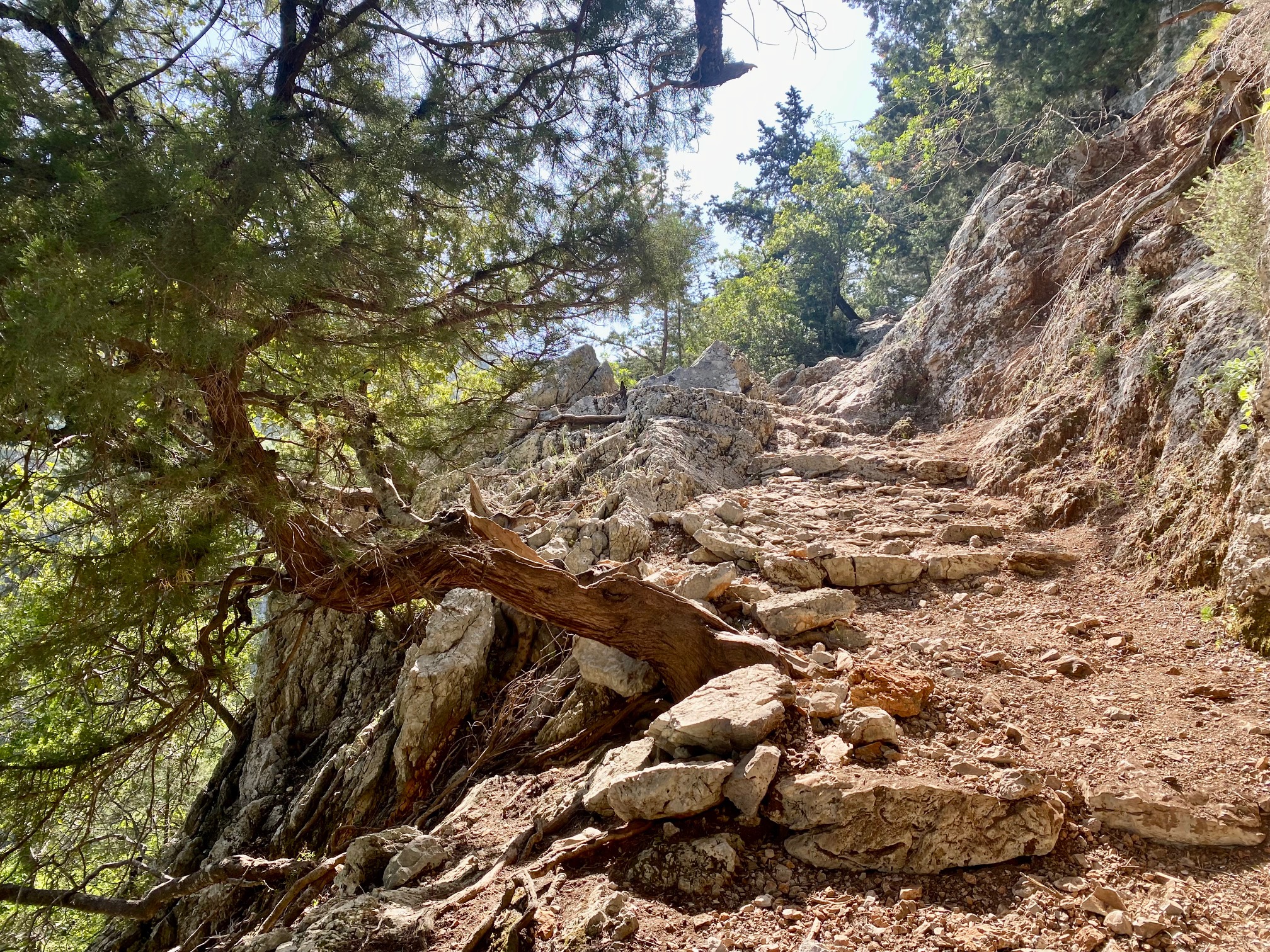
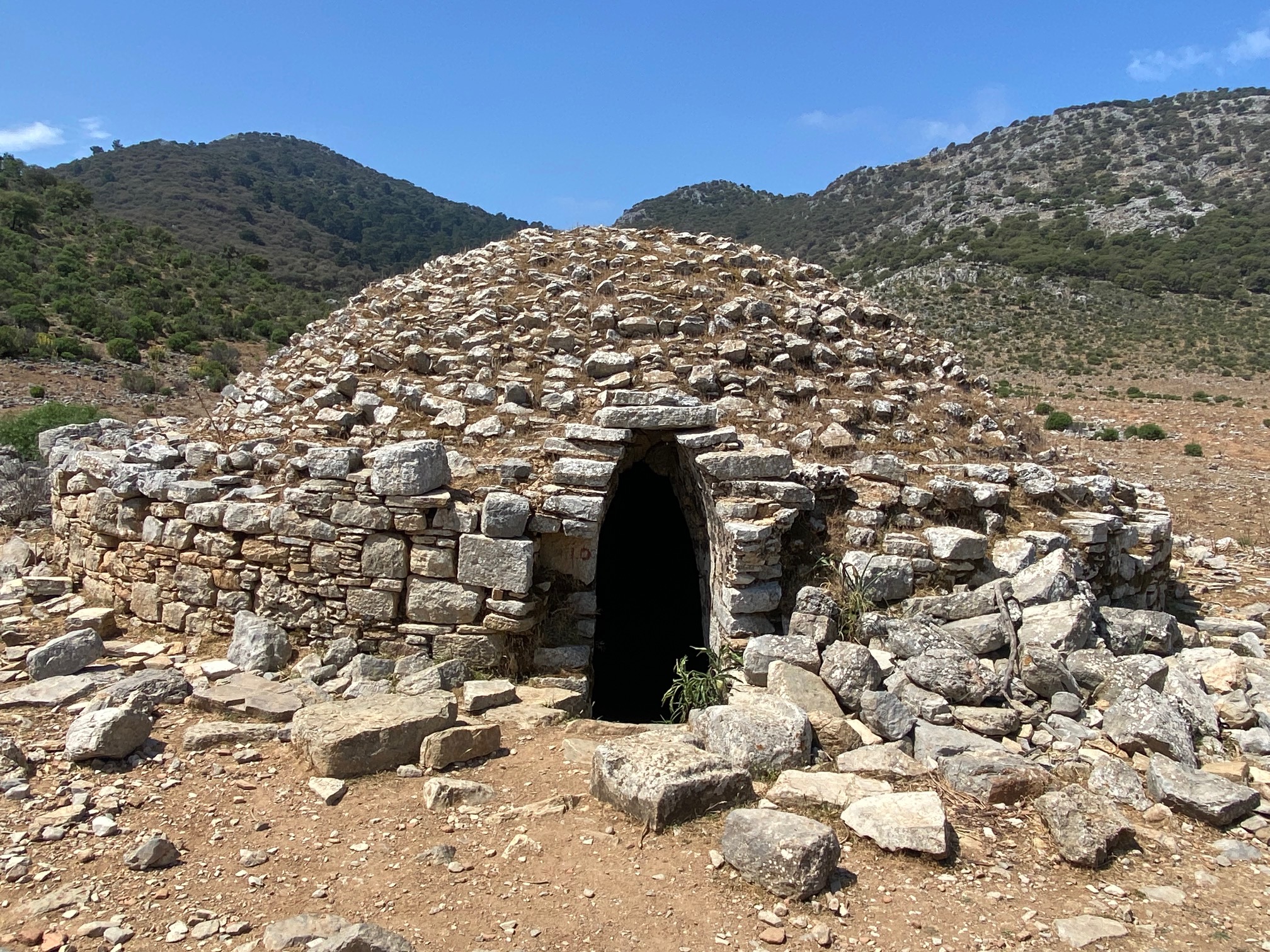
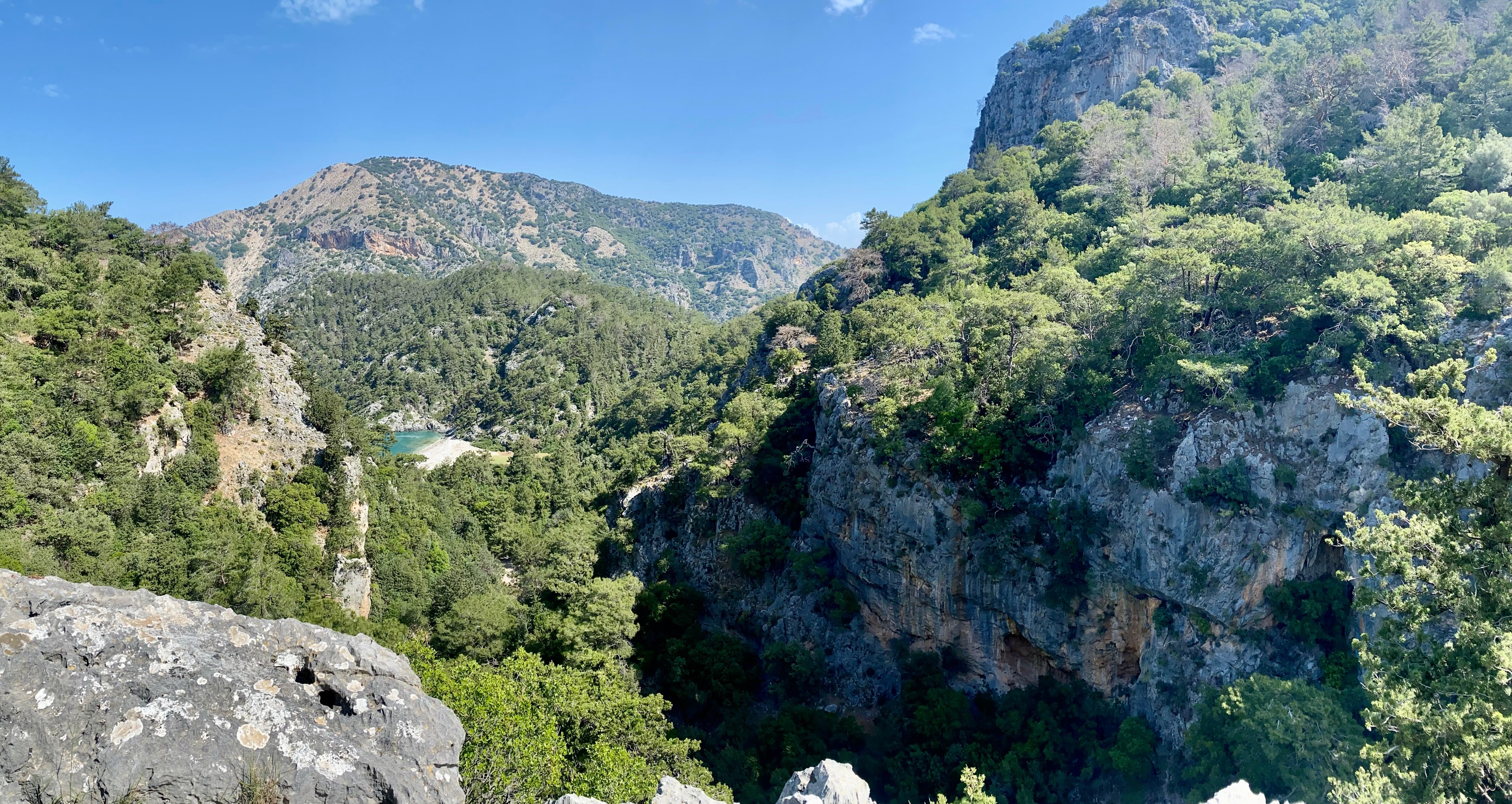
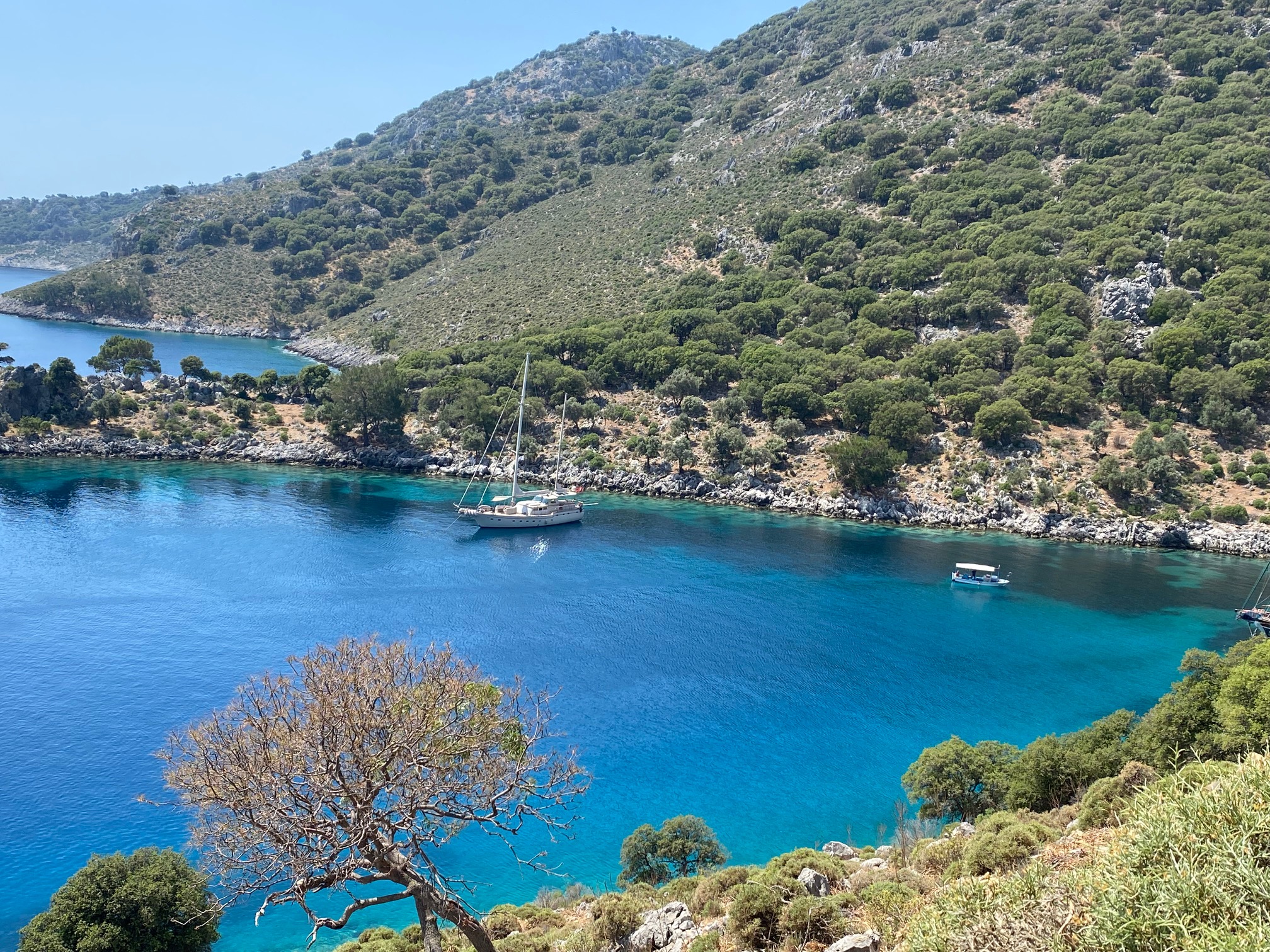
The next day we dropped anchor near a spot called Cleopatra’s Baths. It’s rumored to have been built by Mark Anthony for his love but there’s nothing to support the claim. Ol’ Mark should have gotten a historical pat-on-the-back notation if he actually did this for lovely Cleo. After landing, we went on a nice hike and were able to see a Lydian cistern and ruins before dropping down the hill to the turquoise sea once again.
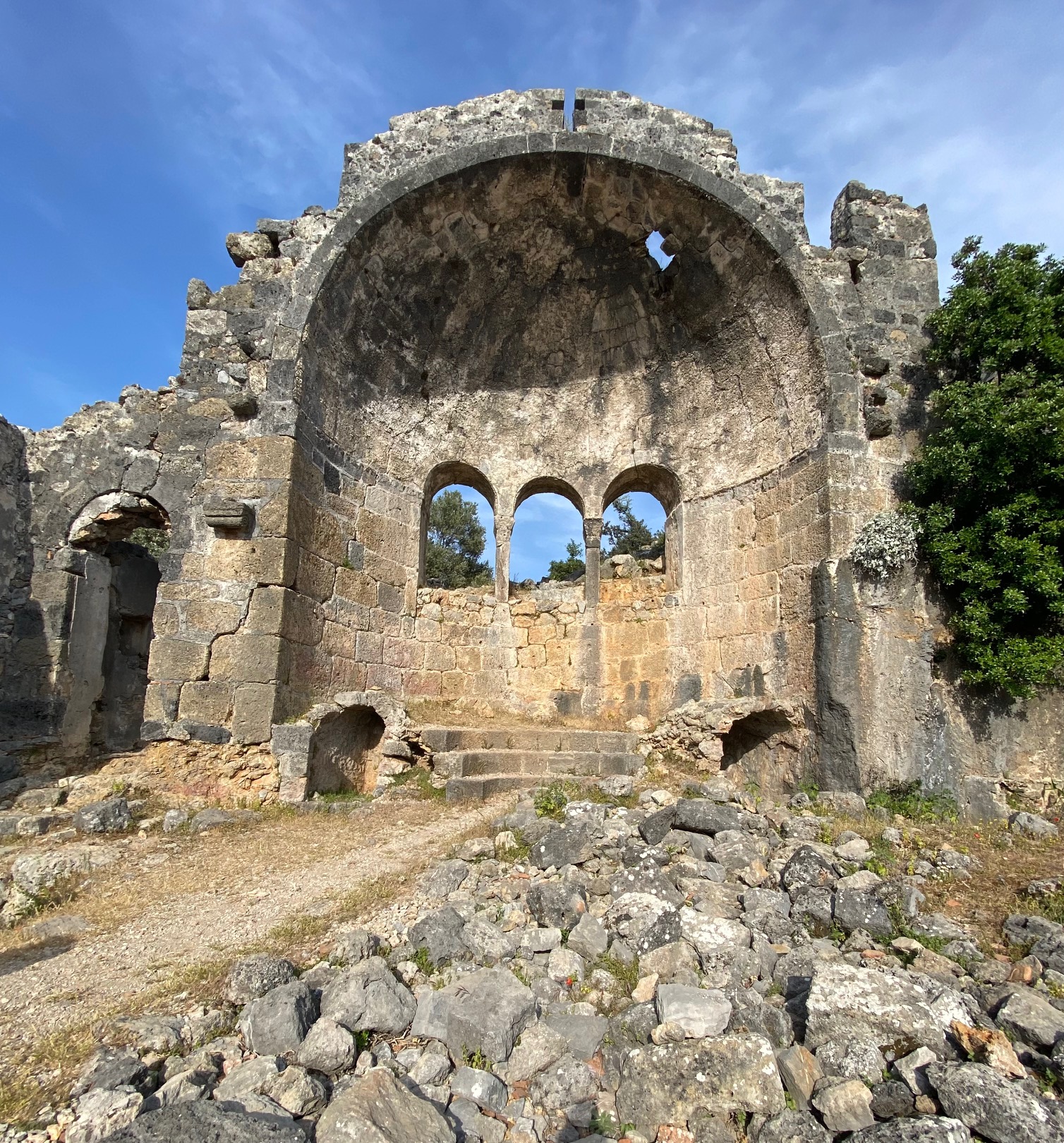
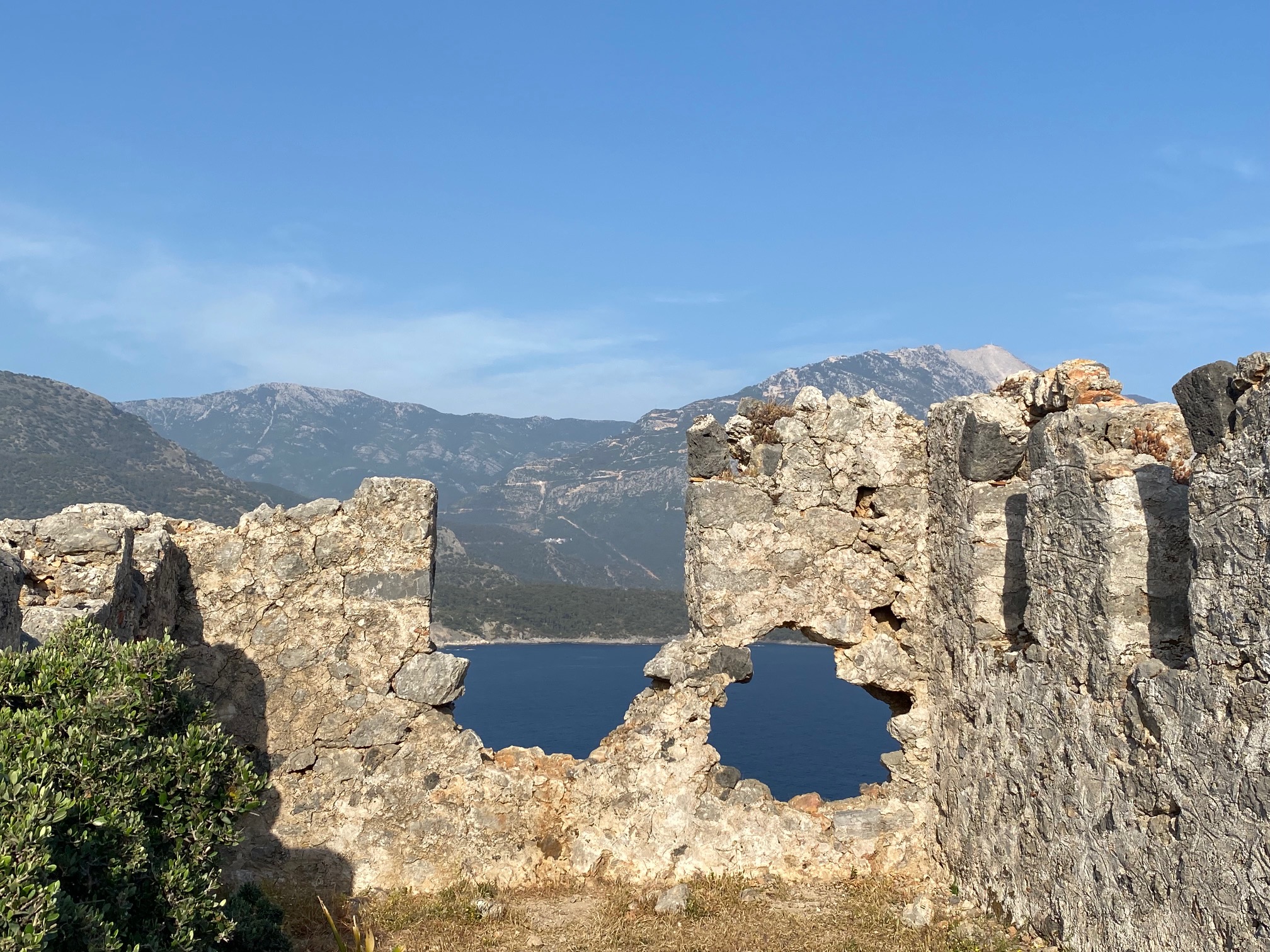
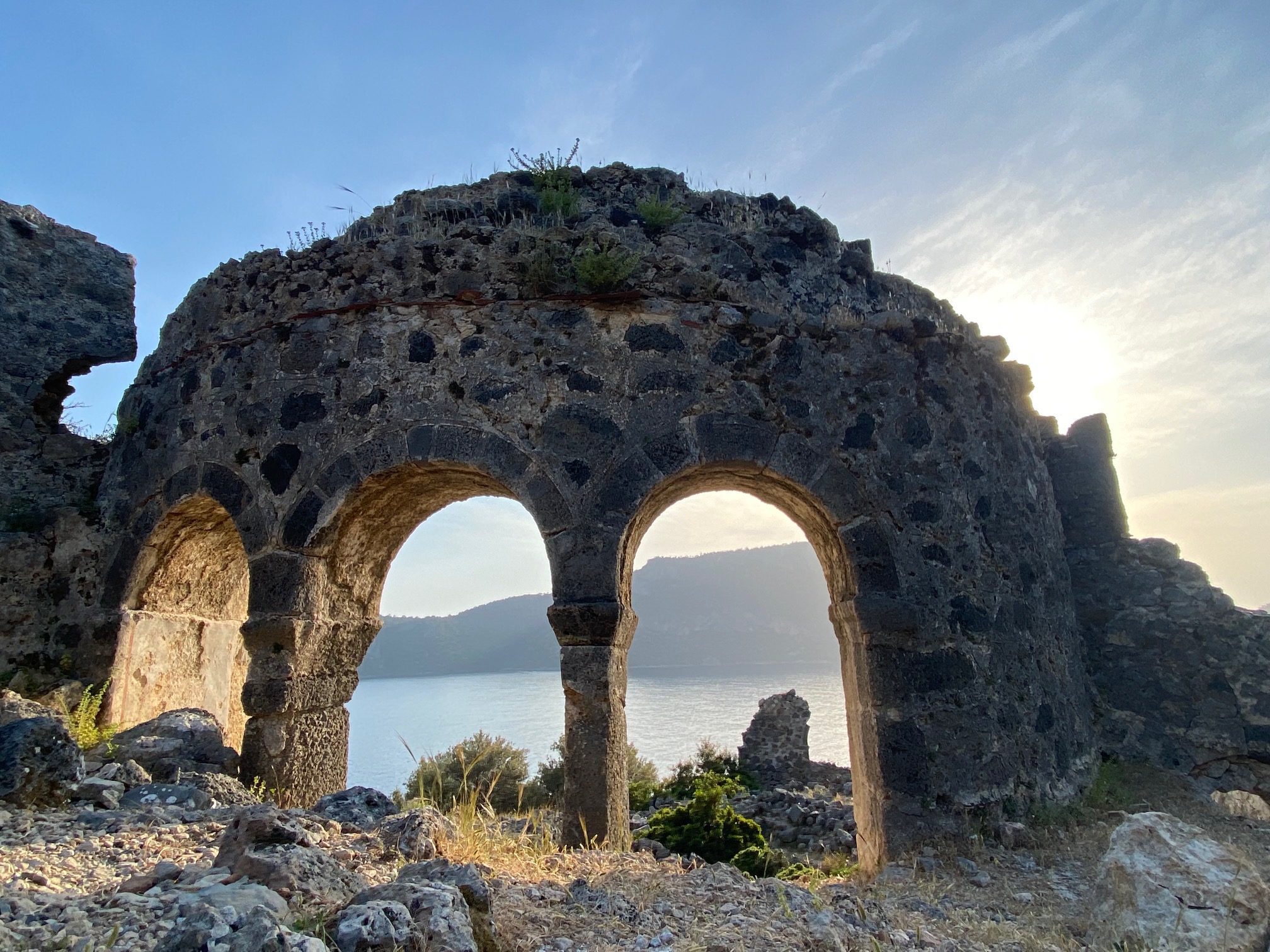
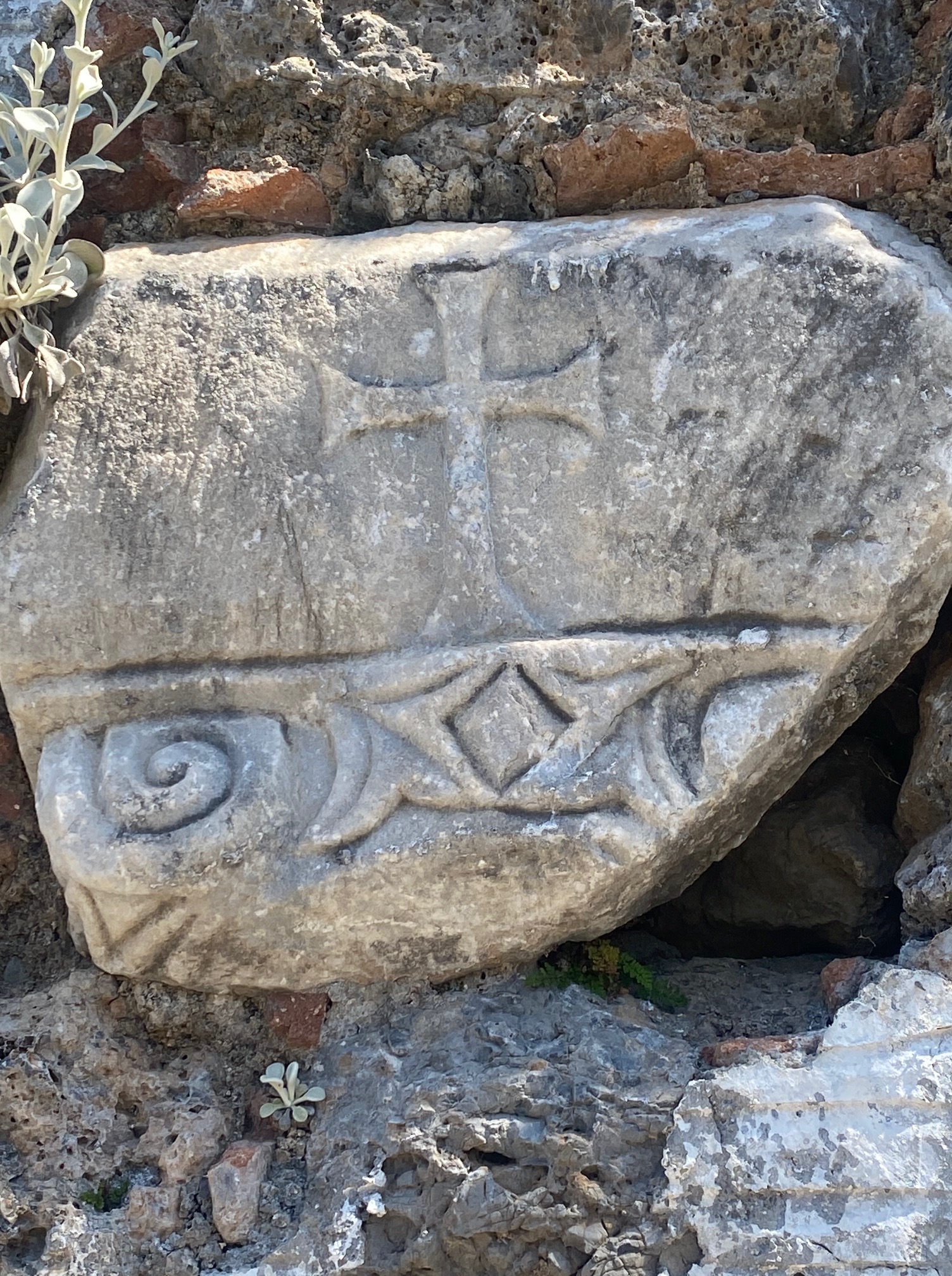
Later in the afternoon we landed on Gemiler Island which was a resupply destination for pilgrims on their way to Jerusalem. Not all of them made it. There are tombs all over. The most famous resident was Saint Nicholas. Santa was in Turkey all this time–not Scandinavia. He was buried here in 326, but his relics were removed in 650 for safer keeping to the nearby town of Myra. The ruins of Christian churches built between the 4th and 6th century are fun to explore, and if you hike to the top of the hill, you’ll find a small lighthouse. The views are top of the world from up there.
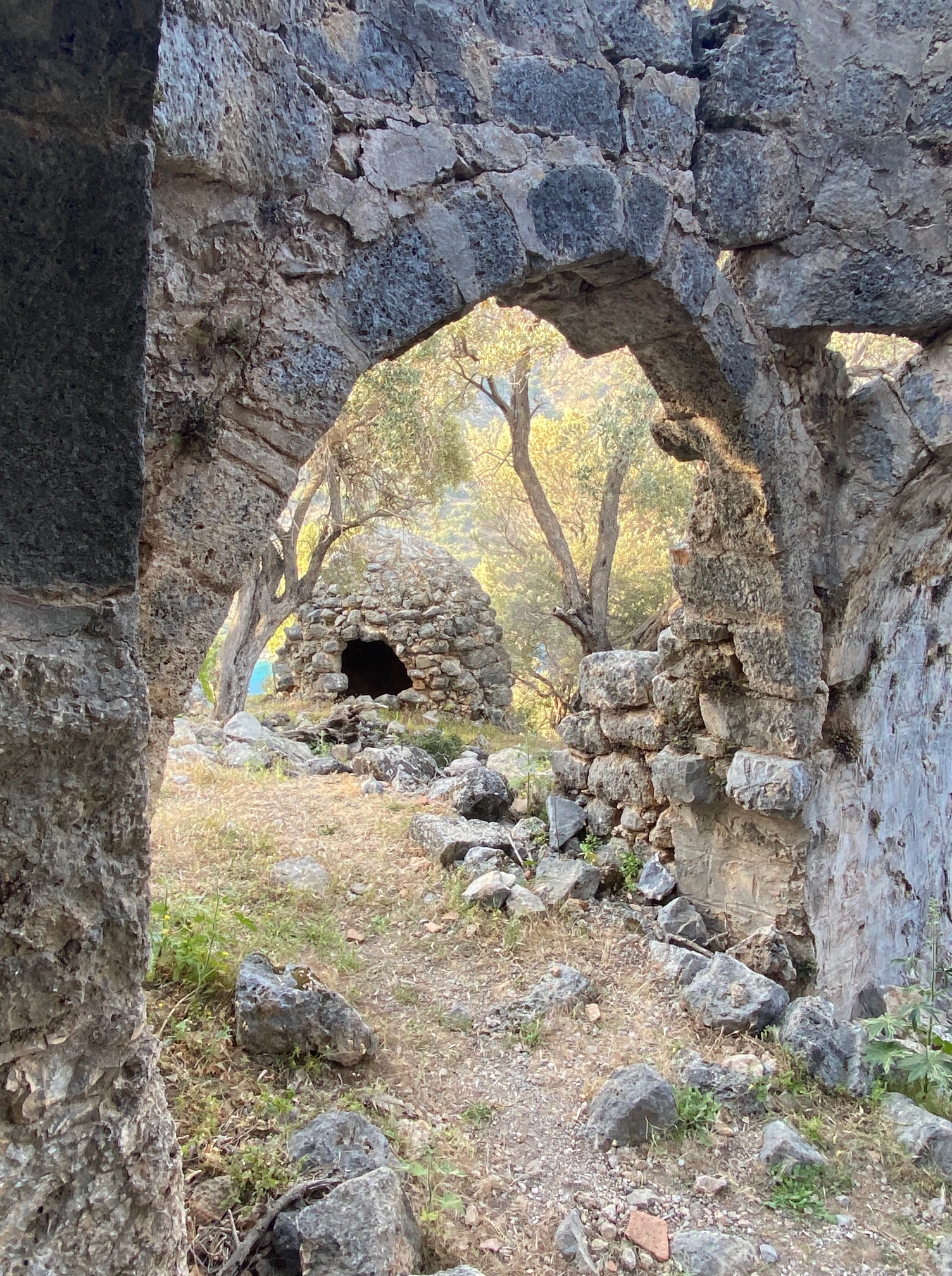
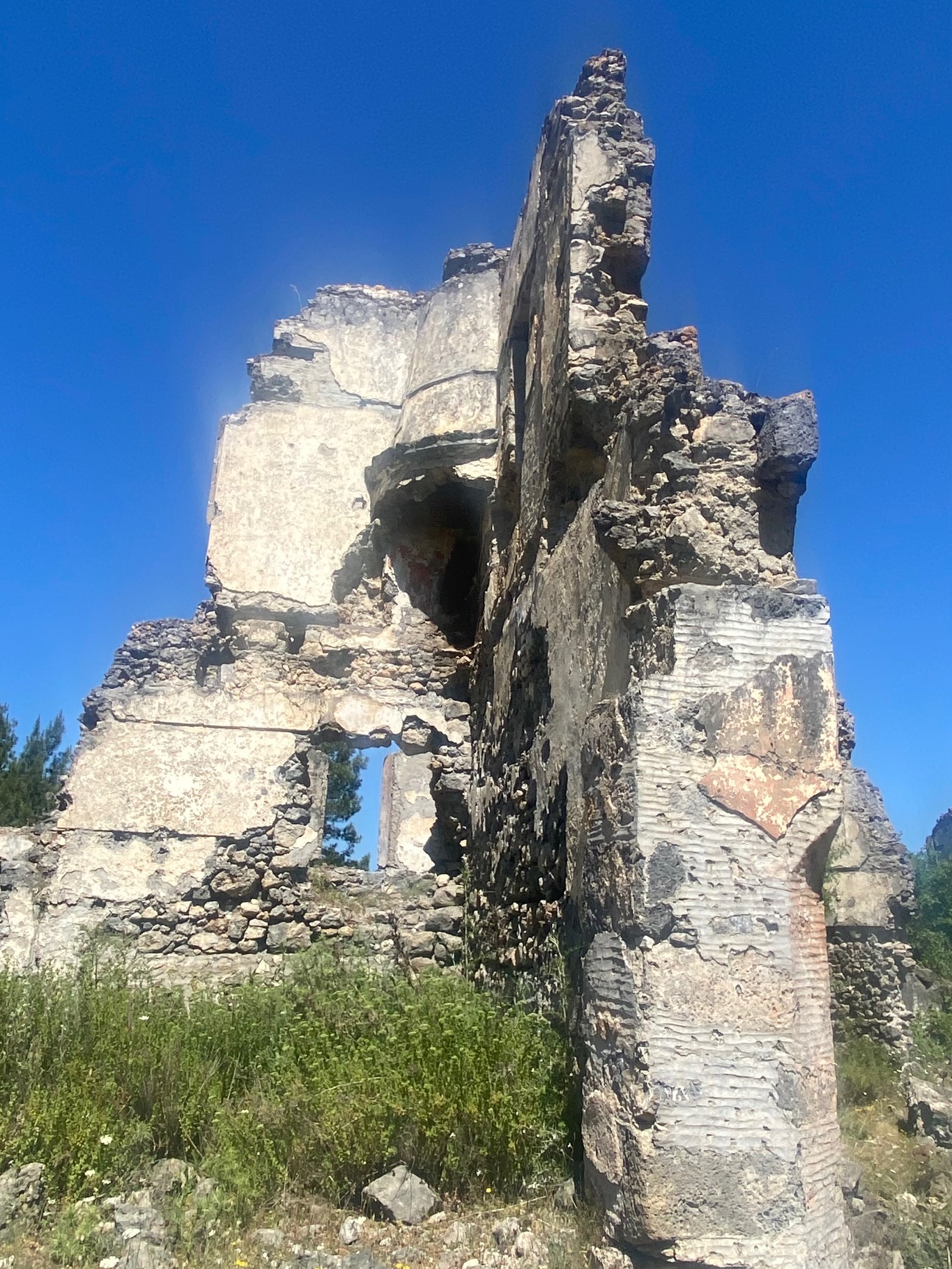
Day 3 we landed near Gemiler Beach to go to the Kayakoy Greek ghost town which is a UNESCO World Heritage Site. The town originated in the 14th century but in 1920, after the Greco-Turkish war, the people were forced on a death march. Any survivors were shipped to Greece where they became refugees. The population exchange was based solely on religion. Turkey wanted a Muslim country untainted by Christians. This is what happens when countries are led by theocracy. Furthermore, Turkey insisted that the lesser population of Muslims living in Turkey MUST return and occupy the deserted Greek Heritage homes. However, the Muslims feared the ghosts of the tortured people. The returning Turks were farmers and this saved these ruins because Kayakoy was settled high up on unfavorable land. The original residents were exceptional craftsmen and didn’t need fertile ground. Another interesting fact is the remaining non-conforming religions in Turkey were eliminated in one swoop by one edict: If you became Muslim—you didn’t have to pay taxes. Currently, a few artists live here.
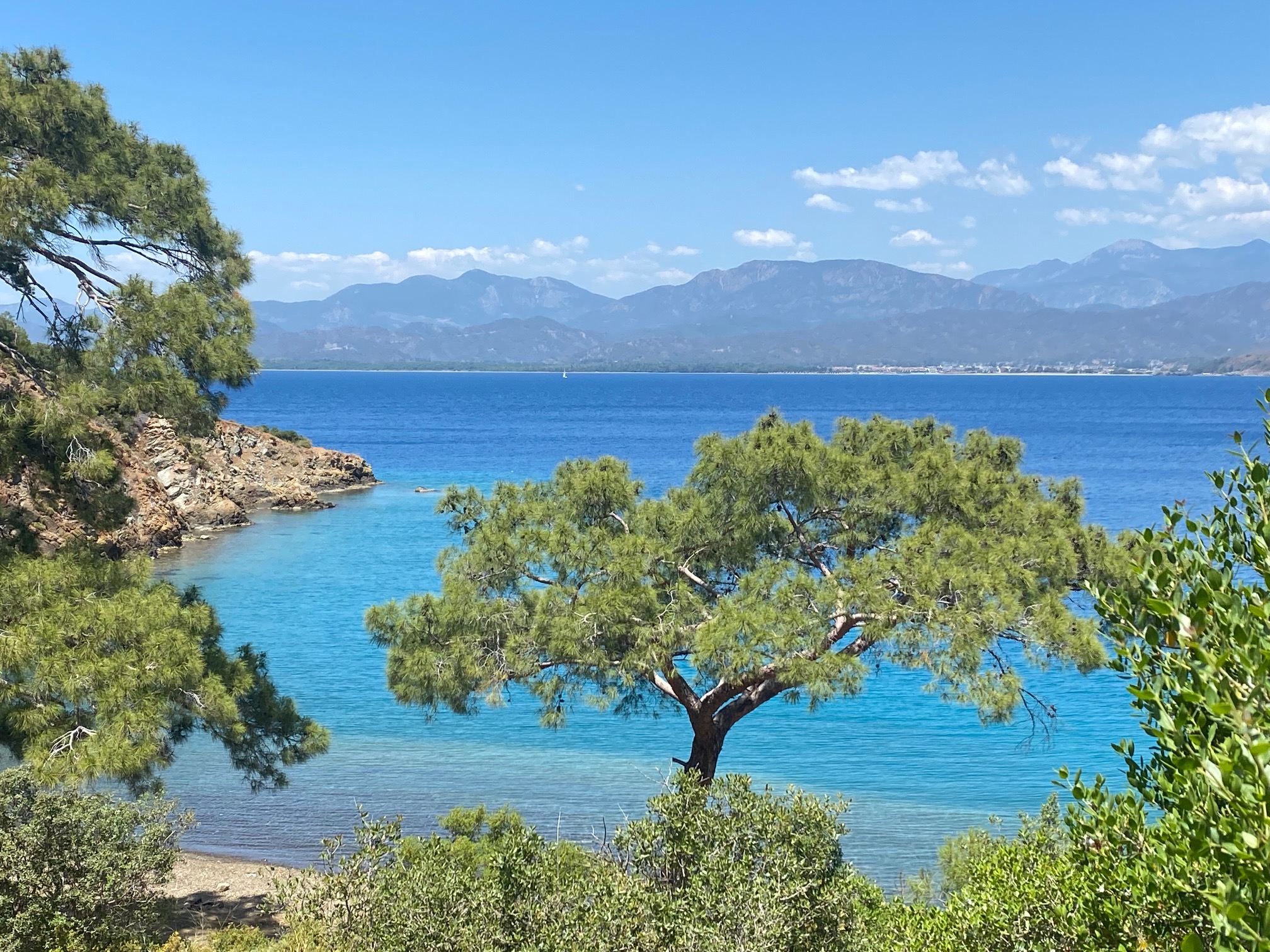
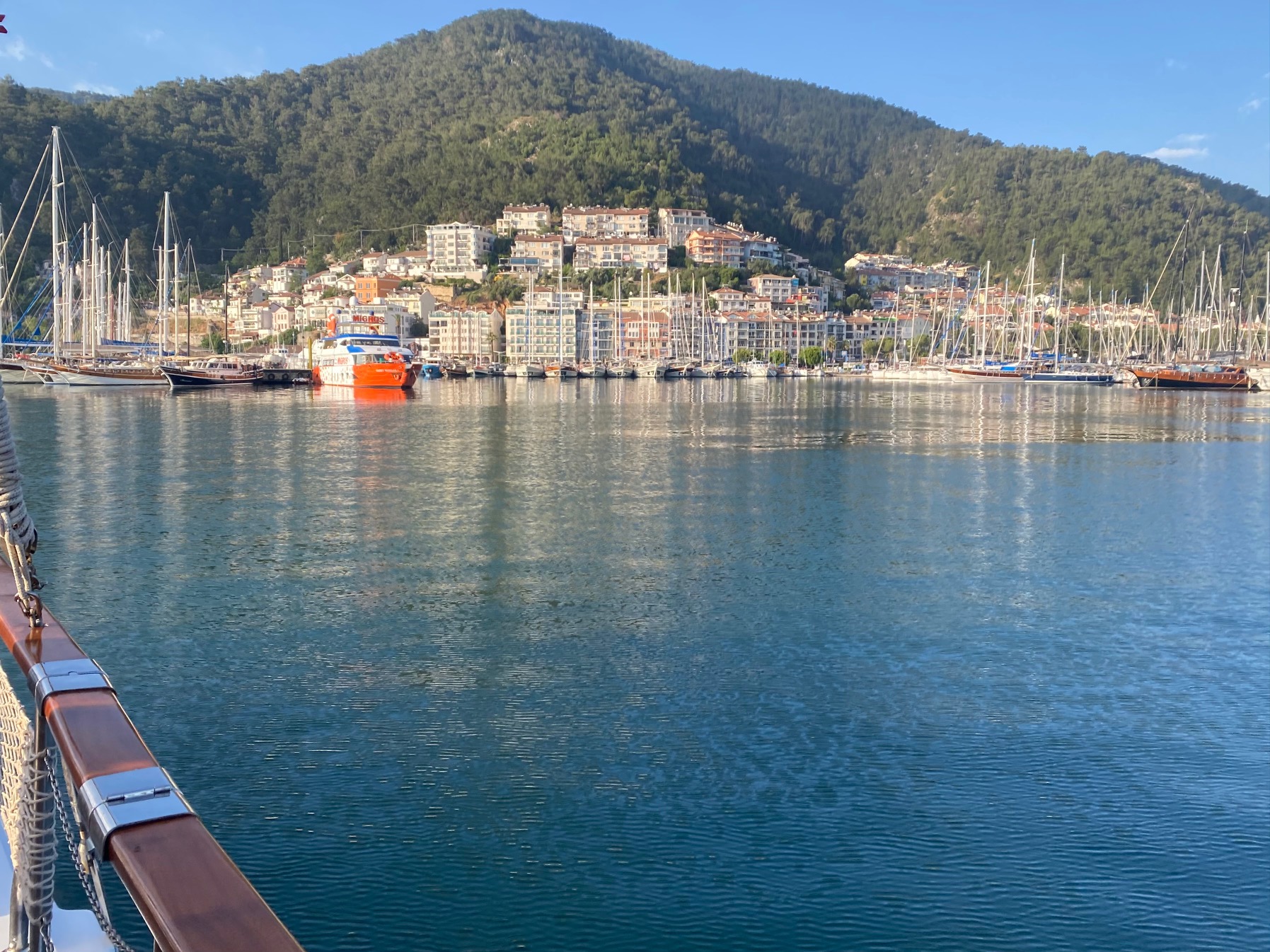
We disembarked in the lovely town of Fethiye. I so could live there during the winter. I see myself in a small place with a built-in pool and maid service with delivery of fresh fish to my door.
A few more. I can’t resist!
Keep a lookout for my next and last post for Turkey : EPHESUS
We drove from Cappadocia on a well-maintained highway that takes you up and over the jagged-peaked Taurus Mountains. (**side-note–they drive on the right side.) When we crossed the summit a whole different world appeared. We went from captivating dessert to a lush Mediterranean landscape ripe with citrus trees heavy with fruit.
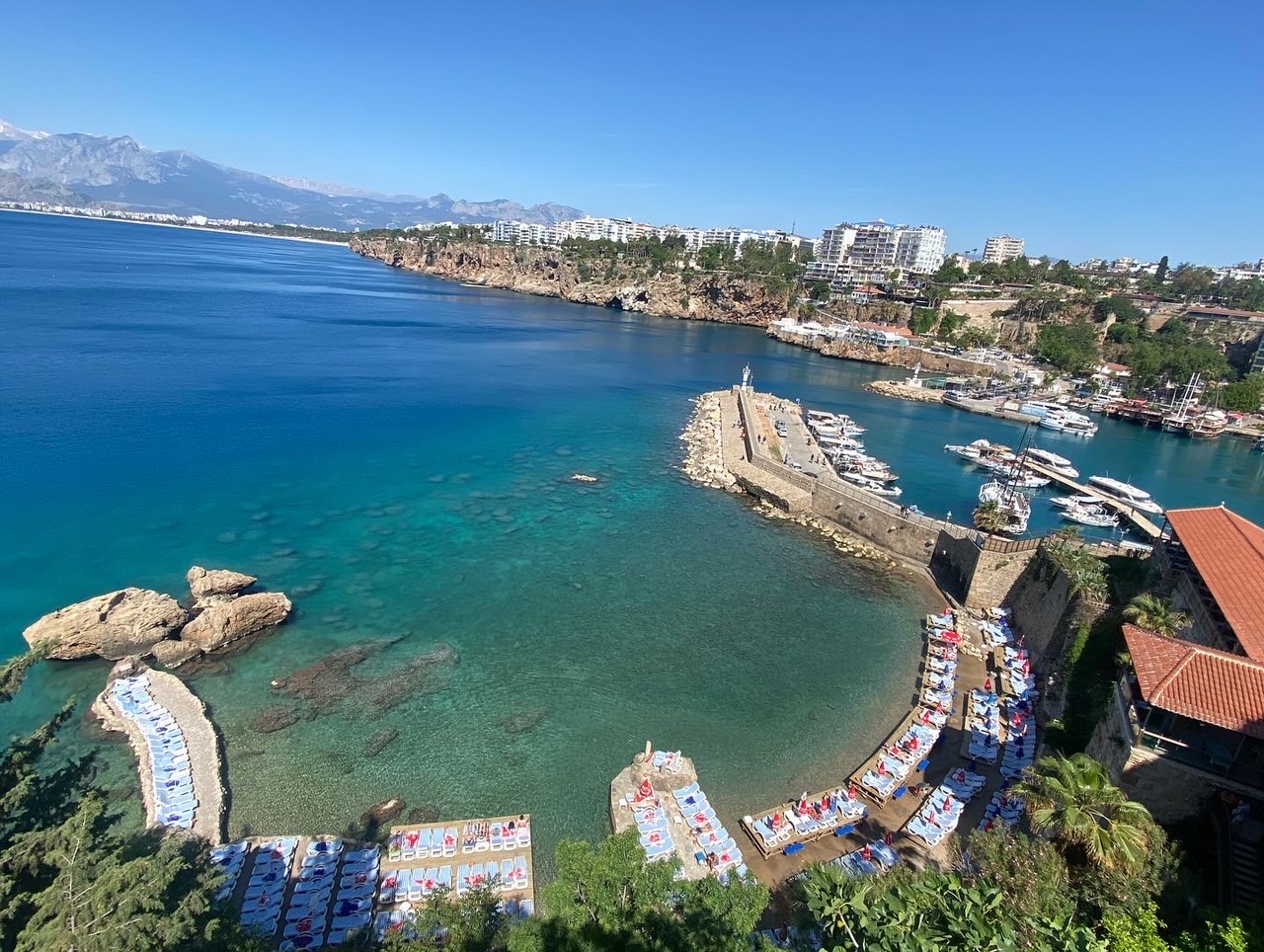
Antalya, on the SW coast, is the perfect place to stay to visit Perga and Aspendos. Have I told you that I could easily live here during the winter months?
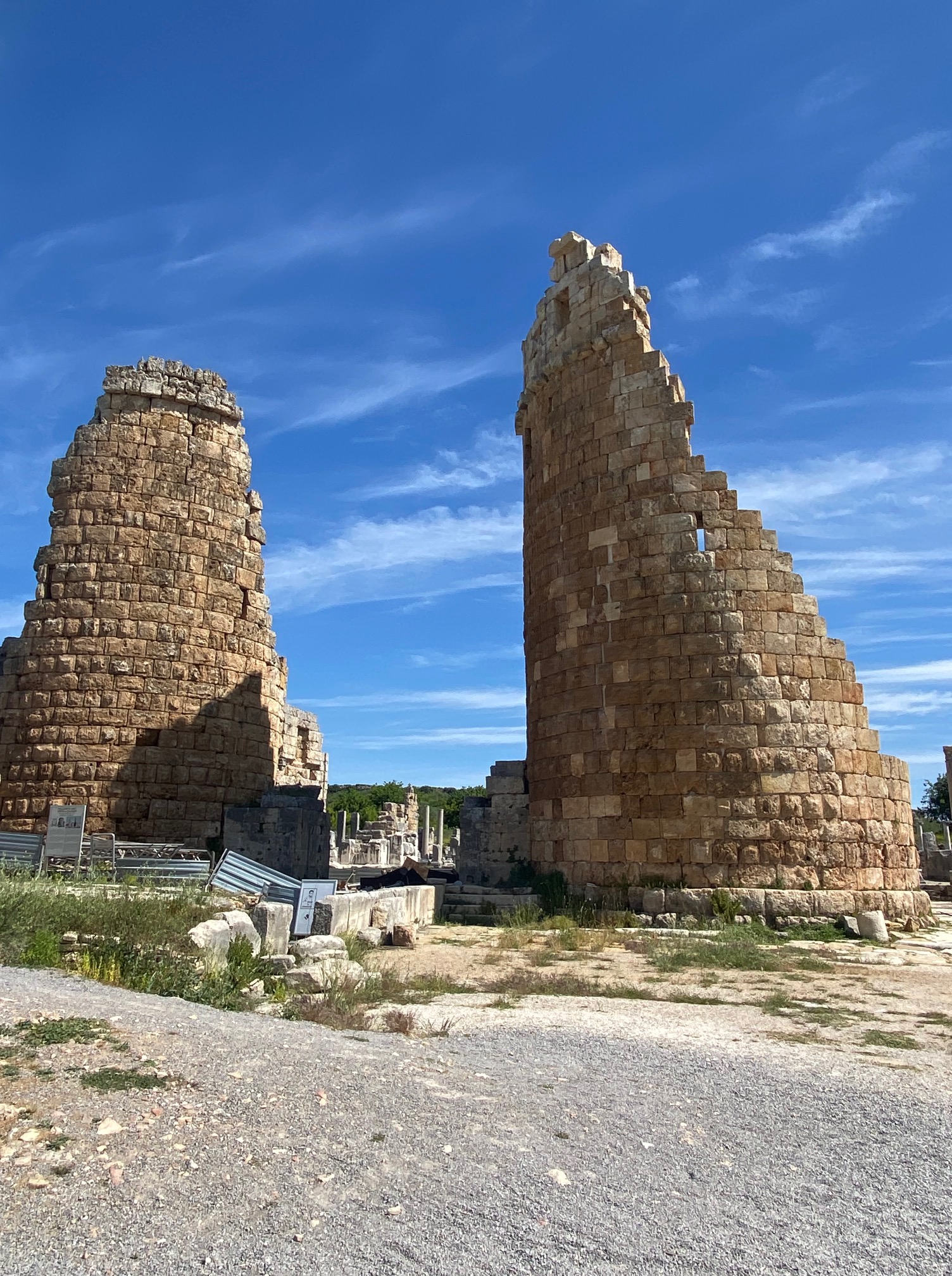
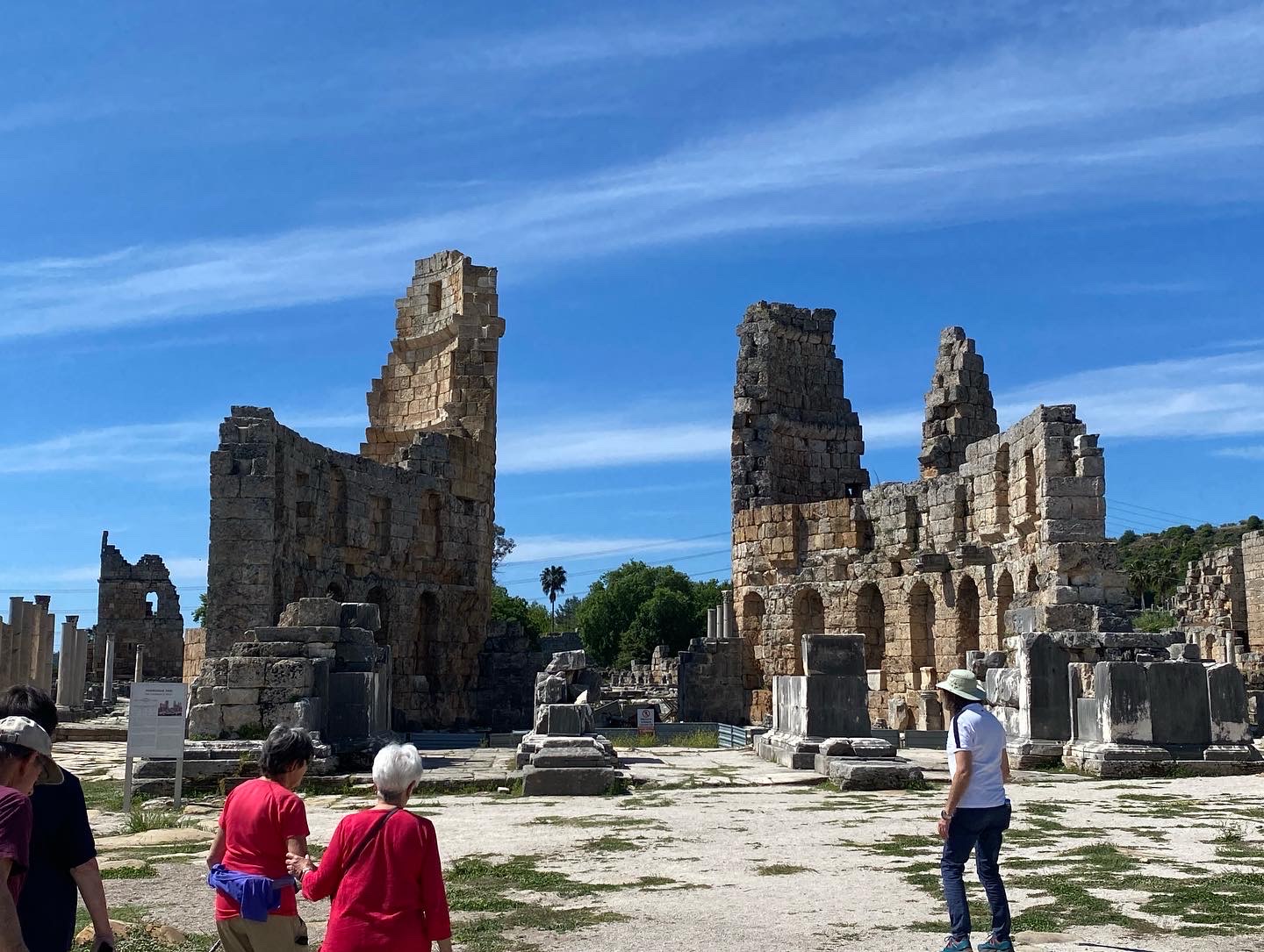
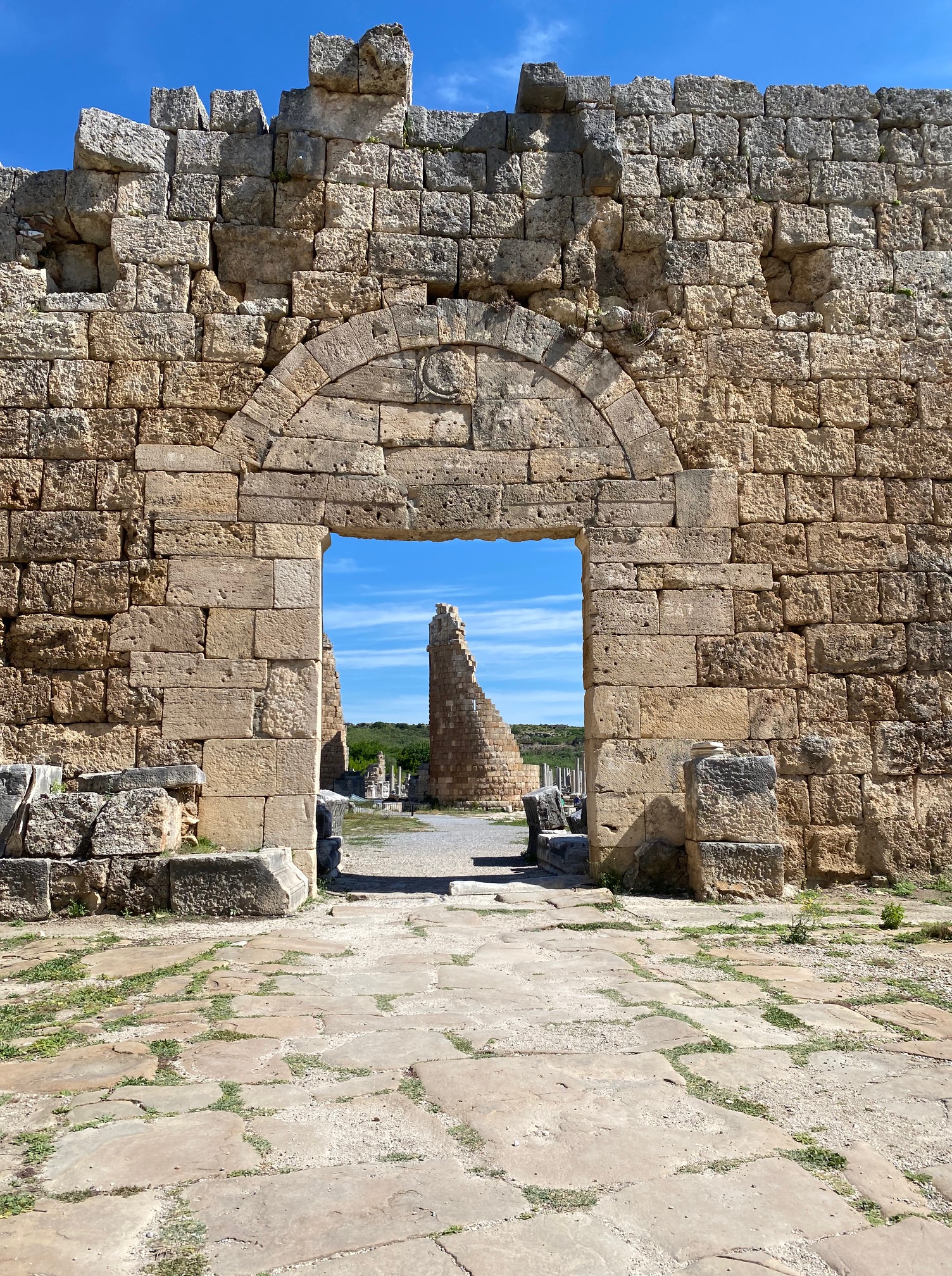
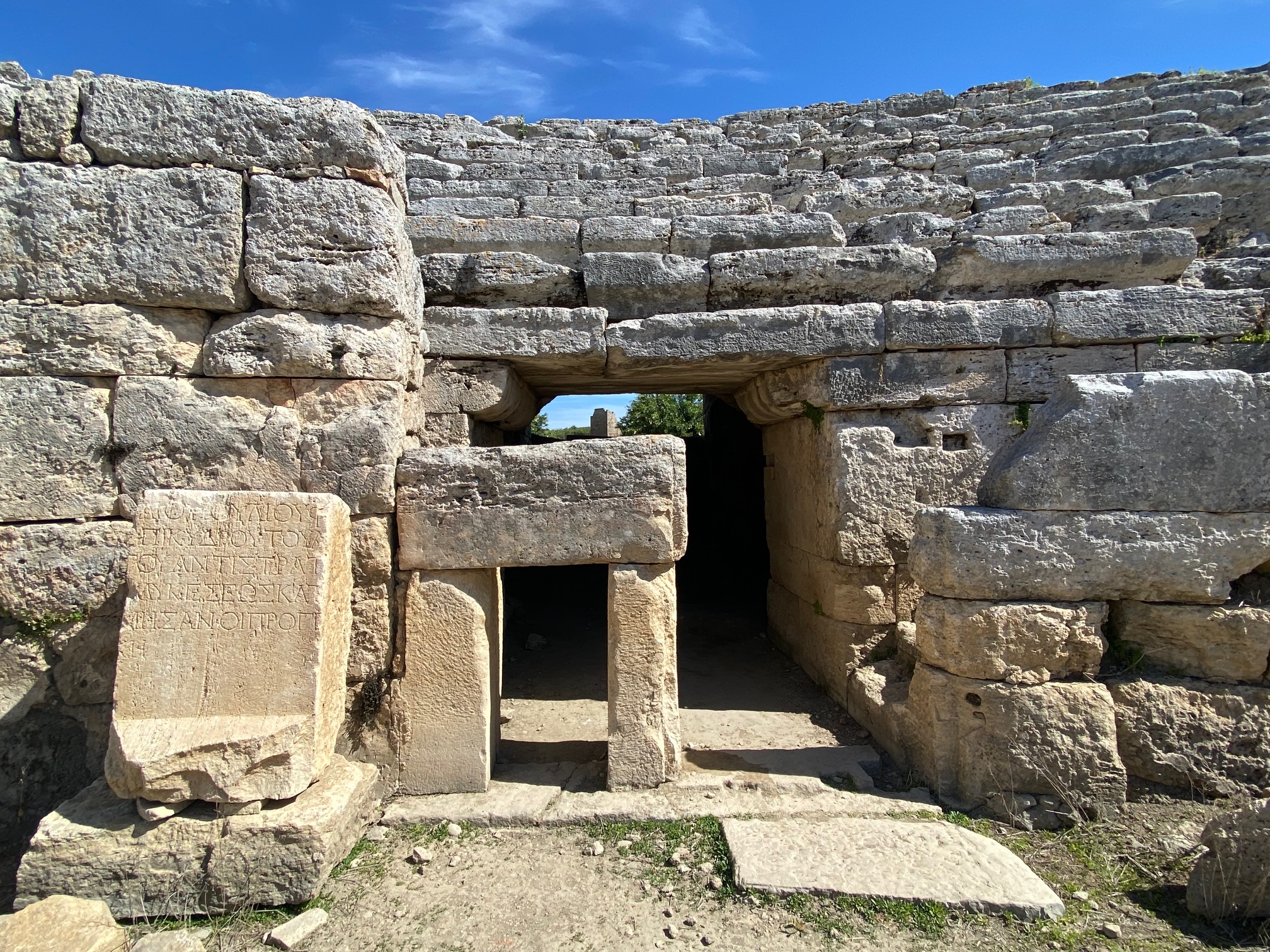
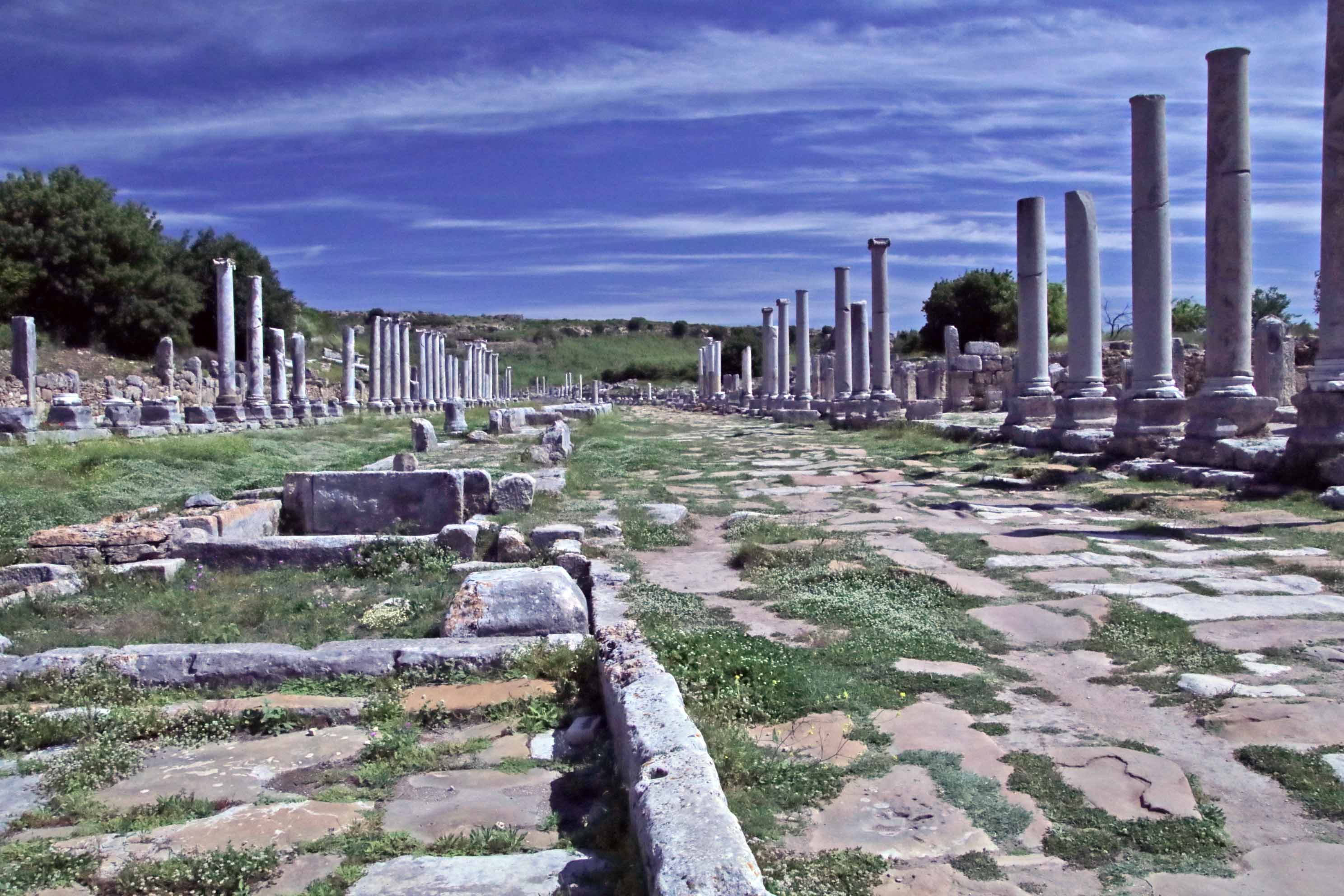
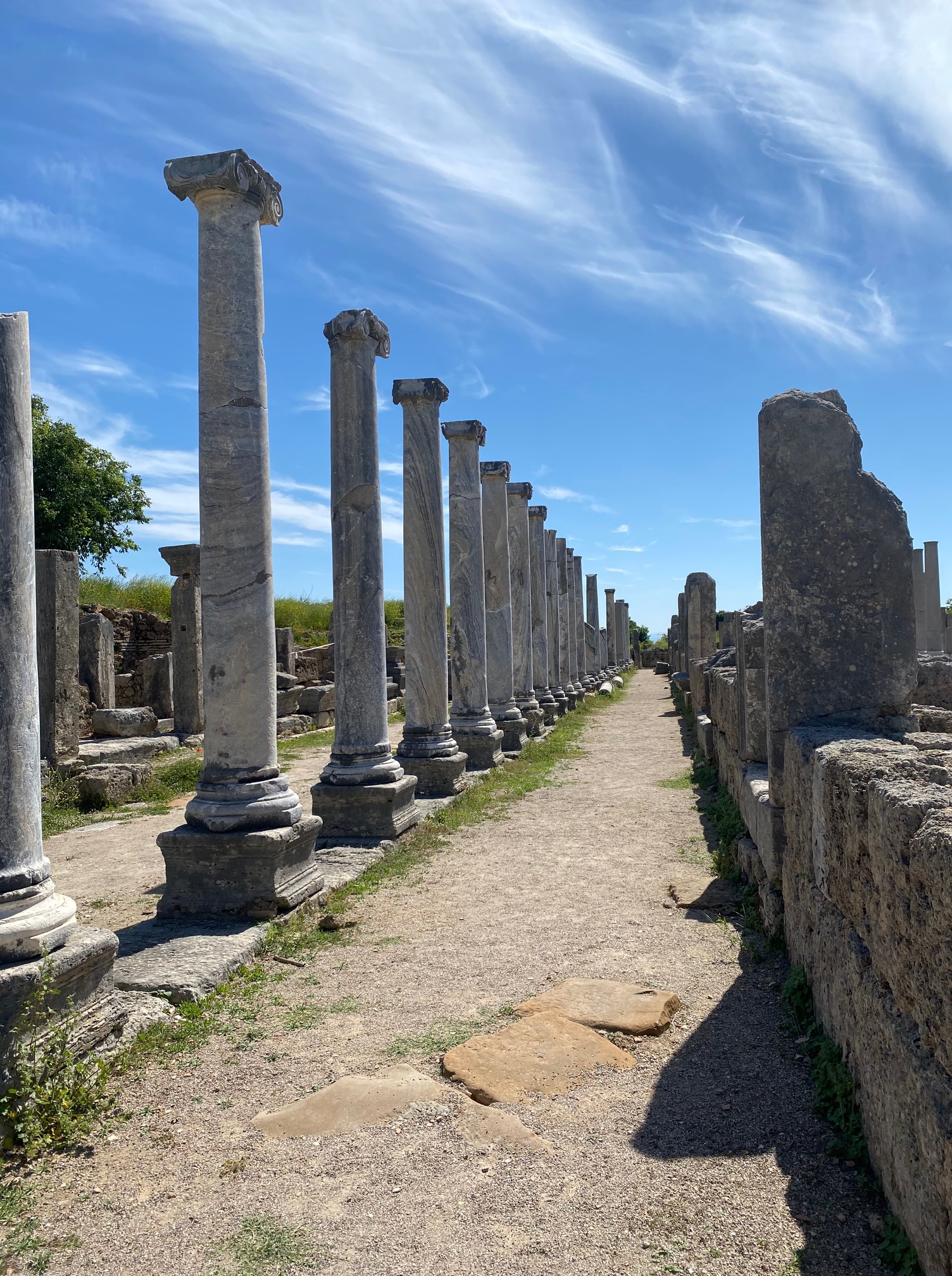
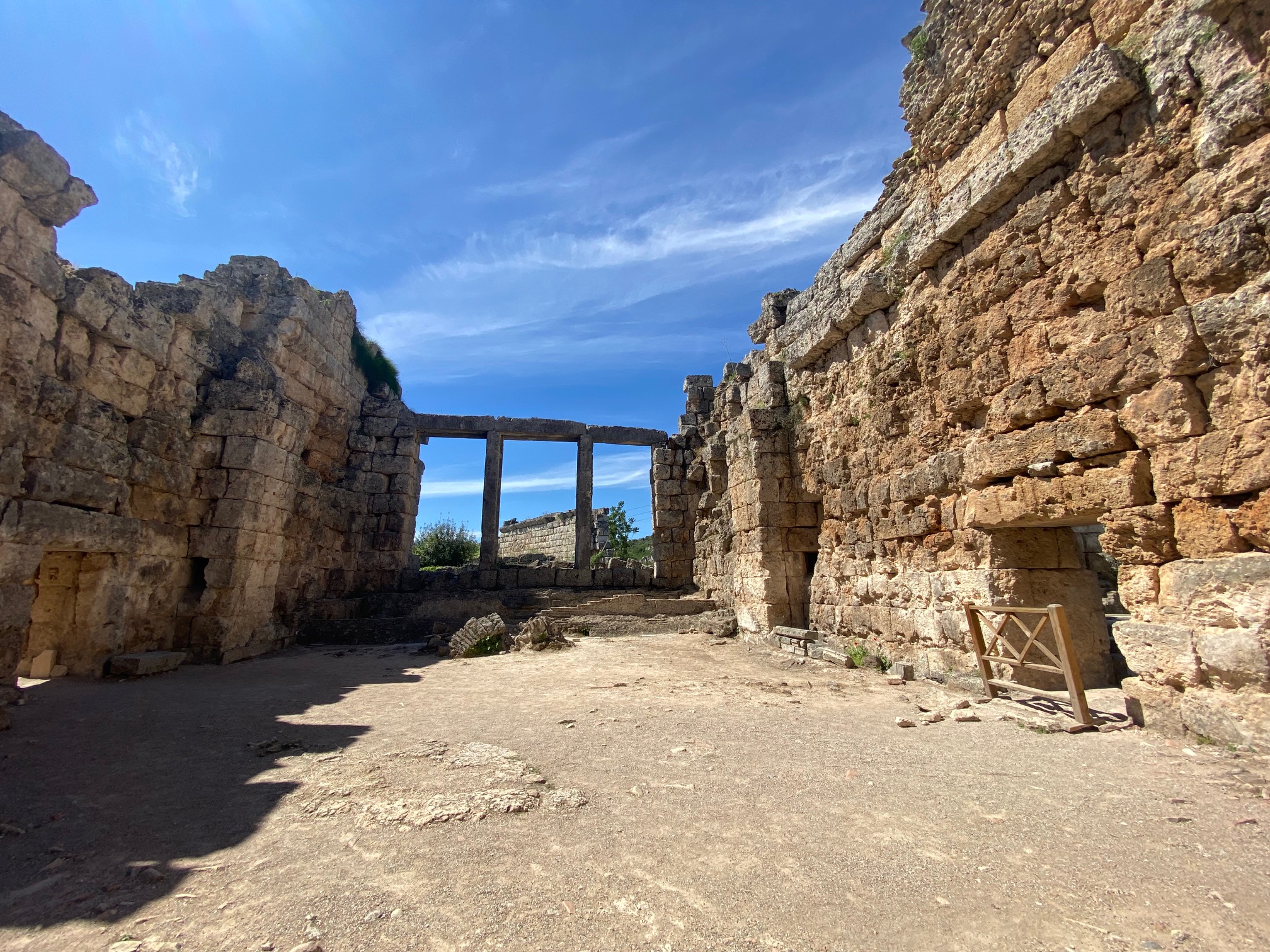
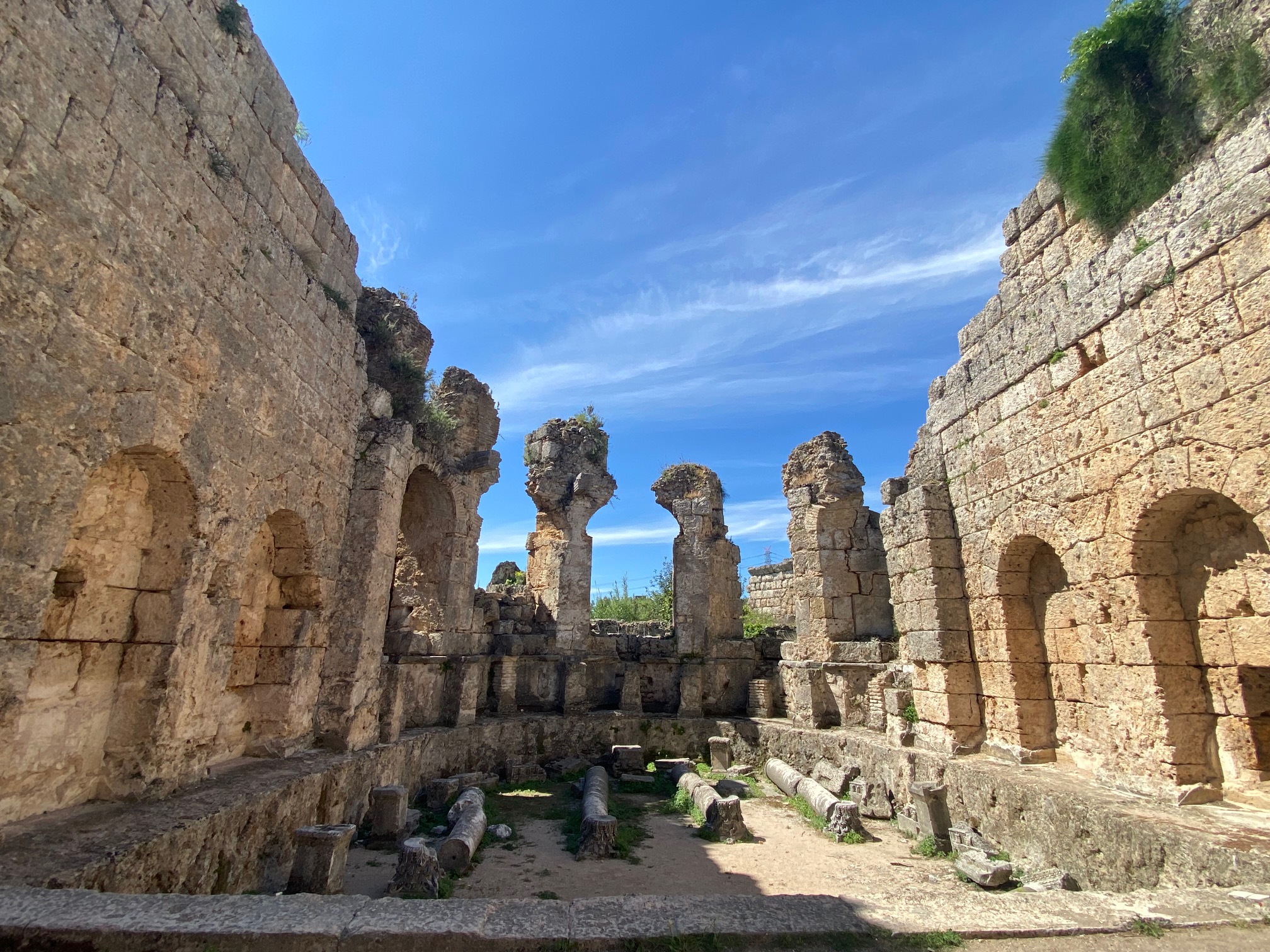
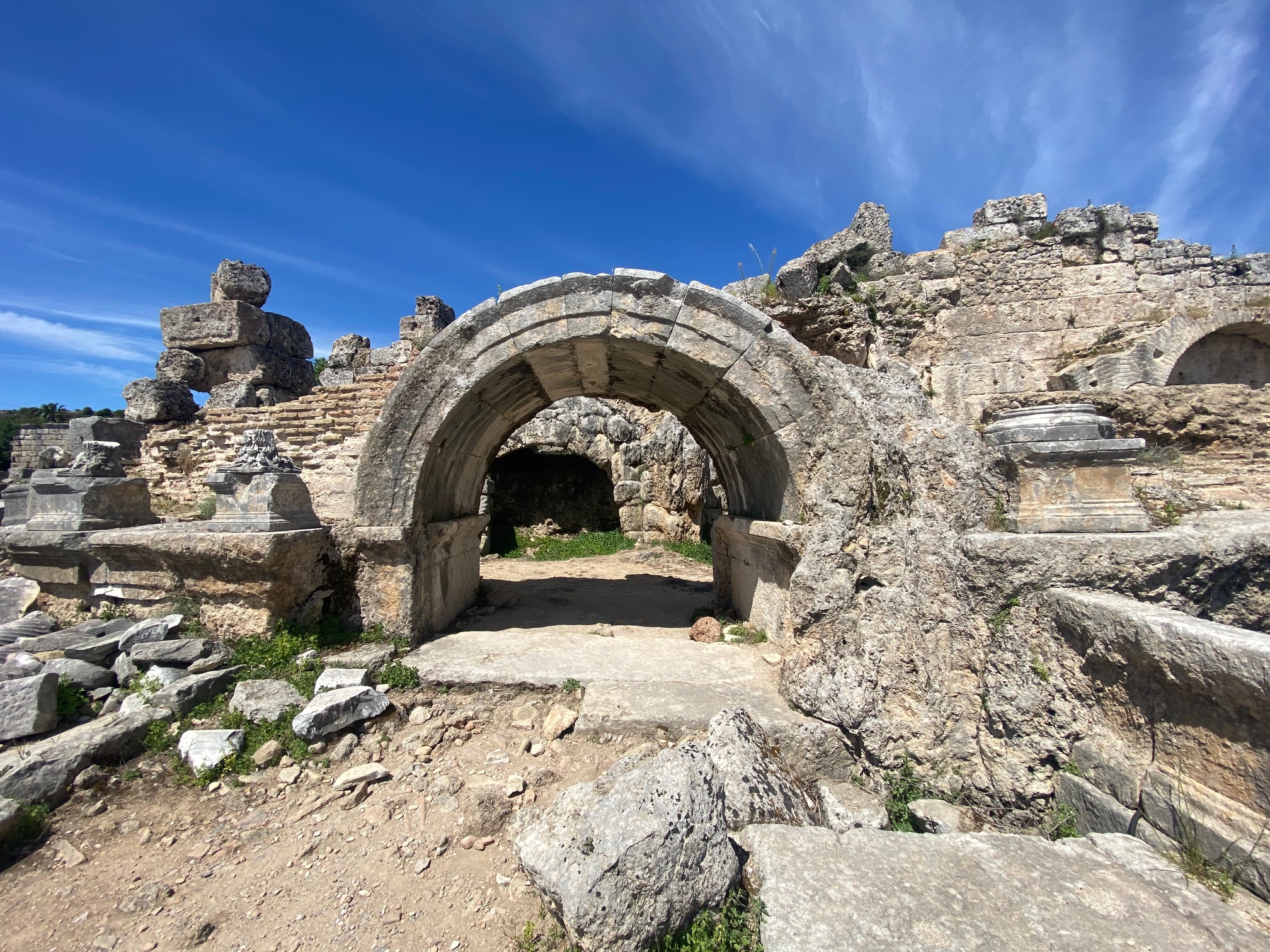
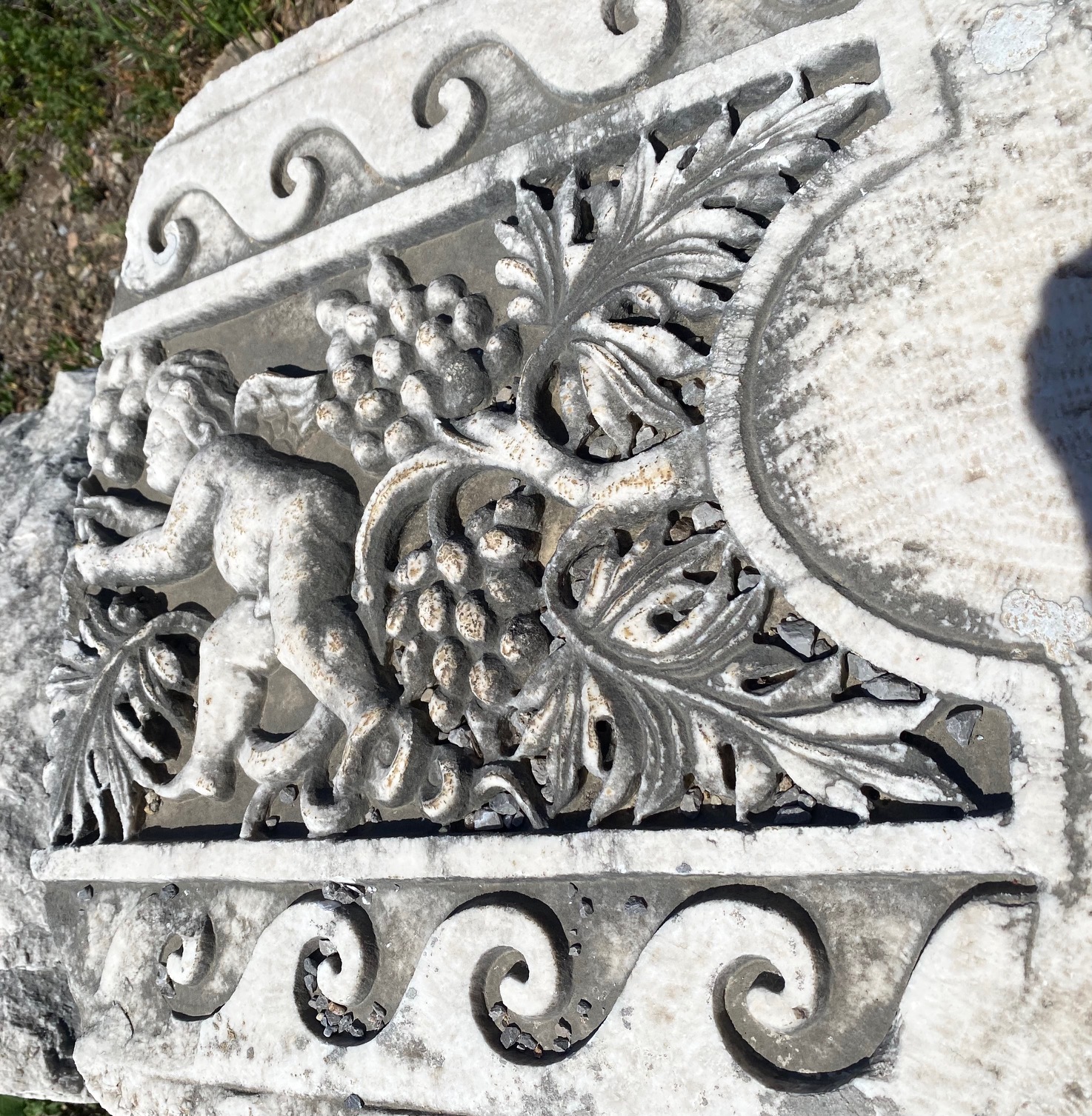
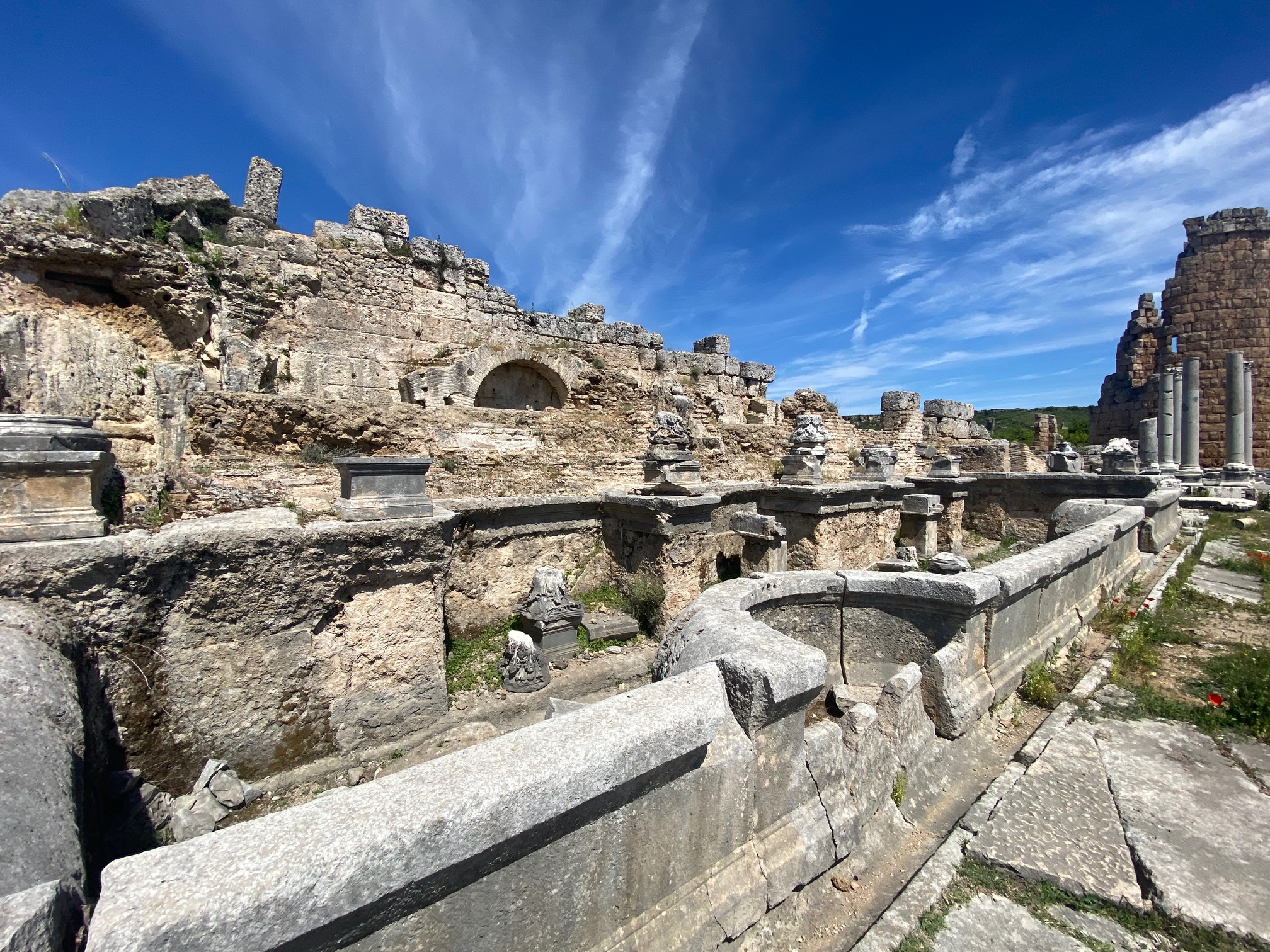
Perga was an ancient Greek city founded in 1209 BC. although bronze-aged people lived here earlier. It was a big city covering 9.3 miles although it’s not all uncovered yet and extensive repairs have the theater closed this year. Alexander the Great used Perga as an important base to spread invasion inland around 334 BC.. He made Greek the language and written word of the land. The Hellenistic gates were built during the reign of Emperor Hadrianus (117-138AD). Currently, archeologists are repairing this area but the surrounding (later) Roman expansion with niches for marble statues can be explored.
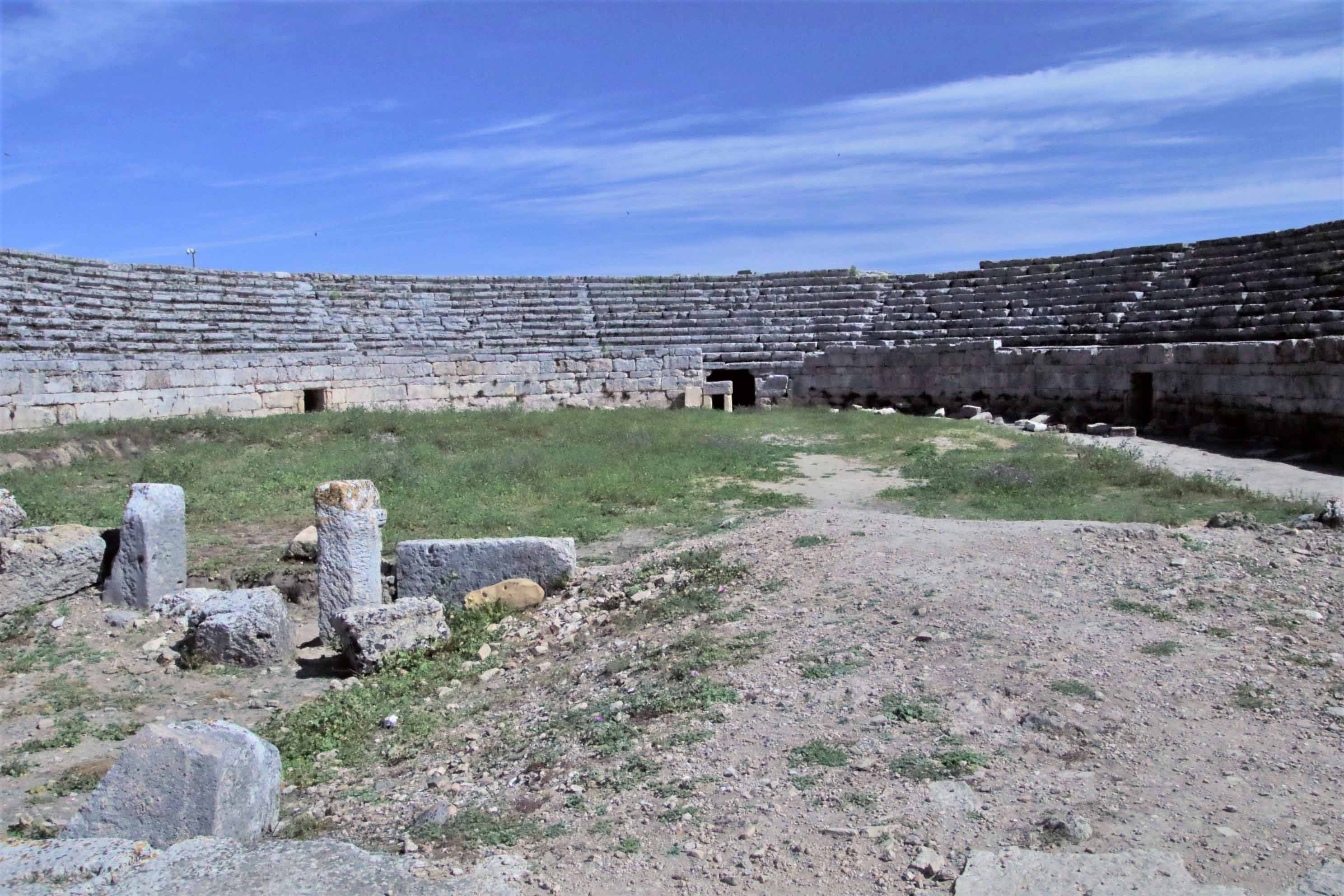
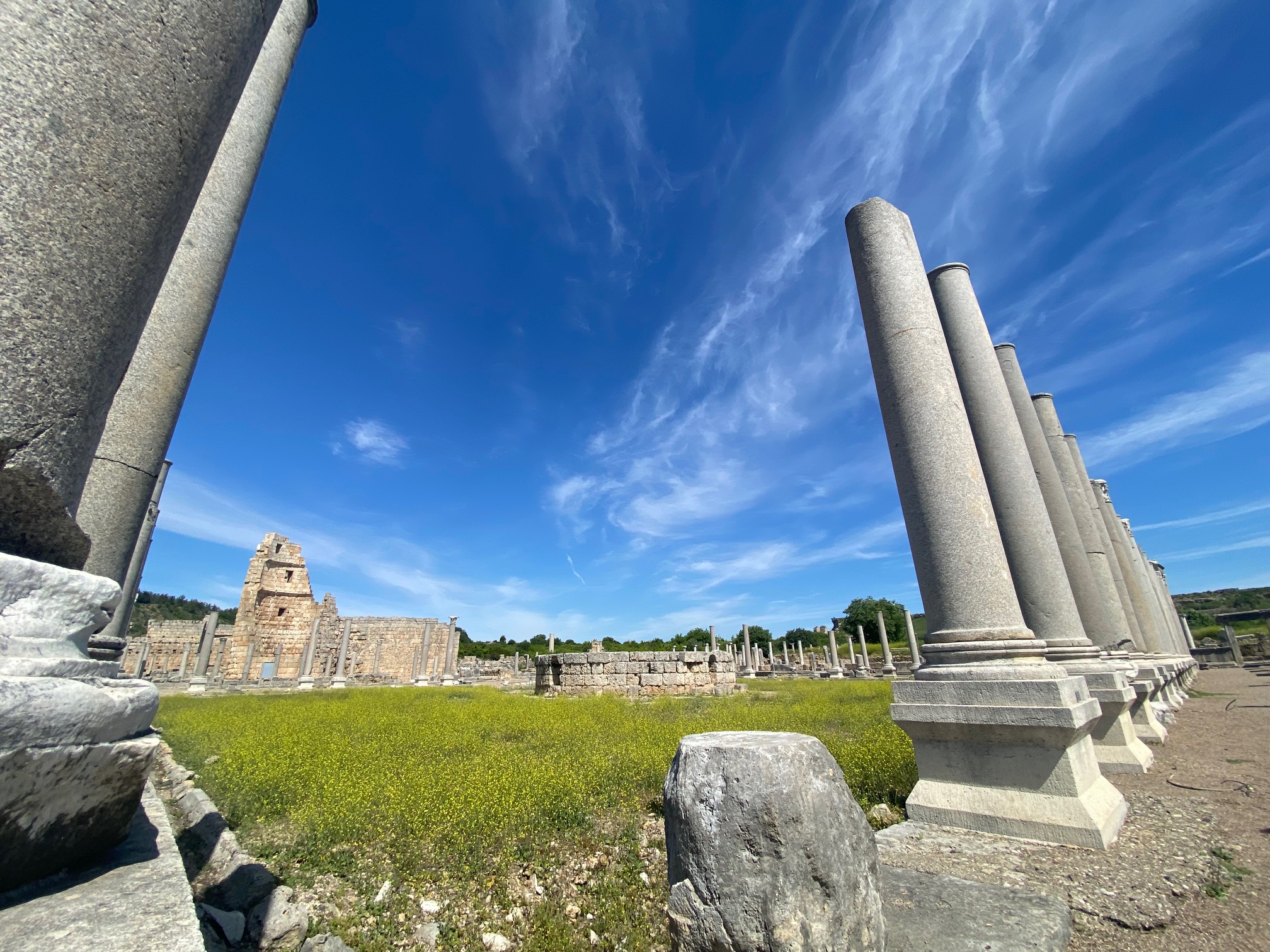
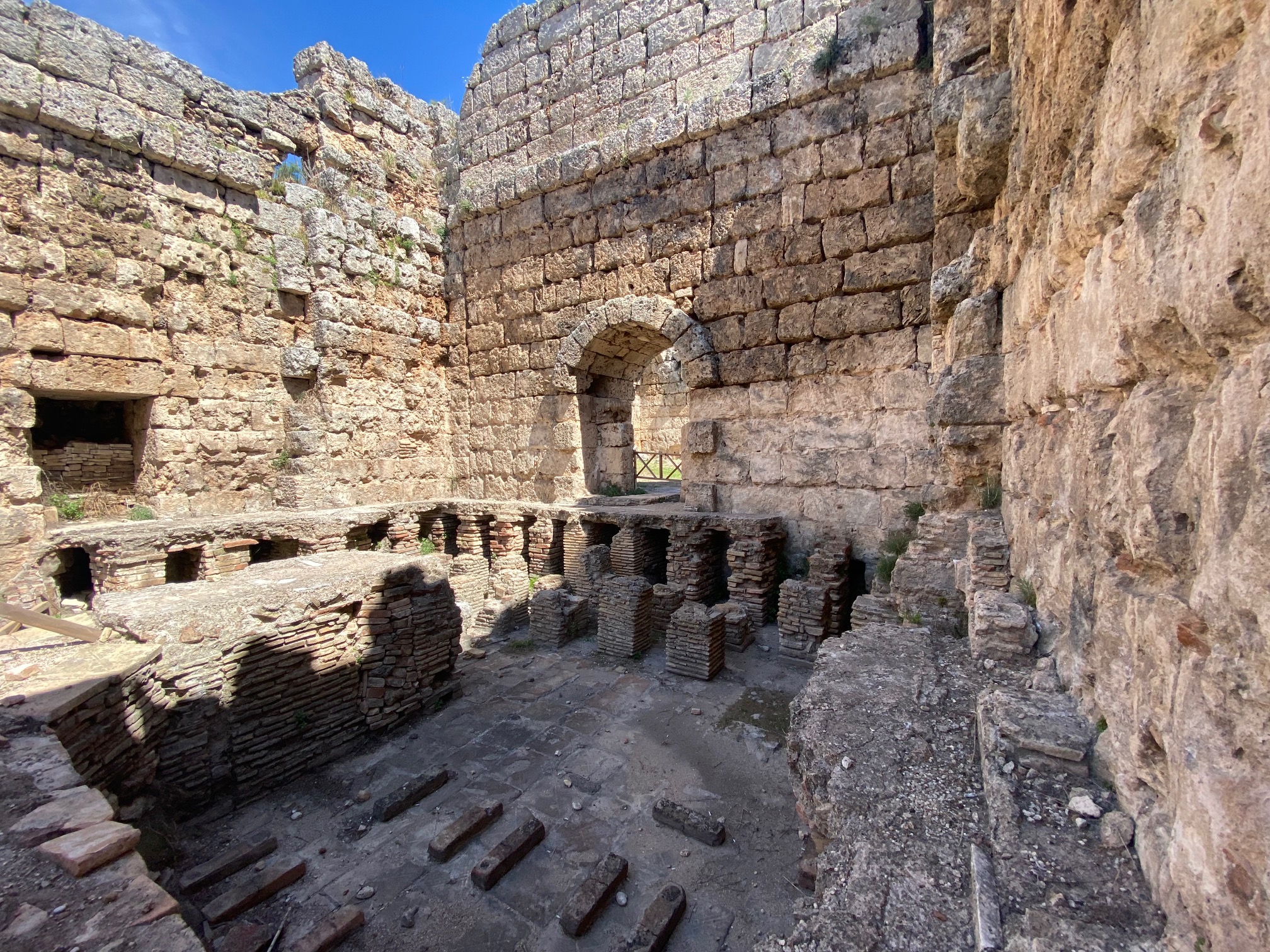
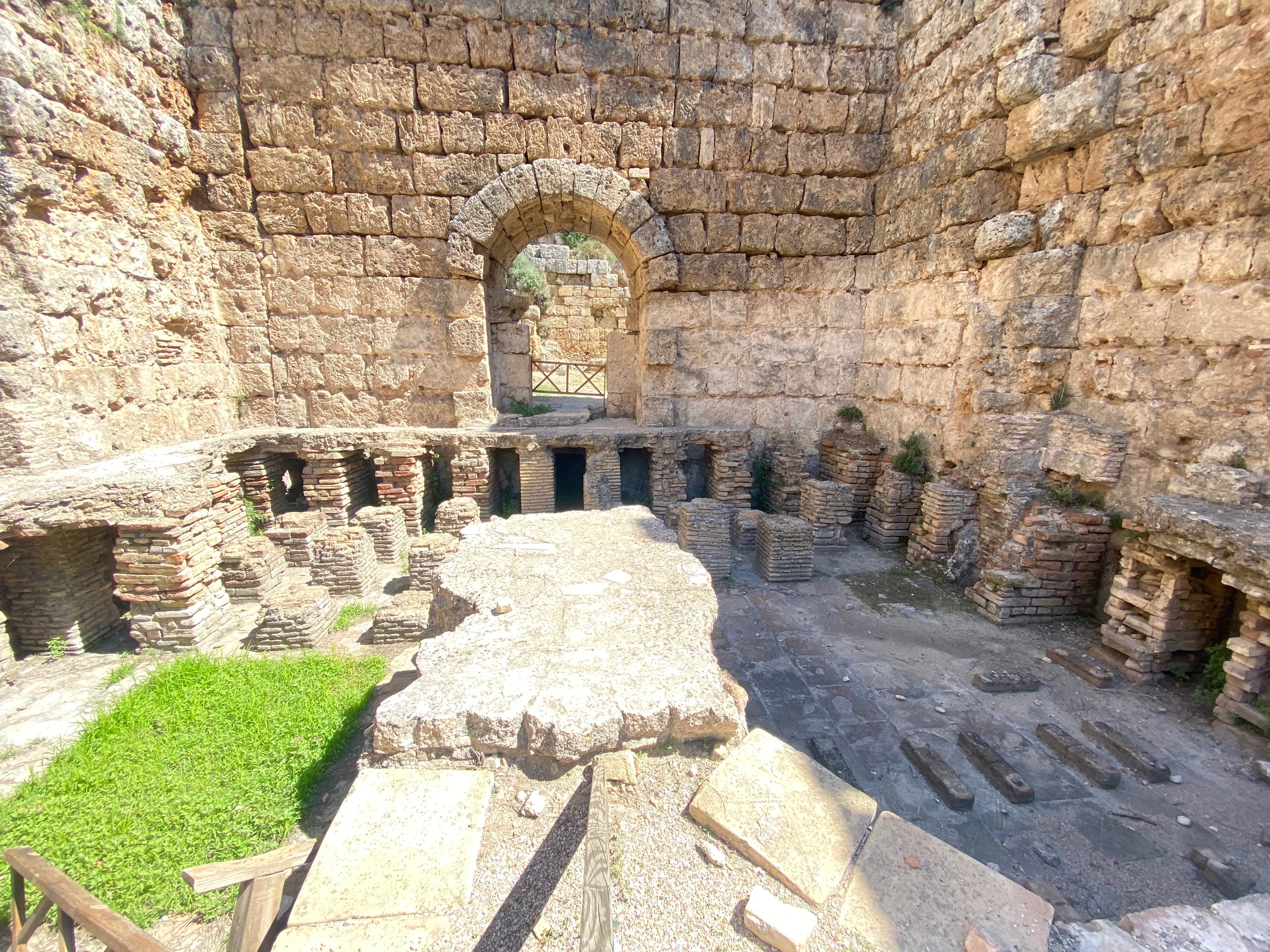
Perga really sparkled with the Romans occupation (1-2AD) when the town grew past the Greek Gates with the additions of a Theater, stadium, a marble floored Agora (market), and a pretty amazing Roman bath. After St. Paul and St. Barnabas set up a mission here, there were 2 basilicas built that I believe are in ruins.
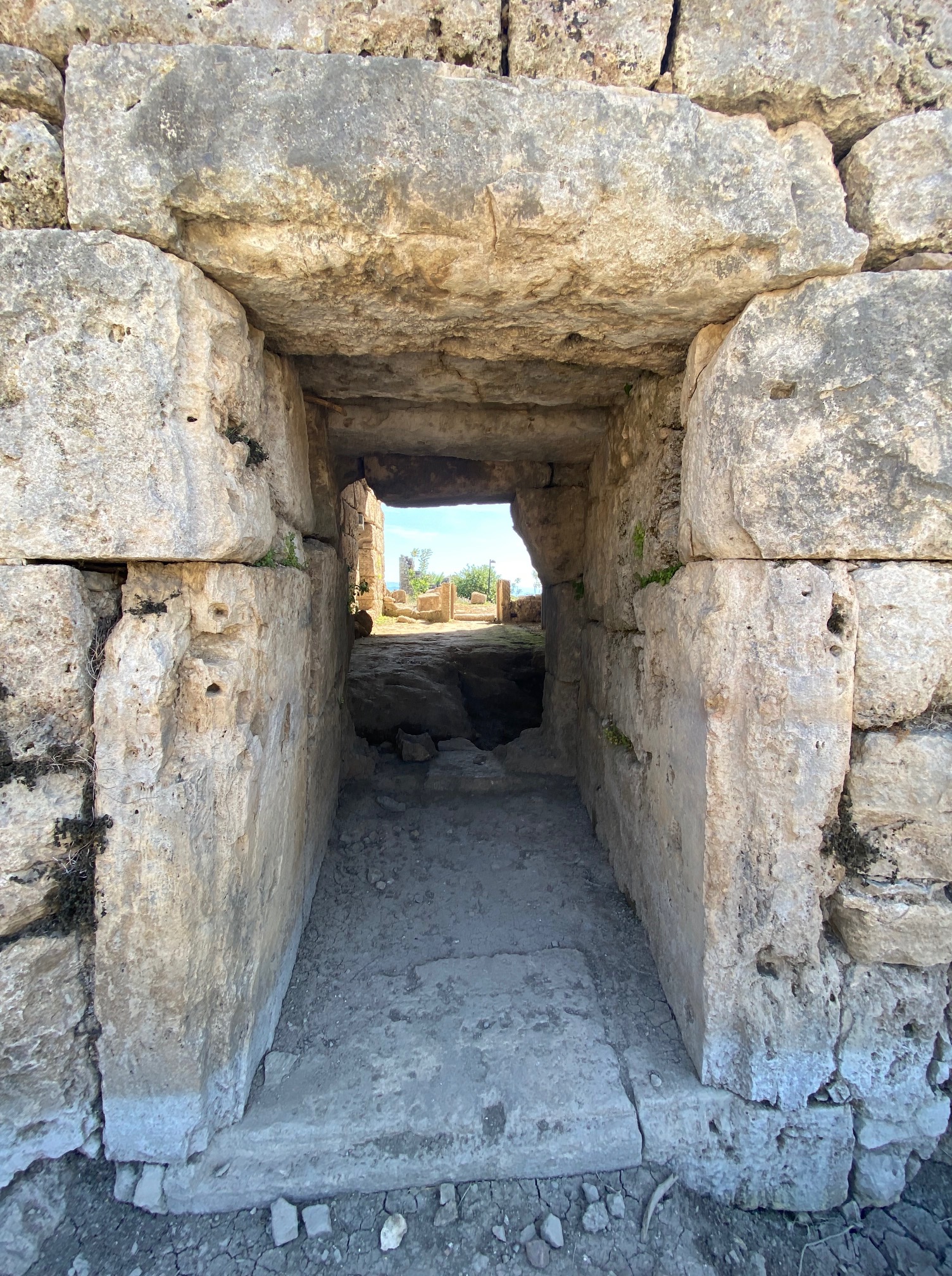
STADIUM–held 12,000 spectators to all kinds of games and races.
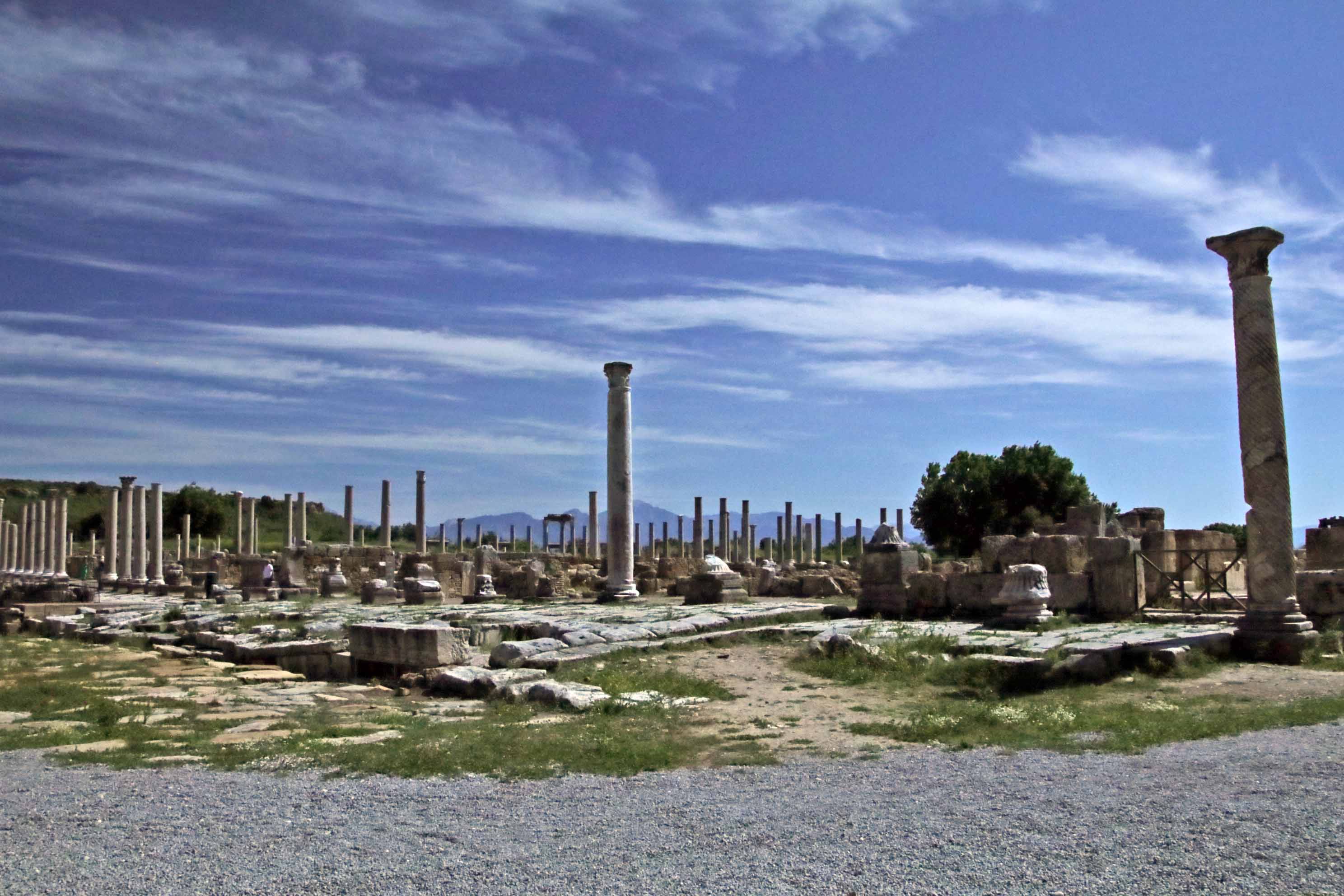
AGORA–the marble tiled floor is covered for protection but it’s still there! Imagine this space with vendors under a covered roof and a little temple in the middle?
Main Street—imagine cascading water that flowed down fountains in the middle of the street. The marble street has etched grooves from many chariots that traveled on it. Did you know that the ancient width of a chariot’s wheels is the width of track for a railroad? True!
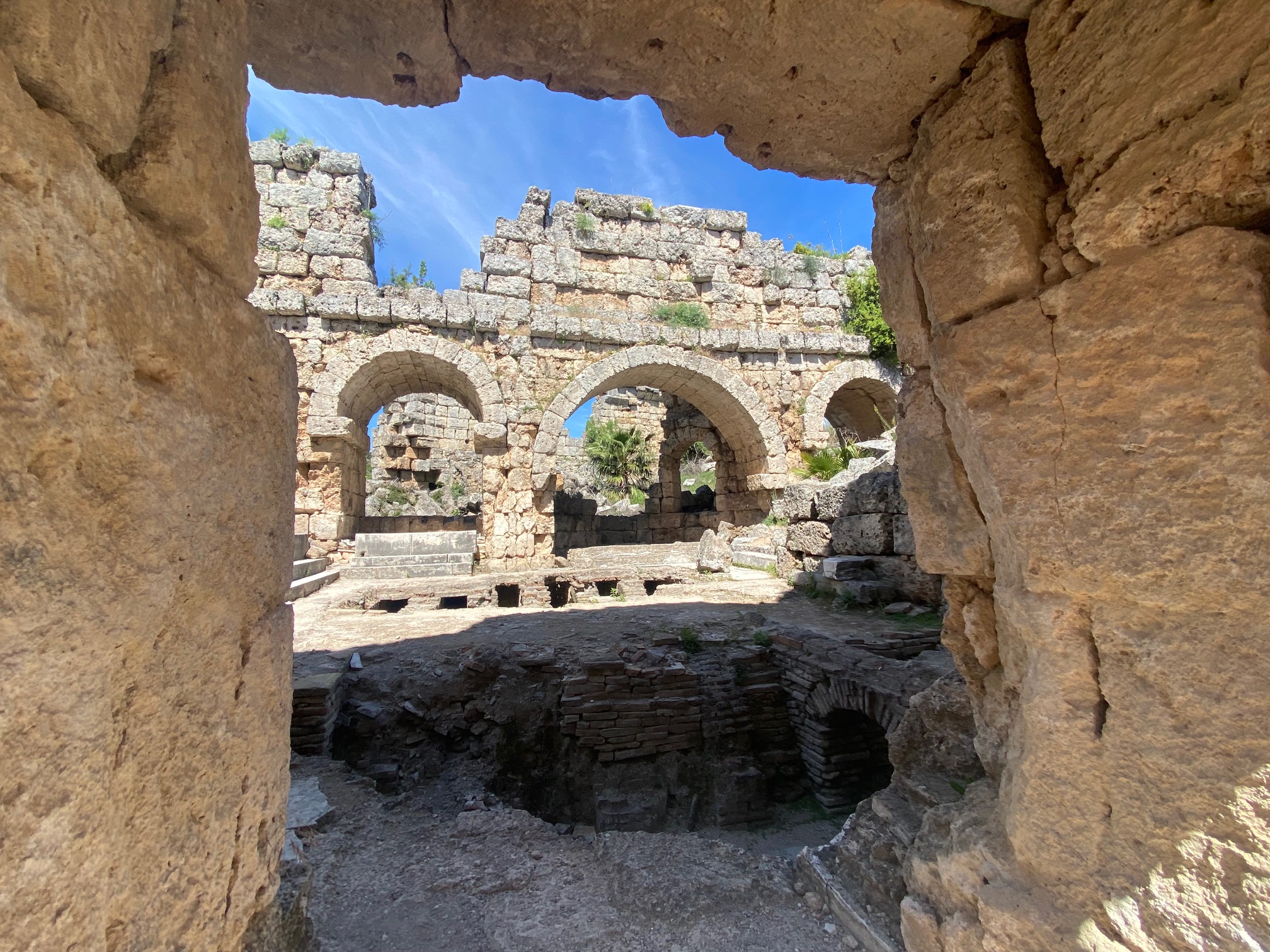
The Roman Bath had 4 marble mosaic floored rooms: Changing room, cold bath, warm bath and hot bath. You can see in spots where furnaces and waterpipes were under the floor. This place had exquisite marble statues all over the place! When you return to Antalya, go to the archeology museum to see them.
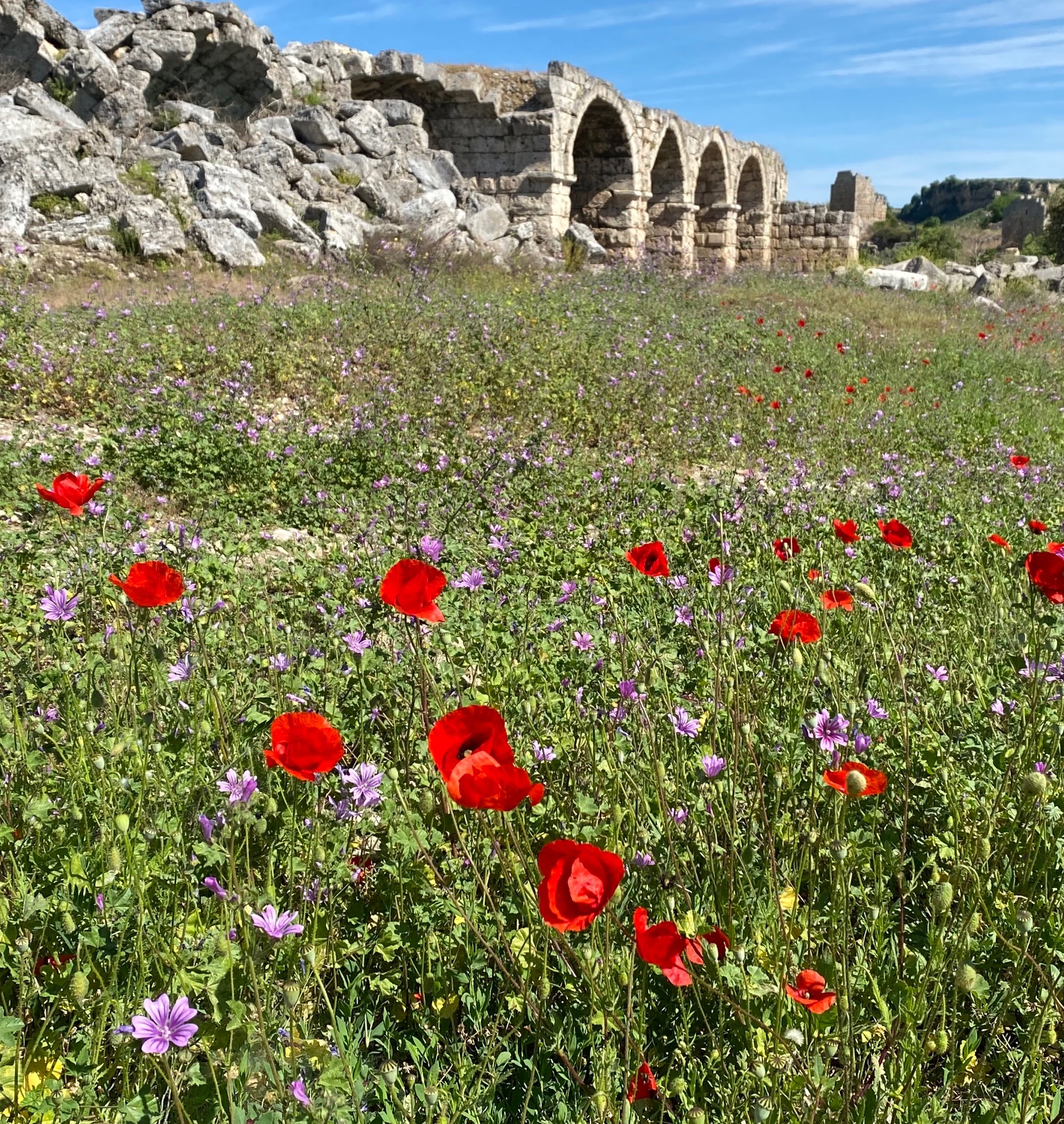
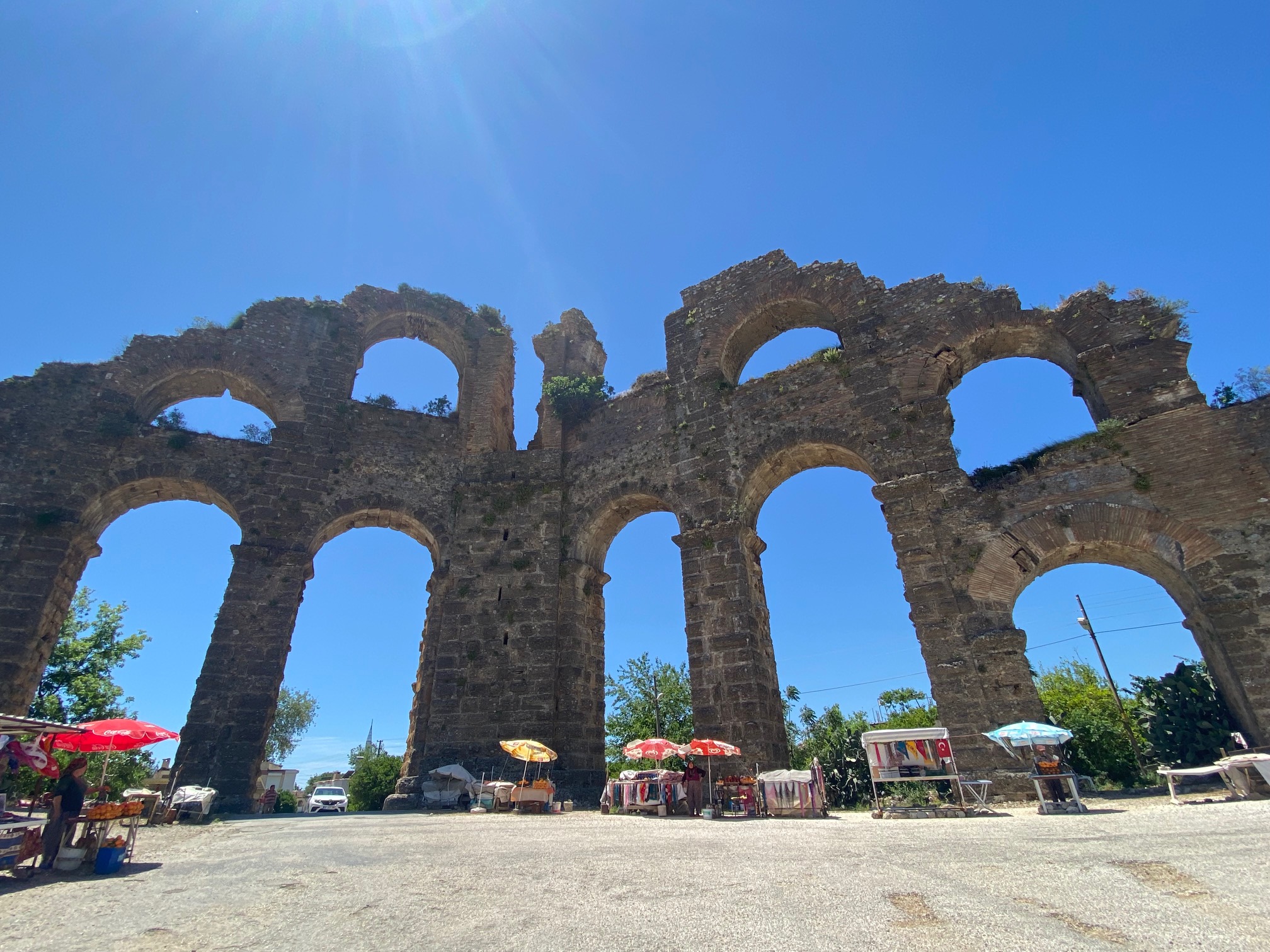
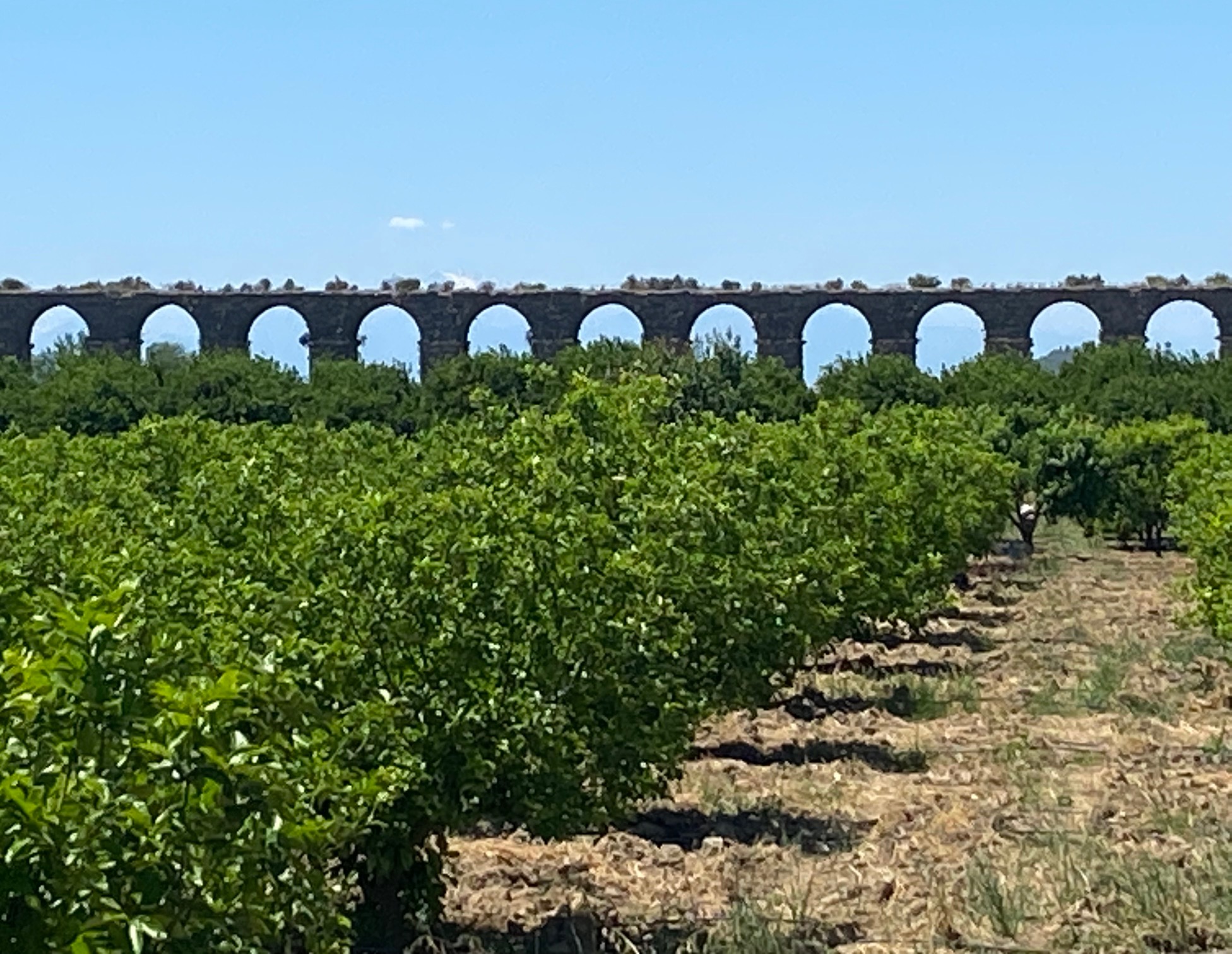
Benefactor fountains–there were beautiful fountains all over, fed from the nearby aqueduct pictured below, bottom left. The fountain was so large, I couldn’t get it all in one picture and it isn’t all repaired yet. The statues installed here are also in the museum.
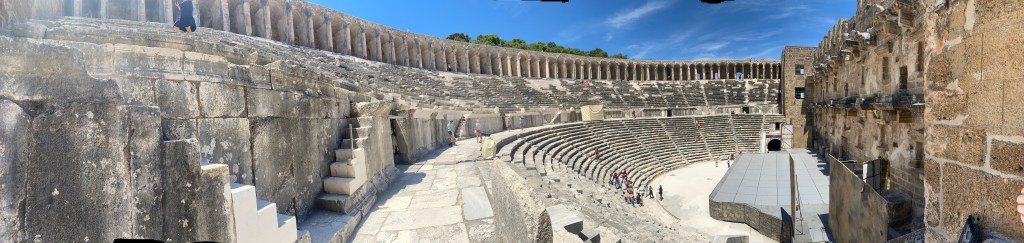
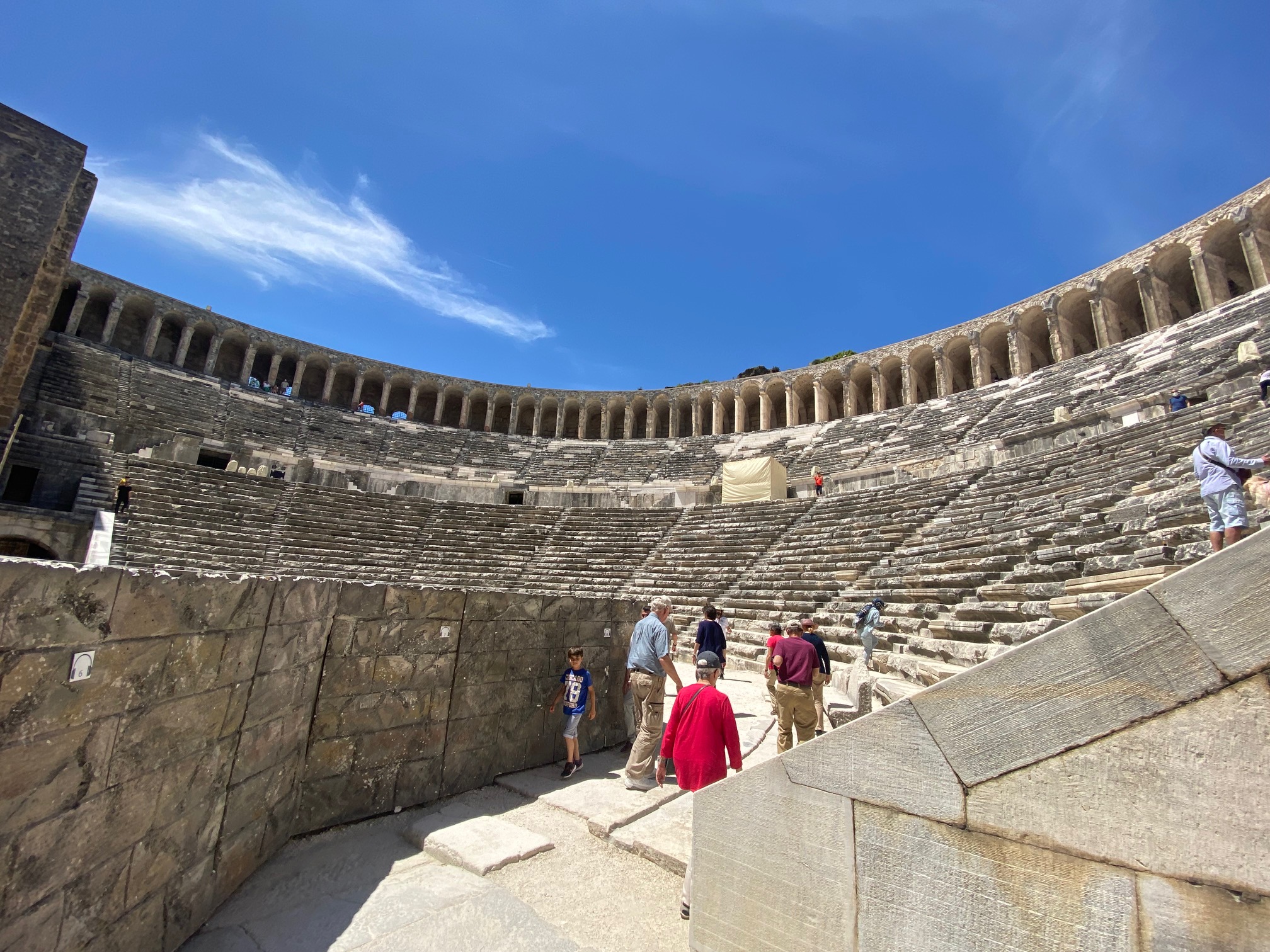
Nearby is Aspendos , another ancient city in ruins but the theater is the most intact in the world. For this we can thank the Turks who rebuilt it and used it as a caravan stop. This is also another check-mark for Atlas Obscura enthusiasts.
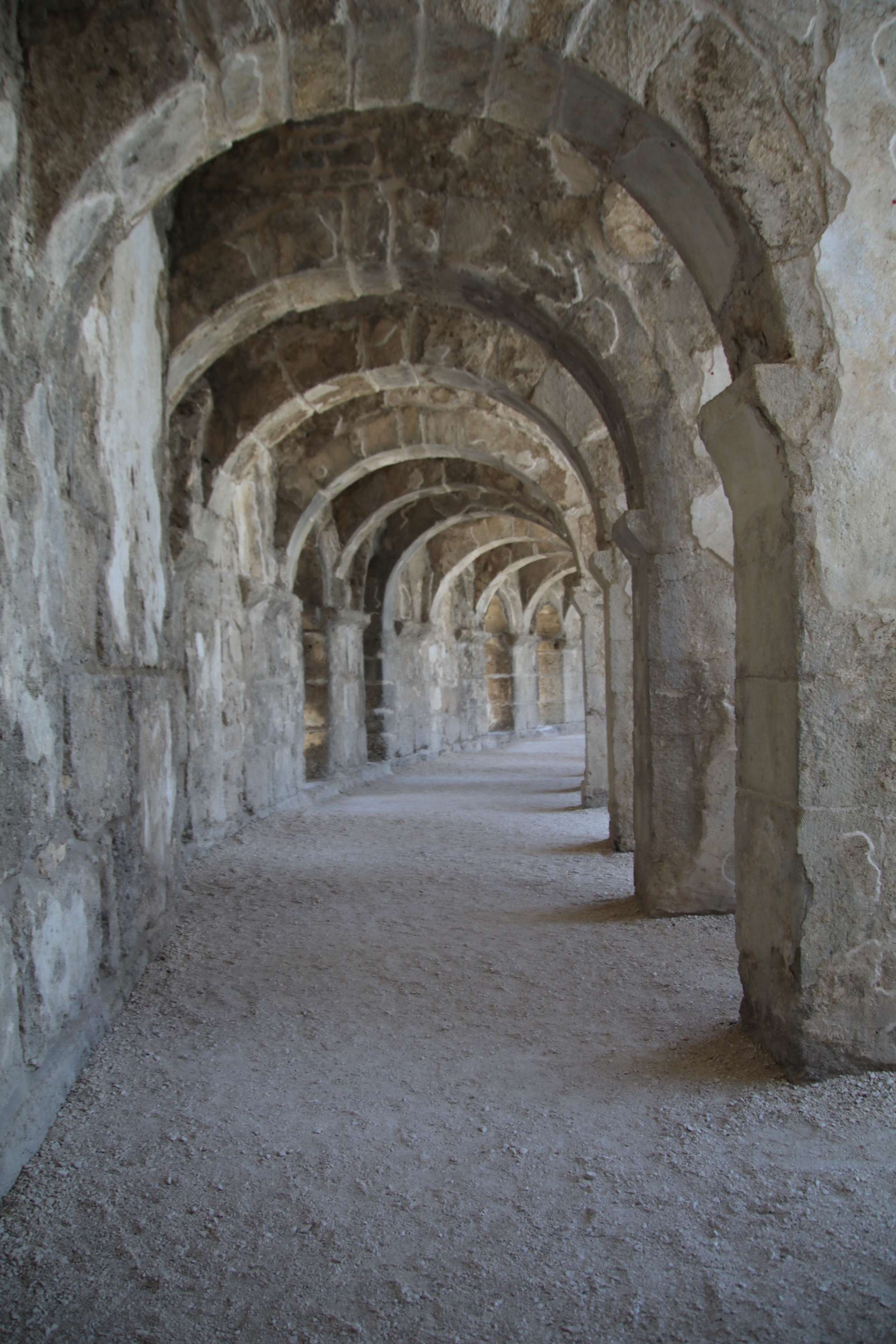
Originally, this was built during the time of Marcus Aurelius ( 160-180 AD) and held up to 8,500 seated and standing spectators. The width is 315′ across. There is a beautiful 2-story backdrop and two towers that flank the stage. Today, this theater is still being used for opera, ballet and music.
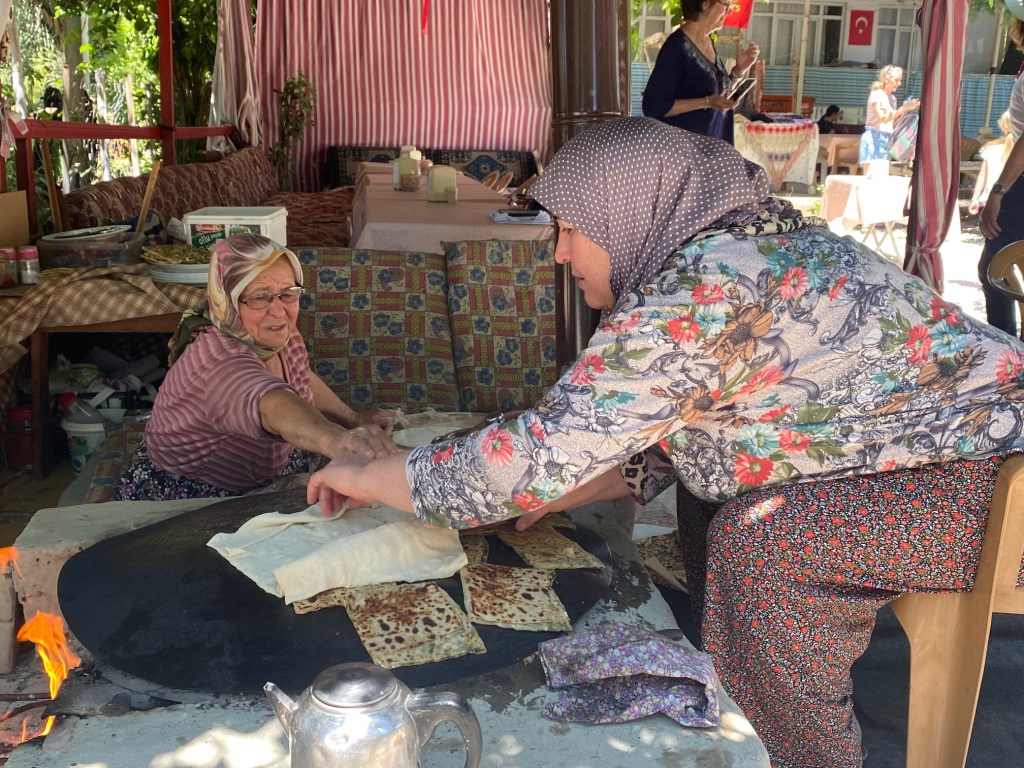
Nearby is a little street side restaurant serving Gozleme—flatbread with melted cheese and spinach.
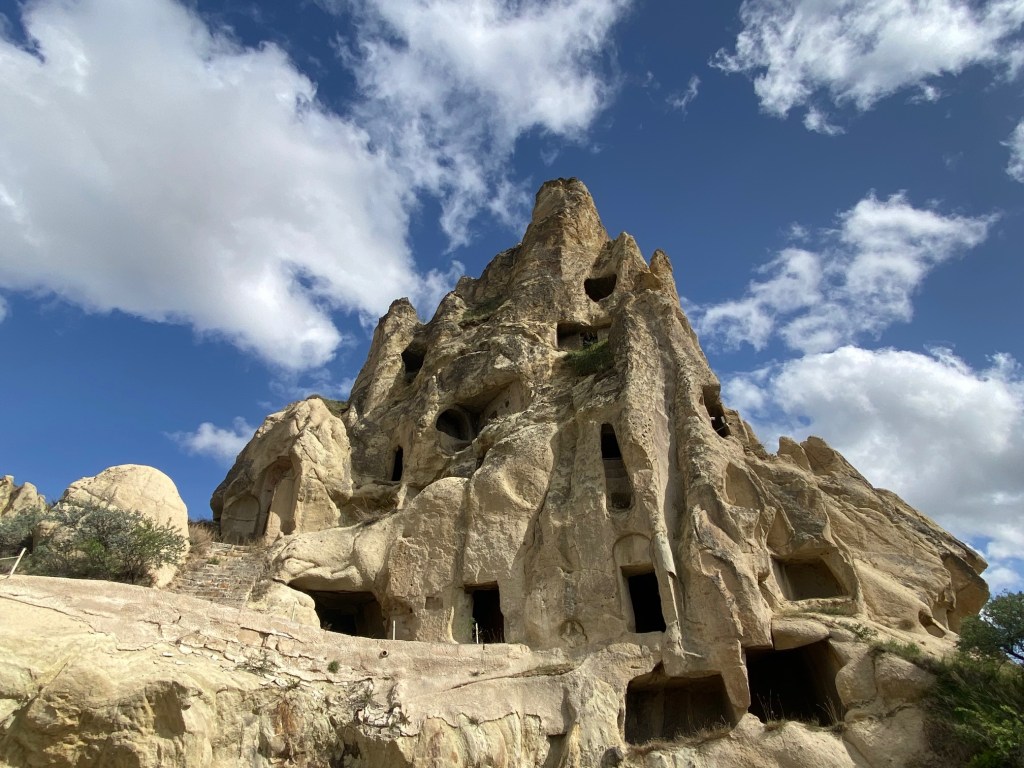
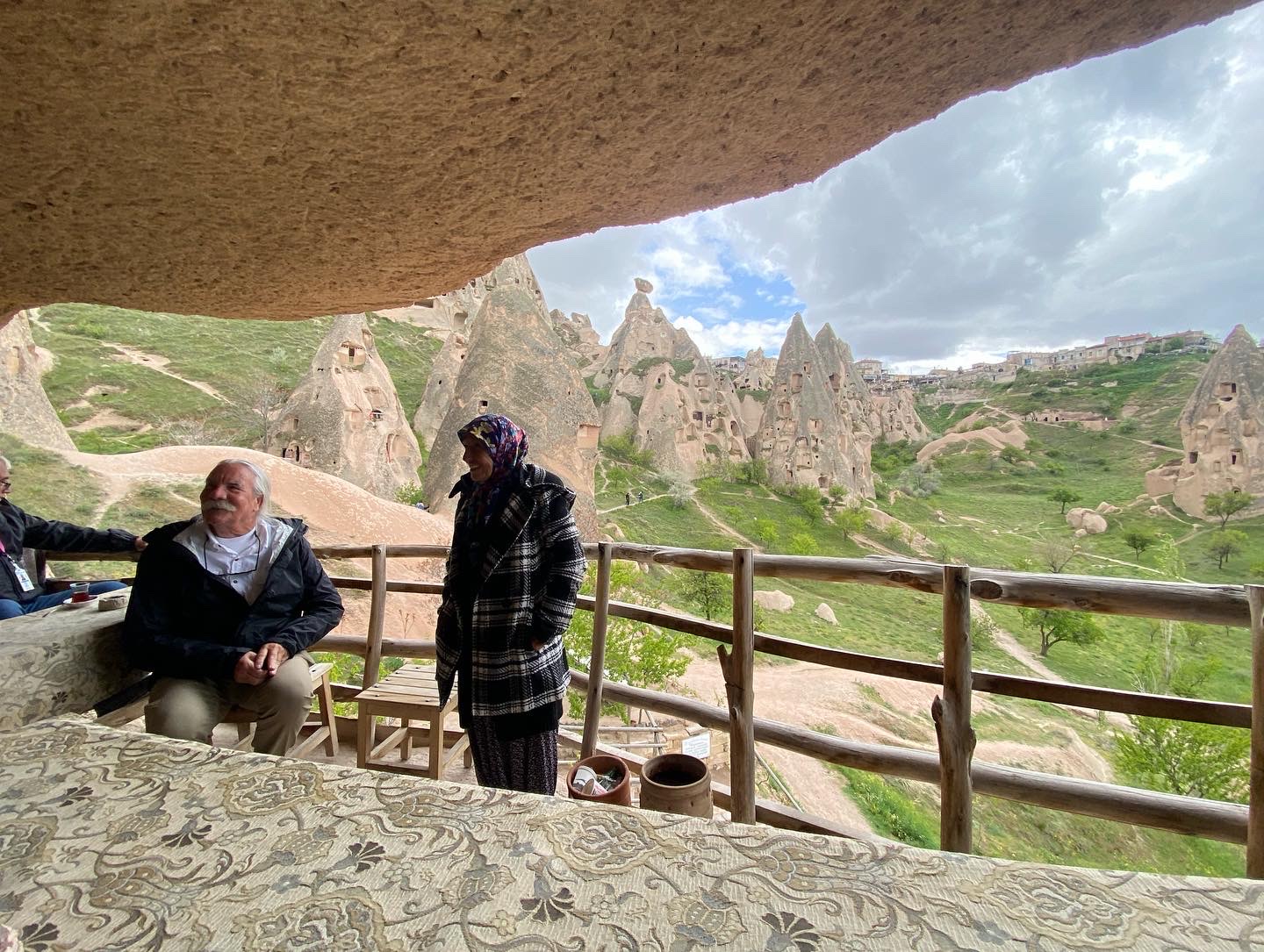
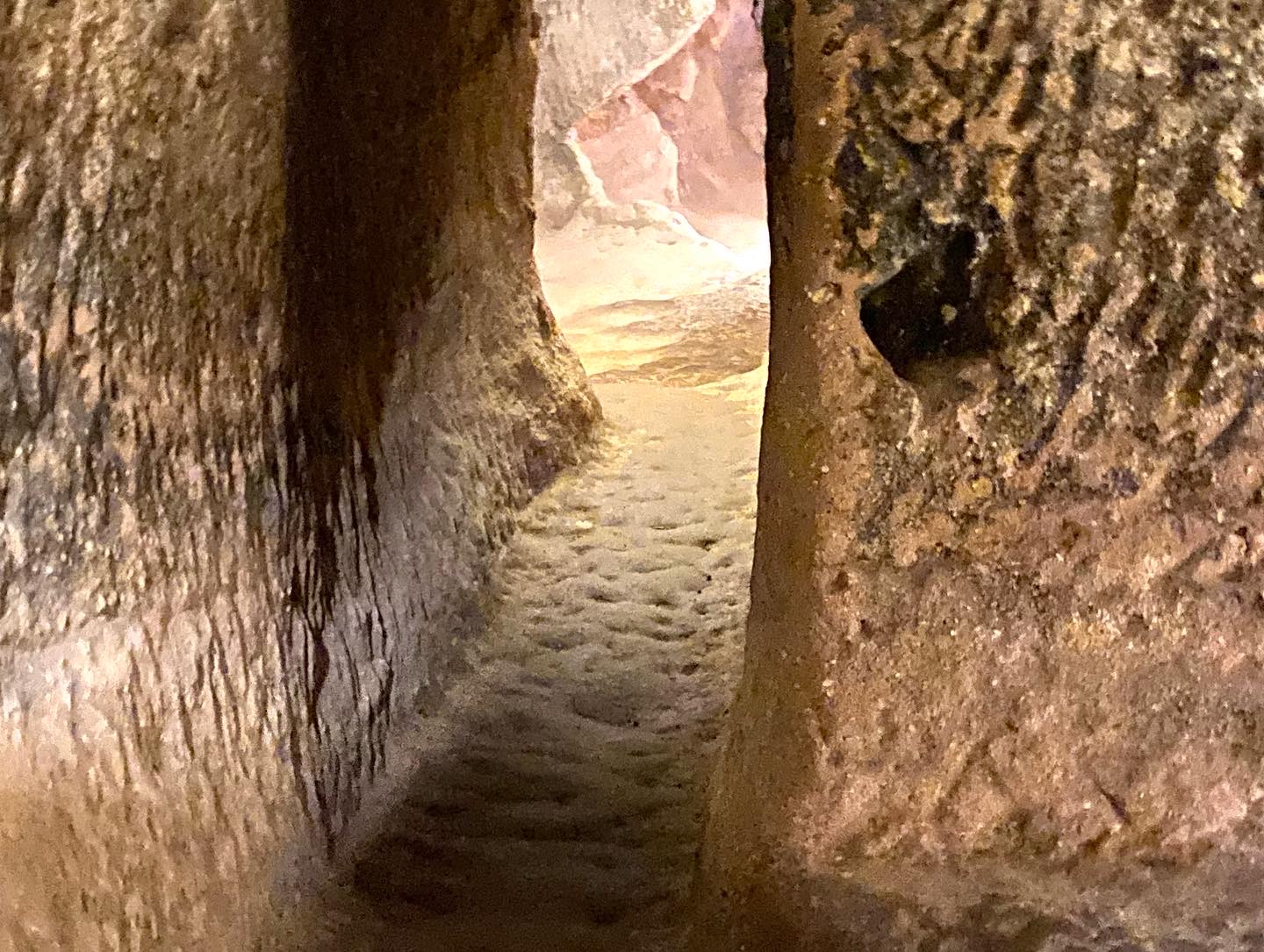
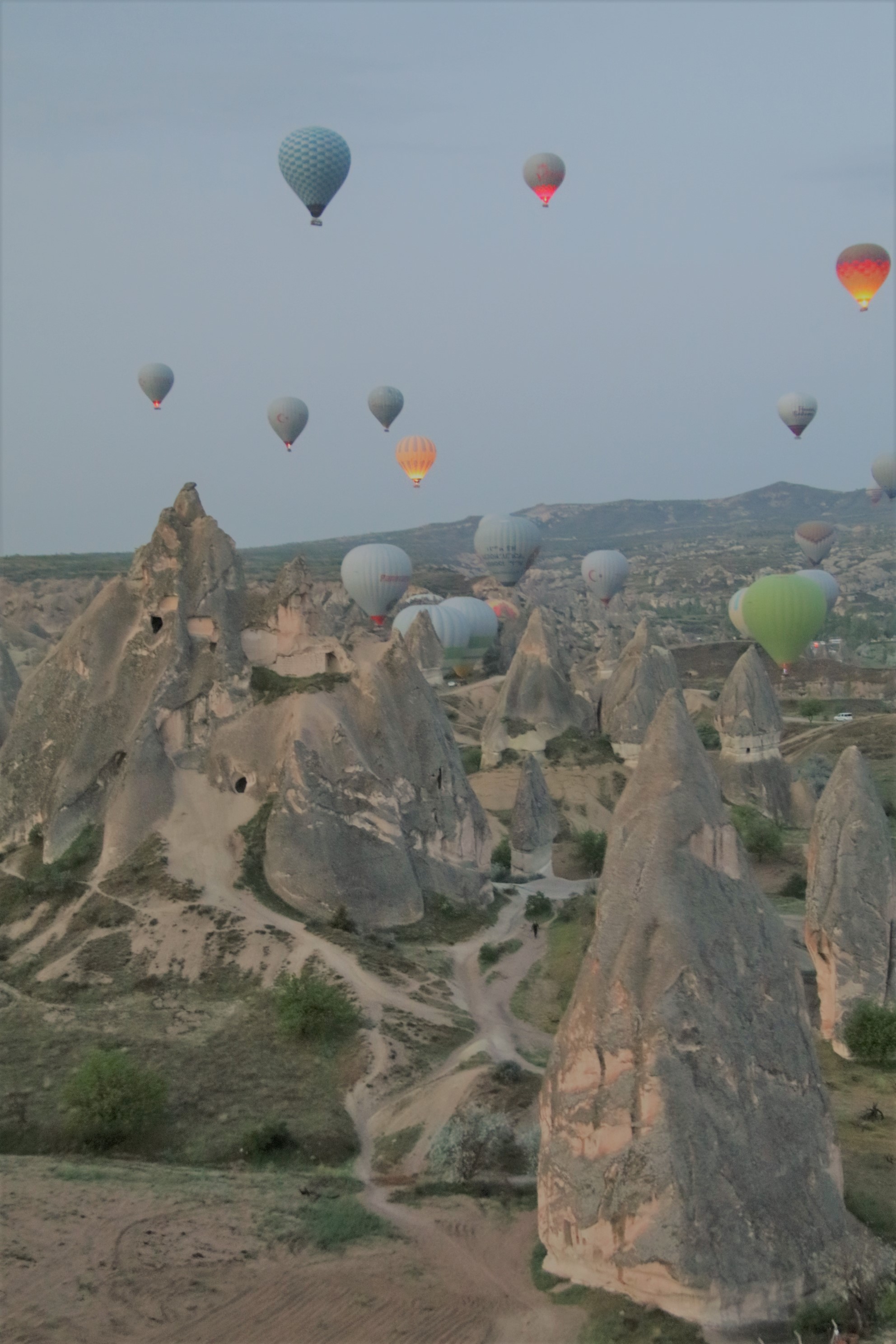
The Cappadocia region of Turkey is enchanting with narrow canyons covered in cone-shaped chimneys formed from volcanic ash (tufa) that fell 14 million years ago. Dwellings date to 4,000 BC, but The Hittites dug out the soft stone in 2,000 BC and named this place “Cappadocia” which means “Land of beautiful horses.” The name and love for horses stuck and the two volcanoes seem to be extinct.
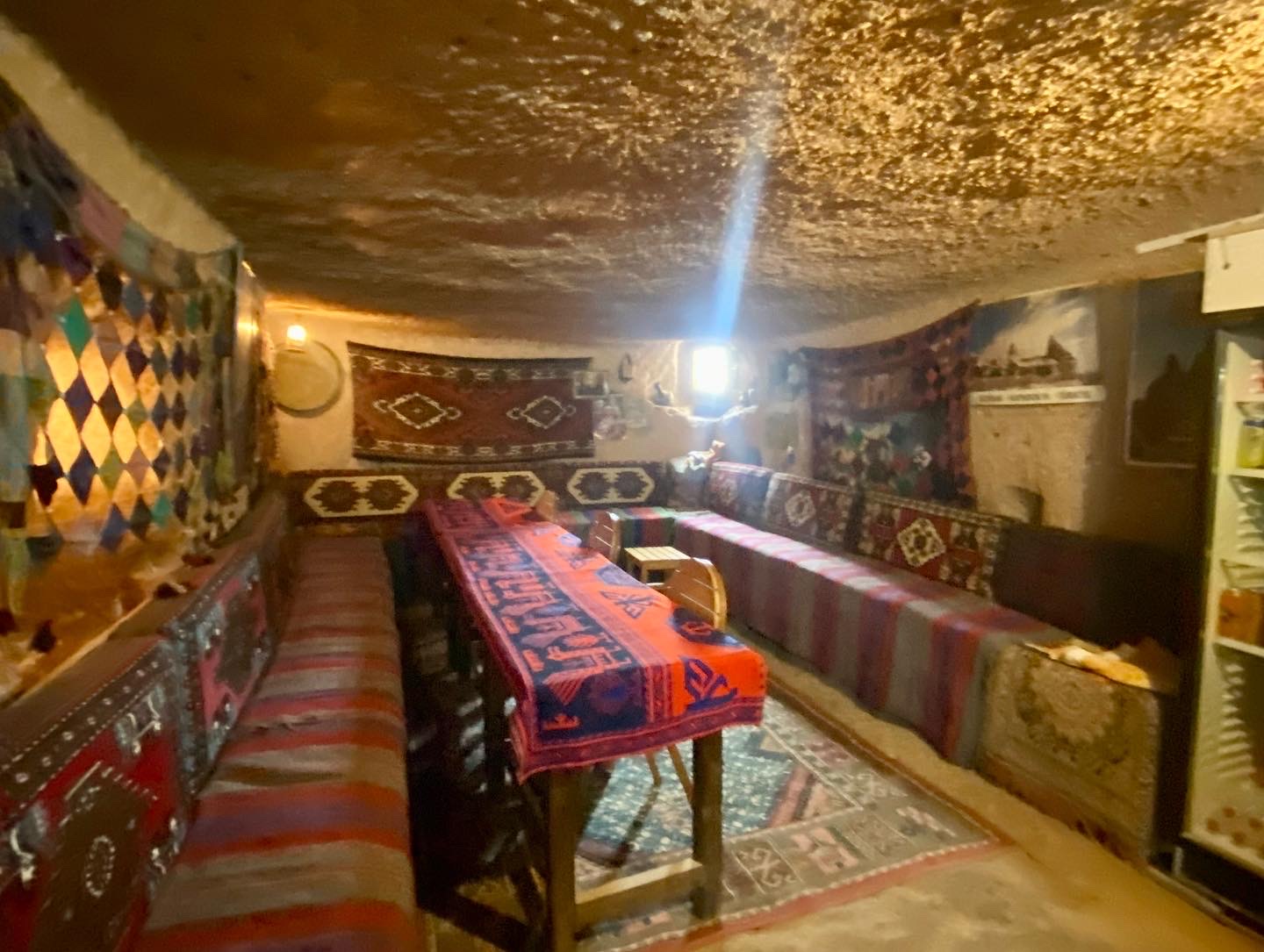
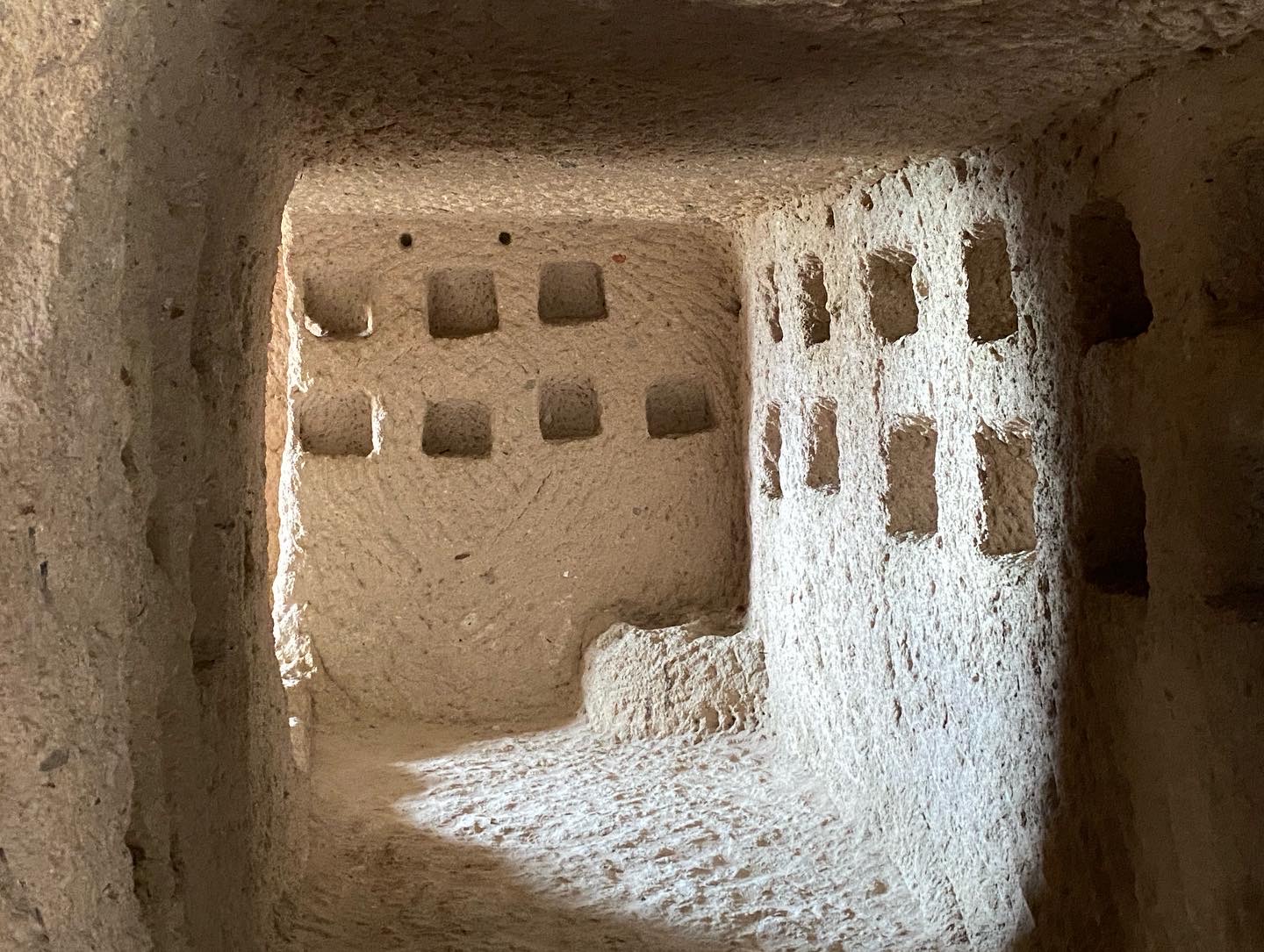
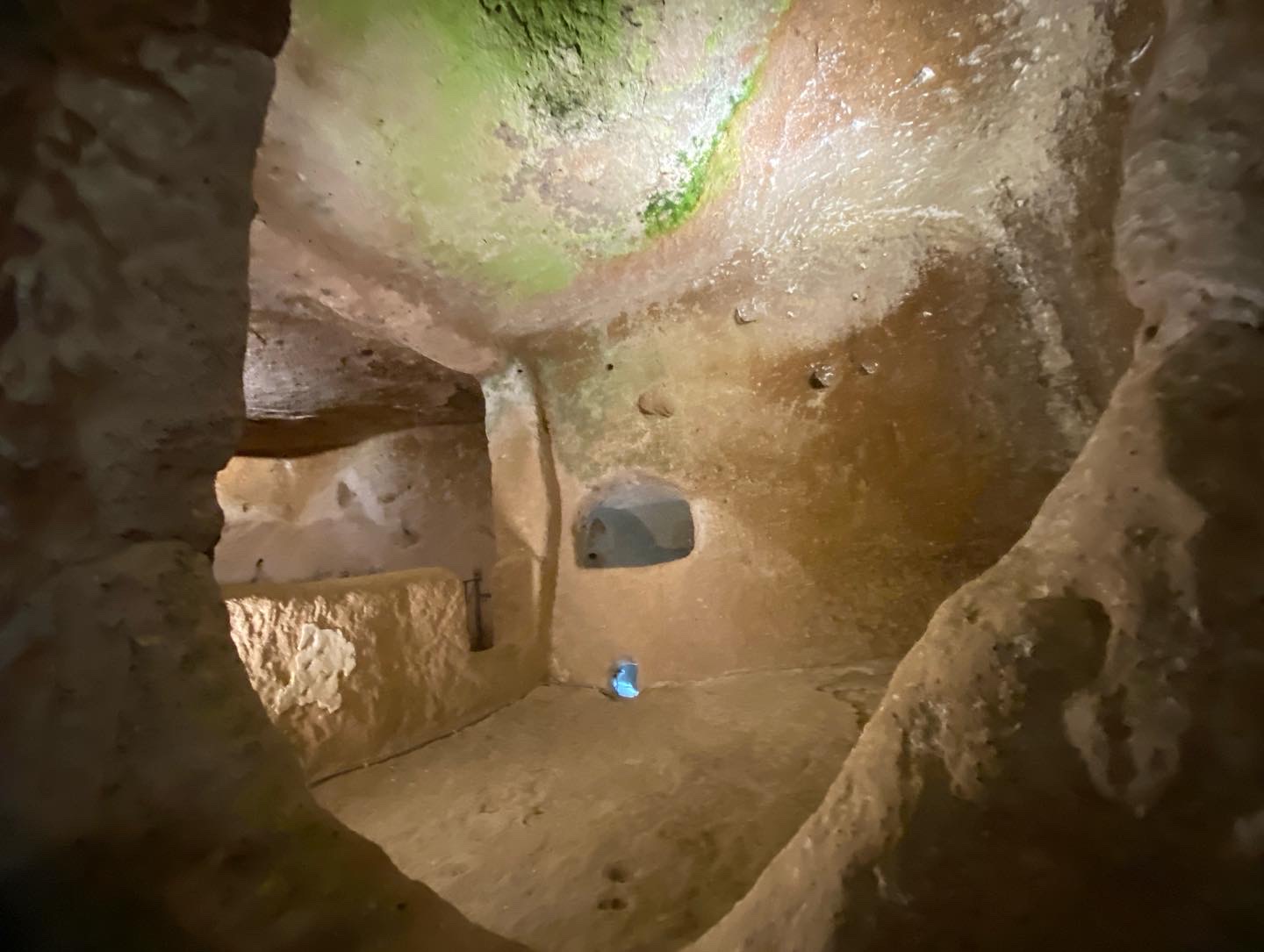
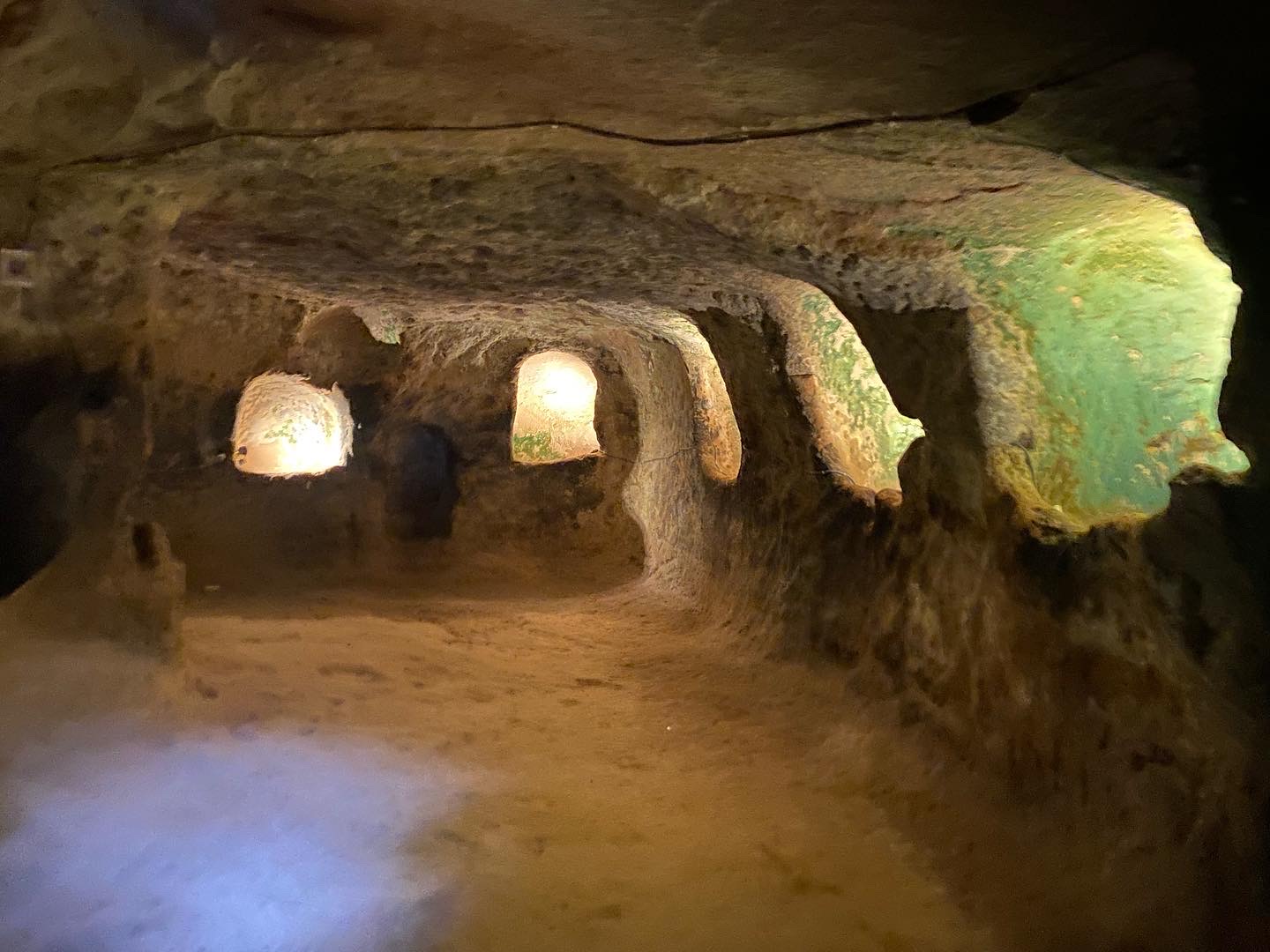
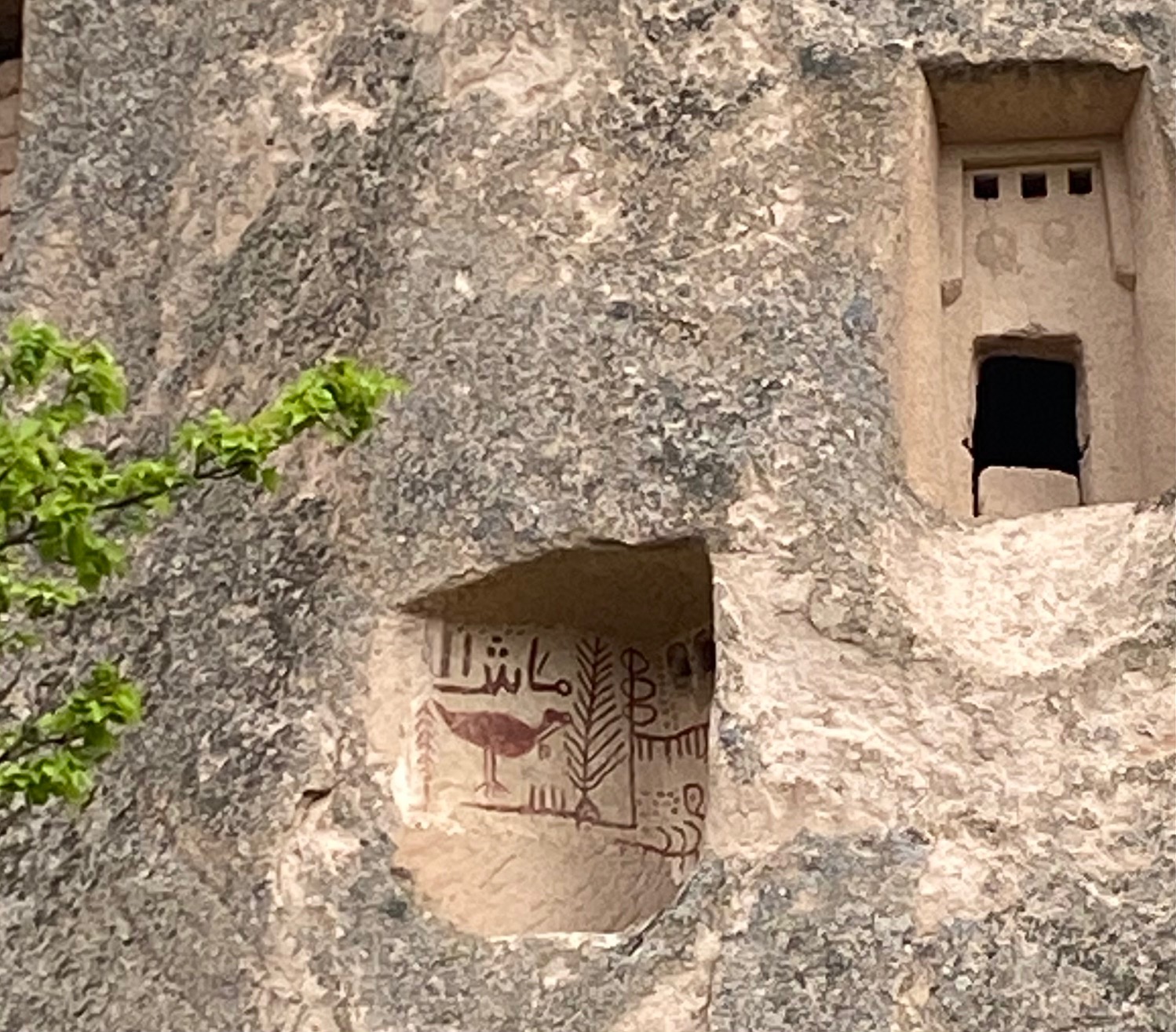
Some of these homes were multi-roomed with central firepits and crop storage rooms that remained cool year-round. Many had pigeon nests. If they needed more rooms, out came the tools and an addition was dug out.
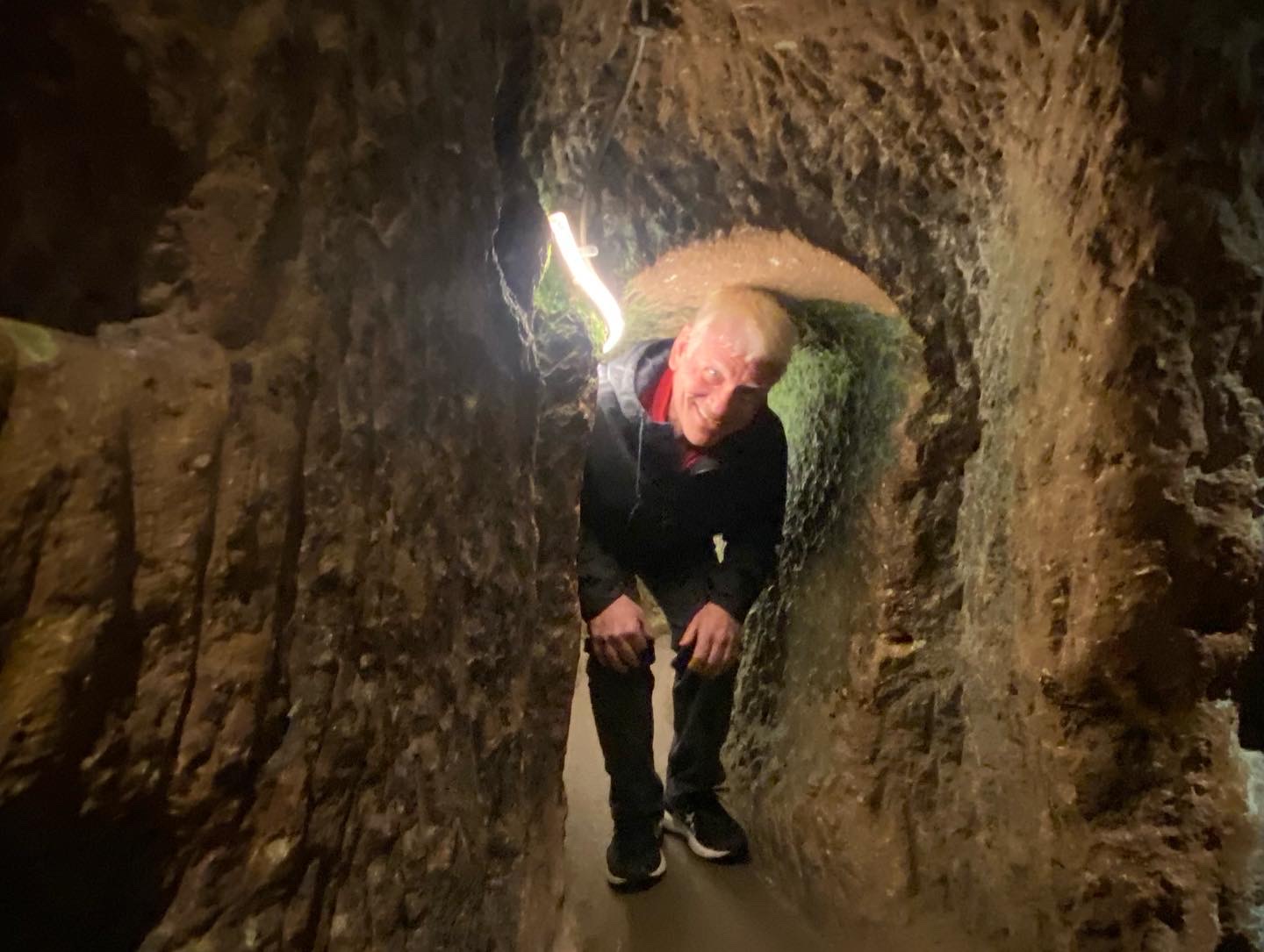
Somebody got the great idea of moving certain businesses underground, such as wine making where temperature is important. That action developed into another question, “Maybe we should build underground cities for times of siege or attack?” Especially with invasions by the Greeks, Romans, and even the Turks. Animals remained on the upper floors. Narrow and short tunnels were created allowing only one person to enter at a time. This made it easier to whack invaders. Huge boulders were rolled and locked in place from the inside on each level.
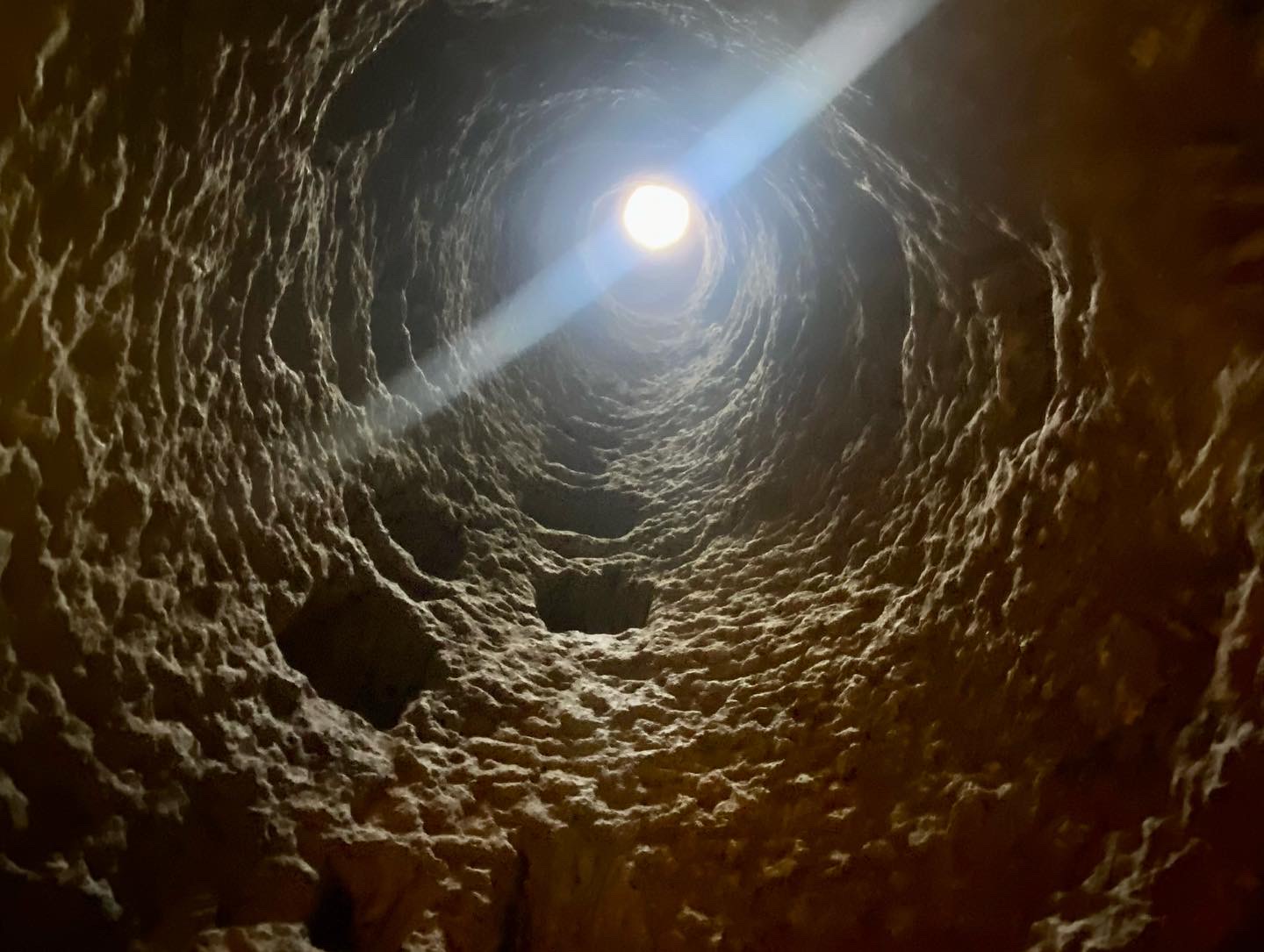
I visited Ozkonak and met the farmer (Latif Acar) who discovered this 8th century AD city in 1972. The underground could shelter 30,000 people for 3 months. Only 4 of the 10 floors are currently open. Quite amazing that people could live with water from the well and fresh air through ventilation shafts.
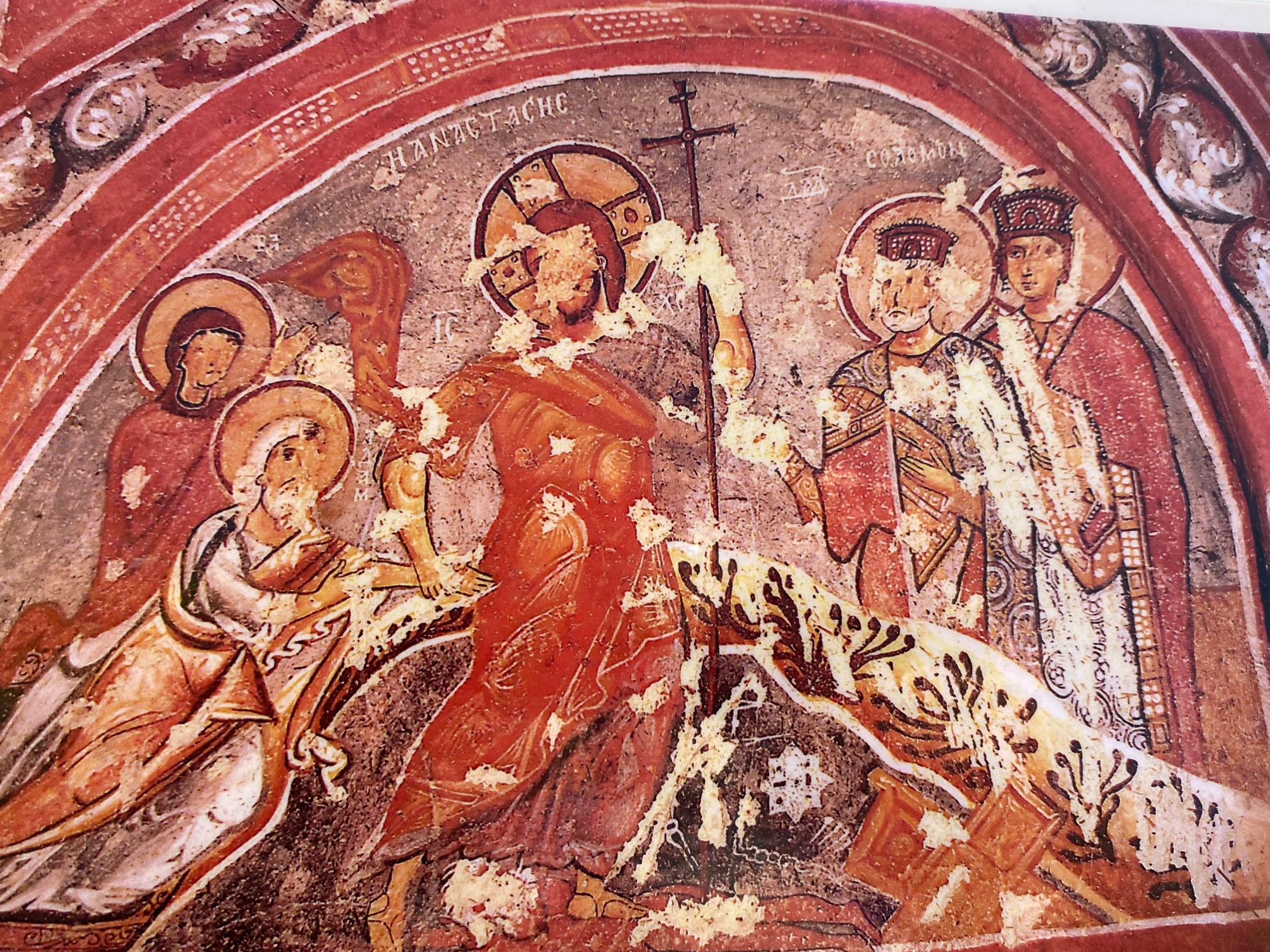
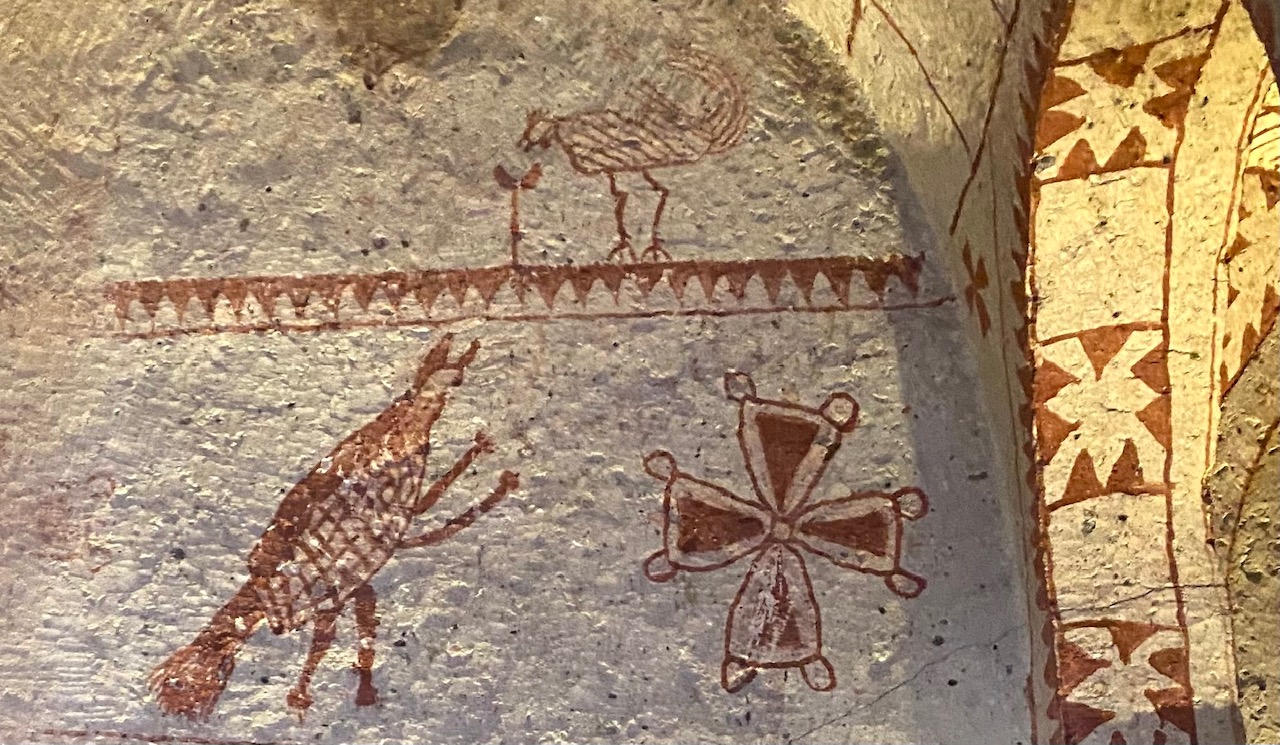
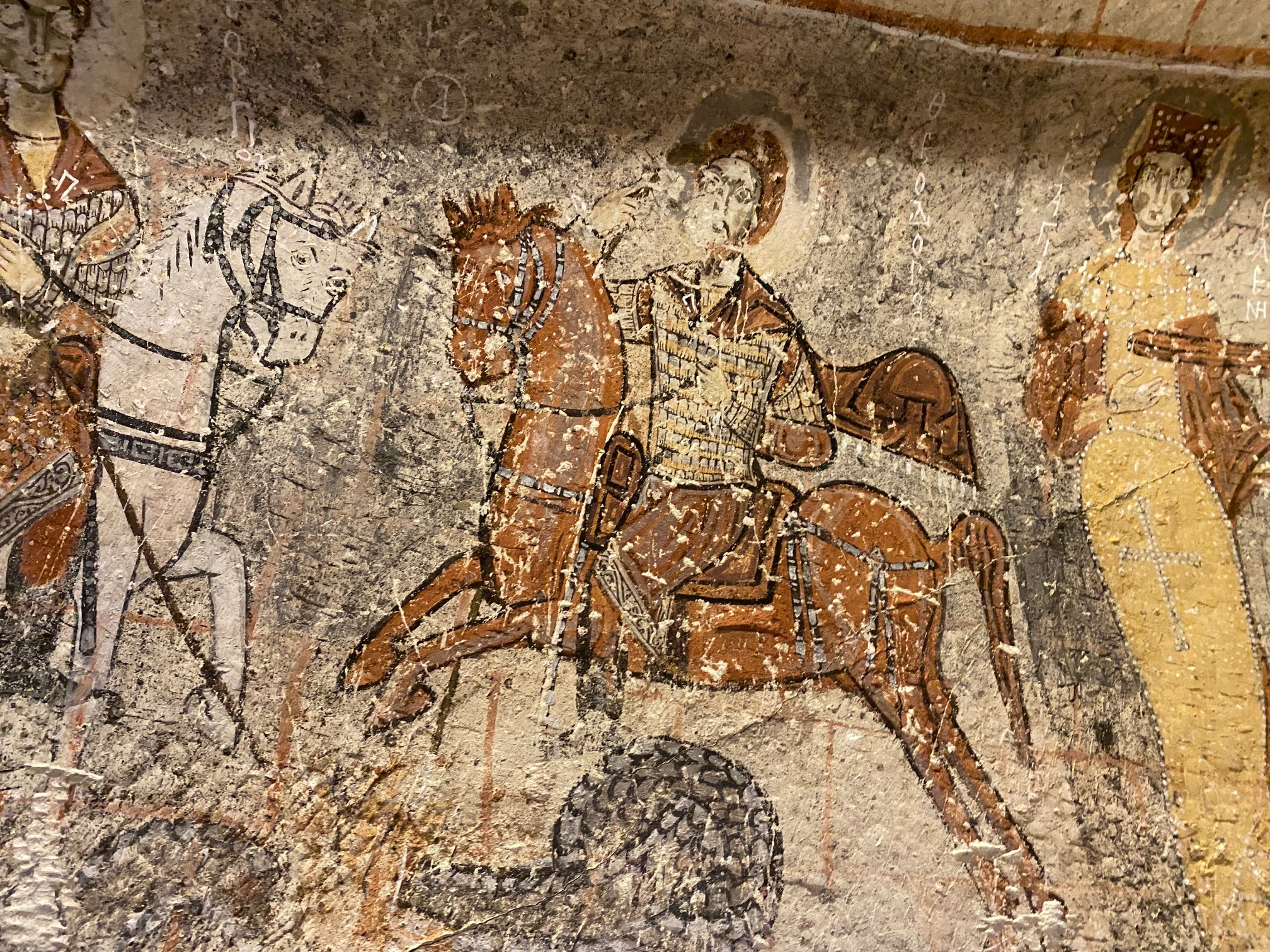
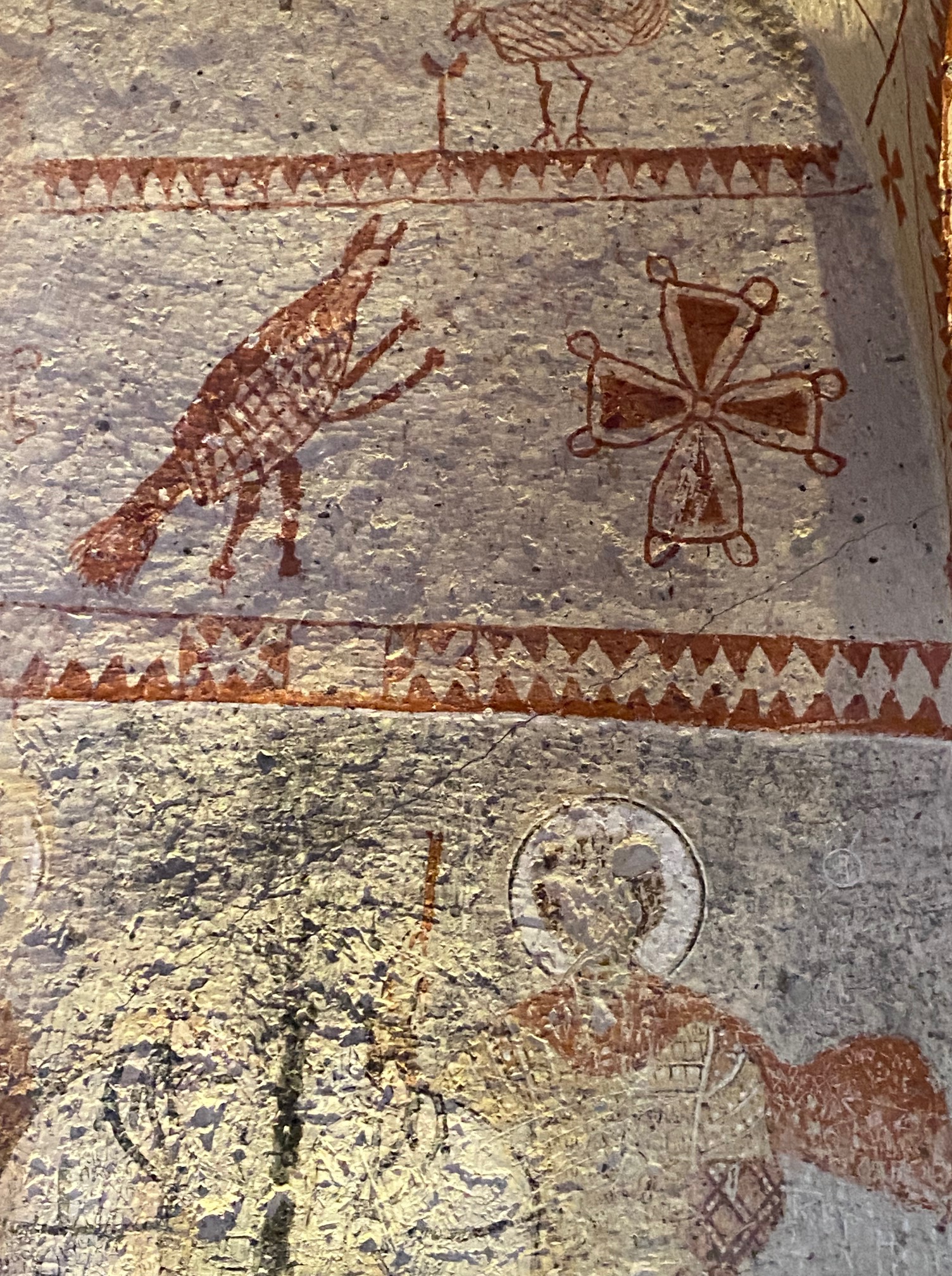
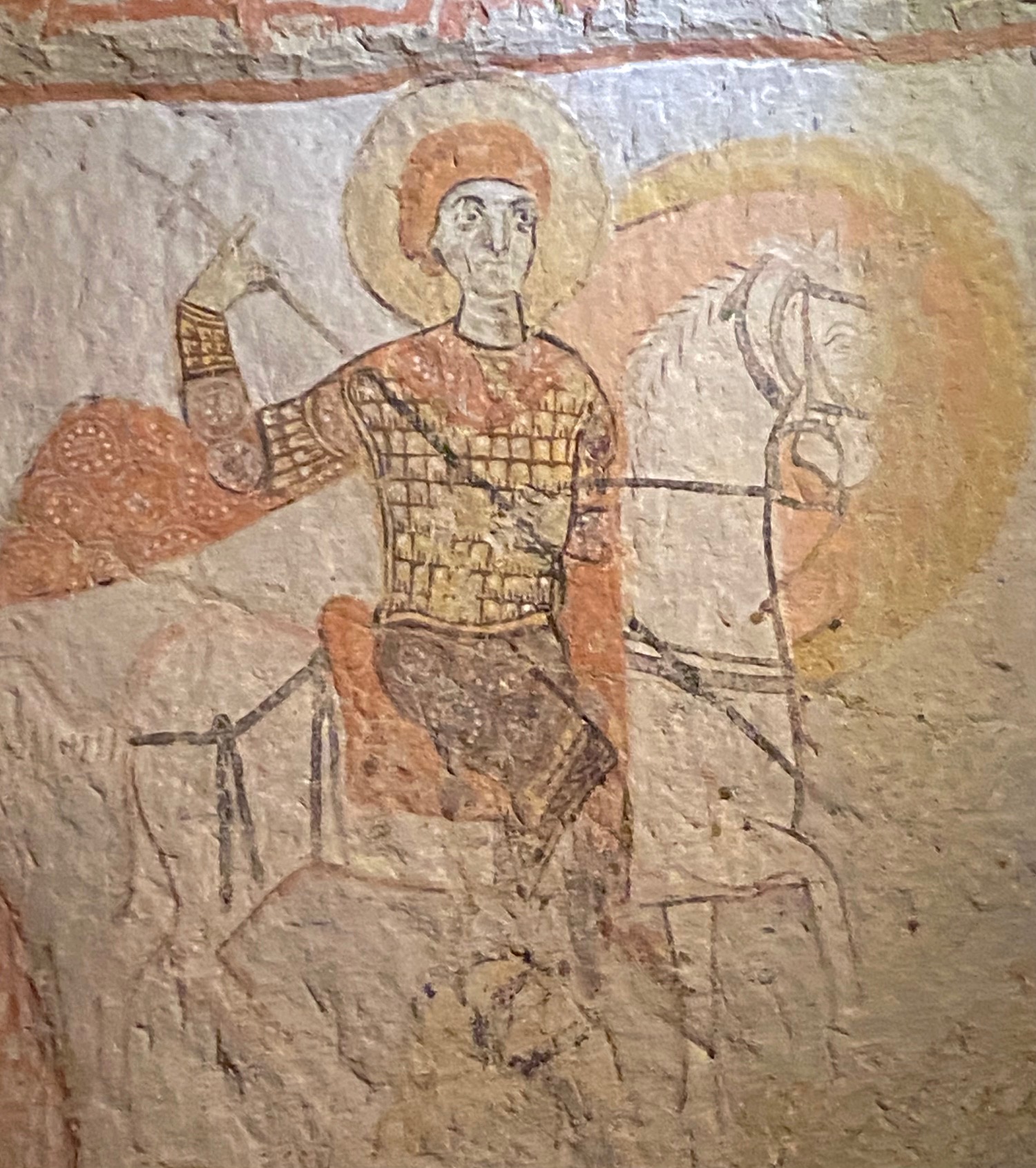
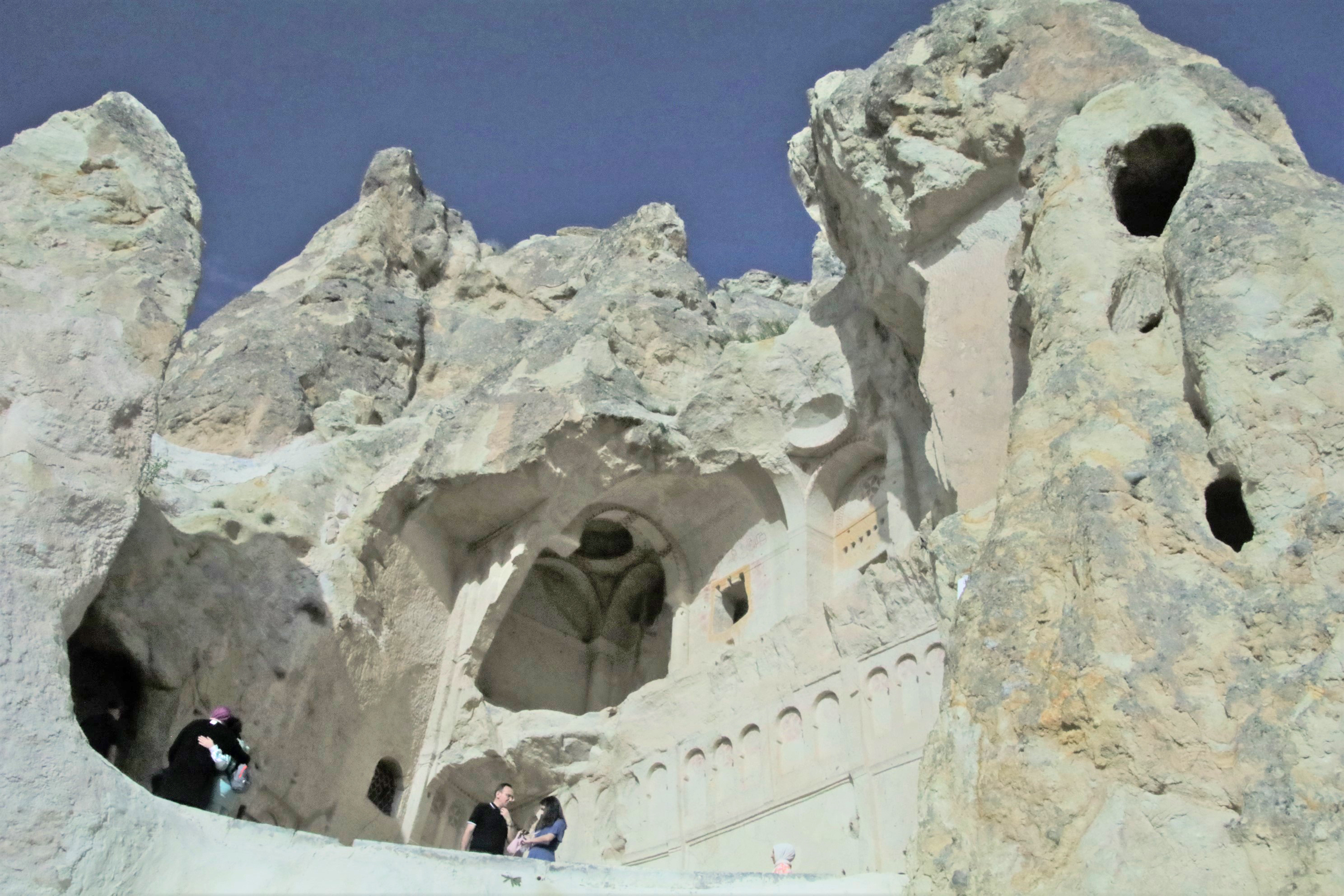
During the middle ages, St. Basil and other Christians settled above ground in the hope for a little peace and quiet. These people lived in communal towns where each home had a church. The Goreme Open Air Museum is really interesting. There are many pigeon nests because they sold the fertilizer before commercial products. Although with current prices, farmers may go back to this simple plant nutrient for the surrounding vineyards. The frescoes in the churches range from simplistic ( and somewhat puzzling) to quite detailed and beautiful. ( 10th century AD to 12th) . Check out the naked saint with a cactus hiding the genitals. I’m not sure what the cockroach or louse figure had to do with religion, bottom left. Send me a note if you have the answer.
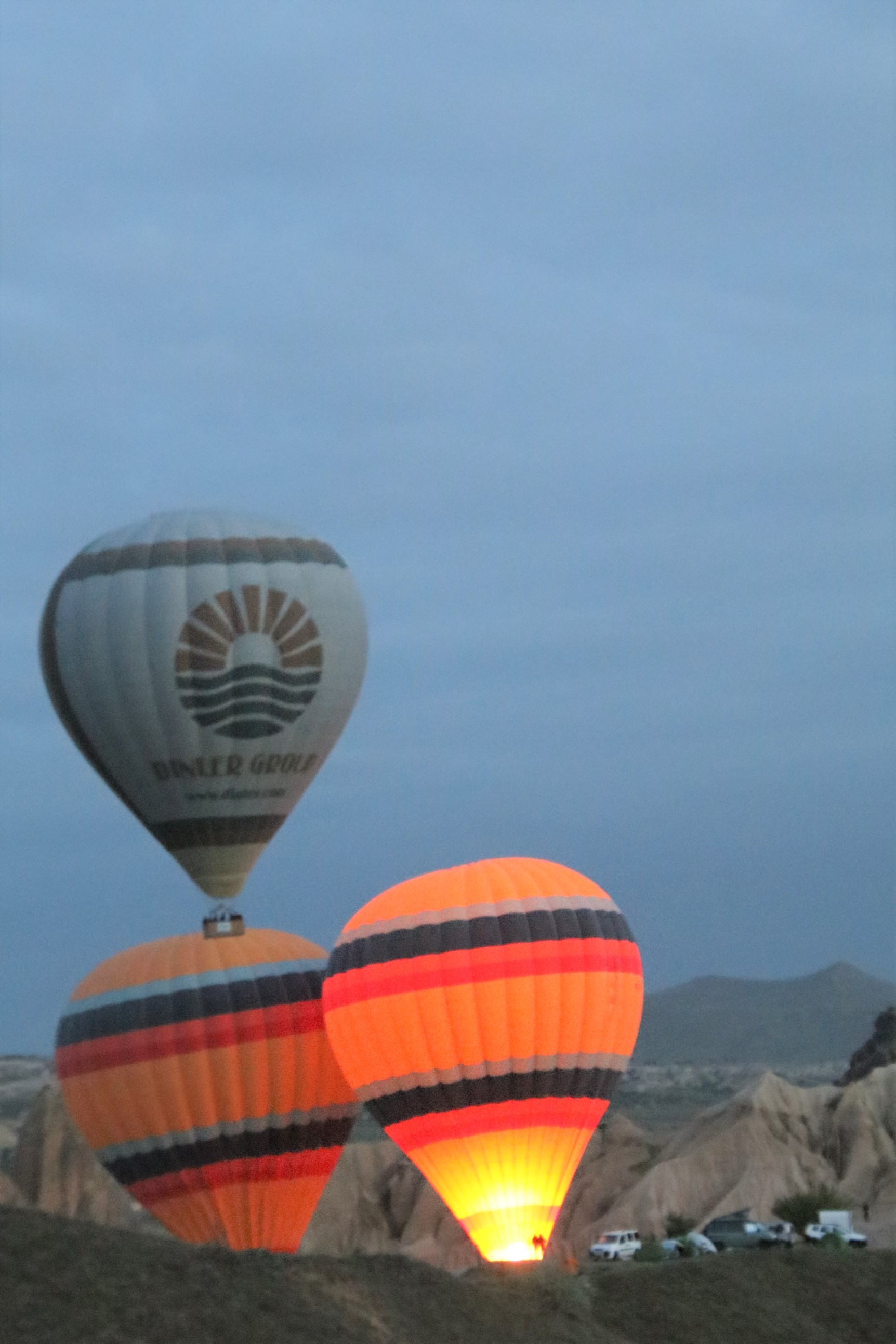
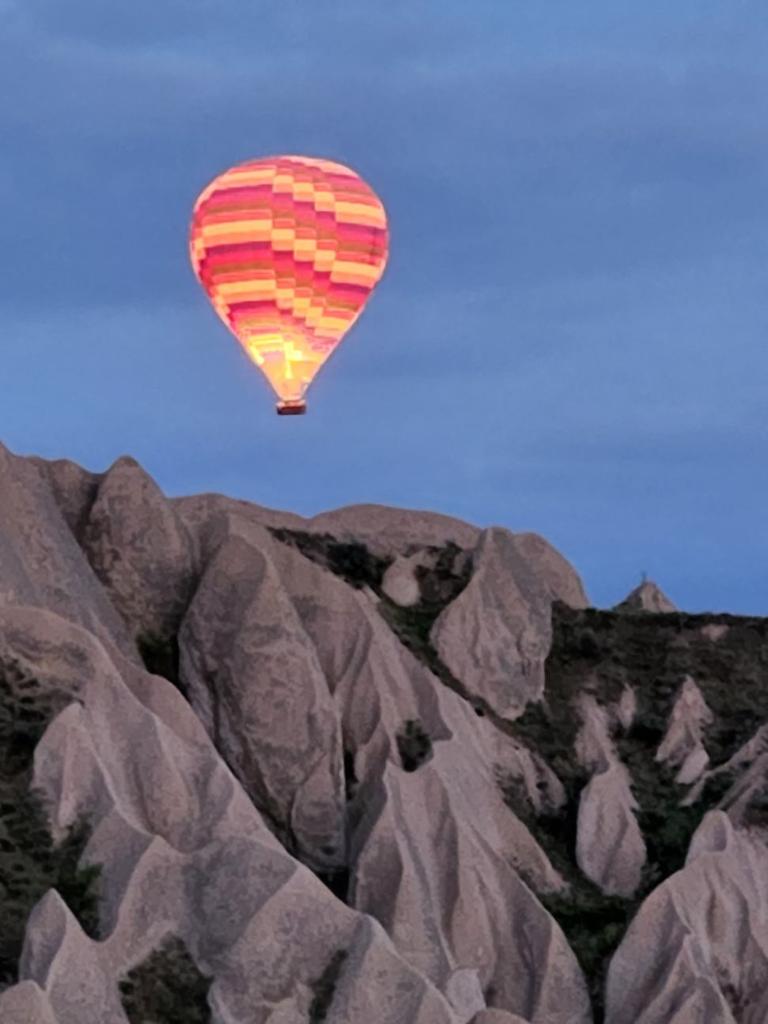
A hot air balloon ride in Cappadocia is worth every penny spent. Quite magical to see so many balloons lifting up in the dark while watching the sun rise over the unique landscape.
Istanbul is a vibrant, crowded city of 15.46 million people with a history stretching back to the Hittites ( 13 century BC). Peel back the layers of many conquerors to discover an intriguing weave of cultures that tickle the senses.
There are restaurants, such as Deraliye Ottoman Cuisine where you can feast on authentic recipes from the Ottoman Sultans, or try any place serving Greek inspired Doner ( Gyro) and Kabobs. The best Baklava is a Syrian owned place called Karakoy Gulluoglu. If you want Turkish delight, bypass the cheaper fructose products in the Spice Market and sample the real-deal—varieties made with honey, nuts, fruit ,chocolate and even caramel.
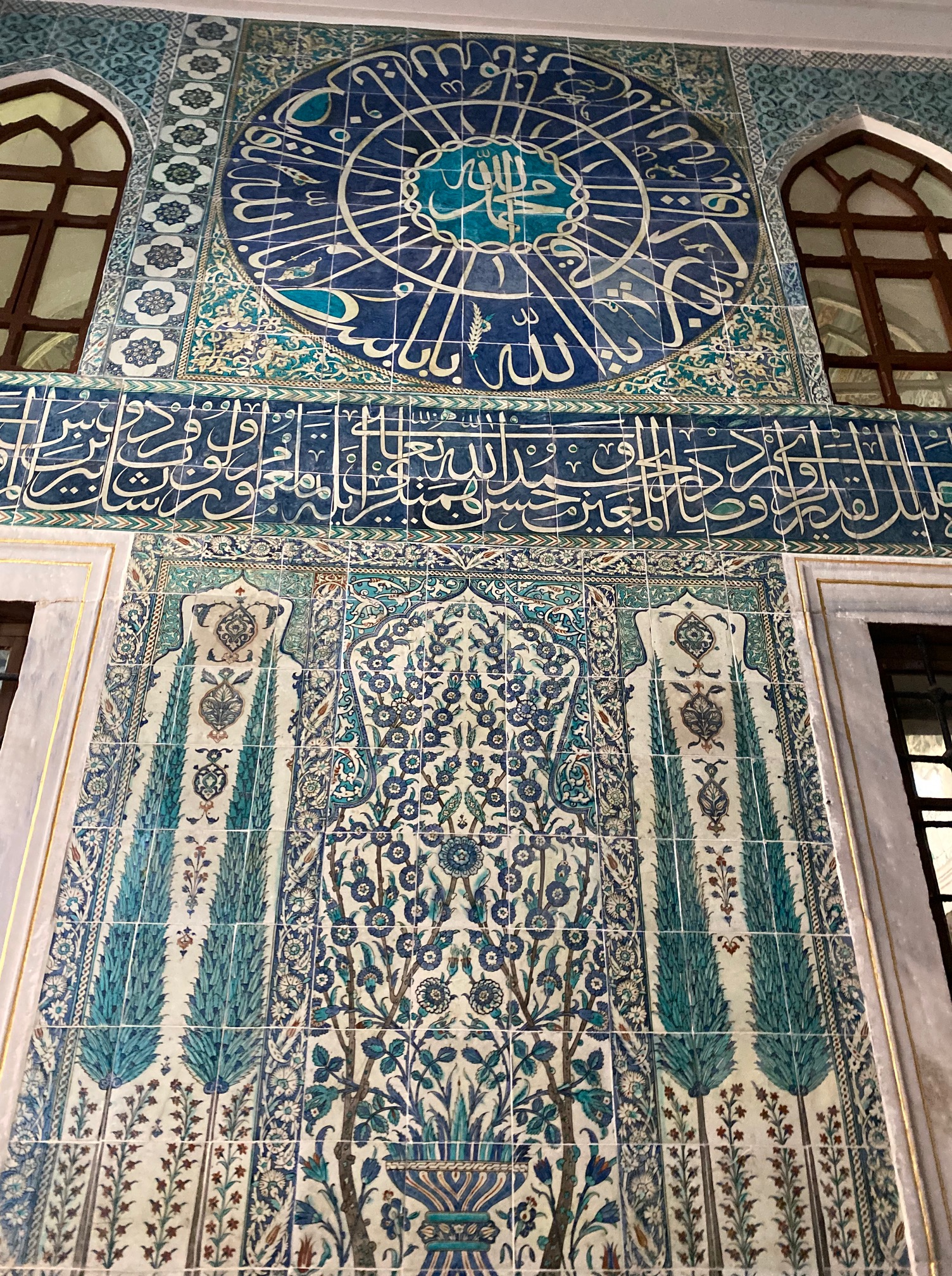
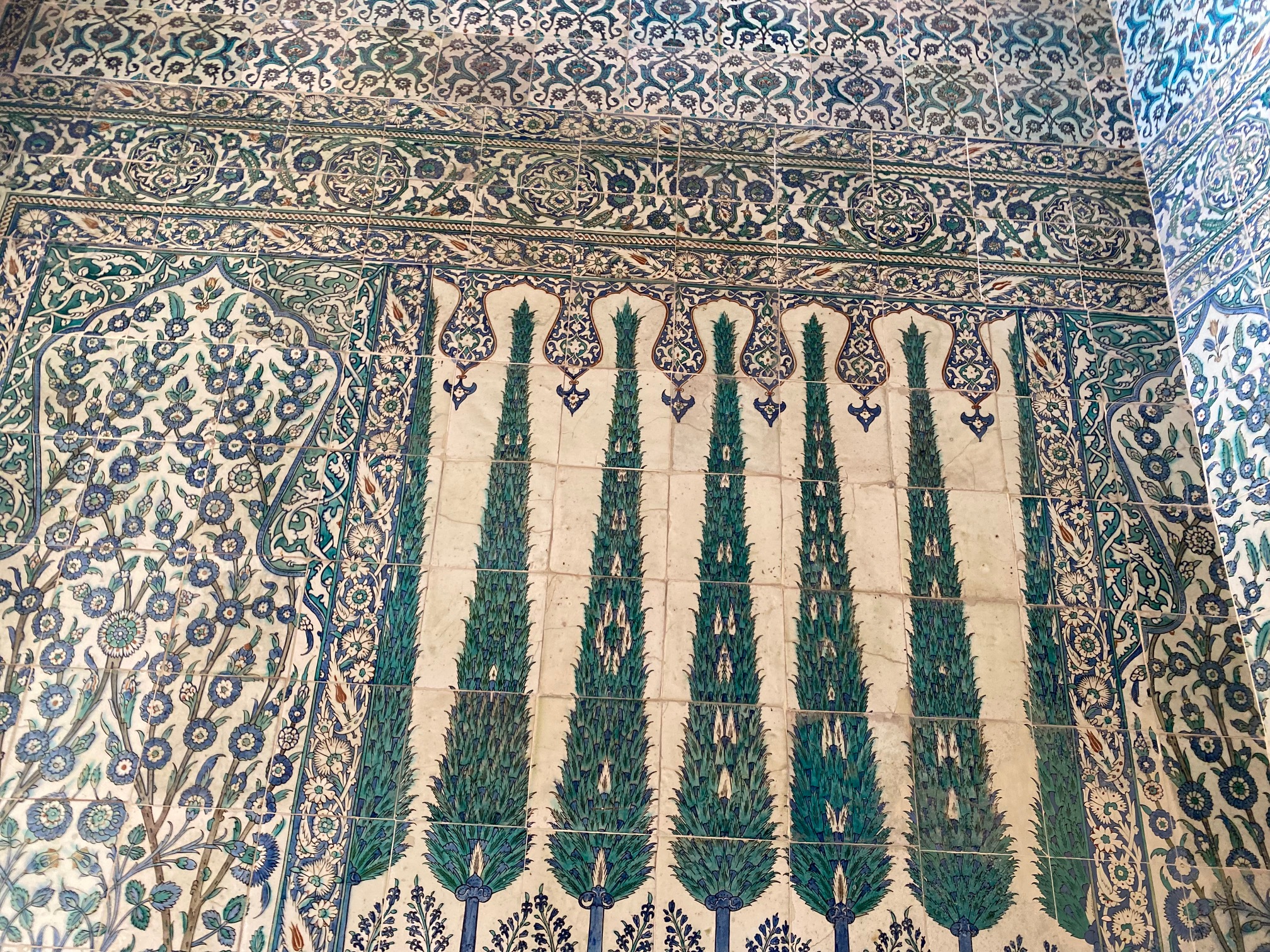
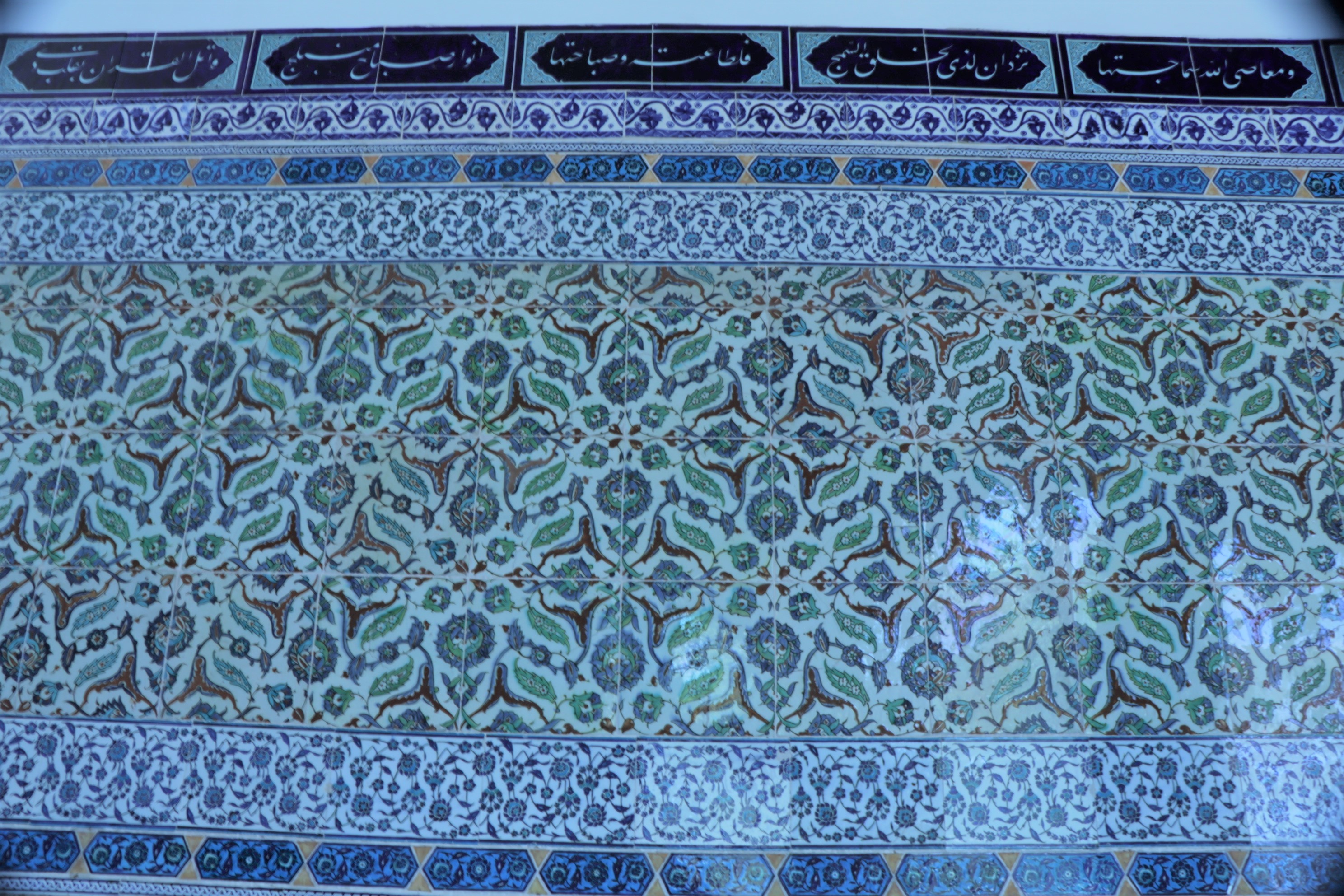
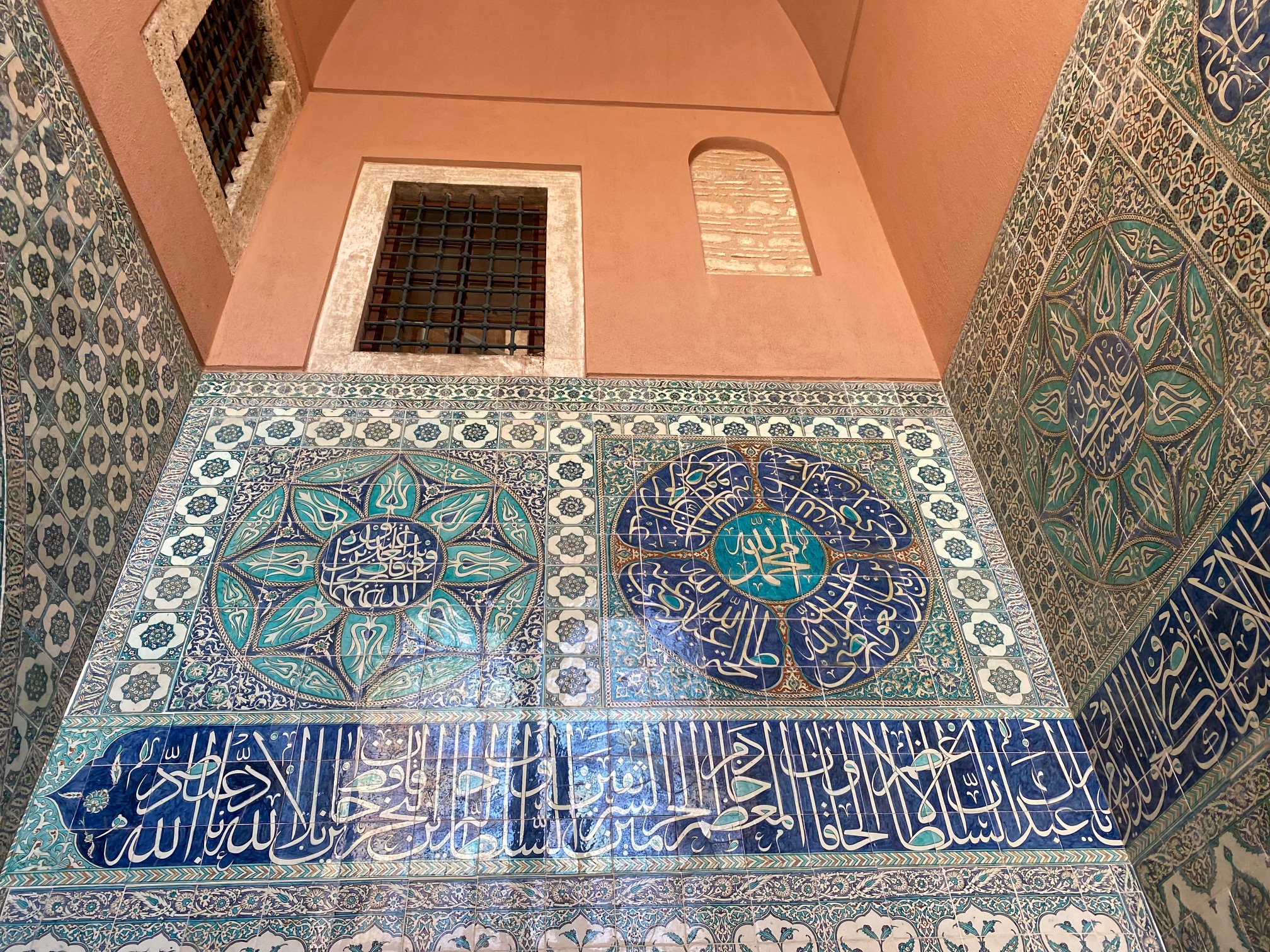
After you’ve satisfied your tummy, listen to the music floating through the night air—from Arabic inspired folk or rap to the haunting call to prayer. Why does light seem more golden in Istanbul? Ottoman Empire tiles further delight your sight with intricate colors and patterns.
Vendors in markets will invite you to sit and enjoy a cup of tea or Turkish coffee and all negotiations begin with shared conversations about delightful things. This is a time-honored courtesy, so keep your heart open to the experience.
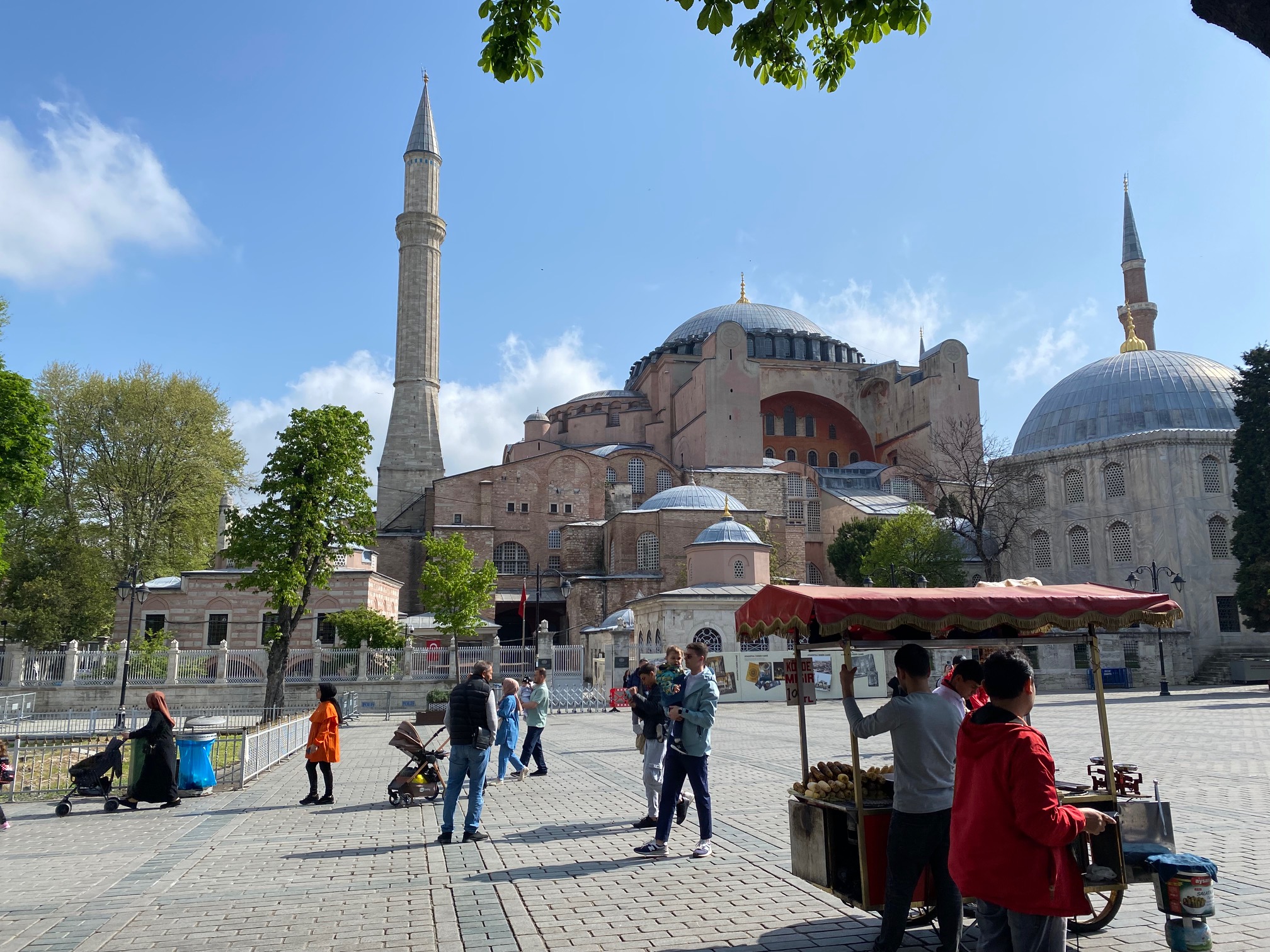
HAGIA SOFIA
Roman emperor Justinian built this former Orthodox Christian church in 532-537 AD. The very same guy who accomplished this feat of architecture also burnt the worlds most extensive library in Alexandria, Egypt. Who in the world burns books? Those who don’t want education about things that don’t jive with their religious viewpoint. This should be a warning to us in the States right now with the extreme right fractions taking control of our government and education. Banning books is as bad as burning them.
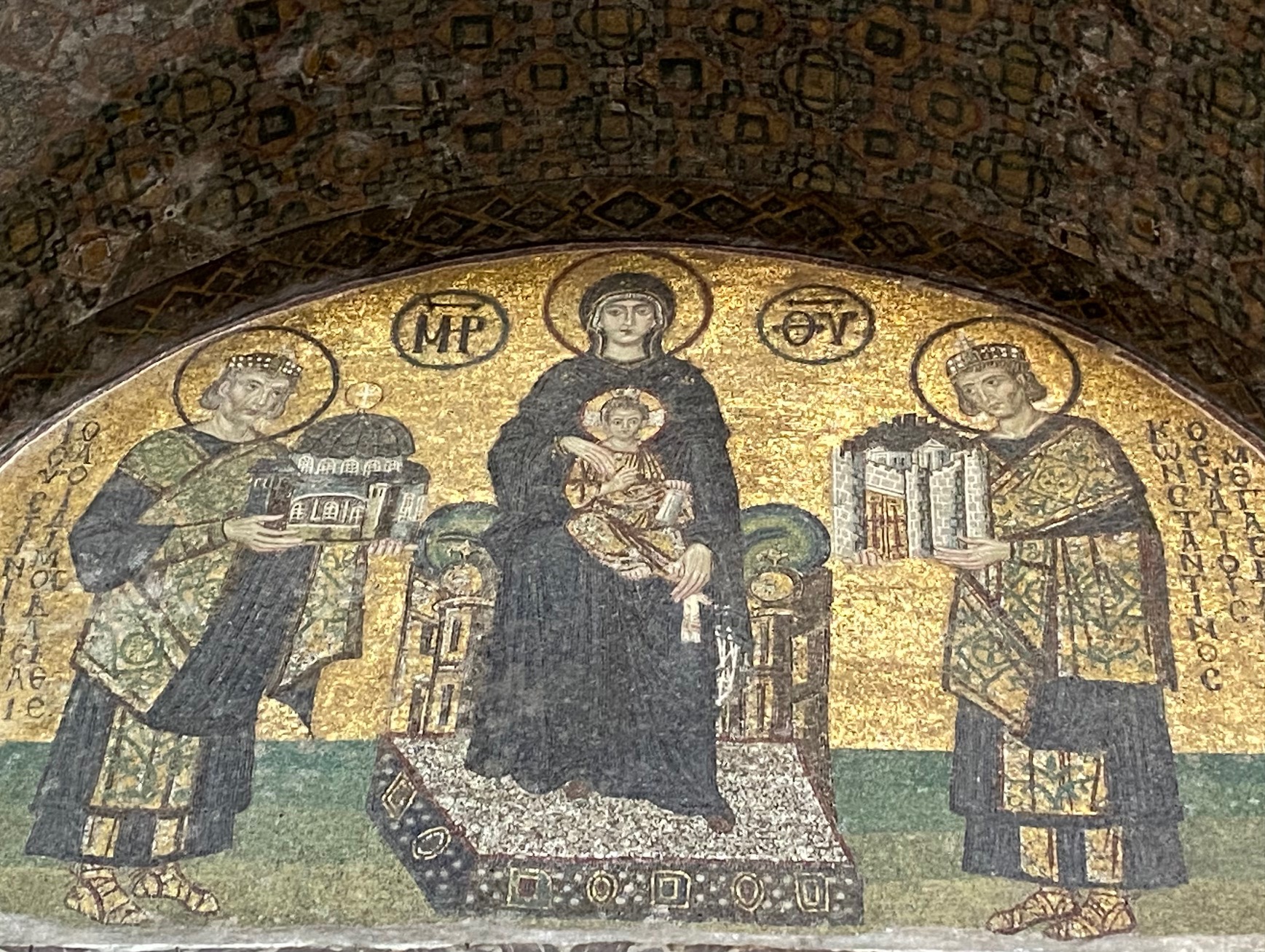
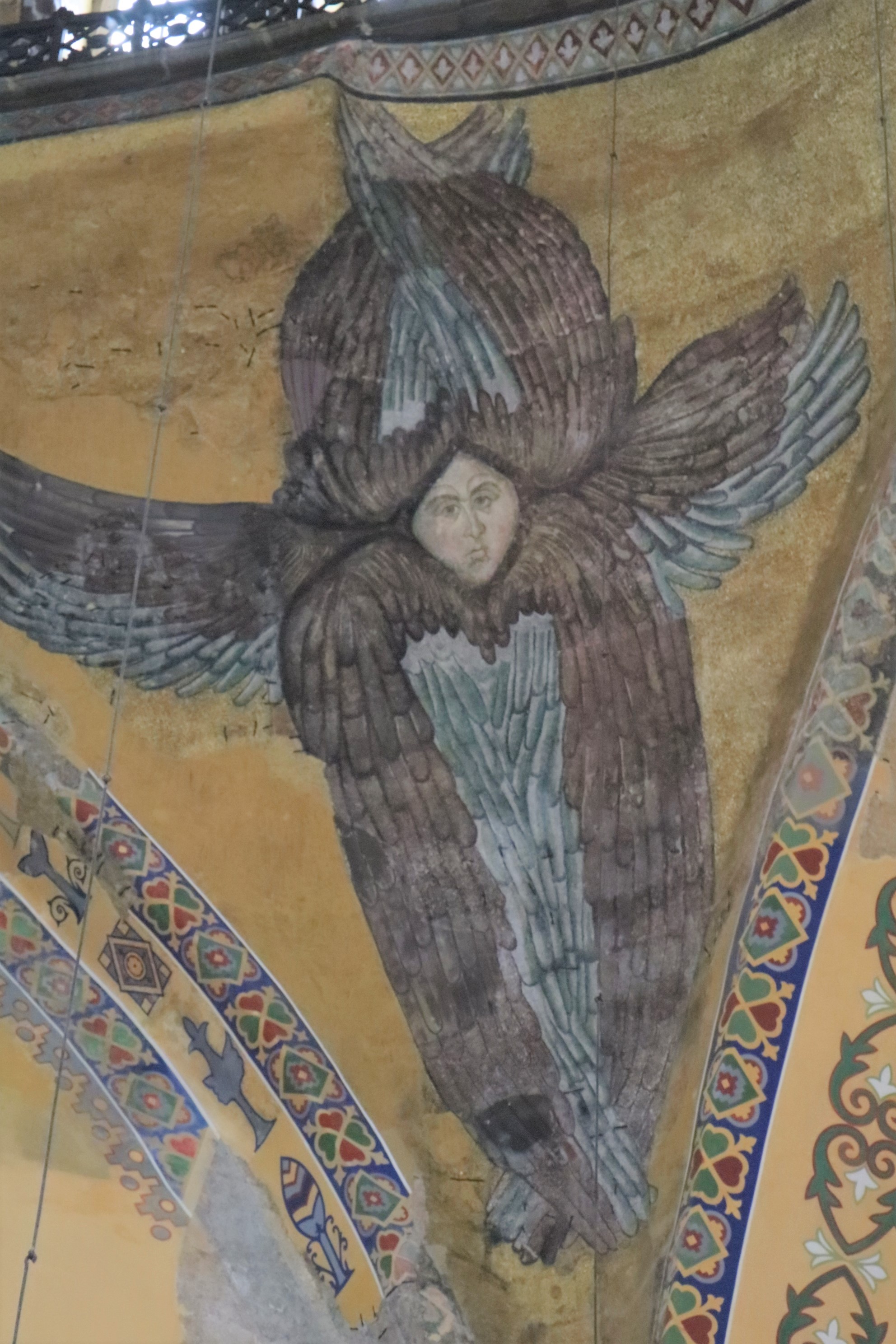
This church had a bloody history. Do you remember reading about the Chism between the Greek Orthodox and the Roman Catholic church? Crusaders decided to fight under the banner of the Roman Pope to sack Constantinople. In other words, killing and forcing Greek Orthodox Christians to eliminate the division. That senseless violence escalated in 1453 with the rise of (Muslim ) Mehmet the Conqueror. He turned Sophia into a mosque. Now mosque’s around the world follow this signature architecture with a huge dome and open space. Although statues and anything with a face have been removed, a few mosaics have been saved, such as the one above right depicting Justinian handing Mary ( and Jesus) this church. Look for the one Seraphim angel whose face has been fully uncovered.
Hagia Sophia is once again an active Muslim Temple. Head scarves are required for all women and shoes are removed before entering. Bring a bag to put your shoes in and carry them. Otherwise, you risk not being able to find them again. Before you enter, stop to look at the beautiful marble panels in the hallway. These were taken from the Roman temple of Artemis in Ephesus and reused here.
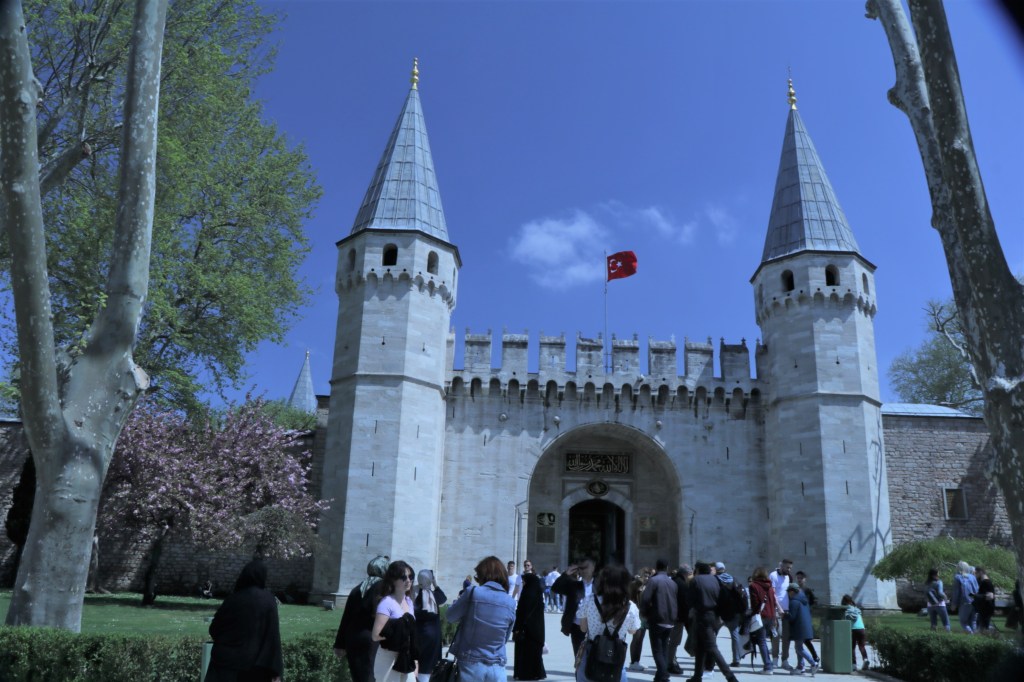
Topkapi Palace
entry to the palace grounds
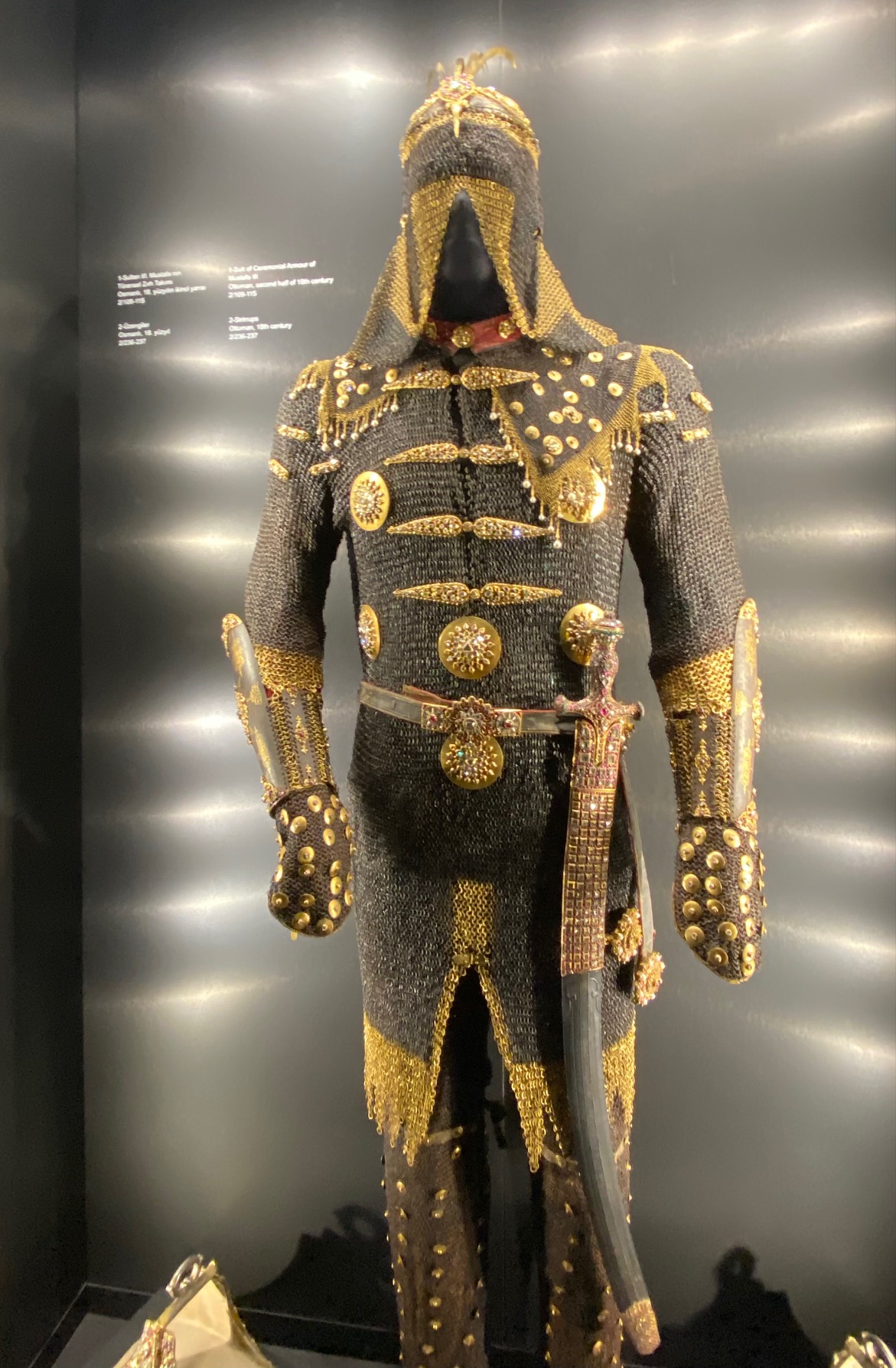
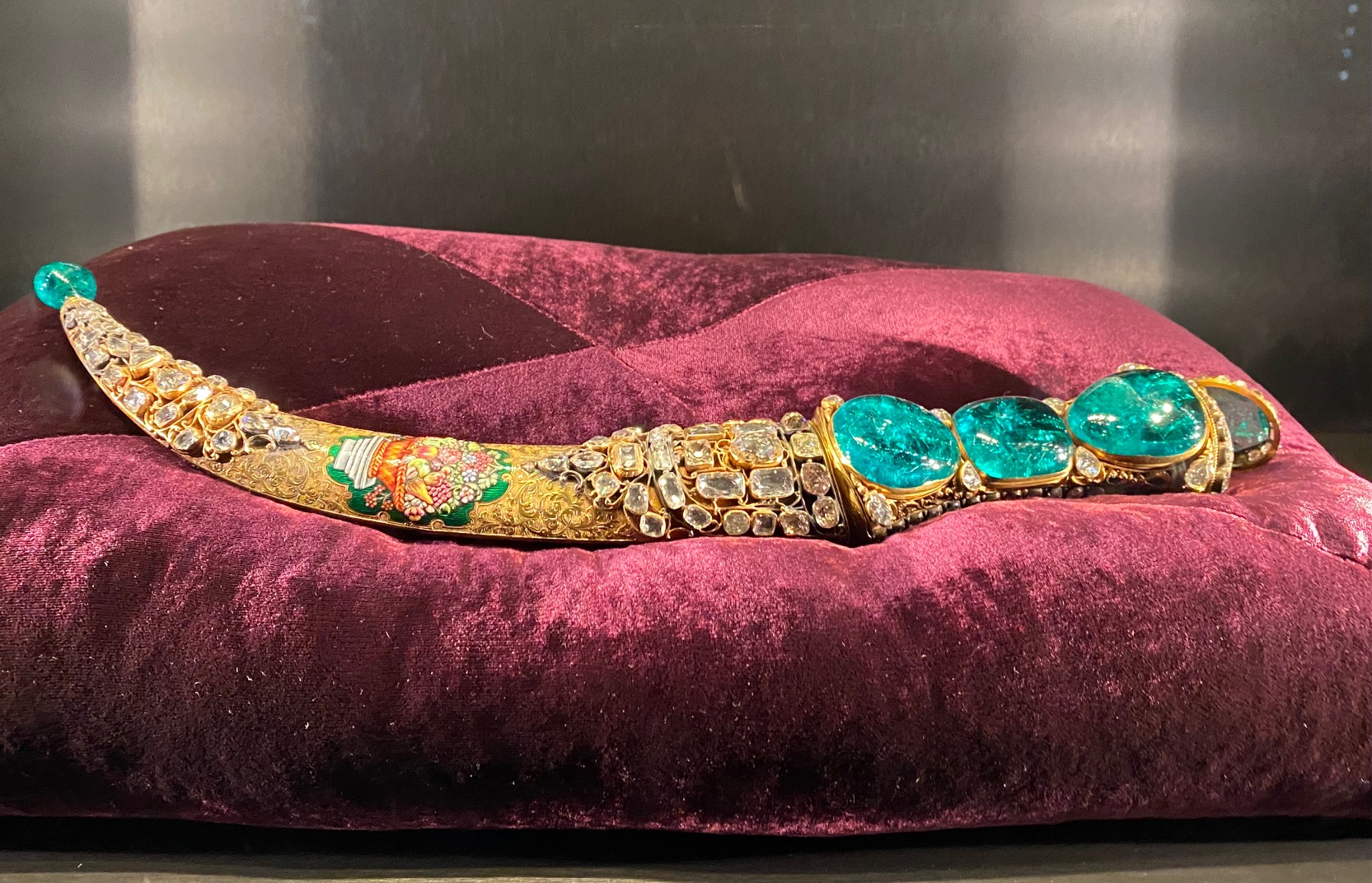
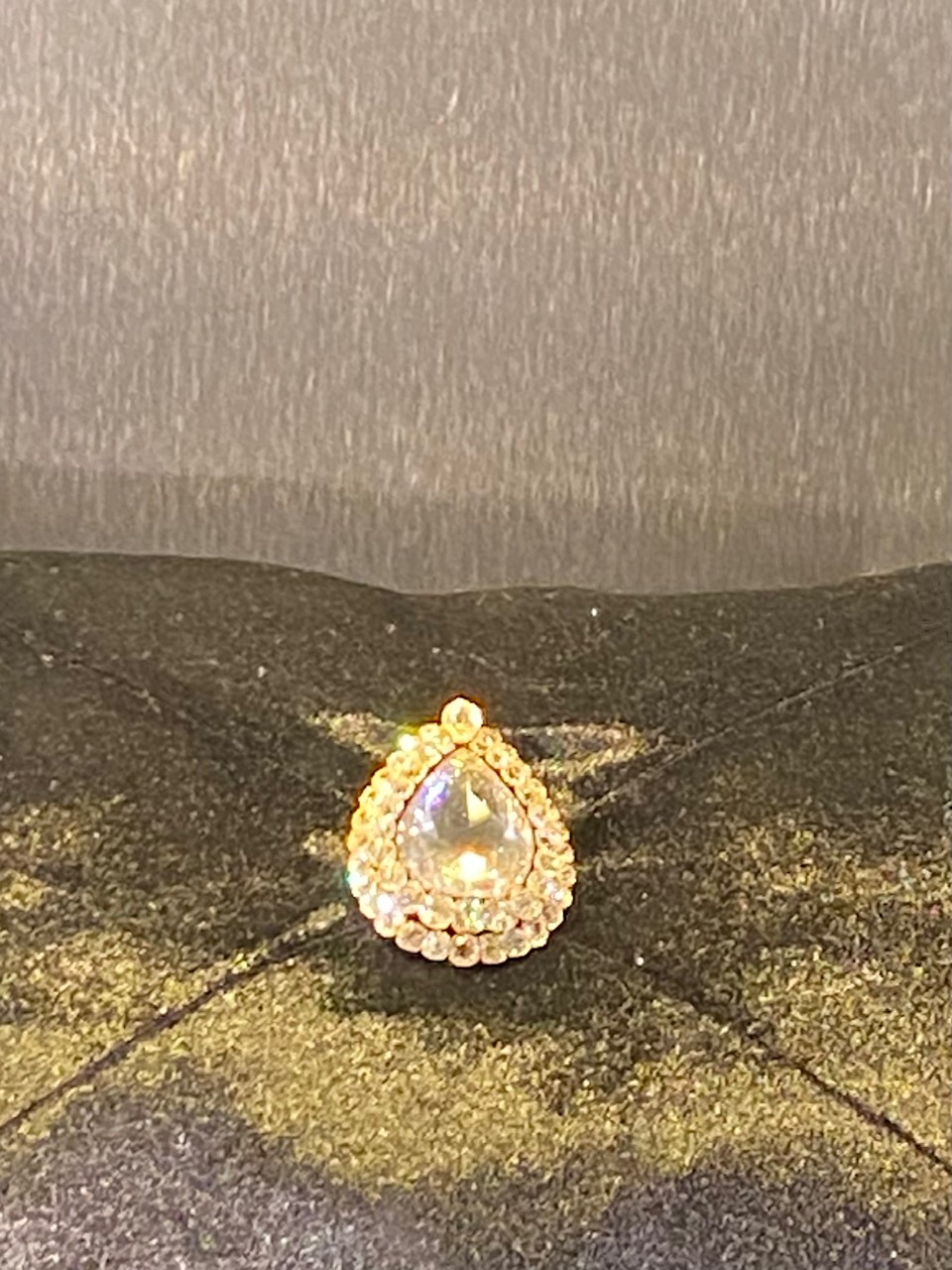
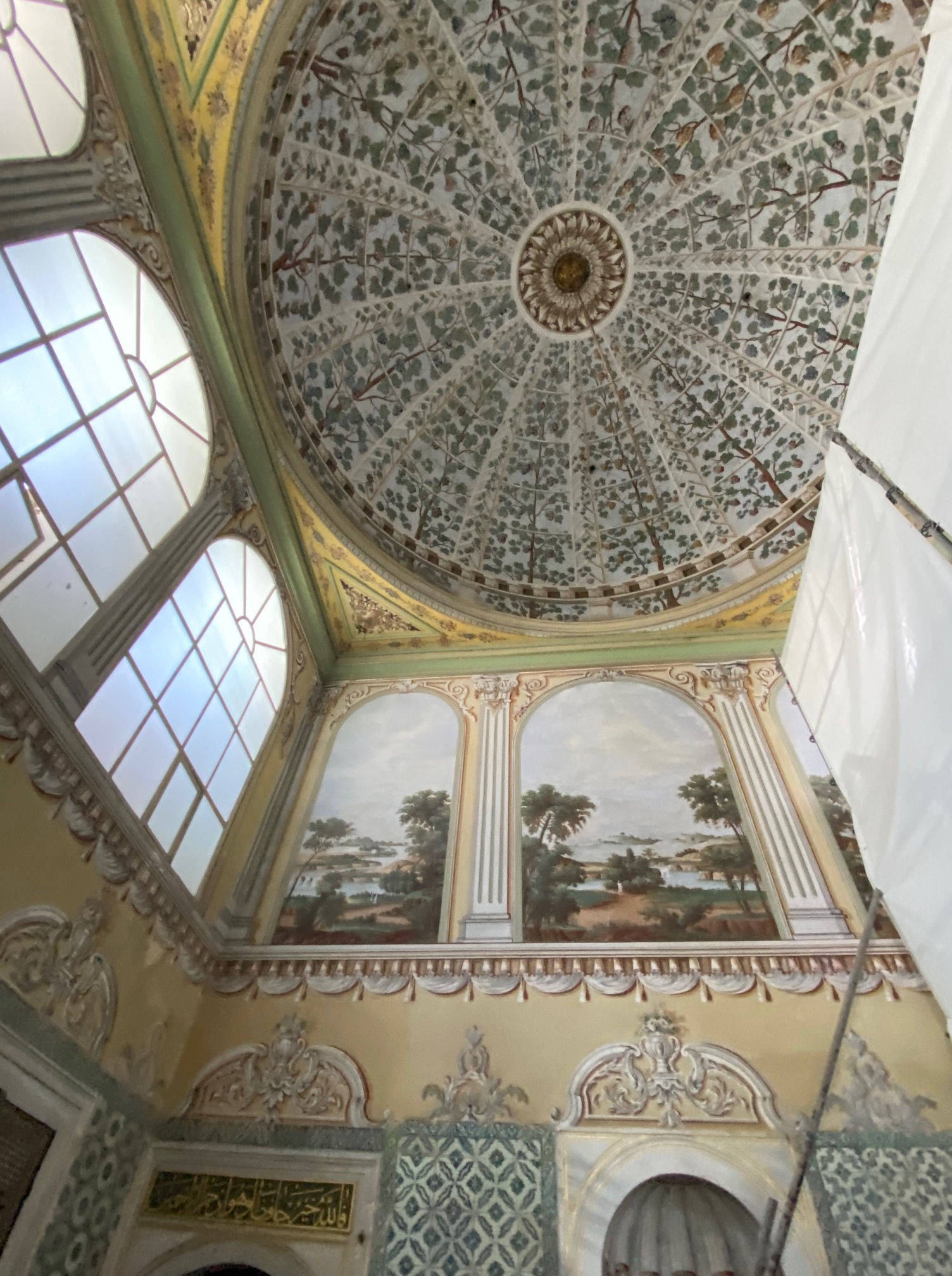
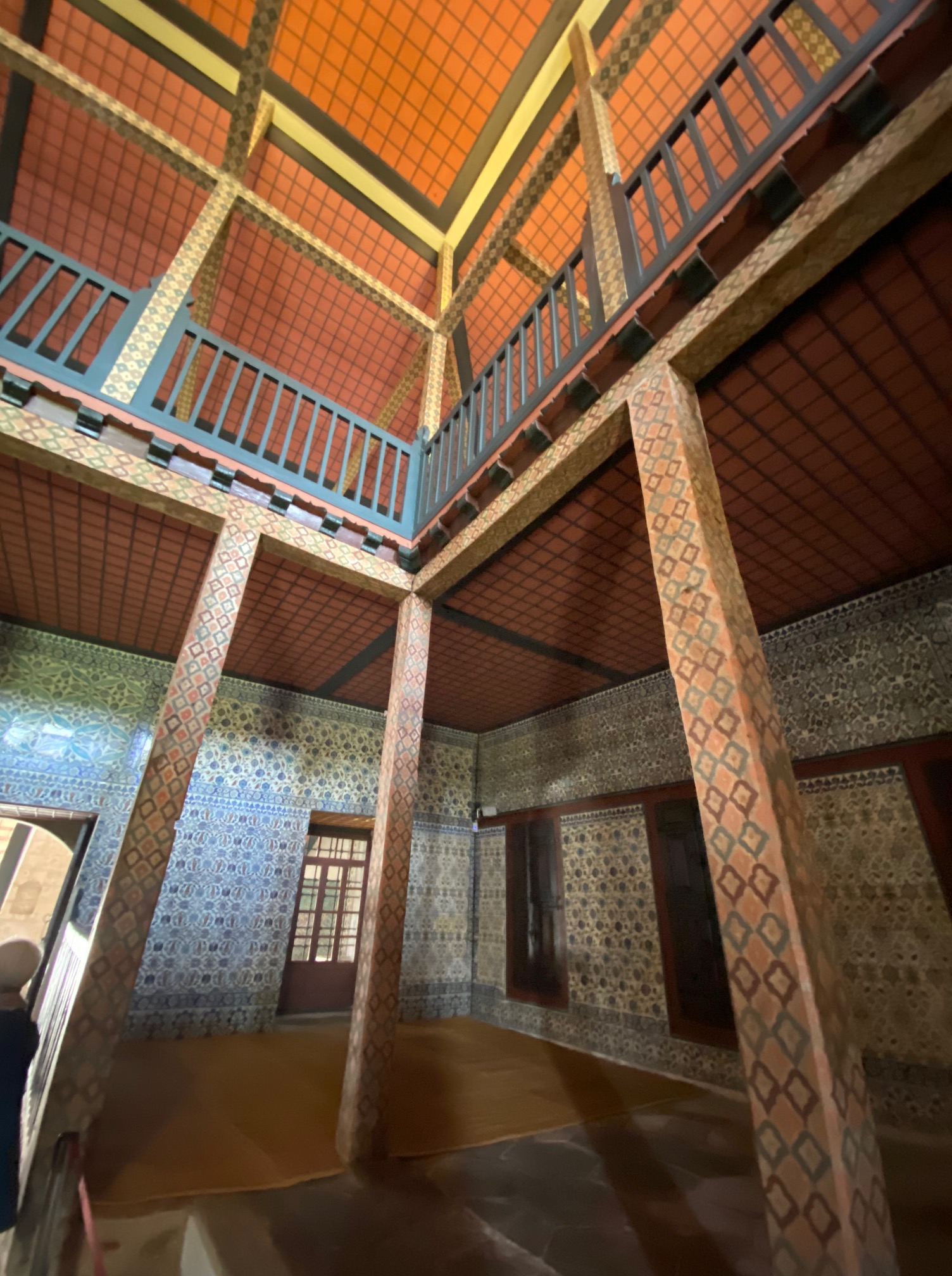
Mehmet the Conqueror started the cosmic rise of the Ottoman Empire with a ferocious 55 day siege of Constantinople ( AKA: Istanbul). Afterwards, everyone wanted to keep the Sultan happy. This palace was built for him and 5,000 workers kept it humming. There are many buildings with exhibits in some –such as the holy relics of Muhammad (no photos and head scarves for women to enter). There are displays of the sultans armor and weapons that’s interesting and sometimes beautiful. But the biggest deal is the Spoon Sellers Diamond. The story spins that the spoon seller found this diamond in the dump. It’s 42 carat diamond surrounded by 84 smaller carats.
Then there’s the haram. It’s an additional ticket to enter this fascinating place where the girls were kept and trained. The sultans were allowed 4 wives and as many concubines as they wanted. Many ladies were the most beautiful slaves taken from other lands. Also living in the harem were unmarried daughters and young sons. Next door to the harem is the (castrated) black Eunuch’s living quarters. These guys were taken by Arab horsemen raiding in Africa. Although they were slaves, some of them became quite powerful because they had the ear of the sultan.
Bosphorus Cruise
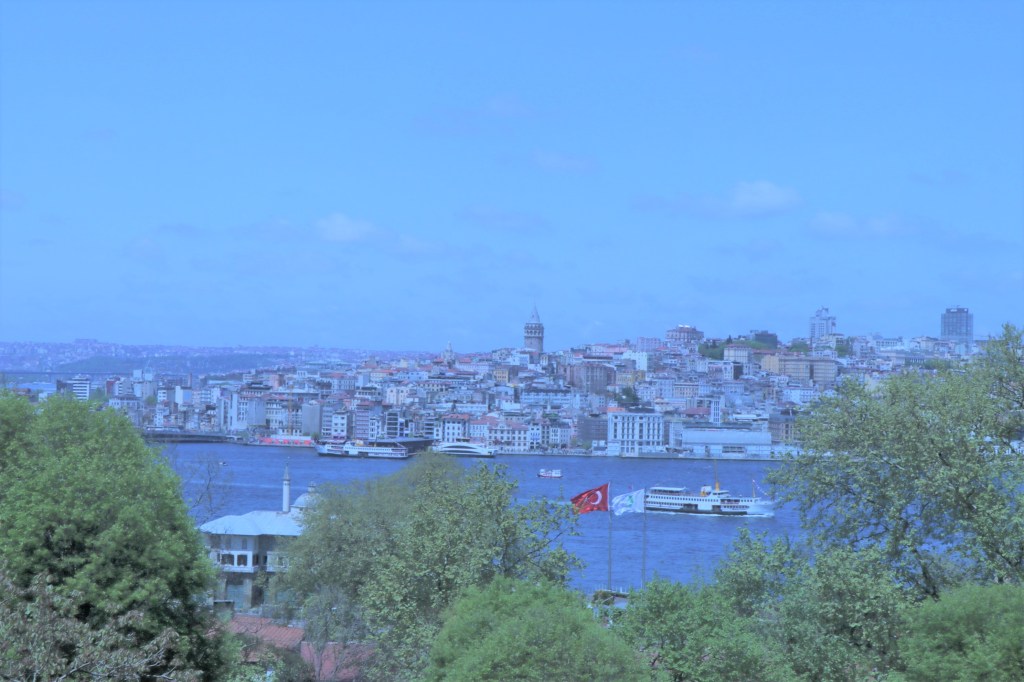
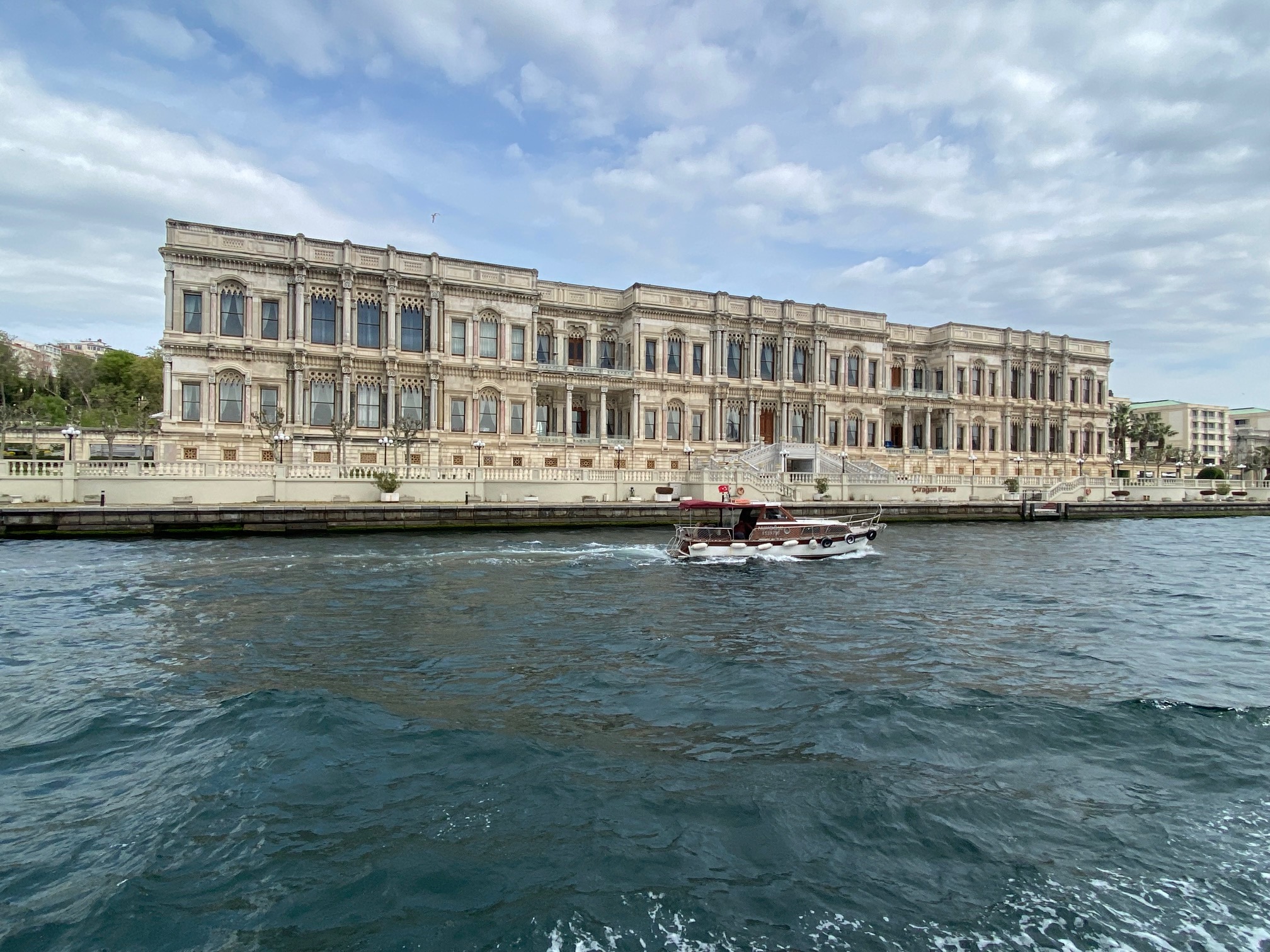
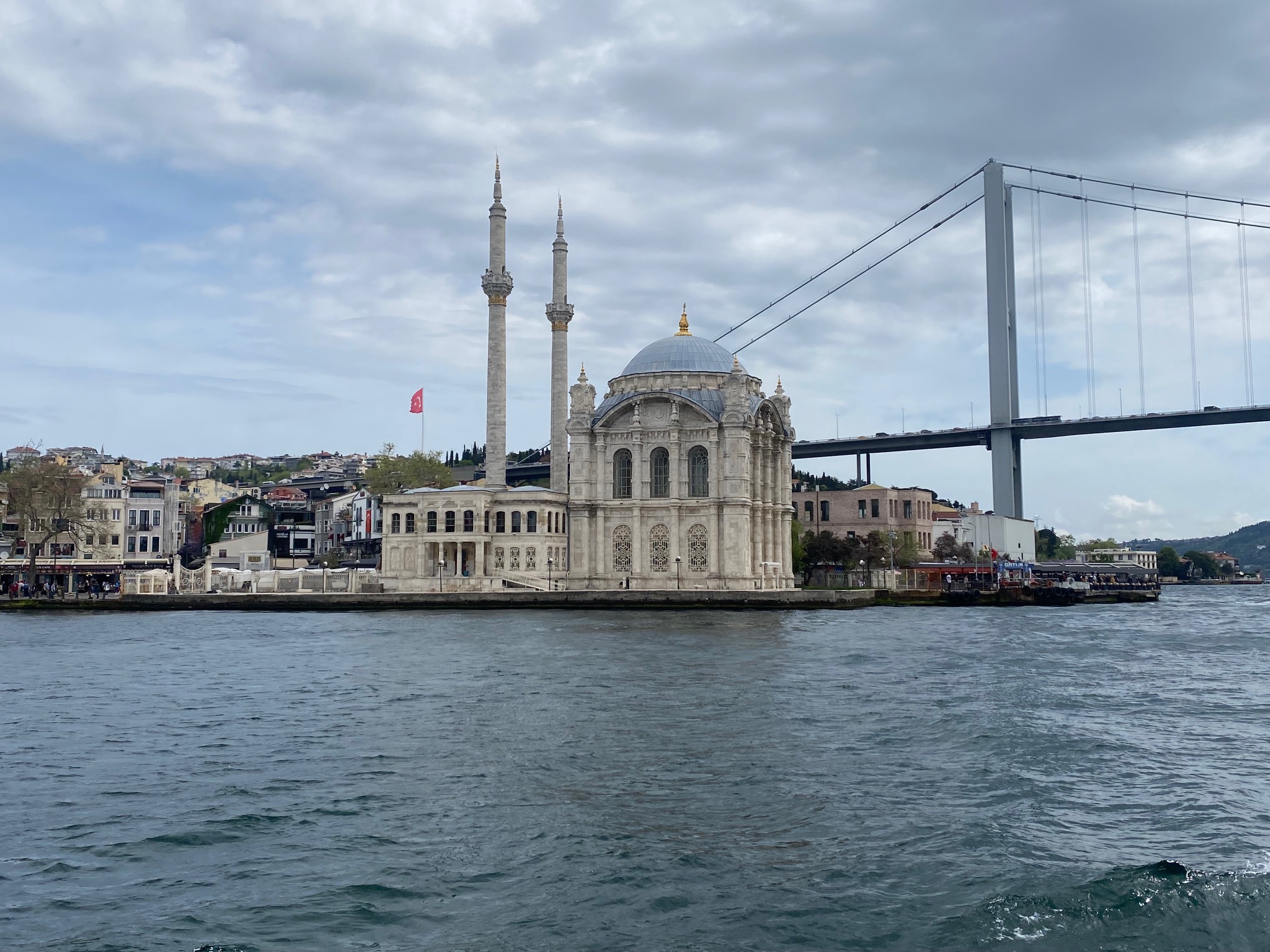
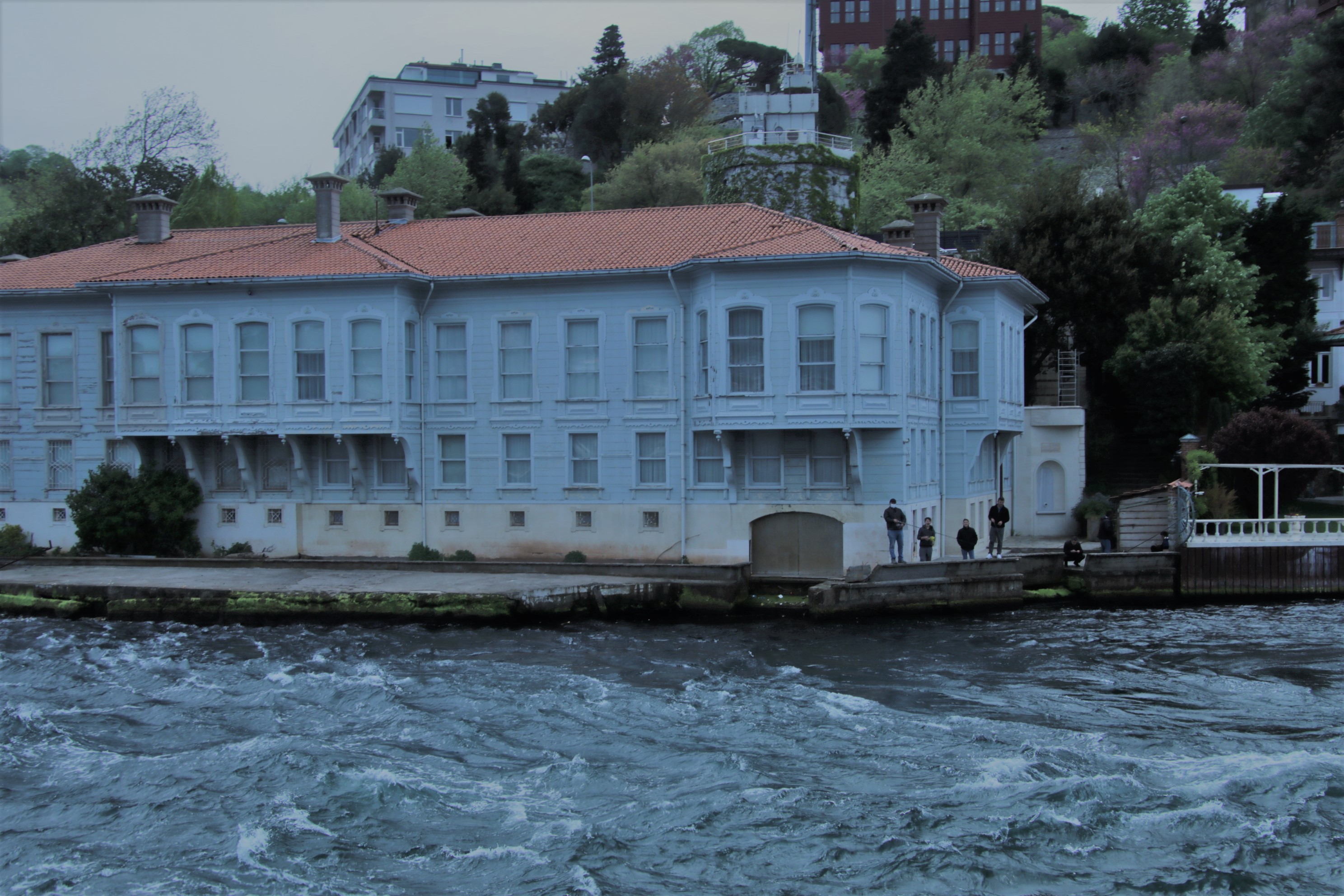
On a warm day, it’s quite the treat to tour the Bosphorus on a boat. One of the later sultans wanted a palace that was more European, so he built it at the water’s edge. There’s two medieval fortresses and beautiful mosques. Homes you view sell for millions and millions of dollars.
Roman Hippodrome
Located in Sultanahmet square close to both the Blue Mosque and Hagia Sophia.
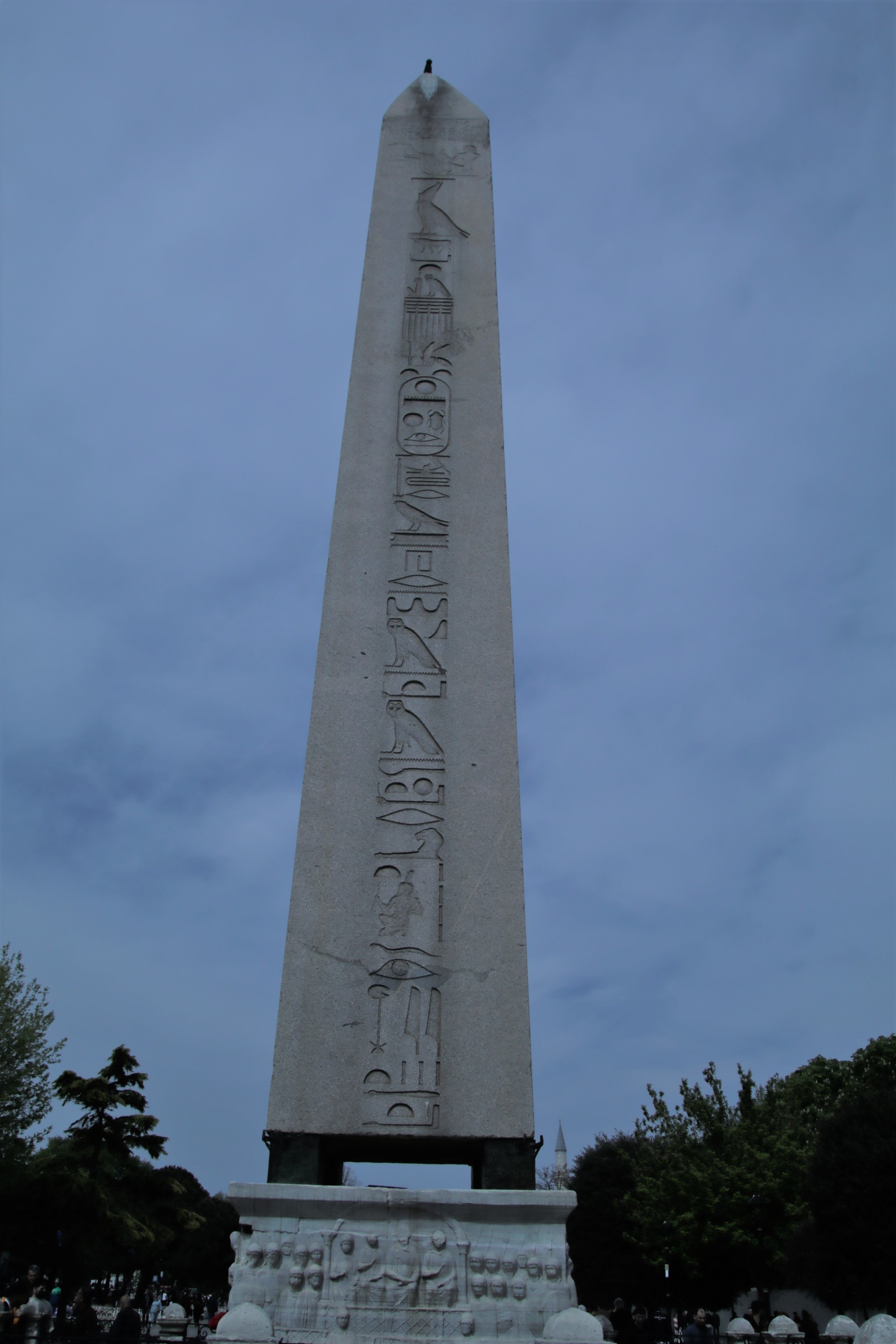
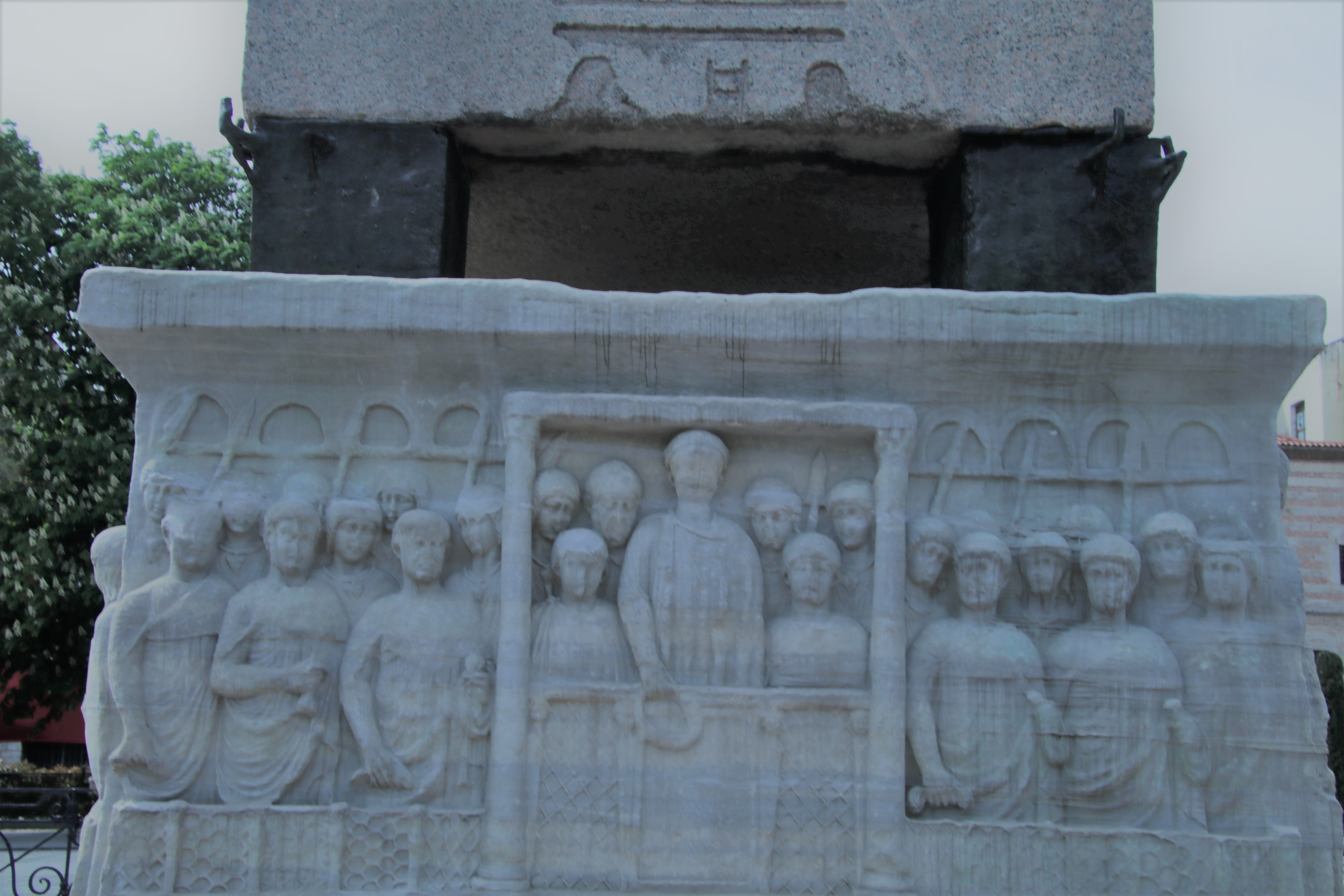
The word Hippodrome means “Horse” and “Way” which describes what this place was—a place for gambling on Roman chariot races (203-330 BC-2 AD). But it was also used for gladiator fights, executions, and ceremonies. 40,000 people could attend games for free, so it once was immense. Remains of the serpent column from Delphi and the obelisk from Egypt are here and were used to show how vast the Byzantine empire was at the time. The Ottomans also used the hippodrome as a square, but created damage when the Blue Mosque and the Pasa Palace ( now the Turkish and Islamic Art museum) were built.
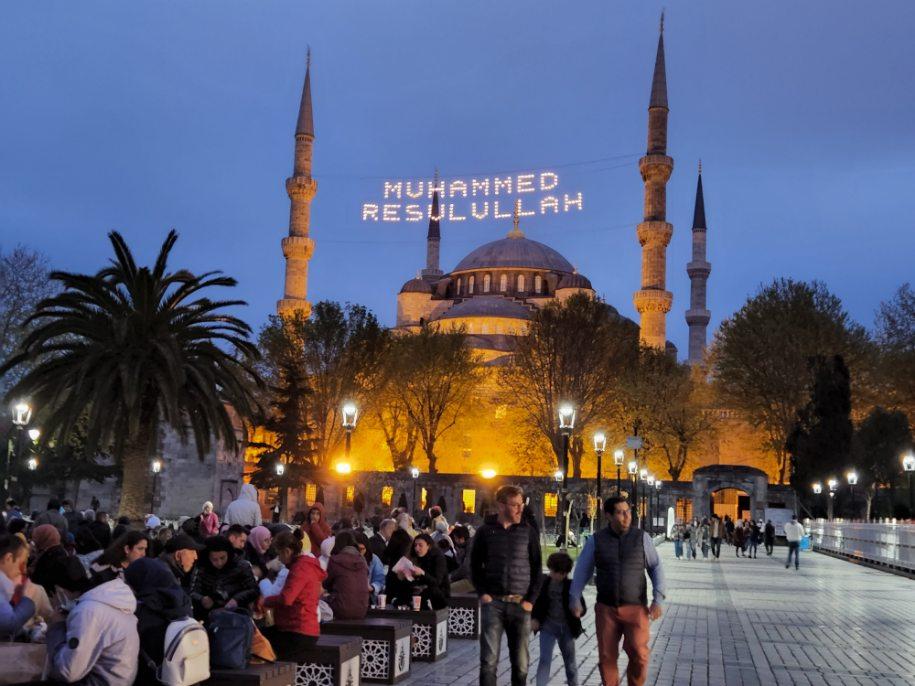
**** The Blue Mosque is under a several year construction repair project and you can’t see a thing. I visited during the highest holy days of Ramadan, so the Grand Bazaar was closed. Add them into your itinerary if they are open when you visit. Blue mosque at night pictured below.
Pause for one moment. I don’t mean Hoagy Carmichael’s place. I mean the bona fide country that borders Turkey, the Black Sea, Russia, Azerbaijan and Armenia.
The war between Russia and the Ukraine continues and truck traffic is backed up for many miles with supplies being shipped through Turkey and Georgia heading to the war zone. Trucks pull off the road and wait their turn to be called to another pullout a wee bit closer. Hurry up and wait.
It wasn’t that long ago when Georgia won their own independence from Russia (1991). These heart-felt signs are right at the border expressing support and unity. I’m certain that Georgia fears that they could be next. It appears there’s no love loss as it took about two seconds to remove Lenin’s statue from Batumi’s freedom square after independence was declared.
There’s culture shock simply crossing the border into Georgia. First, you can’t read the Kartvelian language which has some connection to ancient Aramaic. There are 33 letters in the written word but it looks like computer code. In Batumi along the sea walkway there is the Alphabet Tower with letters swirling up the hard metal surface. I don’t know. Looks Greek to me!
We’ve left the Muslim faith behind and now embrace Christian Orthodoxy. It’s very clear with a chapel at the border and nearby there’s a small waterfall with a statue of a saint offering a blessing. No more head-coverings and welcome mini-skirts.
About 15 miles before Batumi there’s a Roman Era castle in Adjara, Georgia. The archaeology digs show an early layer from 7-8 BC. The Roman’s expanded this fortress later in the 1st century A.D. It’s believed that 1200-1500 soldiers were stationed here. There are remains of a Roman bath, barracks, and parts of 18 towers built into the walls. In the 4th century AD the Romans abandoned the compound, but by the 6th century it was taken over by Byzantines. As time marched on, the garrison was later controlled by the Ottomans. Sounds like we’re playing Russian Roulette.
Speaking of gambling, Batumi is THE Las Vegas on the Black Sea. The city has grown rich from gambling Turks, Russians, and visiting Saudi’s. There are building cranes all over town and construction is booming, even in this COVID era. The architecture runs the gambit from sleek modern to soviet era housing to kitschy fun. And the skyline at night is gorgeous from a roof-top deck.
There are several squares:
Europe Square with 19th and early 20th century buildings. It was fun to walk around and experience old world charm. I couldn’t get enough of the blooming wisteria as I’ve always wanted to grow it—but it won’t grow where I live.
Piazza Square is decorated with mosaic and stained glass to look like something from Italy.
We didn’t visit Freedom square near the water, but there’s a beautiful pedestrian walkway through a park all along the Black Sea. It’s a fun place to people watch and eat at various restaurants. The locals are friendly, even when we crashed a birthday party.
Batumi is famous for many murals. Anyone fond of geocaching or treasure hunting will like to see how many they can find.
The Batumi Botanical Garden, a little outside of town, is also along the sea and is a nice place to stroll through huge magnolia trees and sections of Japanese Maples. The tepid Mediterranean climate allows many sub-tropic plants to grow here.