
Refugees from northern Thailand have lived for three generations under the highway in Bangkok, squatting on Port Authority land. They have nothing to go back to.  The rice fields and their homes are long gone.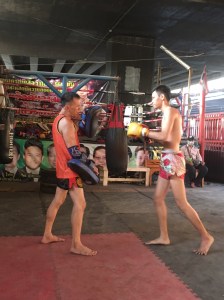
There’s a man named Thai who was a champion kick-boxer who runs an open air gym underneath the overhead thumping and growling traffic. He wants to keep kids away from drugs and other bad influences by training them to excel in a lucrative competition that offers a chance for success.
Young men sacrifice gallons of sweat, honing the sport on dreams filled with hope.
I walked with the mayor of this small village, down narrow paths hemmed in by ramschackle dwellings made from items found in garbage bins. Babies played or old men napped in the golden afternoon light.
There’s a small grocery in the front room of one home. The owner wheels a cart, piled high with goods for sale. Her voice echoes up and down the maze of passageways. Chickens are raised in one section, roosters saved for fights and gambling. There’s a meger pharmacy, sans a druggist, doctor or nurse. The community struggles to be self-sufficient.


I became a pied-piper, drawing in so many children who wanted stickers I brought to pass out in exchange for a smile. A few crafty ones returned with another shirt, hoping I wouldn’t recognize them, waiting in line for a second helping of goodies.
Why don’t these families move on, absorbing themselves into the open air and sunglight of Bangkok? When faced with the question, the mayor answered, “This is our home.”


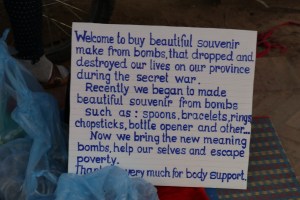
Visiting the Hmong refugee village near Luang Prabang in Laos felt much the same. These northern people, in danger from unexploded United States cluster bombs, were moved by their government from hollowed craters where poppies grow, ripe with opium.


Life moves on in this village, where these strangers aren’t accepted by other Laotians. A woman pumps air into a forge where her husband squats at the flame and crafts knives. A retired man makes bird and fish cages out of reeds. Women thread looms, making scarves with babies at their sides. Another group of women embroider fabrics to sell at market. Children play games with rocks, climb trees, and go to a one-room school. Everyone smiles and waves.


The best way to keep cultural identity and traditions alive is to remain in a group strengthing the community, even if living conditions aren’t ideal. We were invited into the leader’s home and spent some time talking about the dispersed Hmong people and what a typical day is like.


He later dressed in a traditional outfit and played music for us. Plied with local moonshine, we were embolded to eat appetizers of fried crickets, silk worms, and cacoon of moth before a beautiful feast was prepared in our honor.


We were welcomed with such grace and open arms. I wondered at the cost and time of hosting such an elaborate meal and felt guilty about using their resources.
‘HOME’ is a complicated word that cannot convey the depth of feeeling within a heart or an ethnic group. If I were a painter, I’d splash and swirl colors of the rainbow to try and give you the meaning. Musicians might compose a sound that would vibrate inside your soul. All of these arts cannot surpase the simple act of a well meant hug.


 and the CuChi tunnel outside of Ho Chi Minh city. The “American War” (Vietnamese name) brought up memories of friends killed and protests at home. I didn’t want to revisit anger over my government’s lies. My peers, those with a bright and promising future, signed up because they believed in the honor of that war. How do you justify top brass without the cahones to admit they were wrong? Those men who delivered our young to the slaughter house instead of doing the right thing? Frankly, it’s happening again in Afghanistan. History repeats itself, and we’d be wise to revisit these places of horror.


 The entire ancient site isn’t under UNESCO preservation at this time. Touring the city requires a bike, a hired cab or jambo for the day. If you want to step back in time, you can even ride an elephant, just like royalty of old.


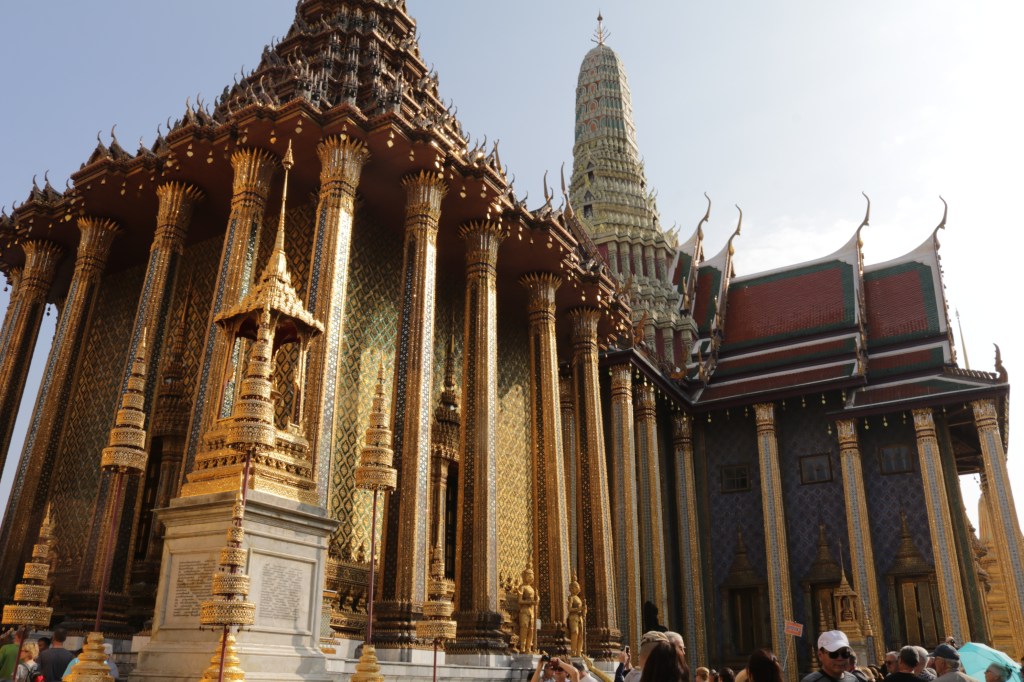


 Outside, the temple is held up by 112 Garudas (King of birds) holding Nagas Serpents.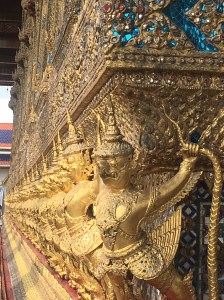




 Each country teeters on a political sword with either military dictatorships or communists who effectively crush any emerging opposition. No one has freedom of speech. Voices suggesting change often disappear.




 Adventure Quest